
Review · JAPAN
Osaka: Wakayama Cat Train, Seafood market, Hot Springs Tour
Wakayama’s cat train is the star of this day trip, but it shares the bill with a giant tuna, Pacific-facing cliffs, and a hot spring town with more than 1,300 years of bathing history. At Kishi Station, you’ll learn how a calico cat named Tama helped save a rural rail line and became its stationmaster.
I like the mix of odd, local, and scenic: Nitama, Tama’s successor, keeps the cat story alive, while ToreTore Market gives you a real seafood lunch rather than a standard tourist meal. I also like the ease of the air-conditioned coach from Osaka. The drawback is the long day and the amount of time spent on the road, with only about 15 minutes on the cat-themed train itself.
Key points to know before booking
- Tama’s station story: Kishi Station celebrates a calico cat who became a symbol of local renewal.
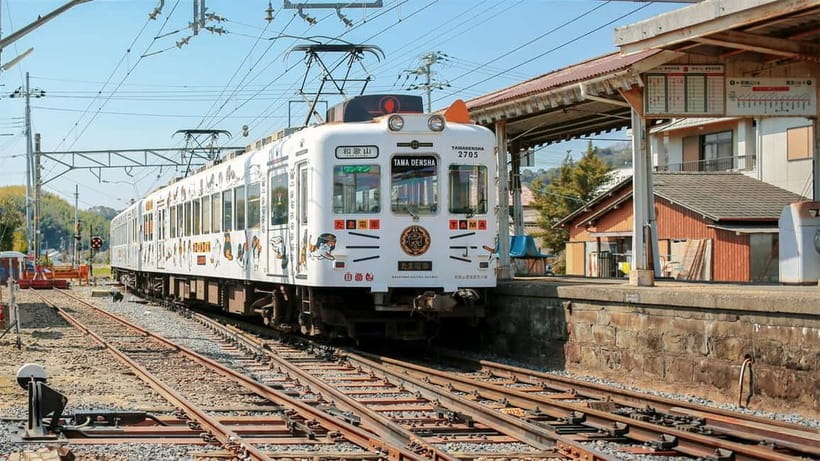
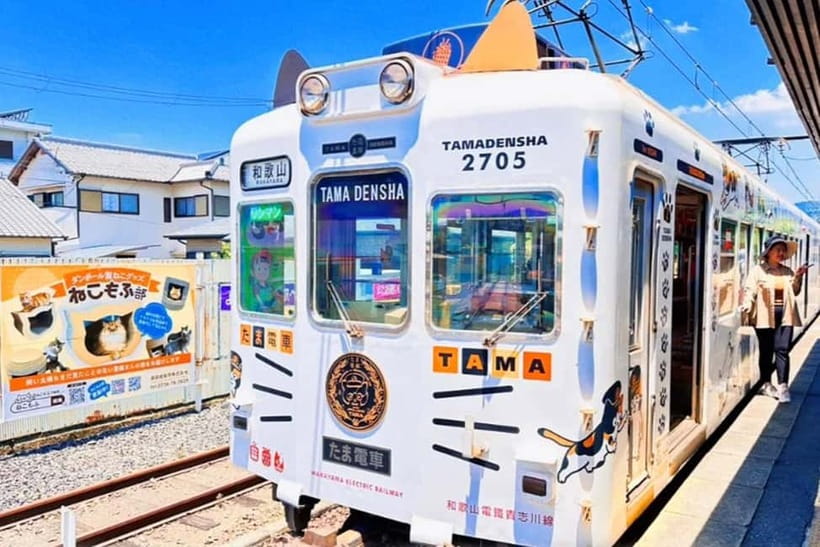
- Three possible train designs: Your train may be the Tama Train, Strawberry Train, or Toy Train, depending on the day’s service.
- Fresh seafood lunch: ToreTore Market offers sashimi bowls, grilled fish, octopus rice, and other meals at your own cost.
- Live tuna cutting: The show runs two or three times daily, but the timing is random and cancellation is possible.
- Two dramatic coastal stops: Senjojiki’s layered rock slabs and Sandanbeki’s sea caves give the afternoon its best views.
- Optional bathing: Toretore Onsen is an extra-cost stop, and tattoo restrictions may apply.
Why this Osaka day trip reaches Wakayama
This is not a quick side trip to one attraction. It is a long, packed circuit through southern Wakayama, roughly ten hours from pickup to return. You leave Osaka at 8:30 in the morning and expect to arrive back near Nipponbashi at about 6:40 pm, traffic permitting.
That timing matters. Wakayama is close enough to visit from Osaka, but the coastal stops and rural rail line are spread out. The coach saves you from arranging several train connections, buying separate tickets, and figuring out how to connect Kishi Station with Shirahama and the coast.
You meet at Nipponbashi Station Exit 2, at 1-chōme-3-6 Nipponbashi, near the Namba and Shinsaibashi area. Arrive at least 15 minutes early. Several groups may gather in the same area, and late arrivals or no-shows are not refunded.
The vehicle is air-conditioned and chosen according to group size. A professional driver handles the long road sections, while the guide explains the stops in English, Japanese, or Chinese. Guide Tiger receives especially strong praise for keeping people updated through WhatsApp, explaining the day clearly, and helping with food choices at the market.
More Food Market Tours in Japan
- Tokyo: Tsukiji Fish Market Food and Culture Walking Tour
★ 4.7 · 757 reviews - Tsukiji Fish Market: Street Food & Culture Walking Tour
★ 5.0 · 669 reviews - Tsukiji Fish Market: Street Food & Culture Walking Tour
★ 4.8 · 259 reviews
Kishi Station and the little cat railway
The first major stop is Kishi Station, a rural station best known for its feline design and Tama’s unusual career. The station itself is shaped like a cat’s face, so this is not just a train stop with a mascot poster. The building, railway story, and local souvenirs all carry the same theme.
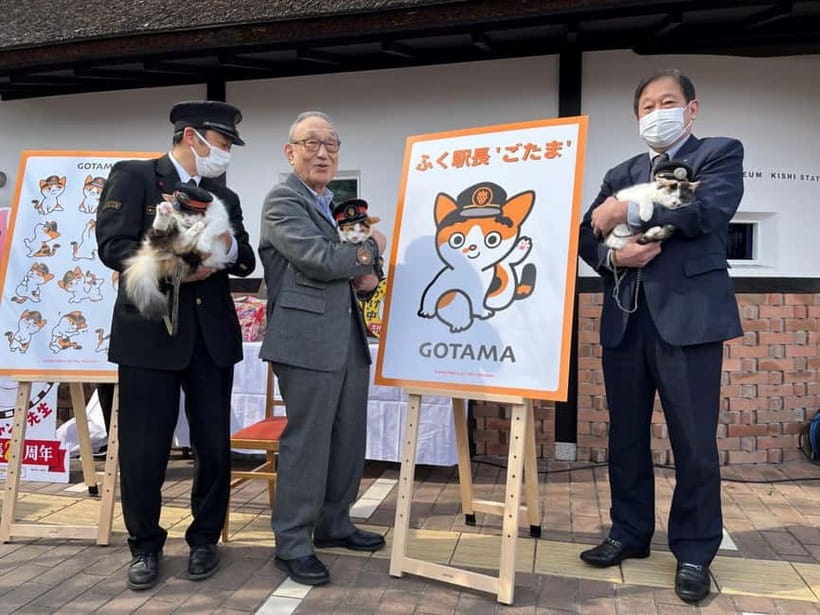
Tama was a calico cat who greeted passengers and became the stationmaster of a line once at risk of closing. Her presence drew attention to the railway and helped bring new interest to the area. Today, Nitama, known as Second Tama, carries on the station’s role.
You’ll have time to look around the Tama Shop, visit the cat-themed café, collect cat stamps, and browse souvenirs. Those small details make the stop more enjoyable than a simple photo break. If you like Japanese railway culture, local mascots, or slightly eccentric public history, Kishi Station is the kind of place you’ll remember.
The cat train is one of three designs:
- Tama Train
- Strawberry Train
- Toy Train
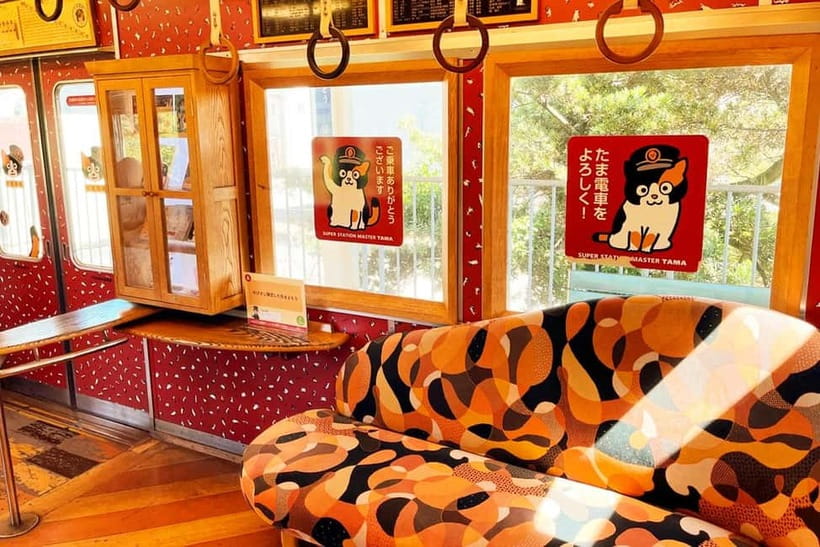
The design in service changes by day, so you cannot choose a specific one when booking. The cat-themed ride itself lasts about 15 minutes. That is enough time to enjoy the decorated interior and take photos, but not enough for a long railway journey through Wakayama.
This is the first place to set your expectations. The train is cute and distinctive, but it is a short part of a much longer day. One guest expected more from the cat train, and that reaction makes sense if you picture a full scenic rail excursion. Think of it instead as a charming local train ride attached to a broader Wakayama tour.
ToreTore Market and the tuna-cutting show
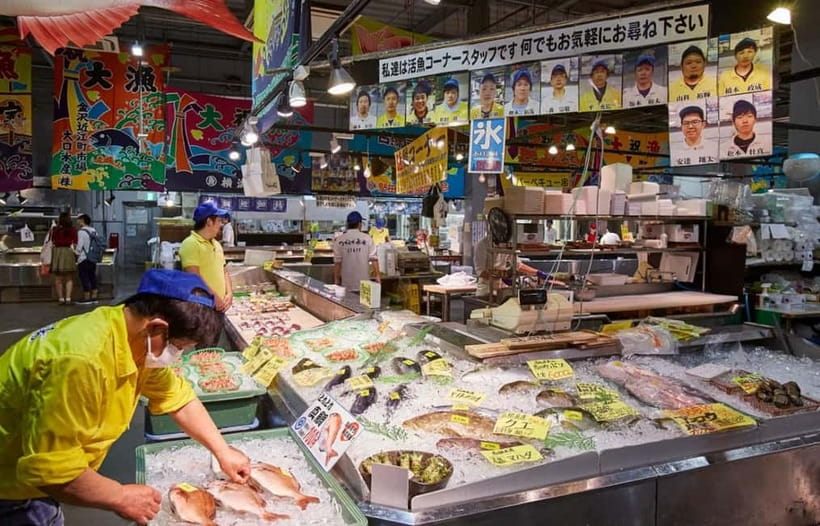
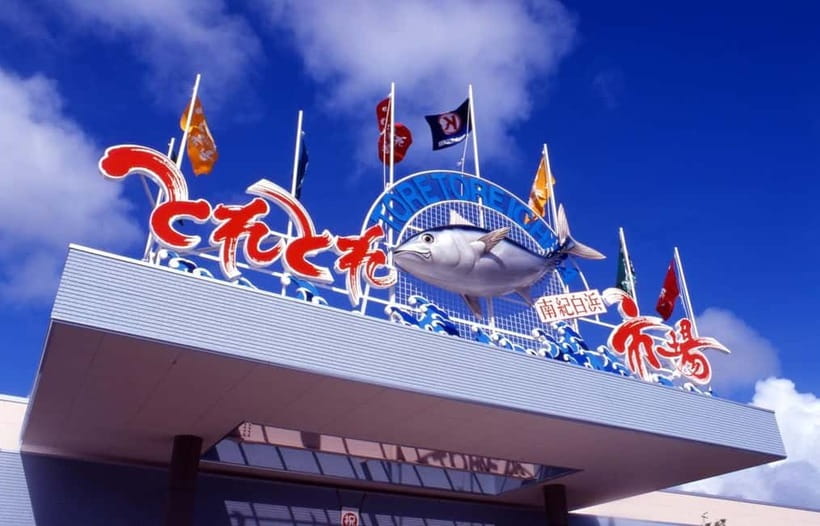
The next big stop is ToreTore Ichiba, described as the largest seafood market in western Japan. This is where the tour becomes especially useful for people who want to eat well but do not want to spend time decoding a market on their own.
The market’s main appeal is choice. You may find tuna sashimi bowls, grilled seafood, octopus rice, seasoned fish, and other local products. Lunch is not included, so bring cash and choose what looks good to you. The open-air seafood area also has BBQ tables, giving you the option to buy seafood and cook it yourself.
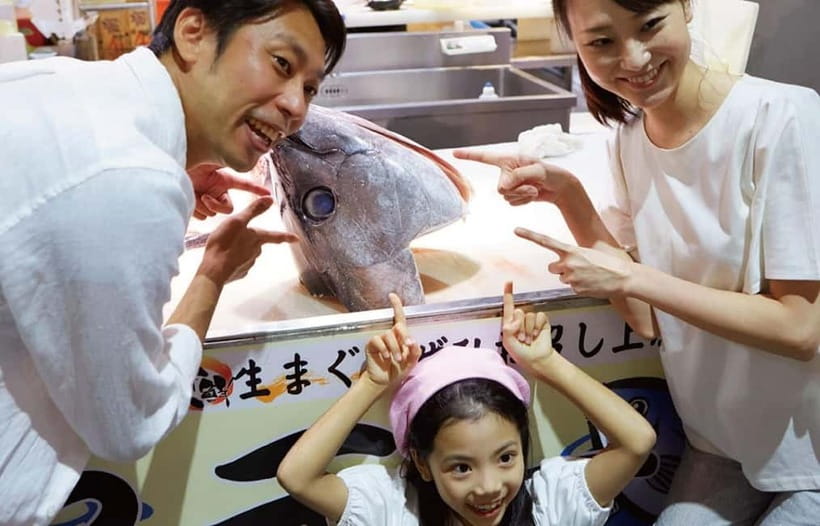
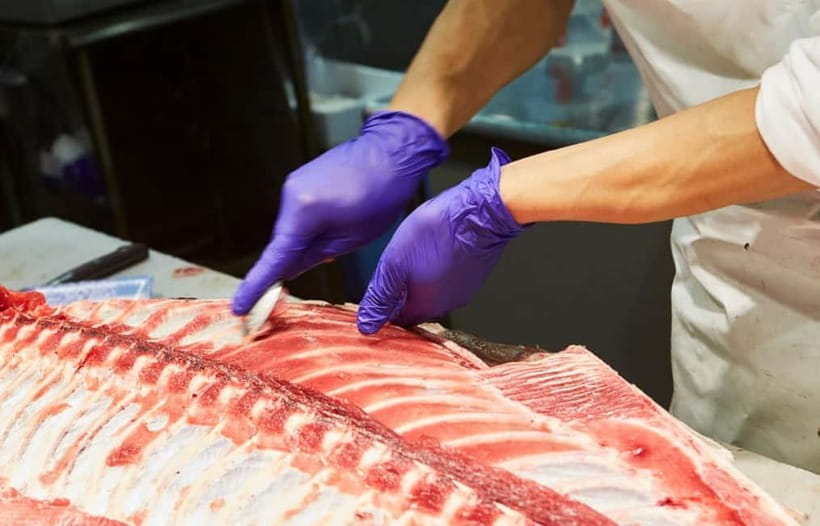
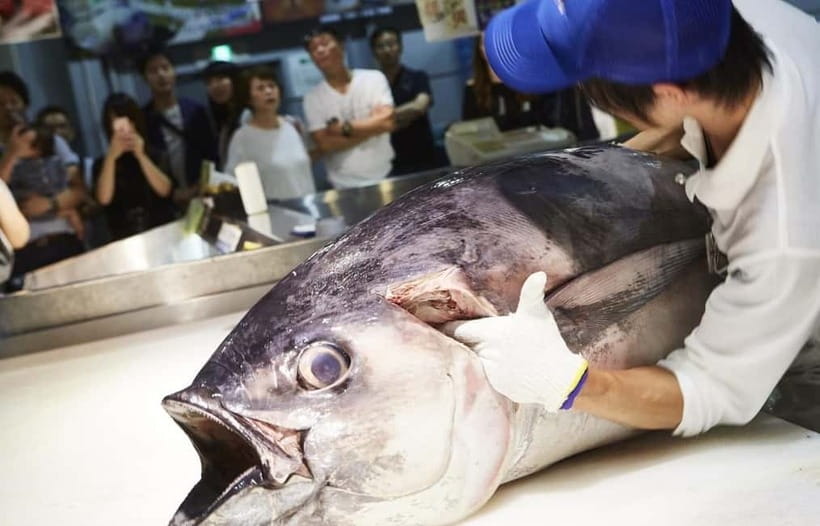
The live tuna-cutting show is the market’s main performance. A whole tuna is broken down with quick, careful cuts while the staff explains the fish’s parts. It gives you a better sense of how the product reaches the counter, and it is more interesting than simply watching someone prepare a fillet behind glass.
The show runs two or three times a day, but the timing is not fixed. Weather or other unexpected conditions can cancel it. If it is operating, listen for the guide’s instructions so you do not miss it while shopping or eating.
I would allow your appetite to guide this stop. You are not locked into one restaurant or one set menu. If you want a quick sashimi bowl, you can eat that. If you prefer grilled seafood, look for that instead. You can also use the souvenir area to buy seasoned seafood, packaged foods, and local gifts.
The tradeoff is time. Two hours sounds generous, but it can pass quickly if you watch the tuna show, choose lunch, eat, and shop. Follow the meeting time carefully. The coach cannot wait for a slow final purchase.
The optional hot spring stop
After lunch, the tour turns to Shirahama’s hot spring tradition. Toretore Onsen is an optional experience, so admission is not part of the tour price. You can decide whether you want to bathe, sightsee, or simply use the time to rest.
The spring water is described as sodium bicarbonate water, known for a smooth feel on the skin. The facility also features Japan’s first salt-stone bedrock bath. The hot spring tradition here reaches back more than 1,300 years, and ancient Japanese texts mention the area. Emperors are also said to have visited.
You should bring what you need for a comfortable bathing stop and keep in mind that tattoo policies may restrict entry. The tour information specifically warns that people with tattoos may not be allowed into the hot springs.
This part works best if you enjoy Japanese bathing culture and are comfortable paying an extra admission fee. If hot springs are not your priority, the stop may feel less essential than the cliffs that follow. The schedule can also change because traffic and real-time conditions may force the guide to adjust the order or length of stops.
Same streets, a different set of bites:
- Hungry Osaka Street Food Tour:15 Tastings & 3 Drinks with a Local
★ 5.0 · 1,727 reviews - Hungry Osaka Street Food Tour: 15 Dishes & 3 Drinks
★ 4.9 · 694 reviews - Tokyo: Asakusa & Sensoji ー Oldest Temple Walking Tour (2hrs)
★ 5.0 · 213 reviews - [1 Group Only] Osaka Street Food Tour for Family
★ 5.0 · 208 reviews
Senjojiki’s broad Pacific views
Senjojiki is a short photo and sightseeing stop, usually about 30 minutes. The name refers to the broad layers of rock spread along the coast. You stand on massive slabs facing the Pacific, with waves breaking below and open sea beyond.
This is one of the tour’s most scenic moments, but the weather will shape it. On a clear day, the rock platform gives you a wide view and excellent photo angles. Around sunset, the setting can be especially attractive, with the sky and water changing color together.
Wear comfortable shoes. The rock surface is uneven, and you will get more from the stop if you can walk a little rather than staying beside the parking area. There is no need to plan a long hike, but this is not a polished indoor attraction.
Thirty minutes is enough for photographs and a quick look. It is not enough for a slow coastal walk. That makes the tour convenient but limited: you see the coast without spending an entire day exploring it.
Sandanbeki and the sea caves
Sandanbeki adds a second kind of coastal drama. Here, you can take an elevator 36 meters down toward sea level and enter caves cut into the cliffs. The caves are linked with stories of Heian-era pirates, and displays recreate that part of the area’s past.
Admission to the caves is optional and not included. Check your remaining time and your interest level before paying. If you like unusual geology, enclosed spaces, and local legends, this is likely worth adding. If you prefer open views, Senjojiki may be enough.
The caves also give the day a change of pace. After the market and the open rock plateau, you move indoors and below the cliff line. Natural erosion has shaped the formations, while the exhibits give the place a human story.
As with Senjojiki, the stop is short, about 30 minutes. You should follow the guide’s timing closely, especially if you take the elevator down. A relaxed visit is possible, but there is no room for wandering far from the main route.
What the $83 price includes
At $83 per person, this tour offers good value if you want several Wakayama highlights in one day. The price includes round-trip transportation by air-conditioned coach, the cat-themed train ride, a multilingual guide, the professional driver, fuel, expressway tolls, and parking.
The main savings come from the transportation. Booking each part yourself would require a mix of local railway tickets, regional transport, and a separate plan for getting between the market, hot spring, and coast. The guide also adds value at places where context helps, particularly Kishi Station and the tuna market.
You still need to budget for lunch, personal purchases, hot spring admission, and Sandanbeki Cave admission. Those costs are flexible, which is useful. You can spend more on seafood and attractions, or keep the extras modest.
The tour is particularly good value for a first visit to Osaka when you want one full day outside the city. It is less attractive if you already have a rental car, want to linger at each location, or prefer independent travel with no fixed departure time.
The long coach rides and daily pace
The coach ride from Osaka to the first major stop takes about an hour and a half. The return journey is listed at about two and a half hours, though weekend, holiday, and peak-season traffic can make the day longer.
That travel time is the price of covering this much ground. I would bring water, a camera, and something to do quietly on the bus. Food is not allowed inside the vehicle, so eat during the scheduled stops rather than packing snacks for the ride.
The schedule is active without being a strenuous walking tour. You move between stations, markets, cliffs, caves, and possibly an onsen. The short coastal stops require comfortable shoes, but the day is not built around long hikes.
The guide may change the order of attractions, shorten visits, or reduce the number of stops when traffic or local conditions require it. That flexibility helps protect the return schedule, but you should not expect every day to run at exactly the same pace.
Who will enjoy this tour most
I would recommend this day to you if you want:
- A simple way to see Wakayama without arranging several connections
- A mix of local culture, food, railway fun, and coastal scenery
- A guided seafood market visit
- A short hot spring option
- A full day outside Osaka with transportation handled for you
- A tour available in English, Japanese, or Chinese
Families and mixed-age groups may like the variety. Cat fans will enjoy Kishi Station, while food lovers get a strong lunch stop and the possibility of a live tuna demonstration. The cliffs also give the day enough scenery to keep it from feeling like only a food and railway outing.
I would think twice if your main goal is a long train ride, a slow onsen stay, or a quiet coastal walk. The cat train is brief, the hot spring is optional, and the overall schedule is fixed. The tour is also not suitable for wheelchair users.
Small practical details that make the day easier
Wear shoes you can walk in comfortably on uneven rock. Bring cash for lunch, souvenirs, optional admissions, and personal expenses. A camera is worthwhile at the cat station, the market, and both coastal stops.
Watch for the email sent the evening before departure. It contains the guide, driver, vehicle, and meeting details. Guide Tiger has been especially praised for clear updates and for helping guests understand what to buy and cook at ToreTore Market.
The tour offers free cancellation up to 24 hours before departure and allows you to reserve now and pay later. Those terms help if your Osaka schedule is still shifting, but they do not protect late arrival at the meeting point.
Should you book the Wakayama cat train tour?
Book it if you want a well-organized introduction to several Wakayama sights in one day, especially if you value a guide and do not want to manage rural transport yourself. The strongest combination is the Tama story, flexible seafood lunch, live tuna-cutting possibility, and Pacific coast scenery.
Do not book it expecting a full railway adventure. The cat train is a memorable short ride, not the main transportation experience. At $83, the tour makes sense for the transport and range of stops, while the optional admissions and lunch let you control extra spending.
If your ideal day includes cute trains, fresh seafood, unusual local stories, and dramatic sea cliffs, this is a strong Osaka add-on. Just arrive early, accept the long road sections, and keep your schedule open for traffic.
FAQ
Where does the tour meet in Osaka?
The meeting point is Nipponbashi Station Exit 2, at 1-chōme-3-6 Nipponbashi in Chuo Ward, near the Namba and Shinsaibashi area.
What time does the tour depart and return?
Departure is at 8:30 am. The estimated return to Osaka is 6:40 pm, subject to traffic and schedule conditions.
Which cat train will I ride?
The train in service changes daily. You may ride the Tama Train, Strawberry Train, or Toy Train, and the specific design cannot be guaranteed in advance.
Is lunch included?
No. Lunch is at your own expense at ToreTore Market. Choices include seafood bowls, grilled seafood, octopus rice, and other market dishes.
Is the tuna-cutting show guaranteed?
No. The show normally takes place two or three times per day at varying times, but it may be canceled because of weather or other unexpected circumstances.
Are the hot spring and Sandanbeki Cave included?
No. Admission to Toretore Onsen and Sandanbeki Cave is optional and costs extra. People with tattoos may face restrictions at the hot spring.
Spa and hot spring stops around Japan
- Hanoi: Michelin Guide Street Food Tour with Spa Experience
★ 4.7 · 9 reviews
Newest street food walks around Japan
- Nagoya Castle and Local Flavor Samurai Tales and Street Food Walk★ 5.0 · 10 reviews
- Nagasaki Street Food Adventure: Private Walking Tour with a Local★ 5.0 · 26 reviews
- Nagoya Street Food Walking Tour of Osu★ 5.0 · 28 reviews
- The 10 Tastings of Tokyo With Locals: Private Street Food Tour★ 5.0 · 48 reviews
- Kyoto Nishiki Market Street Food Tour★ 5.0 · 9 reviews
- Private Nishiki Market Food & Sake Tour by Young Local Guides★ 5.0 · 12 reviews
- Tokyo: Sensoji Temple & Street Food: Private Tour with guide★ 4.6 · 8 reviews
- Tokyo: Shinjuku Local Eats, Street Food Tour & Culture Walk★ 5.0 · 2 reviews
Japan street food tours, side by side.

Hungry Osaka Street Food Tour:15 Tastings & 3 Drinks with a Local
Read our review →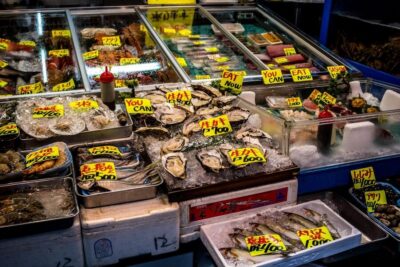
Tokyo: Tsukiji Fish Market Food and Culture Walking Tour
Read our review →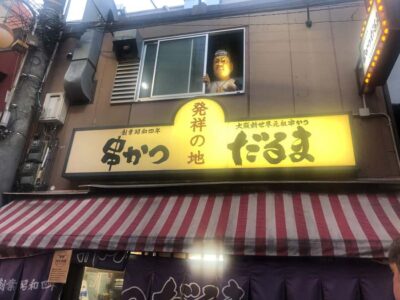
Hungry Osaka Street Food Tour: 15 Dishes & 3 Drinks
Read our review →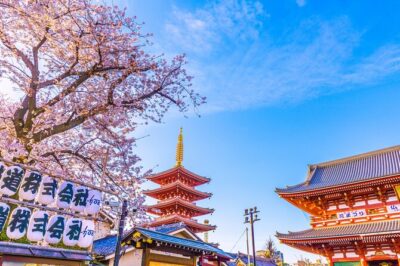
Tokyo: Asakusa & Sensoji ー Oldest Temple Walking Tour (2hrs)
Read our review →
[1 Group Only] Osaka Street Food Tour for Family
Read our review →

Takoyaki making experience ~Japan’s popular street food~
Read our review →
Osaka: 2-Hour Local Street Food Tour – Dotonbori & Namba
Read our review →The lists this tour appears in