
Review · JAPAN
Takoyaki making experience ~Japan’s popular street food~
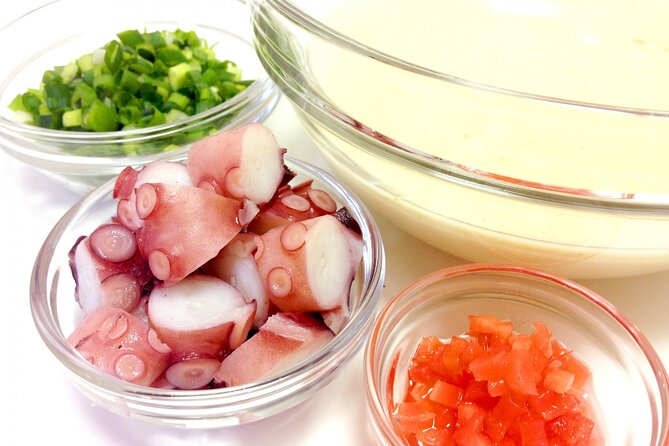
In the heart of Shinjuku’s Kabukicho, you get to make one of Japan’s favorite street foods instead of simply ordering it from a counter. You pour batter into round griddle holes, add chopped octopus, and learn to turn each piece into a golden ball. I like the hands-on work and the chance to eat the results hot from the cooker. Mai has been praised for her patience, especially with families and first-time cooks.
I also like the compact format. At about one hour, this fits neatly into a Shinjuku day, and the small group size keeps the activity from feeling like a mass cooking class. The main drawback is that the instruction may be light, particularly if the staff rely on printed directions or a translation machine. You may need to watch closely and ask for help with the flipping.
Key points before you book
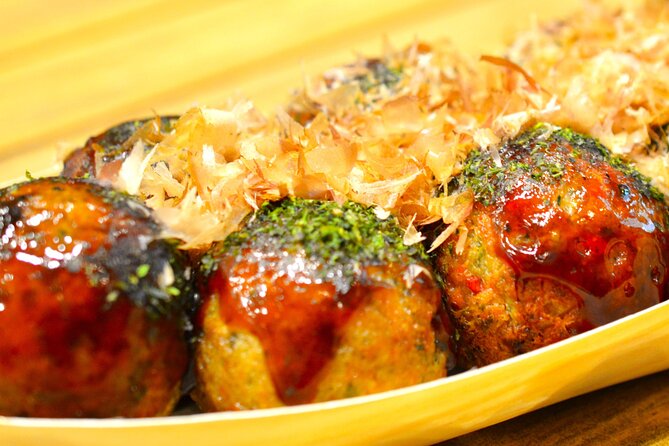
- Cook your own takoyaki: Mix batter, add octopus, grill the pieces, and turn them with small picks.
- Up to 12 pieces per person: Two people share one takoyaki cooker.
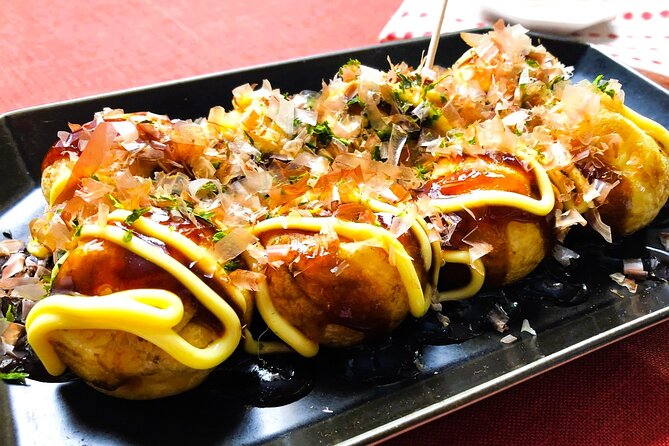
- Classic toppings included: Finish with sauce, mayonnaise, bonito flakes, and aonori.
- A short Shinjuku activity: The session lasts about one hour and begins and ends at Shinjuku Ale.
- Small maximum group: No more than six people can join the activity.
- English support varies: Staff may use a translation machine when needed.
Making takoyaki in the middle of Kabukicho
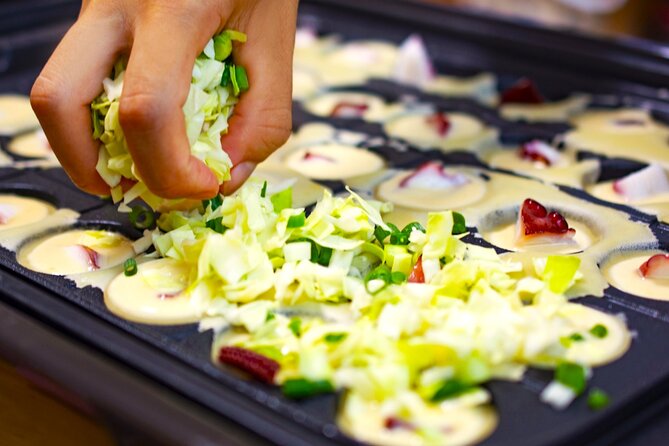
Takoyaki is simple food with a surprisingly active cooking method. A thin batter made with water and eggs goes into the round holes of a special griddle. Chopped octopus goes into each portion, and the batter cooks around it until you can turn the piece into a ball.
The appeal is not just the finished snack. The fun comes from the timing. You need to let the batter firm up enough to move, then use a small pick to turn each piece. A neat circle is not guaranteed on the first try, and that is part of the lesson. The cooks who make this look effortless have plenty of practice.
You will work with the ingredients and cooker provided at the restaurant. Two people share one cooker, so this works well for couples, friends, or a parent and child. Each person can make up to 12 takoyaki, giving you enough food to practice without turning the hour into a long meal.
The location is Shinjuku Ale, at 1-chome-14-5 Kabukicho, in Shinjuku City. The activity starts and finishes there, so you do not need to coordinate a second meeting point or arrange transport between stages. It is near public transportation, useful when you are fitting the class between other Shinjuku plans.
More street food walks around Japan:
- Hungry Osaka Street Food Tour:15 Tastings & 3 Drinks with a Local
★ 5.0 · 1,727 reviews - Tokyo: Tsukiji Fish Market Food and Culture Walking Tour
★ 4.7 · 757 reviews - Hungry Osaka Street Food Tour: 15 Dishes & 3 Drinks
★ 4.9 · 694 reviews
What the one-hour session is like
The experience begins when you arrive at the restaurant and tell the staff that you have reserved the takoyaki activity. This small step matters. Do not simply walk in and assume the restaurant team will know why you are there. Have your mobile ticket ready and clearly mention the experience.
The cooking follows the basic takoyaki method. You pour the batter into the griddle’s round openings, place chopped octopus inside, and wait for the mixture to cook. Once the edges begin to set, you use the picks to loosen and turn each piece.
The turning is the part that needs the most attention. You are not just flipping a pancake. You are gradually tucking loose batter into the center while rotating the piece. Some pieces may look uneven at first, but continued turning helps create the familiar round shape.
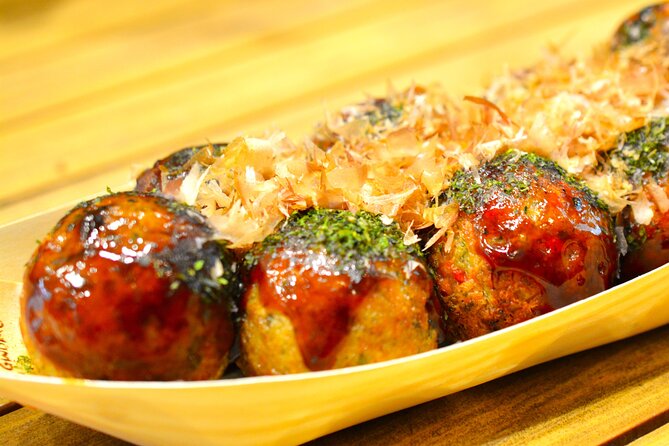
You then eat the takoyaki while it is hot. The outside should have a firmer, lightly crisp texture, while the middle remains soft and fluffy. Be careful with the first bite, since the inside can retain a lot of heat.
The finishing stage is where the snack takes on its familiar look and taste. You can add sauce, mayonnaise, dried bonito flakes, and aonori, the green laver often sprinkled over takoyaki. These toppings bring salt, sweetness, creaminess, sea flavor, and a little visual drama as the bonito flakes move from the heat.
The activity ends once you have finished eating. The full session takes about an hour, though the exact pace can depend on how quickly your group cooks and eats.
Why learning the flip is worth your time
Takoyaki is easy to recognize but harder to prepare well. At a street stall, the cook may turn dozens of pieces with fast, practiced movements. This class lets you see why that takes skill.
The small picks give you direct control. You may begin by nudging the edges, then rotating each piece partway. It is more precise than simply turning a round item over. The batter continues cooking as you work, so patience helps.
This makes the experience more useful than a standard food tasting. You learn the basic structure of the dish and the reason it has its distinctive shape. If you already love takoyaki, the class gives you a better feel for how the texture is made. If you have never tried it, you get an introduction that includes both preparation and eating.
The activity also has a playful side. Family groups can share the cooker and compare results, while adults may enjoy the small challenge of getting an even shape. One family found that their tween children handled the activity well because the steps were manageable and the food was familiar enough to keep them interested.
A good fit for families and small groups
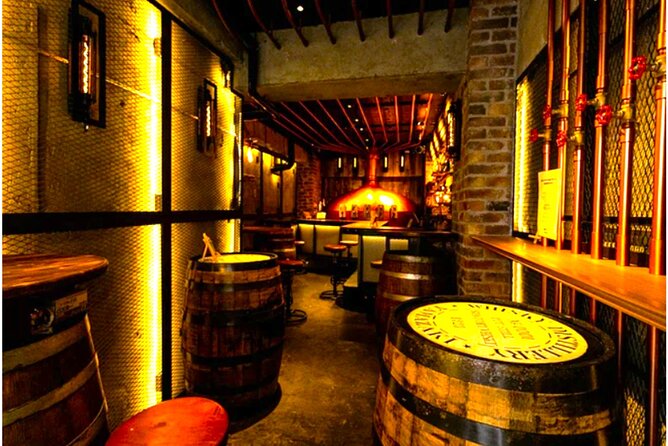
The setting and format make this a practical choice for families. The activity is short, the cooking is hands-on, and the finished food arrives quickly enough to hold a child’s attention. The maximum group size of six also keeps the class personal compared with a large cooking workshop.
Two people share one cooker, so plan your pairing before you begin. A parent and child can work together, or two friends can divide the tasks. One person can pour and place ingredients while the other watches the cooking and turns the pieces, then you can switch.
The experience is also suited to couples and small groups of friends who want a break from sightseeing. It offers something to do with your hands, not just another restaurant meal. Since it lasts roughly an hour, you can place it into a busy Shinjuku schedule without giving up half a day.
Participants under 20 must be accompanied by a parent or guardian. Alcohol is not permitted for anyone under the legal age, and any alcoholic drinks are extra rather than part of the activity. Adults should also know that added drinks can cost more than expected, so check the price before ordering.
Same streets, a different set of bites:
- Tsukiji Fish Market: Street Food & Culture Walking Tour
★ 5.0 · 669 reviews - Tsukiji Fish Market: Street Food & Culture Walking Tour
★ 4.8 · 259 reviews - Tokyo: Asakusa & Sensoji ー Oldest Temple Walking Tour (2hrs)
★ 5.0 · 213 reviews - [1 Group Only] Osaka Street Food Tour for Family
★ 5.0 · 208 reviews
English help and the level of instruction
English support is available, but it may not be smooth in every session. Some staff members are not fluent in English, and the restaurant may use a translation machine. That is not necessarily a problem for a visual cooking activity, but it can affect how much explanation you receive.
The strongest experience seems to come when staff actively demonstrate and guide the process. Mai has been singled out for being patient and helpful, and skilled Japanese cooks may assist with the technique. You should still expect to pay attention to the visual steps.
One concern is that some sessions may rely heavily on written instructions rather than spoken explanation. If you want a detailed cooking lesson, this could feel thin for the price. If you mainly want to try making takoyaki yourself, the basic process remains easy to follow through watching, copying, and asking for help.
I would treat this as a casual food activity, not a professional cooking course. You will learn the core method, but you may not receive a long explanation of batter ratios, regional variations, or advanced kitchen technique.
What you eat, and what is not included
The activity includes the cooking experience, the takoyaki ingredients, and the listed fees and taxes. You can make up to 12 takoyaki per person, then add the traditional toppings and eat them at the restaurant.
Bottled water is not included. Additional meals and drinks also cost extra, and transportation to the meeting point is your responsibility. The takoyaki portion may be enough for a light snack or small meal, but the experience is not presented as a full restaurant dinner.
This distinction matters when you judge the price. At $26.43 per person, you are paying for more than several ready-made takoyaki. You are paying for the ingredients, the use of the cooker, the staff support, the restaurant setting, and the chance to practice a food skill in Tokyo.
The value is strongest if you want an activity as well as something to eat. If your only goal is to taste takoyaki cheaply, a street vendor will usually be the simpler choice. If you enjoy food preparation and want a short shared activity, the price is easier to justify.
Shinjuku location and timing
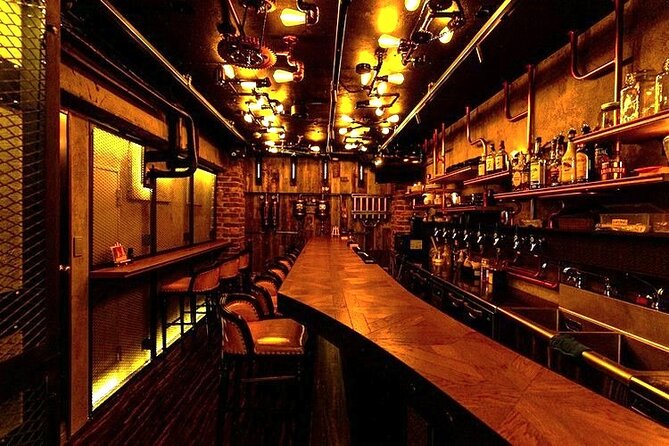
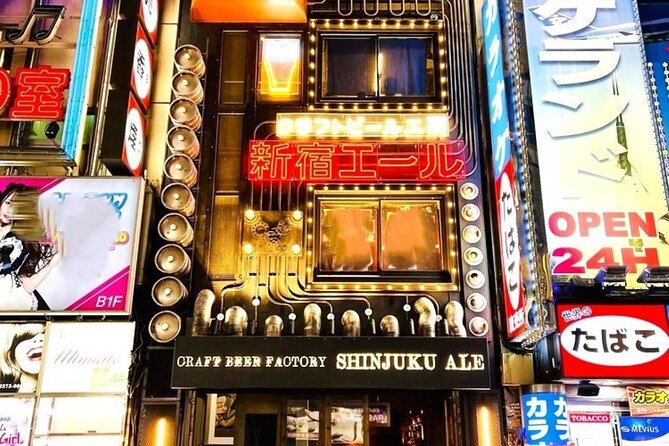
Starting and ending at Shinjuku Ale makes the logistics simple. The meeting point is in Kabukicho, a central part of Shinjuku with plenty of nearby activity. You can combine the class with other plans in the area, but allow enough time to find the building and reach the restaurant before the start.
The listed meeting point is Shinjuku Ale 1F and 2F, at 1-chome-14-5 Kabukicho, Shinjuku City, Tokyo 160-0021. The activity does not include transport, so you need to make your own way there.
The one-hour length is one of the experience’s better features. A longer class might offer more cooking detail, but it could also become tiring for children or take time away from Tokyo sightseeing. This session gives you the essential steps, enough cooking practice, and a hot meal without requiring a large time commitment.
It is often booked about 29 days in advance. That does not guarantee that every date sells out, but it is a useful sign that you should reserve ahead if your Tokyo schedule is fixed.
The activity’s limits
The main limitation is the uneven level of instruction. Some people may receive friendly help and a clear demonstration, while others may find that the staff point to step-by-step directions and leave them to work things out. Language differences can add to that problem.
The activity provider has acknowledged that an earlier session did not handle optional alcoholic drinks smoothly and that the cooking explanation could have been better. That suggests you should keep expectations realistic. This is a small restaurant-based experience, not a polished theatrical demonstration.
You should also know that the experience is built around one dish. There is no listed tour of Kabukicho, no transport, and no second food stop. Its value depends on how much you enjoy the process of cooking and eating takoyaki.
Still, the format has clear strengths. The food is prepared by you, the group is limited to six, and the session ends at the same place where it begins. Those details keep the activity easy to manage.
Who should book this takoyaki class?
I would recommend it to families with children old enough to handle a cooking pick under adult supervision, couples seeking a light food activity, and friends who want something more active than a restaurant meal. It is especially suitable if you already plan to spend time in Shinjuku.
Takoyaki fans will appreciate the chance to practice the turn. First-time tasters will get a clear introduction to the dish and its classic toppings. The activity also gives you a better sense of why the texture matters: crisp outside, soft inside, and hot in the center.
I would be more cautious if you want polished English instruction or a detailed culinary lesson. The translation machine and limited spoken explanation may leave you doing more of the learning by observation. I would also compare the price with your food budget if you are only interested in eating, not cooking.
Reservations can be canceled for a full refund up to 24 hours before the start time. Cancellations or changes made less than 24 hours before the activity are not accepted for a refund, with cut-off times based on Tokyo local time.
Should you book it?
Book this experience if you want a short, social activity that turns a famous Japanese snack into a hands-on lesson. The best reasons are the small group size, the family-friendly format, the chance to make up to 12 pieces per person, and the satisfying challenge of turning the takoyaki yourself.
Skip it if you want a full meal, a detailed English cooking lecture, or the lowest-cost way to taste takoyaki. At $26.43, the value comes from participation rather than volume. For the right group, especially near Shinjuku, that makes the hour worthwhile.
FAQ
Where does the takoyaki experience take place?
It takes place at Shinjuku Ale, 1F and 2F, at 1-chome-14-5 Kabukicho, Shinjuku City, Tokyo 160-0021, Japan.
How long does the activity last?
The experience takes about one hour and ends when you finish eating the takoyaki.
How many takoyaki can each person make?
Each person can make up to 12 takoyaki.
How many people share one takoyaki cooker?
Two people use one takoyaki cooker.
Is the experience available in English?
Some staff members are not fluent in English, so a translation machine may be used during the activity.
Can children join the experience?
Participants under 20 must be accompanied by a parent or guardian. Underage drinking is prohibited under Japan’s Minors’ Alcoholic Beverage Law.
Newest street food walks around Japan
- Nagoya Castle and Local Flavor Samurai Tales and Street Food Walk★ 5.0 · 10 reviews
- Nagasaki Street Food Adventure: Private Walking Tour with a Local★ 5.0 · 26 reviews
- Nagoya Street Food Walking Tour of Osu★ 5.0 · 28 reviews
- The 10 Tastings of Tokyo With Locals: Private Street Food Tour★ 5.0 · 48 reviews
- Kyoto Nishiki Market Street Food Tour★ 5.0 · 9 reviews
- Private Nishiki Market Food & Sake Tour by Young Local Guides★ 5.0 · 12 reviews
- Tokyo: Sensoji Temple & Street Food: Private Tour with guide★ 4.6 · 8 reviews
- Tokyo: Shinjuku Local Eats, Street Food Tour & Culture Walk★ 5.0 · 2 reviews
Japan street food tours, side by side.
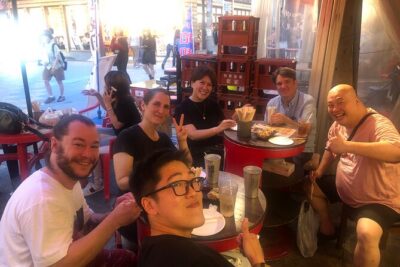
Hungry Osaka Street Food Tour:15 Tastings & 3 Drinks with a Local
Read our review →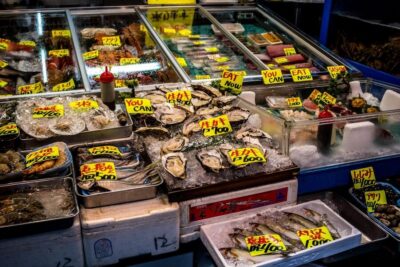
Tokyo: Tsukiji Fish Market Food and Culture Walking Tour
Read our review →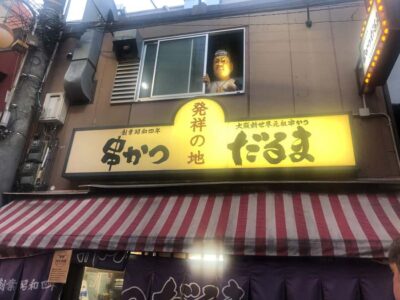
Hungry Osaka Street Food Tour: 15 Dishes & 3 Drinks
Read our review →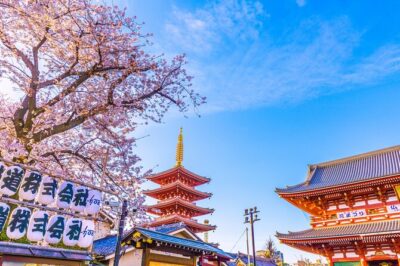
Tokyo: Asakusa & Sensoji ー Oldest Temple Walking Tour (2hrs)
Read our review →
[1 Group Only] Osaka Street Food Tour for Family
Read our review →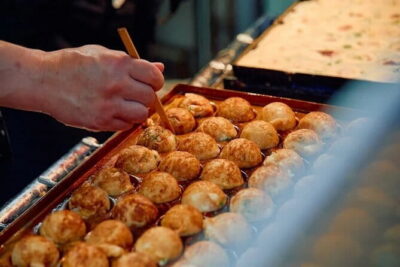
Osaka: 2-Hour Local Street Food Tour – Dotonbori & Namba
Read our review →
Fukuoka: Nakasu Food Stall Private Guided Tour with Tastings
Read our review →The lists this tour appears in