
Review · OSAKA
Osaka: 2-Hour Local Street Food Tour – Dotonbori & Namba
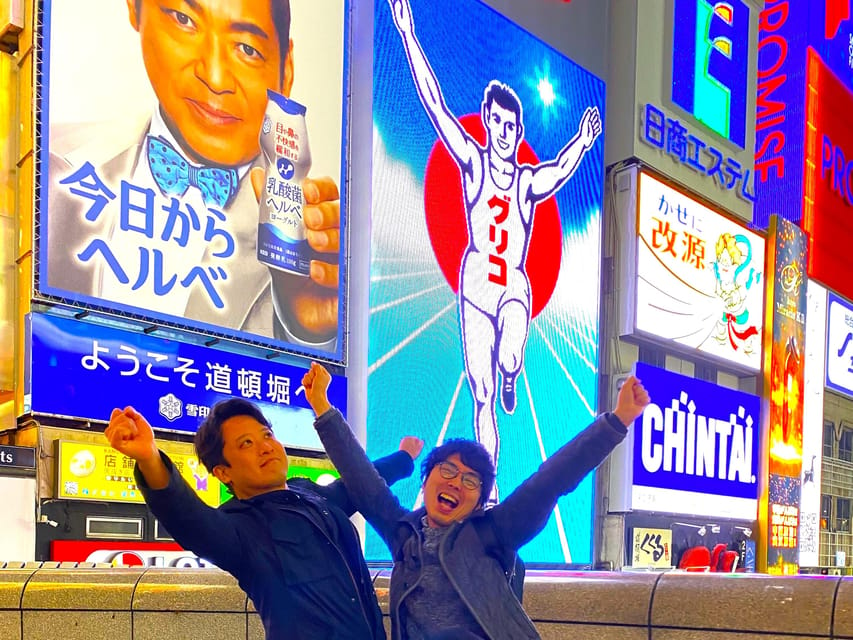
Dotonbori is Osaka at full volume: giant signs, glowing bridges, narrow lanes, and food at nearly every turn. This tour gives you a friendly local guide to help you make sense of it, then leads you from the famous Glico Man sign to small eateries and snack counters around Namba.
I like two things here. First, the guide can shape the food stops around what you want to try, from takoyaki and taiyaki to beef, sushi, noodles, or kushikatsu. Second, the route adds Hozenji Temple and Ukiyo-Koji, giving you a quiet pause in the middle of the neon and crowds.
The main catch is that the $51 price does not include food or drinks. Two hours also passes quickly, so this is more of an introduction than a full Osaka food crawl. Officially, vegan and gluten-free requests cannot be guaranteed, even though some guides have gone out of their way to help with vegetarian and gluten-free needs.
Key points to know before booking
- Glico Man starts the evening: You get the classic Osaka photo early, before moving into the food streets.
- Food is purchased separately: The tour fee pays for the English-speaking guide, not the dishes you eat.
- Hozenji adds a calm contrast: This small temple offers a short break from Dotonbori’s noise and lights.
- The guide makes the difference: Kaito, Hina, Fuka, Hiro, and others are praised for friendly conversation, local tips, and help ordering.
- The route can suit repeat visitors: Guides may adjust stops based on what you have already seen and what you want to eat.
- Dietary limits need care: Vegetarian help has sometimes been possible, but vegan and gluten-free needs are officially not accommodated.
Why this short Osaka food tour works
Osaka is often called Japan’s kitchen, and Dotonbori is the city’s most famous dining stage. That fame has a downside: the area can feel confusing, crowded, and packed with menus you cannot read at a glance.
A local guide helps you spend your limited time eating rather than guessing. You can ask what a dish contains, learn how to order, and get simple cultural context as you walk. Several guides also teach useful Japanese phrases, which can make the rest of your Japan trip easier.
The experience is not a formal cooking class or a sit-down tasting menu. You walk, stop, buy food, and eat along the way. That makes it lively and flexible, but you should not expect every food item to be included or every stop to follow a fixed menu.
The tour is available as a private or small-group experience. That matters in a busy district. A smaller group gives the guide more room to answer questions and adjust the pace, while a private booking should give you the most control over food choices and interests.
Two-hour tastings around Japan:
- Saigon: City Unseen Highlights 2h Tour | Opt: Ao Dai Riders
★ 5.0 · 69 reviews - Taipei: 2-Hour Raohe Night Market Walking Tour
★ 4.6 · 69 reviews - Chennai: 2 Hour Street Food Walking Tour
★ 3.9 · 19 reviews
Meeting at Starbucks near Ebisu Bridge
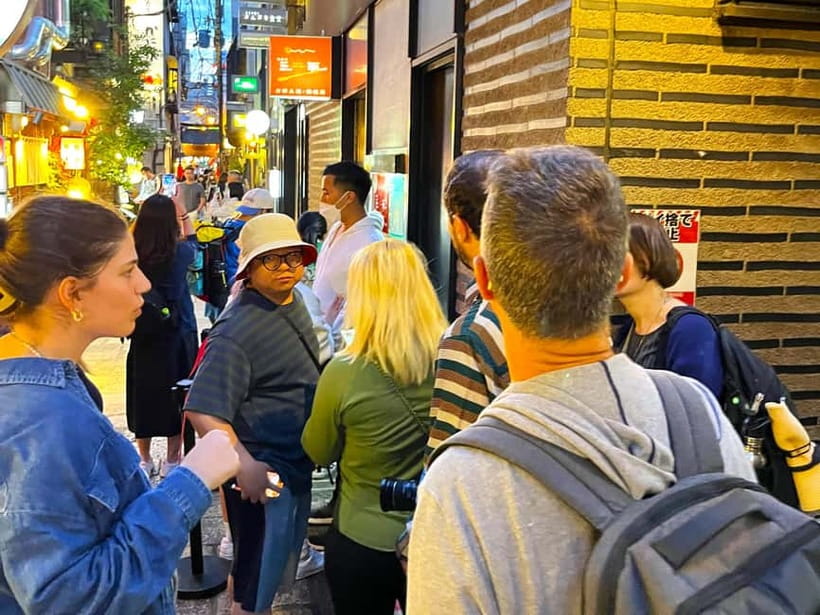
The starting point is the Starbucks Coffee TSUTAYA EBISUBASHI store, outside the building. Look for a guide holding a yellow sign with the DeepExperience logo.
This is a practical meeting place because the tour begins close to the main Dotonbori sights. Still, give yourself time to find the correct storefront. Namba and Dotonbori have many exits, signs, and pedestrian flows, and arriving at the last minute can turn a relaxed food walk into a rushed start.
The guide speaks English or Japanese. The strongest part of the experience is likely to be the conversation. Guides such as Kaito have helped with phrases, ordering, and questions about Japanese customs, while Hina and Fuka have been praised for clear English and a warm manner.
Glico Man and the first look at Dotonbori
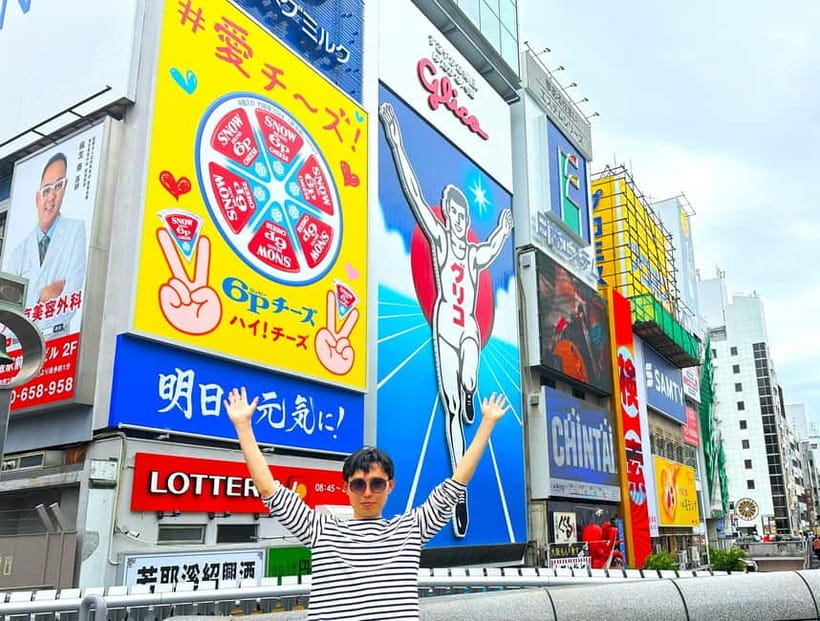
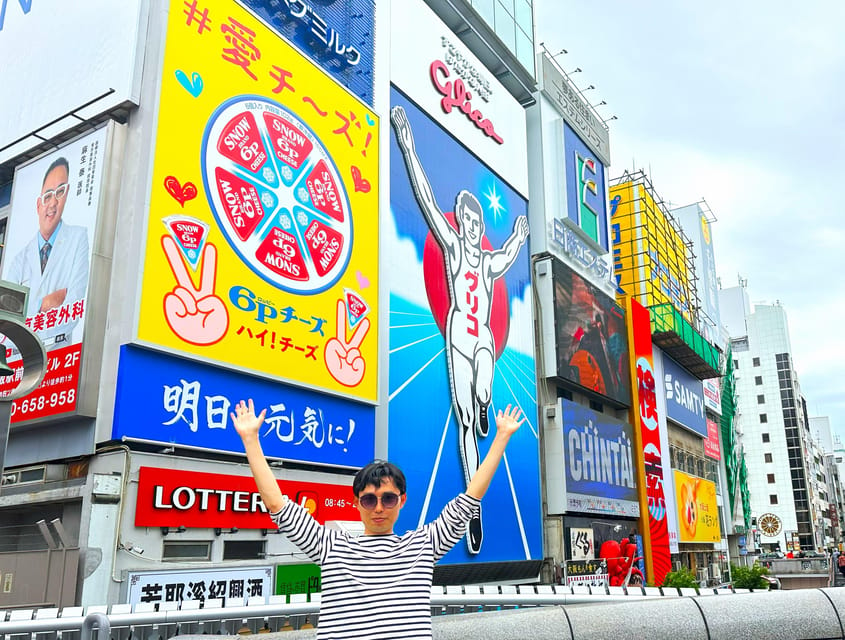
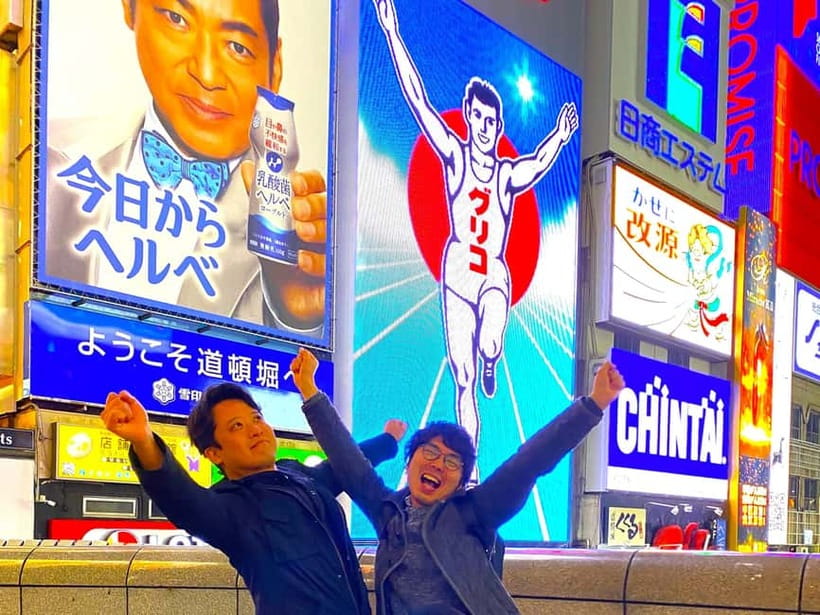
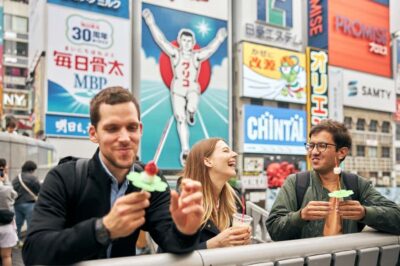
The first major stop is the Glico Man sign, one of Osaka’s best-known photo spots. You get about 20 minutes for a visit, guided explanation, and pictures.
This is not a subtle introduction to the city. The sign, canal, bridges, and giant restaurant displays show you Osaka’s love of bold food advertising and playful public spaces. If you have seen the image online, this is your chance to place it in the real setting and get the standard arms-up photograph.
The stop also helps you get your bearings. Dotonbori is not just one street. It is a set of lanes, canal-side paths, arcades, and side streets filled with restaurants and shops. A guide can point out how the famous main strip connects with quieter corners.
The drawback is that this is a well-known photo stop, not a secret local discovery. It can be crowded and noisy. Its value comes from having a guide frame the area and move you onward, not from spending a long time studying the sign.
Dotonbori food: takoyaki, takosen, and taiyaki
The first tasting section lasts about 30 minutes and focuses on Osaka-style snacks. Takoyaki is the obvious starting point: hot, round batter snacks with octopus inside, usually finished with sauce and toppings.
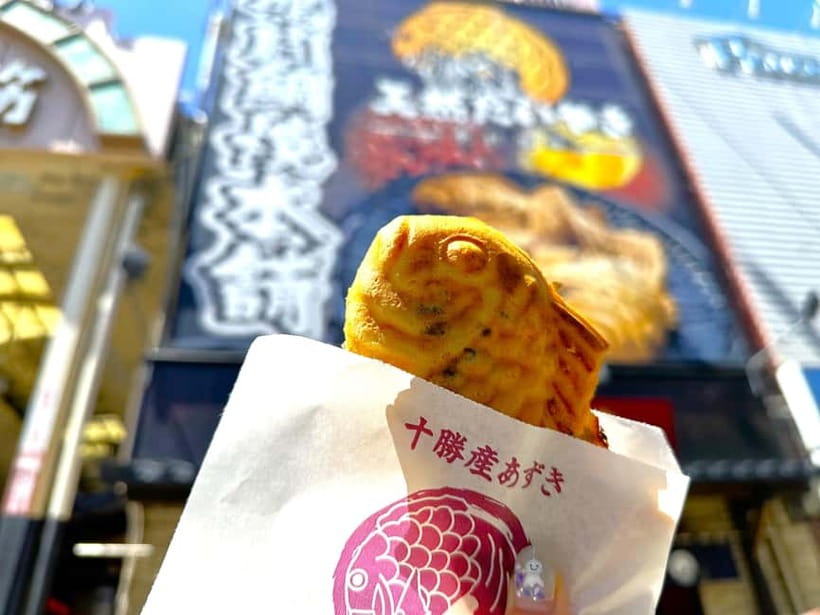
Takosen combines takoyaki with shrimp crackers, giving you two textures in one hand-held bite. Taiyaki is a fish-shaped cake, often filled with custard or sweet bean paste. One visitor particularly enjoyed the crisp outside and custard center, so it may be the kind of small dessert you remember after the more famous savory dishes.
The food is served in a setting built for movement. You may eat standing, walking, or at a small counter, depending on the stop. That is part of the appeal, but it is not ideal if you prefer a slow meal with plenty of seats.
The exact selection can change. Some guides have included dumplings, tempura, ramen, sushi, udon, beef, or onigiri when those choices suited the group. Ask your guide early about priorities, especially if you have already tried takoyaki and want to focus on something else.
More street food walks around Japan:
- Hungry Osaka Street Food Tour:15 Tastings & 3 Drinks with a Local
★ 5.0 · 1,727 reviews - Tokyo: Tsukiji Fish Market Food and Culture Walking Tour
★ 4.7 · 757 reviews - Hungry Osaka Street Food Tour: 15 Dishes & 3 Drinks
★ 4.9 · 694 reviews - Tsukiji Fish Market: Street Food & Culture Walking Tour
★ 5.0 · 669 reviews
Ukiyo-Koji and Hozenji Temple
One of the most useful parts of the route is the short walk through Ukiyo-Koji followed by a visit to Hozenji Temple. The temple sits close to the shopping and dining district, yet feels far removed from it for a few minutes.
Hozenji is a good reminder that Osaka is not only signs, shopping, and food photographs. The stop lasts about 15 minutes, with a guided visit. You can pause, look around, and see a traditional religious space tucked into the city center.
I like this change of pace. After hot snacks and crowded lanes, a quiet temple gives the walk a little shape. It also lets your guide explain local customs and the role of small neighborhood temples without turning the tour into a long lecture.
Do not expect a major temple complex or a full cultural tour. This is a brief stop, and the food remains the main focus. Its strength is contrast: a small, calm place placed directly beside one of Osaka’s busiest entertainment areas.
Namba food stops and local ordering help
The tour then moves into Namba for another food tasting session of about 30 minutes. Namba is a useful place to sample dishes that are less suited to a quick street bite.
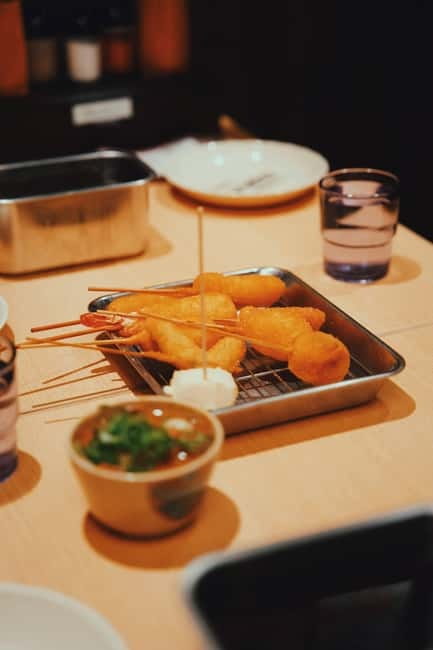
Possible choices include okonomiyaki, kushikatsu, doteyaki, pork buns, sushi, noodles, beef, and other local snacks. Okonomiyaki is a savory pancake cooked with a mix of ingredients and toppings. Kushikatsu is skewered food with a crisp coating. Doteyaki is a slow-cooked beef dish associated with Osaka.
The guide’s role is especially valuable here. You may need help understanding a menu, choosing portions, or knowing how to eat a dish. One guide has helped visitors cook food at the table and explained local food customs, while others have taken groups to small restaurants they would not have found alone.
You should also tell the guide what you have already eaten. The best reports from this tour come from guides asking questions and changing the plan around personal tastes. If you want seafood, meat, sweets, or more vegetarian choices, say so at the beginning rather than waiting until the final stop.
The last Dotonbori snack round
The final food section returns to Dotonbori for about 30 minutes of local snacks. This gives you another chance to try something sweet or savory, take more photos, and see the district after you have learned its basic layout.
Apple candy, pork buns, taiyaki, and other quick bites may appear here. The list is flexible rather than fixed, which is good for repeat visitors and less useful if you want a precise tasting menu promised in advance.
The tour ends back near the original Starbucks meeting point after a final guided or photo stop of about 10 minutes. You should finish with a sense of the area and a short list of places to return to. Several guides have offered extra restaurant and sightseeing suggestions, which can be as useful as the food itself if you are staying in Osaka for a few more days.
How much food do you get for $51?
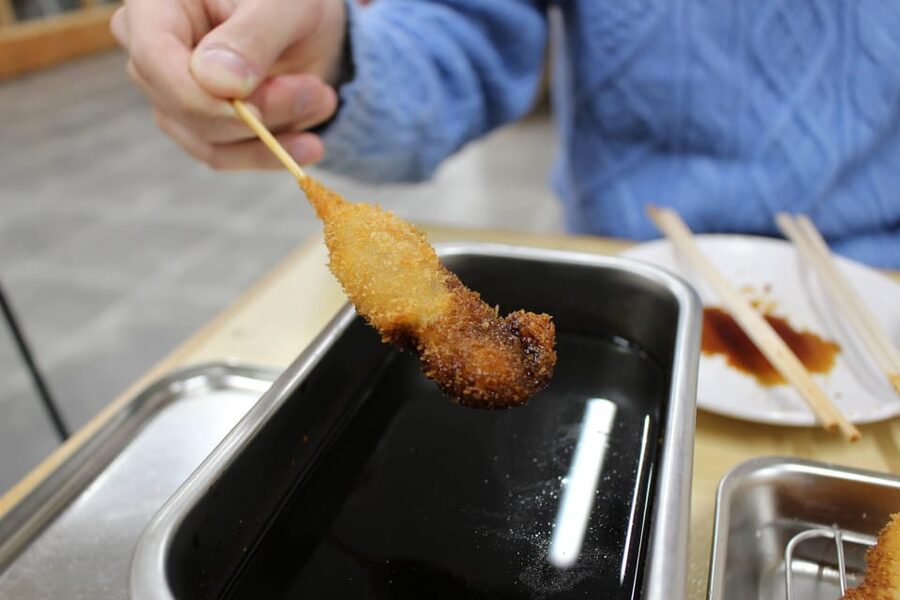
At $51 per person, the value depends on how much help you want. Food and drinks cost extra, so your total spending will be higher. The tour price buys access to a local guide, language help, neighborhood context, and a planned route through an area that can be awkward to navigate on your own.
If you already know Dotonbori well and feel comfortable ordering anywhere, you may find the price harder to justify. You could walk the same main streets yourself and buy snacks directly.
For a first visit, the calculation is better. A guide can save time, steer you toward different kinds of food, and help you avoid choosing only the most obvious signs. Small-group and private options also add value if you want conversation rather than a large procession.
Remember that this is a two-hour tasting walk, not dinner with unlimited dishes. Budget separately for what you eat, and do not arrive expecting all the listed foods at once. The final choices depend on the guide, the group, and your preferences.
Dietary needs and family suitability
The official information says vegan and gluten-free requests cannot be accommodated. Take that seriously when deciding. The food is central to the experience, and many traditional snacks use wheat, batter, sauces, meat, seafood, or shared preparation areas.
Some guides have helped vegetarian participants and even researched gluten-free places for individual groups. That suggests personal effort can make a difference, but it is not a promise of safe or suitable food. Contact the provider before booking if your diet is medically important.
The tour can work well for older children and teenagers who enjoy trying new foods. One guide was praised for getting teenagers involved, teaching phrases, and keeping the conversation going. Another account found the experience less suitable for children, likely because of the walking, crowds, late food setting, or short stops.
Use your judgment. The route is not described as a children’s attraction, and the food may be hot, unfamiliar, or eaten in tight spaces. A private booking gives families more control over pace and choices.
What kind of guide should you expect?
The guide is the main variable. The strongest guides combine practical help with local conversation.
Kaito is repeatedly praised for clear English, patience, useful Japanese phrases, and taking groups to local eateries. Hina is noted for adapting food choices and sharing area information. Fuka is praised for being funny, friendly, and easy to understand. Hiro has helped shape the pace and dishes around what people can eat.
Names and assignments can change, so you cannot assume you will receive a particular guide. You can, however, expect an English-speaking or Japanese-speaking local guide and should tell that person what matters to you.
The best way to improve the experience is to arrive with two or three food goals. You might want Osaka classics, small local restaurants, sweets, seafood, meat, or dishes you have not tried before. The more specific you are, the easier it is for the guide to make the short tour feel personal.
Who should book this Dotonbori food walk?
I would choose this tour if you are visiting Osaka for the first time, feel unsure about Japanese menus, or want a friendly introduction before exploring alone. It also works for repeat visitors who have seen the Glico sign but want to move beyond the main street.
It is especially useful for people who value conversation, local tips, and help ordering more than a fixed list of tastings. The temple stop, Japanese phrases, and side-street food choices give the experience more character than a simple snack run.
I would hesitate if you need strict vegan or gluten-free food, want every meal included in the price, or prefer a long seated dinner. I would also skip it if you have only one hour and cannot spare the full two-hour route.
The free-cancellation policy allows cancellation up to 24 hours before the start for a full refund, and you can reserve now and pay later. The tour is wheelchair accessible, though the practical ease of moving through crowded streets can vary.
Final call: a useful first taste of Osaka
Book this tour if you want an easy, social way to meet Dotonbori and Namba through food. The strongest reasons are the flexible guide-led route, useful ordering help, and the contrast between neon Dotonbori and quiet Hozenji Temple.
Do not book it expecting a guaranteed menu or an all-inclusive meal. Bring extra money for food, state your preferences at the start, and treat the experience as a guided introduction. For most first-time visitors, that is exactly where the $51 earns its keep.
FAQ
Where does the Osaka street food tour begin?
Meet your guide outside the Starbucks Coffee TSUTAYA EBISUBASHI store. The guide will hold a yellow sign with the DeepExperience logo.
How long does the tour last?
The experience lasts two hours and returns to the Starbucks TSUTAYA EBISUBASHI meeting area.
Which languages are available?
The tour offers live guides in English and Japanese.
Is food included in the $51 price?
No. Food and drinks are not included, so you pay separately for the items you choose during the tour.
Which foods might I try?
Possible foods include takoyaki, takosen, taiyaki, apple candy, pork buns, okonomiyaki, kushikatsu, and doteyaki. Guides may also choose items such as ramen, sushi, udon, beef, dumplings, tempura, or onigiri.
Can the tour accommodate vegan or gluten-free diets?
The official information says vegan and gluten-free requests cannot be accommodated. Some guides have helped vegetarian or gluten-free participants in individual cases, but this should not be treated as guaranteed.
Can I cancel or pay later?
You can cancel up to 24 hours in advance for a full refund. Reserve now and pay later is also available.
Newest street food walks around Japan
- Nagoya Castle and Local Flavor Samurai Tales and Street Food Walk★ 5.0 · 10 reviews
- Nagasaki Street Food Adventure: Private Walking Tour with a Local★ 5.0 · 26 reviews
- Nagoya Street Food Walking Tour of Osu★ 5.0 · 28 reviews
- The 10 Tastings of Tokyo With Locals: Private Street Food Tour★ 5.0 · 48 reviews
- Kyoto Nishiki Market Street Food Tour★ 5.0 · 9 reviews
- Private Nishiki Market Food & Sake Tour by Young Local Guides★ 5.0 · 12 reviews
- Tokyo: Sensoji Temple & Street Food: Private Tour with guide★ 4.6 · 8 reviews
- Tokyo: Shinjuku Local Eats, Street Food Tour & Culture Walk★ 5.0 · 2 reviews
Osaka street food tours, side by side.
Hungry Osaka Street Food Tour:15 Tastings & 3 Drinks with a Local
Read our review →
Hungry Osaka Street Food Tour: 15 Dishes & 3 Drinks
Read our review →
[1 Group Only] Osaka Street Food Tour for Family
Read our review →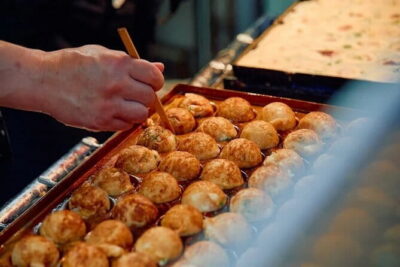
Eat Like a Local in Osaka – Private Custom Street Food Tour
Read our review →
Deep Dive: Osaka Food Markets from Local to Luxurious!
Read our review →
Osaka: Kuromon Market 1.5-Hour Seafood & Street Food Tour
Read our review →
Osaka: Kuromon Market Street Food Tour with Pro Local Guide
Read our review →The lists this tour appears in