
Review · TOKYO
Tokyo: Tsukiji Fish Market Food and Culture Walking Tour
Tsukiji is best understood with something in your hand and a guide beside you. This three-hour walk threads through the Outer Market, where you can try Wagyu beef skewers, tamagoyaki, fish cakes, fruit, and a final sushi or seafood bowl without guessing which stalls are worth your time. I like the small groups, capped at eight, and the way the tour joins food with market customs and temple etiquette. The main catch is timing: on Wednesdays, Sundays, public holidays, and other market closure days, several stalls are shut and some tastings disappear.
I also like that the experience begins at Tsukiji Honganji Temple, not in the middle of the food lanes. Guides such as Shun, Nazu, Luna, Robert, and Yoshiko have been praised for making the market easier to read, while some guides also explain how to cleanse at a shrine or choose tea to take home. Expect crowds, plenty of walking, and no vegetarian, vegan, halal, or gluten-free menu.
Key points to know before booking
- The final meal is either sushi or a seafood bowl, depending on the day and the restaurant’s availability.
- Wagyu beef is the star tasting, with fish cakes, Japanese omelet, fruit, and other samples along the route.
- Groups are limited to 2 to 8 people, giving your guide room to answer questions and adjust the pace.
- The tour begins and ends at Tsukiji Honganji Temple, with the market walk taking about two and a half hours.
- Closed market days matter, since Wednesdays, Sundays, public holidays, and other closures can reduce the food selection.
- Bring comfortable shoes, since this is a walking tour through crowded lanes and market areas.
Starting at Tsukiji Honganji Temple
Your meeting point is the main gate of Tsukiji Honganji Temple. This is a useful beginning because Tsukiji is not only a place to eat. The temple and surrounding district give your guide a chance to explain how the area developed and how food, religion, trade, and daily life overlap in Tokyo.
Some guides include basic shrine or temple etiquette, such as the cleansing ritual before entering. That small lesson can make the rest of your Tokyo sightseeing feel less like a series of photo stops and more like a visit with some local context.
The temple is also a clear landmark in an area that can feel confusing at first. Arrive with time to spare. One person who missed the start because of train trouble was able to join later, but that should not be your plan. The market is crowded enough without beginning the morning in a race.
More Food Market Tours in Japan
- Tsukiji Fish Market: Street Food & Culture Walking Tour
★ 5.0 · 669 reviews - Tsukiji Fish Market: Street Food & Culture Walking Tour
★ 4.8 · 259 reviews - Deep Dive: Osaka Food Markets from Local to Luxurious!
★ 5.0 · 31 reviews
Reading the Tsukiji Outer Market
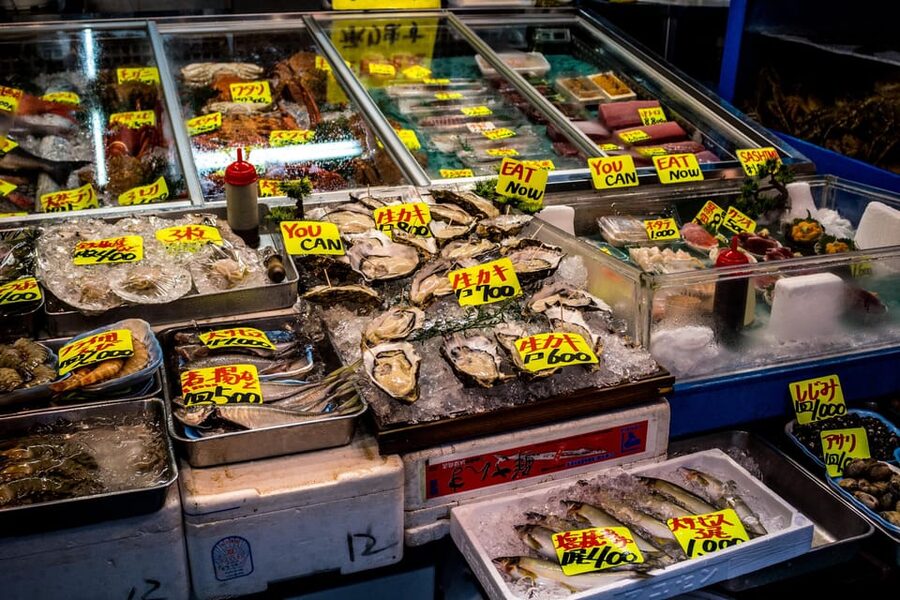
The old inner wholesale market moved to Toyosu, but Tsukiji’s Outer Market remains a major food district. The tour focuses on this outer area, with its narrow lanes, specialist shops, seafood counters, snack stalls, and stores selling ingredients used in Japanese cooking.
I find a guide especially useful here because Tsukiji can be hard to decode on your own. You may see an unfamiliar fish, a prepared food you cannot identify, or a long line without knowing what makes the item special. Your guide can explain what you are looking at, point out suitable samples, and help with simple interactions at the stalls.
The experience is not a quiet museum visit. You will walk through a working food market with foot traffic, aromas, displays, and vendors focused on business. Keep close to your group and expect some noise. On rainy days, umbrellas and crowds can make it harder to hear, so stay near the guide when explanations begin.
The tour also gives you a look at what professional cooks seek in the market. The point is not simply that the food is fresh. You learn how quality ingredients shape Japanese cooking and why chefs return to familiar suppliers.
The first tastings: Wagyu, omelet, fish cakes, and fruit
The food stops are the heart of the experience. The exact order can vary, but the included menu features high-grade Wagyu beef skewers, Japanese omelet, fresh fish in a bowl or sushi, seasonal fruit, and fried fish cake.
The Wagyu skewer gets the strongest praise. It is a small serving, but the meat gives the tour an immediate sense of occasion. If you enjoy beef, this is likely to be your favorite bite. One useful tip from the experience is that you may want to return to a stall after the tour if a particular skewer wins you over.
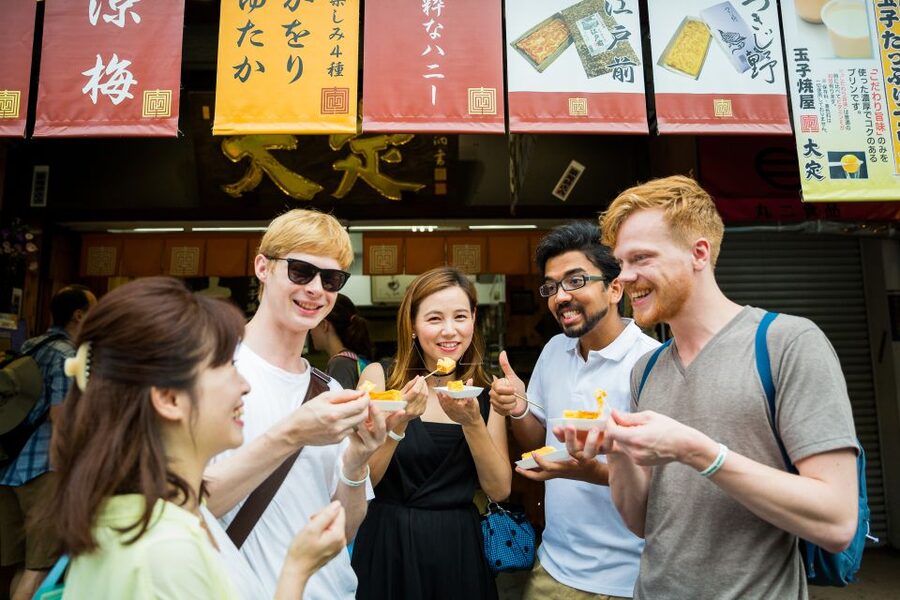
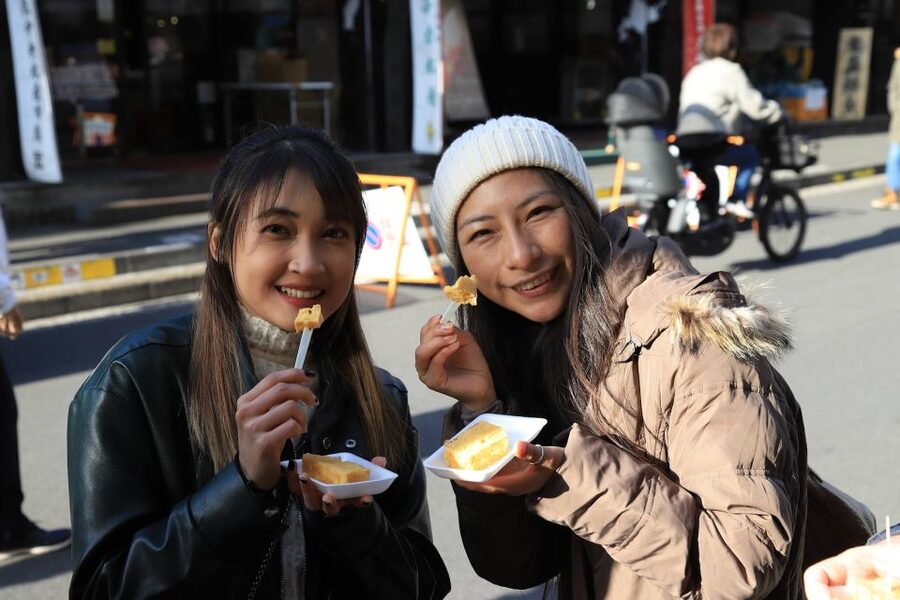
Tamagoyaki, or Japanese omelet, offers a different lesson. It is soft, lightly sweet, and prepared in a style that may differ from the omelet you know at home. Fish cakes add another texture and show how seafood is used beyond raw slices.
Seasonal fruit can be an unexpectedly good part of the walk. Tokyo markets are known for carefully presented produce, and your guide can explain what is in season and what makes a particular item worth trying. You may also have chances to buy extra food, tea, oysters, or other products, but those purchases are separate from the included tastings.
The menu is designed around small portions taken along the route, so you are not sitting down for a single large meal. By the end, most people should have eaten enough for lunch, especially once the final seafood dish arrives.
The final stop: sushi or a seafood bowl
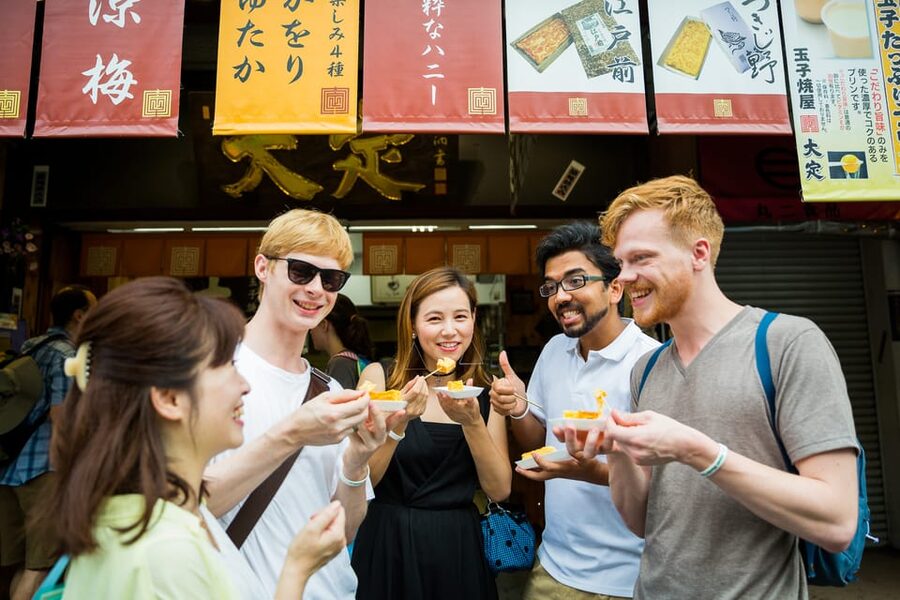
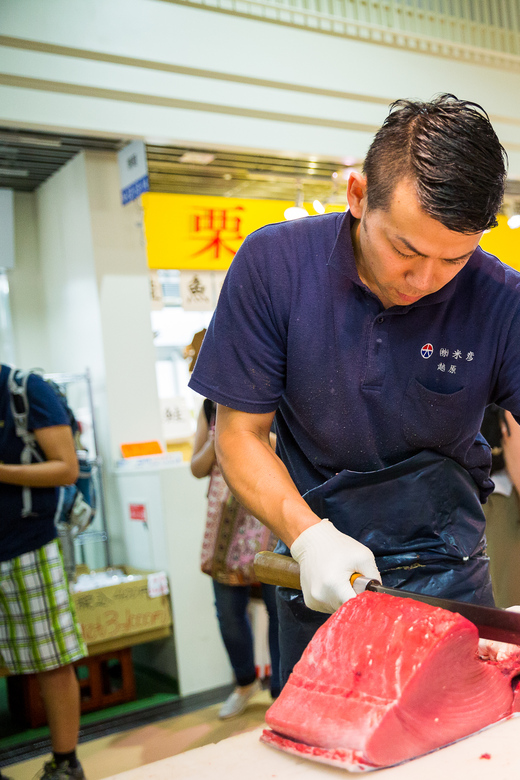
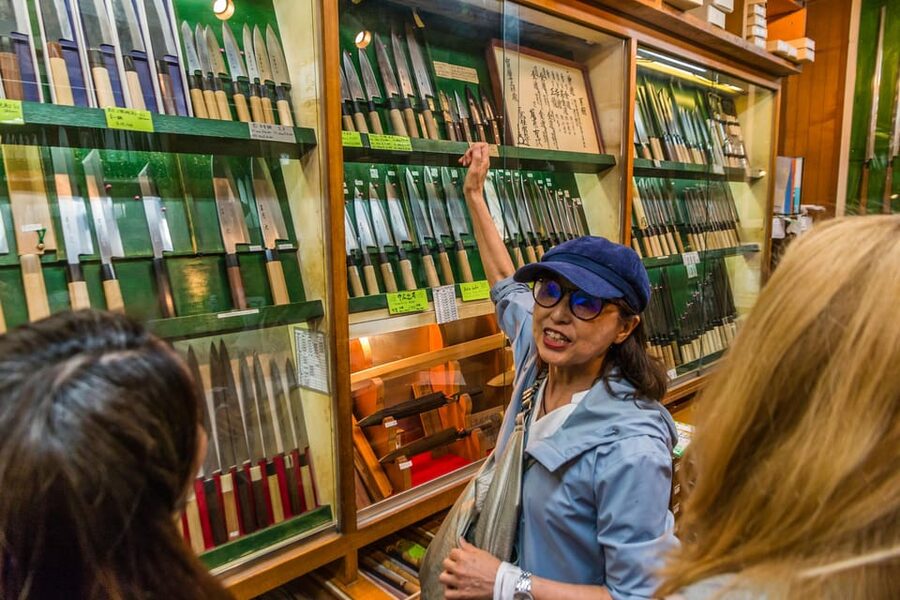
The tour wraps up with either sushi or a seafood bowl, depending on the day and time. A chef may demonstrate how to prepare the fish before serving the meal, giving you a close look at the knife work behind sashimi.
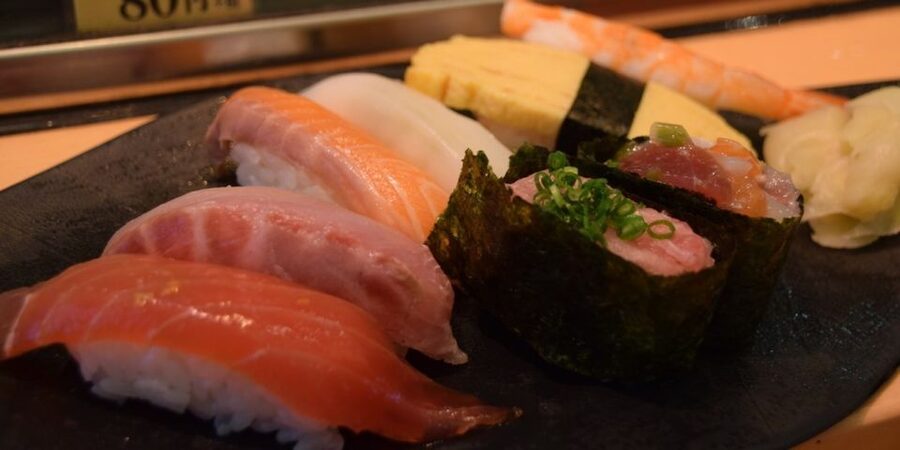
This final stop helps bring the earlier lessons together. You have seen seafood in stalls, learned how the market works, and then tasted fish prepared as a finished dish. The seafood bowl can feel like a proper meal rather than another passing sample, while sushi offers a more familiar Tokyo finish.
The exact dish is not guaranteed. The operation may serve sushi on one day and a seafood bowl on another. If a restaurant closes unexpectedly, an alternative meal is provided. That flexibility is practical, but you should not book this tour expecting one exact fish or preparation.
Because the tastings come first, you might not be very hungry at the restaurant. I see that as a benefit for this particular outing. You can enjoy the chef’s presentation without spending the earlier part of the tour worrying about lunch.
Same streets, a different set of bites:
- Hungry Osaka Street Food Tour:15 Tastings & 3 Drinks with a Local
★ 5.0 · 1,727 reviews - Hungry Osaka Street Food Tour: 15 Dishes & 3 Drinks
★ 4.9 · 694 reviews - Tokyo: Asakusa & Sensoji ー Oldest Temple Walking Tour (2hrs)
★ 5.0 · 213 reviews - [1 Group Only] Osaka Street Food Tour for Family
★ 5.0 · 208 reviews
Small groups and guide quality
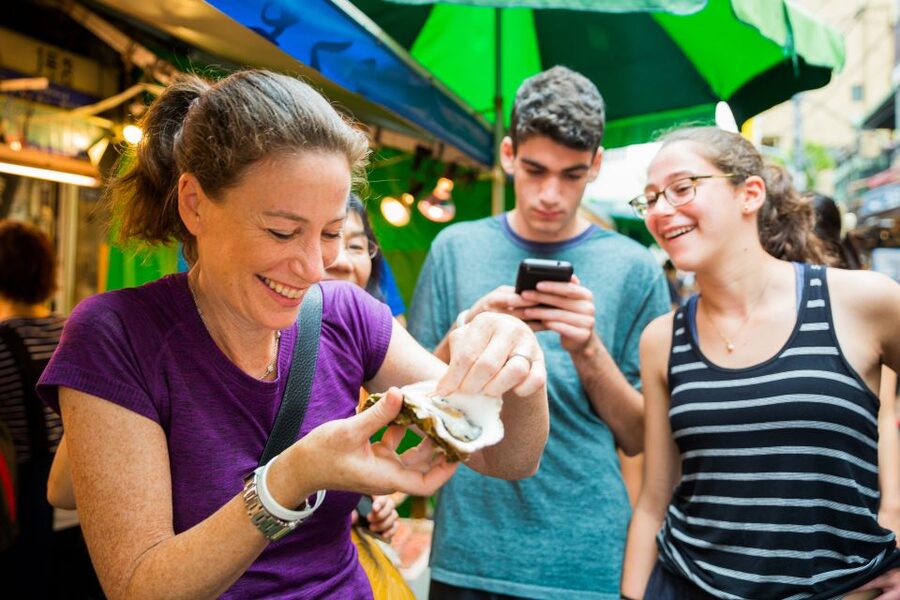
The group size, from two to eight people, is one of the tour’s strongest features. A guide can pause for questions, keep a slower walker in sight, and adjust the route when someone spots an interesting stall.
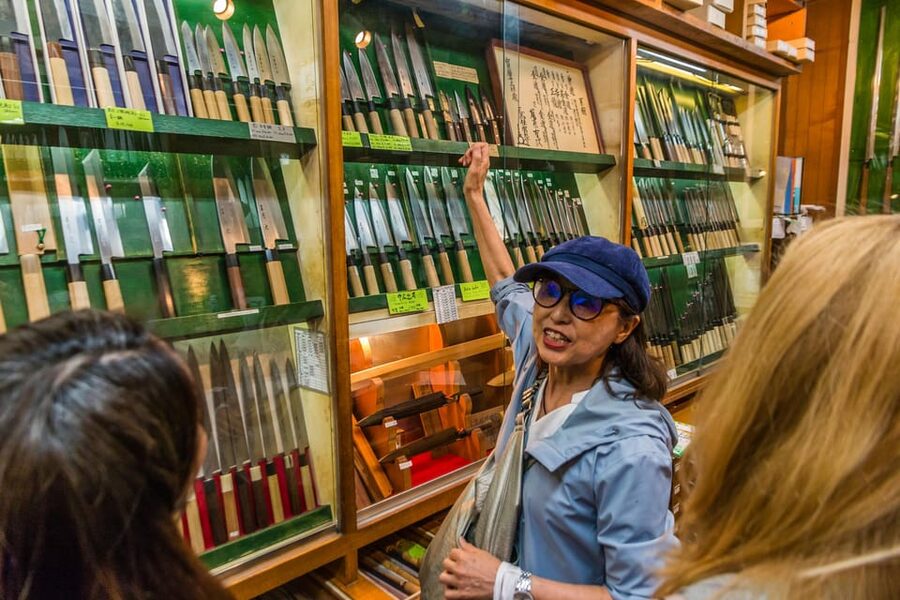
Guide quality matters in a market more than it does on a simple sightseeing walk. The most praised guides include Shun, Nazu, Luna, Robert, Yoshiko, Yuki, Miki, Miwako, and Chi Haru, among others. The useful pattern is not one single star guide, but the repeated attention to clear explanations, friendly conversation, food choices, and help with vendor interactions.
Some guides focus more on food, while others spend extra time on the history of Tsukiji and the temple. One guide helped a group choose tea to take home. Another explained shrine customs. A guide named Chi Haru was especially praised for combining the wholesale fish area, the food stalls, Wagyu tasting, and the final sashimi bowl.
The depth of historical detail may vary. If you want a long, academic account of Tokyo’s market system, this is not that kind of tour. It is a food walk first, with cultural and historical explanation woven into the stops.
How crowded and physical is the walk?
The tour lasts three hours, with about 30 minutes listed for the initial market visit and another two and a half hours for guided food tasting and exploration. That is enough time to see a good section of Tsukiji without turning the morning into a marathon.
You should expect a moderate amount of walking. The route is not suitable for wheelchair users or people with mobility impairments, and it may be tiring if you have trouble standing or moving through crowded lanes.
Busy periods can affect the experience. An 8:30 Saturday start was described as crowded, especially with light rain. Midweek may feel easier, but remember that Wednesday is one of the regular closure days. The best practical choice is a market-open day at a time that lets you move comfortably through the lanes.
Wear shoes that can handle several hours on foot. Choose comfortable clothing, and bring a camera if you want to record the stalls, temple, food, and demonstrations. Be considerate when taking photos, since this remains a working market.
What the $96 price buys you
At $96 per person, this is not the cheapest way to eat around Tsukiji. You can buy individual snacks yourself for less. The price pays for more than the food, though. It covers a small-group English guide, navigation through a confusing market, cultural explanation, vendor help, several tastings, and a final sushi or seafood meal.
I think the value is strongest for a first visit to Tokyo. You do not need to spend your first morning trying to identify the best stalls, deciding how much to order, or worrying about missing a market custom. You also get a structured introduction before returning on your own.
The value is weaker if you are already comfortable ordering Japanese food, have spent time at Tsukiji, or prefer to browse without a schedule. It is also less attractive if you do not eat seafood or meat, since the menu cannot accommodate vegetarian, vegan, halal, or gluten-free requests.
Budget extra for items you want to buy along the way. The included menu is set, while tea, additional seafood, drinks, and souvenirs may be separate purchases. The minimum drinking age in Japan is 20, but alcohol is not the focus of this food tour.
Who should book this Tsukiji experience?
I would choose this tour for a first-time Tokyo visitor who wants an easy entry into Japanese food culture. It suits couples, friends, solo visitors who like meeting a small group, and families with older children who can manage the walking and market crowds.
It is also a good fit if you enjoy trying foods you would not order alone. The guide can explain what you are eating and help you approach stalls with more confidence. The final fish preparation demonstration adds a bit of theatre without turning the tour into a formal cooking class.
I would skip it if your diet rules out seafood, beef, omelet, and fish cakes. I would also think twice if you need step-free access or a slow, quiet route. The market is active, the floor may be crowded, and the menu is built around Japanese foods that cannot be replaced for special diets.
Practical details that affect your morning
The tour is in English and includes a live local guide. It starts and finishes at Tsukiji Honganji Temple, which makes the meeting point easy to remember and gives you a natural place to continue sightseeing afterward.
Free cancellation is available up to 24 hours before the start, and you can reserve now and pay later. Check the available starting times before booking, since the market’s opening pattern affects what you will see.
Most important, check the date against market closures. On Wednesdays, Sundays, and other closed days, the wholesale market is shut, and some Outer Market shops do not open. Japanese omelet, fish cake, and fruit may not be available on those days. The tour still operates, but the food selection is reduced.
Should you book it?
Book this Tsukiji walk if you want a guided first taste of Tokyo’s food culture, especially if Wagyu, sushi, seafood bowls, and market snacks appeal to you. The small group, strong guides, and final fish preparation make the $96 easier to justify than a simple self-guided snack crawl.
Skip it if you need vegetarian or vegan food, cannot manage moderate walking, or want complete freedom to choose every dish. For the best version, pick an open market day, wear good shoes, arrive early at the temple gate, and leave some time afterward to revisit the stall that impressed you most.
FAQ
How long is the Tsukiji Fish Market food tour?
The tour lasts three hours, including the temple meeting point, guided market walk, food tastings, and final sushi or seafood bowl.
Where does the tour begin?
Meet your English-speaking guide at the main gate of Tsukiji Honganji Temple. The tour also returns to the temple area at the end.
How many people are in each group?
The tour is designed for small groups of 2 to 8 people.
What foods are included?
The included menu features high-grade Wagyu beef skewers, Japanese omelet, seasonal fruit, fried fish cake, and either a fresh fish bowl or sushi, depending on the day.
Is sushi or a seafood bowl guaranteed?
No. The final meal depends on the day and time. The restaurant may serve sushi or a seafood bowl, and an alternative is provided if the restaurant closes unexpectedly.
Does the tour visit the Tsukiji wholesale market?
The experience focuses on Tsukiji Outer Market. On some routes, the guide may also show the wholesale fish area when it is open, but that area is closed on Wednesdays, Sundays, and other market closure days.
Can the tour accommodate vegetarian or vegan diets?
No. Vegetarian, vegan, halal, and gluten-free requests cannot be accommodated. The tour is also not suitable for vegans or vegetarians.
Is the tour suitable for wheelchair users?
No. The tour includes moderate walking through market areas and is not suitable for wheelchair users or people with mobility impairments.
What should I bring?
Bring comfortable shoes, comfortable clothes, and a camera if you wish. You may also want extra money for additional food, drinks, tea, or market purchases.
Newest street food walks around Japan
- Nagoya Castle and Local Flavor Samurai Tales and Street Food Walk★ 5.0 · 10 reviews
- Nagasaki Street Food Adventure: Private Walking Tour with a Local★ 5.0 · 26 reviews
- Nagoya Street Food Walking Tour of Osu★ 5.0 · 28 reviews
- The 10 Tastings of Tokyo With Locals: Private Street Food Tour★ 5.0 · 48 reviews
- Kyoto Nishiki Market Street Food Tour★ 5.0 · 9 reviews
- Private Nishiki Market Food & Sake Tour by Young Local Guides★ 5.0 · 12 reviews
- Tokyo: Sensoji Temple & Street Food: Private Tour with guide★ 4.6 · 8 reviews
- Tokyo: Shinjuku Local Eats, Street Food Tour & Culture Walk★ 5.0 · 2 reviews
Tokyo street food tours, side by side.
Tsukiji Fish Market: Street Food & Culture Walking Tour
Read our review →
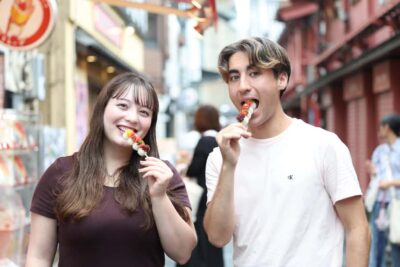
Tokyo: Sensoji Temple & Street Food: Private Tour with guide
Read our review →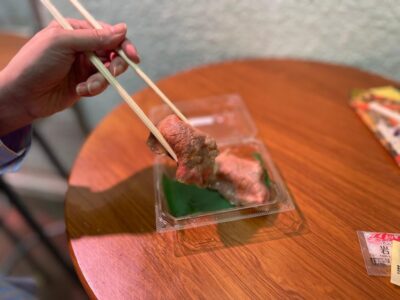
Tokyo: Explore Authentic Japanese Food Culture at Tsukiji
Read our review →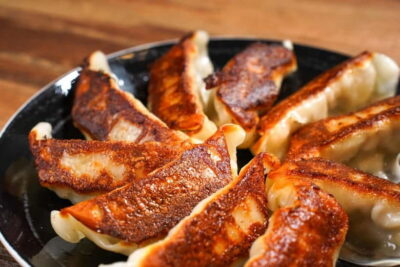
Tokyo: Shinjuku Local Eats, Street Food Tour & Culture Walk
Read our review →The lists this tour appears in