
Review · OSAKA
Osaka Shinsekai Street Food Tour – Evening
Shinsekai is Osaka with the polish rubbed off. Its narrow streets, old eateries, bright signs, and down-to-earth food culture offer a look at a side of the city that a major sightseeing route can easily miss. Over three evening hours, you’ll eat your way through the district with a local guide, trying kushikatsu, takoyaki, kasu udon, and other dishes at several stops.
I like two things in particular: the small-group format, limited to 10 people, gives the guide room to explain what you are eating; and the food is not just a list of Osaka specialties, but a way to understand the area’s merchant traditions. The main consideration is price. At $170 per person, this is a costly food walk, especially since transportation, extra drinks, and gratuity are separate.
Key points
- Three classic Osaka dishes: Try crispy kushikatsu, savory takoyaki, and warming kasu udon during the evening.
- A look at old Shinsekai: The route focuses on eateries and local places tied to the district’s early 1900s and post-war character.
- Small group of up to 10: The limited size should make conversation with the English-speaking guide easier.
- One drink included: Additional food and drinks are available at your own expense.
- Traditional restaurant experience: The meal stops may include the chance to eat in a long-established local setting rather than only from a street counter.
- Strict meeting policy: Your guide waits only five minutes after the start time, so arriving early matters.
Why Shinsekai makes such a good food walk
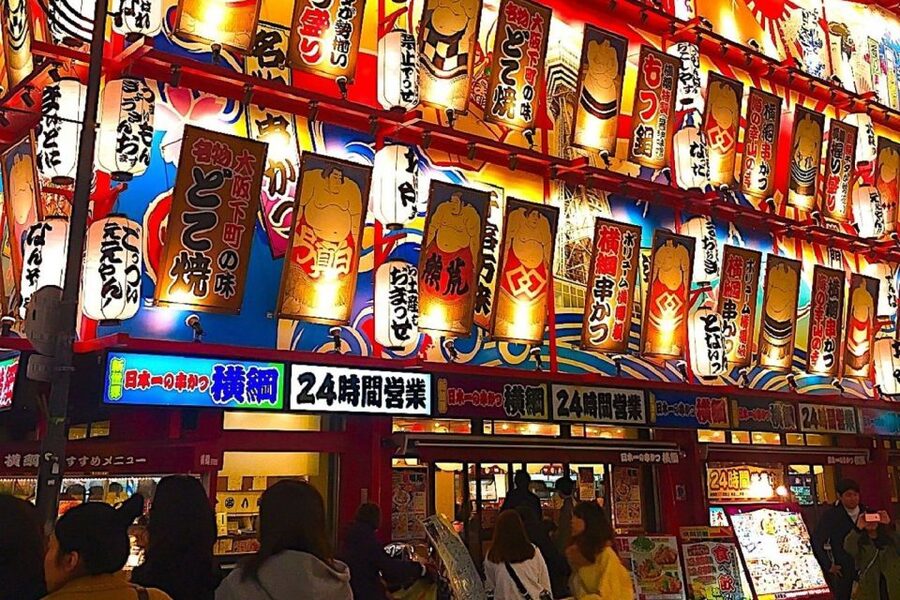
Shinsekai is not a district you visit only for a single famous sight. Its appeal is the whole setting: old-fashioned restaurants, colorful shopfronts, narrow lanes, and a working-class food culture that feels different from Osaka’s grander shopping areas.
I like food tours here because the district’s character is easy to miss if you simply walk through and take photographs. A guide can explain why certain dishes became popular, how merchants shaped local eating habits, and which details to notice in the streets. The food gives the history a practical form. You are not only hearing about Osaka’s past. You are tasting it.
The experience is also built around local places rather than a formal cooking class or a restaurant meal with a fixed menu. That means the evening should feel more like a guided walk with several tastings. The exact restaurants are not specified, so you should expect some flexibility in the order and location of the stops.
More Evening and Night Food Tours in Japan:
- Saigon By Night and Street Food By Motorbike | Opt: Ao Dai Riders
★ 5.0 · 4,066 reviews - Private Street Food Evening Walking Tour in Ho Chi Minh City
★ 5.0 · 3,175 reviews - Marrakech: Street Food Tour by Night
★ 4.8 · 2,838 reviews
Starting near Ebisucho Station or Hankai Terminal
You can meet the guide near either Ebisucho Station or Hankai Terminal. Ebisucho is served by the Sakaisuji subway line and the Hankai Electric Tramway, while Hankai Terminal is served by the Hankai Tramway Line.
Your guide will hold a sign, but the meeting rules are firm. The tour can wait only five extra minutes after its scheduled start. Once the group has left, the guide cannot give directions or call the group back. I would arrive at least 10 to 15 minutes early, especially if you are unfamiliar with Osaka’s station exits.
This small detail matters more than it may seem. A food tour works on reservations and timed restaurant stops, so a late arrival can disrupt the whole group. Check your route before leaving your hotel, and do not assume that a short distance on a map means a quick station transfer.
Hotel pickup is not included, but it can be arranged for an additional charge. Otherwise, you are responsible for getting to the meeting point and paying your own transportation costs.
A three-hour walk through old Osaka
The evening begins with a walk through Shinsekai, where the guide sets the scene before the food takes over. The district is presented as a place connected with early 1900s eateries, post-war neighborhoods, and Osaka’s merchant culture.
That context is useful because Shinsekai’s food is closely tied to everyday life. These are filling, affordable dishes designed for regular eating, not delicate tasting portions created only for special occasions. I would pay attention to the guide’s stories about how the district developed and how food helped shape its identity.
The route also gives you a chance to notice the smaller details between food stops. The activity description promises local places and vintage character, but it does not provide a fixed list of businesses. That is good for keeping the evening flexible, though it means you cannot plan around a particular restaurant or guarantee a specific storefront.
The pace should suit people who want to eat and walk rather than sit down for a single long dinner. You will be moving between stops, so comfortable shoes are sensible. The three-hour length gives the guide time to explain the area without turning the outing into a rushed snack crawl.
Kushikatsu, the dish most closely tied to Shinsekai
Kushikatsu is one of the key reasons to choose this tour. These are pieces of food placed on skewers, coated, and fried until crisp. The dish fits Shinsekai’s practical style: quick, filling, sociable, and easy to order in a casual restaurant.
For many people, this is the most useful part of having a guide. A local can explain how to approach the dish and point out the customs that may not be obvious on your first visit. You can concentrate on the taste and the setting instead of trying to decode every menu item alone.
One important advantage is variety. The tour is designed around several food stops, so kushikatsu is part of a larger meal rather than the entire evening. You may find different textures and fillings as you go, though the exact selection is not specified.
The possible drawback is that fried food can become heavy when combined with several other dishes. If you prefer a light dinner, tell the company about your needs before booking and pace yourself. Food restrictions and allergies should be shared in advance.
More street food walks around Japan:
- Hungry Osaka Street Food Tour:15 Tastings & 3 Drinks with a Local
★ 5.0 · 1,727 reviews - Tokyo: Tsukiji Fish Market Food and Culture Walking Tour
★ 4.7 · 757 reviews - Hungry Osaka Street Food Tour: 15 Dishes & 3 Drinks
★ 4.9 · 694 reviews - Tsukiji Fish Market: Street Food & Culture Walking Tour
★ 5.0 · 669 reviews
Takoyaki and the pleasure of a familiar Osaka favorite
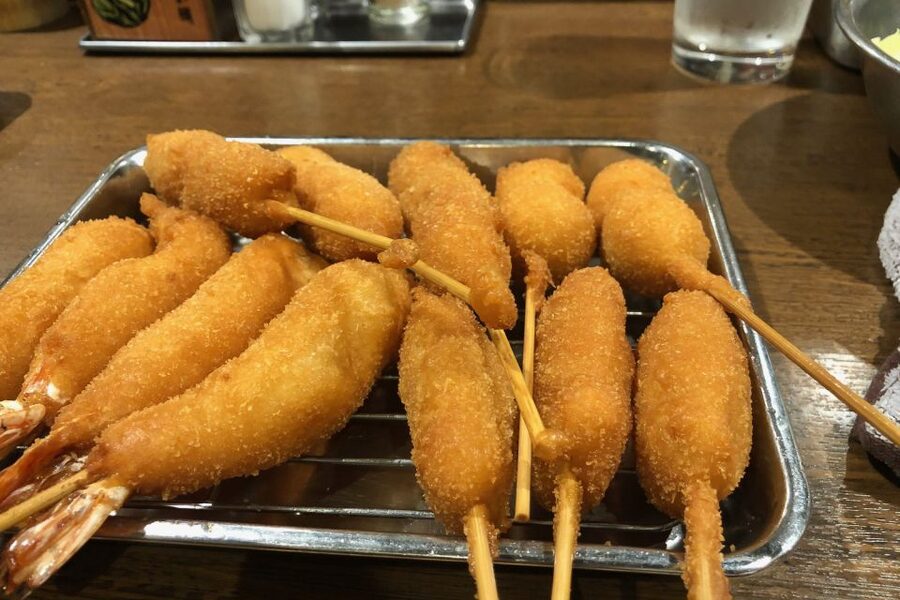
Takoyaki brings a different texture and style to the evening. These savory, round snacks are associated with Osaka and are best understood as casual food made for sharing or eating on the move.
I like having takoyaki on a walking route because it makes the meal feel connected to the streets. You are not simply being served a dish in isolation. You are seeing how a popular food fits into the city’s everyday rhythm.
The guide can also help you understand what makes the local version worth trying. The activity promises savory takoyaki, but it does not specify the toppings, filling, or preparation method at each stop. That is another reason to treat the tour as a guided introduction rather than a precise tasting menu.
Takoyaki is hot inside, so take your time with the first bite. That sounds obvious, but hungry people learn this lesson quickly. A guide who knows the stops can help the group eat at a comfortable pace rather than rushing from one dish to the next.
Kasu udon adds warmth to the evening
Kasu udon gives the food walk a more substantial, warming course. It is served as a bowl of noodles in broth with kasu, a traditional ingredient associated with sake production. The dish offers a softer contrast to the fried crispness of kushikatsu and the snack-sized format of takoyaki.
This is one of the strongest parts of the food selection. You get a broader sense of Osaka eating rather than a narrow tour built around only famous street snacks. A hot bowl also makes sense during an evening walk, particularly when the weather is cool.
As with the other dishes, the precise serving size and restaurant are not provided. I would not book this expecting a full, multi-course dinner with a guaranteed amount of food. It is better viewed as a series of tastings that together form an evening meal.
If you have dietary restrictions, ask before booking. The company specifically requests information about allergies and dietary needs, and special arrangements can be discussed through its office.
What the local guide adds
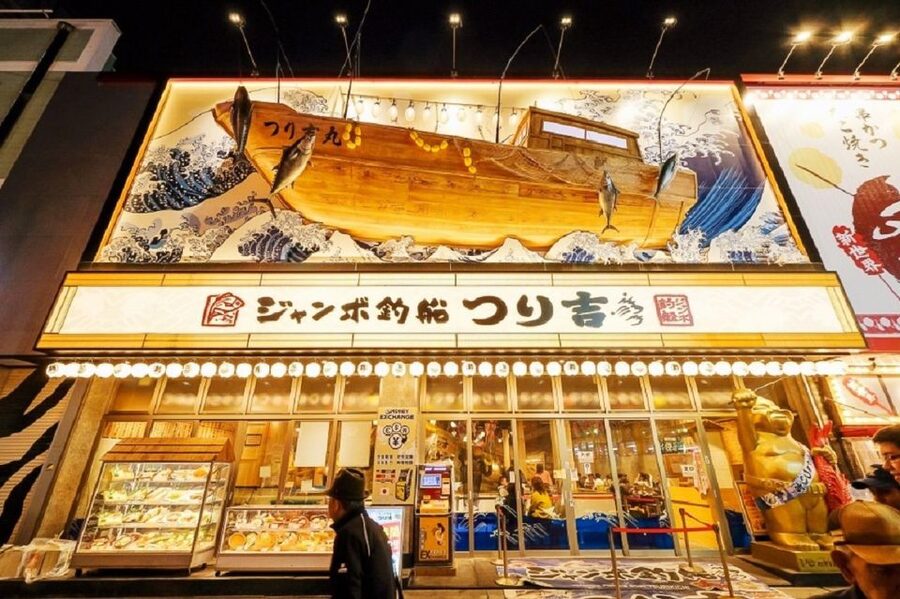
The English-speaking guide is central to the experience. Without that local explanation, Shinsekai could become a pleasant but confusing walk through restaurants and signs. With a guide, the food stops have a clearer purpose.
The guide is expected to share stories about the district, point out places you might not choose on your own, and explain how the dishes connect with local customs. The most useful moments are likely to come between bites, when you can ask why a restaurant matters or how a particular dish became part of Osaka’s identity.
The small-group limit helps here. With no more than 10 participants, you have a reasonable chance to hear the guide and ask questions. The minimum is two people, so the tour is not designed as a solo departure in every case, although single travelers can sometimes be accommodated.
The guide is not named in the available information, so you cannot request a particular person. What is clear is that the tour is conducted in English and led by a local guide rather than being a self-guided food list.
A traditional restaurant can be the evening’s best moment
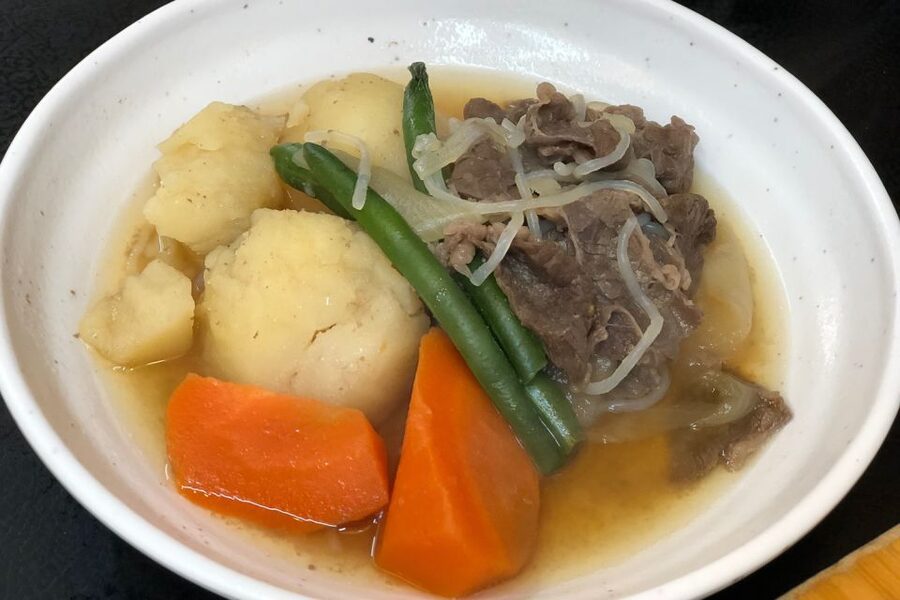
One particularly worthwhile feature is the chance to eat in a traditional local restaurant. That setting can tell you as much as the food itself. The room, ordering style, pace, and relationship between the restaurant and its regular customers all help explain Shinsekai’s character.
I would value this more than simply adding another famous dish. Anyone can find a photograph of takoyaki. Sitting down in an established local place gives you a better feel for how people actually eat in the district.
Still, the exact restaurant is not promised, and you should avoid booking solely for a specific venue. The appeal is the type of experience, not a guaranteed name. Restaurant schedules, group size, and local arrangements may affect the stops.
One drink is included. Extra drinks and additional food can be purchased, but they are not covered by the tour price. Keep some yen or a payment method available if you want to order beyond the included tastings.
Is $170 a fair price?
The cost is $170 per person, which places this firmly in the premium food-tour category. You are paying for more than snacks. The price includes a three-hour guided walk, tastings at several food stops, one drink, and the work of organizing a small group across multiple local businesses.
I can see the value if you want a carefully structured introduction to Shinsekai and would otherwise feel unsure about where to eat. The guide’s local stories and the traditional restaurant setting add something you would not get from wandering alone. The small maximum group size is also a real advantage.
The price is harder to justify if your main goal is simply to try takoyaki and kushikatsu. Osaka offers many casual food options at much lower prices, and this tour does not include hotel pickup, transportation, gratuity, extra drinks, or extra dishes.
My advice is to compare the cost with your priorities. If you place a high value on context, conversation, and being led into local eateries, the price may be reasonable for a special evening. If you are a confident eater who enjoys choosing restaurants independently, spend the money on several meals instead.
Who should book this Shinsekai evening?
I would recommend it to first-time visitors who want an easy introduction to Osaka food and do not want to spend an evening guessing at menus. It also suits people who enjoy local stories as much as they enjoy eating.
The tour works well for couples, friends, and small family groups. The minimum is two participants, and the maximum is 10. Private tours are possible for an additional rate, so that may be worth considering if your group wants more control over the pace or food choices.
You should think carefully if you have significant allergies or strict dietary rules. The company asks you to report these in advance, but the advertised dishes are built around fried foods, noodles, and common Osaka specialties. Ask what can be adjusted before paying.
This is also not the right choice if you need a relaxed late arrival. The five-minute waiting limit is strict, and the guide cannot provide directions once the tour has begun.
Booking details that matter
You can cancel for a full refund up to 24 hours before the activity. Reserve now and pay later is available, which helps if your Osaka plans are still shifting.
The tour lasts three hours, but starting times vary, so check availability for your date. The activity is conducted in English, and the group is limited to 10 participants.
Children aged 10 and older require a passport copy. Contact the operator at [email protected] for dietary requests, private tours, larger groups, or other special arrangements.
Should you book it?
Book this tour if you want Shinsekai explained as well as eaten. The strongest reasons are the local guide, the small group, the traditional restaurant setting, and the chance to try three very different Osaka dishes in one evening.
Skip it if $170 feels high for a food walk or if you prefer to choose inexpensive eateries on your own. For everyone else, it offers a convenient way to get past the obvious sights and into the everyday food culture of one of Osaka’s most distinctive districts. Arrive early, bring an appetite, and tell the operator about dietary needs before the evening begins.
FAQ
How long does the Shinsekai food tour last?
The tour lasts three hours.
What food is included?
The tour includes local dishes at several food stops. Featured dishes include kushikatsu skewers, takoyaki, and kasu udon.
Is a drink included?
Yes. One drink is included. Additional drinks and food can be purchased at your own expense.
Is the tour conducted in English?
Yes. The tour includes a live English-speaking local guide.
How large is the group?
The standard small group has a minimum of two participants and a maximum of 10. Larger groups and single travelers may sometimes be accommodated.
Where does the tour meet?
The meeting points are near Ebisucho Station or Hankai Terminal. Ebisucho is served by the Sakaisuji Line and the Hankai Electric Tramway, while Hankai Terminal is served by the Hankai Tramway Line.
Is hotel pickup included?
No. Hotel pickup can be arranged for an additional charge. Transportation costs are not included.
Can I cancel the booking?
Yes. You can cancel up to 24 hours in advance for a full refund. Reserve now and pay later is also available.
Newest street food walks around Japan
- Nagoya Castle and Local Flavor Samurai Tales and Street Food Walk★ 5.0 · 10 reviews
- Nagasaki Street Food Adventure: Private Walking Tour with a Local★ 5.0 · 26 reviews
- Nagoya Street Food Walking Tour of Osu★ 5.0 · 28 reviews
- The 10 Tastings of Tokyo With Locals: Private Street Food Tour★ 5.0 · 48 reviews
- Kyoto Nishiki Market Street Food Tour★ 5.0 · 9 reviews
- Private Nishiki Market Food & Sake Tour by Young Local Guides★ 5.0 · 12 reviews
- Tokyo: Sensoji Temple & Street Food: Private Tour with guide★ 4.6 · 8 reviews
- Tokyo: Shinjuku Local Eats, Street Food Tour & Culture Walk★ 5.0 · 2 reviews
Osaka street food tours, side by side.
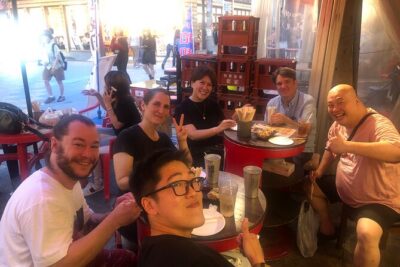
Hungry Osaka Street Food Tour:15 Tastings & 3 Drinks with a Local
Read our review →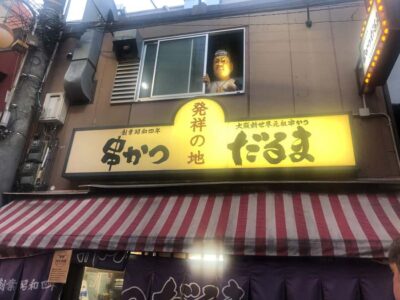
Hungry Osaka Street Food Tour: 15 Dishes & 3 Drinks
Read our review →
[1 Group Only] Osaka Street Food Tour for Family
Read our review →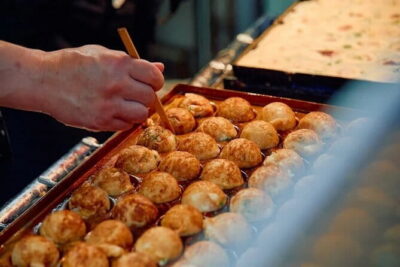
Osaka: 2-Hour Local Street Food Tour – Dotonbori & Namba
Read our review →
Eat Like a Local in Osaka – Private Custom Street Food Tour
Read our review →
Deep Dive: Osaka Food Markets from Local to Luxurious!
Read our review →
Osaka: Kuromon Market 1.5-Hour Seafood & Street Food Tour
Read our review →The lists this tour appears in