
Review · OSAKA
Osaka Okonomiyaki Cooking Experience for Families & Groups
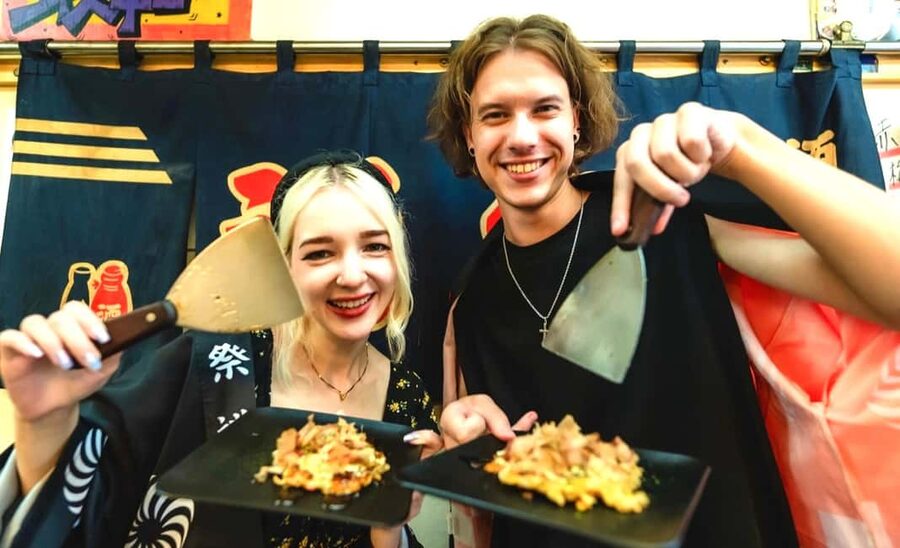
Making okonomiyaki on a hot teppan is the heart of this Osaka experience. You mix your own batter, choose from six daily toppings, learn the flip, and finish with sauce in a colorful happi coat that gives the room a small festival feel. I like the hands-on cooking and the fact that beginners get clear English guidance.
I also like the family-friendly extras: Super Ball Scooping, photos sent to your phone, and an Okonomiyaki Master certificate. The main thing to consider is that drinks cost extra, so the $23 price covers the food and activity rather than a full meal with beverages.
Key points at a glance
- Six daily toppings: Pick from available seafood and vegetarian choices, then adjust your okonomiyaki to suit your taste.
- Real teppan cooking: Learn the flipping technique on an iron griddle instead of watching someone else do all the work.
- Colorful happi coats: Put on festival-style clothing for photos and a more playful Japanese setting.
- Super Ball Scooping: Add a traditional festival game to the cooking lesson.
- Photos and a certificate: Get pictures sent to your phone and take home an Okonomiyaki Master certificate.
- Short, useful format: The 90-minute session fits neatly into a busy Osaka day and costs $23 per person.
Why this Osaka cooking class works for families
Okonomiyaki is a good first Japanese cooking lesson because it is flexible and forgiving. It is built around a savory batter, cabbage, selected toppings, sauces, and a hot iron griddle. You do not need to arrive with cooking skills, and the fun comes from making choices and handling the food yourself.
For families, the format gives children something to do at each stage. They can help choose toppings, watch the batter cook, practice the flip with guidance, and play Super Ball Scooping. The certificate gives younger participants a clear souvenir, while the photos help preserve the moment without asking someone in your group to stay behind the camera.
I would also consider this activity for couples and solo visitors. A solo participant gets a social cooking task without committing to a long food tour. Couples can compare toppings and sauces, and both can enjoy the slightly silly pleasure of wearing a happi coat while cooking.
The guide speaks English, which matters when timing and heat are involved. You will want instructions to be clear before you turn food on a hot teppan. The available feedback also highlights a host called Jailor, described as a good host, while another account praises a guide for keeping the mood funny and positive. Names and hosts may vary by session, but the key point is that the instructor is part of the experience, not just someone handing you ingredients.
More Cooking Classes in Japan:
- Athens: Food Market Visit and Cooking Class with Wine
★ 4.9 · 1,087 reviews - Mexican Cooking Class with Food Market Visit in Mexico City
★ 5.0 · 506 reviews - Florence: Cooking Class with Local Food Market Tour
★ 4.9 · 407 reviews
Your 90 minutes, from batter to certificate
The session begins at the meeting point, marked by a Family Mart diagonally ahead to the left. Since the exact street details provided are limited, I would check the booking confirmation carefully and allow a little time to identify the meeting spot before the start.
After meeting the English-speaking host, you can expect an introduction to okonomiyaki and the ingredients on offer. The six daily toppings may include vegetarian and seafood choices. The exact selection changes, so you should treat the menu as a daily choice rather than a fixed list.
This is one of the better parts of the class. You are not locked into one standard pancake. You can choose a combination that suits you, and the sauces offer another way to adjust the final flavor. Sweet, spicy, and classic options are available, so even a simple batter can finish in different directions.
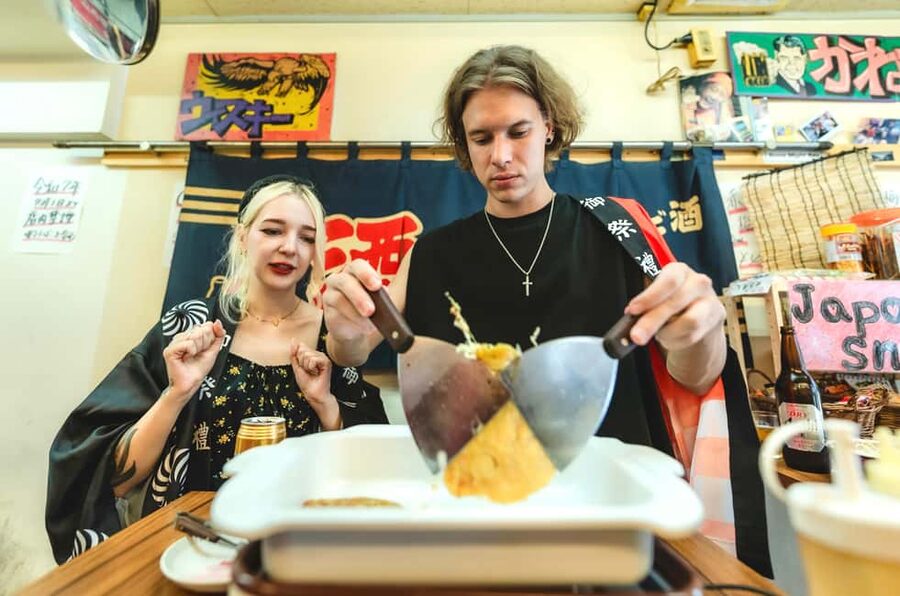
Next comes the cooking. Your okonomiyaki is prepared on a real teppan, the flat iron griddle associated with Japanese street food and casual cooking. The host guides you through the flipping technique, which is likely to be the moment when children and first-time cooks pay closest attention.
The flip is also where the class earns its keep. If the staff cooked everything for you, you would simply be eating a meal. Here, the food becomes an activity. You get to see how the shape holds together, learn the basic motion, and accept that a slightly untidy turn can still taste good.
Once cooked, you can add sauces and enjoy the okonomiyaki. The class is not designed as a formal restaurant tasting menu. Its value comes from eating something you helped make, with the freedom to play with sauces and toppings.
The experience also includes a festival-style game of Super Ball Scooping. This is a small detail, but it helps break up the cooking and gives children a second activity. It also makes the session feel less like a standard cooking demonstration and more like a compact Japanese festival outing.
Photos are taken during the experience and sent to your phone as a souvenir. At the end, you receive an Okonomiyaki Master certificate. These touches do not add much culinary instruction, but they do make the activity easier to remember, especially for families who want a keepsake from Osaka.
What makes the teppan cooking worthwhile
Okonomiyaki is often called a Japanese savory pancake, but that description only gets you part of the way. The appeal lies in the combination of a cooked batter, vegetables, selected toppings, sauces, and the social act of preparing food at the table or counter.
The teppan gives you direct contact with the cooking process. You can watch the surface change, follow the guide’s timing, and learn why the flip needs care. For a beginner, that is more useful than a recipe card alone because you see the food as it cooks.
The sauce choices matter too. A sweet sauce gives the dish a familiar finish, while a spicy option changes the balance. Trying more than one sauce is a good way to understand how Japanese street food can be adjusted without changing the base recipe.
I would not book this expecting advanced culinary training. The class is aimed at beginners and groups, and the 90-minute schedule leaves room for games, photos, and the certificate. That is a strength if you want a light, social activity. It may feel too basic if you already cook okonomiyaki regularly or want a long lesson on regional styles.
Choosing toppings and handling dietary preferences
The six daily topping choices give you some control, including vegetarian and seafood options. That is useful for a mixed group, since not everyone needs to order the same type of okonomiyaki.
Still, the supplied information does not promise a particular ingredient list, allergy handling procedure, or a separate preparation area. If you have a serious allergy or strict dietary need, contact the provider before booking rather than relying only on the phrase vegetarian options.
You should also remember that the activity centers on a shared style of cooking and a common teppan setting. The available information does not explain how ingredients are separated or how cross-contact is managed. Ask specific questions in advance if this affects your ability to take part.
For ordinary preferences, the setup sounds flexible. You can select from the toppings offered that day and use different sauces. That makes the class a better fit for a family with mixed tastes than a fixed cooking menu.
Same streets, a different set of bites:
- Hungry Osaka Street Food Tour:15 Tastings & 3 Drinks with a Local
★ 5.0 · 1,727 reviews - Tokyo: Tsukiji Fish Market Food and Culture Walking Tour
★ 4.7 · 757 reviews - Hungry Osaka Street Food Tour: 15 Dishes & 3 Drinks
★ 4.9 · 694 reviews - Tsukiji Fish Market: Street Food & Culture Walking Tour
★ 5.0 · 669 reviews
The festival details are more than decoration
The happi coat is a simple but effective touch. These colorful coats are linked with Japanese festivals, so putting one on changes the mood from an ordinary meal to a small cultural activity. It also makes group photos more distinctive.
Super Ball Scooping adds another festival reference. You are not only learning a dish associated with casual Japanese food culture. You are also trying a game that many people connect with local summer festivals and neighborhood events.
I like this mix because it avoids making the session all about technical cooking. A child who loses interest during the batter stage has a game to look forward to. An adult who enjoys food but does not care about collecting recipes still gets a playful Osaka memory.
The tradeoff is that the festival elements take time away from cooking instruction. If your only goal is to learn the most detailed okonomiyaki method possible, a focused cooking school may suit you better. If you want food, photos, and a cheerful group activity in one short booking, the mix makes sense.
Is $23 per person good value?
At $23 per person, the price is reasonable for a 90-minute activity that includes the guide, okonomiyaki, happi coat, festival game, photos, and certificate. You are paying for a meal, but also for instruction and an organized experience.
The value is strongest for families and groups. A restaurant meal would feed you, but it would not give everyone a task, a game, photos, or a certificate. Here, the group gets a shared story as well as something to eat.
The value is less clear if you are looking only for the cheapest okonomiyaki in Osaka. You can find casual food at a lower cost, and this booking is not meant to replace a quick lunch. It is a structured activity with food included.
Drinks are available separately, so budget extra if you want beverages during the session. The supplied information says additional drinks are sold separately, even though one customer account referred to receiving a complimentary drink. I would rely on the stated booking terms and treat any included drink as something to confirm rather than expect.
Who should book this experience?
I would recommend it most strongly to families with children, first-time visitors to Osaka, couples who enjoy interactive food experiences, and groups looking for a short indoor activity. The English-speaking instruction removes much of the worry for beginners.
It also suits a day when you want to add one organized activity without giving up several hours. Ninety minutes is long enough to cook, eat, play the festival game, and take photos, but short enough to fit around sightseeing.
Solo visitors can enjoy it too, especially if they like meeting a host and taking part in a shared activity. The group format may be less appealing if you want a quiet meal or private lesson, since the information does not promise a private booking.
I would think twice if you need a detailed, advanced course, a guaranteed ingredient list, or drinks included in the main price. The strength here is the cheerful beginner format, not specialist instruction.
Practical booking advice for Osaka
Check the starting time before you commit, since the 90-minute experience has set availability. Arrive with enough time to locate the meeting point near the Family Mart, especially if you are coming from another part of Osaka.
Wear something you do not mind wearing during a hands-on cooking session. The activity provides a happi coat, but you will still be close to a hot griddle and food preparation. The supplied details do not state a dress code or specific safety rules, so follow the host’s instructions once you arrive.
Keep your phone ready for the photos that will be sent to you. Since photos are part of the stated experience, check that the booking contact details are correct and that you can receive them after the session.
The cancellation policy is useful for uncertain Osaka plans: you can cancel up to 24 hours ahead for a full refund. You can also reserve now and pay later, which helps if you are still arranging the rest of your schedule.
Should you book the Osaka Okonomiyaki Cooking Experience?
Book it if you want to make your own food, not simply eat it. The combination of six topping choices, teppan cooking, happi coats, Super Ball Scooping, photos, and a certificate gives you more than a standard meal for $23.
I would make this a particularly strong choice for families and groups. The main caution is simple: drinks cost extra, the toppings change daily, and the lesson is designed for beginners. If those limits suit your plans, this is a cheerful and practical way to add Japanese food culture to an Osaka day.
FAQ
How long does the Osaka okonomiyaki experience last?
The activity lasts 90 minutes.
How much does the experience cost?
The listed price is $23 per person.
Is the class taught in English?
Yes. The instructor language is English.
What food can I make?
You make okonomiyaki from scratch and choose from six daily toppings, including vegetarian and seafood options.
Are drinks included?
Additional drinks are available for purchase separately. The provided activity details do not include drinks in the standard inclusions.
What is included besides the food?
The experience includes a local host guide, okonomiyaki, a festival-style happi coat, Super Ball Scooping, photos sent to your phone, and an Okonomiyaki Master certificate.
Newest street food walks around Japan
- Nagoya Castle and Local Flavor Samurai Tales and Street Food Walk★ 5.0 · 10 reviews
- Nagasaki Street Food Adventure: Private Walking Tour with a Local★ 5.0 · 26 reviews
- Nagoya Street Food Walking Tour of Osu★ 5.0 · 28 reviews
- The 10 Tastings of Tokyo With Locals: Private Street Food Tour★ 5.0 · 48 reviews
- Kyoto Nishiki Market Street Food Tour★ 5.0 · 9 reviews
- Private Nishiki Market Food & Sake Tour by Young Local Guides★ 5.0 · 12 reviews
- Tokyo: Sensoji Temple & Street Food: Private Tour with guide★ 4.6 · 8 reviews
- Tokyo: Shinjuku Local Eats, Street Food Tour & Culture Walk★ 5.0 · 2 reviews
Osaka street food tours, side by side.
Hungry Osaka Street Food Tour:15 Tastings & 3 Drinks with a Local
Read our review →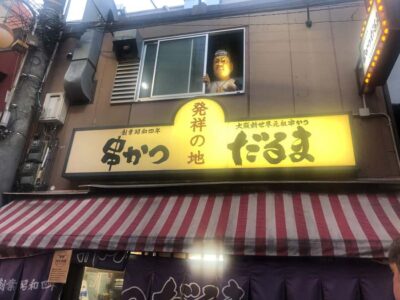
Hungry Osaka Street Food Tour: 15 Dishes & 3 Drinks
Read our review →
[1 Group Only] Osaka Street Food Tour for Family
Read our review →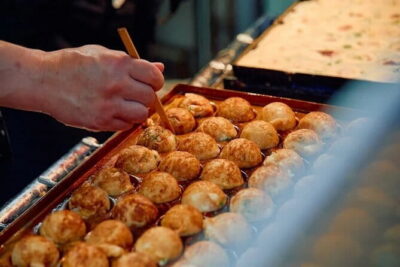

Osaka: 2-Hour Local Street Food Tour – Dotonbori & Namba
Read our review →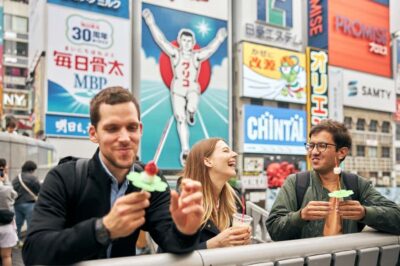
Eat Like a Local in Osaka – Private Custom Street Food Tour
Read our review →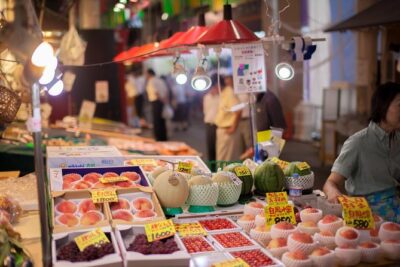
Deep Dive: Osaka Food Markets from Local to Luxurious!
Read our review →
Osaka: Kuromon Market 1.5-Hour Seafood & Street Food Tour
Read our review →The lists this tour appears in