
Review · OSAKA
Osaka: Kuromon Market Street Food Tour with Pro Local Guide
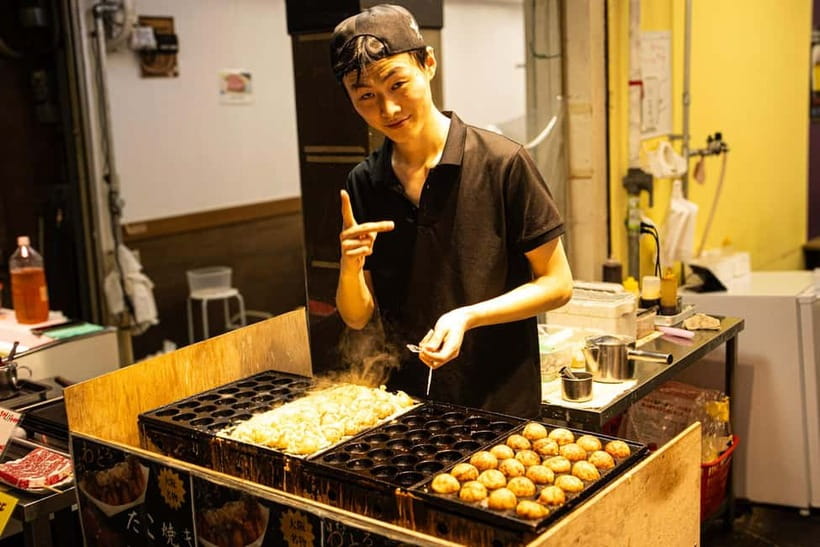
Kuromon Market is the main event here, but the best part is having someone explain what you are looking at before you eat it. In two hours, you can try grilled scallops, yakitori, and takoyaki, then connect the market to Osaka’s kitchenware street and an old lantern-lit alley.
I like the small group limit of 10 and the chance to shape the walk around your tastes. Guides such as Goku and Yuna have earned praise for friendly conversation, local contacts, and useful food tips. The drawback is that $51 does not cover extra food or drinks, and people with food allergies should not book this tour.
Key points at a glance
- Four to five food samples: Expect selected tastes of Osaka specialties, including grilled scallops, yakitori skewers, and takoyaki.
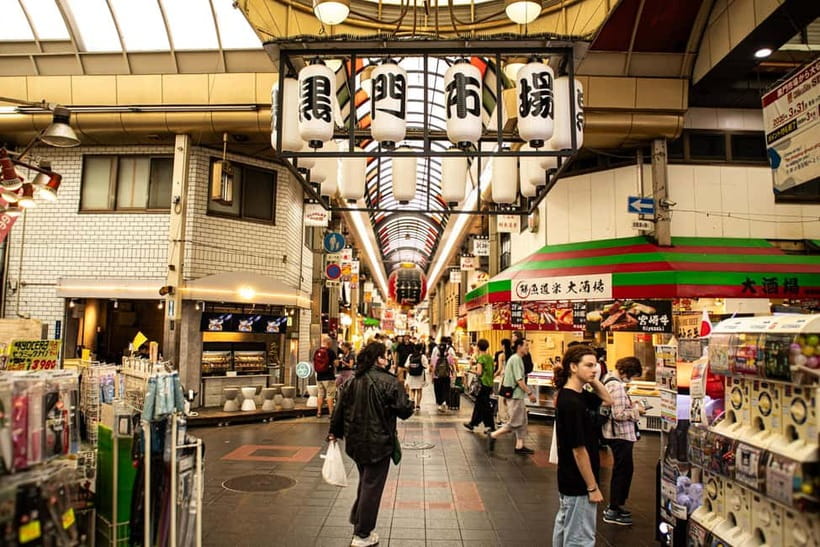
- Kuromon Market access: Spend the main two-hour visit in Osaka’s famous food market, often called Osaka’s Kitchen.
- Three distinct areas: Connect the market with Sennichimae Doguyasuji Shotengai and Hozenji Yokocho.
- Small-group attention: A maximum of 10 people leaves room for questions and personal food preferences.
- Experienced local guides: Goku and Yuna are among the named guides, with the tour available in English and, on request, French, Spanish, Russian, or Japanese.
- Extra spending matters: The listed price is $51 per person, but additional food and drinks cost extra.
Why Kuromon Market makes a good first food stop
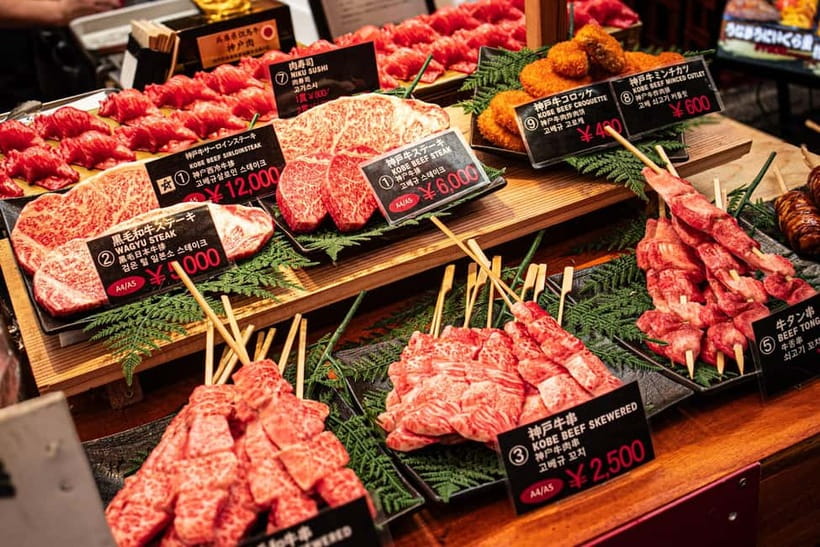
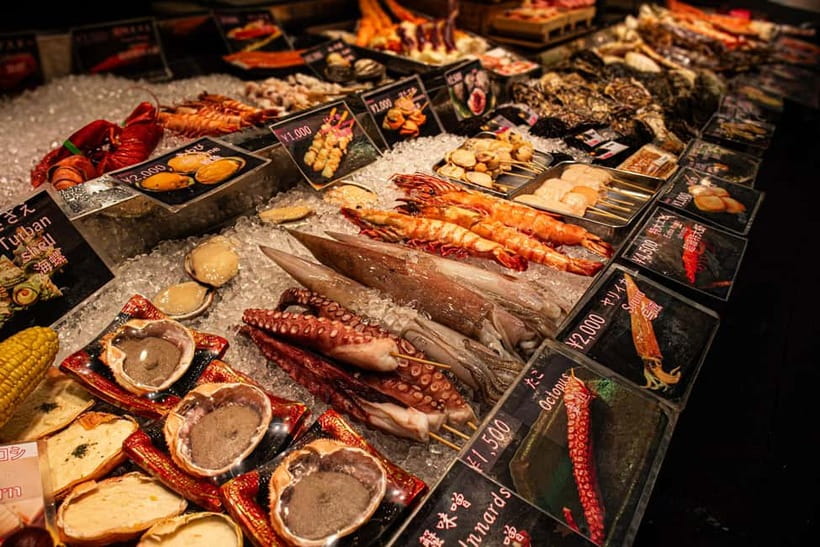
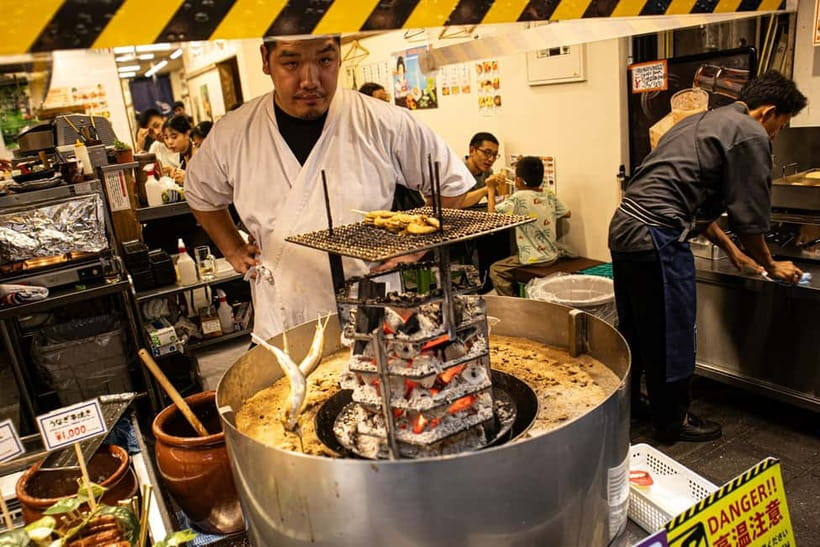
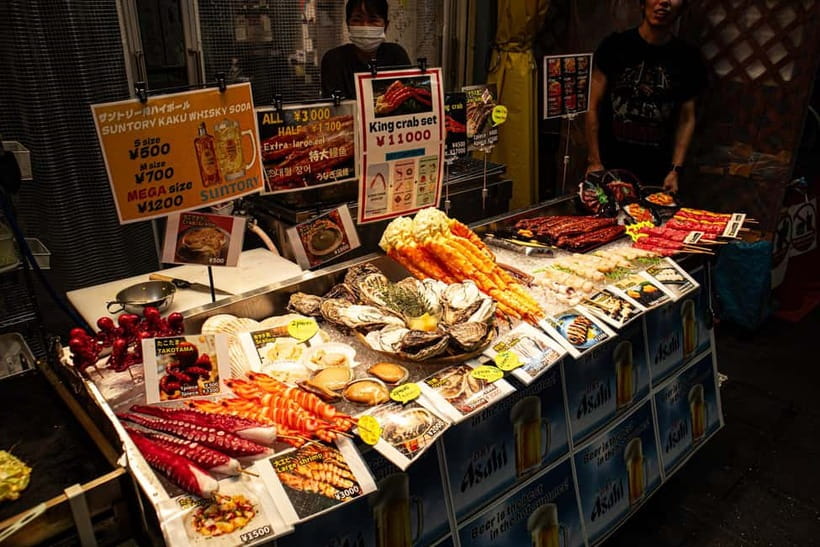
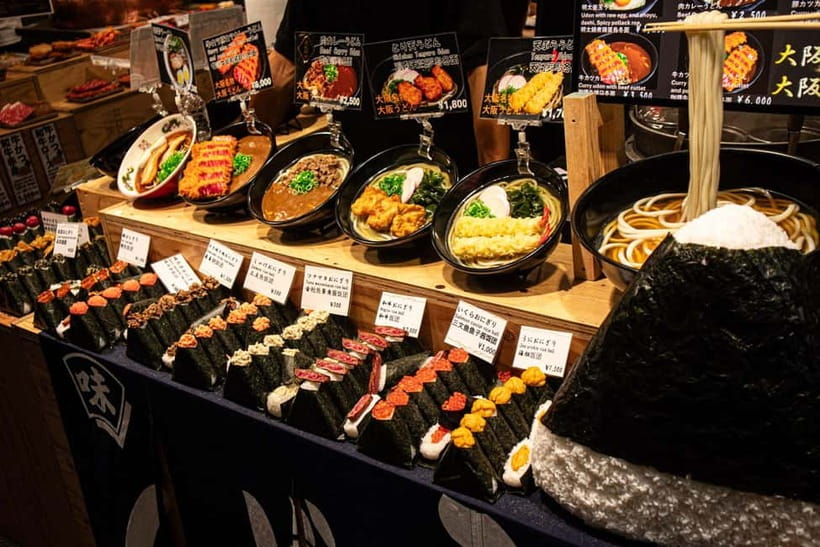
Kuromon Market gives you a quick lesson in how food shapes Osaka. The market is known as Osaka’s Kitchen, and its stalls focus on ingredients, prepared bites, and the everyday business of feeding the city. You are not simply walking past displays. Your guide helps explain what you are seeing and how it fits into local food customs.
That context matters in a market where some dishes may be unfamiliar. A scallop on a grill, a skewer of yakitori, or a hot piece of takoyaki can look simple. A local guide can point out what to notice, how to approach the stall, and which foods are worth saving room for.
The tour includes four to five samples. That is enough to give you a useful taste of Osaka without turning the walk into an all-you-can-eat session. I would still arrive hungry, since the samples are the core of the experience and extra food is not included in the price.
Kuromon is also a practical place to ask food questions. You can learn about local markets, Japanese culinary customs, and the etiquette that goes with eating in public. The guide’s role is especially useful if you are unsure what to order or how to handle a dish you have not tried before.
More street food walks around Japan:
- Hungry Osaka Street Food Tour:15 Tastings & 3 Drinks with a Local
★ 5.0 · 1,727 reviews - Tokyo: Tsukiji Fish Market Food and Culture Walking Tour
★ 4.7 · 757 reviews - Hungry Osaka Street Food Tour: 15 Dishes & 3 Drinks
★ 4.9 · 694 reviews
Four to five bites, with room for personal taste
The listed examples include grilled scallops, yakitori skewers, and takoyaki. These foods give you three different angles on Osaka eating: seafood, grilled meat, and one of the city’s best-known hot snacks.
Takoyaki is particularly useful as a cultural introduction. These round batter snacks are associated with Osaka and are usually served hot, so the guide can help you understand how to eat them safely and what makes them different from other street foods. You may also appreciate having someone explain the food before you make a purchase at another stall later in your trip.
The tour can adjust to individual likes, dislikes, and interests. That flexibility was a strong feature for couples who wanted something more personal than a fixed march from stall to stall. If you are interested in seafood, kitchen tools, local customs, or souvenir ideas, tell the guide early.
Dietary requests can be accommodated, but the information also says the tour is not suitable for people with food allergies. Take that warning seriously. A preference or restriction may be manageable, while a serious allergy requires a level of control that a busy market food walk may not provide.
You should also budget for extra snacks if you want more than the included samples. The $51 price covers the two-hour walking tour and its selected tastings, but additional food and drinks are separate.
Meeting guides who make the market easier to read
The guide can make or break a food tour. Here, Goku and Yuna are named as local guides. Goku received praise for food recommendations and an easy personal connection, while Yuna was noted for having lived in Osaka for many years and knowing many market traders personally.
Those details matter because Kuromon Market can feel like a lot of food stalls packed into one outing. A guide who knows the people behind the counters can add useful background that you would not get from simply pointing at a menu.
The guides are presented as professional Japanese hosts with strong training in Japanese culture, history, and etiquette. You can ask about market customs, how to behave around food stalls, what makes a souvenir worthwhile, or how Osaka’s food culture differs from other parts of Japan.
The tone is meant to be social, not formal. With only up to 10 people, you have a better chance to ask questions without losing the guide in a crowd. Private groups are also available if you want more control over the pace and conversation.
The standard tour is conducted in English. French, Spanish, Russian, and Japanese may be available on request, so confirm your language choice when booking rather than assuming it will be offered at every starting time.
Sennichimae Doguyasuji Shotengai: Osaka’s kitchenware street
The walk goes beyond edible samples with a visit to Sennichimae Doguyasuji Shotengai. This shopping street is known for Japanese kitchenware, making it a natural partner to Kuromon Market.
You might find knives, cooking tools, dishes, restaurant supplies, or other objects connected with Japanese food preparation. The exact stops can vary, but the point is clear: you get to see the equipment and presentation side of Osaka’s food culture, not only the eating side.
This is a useful stop if you want a practical souvenir. A small kitchen item can be more meaningful than a generic keepsake, but you should ask the guide about quality, use, and whether an item is suitable for taking home. The tour description specifically promises insider souvenir tips, so this is a good place to use them.
For shoppers, the street adds real value to the $51 price. You are not spending two hours only on tasting. For someone who wants a nonstop food crawl, though, the kitchenware stop may feel like a change of pace. I see that as a strength for most visitors, since it makes the tour feel more connected to daily life in Osaka.
Same streets, a different set of bites:
- Tsukiji Fish Market: Street Food & Culture Walking Tour
★ 5.0 · 669 reviews - Tsukiji Fish Market: Street Food & Culture Walking Tour
★ 4.8 · 259 reviews - Tokyo: Asakusa & Sensoji ー Oldest Temple Walking Tour (2hrs)
★ 5.0 · 213 reviews - [1 Group Only] Osaka Street Food Tour for Family
★ 5.0 · 208 reviews
Hozenji Yokocho and the older side of the city
Hozenji Yokocho offers a different mood from the market and kitchenware street. This traditional alleyway gives you a look at a quieter, older side of the neighborhood, with narrow lanes and a more intimate atmosphere.
The value of this stop is contrast. Kuromon Market is about ingredients and prepared food. Doguyasuji is about tools and trade. Hozenji Yokocho brings the focus to traditional streets and the sense of place around them.
Your guide can connect the alley to Osaka’s past and explain how it fits into the area’s wider culture. Since the walk lasts two hours, this will be an introduction rather than a long historical tour. Still, it gives you a better feel for the neighborhood than a market visit alone.
I like this three-part design. Food, kitchenware, and old lanes create a more complete picture of Osaka. You finish with more than a list of dishes. You have seen where food is sold, how it is prepared, and how it sits within the city’s older streets.
How the two-hour schedule works
The tour has two listed meeting point options, both at the Picassо Nihonichi Building area, with the Sumitomo Mitsui Banking Corporation ATM given as the marker. The exact meeting point can depend on the option you book, so check your confirmation carefully.
From there, the main visit is a two-hour walking experience centered on Kuromon Market. The stated itinerary also includes Sennichimae Doguyasuji Shotengai and Hozenji Yokocho, with drop-off at one of the same listed locations.
Because the full experience is on foot, comfortable shoes are important. Bring a camera if you want to record the market displays and street scenes, and bring cash for any food, drinks, or purchases beyond the included samples.
The tour has several starting times, but you need to check availability for your date. Transportation to and from the meeting point is not included. Plan your route in advance, especially if you are coming from another part of Osaka.
The compact length works well for a first morning or afternoon in the city. You can use the guide’s suggestions afterward to return to a stall or explore the area on your own. It also fits neatly between other Osaka plans, though you should avoid scheduling it so tightly that a delayed train or a slow meal creates stress.
What the $51 price really buys you
At $51 per person, this is not the cheapest way to eat at Kuromon Market. You could buy individual snacks on your own for less, especially if you are comfortable reading menus, choosing stalls, and asking questions without help.
The price makes more sense if you value explanation and direction. You are paying for a two-hour local food walk, four to five samples, a professional guide, and visits to three connected areas. You also get a chance to ask questions about etiquette, food culture, souvenirs, and Osaka’s markets.
The small group helps justify the cost. A maximum of 10 people is more personal than a large group, and private options are available if you want an even more focused experience. The flexibility shown by the guides is another useful part of the package, especially for people who have specific interests.
Still, keep your budget realistic. Extra food and drinks are not included, and Kuromon Market can tempt you to buy more once the formal tour ends. I would set aside additional cash for a few unplanned tastes or a kitchenware souvenir.
Free cancellation up to 24 hours before the tour and the reserve-now, pay-later option make booking less rigid. These are useful if your Osaka schedule is still moving around, but they do not change the basic value calculation: this is a guided introduction, not a cheap meal replacement.
Who will enjoy this food walk most
I would recommend this tour to first-time Osaka visitors who want an easy introduction to the city’s food culture. It suits people who like to ask questions, try several small portions, and understand the setting around a dish.
It is also a good match for couples and small groups. The guides can adjust the walk around interests, and the friendly style reported for Goku and Yuna should help the experience feel less like a scripted route.
Food-focused shoppers will get extra value from Sennichimae Doguyasuji Shotengai. If you are looking for Japanese kitchen tools or want advice on souvenirs, make that interest known at the start.
I would be less enthusiastic for a person who wants a long, meal-sized food tour. Two hours goes quickly, and four to five samples may leave you wanting more. That is easy to fix with your own market purchases, but those cost extra.
People with serious food allergies should skip this activity. Even though dietary requests can be accommodated, the tour is specifically marked as unsuitable for people with food allergies.
Booking advice and final verdict
Book this tour if you want a guided introduction to Kuromon Market rather than a do-it-yourself snack stop. The strongest reasons are the small group, the named local guides Goku and Yuna, and the mix of food, kitchenware, and traditional lanes.
I especially like that the tour does not stop at the market entrance. Sennichimae Doguyasuji Shotengai and Hozenji Yokocho give you useful context, and the guide can point you toward foods and souvenirs you might otherwise miss.
Skip it if you prefer complete freedom, plan to eat a large meal, or need strict control over every ingredient. For everyone else, $51 is a fair price for a compact, friendly introduction to Osaka, provided you arrive hungry and carry extra cash.
FAQ
How long does the Osaka street food tour last?
The tour lasts two hours.
What food is included?
You receive four to five selected samples of local dishes. Examples include grilled scallops, yakitori skewers, and takoyaki.
Does the tour visit Kuromon Market?
Yes. Kuromon Ichiba Market is the main food-market stop, and the visit is described as a two-hour walking tour.
What other places are included?
The tour also visits Sennichimae Doguyasuji Shotengai and Hozenji Yokocho.
How many people can join the small group?
The small group has a maximum of 10 people. Private groups are also available.
What languages are offered?
English is the main tour language. French, Spanish, Russian, and Japanese may also be available upon request.
Can the tour accommodate dietary requests?
Dietary requests can be accommodated, but the tour is not suitable for people with food allergies.
Newest street food walks around Japan
- Nagoya Castle and Local Flavor Samurai Tales and Street Food Walk★ 5.0 · 10 reviews
- Nagoya Street Food Walking Tour of Osu★ 5.0 · 28 reviews
- Nagasaki Street Food Adventure: Private Walking Tour with a Local★ 5.0 · 26 reviews
- The 10 Tastings of Tokyo With Locals: Private Street Food Tour★ 5.0 · 48 reviews
- Kyoto Nishiki Market Street Food Tour★ 5.0 · 9 reviews
- Private Nishiki Market Food & Sake Tour by Young Local Guides★ 5.0 · 12 reviews
- Tokyo: Sensoji Temple & Street Food: Private Tour with guide★ 4.6 · 8 reviews
- Tokyo: Shinjuku Local Eats, Street Food Tour & Culture Walk★ 5.0 · 2 reviews
Osaka street food tours, side by side.
Hungry Osaka Street Food Tour:15 Tastings & 3 Drinks with a Local
Read our review →
Hungry Osaka Street Food Tour: 15 Dishes & 3 Drinks
Read our review →
[1 Group Only] Osaka Street Food Tour for Family
Read our review →

Osaka: 2-Hour Local Street Food Tour – Dotonbori & Namba
Read our review →
Eat Like a Local in Osaka – Private Custom Street Food Tour
Read our review →
Deep Dive: Osaka Food Markets from Local to Luxurious!
Read our review →
Osaka: Kuromon Market 1.5-Hour Seafood & Street Food Tour
Read our review →The lists this tour appears in