
Review · TOKYO
Tsukiji Fish Market: Street Food & Culture Walking Tour
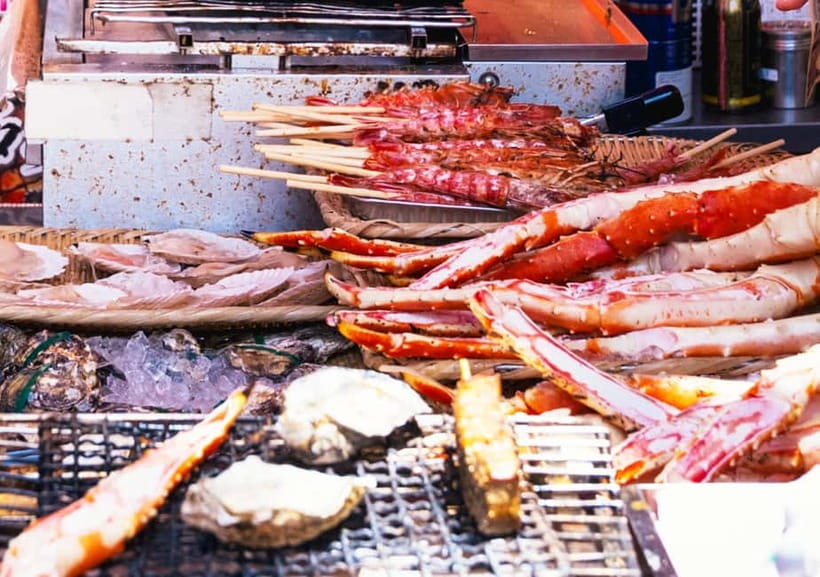
Tsukiji is at its best when you have someone to explain what you are seeing. This two-hour food walk takes you from the striking Tsukiji Hongwanji Temple into the outer market, where tuna, wagyu, grilled seafood, fish cakes, omelets, dumplings, and other Japanese bites compete for your attention.
I like the way the tour connects food with place. You learn why certain ingredients matter, how traditional preservation brings out umami, and how locals shop. I also like the special fresh-grated wasabi offered by some guides, a small touch that can change the flavor of tuna or sushi. The main drawback is the calendar: on Wednesdays, Sundays, and national holidays, roughly half the shops may be closed.
Key points at a glance
- Fresh wasabi adds a memorable lesson in flavor: The grated wasabi is more than a garnish, and guides explain how it changes the taste of seafood.
- Tsukiji Hongwanji gives the food walk a cultural start: The 20-minute temple visit adds architecture, ritual, and local context before the eating begins.
- Food choices are flexible: You can sample tuna, wagyu, eel, scallops, fish cake, omelets, dumplings, and other market foods, then buy more if you wish.
- Guides make the crowded market easier to read: Kawa, George, Mao, Chihiro, Tomo, Kenny, and others have helped visitors choose good stalls and understand unfamiliar ingredients.
- Cash matters: Bring yen for food and shopping, since the experience specifically advises carrying cash.
- The best market day is not always your available day: Wednesdays, Sundays, and national holidays can feel quieter because many shops close.
Why Tsukiji works better with a guide
Tsukiji is not simply a place to grab sushi. It is a working food district with narrow lanes, specialist shops, old techniques, and ingredients you may not recognize. Without help, you can still eat well, but you may miss the point of what is in front of you.
A local guide gives you a useful filter. You can ask what a particular fish is, how it is prepared, and whether it is better grilled, raw, simmered, or preserved. Guides also help you decide what to spend money on, which is useful when several stalls sell similar-looking food.
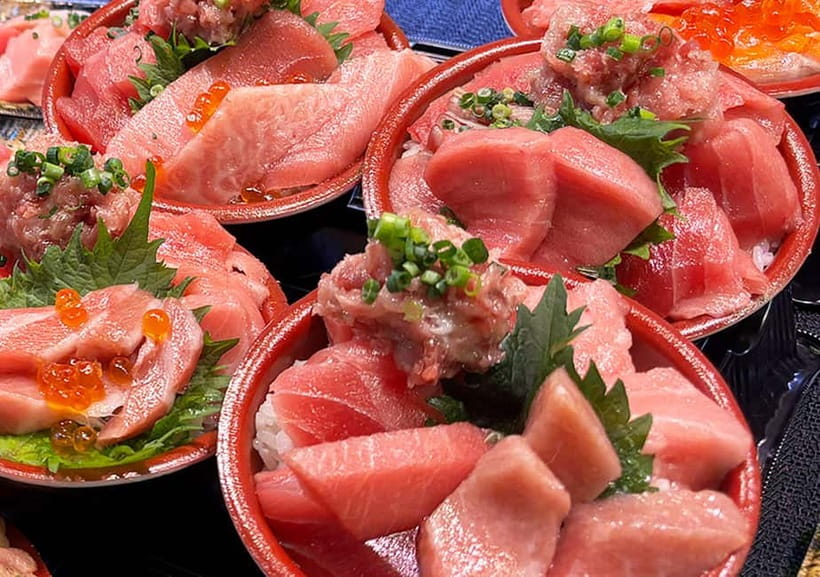
The tour has a strong food focus, but it is not just a parade of snacks. You hear about the market’s role in Tokyo’s cooking culture and the craftsmanship behind Japanese cuisine. That makes each bite more interesting. A slice of tuna becomes a lesson in freshness and texture. A preserved ingredient shows how older methods still shape modern meals.
The price is $22 per person, which is good value for two hours with a guide, especially if this is your first visit to Tsukiji. You should still bring extra cash for food and purchases. The guided walk helps you spend that money with more confidence rather than wandering from stall to stall at random.
More Food Market Tours in Japan
- Tokyo: Tsukiji Fish Market Food and Culture Walking Tour
★ 4.7 · 757 reviews - Tsukiji Fish Market: Street Food & Culture Walking Tour
★ 5.0 · 669 reviews - Deep Dive: Osaka Food Markets from Local to Luxurious!
★ 5.0 · 31 reviews
Starting at Tsukiji Hongwanji Temple
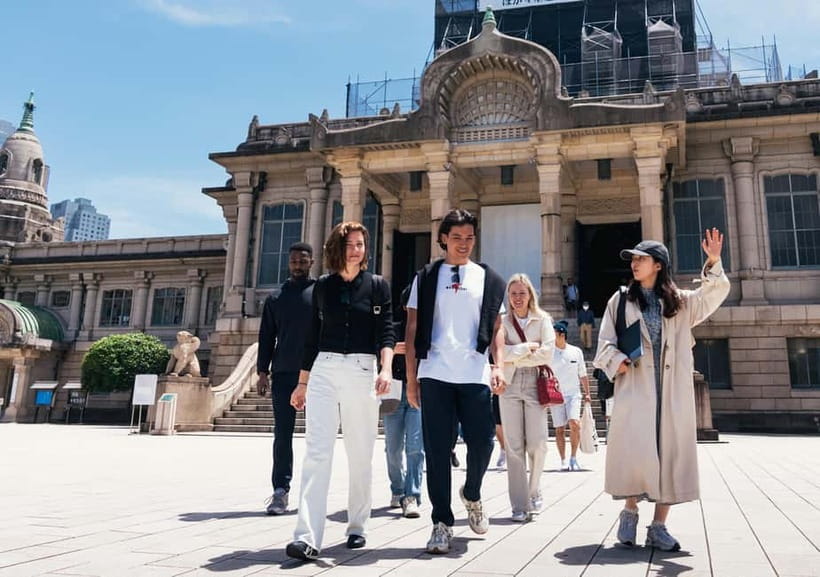
The meeting point is at Tsukiji Hongwanji Temple, with the exact starting option shown when you book. The temple is an excellent place to begin because it slows the pace before you enter the market.
You spend about 20 minutes here with your guide. Expect an explanation of the building, its carvings, interior, and place in the neighborhood. One guide, Chihiro, has also explained the purification procedure before entering, giving you a practical introduction to Japanese temple etiquette.
The architecture is particularly striking. It does not feel like a quick photo stop. The unusual design and detailed decoration give you something to look at while your guide explains the setting. You also get a chance to ask questions about customs before the food stalls take over your attention.
This part will appeal to you if you enjoy seeing how food fits into local life. It is less useful if you want to reach the market immediately and spend every minute eating. Still, the short temple visit gives the walk a better shape and keeps it from becoming a simple snack crawl.
The first market walk: 80 minutes of food and explanation
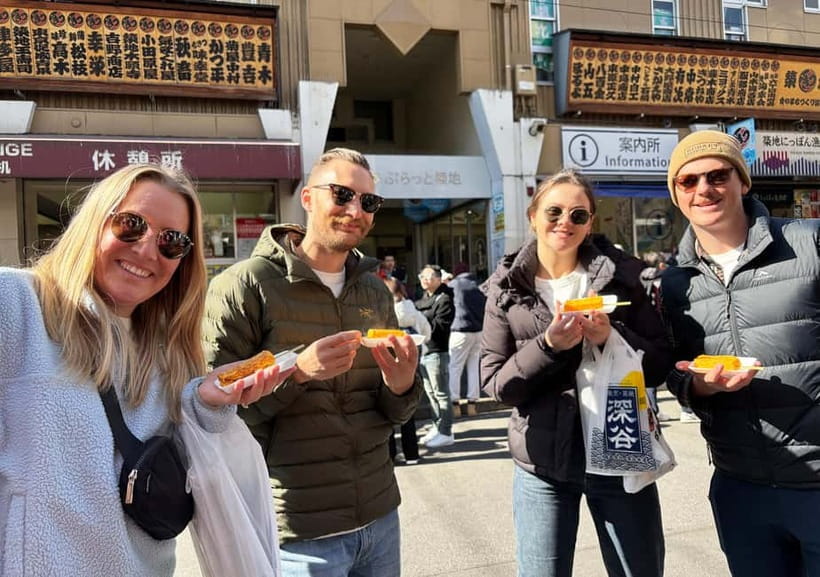
Most of the experience takes place in Tsukiji Outer Market. The central section lasts about 80 minutes and combines a guided walk with food tasting and time to look around.
The market offers an impressive range of Japanese ingredients. You might encounter fresh seafood, specialty spices, preserved products, kitchen items, and prepared street food. The exact sequence depends on the day, the open shops, and your guide, so do not expect a fixed menu.
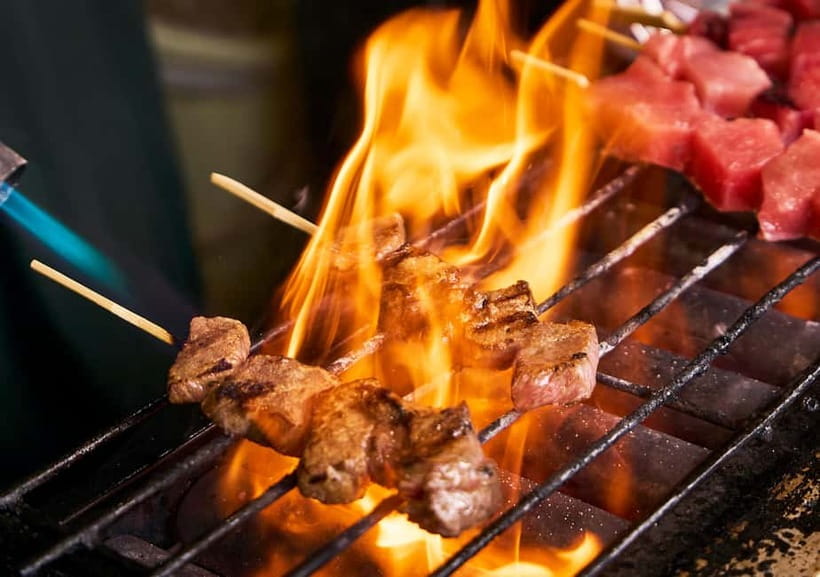
Food examples include fresh tuna, sushi, eel, grilled scallops, wagyu, skewered octopus, fish cake, omelets, dumplings, and other traditional bites. Some people have particularly enjoyed the wagyu sirloin skewer, while others have focused on sushi or fish preparation. The useful point is variety: you are not restricted to one type of seafood.
Guides generally help you choose rather than force every item on you. That matters if you have strong preferences, a small appetite, or concern about unfamiliar foods. You can explain what you do and do not eat, then follow recommendations that fit.
The tour can also help you avoid paying tourist prices for the wrong thing. George, in particular, has been praised for steering people toward good food at reasonable prices. That is exactly the kind of help that can cover much of the tour’s cost in practical value.
Tuna, wagyu, and the appeal of small bites
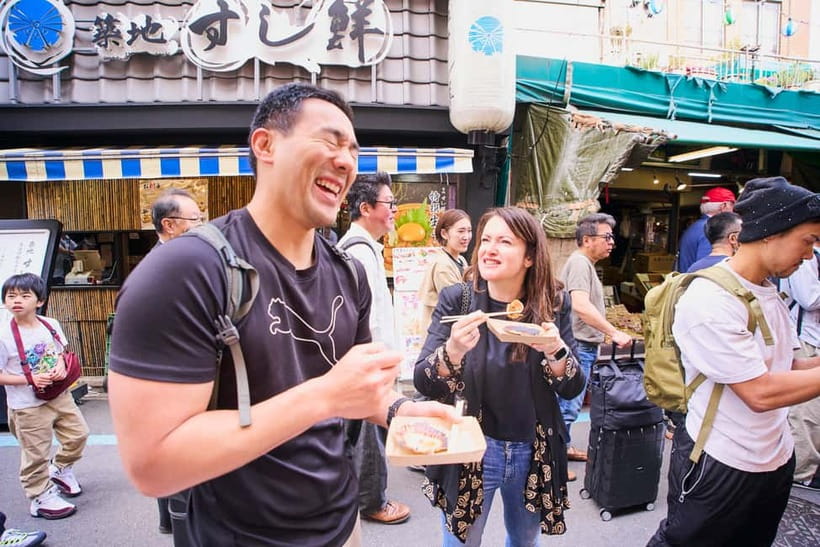
Tsukiji food is often served in small portions, which lets you try several things in one morning or afternoon. You might begin with seafood, move to grilled meat, then finish with a sweet or savory snack. This variety is one of the tour’s strongest features.
Fresh tuna is an obvious highlight, but it is not the only reason to come. Grilled scallops offer a different texture from raw fish. Eel brings a savory, rich flavor. Wagyu gives the tour a meat option, while fish cake and omelets show how everyday Japanese foods can be made with care.
The guides also explain how ingredients are used at home and in restaurants. Rita, one guide mentioned by name, helped identify ingredients and cooking methods for someone unsure what to try. That kind of explanation makes the food less intimidating.
You should not expect a formal sit-down meal. This is a market walk, so you eat as you go, often standing or moving between stalls. If you need a full meal, the tour may leave you wanting a proper bowl of rice or a longer restaurant visit afterward. If you enjoy building a meal from several bites, it should suit you very well.
Same streets, a different set of bites:
- Hungry Osaka Street Food Tour:15 Tastings & 3 Drinks with a Local
★ 5.0 · 1,727 reviews - Hungry Osaka Street Food Tour: 15 Dishes & 3 Drinks
★ 4.9 · 694 reviews - Tokyo: Asakusa & Sensoji ー Oldest Temple Walking Tour (2hrs)
★ 5.0 · 213 reviews - [1 Group Only] Osaka Street Food Tour for Family
★ 5.0 · 208 reviews
The fresh wasabi lesson
The fresh wasabi is one of the most distinctive details of this experience. Several guides have offered a special wasabi set or freshly grated wasabi during the walk.
This matters because fresh wasabi has a different character from the common green paste served outside Japan. Your guide can show you how to use it with seafood and explain how it sharpens flavor without simply overwhelming the food. It is a small tasting, but it turns an ordinary sushi stop into a lesson.
You should not assume every departure will include exactly the same food or demonstration. The market changes by day, and the open shops affect the route. Still, fresh wasabi is a recurring feature in the experience and worth asking about when you meet your guide.
If you enjoy cooking, this part may be especially useful. You begin to notice how Japanese cuisine often depends on balance: freshness, salt, heat, texture, and preservation all have a role.
Preservation, umami, and the skill behind the stalls
One of the tour’s more valuable themes is preservation. Traditional methods can make ingredients last longer, but they also change flavor and bring out umami.
Your guide may explain how seafood and other ingredients are treated, prepared, or stored. The point is not to turn you into a fishmonger in two hours. It is to help you see that Japanese food is shaped by technique as much as by raw quality.
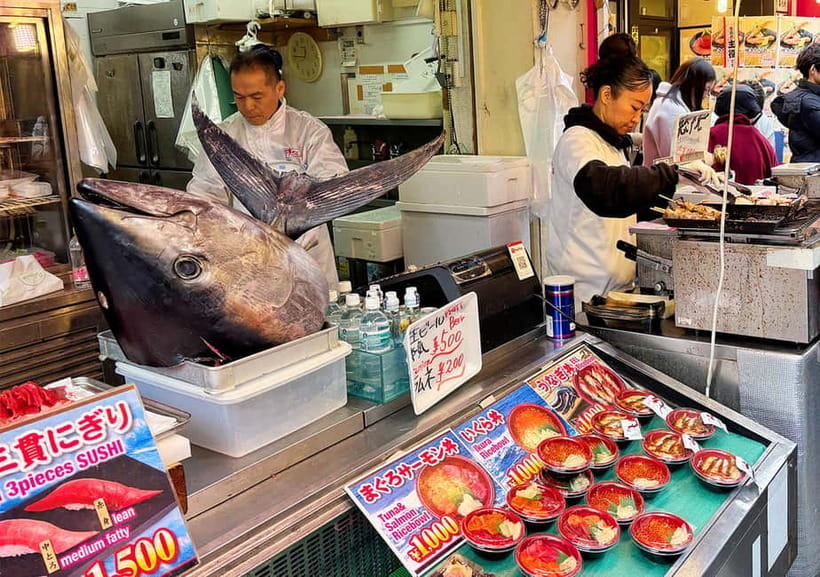
Tsukiji’s artisans also show care in preparation. Cutting fish, selecting ingredients, grilling seafood, and presenting food are all skilled jobs. A fish-cutting demonstration may be included depending on the day and the open market stalls. One person particularly enjoyed seeing the fish preparation alongside a fresh sushi tasting.
This is where the tour moves beyond simple eating. You learn to look at the hands behind the food. A stall is not just a place selling snacks. It may represent years of practice and a narrow specialty passed through generations.
The final 20 minutes and time to keep exploring
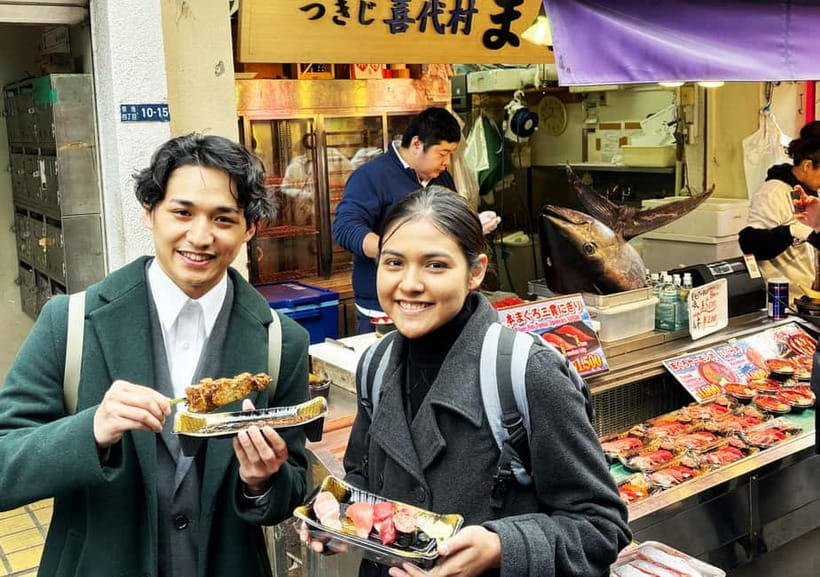
After the main food section, the tour continues with about 20 minutes of guided exploration in the outer market. This gives your guide time to point out additional shops, answer questions, and offer ideas for the rest of your visit.
That final section can be useful if you want to return later on your own. Guides have suggested places to shop for food, rice snacks, ceramics, and other Japanese goods. You may also learn which ingredients are practical to take home during your stay.
Do not treat the end as a rushed exit. Use it to ask specific questions. You might ask where to find a favorite ingredient again, what to buy as a gift, or how to identify a food you tasted earlier.
The tour returns to Tsukiji Hongwanji Temple. Since the start and end are in the same general area, you can continue exploring the market afterward if shops are open. You can also use the temple as a clear landmark when meeting your guide.
Which guides make the biggest difference
The guide is central to the quality of this experience. Names associated with particularly strong departures include Kawa, George, Mao, Chihiro, Tomo, Kenny, Naoto, Daichi, Ayaka, and Mal.
The praise for these guides has a common thread: clear English, good food suggestions, patience, and an ability to adjust the walk to the group. Kawa has been especially good at explaining history and answering questions. George has helped people find good-value food. Mao and Tomo have been praised for warmth and strong recommendations.
Kenny has also been noted for taking photos and helping visitors avoid long lines. Naoto has been described as a guide who adds humor and useful explanations. These details matter because a market tour can feel awkward if the guide simply points at stalls and talks without listening.
Small groups are available, and some departures may feel very intimate. That is helpful if you want to ask questions or have food preferences. It also means the pace can depend on the people booked that day.
Timing, market closures, and practical limits
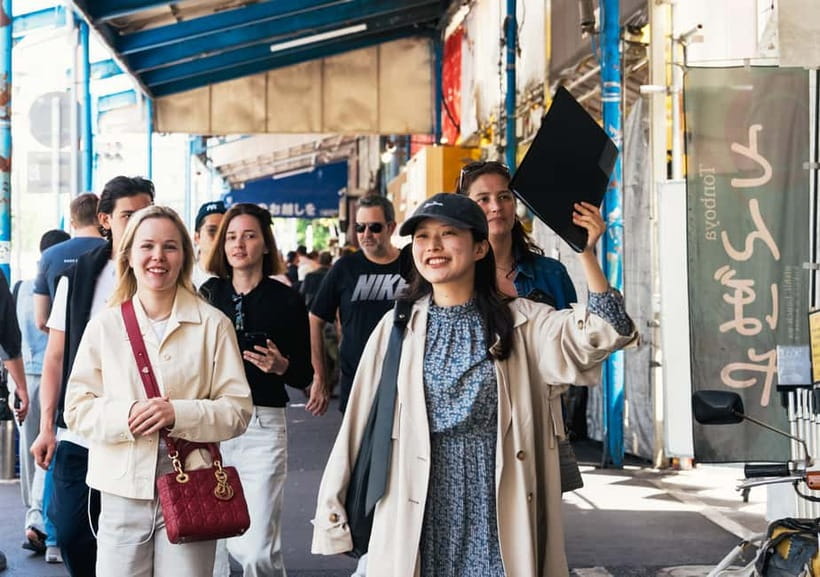
The tour lasts two hours, but the market is not identical every day. Wednesdays, Sundays, and national holidays can have about half the outer market shops closed. The tour still operates, but you should expect fewer stalls and a different food selection.
If you have flexibility, avoid those days. If Wednesday or Sunday is your only option, the temple, guide explanations, and open shops can still make the walk worthwhile. Just do not book expecting the full market scene shown in your imagination.
Wear comfortable shoes. The experience includes walking and standing, and the market can be crowded. The activity is listed as wheelchair accessible, but the exact ease of movement may depend on the day, shop access, and crowd levels.
Bring cash. This is the most important practical tip. You may want to buy extra food, ingredients, or small gifts, and cash gives you more freedom. Also bring a light appetite, since you will have more fun if you can sample several different foods.
Who should book this Tsukiji tour
I would recommend it to first-time visitors who want a clear introduction to Japanese food culture without spending half a day planning a route. It is also a good fit if you feel unsure about unfamiliar seafood, Japanese ingredients, or market etiquette.
Food lovers will appreciate the range from tuna and sushi to wagyu, eel, scallops, fish cake, and dumplings. People interested in culture will enjoy the temple visit, preservation lessons, and explanation of how Tsukiji fits into Tokyo’s food life.
Families and mixed-interest groups may also benefit because the walk includes architecture, shopping, history, and tasting. You can try only what appeals to you, then keep exploring after the formal tour ends.
I would hesitate only if you want a quiet, seated meal or if your schedule falls on a day when many shops are closed. Independent visitors who have already researched Tsukiji can recreate much of the route themselves. The value here is not secret access. It is the guidance, translation, food judgment, and context.
Should you book it?
Book this tour if you want to make sense of Tsukiji quickly and taste several foods without guessing where to begin. At $22, the price is modest for two hours of guidance, especially when the guide helps you choose food and avoid poor-value purchases.
Choose a day other than Wednesday, Sunday, or a national holiday if possible. Bring cash, arrive ready to walk, and tell your guide what you like to eat. If fresh wasabi, tuna, market craft, and practical local advice sound better than a standard restaurant meal, this is an easy choice.
FAQ
Where does the Tsukiji food tour begin?
The tour begins at Tsukiji Hongwanji Temple. The exact meeting option may vary according to the booking, so check the selected option before setting out.
How long does the experience last?
The tour lasts two hours. About 20 minutes are devoted to Tsukiji Hongwanji, about 80 minutes to the main outer market visit and food tasting, and about 20 minutes to further market exploration.
What food can I expect to try?
Possible foods include fresh tuna, sushi, eel, grilled scallops, wagyu, skewered octopus, fish cake, omelets, dumplings, and other traditional market foods. The exact selection can vary by day and by which shops are open.
Is fresh wasabi included?
A special wasabi set or fresh-grated wasabi is a feature of the experience. The exact food selection may vary, but guides have used fresh wasabi to show how it enhances seafood.
Is the tour conducted in English?
Yes. The tour includes a live English-speaking guide.
Do I need to bring cash?
Yes. Cash is specifically recommended, particularly for food, market purchases, and additional items you may want to buy.
Are food purchases included in the $22 price?
The activity includes a guided tour, market exploration, and food tasting. Bring extra cash because you may wish to purchase additional food or goods during the visit.
Can I take the tour on a Wednesday, Sunday, or national holiday?
Yes, tours are still possible on those days. However, about half of the Tsukiji Outer Market shops may be closed, so the food selection and general experience may differ.
Is the tour wheelchair accessible?
Yes. The activity is listed as wheelchair accessible. The market experience may still vary according to shop access and conditions on the day.
Newest street food walks around Japan
- Nagoya Castle and Local Flavor Samurai Tales and Street Food Walk★ 5.0 · 10 reviews
- Nagasaki Street Food Adventure: Private Walking Tour with a Local★ 5.0 · 26 reviews
- Nagoya Street Food Walking Tour of Osu★ 5.0 · 28 reviews
- The 10 Tastings of Tokyo With Locals: Private Street Food Tour★ 5.0 · 48 reviews
- Kyoto Nishiki Market Street Food Tour★ 5.0 · 9 reviews
- Private Nishiki Market Food & Sake Tour by Young Local Guides★ 5.0 · 12 reviews
- Tokyo: Sensoji Temple & Street Food: Private Tour with guide★ 4.6 · 8 reviews
- Tokyo: Shinjuku Local Eats, Street Food Tour & Culture Walk★ 5.0 · 2 reviews
Tokyo street food tours, side by side.
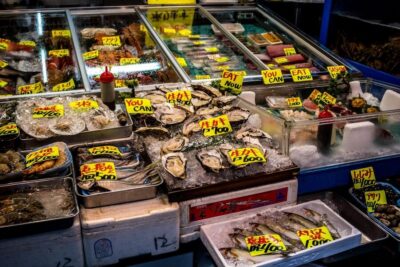
Tokyo: Tsukiji Fish Market Food and Culture Walking Tour
Read our review →
Tokyo: Sensoji Temple & Street Food: Private Tour with guide
Read our review →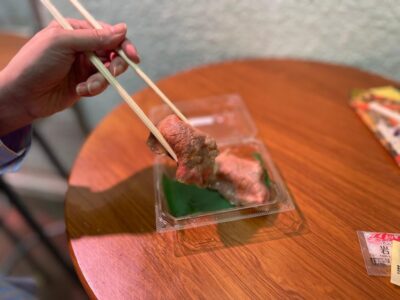
Tokyo: Explore Authentic Japanese Food Culture at Tsukiji
Read our review →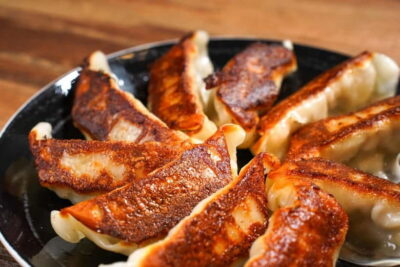
Tokyo: Shinjuku Local Eats, Street Food Tour & Culture Walk
Read our review →The lists this tour appears in