
Review · TANZANIA
Arusha: Traditional Tanzania Cooking class& Food Market Tour
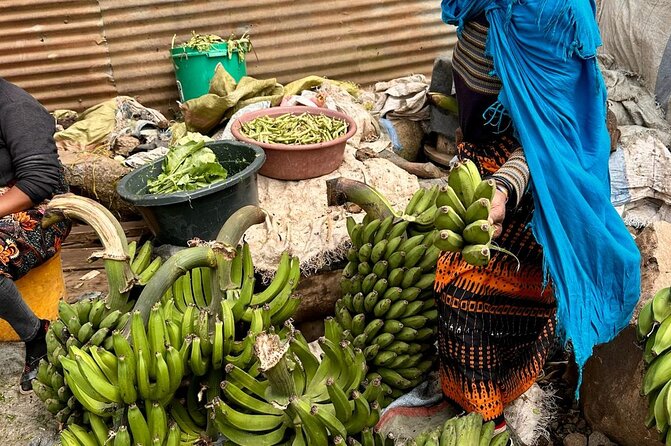
Arusha’s best food lesson starts before you reach the stove. You’ll walk through a local market, see the produce and dry goods used in Tanzanian kitchens, then help choose ingredients for a meal cooked in a local home. Chef Neema leads the kitchen work, while guides including Liroy and Israel explain the market and the town.
I like two things here. First, the market visit gives the cooking class a clear sense of place rather than turning it into a generic recipe lesson. Second, you do the work yourself, from shopping to chopping and stirring, then sit down to eat the finished food with the group.
The main consideration is comfort and pace. The class can last anywhere from one to three hours, and the kitchen is modest. One helpful report also noted limited drink service and hygiene standards that may feel less thorough than those in North America.
Key points to know
- Market first, kitchen second: Spend about 30 to 50 minutes seeing produce, meat, fruit, and dry foods before cooking.
- A real hands-on lesson: You help prepare plantain, chapati, ugali, vegetables, and possibly a meat dish.
- Local hosts matter: Liroy, Israel, and chef Neema have been singled out for friendly, attentive guidance.
- Pickup is included: The tour collects you from a hotel in Arusha town and returns you there afterward.
- Expect a simple setting: The cooking takes place in a small local house, with a washroom and basic cooking facilities.
- Plan for the full half-day: The stated duration is five hours, though the cooking portion alone may take one to three hours.
A market walk that gives the meal its meaning
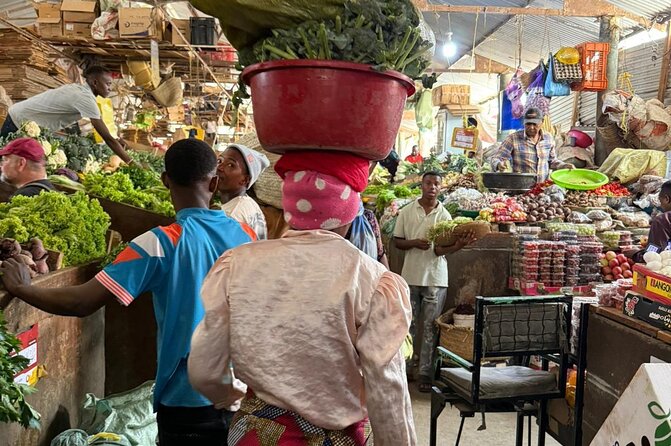
The day begins with pickup from your hotel near central Arusha. From there, you head to a central food market for roughly 30 to 50 minutes.
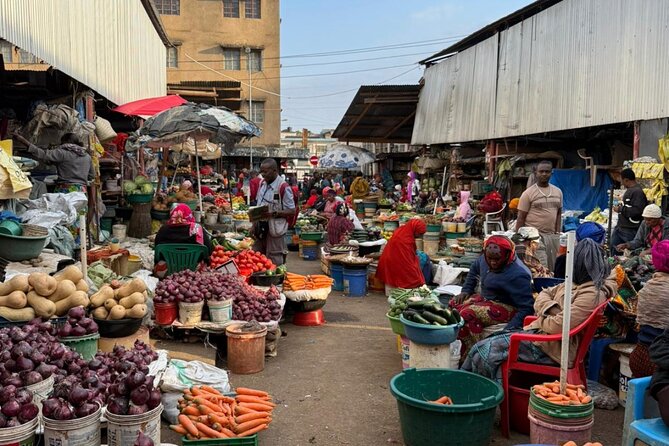
This is not just a quick stop for photographs. You’ll see the ingredients that shape everyday Tanzanian cooking: fruits, vegetables, dry foods, and meat. Your guide can explain what products are used for, how sellers work, and how food fits into daily life in Arusha.
The market is also the place to ask questions. You can interact with local sellers, take photos, and get a closer look at foods you may otherwise pass without recognizing. A guide named Liroy has been praised for explaining products, vendors, and town life in a way that invites questions rather than rushing you along.
Some departures visit two markets. After the larger Central Market, the guide may take you to a smaller market to buy the ingredients for the class. That extra stop makes the shopping part more practical, since you see food in its selling environment before using it in the kitchen.
Bring patience and stay alert. Markets can be crowded, and one account specifically praised the guide for watching around workers carrying heavy loads. Comfortable walking shoes are a sensible choice, even though this is not a strenuous walking tour.
More Cooking Classes in the world:
- Athens: Food Market Visit and Cooking Class with Wine
★ 4.9 · 1,087 reviews - Mexican Cooking Class with Food Market Visit in Mexico City
★ 5.0 · 506 reviews - Florence: Cooking Class with Local Food Market Tour
★ 4.9 · 407 reviews
Choosing ingredients for a Tanzanian menu
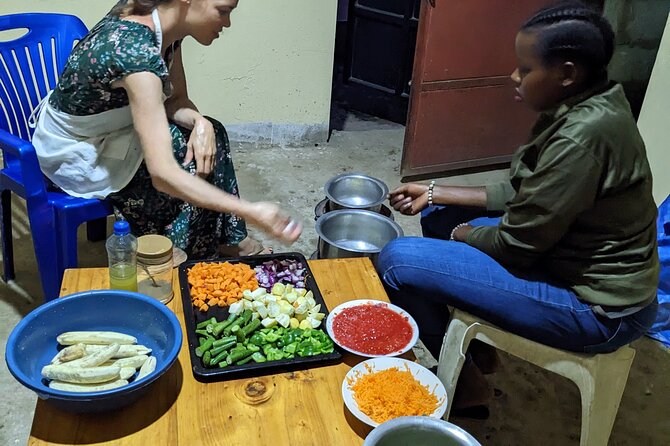
After the market visit, you discuss what you want to cook. The menu centers on familiar Tanzanian foods: plantain banana, chapati, ugali, and vegetables. A meat option may be available as a stew or barbecue-style dish.
The menu is not presented as a fixed restaurant order. In at least one class, the group could choose three dishes from four local options. That is useful if you already know you want to learn chapati or if ugali is the dish you most want to try.
You also get a better sense of the ingredients because they were bought during the outing. That small connection matters. Instead of simply finding a prepared bowl of food in front of you, you see the raw products, discuss them with the guide, and then use them yourself.
The exact menu can vary, so ask when booking if you have a strong preference or dietary concern. The supplied details confirm the main dishes and the optional meat preparation, but they do not promise a particular menu combination for every departure.
Cooking in a small local home
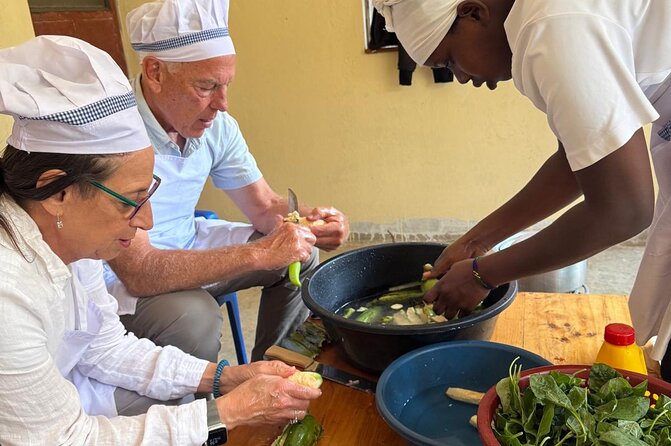
The class takes place in a modest local house rather than a polished culinary studio. One description notes a small home with a washroom, charcoal and propane stoves, and enough space for the group to work alongside the chef.
That setting is part of the appeal. You get a look at how a local cooking session can work with basic equipment, rather than seeing the food made in a commercial kitchen built for visitors. Chef Neema demonstrates each step, then lets you take over parts of the preparation while she handles another task.
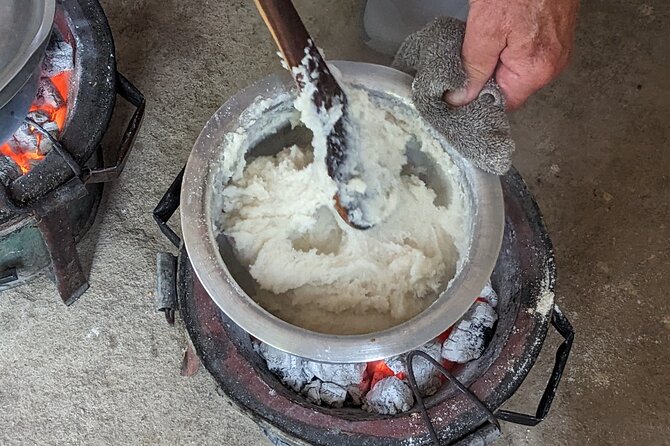
Expect a practical lesson, not a formal chef demonstration. You may knead chapati dough, prepare plantain, work with vegetables, and help cook ugali. The meal may include four dishes depending on the selected menu, and a meat dish can be added for those who want one.
The class can run from one to three hours. That is a wide range, so the tour may feel quick for one group and leisurely for another. One person found the cooking took a while but felt the final meal justified the wait. If you want a fast activity between safari plans, this may test your schedule. If you enjoy taking your time with food, the slower pace is a benefit.
The guides also help make the lesson social. Liroy, Israel, and Neema have been described as warm, attentive, and willing to chat about food and Tanzania. Photos are allowed, and guides may take pictures of you while you cook, but it is still polite to ask before photographing sellers or people at close range.
What you actually eat
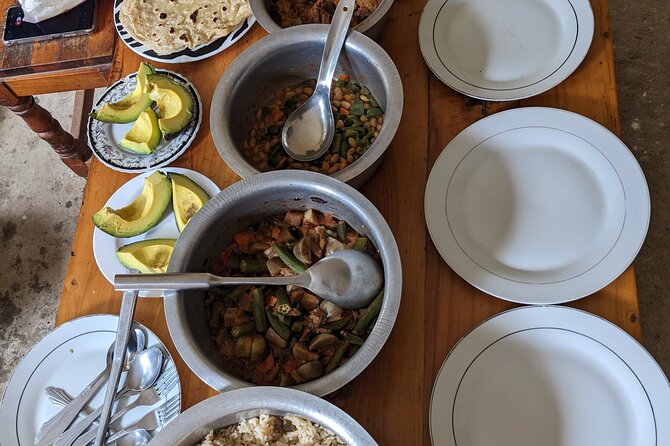
Once the cooking is finished, everyone sits down to eat the food prepared during the lesson. This shared meal is the payoff, but it is also part of the class. You can taste how the ingredients change through cooking and compare the texture of ugali, the softness of plantain, and the layered character of chapati.
Ugali is a staple made from a stiff maize-based mixture. It is simple, filling, and often used with vegetables or meat. Chapati brings a different texture, with a flatbread that takes more hands-on work. Plantain offers another useful lesson in how bananas can be used as a savory food rather than a sweet snack.
The meal is included, but drinks are not. Water may be available through the guide, yet you should not assume that tea, soda, beer, or other drinks are part of the price. Bring money or confirm the drink arrangement before you begin.
If food remains, you may be able to pack some for another meal at your hotel. This is not guaranteed, since it depends on how much the group prepares and eats, but it can add value to a generous cooking session.
More Food Market Tours in the world:
- Seoul Street Food Market Tour
★ 5.0 · 1,226 reviews - Seoul: Night Market Food Tour with Local Guide
★ 4.9 · 943 reviews - Venice Street Food Tour with Local Guide with Local Food Market Visit
★ 5.0 · 822 reviews - Tokyo: Tsukiji Fish Market Food and Culture Walking Tour
★ 4.7 · 757 reviews
Hygiene, comfort, and what to wear
You should arrive ready to work. Wear comfortable clothes and long pants, along with shoes suitable for walking through a market and standing in a kitchen.
The operator provides the ingredients, so you do not need to shop beforehand. You may take photos during the experience, and there is a washroom at the cooking location.
The kitchen is simple, and hygiene may not match the standards you are used to at home. One detailed account noted soap and water but less thorough cleaning of hands and cutting boards after handling meat. The food was fully cooked, but this is still worth knowing before you book.
If that would make you uneasy, choose the vegetable-focused menu or speak with the guide about food handling before cooking starts. Keep your own standards in mind without expecting a hotel kitchen. This tour is valued for its local setting, and that includes a few rough edges.
Weapons and sharp objects are not allowed. That rule may be standard for an organized activity, but it is worth remembering if you are carrying a large pocketknife or similar item from another part of your trip.
Is $45 a fair price?
At $45 per person, the cost covers more than a recipe lesson. You receive hotel pickup and return in Arusha town, a guided market visit, the ingredient shopping, the cooking class, and the meal.
The value is strongest if you want several experiences combined into one half-day. You avoid arranging transport to the market, finding a local chef, buying unfamiliar ingredients, and locating a place to cook. The guide also provides cultural context that you would miss if you simply booked lunch at a restaurant.
The price is less compelling if you only want a meal or a short demonstration. Drinks are extra, accommodation is not included, and the setting is basic rather than polished. You are paying for participation and local contact, not luxury.
Transport can also vary in feel. One pickup included a tuk-tuk ride to the market, which added a local transport experience. The exact vehicle is not promised, so think of included transport as practical hotel pickup and return rather than a private car service.
Who will enjoy this most?
I would recommend this for anyone who likes to understand food by handling it. It suits curious eaters, couples, families, and small groups who want a social activity in Arusha before or after a safari.
It is also a good choice if you want to meet local people in a setting that has a clear purpose. The market gives you a reason to speak with sellers, and the kitchen gives you time to talk with the guide and chef.
You should think twice if you dislike markets, basic kitchens, or long periods of standing. The class is not designed as a luxury food event, and the timing can stretch to three hours once cooking begins.
It may not suit someone with strict dietary needs unless those needs are confirmed in advance. The information provided mentions vegetables and optional meat but does not give a full allergy or vegetarian policy. Ask before booking rather than hoping the menu can be changed on the day.
Timing, pickup, and booking details
The advertised experience lasts five hours, including transport, the market visit, cooking, eating, and the return to your hotel. A separate itinerary description lists a 12-hour day, but the detailed schedule and stated duration describe a five-hour activity. Confirm the start time and expected finish when you reserve, especially if you have a safari, flight, or evening plan.
Pickup is available from hotels in Arusha town, with drop-off included. The activity is guided in English.
You can cancel up to 24 hours before the start for a full refund, and the reserve-now, pay-later option keeps payment flexible. Starting times depend on availability, so check the date that suits your schedule.
How this compares with eating at a restaurant
A restaurant is easier. You sit down, order, and eat. This activity asks you to spend time in a market, handle ingredients, and wait for the food to be ready.
The reward is a better sense of how everyday dishes come together. You learn what the ingredients look like before cooking, see the tools and stoves used in the home, and leave with recipes and skills you can try later.
It is also more personal than a standard food stop. You spend time with the guide and chef, and the meal becomes a shared result. That social side is one of the strongest reasons to choose this tour.
Final verdict: book it if you want to cook, not just eat
Book this experience if you want a practical look at Arusha through its food. The market walk, ingredient shopping, local home setting, and hands-on meal create a useful half-day with plenty of human contact.
Go in with realistic expectations. The kitchen is modest, drinks are not included, and the food-handling routine may feel informal. But if you are comfortable with those limits, $45 is a solid price for transport, a market visit, a local cooking lesson, and a meal you helped make.
I would especially choose it early in an Arusha stay. The market gives you a better frame for the city, and the recipes give you something to remember after the safari vehicles and mountain views have faded.
FAQ
How long does the Arusha cooking class and market tour last?
The stated duration is five hours. The market visit takes about 30 to 50 minutes, while the cooking class lasts between one and three hours.
Where does pickup take place?
Pickup and drop-off are provided at hotels in Arusha town, especially hotels near the city center.
Is transportation included?
Yes. Hotel pickup and drop-off are included. One departure used a tuk-tuk to travel to the market, but the exact type of transport is not guaranteed.
What food will I cook?
The cooking centers on plantain banana, chapati, ugali, and vegetables. An optional stewed or barbecued meat dish may also be available.
Is the meal included?
Yes. You eat the dishes prepared during the class, and if food remains, you may be able to pack some for another meal.
Are drinks included?
No. Drinks are not included in the tour price.
What language is the tour conducted in?
The live tour guide and cooking instruction are provided in English.
What should I wear and bring?
Wear comfortable clothes, long pants, and comfortable shoes. You may take photos during the tour.
Can I cancel for a refund?
Yes. You can cancel up to 24 hours in advance for a full refund. You can also reserve now and pay later.
Newest street food walks around the world
- Old Delhi Cultural, Temples, Heritage Walking Street Food Tour★ 5.0 · 57 reviews
- Old and New Delhi Street Food Sampling★ 5.0 · 3 reviews
- Old Delhi Tour by Tuk-Tuk Street Food and Shopping Experience★ 5.0 · 12 reviews
- Customized Half Day and Full Day Delhi Shopping, Street Food Tour★ 5.0 · 52 reviews
- Delhi: Street Food Crawl (2 Hours Guided Food Tasting Tour)★ 3.5 · 18 reviews
- Taste Famous & Best Street Food of Old Delhi (Jama Masjid)★ 3.0 · 2 reviews
- Spice & Stories: 3-Hour Old Delhi Heritage Food Walk Guided Tour★ 4.5 · 36 reviews
- Old Delhi Street Food and Spice Market Tour★ 5.0 · 81 reviews
Tanzania street food tours, side by side.
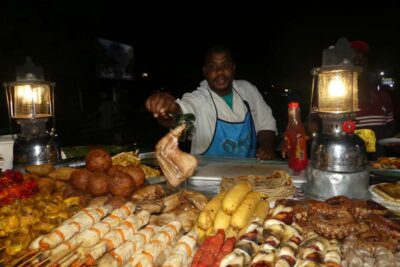
Stonetown: Food Markets and Street Food Walking Tour
Read our review →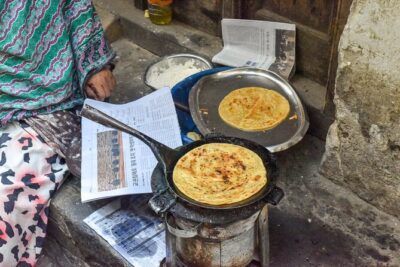
Authentic Street Food Tours in Stone Town, Zanzibar
Read our review →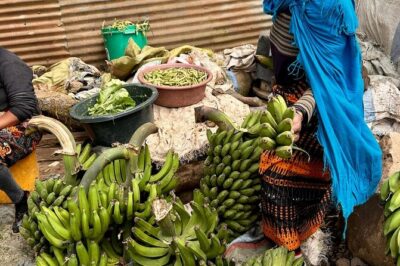
Arusha: Traditional Tanzania Cooking Class & Food Market Tour
Read our review →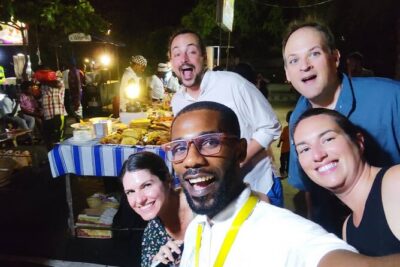
Stone Town Evening Walk Tour With Visit Food Markets
Read our review →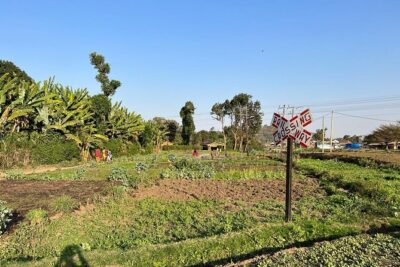

The lists this tour appears in