
Review · TANZANIA
Authentic Street Food Tours in Stone Town, Zanzibar
Stone Town is best understood one bite and one alley at a time. This small-group food walk takes you beyond the obvious tourist stops, where guide Lodi greets vendors by name and leads you through neighborhoods most visitors would miss.
I like the strong local connection and the generous range of dishes, from sambuusa and chapati to Zanzibar pizza. I also like that the tour supports independent food sellers whose recipes have been passed through families. The main drawback is that the history portion may feel light if you want a full walking tour of Stone Town, and bad weather can reduce the number of open street stalls.
Key points to know before booking
- At least six food stops: Morning and evening outings visit a series of vendors, with the exact menu changing by time of day.
- Lodi leads the walk: He grew up in Stone Town, knows the neighborhood well, and adds personal stories along the route.
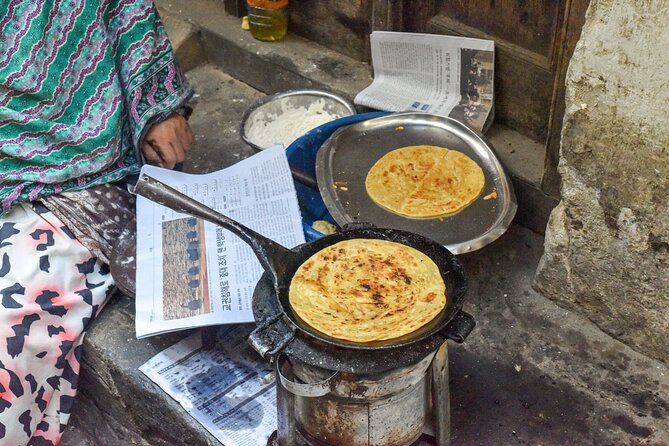
- Local dishes are the focus: Expect possible samples of sambuusa, Carlisi, chapati, uji, tende shake, and Zanzibar pizza.
- A maximum of eight people: The small group suits anyone who wants to ask questions and move through narrow lanes without a crowd.
- Plan for roughly two and a half hours: The walk begins and ends at Maru Maru Hotel on Gizenga Street.
- Tell the operator about food needs early: Vegetarian requests can be handled with advance notice. Vegan arrangements may change the route and price.
Why this Stone Town food walk works
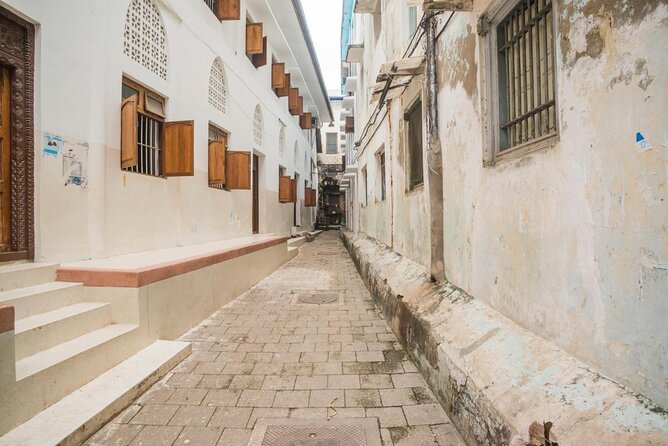
A food tour can easily become a quick circuit of well-known stalls. This one aims for something more personal. You walk with Lodi through side streets and less-used alleys, stopping at sellers who serve local residents as well as curious visitors.
That matters in Stone Town. Food is not simply fuel here. It connects homes, neighborhoods, family recipes, and daily routines. By meeting the people who prepare the dishes, you get a better sense of how food fits into local life than you would by ordering one meal at a restaurant.
The tour is also a useful introduction to the shape of the old town. Stone Town’s lanes can twist and narrow without warning. After two and a half hours of following Lodi, you should have a better feel for how the streets connect, even if you still need a map for the next morning.
The experience has earned a 4.9 rating from 46 reviews, with 98 percent recommending it. That high score is mainly tied to the guide, the local stops, and the sense that you are walking with someone who belongs to the neighborhood rather than simply following a set route.
More street food walks around the world:
- Dubai: Old Town, Creek, Museums, Souks, & Street Food Tour
★ 4.8 · 10,816 reviews - Ho Chi Minh City Street Food Tour & Sightseeing By Motorbike
★ 5.0 · 9,413 reviews - Medellin: Comuna 13 Graffiti Tour, Cable Car & Street Food
★ 4.8 · 9,046 reviews
Meeting Lodi at Maru Maru Hotel

The meeting point is Maru Maru Hotel on Gizenga Street. The activity returns to the same spot, which makes the arrangement simple if you are staying nearby or using Stone Town as your base.
Lodi is a central part of the experience. He is described as a local guide who knows the area and its vendors well, and who grew up in Stone Town. His connections help the tour feel informal. Instead of treating the food sellers as anonymous stops, he can introduce you to people he already knows.
That personal quality is one of the tour’s strongest features. You can ask about the food, the streets, or local customs as you walk. Lodi also points out cultural landmarks along the route and shares stories from his own life in Stone Town.
Keep your expectations in the right place, though. This is primarily a food walk, not a formal architectural tour. You will hear about buildings and streets, but the historical commentary may be brief. If you want detailed information about Stone Town’s past, pair this experience with a dedicated history tour.
Following the alleys to the first food stalls
The exact order of stops depends on whether you book a breakfast or dinner itinerary. Both versions visit at least six vendors, but the dishes change with the time of day and what is being served.
You may begin with foods such as sambuusa, Carlisi, chapati, or uji. The menu is not presented as a fixed restaurant-style course. Instead, the appeal is the chance to try several local foods in the places where people actually buy them.
This format gives you variety without asking you to commit to a full plate of every dish. It also lets you compare different textures, flavors, and preparation styles as you move from one seller to the next. If you are not sure what to order during your stay, the tour gives you a practical starting point.
The drawback is that the menu is not fully predictable. You should book this for the chance to taste a changing selection, not because you need a guaranteed list of every item. The stated examples include sambuusa, Carlisi, chapati, uji, tende shake, and Zanzibar pizza, but the foods you receive depend on the itinerary and time of day.
Zanzibar pizza and the appeal of local favorites

Zanzibar pizza is one of the dishes most likely to catch your attention. It is also a useful example of why a local food walk can be more rewarding than simply reading a menu. The dish is familiar enough to sound approachable, yet it belongs to Zanzibar’s own street-food tradition.
One person who enjoyed the walk especially liked the pizza, while also describing the wider selection as a good introduction to local cuisine. That is the right way to think about the dish. It may be the item you remember most, but the value of the tour comes from trying it alongside several other foods.
Tende shake is another possible stop, giving the route a beverage option as well as solid foods. Uji offers another change of pace. Since the operator does not promise the same menu on every departure, ask Lodi about each item as it is served and use the walk to learn how these foods fit into everyday eating.
The experience is not designed around polished presentation. You are visiting working stalls and neighborhood vendors. That can mean simple surroundings, short pauses, and a route shaped by what is available that day. For many people, that is the point. If you prefer a controlled tasting menu, this may feel less tidy.
Same streets, a different set of bites:
- Dubai: Old Town, Souks, Street Food, Guided Tour & Abra Ride
★ 4.9 · 7,170 reviews - Naples: Street Food Walking Tour with Local Guide
★ 4.9 · 4,976 reviews - Small Group Hanoi Street Food Tour with a Real Foodie
★ 5.0 · 4,682 reviews - Rome: Street Food Tour with Local Guide
★ 4.8 · 4,077 reviews
Meeting vendors who serve the neighborhood

The tour’s strongest promise is access to local sellers away from the most obvious tourist areas. Lodi’s relationships help you reach places you might not choose on your own, especially if you are new to Stone Town and unsure which alley leads where.
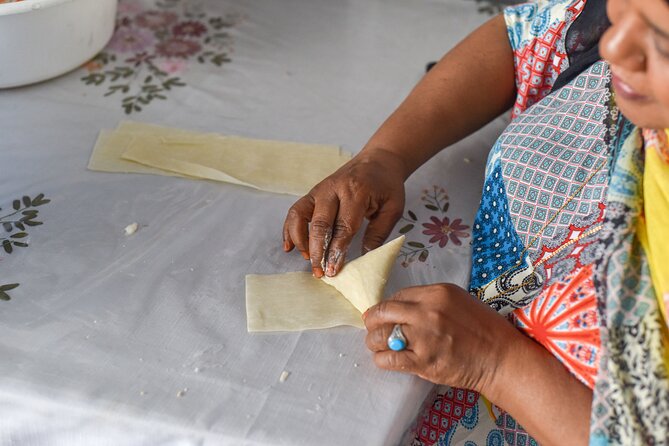
You get to interact with vendors rather than simply receive food from a guide. That creates room for practical questions about ingredients, preparation, and family recipes. The sellers are described as people who uphold traditional recipes passed down through generations, so the food carries a link to local households and community life.
There is also a direct economic benefit. Your spending supports hardworking individuals running small food businesses. The $40 price is not just payment for the samples. It also covers the guide’s time, local knowledge, route planning, and introductions.
At first glance, $40 can seem high for street food. Add up six or more stops, a two-and-a-half-hour guided walk, and the help of someone who knows the vendors, and the cost becomes easier to judge. You are paying for access and context, not merely the individual snacks.
Still, value depends on your goals. If you only want inexpensive food, you can spend less by eating independently. If you want to understand what to try and find places outside the main tourist circuit, the fee is more defensible.
Stone Town sights between bites
Food remains the main event, but the route also passes cultural landmarks and several neighborhoods. The guide points out buildings and streets as you go, adding small pieces of local context between food stops.
This is a good balance for a first visit. You are not standing in front of one monument for a long lecture. Instead, you see how landmarks fit into the working streets around them. The walk helps turn Stone Town from a collection of photographs into a place with familiar turns and practical bearings.
Do not expect a complete survey of the town’s architecture. One less enthusiastic account found the history and stories limited, describing the experience as below expectations despite enjoying Lodi’s personality. I would treat that as a useful warning: choose this for food, neighborhood access, and conversation first. Choose a dedicated sightseeing walk if historical detail is your priority.
Morning or evening: choosing the right departure
The operator offers breakfast and dinner itineraries. The time of day affects the foods you sample, so your choice should match the type of experience you want rather than simply fit an empty space in your schedule.
A morning outing may suit you if you want to learn the local food scene early and use the rest of the day for sightseeing. A dinner outing can work well as an evening activity, especially if you want to see Stone Town after the daytime heat and combine food with a relaxed walk.
The exact menu is not fixed, and the tour information does not promise identical stops for every departure. If a particular dish matters to you, ask about its availability when booking or at the start of the walk.
I would also avoid scheduling this as your only plan immediately before an important departure. The tour takes about two and a half hours, and its pace depends on walking through narrow streets and stopping at several vendors. Give yourself room to enjoy it without watching the clock.
Group size, pace, and practical comfort

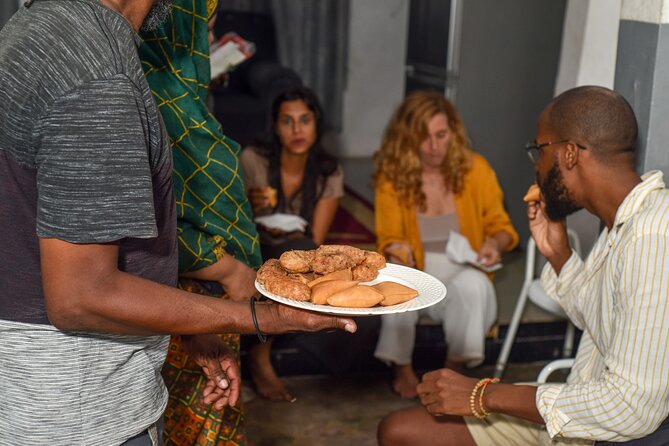
The maximum group size is eight people. That is small enough for a more personal exchange with Lodi and easier movement through tight alleys. It also makes it simpler to ask questions without holding up a large crowd.
You will be walking between stops, so comfortable footwear makes sense. The tour information says most people can participate and that service animals are allowed. It is near public transportation, and the mobile ticket makes check-in straightforward.
Weather deserves attention. The activity requires good weather, and rain can affect the food route. During one very wet outing, there were fewer vendors than usual and ankle-deep water ran through some narrow alleys. Lodi adapted and continued the experience, but that account makes the practical lesson clear: bring suitable footwear and accept that poor weather may change the route or selection.
If the operator cancels because of bad weather, you can choose another date or receive a full refund. The tour itself can also be canceled for a full refund if you give at least 24 hours’ notice. Inside that window, the payment is not refunded and changes are not accepted.
Food restrictions and what to tell the operator
Vegetarians can be accommodated as part of the standard tour when you give advance notice. Vegan requests may be possible, but the route and price can change, so contact Eat Like a Zanzibari before booking rather than relying on a last-minute adjustment.
The same advice applies to allergies and other restrictions. The tour includes food from several vendors, and the menu changes by departure. Early notice gives the operator a chance to explain what can be offered and plan around your needs.
If you have no restrictions, keep an open mind. You are not selecting every item from a long menu. You are allowing the guide to introduce you to a range of local foods, some familiar and some less so.
Who should book this experience
I would recommend this tour to first-time visitors who want a quick introduction to Stone Town’s food culture. It also suits solo visitors, couples, and small groups who prefer conversations with a local guide over a large organized outing.
It is especially useful early in your stay. Afterward, you will have a list of foods to seek out and a better sense of how the alleys fit together. You may also feel more comfortable returning to a vendor on your own.
Food-focused visitors should find the $40 worthwhile if they value variety and local access. The same is true for anyone who likes learning through personal stories rather than formal lectures.
I would hesitate only if you need a guaranteed menu, want a detailed history of every major building, or have strict dietary requirements that were not discussed with the operator in advance. Rain-sensitive visitors should also check the forecast and understand that wet weather may mean fewer food stops.
Is the $40 price worth it?
For a 2.5-hour walk with at least six vendors and a maximum of eight people, the price is reasonable if you want guidance and introductions. The fee buys more than food samples. It gives you Lodi’s local connections, neighborhood knowledge, and help navigating streets you might otherwise pass by.
The tour is less compelling as a simple meal replacement. You can eat for less on your own, and the precise number and type of samples are not guaranteed beyond the stated range of stops and example foods.
I see the best value in the combination of food and access. You get to try dishes such as Zanzibar pizza, sambuusa, chapati, and tende shake while learning where local people eat and how Stone Town’s streets work. That combination is harder to arrange by yourself in a short visit.
Should you book the Stone Town street food tour?
Book it if you want local food, a small group, and a guide with real ties to Stone Town. Lodi’s strongest contribution is his connection to vendors and his ability to make the walk feel personal. The high rating and 98 percent recommendation fit that particular strength.
Go in expecting a food-led neighborhood walk, not a full history lesson. Tell the operator about dietary needs early, allow for weather changes, and choose morning or evening based on the kind of menu and pace you prefer. For an introduction to Zanzibar’s everyday flavors, this is a useful and enjoyable choice.
FAQ
How much does the Authentic Street Food Tour in Stone Town cost?
The tour costs $40 per person.
How long does the tour last?
The experience lasts approximately 2 hours and 30 minutes.
Where does the tour begin?
It begins at Maru Maru Hotel on ZanzibarGizenga Street in Stone Town.
Where does the tour end?
The activity ends back at the meeting point at Maru Maru Hotel.
Who is the guide?
The guide is Lodi, who grew up in Stone Town and shares personal stories and local knowledge during the walk.
What foods might I try?
Possible samples include sambuusa, Carlisi, chapati, uji, tende shake, and Zanzibar pizza. The foods depend on whether you choose the breakfast or dinner itinerary.
How many food vendors will I visit?
Breakfast and dinner itineraries visit at least six different vendors.
Can vegetarian or vegan diets be accommodated?
Vegetarian requests can be handled as part of the standard tour with advance notice. Vegan arrangements are possible, but the itinerary and price may change. Tell the operator about restrictions or allergies when booking.
What happens if I need to cancel?
You receive a full refund if you cancel at least 24 hours before the start time. Cancellations or changes made less than 24 hours before the tour are not accepted for a refund. If bad weather causes the operator to cancel, you can choose another date or receive a full refund.
Newest street food walks around the world
- Old Delhi Cultural, Temples, Heritage Walking Street Food Tour★ 5.0 · 57 reviews
- Old and New Delhi Street Food Sampling★ 5.0 · 3 reviews
- Old Delhi Tour by Tuk-Tuk Street Food and Shopping Experience★ 5.0 · 12 reviews
- Customized Half Day and Full Day Delhi Shopping, Street Food Tour★ 5.0 · 52 reviews
- Delhi: Street Food Crawl (2 Hours Guided Food Tasting Tour)★ 3.5 · 18 reviews
- Spice & Stories: 3-Hour Old Delhi Heritage Food Walk Guided Tour★ 4.5 · 36 reviews
- Old Delhi Street Food and Spice Market Tour★ 5.0 · 81 reviews
- Taste Famous & Best Street Food of Old Delhi (Jama Masjid)★ 3.0 · 2 reviews
Tanzania street food tours, side by side.

Stonetown: Food Markets and Street Food Walking Tour
Read our review →
Arusha: Traditional Tanzania Cooking Class & Food Market Tour
Read our review →
Stone Town Evening Walk Tour With Visit Food Markets
Read our review →

The lists this tour appears in