
Review · TANZANIA
Dar es Salaam: Tuk-Tuk Tour, Street Food & Local Lifestyle
Dar es Salaam makes the most sense from street level, and this tuk-tuk tour puts you right in the action. You’ll move from the noise and color of Kariakoo Market to woodcarvers at work, then on to traditional homes at the Village Museum. It is a useful way to see several sides of the city in a single outing.
I like the mix of street food and cultural stops, since you get both everyday Dar es Salaam and formal heritage displays. I also like the chance to ride through ordinary neighborhoods instead of spending four hours inside a car. The main caution is timing: the advertised tour lasts four hours, but the listed visits add up to five hours, so confirm the actual schedule before booking. Pickup reliability also deserves attention.
Key details before you book
- Kariakoo sets the tone: Allow about 1.5 hours for market lanes, tropical fruit, spices, and daily shopping.
- Street food is part of the experience: Expect snacks and fresh juice, with possible tastings of chapati, mishkaki, roasted maize, or other local choices.
- Mwenge focuses on working artists: You can watch artisans carve masks, furniture, and souvenirs from wood.
- The Village Museum adds context: Traditional homes from different Tanzanian communities help explain rural life and heritage.
- Glory may guide your day: A highly praised booking specifically names Glory as a guide who adjusted the experience to personal needs.
- Check the clock and pickup: The stated four-hour duration conflicts with the five hours assigned to the main stops, and one booking had a missed pickup.
Why a tuk-tuk works well in Dar es Salaam
A tuk-tuk gives you a more open, street-level ride than a standard tour vehicle. You can watch shops, pedestrians, traffic, and neighborhood life pass close by. It also keeps the outing focused on the city itself rather than treating Dar es Salaam as a set of isolated attractions.
The vehicle is used for the full four-hour experience, with a local driver-guide handling the route. You meet at your hotel in central Dar es Salaam or at an agreed meeting point, receive a short briefing, and then head into the city.
I would choose this format if you want an introduction to Dar es Salaam without arranging several separate taxis, admissions, and food stops. It is especially handy for a first day in town, when you want someone else to manage the movement between districts.
Still, a tuk-tuk is not a private luxury vehicle. The experience is about contact with the streets, not silence or air-conditioned comfort. If you dislike traffic, heat, or open-sided transport, you may prefer a conventional car tour.
The advertised price is $65 per group of up to one person, which appears to mean a solo booking rather than a per-person group rate. That makes the value depend heavily on what the operator confirms about party size. For one person, transport, a local guide, food tastings, bottled water, and Village Museum admission are bundled together. Ask for the exact total if you are booking with another person or a larger party.
More Food Tours by Tuk-Tuk in the world:
- Bangkok: Michelin Guide Street Food Tour by Tuk Tuk
★ 4.4 · 1,274 reviews - Bangkok Tuk-Tuk Tour by Night with Chinatown Street Food Meal
★ 5.0 · 635 reviews - Delhi: Old Delhi Street Food Tour with Rickshaw Ride
★ 4.9 · 403 reviews
Kariakoo Market, Dar es Salaam’s daily shopping engine
Kariakoo is the most energetic part of the route. You spend about 1.5 hours walking through the market with your guide, looking at spices, tropical fruit, and the goods people buy for normal household needs.
This is not a polished market designed only for sightseeing. That is its value. You see the practical side of the city, where shopping is part of the daily rhythm. The guide can help you understand what you are looking at and keep the visit from becoming a blur of stalls and foot traffic.
Take comfortable shoes. The market portion involves walking, and you will want to keep your attention on the surroundings rather than on sore feet. Sunglasses, a sun hat, sunscreen, and light, comfortable clothing also make sense.
You may have time to shop, but this is not presented as a dedicated shopping trip. Bring cash if you want to buy something, and keep personal purchases separate from the included food tasting. The tour does not include extra meals or personal shopping.
Kariakoo is also where the city’s scale becomes clear. You are not simply looking at souvenirs. You are seeing food, household goods, and the movement of people who live and work in Dar es Salaam. I consider this the strongest stop for understanding everyday city life.
Chapati, mishkaki, roasted maize, and fresh juice
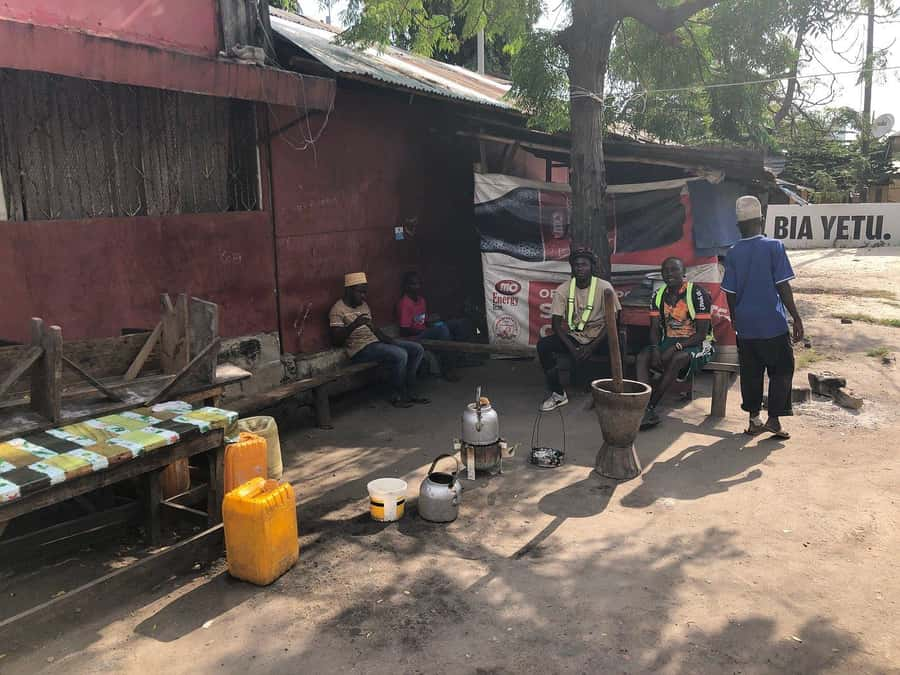
The food stop gives the route a welcome change of pace. Instead of sitting down for a full restaurant meal, you stop at a street stall and sample local items. Possible tastings include chapati, mishkaki, roasted maize, and fresh juice.
Chapati is a flatbread commonly associated with East African cooking. Mishkaki is grilled meat served on skewers. Roasted maize gives you another simple street snack, while fresh juice offers a cooler option in the heat.
The precise food selection is not fixed in the details provided, so I would treat the menu as a tasting rather than a guaranteed list. If you have allergies, dietary restrictions, or strong preferences, tell the guide at the start. The included food is described as snacks and juice, not a full lunch.
You should also bring bottled water, although a bottle is included. In warm weather, it is sensible to carry extra water if you have room. Alcohol is not included and is not allowed on the tour.
This stop matters because food explains a place quickly. A market can show you what people buy, but a chapati or skewer gives you a direct, sensory connection to local eating habits. I like that the tour keeps the food casual and tied to the streets instead of replacing it with a standard restaurant visit.
Mwenge Woodcarvers’ Market and the work behind the souvenirs
The route then shifts from food and commerce to craft. At Mwenge Woodcarvers’ Market, you spend about 1.5 hours looking at carved wooden masks, furniture, and souvenirs while seeing artisans at work.
The useful part is the chance to watch the making process. A finished carving can seem like a simple gift-shop item, but seeing the tools and labor behind it gives the object more meaning. The guide can also explain craft traditions and help you understand the difference between browsing and buying.
This is the main shopping stop, so it helps to decide in advance if you want to purchase something. Personal shopping is not included in the tour price. Bring cash, and ask about prices before committing to a larger piece.
You may find small souvenirs that are easier to carry, as well as larger furniture or decorative carvings. The supplied details do not specify exact prices, sizes, or shipping arrangements, so do not assume the operator handles delivery. If you are interested in a large item, ask the seller directly about transport.
I would give this market more time than a rushed photo stop deserves. The 1.5-hour allowance is useful because it leaves room to watch the carving, ask questions, and browse without being pushed immediately back into the tuk-tuk.
More street food walks around the world:
- Dubai: Old Town, Creek, Museums, Souks, & Street Food Tour
★ 4.8 · 10,816 reviews - Ho Chi Minh City Street Food Tour & Sightseeing By Motorbike
★ 5.0 · 9,413 reviews - Medellin: Comuna 13 Graffiti Tour, Cable Car & Street Food
★ 4.8 · 9,046 reviews - Dubai: Old Town, Souks, Street Food, Guided Tour & Abra Ride
★ 4.9 · 7,170 reviews
The Village Museum and Tanzania’s many home traditions
The Village Museum provides the most structured cultural portion of the day. You walk among traditional huts representing different Tanzanian communities, with a guide explaining rural lifestyles, heritage, and domestic traditions.
This stop adds context to the city scenes. Dar es Salaam is a major urban center, but Tanzania contains many communities with different building styles and customs. The museum gives you a visual introduction to that variety through homes and village layouts.
The admission fee is included, which keeps the price easier to judge. The tour description assigns two hours to this visit, though that is one reason the full schedule appears longer than the stated four-hour duration. Confirm how much time you will actually spend here.
I see the museum as a good counterpart to Kariakoo. The market shows present-day urban life. The Village Museum presents older rural traditions and community life. Together, they give you a wider view of Tanzania than either stop could provide alone.
Do not expect a quiet, academic museum visit with extensive indoor galleries. The appeal here is the outdoor setting and the chance to see traditional structures directly. Comfortable shoes and sun protection remain useful, especially if the visit involves walking between several huts.
Ending with spiced tea or coconut water
The final refreshment stop is at a Swahili café. You can have chai ya tangawizi, a spiced ginger tea, or fresh coconut water before riding back through the city.
This is a small detail, but it gives the tour a pleasant finish. After the market walking and museum visit, you have a chance to sit, drink something familiar or new, and talk with the guide. It also keeps the final stop connected to local food culture rather than ending with a simple hotel drop-off.
The experience then returns you to your hotel or meeting point in Dar es Salaam. Hotel pickup is offered within central Dar es Salaam, but transfers outside the central area are not included. Confirm the pickup point and return arrangement clearly before the morning or afternoon departure.
The guide can shape the day
A local guide matters on a route like this because the value comes from explanation and timing, not just transport. The tour is offered in English and French, and the activity information also refers to German operation, so confirm your preferred language when you reserve.
One particularly positive account names Glory and describes a guide who listened to personal wishes and needs. That is exactly the quality you want here. Kariakoo, a food stall, an artisan market, and the Village Museum can feel disconnected unless someone helps you link them.
At the same time, one booking recorded a serious problem: the traveler was not picked up and had not received an answer about whether the pickup would happen. I would not ignore that. Confirm the hotel address, pickup time, driver’s name, and a working contact number before the tour date. A message the day before is sensible, especially if you have a flight, ferry, or other fixed appointment afterward.
The overall rating shown for the experience is 3.3 from three reviews. That is a small sample, but it reflects an important point: the quality may depend strongly on communication and guide assignment. Glory received very strong praise, while the missed pickup is a practical warning.
Timing, comfort, and who should book
The tour operates daily, with morning and afternoon departures subject to availability. Morning may be preferable if you want to handle market walking before the strongest heat, but the available start times should guide your choice.
The minimum age is six. Children under six cannot join. Older children who enjoy food, markets, and crafts may find the route engaging, but the walking, traffic, and heat mean parents should judge their child’s stamina.
The activity is listed as wheelchair accessible. Because the experience includes market walking, street food stops, and traditional village grounds, I would still confirm the exact accessibility arrangements for your needs before paying. Accessibility can depend on the route used on a particular day.
Bring:
- Comfortable shoes
- Sunglasses and a sun hat
- Sunscreen
- Comfortable clothing
- A camera
- Cash
- Any extra water you need
The tour includes bottled water, street food snacks, fresh juice, transport, the guide, and the Village Museum entrance. It does not include alcohol, extra meals, or personal purchases.
The free cancellation period is up to 24 hours before departure for a full refund. You can also reserve now and pay later, which helps if your Dar es Salaam schedule is still changing.
The four-hour question needs an answer
The headline duration is four hours, but the stated stop times are 1.5 hours at Kariakoo, 1.5 hours at Mwenge, and two hours at the Village Museum. That totals five hours before adding the tuk-tuk rides and the food and café stops.
This may be a simple scheduling error, or the stop times may be approximate. Either way, you should ask the operator to confirm the expected start and finish time. This is especially important if you are fitting the outing between a hotel checkout, airport transfer, ferry, or evening plan.
If the tour really runs for five hours, the extra time could improve the experience. Markets and craft stalls are better when you are not rushed. But you should know what you are buying before setting your day around four hours.
Is this Dar es Salaam tour worth booking?
I would book this tour if you want a compact introduction to Dar es Salaam that combines daily commerce, food, craft, and Tanzanian heritage. The route has a sensible range: Kariakoo shows the working city, Mwenge shows skilled making, and the Village Museum gives cultural background.
It is a good fit for solo visitors, first-time visitors, and anyone who prefers a local guide to organizing several stops alone. The $65 price can be fair for one person because it includes transport, a guide, snacks, juice, water, and museum entry. Confirm the group pricing if more than one person is joining.
I would pause before booking if your schedule is tight or if you expect polished, quiet transport. Most importantly, confirm the pickup and resolve the four-hour versus five-hour timing issue. If the operator answers clearly and Glory is available, this can be a rewarding way to see Dar es Salaam at street level.
FAQ
How long does the tuk-tuk tour last?
The advertised duration is four hours. The listed stop times total five hours, so confirm the exact schedule and return time before booking.
What places does the tour visit?
The route includes Kariakoo Market, Mwenge Woodcarvers’ Market, and the Village Museum, followed by a stop at a Swahili café.
Is food included?
Yes. Street food snacks and fresh juice are included. Possible tastings include chapati, mishkaki, roasted maize, or similar local choices. Additional meals are not included.
Is the Village Museum entrance included?
Yes. The entrance fee for the Village Museum is included in the tour price.
Where does pickup take place?
Pickup is available from hotels in central Dar es Salaam or from an agreed meeting point. Transfers outside central Dar es Salaam are not included.
What languages are available?
The tour provides a live guide in English or French. The activity information also refers to German operation, so confirm the language you need when booking.
Can children join the tour?
Children aged six and older can join. The tour is not suitable for children under six.
Newest street food walks around the world
- Old Delhi Cultural, Temples, Heritage Walking Street Food Tour★ 5.0 · 57 reviews
- Old and New Delhi Street Food Sampling★ 5.0 · 3 reviews
- Old Delhi Tour by Tuk-Tuk Street Food and Shopping Experience★ 5.0 · 12 reviews
- Customized Half Day and Full Day Delhi Shopping, Street Food Tour★ 5.0 · 52 reviews
- Delhi: Street Food Crawl (2 Hours Guided Food Tasting Tour)★ 3.5 · 18 reviews
- Taste Famous & Best Street Food of Old Delhi (Jama Masjid)★ 3.0 · 2 reviews
- Spice & Stories: 3-Hour Old Delhi Heritage Food Walk Guided Tour★ 4.5 · 36 reviews
- Old Delhi Street Food and Spice Market Tour★ 5.0 · 81 reviews
Tanzania street food tours, side by side.
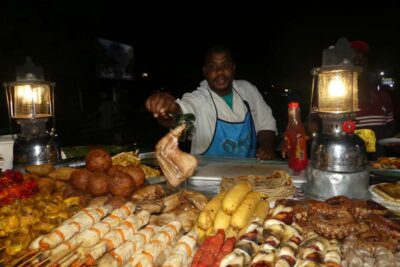
Stonetown: Food Markets and Street Food Walking Tour
Read our review →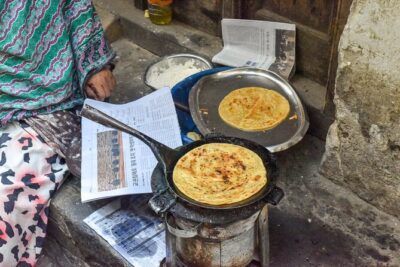
Authentic Street Food Tours in Stone Town, Zanzibar
Read our review →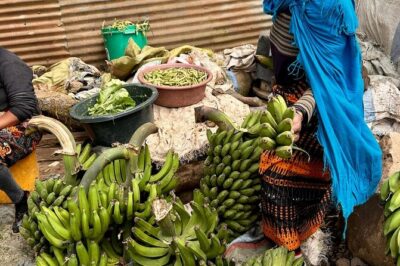
Arusha: Traditional Tanzania Cooking Class & Food Market Tour
Read our review →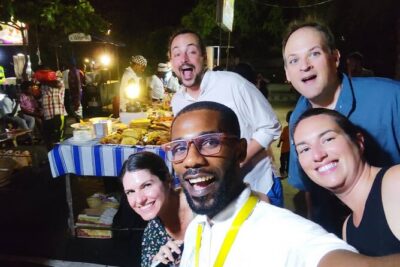
Stone Town Evening Walk Tour With Visit Food Markets
Read our review →
The lists this tour appears in