
Review · MUMBAI
The 10 Tastings of Mumbai With Locals: Private Street Food Tour
Mumbai’s food culture makes its first impression with a potato fritter tucked into bread, a spicy chutney on the side, and a local train ride that carries you from Dadar toward Matunga. This private tour mixes small eateries, street vendors, markets, temples, and ten food and drink tastings into one three-hour outing.
I like the private format, since your guide can explain what you are eating and adjust for dietary needs. I also like the route’s local focus: batata vada, thalipeeth, khadi vada, Irani kheema, coconut water, and filter coffee give you a broad taste of Mumbai rather than one polished restaurant meal.
The main caution is timing and coordination. The route has many short stops, and one family’s February 2023 outing began with the guide not waiting at the meeting point. Confirm the start details carefully, arrive early, and contact Withlocals promptly if your guide is not there.
Key points to know before booking
- Ten tastings cover savory, sweet, dairy, and drinks, including batata vada, thalipeeth, dosa, paneer, kheema, coconut water, boondi ladoo, and filter coffee.
- A short local train ride is part of the route, taking you from Dadar toward Matunga.
- The tour is private, so only your group and the local guide participate.
- Mumbai’s neighborhoods matter as much as the food, with stops near flower markets, temples, gardens, and railway sites.
- Vegetarian alternatives are available, but you should tell the provider about dietary restrictions in advance.
- The tour costs $77.63 per person and lasts about three hours, with free cancellation up to 24 hours before the start.
Why this food tour works in Mumbai
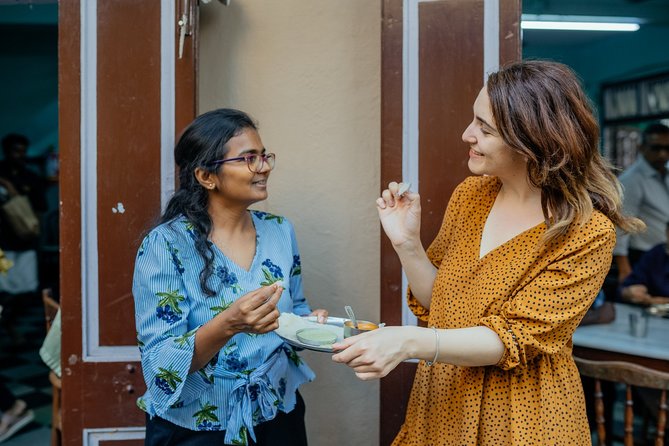
Mumbai is not a city you understand from one restaurant table. Its food comes from home kitchens, corner stalls, family-run cafes, temple neighborhoods, railway suburbs, and communities shaped by migration. This tour gives you a quick, guided introduction to that mix.
You begin in Dadar, one of Mumbai’s older suburbs, then move through food stops around Dadar and Matunga. The route includes a short train ride, which matters. You are not simply being driven between restaurants. You get a small taste of the way the city moves.
The guide is central to the experience. One guide named in the tour’s guest feedback is Shrikanth, who kept a group engaged while explaining Indian cuisine. Guides can vary, but the private setup gives you room to ask basic questions without holding up a larger group.
At each stop, expect a small serving rather than a full meal. Ten tastings sound modest, but the food is spread across a range of snacks, dishes, sweets, and drinks. Eat lightly before you arrive. You will appreciate that advice by the time the kheema and ladoo appear near the end.
More street food walks around Mumbai:
- Mumbai: Street Food and Night Markets Tour
★ 4.9 · 719 reviews - Mumbai Street Food Tour
★ 5.0 · 269 reviews - Winner Mumbai Street Food Tour in the World Top 20 by Guardian
★ 5.0 · 216 reviews
Starting in Dadar with batata vada
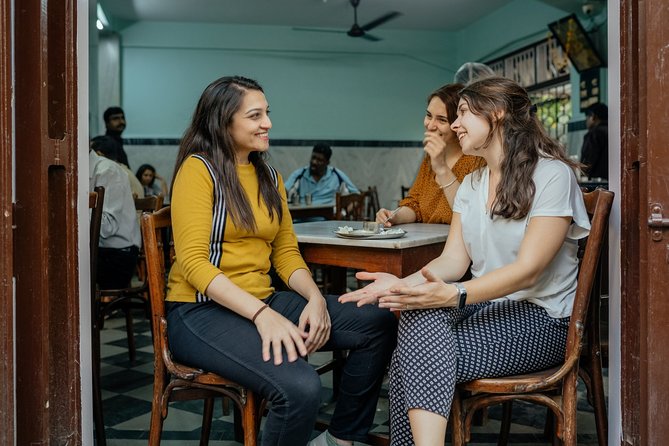
The meeting point is Dharamputra Pritam Estate on Dr Babasaheb Ambedkar Marg, in the Lokmanya Tilak Colony area of Dadar. The first listed meeting place is Grandmamas Cafe Dadar East, where you meet your host and hear about Dadar’s place as Mumbai’s first suburb.
The introduction lasts about 15 minutes. That may sound brief, but it gives your guide a chance to set the food in context before the eating begins. Dadar is a practical starting point because the route later connects with the railway and heads toward Matunga.
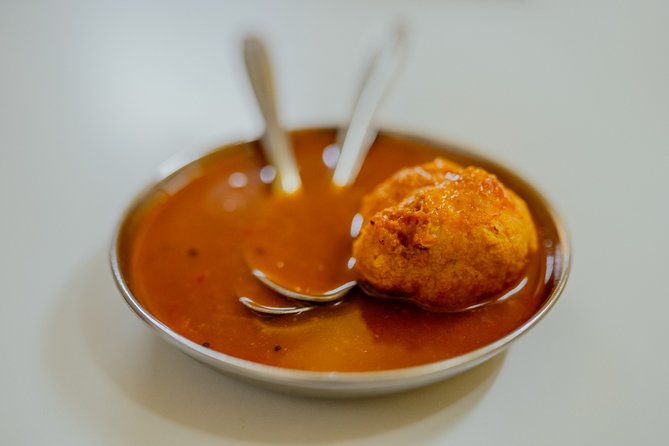
Your first food stop is near Raghuvanshi Mills. Here you try batata vada, a fried potato snack usually placed between bread and served with spicy chutney. It is the sort of food that explains Mumbai quickly: inexpensive, portable, filling, and built around a strong hit of spice.
The chutney is not a decoration. Use it to control the flavor. Start with a small amount, then add more. If you are sensitive to heat, ask your guide before covering the snack.
Fritters, temples, and Maharashtrian flavor
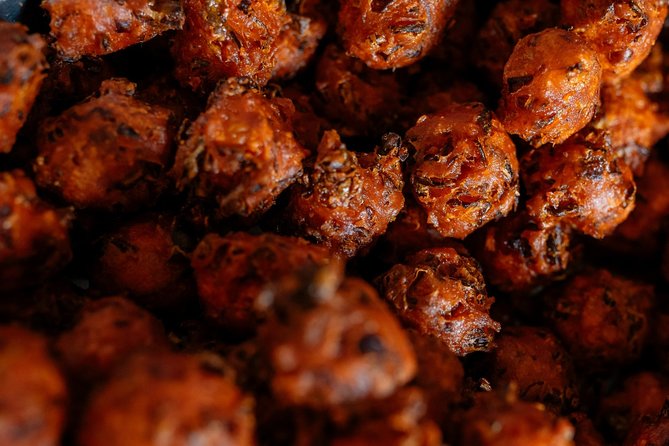
Near Kochu Guruvayoor Temple, the next snack is a deep-fried fritter made with coriander leaves and chickpea flour. The exact local name is not specified in the tour details, so ask your guide what it is called and how it differs from other fried snacks.
The suggested accompaniments are coconut chutney or ketchup. That pairing tells you something useful about Indian snack culture. A single fried item can shift in character depending on the sauce, from peppery and herbal to cool and creamy or sweet and familiar.
The route then moves near Shri Swaminarayan Mandir and a family-run eatery with four generations behind it. The specialty here is thaalipeeth, a savory Maharashtrian pancake made from multiple grains.
This is one of the more valuable tastings because it is less familiar to many first-time visitors than samosas or naan. It gives you a direct taste of regional home-style cooking. The dish is hearty, so keep your portions in mind. You still have several stops ahead.
Mumbai flowers and the train to Matunga
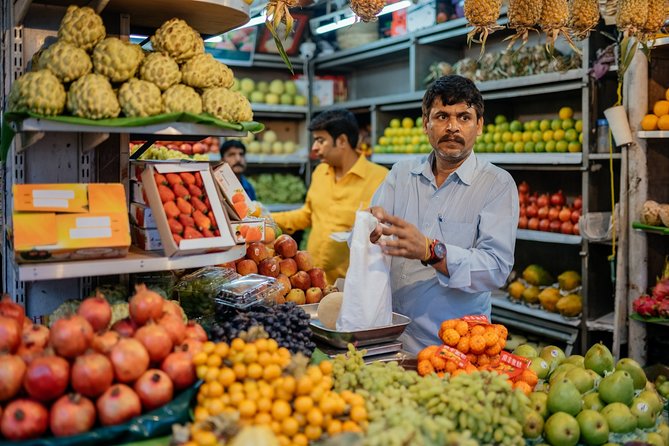
Near Shri Ram Mandir, the tour pauses at one of Mumbai’s older flower markets. You see baskets and displays of flowers before heading to the railway. The stop is not mainly about tasting, and that is a good thing. A food tour works better when it includes some of the city around the plate.
The route then uses a train from Dadar to Matunga Central Railway Workshop. The train portion is listed at about five minutes, though your total time may depend on the pace of the group and local conditions.
This is also where you should keep practical expectations in check. The train ride is short, not a major rail adventure. Its value is in showing how the food route links two parts of Mumbai and letting you experience a normal piece of city transport.
The short transfer may be less comfortable for anyone who dislikes crowds or has trouble staying on their feet. The tour information says most people can participate and that public transportation is nearby, but it does not promise reserved seating or a private vehicle.
Same streets, a different set of bites:
- Mumbai Street Food and Evening Bazaar Tour
★ 5.0 · 172 reviews - Mumbai: Street Food Tour
★ 4.8 · 147 reviews - Private Guided Non-Veg Street Food Walking Tour in Muslim Quarter
★ 5.0 · 140 reviews - Mumbai Street Food Tour with Evening Bazaar Walk
★ 4.9 · 79 reviews
South Indian dosa near Five Gardens
Around Five Gardens, you taste a soft South Indian crepe made from rice batter. It comes with coconut chutney and sambar, a spiced lentil-based accompaniment.
This is likely to be a gentler point in the tasting sequence after the fried snacks. Pay attention to texture. The crepe itself is mild, while the chutney and sambar supply much of the flavor.
The stop also shows why Matunga is a useful part of a Mumbai food route. The tour is not limited to one regional style. Maharashtrian snacks, South Indian dishes, Irani influences, dairy products, and local sweets all appear within a short stretch of the city.
The itinerary gives about 15 minutes to most food stops. That is enough for a taste and an explanation, but not for a relaxed restaurant meal. If you want long conversations over each dish, this pace may feel brisk.
Fresh paneer and coconut water in Matunga
Near Little World Mall, the tour includes a look at how paneer, or fresh cottage cheese, is made. You taste the cheese and hear about the ways it can be used.
This stop adds a useful bit of food education. Paneer is familiar in restaurant curries, but tasting it fresh gives you a different reference point. The tour details do not specify a full cooking demonstration, so expect an explanation and a sample rather than a hands-on class.
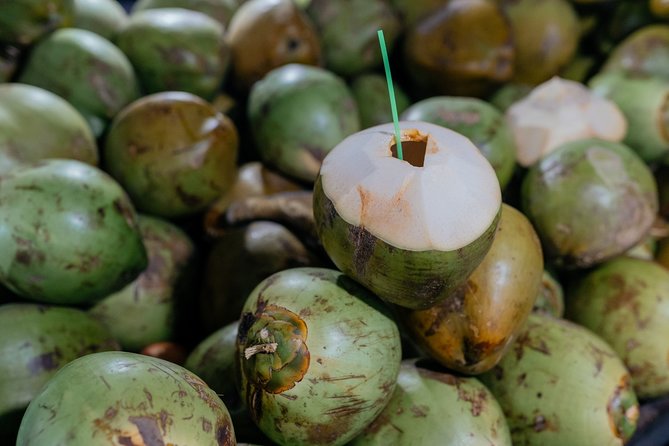
At Matunga Market, you stop for coconut water from a street vendor. This is a simple but well-timed break. After several savory foods, the cool drink offers a clean change of pace and lets you watch local life around the market.
The tasting list includes both street food and local eateries. That mix is important. You are not being shown only the food that works well for tourists. You are also getting ordinary snacks and drinks that fit into the rhythm of a Mumbai day.
Temples and khadi vada
The Asthika Samaj Kochu Guruvayoor Sree Ram Mandir is viewed from outside while your host explains its historical importance. The stop lasts about 10 minutes, shorter than the food visits.
Treat this as a respectful orientation stop, not a temple tour. The details say you see the site from outside, so do not expect entry or an extended religious visit.
Near Maheshwari Udyan, you visit an eatery known for khadi vada. This combines sautéed buttermilk with medu vada, the ring-shaped savory fritter sometimes compared in appearance to an Indian bagel.
This is one of the route’s more unusual dishes. The contrast between tangy buttermilk and fried vada gives it a different feel from the earlier crisp snacks. If you want to understand how Indian cooking balances sour, creamy, fried, and spiced elements, pay close attention here.
The menu details do not say how large the serving is. Since this is one of ten tastings, assume a sample portion rather than a full bowl.
Irani influence and the savory finish
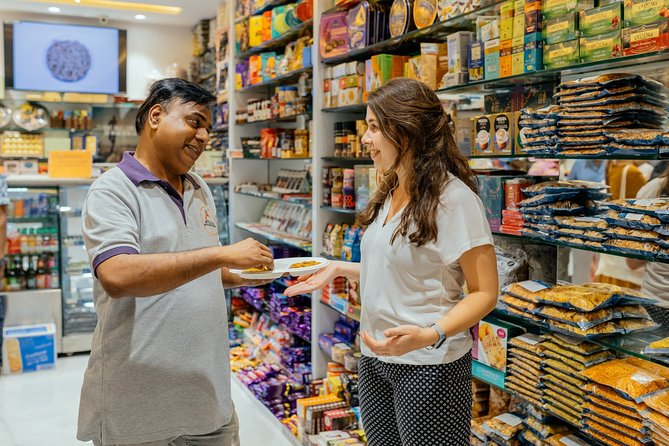
Along Dr Babasaheb Ambedkar Marg, your guide explains Iranian influences in Mumbai while you try Irani-style kheema. This is minced meat cooked with tomatoes, onions, condiments, and spices.
The dish adds another layer to the city’s food story. Mumbai cooking is not one fixed tradition. The route links regional Indian recipes with food shaped by communities that settled in the city.
Kheema is also the point where vegetarian guests need to pay attention. Vegetarian alternatives are offered, but this specific tasting is meat-based. Tell the provider about your dietary needs before the tour so the guide can plan the substitute.
The itinerary allows about 15 minutes here. That is enough time to taste and ask about the Iranian connection, but not enough for a detailed historical lecture. If cultural background matters to you, use the private format to ask direct questions.
Boondi ladoo and filter coffee
The final stop is near Citi Mall, where you finish with boondi ladoo and fresh filter coffee. Boondi ladoo is made from tiny fried chickpea-flour balls soaked in sugar syrup.
It is a sweet ending after a long run of salty and spicy food. The filter coffee adds bitterness and warmth, which helps balance the sugar. This pairing also gives you a final South Indian note after the dosa earlier in the route.
A sweet finish is practical as well as pleasant. By this point, your palate has sampled fried snacks, chutneys, buttermilk, dairy, meat, and coconut water. The ladoo gives the route a clear endpoint.
The full experience lasts about three hours. That makes it easy to fit into a day of sightseeing, though you should avoid scheduling a major meal immediately afterward.
What $77.63 buys you
At $77.63 per person, this is not the cheapest way to eat in Mumbai. Street food itself can cost far less. The price pays for the guide, planning, private attention, ten included food and drink tastings, and the chance to connect several neighborhoods without having to work out the route yourself.
The value is strongest for a first visit, especially if you want help deciding what to eat safely and how to order. It also suits people who prefer a private experience over a large group. Group discounts may reduce the per-person cost when several people book together.
Food not specifically listed as included is extra, as are hotel pickup and drop-off. The activity begins and ends at the stated meeting point. You need to arrange your own way there and back.
Withlocals says it works with local guides who receive a fair fee, supports local producers, keeps groups small, and operates carbon-neutral tours. Those points may matter to you, but the practical benefit is the small private format and the local connection rather than a long coach-style route.
Coordination, pace, and dietary needs
You receive confirmation at booking, and the activity is near public transportation. The tour ends back at the meeting point, which makes onward planning simpler.
Still, make the meeting point a priority. One family’s account from February 2023 describes arriving to find the guide absent from the meeting location. Withlocals asked the family to contact its support team afterward, but you should not rely on fixing the problem later. Keep the meeting details on your phone, arrive early, and have the provider’s contact information ready.
The route includes many short stops, usually about 15 minutes each. That suits you if you like variety and steady movement. It may not suit you if you prefer to linger over every plate or stop often for photographs.
Most people can participate, and alternatives are available for dietary restrictions. The food list includes meat, dairy, fried items, and strong spices, so state your needs clearly when booking.
Free cancellation is available if you cancel at least 24 hours before the local start time. Cancellations or changes made within 24 hours are not refunded or accepted.
Who should book this Mumbai food tour?
I would choose this tour if you want a fast but varied introduction to Mumbai food and prefer having a private local guide handle the route. It is especially useful for first-time visitors, food-focused families, and small groups that want to ask plenty of questions.
The tour also suits you if you want more than a restaurant crawl. The flower market, temples, train ride, gardens, and neighborhood walks give the food some city context.
I would hesitate if you want a quiet, seated meal, dislike public transportation, or need exact control over every ingredient. The price is high compared with buying street snacks yourself, and the schedule is tight.
Book it for the guide and the range, not simply for the quantity of food. If Shrikanth leads your outing, you can expect a guide who has been praised for keeping the group engaged and explaining Indian cuisine clearly. Guide assignments can change, so confirm the name and meeting arrangements before setting out.
FAQ
How long does the Mumbai food tour last?
The tour lasts approximately three hours.
How much does the tour cost?
The listed price is $77.63 per person. Group discounts are available.
Is the tour private?
Yes. Only your group and your local guide participate.
Where does the tour start?
It starts at Dharamputra Pritam Estate on Dr Babasaheb Ambedkar Marg, Lokmanya Tilak Colony, Dadar, Mumbai. The initial meeting point is Grandmamas Cafe Dadar East.
Where does the tour end?
The activity ends back at the meeting point.
Is a train ride included?
Yes. The route includes a short train ride from Dadar toward Matunga. The train portion is listed at about five minutes.
Are vegetarian alternatives available?
Yes. Vegetarian alternatives are offered for dietary restrictions. You should provide your requirements when booking.
Can I cancel for a refund?
You can receive a full refund if you cancel at least 24 hours before the experience start time. Cancellations and changes within 24 hours are not refunded or accepted.
Newest street food walks around Mumbai
- Mumbai Street Food & Temple Tour: Hidden Markets & Night Bazaar★ 5.0 · 4 reviews
- Mumbai Market and Temple Tour With Local Street Food★ 5.0 · 6 reviews
- Street Food Walking Tour★ 5.0 · 2 reviews
- Mumbai Local with Street Food Tour in Private Vehicle★ 5.0 · 16 reviews
- Mumbai Street Food Safari★ 5.0 · 73 reviews
- Mumbai Street Food & Beach Tour with 10+ Tastings★ 5.0 · 10 reviews
- 7-Day Indian Street Food Virtual Cooking Class★ 5.0 · 2 reviews
- Private Street Food Tour with Mumbai Sightseeing Tour including AC vehicles★ 5.0 · 21 reviews
Mumbai street food tours, side by side.
Winner Mumbai Street Food Tour in the World Top 20 by Guardian
Read our review →
Private Guided Non-Veg Street Food Walking Tour in Muslim Quarter
Read our review →

Private Street Food Tour with Mumbai Sightseeing Tour including AC vehicles
Read our review →The lists this tour appears in