
Review · MUMBAI
Mumbai: Street Food Tour
Mumbai’s street food is best understood one small plate at a time. This four-hour tour takes you from Chowpatty Beach to Bhuleshwar and Mohammed Ali Road, with 16 to 18 tastings along the way. You will eat pani puri, pav bhaji, masala dosa, chicken kebabs, baida roti, jalebi, kulfi, and much more.
I like the clever route, which uses a local train, taxi, and walking to connect three very different parts of the city. I also like the careful balance of vegetarian snacks, meat dishes, drinks, and sweets. The main drawback is the pace and quantity: you visit six to eight places, so a full meal beforehand would be a serious mistake.
Key points to know
- Chowpatty begins the food trail: Try pani puri, dahi puri, pav bhaji, and other vegetarian snacks near the beach.
- Bhuleshwar brings Gujarati and Rajasthani flavors: Expect saffron milk, kachori, sabudana wada, pudla, and masala dosa.
- Mohammed Ali Road changes the menu: Chicken tikka, kebabs, chicken rolls, and baida roti make up the savory final stretch.
- The food count is generous: Plan for 16 to 18 tastes at six to eight stops, not one sit-down meal.
- Transport is part of the experience: The route includes a train ride, public transport or taxi travel, and walks through crowded eating lanes.
- The tour suits adventurous eaters: The first half is vegetarian, while the second half is mainly meat, with sweet stops mixed in.
Why this Mumbai food tour works
Mumbai street food can look simple from the outside, but the best stalls are not always easy to identify. You need to know which places are busy for the right reasons, which snacks are freshly prepared, and how to order without slowing down a crowded food lane.
This tour solves that problem with a local guide and a fixed route. Guides including Javed, Raj, Rishi, Jannak, Lina, Preeti, and Sabina have been praised for explaining both the food and the city. That matters because the experience is not only about eating. You are also learning how different communities and neighborhoods shape Mumbai’s daily menu.
The price is $43 per person for four hours, food, drinks, a guide, and transport during the tour. That is fair value if you want many small portions and a useful introduction to the city. You are paying for access, judgment, and local direction as much as for the food itself.
The tour has a rating of 4.8 from 147 ratings, with especially strong praise for the guides, food variety, hygiene, and sense of safety. One practical point comes through clearly: the servings add up quickly. You may enjoy every bite and still struggle with the final sweets.
More street food walks around Mumbai:
- Mumbai: Street Food and Night Markets Tour
★ 4.9 · 719 reviews - Mumbai Street Food Tour
★ 5.0 · 269 reviews - Winner Mumbai Street Food Tour in the World Top 20 by Guardian
★ 5.0 · 216 reviews
Starting at Churchgate and riding into the city
The meeting point is inside Churchgate Railway Station, at the Wheeler convenience store. The sign can be easy to miss, so give yourself time to find it. Your guide wears a light blue collared shirt with the company logo.
From Churchgate, the group takes a train for about 20 minutes. This is a useful part of the tour, not just a way to get from one stop to another. You get a brief look at ordinary city transport before arriving at the first food area.
The train ride also sets the tone. This is not a restaurant crawl carried out from an air-conditioned vehicle. You will use the same kinds of transport that people use to cross Mumbai, then walk into crowded market streets and food lanes.
Transport is generally well handled. One group described the combination of train and taxi as an unexpected bonus, while another praised the driver for taking care in Mumbai traffic. Still, expect movement and crowds. This is not the right outing if you want a quiet, slow meal with a table to yourself.
Chowpatty Beach: Mumbai’s vegetarian welcome
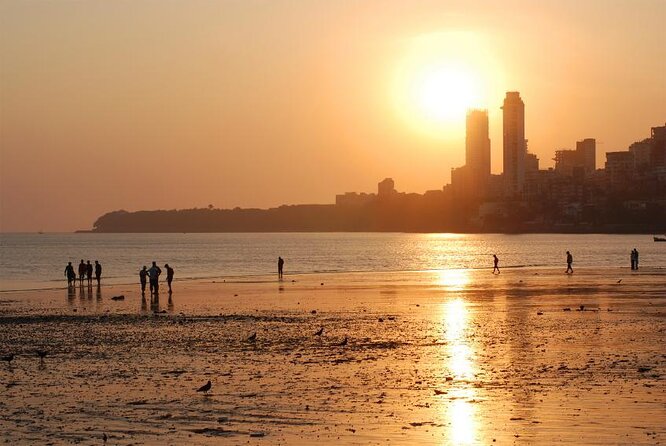
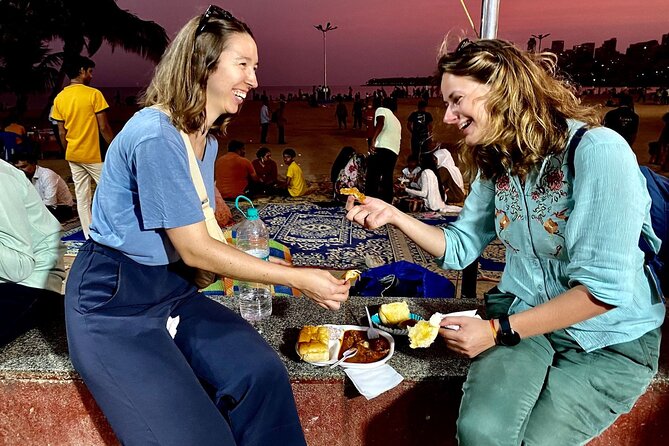
The first major stop is Girgaon Chowpatty, Mumbai’s famous beach, where you spend about an hour sampling vegetarian street food. If the timing is right, you may watch the sunset while eating, which gives the opening stop a pleasant sense of place.
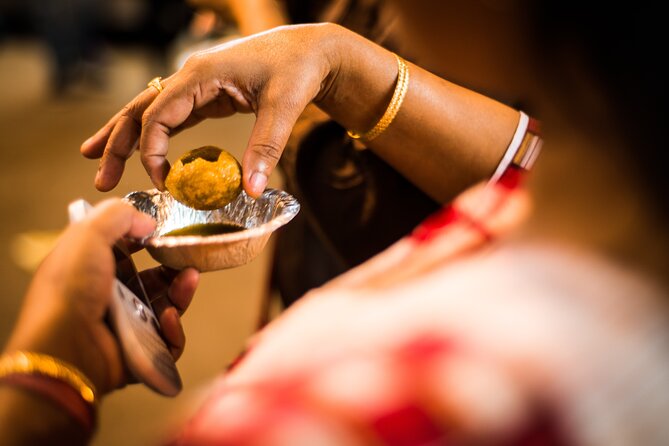
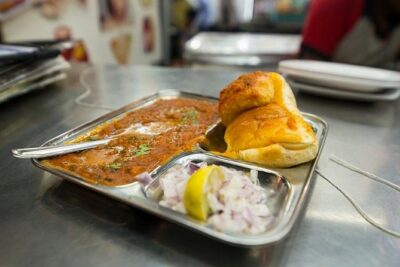
Chowpatty is where you meet some of Mumbai’s best-known snack foods. Pani puri is a highlight: crisp shells filled with flavored water and other fillings, eaten quickly before they soften. Dahi puri adds yogurt and a cooler, creamier note. Pav bhaji, a buttery bread roll served with spiced vegetable mash, is another Mumbai classic.
You may also try sev puri, a crunchy snack topped with chutneys and fine noodles, along with other local specialties. The exact order can vary, but the first half of the tour is entirely vegetarian.
I like this opening because it gives you familiar reference points for the rest of the evening. You begin with bright, punchy flavors and small portions rather than being handed one large dish. The guide can also show you how each snack is assembled and eaten.
The possible drawback is time. One rating specifically felt that too much time was spent at the beach. If you are mainly interested in market lanes and meat dishes, Chowpatty’s one-hour stop may feel long. If you enjoy the setting and want a gentle start, it is a good introduction.
Bhuleshwar: eating through Gujarati and Rajasthani lanes
After Chowpatty, you take public transport for around 20 minutes to Bhuleshwar. This area is associated with Gujarati and Rajasthani food, and the tone changes from beach snacks to market eating lanes known as khao gallis.
You spend about 45 minutes here, sampling dishes such as Kesari ukala, a warm saffron milk drink. It is a fragrant break from the sharper flavors of pani puri and chutneys. You may also try kachori, sabudana wada, pudla, and masala dosa.
Kachori is a fried pastry with a savory filling. Sabudana wada uses tapioca pearls and has a crisp outside. Pudla is a savory pancake, while masala dosa brings a South Indian influence to this northern and western food district. The menu shows how Mumbai’s street food draws from many parts of India.
Masala dosa is one of the more substantial tastings, so pace yourself. A common mistake is to treat every early snack as a full serving. The guide may offer more of a favorite dish, but you should keep room for the meat dishes and desserts still ahead.
Bhuleshwar is valuable because it moves you beyond the standard list of Mumbai foods. You are not simply checking off pani puri and pav bhaji. You are seeing how an area’s community and trading life affect what is sold on the street.
Same streets, a different set of bites:
- Mumbai Street Food and Evening Bazaar Tour
★ 5.0 · 172 reviews - Private Guided Non-Veg Street Food Walking Tour in Muslim Quarter
★ 5.0 · 140 reviews - Mumbai Street Food Tour with Evening Bazaar Walk
★ 4.9 · 79 reviews - Mumbai Street Food Safari
★ 5.0 · 73 reviews
Mohammed Ali Road: the meaty final stretch
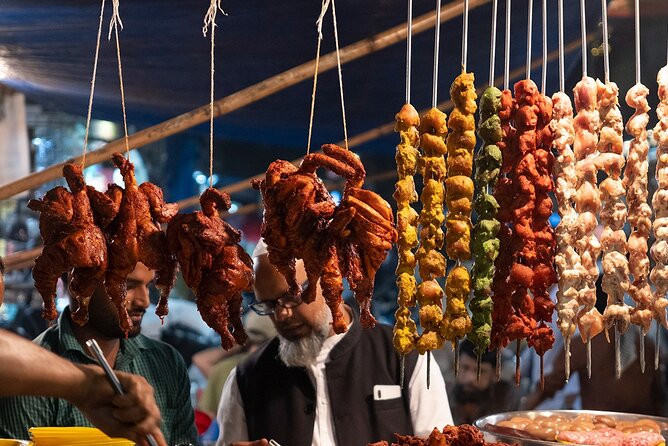
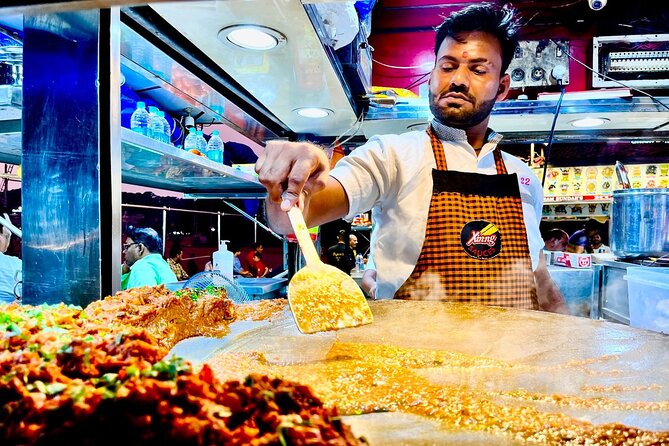
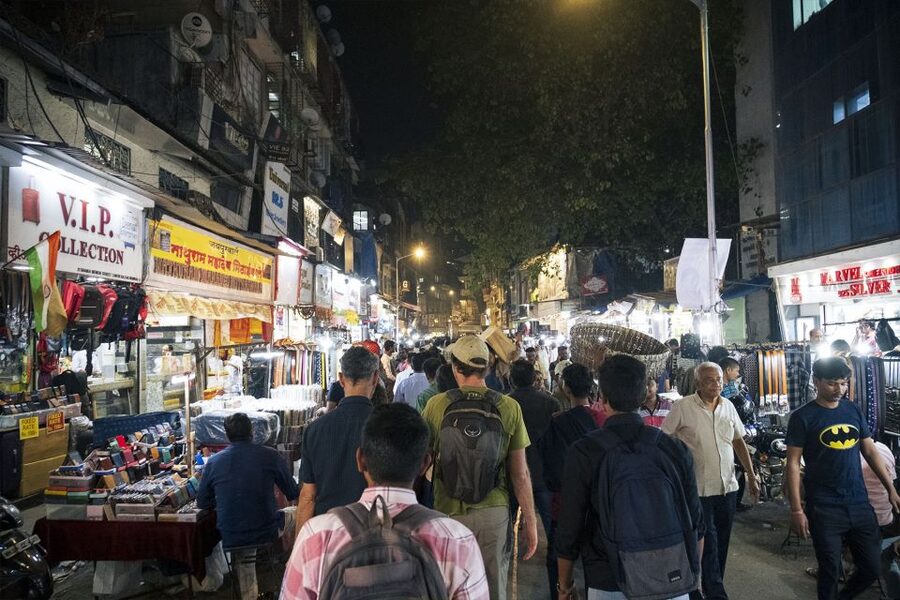
The last major area is Mohammed Ali Road, a predominantly Muslim neighborhood with a strong food culture. You walk through its busy khao gallis for about an hour, with the menu shifting mainly to non-vegetarian dishes.
Expect items such as chicken tikka, chicken kebabs, chicken rolls, and baida roti. Baida roti is a stuffed, egg-coated pastry that is more filling than the small chaat dishes served earlier. Chicken tikka brings grilled meat into the mix, while kebabs and rolls give you several different textures and spice levels.
This part of the tour is likely to be the most exciting for meat eaters. It also gives the route a useful contrast. Chowpatty focuses on vegetarian snacks, Bhuleshwar shows regional variety, and Mohammed Ali Road introduces another side of Mumbai’s food life.
The crowds can be intense here. The streets are not suited to strollers, and small children must be carried by a parent. Large bags and luggage are not allowed, which is sensible in tightly packed lanes. Wear comfortable shoes and keep your belongings close without bringing more than you need.
The guide’s role becomes especially useful at this stage. You are moving among stalls and small eateries, often with little space to pause. A guide who can keep the group together and explain what is being served makes the experience less stressful.
Saving room for rabdi, jalebi, and kulfi
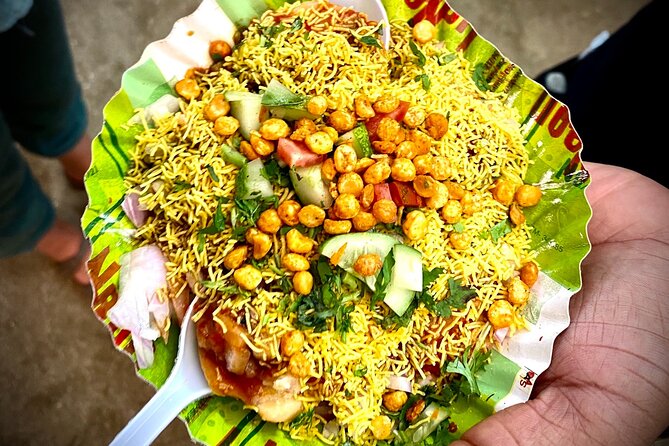
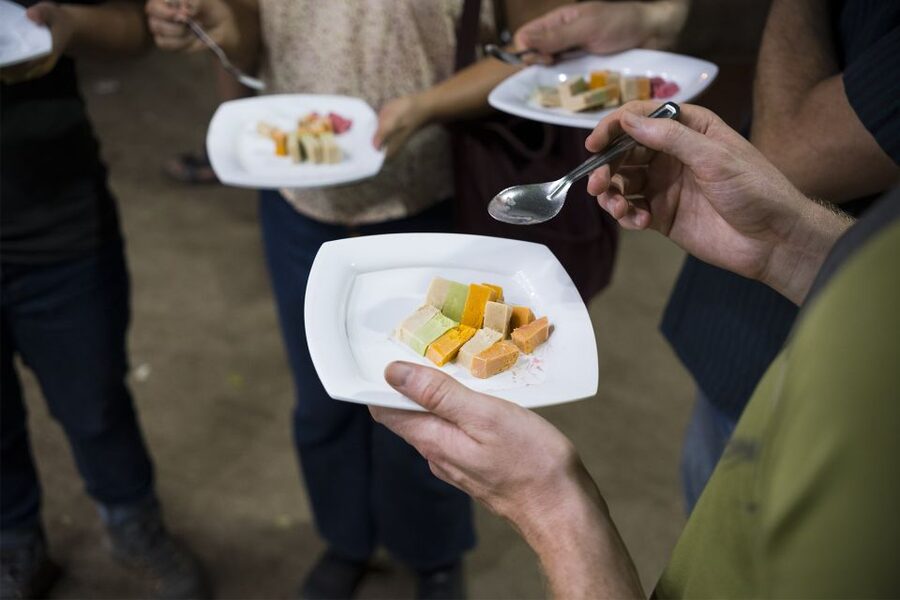
The tour does not finish with savory food. Sweet stops include rabdi with gulab jamun, jalebi, and kulfi.
Rabdi is thickened sweet milk, often served with gulab jamun, the soft fried milk-based sweet soaked in syrup. Jalebi is a crisp, syrupy coil with a bright sweetness. Kulfi is a dense frozen dairy dessert, similar to ice cream but usually richer and less airy.
Kulfi is a fitting final taste because it cools the palate after the spices and fried foods. It is also one of the dishes that can surprise people who assume Indian desserts will all taste alike. The milk-based desserts are creamy, while jalebi brings crunch and syrup.
The final stop is Zam Zam Sweet & Bakery. You should arrive hungry, but not so hungry that you rush through the first three stops. The route contains enough food for a full evening, and several people found they could not finish every portion.
Hygiene, spice, and dietary limits
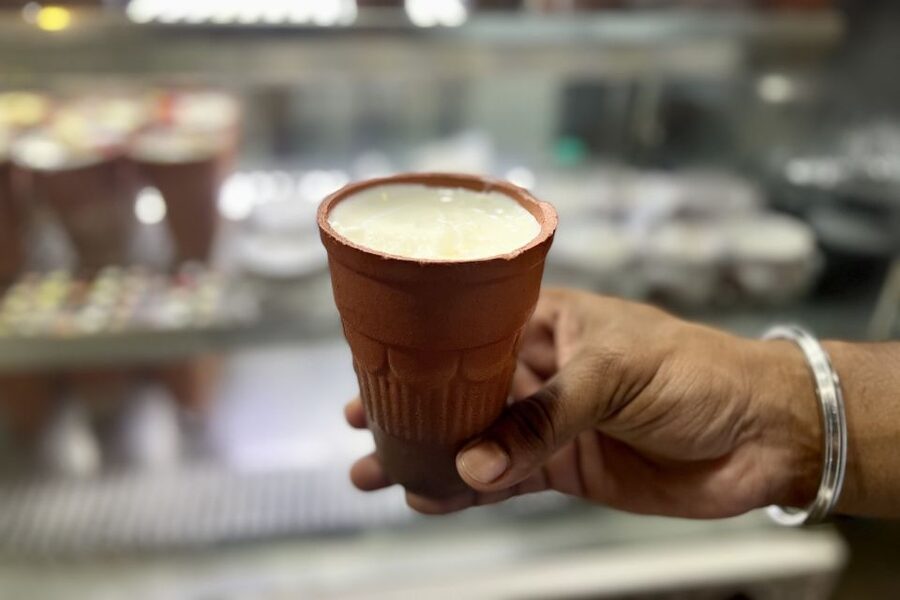
The tour is designed around food stalls and eateries selected for hygiene as well as flavor. That is useful if you want to try street food but feel unsure about choosing places on your own. It does not turn the experience into a sterile food demonstration, though. You are still eating in active public areas, with the sounds, crowds, and movement that come with them.
The food is not described as uniformly hot. One rating specifically liked that the dishes were not too spicy. Your own experience can vary, and you should tell the local partner about allergies or dietary needs when booking and again at the start.
Vegans should not book this tour. Dairy appears in ukala, rabdi, gulab jamun, and kulfi, and the route includes many vegetarian dishes prepared with dairy. Vegetarians can take part in the first half, but the second half is mainly meat with only a few vegetarian dessert stops.
The food is served as tastings rather than as a single formal dinner. That makes it easier to try unfamiliar dishes, but it also means you may need to decline extra portions. A good strategy is to taste everything, then ask for more only when something really appeals to you.
What the guides add
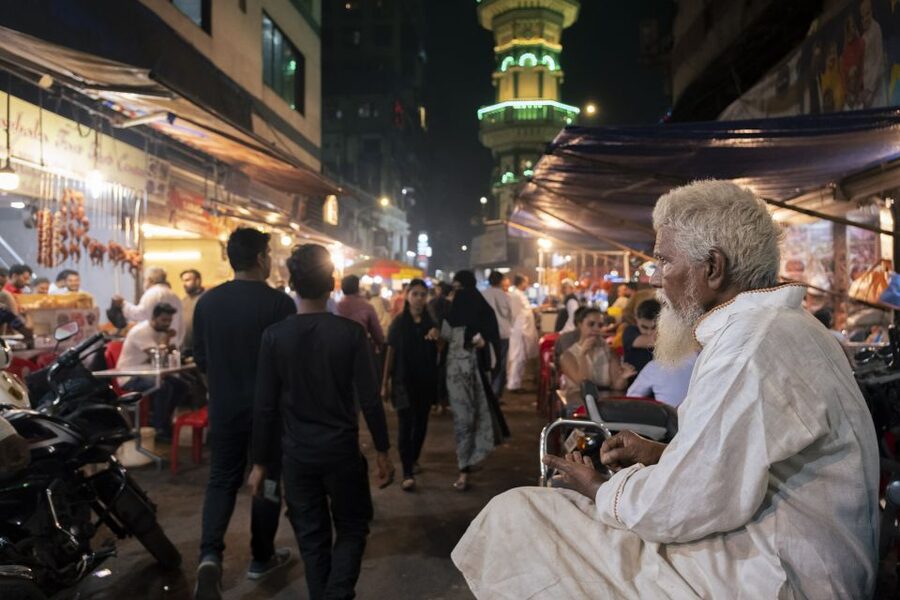
The strongest part of the experience is the guide-led format. Javed appears repeatedly in the guide roster and is described as friendly, well informed, and good at explaining city life as well as food. Raj and Rishi are also praised for their warmth and for taking care of people in crowded areas.
Preeti has been praised for combining food information with the history of places visited. Other guides, including Hitesh, Rav, Jenna, and Sabina, have also received strong marks for their enthusiasm and local knowledge.
The exact guide is not guaranteed, so book this for the route and format rather than for one particular person. Still, the pattern is clear: the company uses guides who do more than point at dishes. They explain origins, local customs, and the neighborhoods you pass through.
Some guides also tailor the experience. One private group had requested particular foods, and the guide went out of the way to find them. A private group is available, which may be worth considering if you want more flexibility or have specific food interests.
The company has also been described as directing 80 percent of its profits toward community initiatives, including education and employment for young people from slum communities. If that social aim matters to you, it adds another reason to consider the tour.
Who will enjoy this four-hour route
I would choose this tour for a first evening in Mumbai, especially if you want a quick guide to what and where to eat. Booking it early in your stay can help you recognize dishes and food areas later, when you are on your own.
It also suits anyone nervous about street food. You have a guide choosing the stops, explaining the dishes, and helping you navigate the crowded areas. The route is active, though, so you need to be comfortable walking, riding public transport, and eating while standing or moving between stops.
Food lovers should enjoy the range. You get sweet and savory food, vegetarian and non-vegetarian food, regional specialties, a beach setting, a market area, and a Muslim neighborhood. It is a lot of ground for four hours.
I would be more cautious about bringing very young children, people with limited mobility, or anyone who dislikes crowds. Strollers are not allowed, and small children must be carried in some congested areas. The tour is also a poor fit for vegans and anyone wanting a quiet sit-down dinner.
Practical details before you book
The cost is $43 per person. Since food, drinks, transport during the tour, and the guide are included, the price is strong if you would otherwise spend money sampling several areas by trial and error.
The tour lasts four hours, with starting times subject to availability. It begins at Churchgate Railway Station and ends at Zam Zam Sweet & Bakery, so do not expect to finish back at the starting point.
Wear comfortable shoes and bring only what you need. Large bags, luggage, baby strollers, and baby carriages are not allowed. Tell the operator about allergies or dietary requirements before the tour begins.
Free cancellation is available up to 24 hours before the start time, and you can reserve now and pay later. Those options are useful if your Mumbai plans are still changing.
Should you book the Mumbai Street Food Tour?
Book it if you want a guided introduction to Mumbai through food, rather than a standard sightseeing walk. The combination of Chowpatty, Bhuleshwar, and Mohammed Ali Road gives you a broad taste of the city in one evening, and the train ride adds a useful local touch.
Skip it if you want a slow meal, dislike crowded streets, or need a vegan menu. Everyone else should arrive very hungry, pace the early tastings, and keep room for kulfi.
FAQ
How long does the Mumbai Street Food Tour last?
The tour lasts four hours. Starting times depend on availability.
Where does the tour begin?
It begins inside Churchgate Railway Station, at the Wheeler convenience store. The guide wears a light blue collared shirt with the company logo.
Where does the tour finish?
The tour finishes at Zam Zam Sweet & Bakery on Mohammed Ali Road.
How many foods will I taste?
You can expect to visit six to eight places and taste about 16 to 18 different dishes.
Is the tour vegetarian?
The first half is entirely vegetarian. The second half is mainly meat-based, with a few vegetarian dessert stops.
Is the tour suitable for vegans?
No. The tour is not suitable for vegans.
Is transport included?
Yes. The tour includes transport during the experience, including a train ride and public transport or taxi travel between food areas.
Newest street food walks around Mumbai
- Mumbai Street Food & Temple Tour: Hidden Markets & Night Bazaar★ 5.0 · 4 reviews
- The 10 Tastings of Mumbai With Locals: Private Street Food Tour★ 4.0 · 2 reviews
- Mumbai Market and Temple Tour With Local Street Food★ 5.0 · 6 reviews
- Street Food Walking Tour★ 5.0 · 2 reviews
- Mumbai Local with Street Food Tour in Private Vehicle★ 5.0 · 16 reviews
- Mumbai Street Food Safari★ 5.0 · 73 reviews
- Mumbai Street Food & Beach Tour with 10+ Tastings★ 5.0 · 10 reviews
- 7-Day Indian Street Food Virtual Cooking Class★ 5.0 · 2 reviews
Mumbai street food tours, side by side.
Winner Mumbai Street Food Tour in the World Top 20 by Guardian
Read our review →
Private Guided Non-Veg Street Food Walking Tour in Muslim Quarter
Read our review →
Private Street Food Tour with Mumbai Sightseeing Tour including AC vehicles
Read our review →The lists this tour appears in