
Review · COLOMBIA
Santa Marta A Historical & Street food Experience
Santa Marta’s old center makes a fine open-air classroom, but this tour adds something better than a simple stroll: you move from Tairona gold and Indigenous culture to colonial churches, public squares, murals, seafood and street snacks. I like the mix of serious history and everyday food, especially the chance to taste lulo, exotic fruit juice and Colombian empanadas while getting your bearings in town.
I also like the human side of the guiding. Sergio has earned praise for explaining Santa Marta clearly, answering basic questions, and offering useful ideas for the rest of your stay. The main caution is value: $56 for a listed two-hour tour is a lot if the walk is rushed or some tastings and museum time do not happen. The schedule also appears longer than two hours, so confirm the expected length before booking.
Key points at a glance
- Tairona Gold Museum: Begin at Casa de la Aduana, with a guided look at Indigenous goldwork and Tayrona culture.
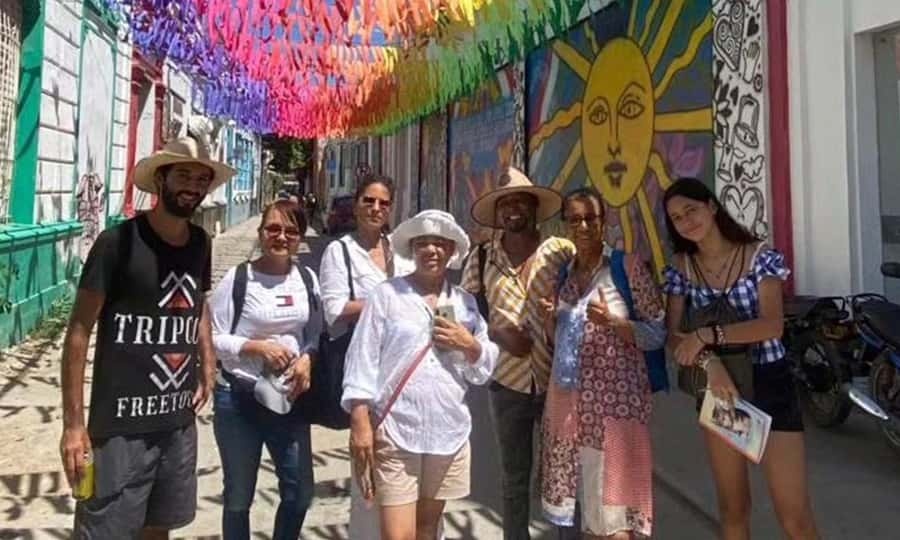
- Santa Marta’s colonial core: Visit Bolívar Park, the cathedral, Camellón Rodrigo de Bastidas and the old Customs House area.
- Food along the way: The planned tastings include a local drink, ceviche, lulo, exotic fruit juice and empanadas, though the exact food stops may vary.
- Several contrasting landmarks: The route includes Los Novios Park, Iglesia San Francisco and San Miguel Cemetery.
- Bilingual guiding: Tours are offered in English and Spanish, with history, anthropology and journalism backgrounds represented among the guides.
- Timing deserves attention: The advertised duration is two hours, but the stop list adds up to much more, and one booking lasted close to four hours.
Santa Marta’s past, served with street food
This is not simply a food walk with a few old buildings added for decoration. Its central idea is to connect Santa Marta’s physical remains with the people, trade and customs that shaped the city.
You begin near the Tairona Gold Museum at Casa de la Aduana. From there, the route moves through squares, churches, waterfront spaces and social gathering places. The guide explains how Indigenous traditions, Spanish colonial rule, commerce and modern Santa Marta fit together.
That combination suits you if you prefer context with your sightseeing. A building is more interesting when you understand who used it. A fruit drink becomes more memorable when you learn why the ingredient matters in Colombian food culture. The best parts of this walk aim for that connection.
The experience is offered in English or Spanish. The guides are described as coming from history, journalism and anthropology backgrounds, and Sergio has been singled out for his clear explanations and friendly manner. He also helped one participant with a hostel problem, which suggests that the guiding can extend beyond memorized facts when the right person leads the group.
Still, I would keep your expectations measured. The route includes many stops, and the two-hour claim leaves little time for long museum explanations, relaxed photographs and several food tastings. If every listed stop is covered, the pace may feel brisk. If the guide slows down, the walk may last considerably longer.
Sit-down meals to book around Colombia:
- Naples: Street Food Experience With 6 Stops
★ 4.7 · 392 reviews - Siem Reap: Street Food Experience by Tuk-Tuk
★ 4.9 · 310 reviews - Saigon at Sunset: Ultimate Street Food Experience
★ 4.7 · 153 reviews
Casa de la Aduana and the Tairona Gold Museum
The meeting point is Museo del Oro Tairona, inside Casa de la Aduana. This is a sensible place to start because it links Santa Marta’s commercial past with the Indigenous cultures of the Sierra Nevada.
The museum portion is important. You are not just looking at old objects behind glass. The focus is on the Tairona people, their traditions and the meaning of their goldwork. The tour description allows for a guided museum visit, with two museum-related entries in the schedule, listed as 15 minutes and 30 minutes.
That detail matters. Thirty minutes can give you a useful introduction, but it is not enough for a slow, object-by-object museum visit. If the museum is a major reason for booking, ask how much time will actually be spent inside. One disappointing experience involved little or no museum touring, so this is worth confirming rather than assuming.
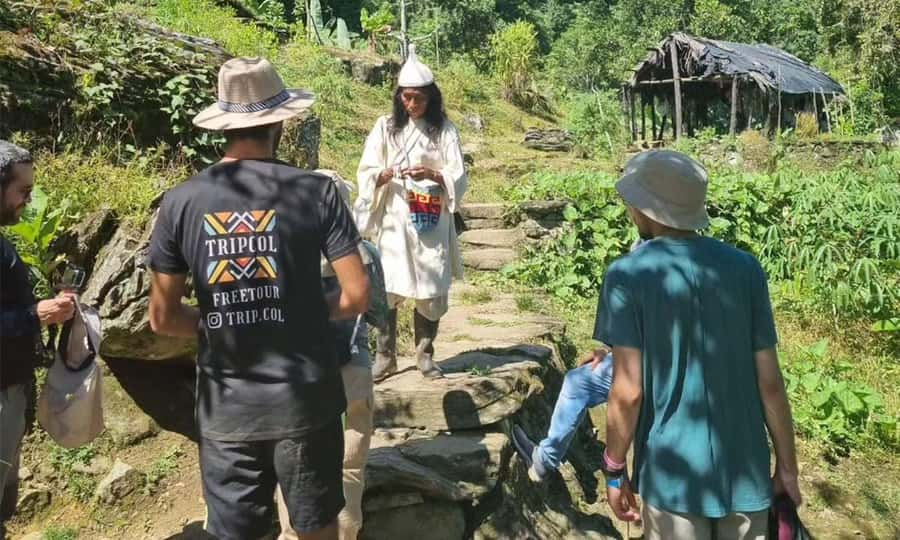
The Tairona subject also gives the walk a stronger foundation than a standard colonial sightseeing route. Santa Marta is often used as a base for the coast and nearby natural areas, yet its Indigenous story is central to understanding the region. This stop brings that story into the city.
Bolívar Park and Santa Marta’s civic center
From the museum, the route reaches Simón Bolívar Park. The square provides a useful pause from the narrow streets and a place to discuss the city’s connection to Simón Bolívar.
The value here is less about a single grand sight and more about orientation. A public square tells you how a city presents its past. It also helps you understand the layout of the center before the route moves on to churches, shops and nightlife areas.
The guide is expected to explain Bolívar’s importance to Santa Marta. Keep in mind that this is a short walking tour, not a full military or political biography. You should expect a concise local account tied to the square and the city.
Next comes Parque Camellón Rodrigo de Bastidas, where the itinerary allows time for photographs and a guided visit. This stop adds an outdoor, waterfront-facing part of the city center. It breaks up the indoor museum and church visits and gives you a chance to see Santa Marta in motion.
You may find the photo stop brief. If you want portraits or several scenic photographs, take them efficiently and listen for the meeting instructions.
The cathedral and colonial architecture
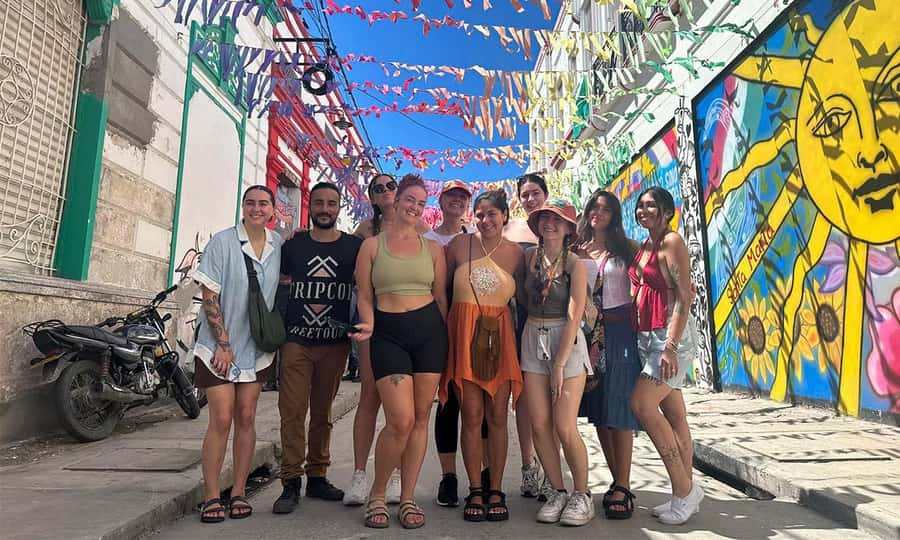
The Cathedral Basilica of Santa Marta is one of the route’s main architectural stops. The tour focuses on its colonial design and details inside, including the stories and messages connected with its frescoes.
Church visits work best when the guide points out something you might miss on your own. Here, the emphasis is not only on the building’s age or appearance, but on how its decoration carries meaning. You also get scenic views along the way, although the tour information does not promise a dedicated viewpoint or long photo session.
The cathedral is a good test of the tour’s pace. A short explanation can make the building much more readable. A rushed visit, on the other hand, may leave you wishing for more time. If you care about architecture, tell the guide early so you can understand how much detail the schedule allows.
The route later includes Iglesia San Francisco. This gives you a second church setting and lets you compare religious architecture within the historic center. The listed time is about 15 minutes, including a photo stop and guided visit, so expect an introduction rather than an extended interior tour.
Food walks with the history told around Colombia:
- Palermo: Street Food and History Walking Tour
★ 4.9 · 1,486 reviews - Walking Tour and street food Tour Palermo / History and Food
★ 5.0 · 386 reviews - Discover Palermo in 3 hours. Art, history, markets and street food
★ 5.0 · 352 reviews - Lecce History and Street Food Tasting Small Group Tour
★ 5.0 · 288 reviews
Los Novios Park and modern Santa Marta
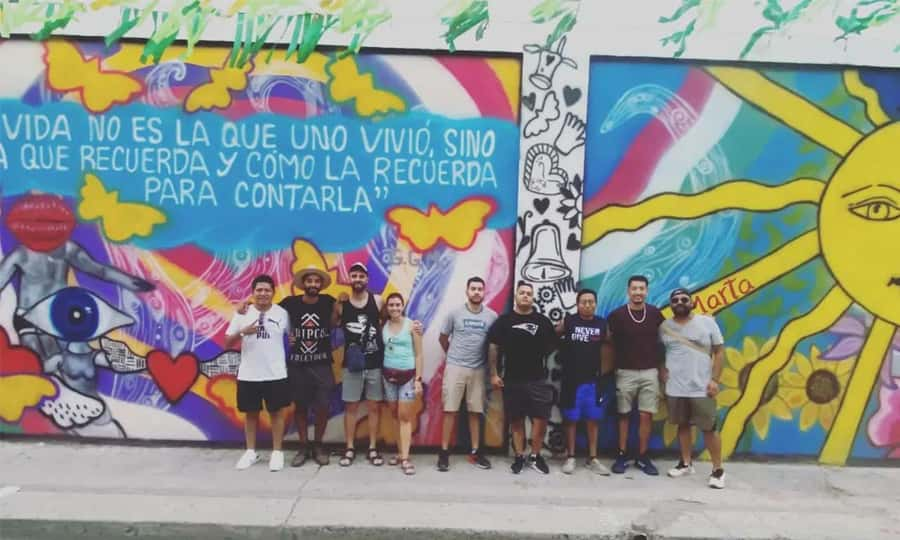
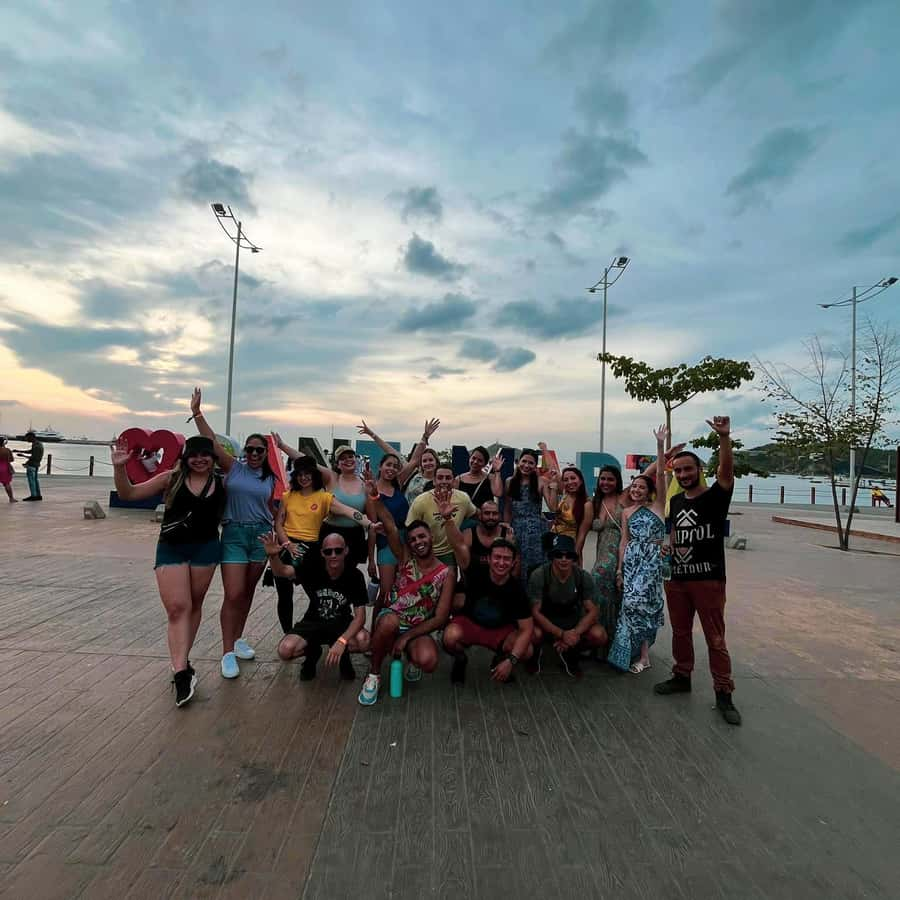
Parque de los Novios is likely to feel different from the museum and cathedral. It is presented as a social and cultural center, with stories about romance, local legends, restaurants, pubs and clubs.
This is where the tour connects old Santa Marta with the city you see after dark. If you are choosing a place for dinner or an evening drink, the guide can point out the character of the surrounding center. The experience is not limited to monuments. It also explains how people use the area today.
The planned time here is 45 minutes, the longest single stop in the schedule. That suggests the park may be the main setting for conversation, food and local orientation. It is also a useful place to ask practical questions about where to eat or what to see next.
One guide, Sergio, was praised for offering suggestions for the rest of a stay and for being easy to talk with. That sort of exchange can add real value, especially at the beginning of a visit when you are still deciding how to spend your evenings.
The tradeoff is that Los Novios Park is also tied to nightlife. Depending on the hour, the area may feel more social than historical. An afternoon departure can be more comfortable in Santa Marta’s heat, and one particularly positive experience used a 4:30 p.m. start for that reason.
Fruit drinks, lulo and Colombian flavors
The food element is one of the tour’s strongest ideas. Santa Marta’s center is easier to remember when you taste something along the way, and the planned stops introduce several everyday Colombian flavors.
The fruit juice stop may feature guanábana, maracuyá and zapote. These fruits give you a broader sense of local produce than the standard orange or mango drink. You may also taste lulo in more than one preparation, including juice or an artisanal infusion.
Lulo has a sharp, distinctive flavor that is hard to compare with common fruit drinks. It is a good tasting choice because it introduces a flavor many first-time visitors may not order on their own. The guide also explains its place in Colombian food culture, so the stop has a little more purpose than simply buying a drink.
The included items officially specify a local drink. The broader description names ceviche, lulo, juice and empanada tastings. That difference is important. Food stops can depend on opening hours and local conditions, and one booking missed the ceviche when the planned location was closed without a replacement.
I would ask before departure exactly which tastings are included that day. If ceviche is a priority, confirm that it is available. Do not assume that every food named in the description will appear on every departure.
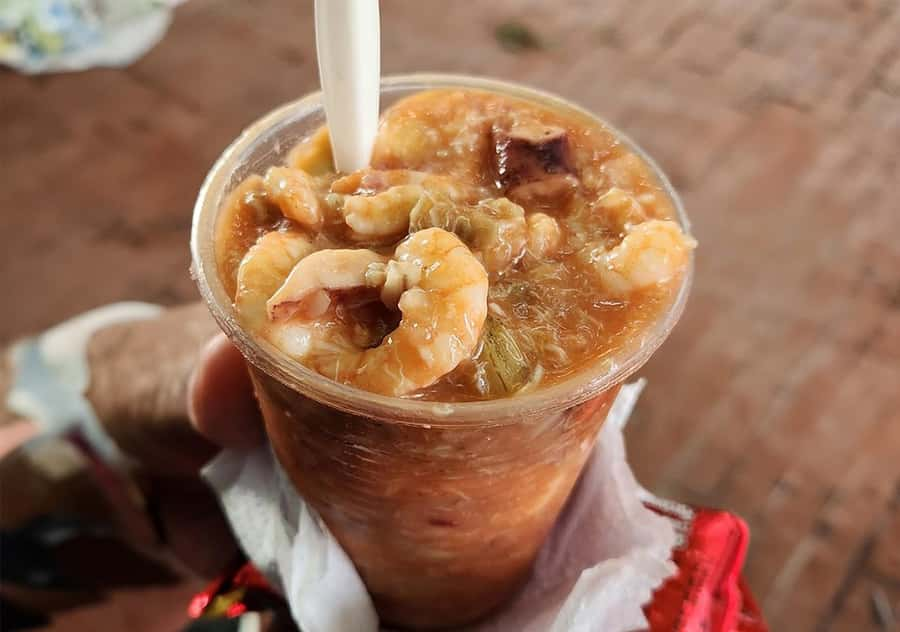
The planned ceviche is Colombian-style and made with fresh seafood, while the empanada stop introduces one of the country’s most familiar street foods. The empanadas are described as crisp and filled with local flavors. These are modest tastings, not a full meal, so eat something beforehand if you need lunch or dinner.
San Miguel Cemetery and the quieter side of the city
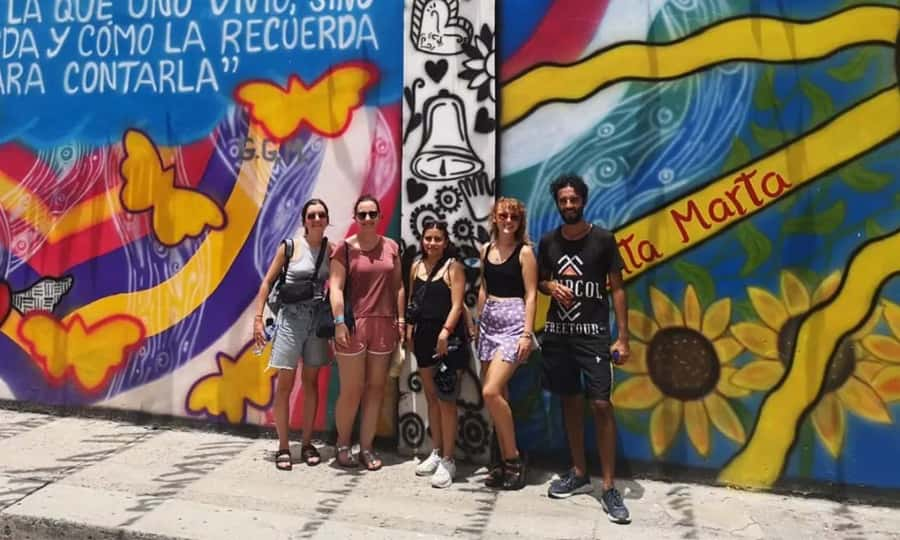
San Miguel Cemetery adds a different tone to the route. It is listed as a photo stop and guided visit, with time to discuss its role in Santa Marta.
Cemeteries can reveal a city’s customs, family structures and ideas about remembrance in ways that monuments cannot. This stop broadens the tour beyond churches and plazas. It also gives the guide a chance to discuss local traditions in a quieter setting.
The scheduled 20 minutes should be enough for a focused explanation and a few photographs. Please treat this as a place for respectful observation, not casual sightseeing. The stop may appeal most to you if you enjoy cultural details that do not appear in a standard highlights tour.
Because the itinerary includes several churches and a cemetery, the walk has a clear heritage focus. The food stops keep it from becoming too formal, but the overall experience still leans toward history and culture rather than a pure pub crawl.
How long is the tour really?
The advertised duration is two hours. That is the figure to use when planning your day, but the stop list raises a practical question.
The listed times include 15 minutes and 30 minutes at the museum, 30 minutes at Bolívar Park, 15 minutes at Camellón Rodrigo de Bastidas, 20 minutes at the cathedral, 45 minutes at Los Novios Park, 15 minutes at Iglesia San Francisco and 20 minutes at San Miguel Cemetery. Even without walking time, those figures total more than two hours.
One booking lasted close to four hours and was enjoyed partly because there was time for questions and conversation. Two other experiences found the tour too short and rushed, with planned stops or food tastings not fully delivered.
That range is the biggest planning issue. You may get a compact overview in about two hours, or a slower walk that lasts much longer. Ask the operator what the actual departure schedule looks like and how many stops will be completed. If you have a dinner reservation, airport transfer or another activity, leave plenty of space.
Santa Marta can also be hot. An afternoon start at 4:30 p.m. was specifically praised because it was cooler. A later start may make walking more pleasant, though availability can vary.
Is $56 a fair price?
At $56 per person, this is not a bargain-priced orientation walk. The price makes sense only if you receive the full combination of a substantial guided museum visit, a careful city walk, a bilingual professional guide and several tastings.
The value improves if your guide, such as Sergio, spends time answering questions and helping you understand the city beyond the formal route. It drops quickly if the tour is hurried, the museum visit is minimal and the food stops are reduced to one drink.
The official inclusions name a professional guide, guided entry inside the museum and a local drink. Since ceviche, lulo and empanadas are also presented as part of the experience, you should clarify the tasting package before paying. That simple question can prevent disappointment.
I would see this as a first-day orientation for someone who wants history and food in one booking, not as the cheapest way to tick off Santa Marta’s center. If you value a strong guide and a cultural introduction, the cost may be reasonable. If you mainly want a quick walk and a snack, it is expensive.
The activity allows cancellation up to 24 hours before departure for a full refund, and you can reserve now and pay later. Those policies make it easier to fit into a changing itinerary.
Who should book this walk?
I would recommend it to you if you want a guided introduction to Santa Marta before exploring on your own. It suits people who enjoy architecture, Indigenous culture, local food and practical neighborhood advice in one outing.
It is also a good fit if you want to ask questions. The best account of Sergio describes a guide who welcomed basic questions and offered ideas for the rest of the visit. That personal exchange can be more useful than a polished speech.
You may want a different option if you dislike uncertain timing or need a tightly scheduled two-hour activity. The mixed timing reports suggest that you should not place an important appointment immediately afterward.
Food-focused visitors should also confirm the tasting details. The advertised selection is appealing, but the formal inclusion of a local drink is narrower than the full list of promised samples. A closed ceviche stop was not replaced on one occasion.
Final call: book it with one important question
I would book this experience if you want a history-led walk with local flavors and can keep your schedule flexible. The Tairona Gold Museum, cathedral, parks, churches and cemetery give the route real variety, while lulo, fruit drinks, ceviche and empanadas make the city feel more immediate.
Before booking, ask two things: how long the current departure usually lasts, and which tastings are guaranteed. If the answer confirms a full museum visit and several food stops, $56 can buy a useful introduction with a strong guide. If it is only a quick city walk with one drink, the price is harder to justify.
FAQ
Where does the tour start?
It starts at Museo del Oro Tairona, also called Casa de la Aduana, in Santa Marta’s historic center.
Where does the tour finish?
The listed drop-off points are Parque de los Novios and Museo del Oro Tairona, Casa de la Aduana.
Is the tour offered in English?
Yes. Live guiding is available in English and Spanish.
What is included in the price?
The listed inclusions are a professional guide, a guided tour inside the museum and a local drink. The broader experience description also mentions ceviche, lulo, fruit juice and empanada tastings, so confirm which food samples are available for your departure.
How long does the tour last?
The advertised duration is two hours. The scheduled stop times add up to longer than two hours, and one booking lasted close to four hours, so confirm the expected length before making another appointment.
Can I cancel or pay later?
You can cancel up to 24 hours in advance for a full refund. You can also reserve your place and pay later.
Newest street food walks around Colombia
- Street Food Tour in Medellín with Tastings★ 5.0 · 76 reviews
- Private Cartagena city and street food tour.★ 5.0 · 31 reviews
- The Cali Street Food Walking Tour★ 5.0 · 81 reviews
- Street Food Tour – Live A Unique Gastronomic Experience★ 5.0 · 34 reviews
- Street Food Tour in Bogotá with Tastings★ 5.0 · 34 reviews
- Cali: Street Food Tour★ 4.8 · 71 reviews
- Santa Marta Street Food Tour★ 4.4 · 2 reviews
- Medellín: Street Food Tour with Local Tastings★ 4.9 · 14 reviews
Colombia street food tours, side by side.
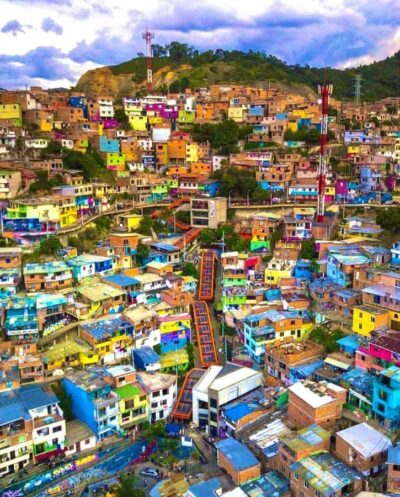
Medellín: Comuna 13 True Story and Street Food Tour
Read our review →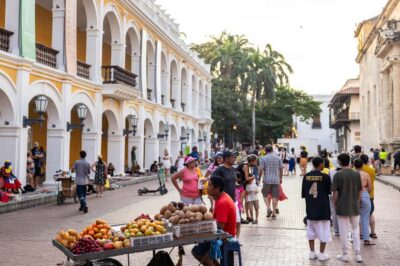
Cartagena: Guided Street Food Tour with Tastings
Read our review →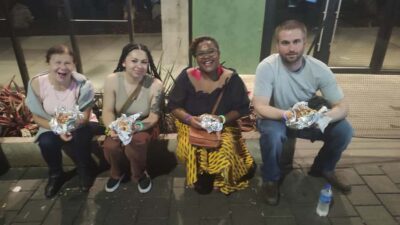
Medellin: Street Food and Poblado Rooftop Tour with a Local
Read our review →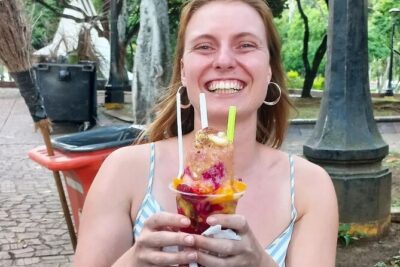
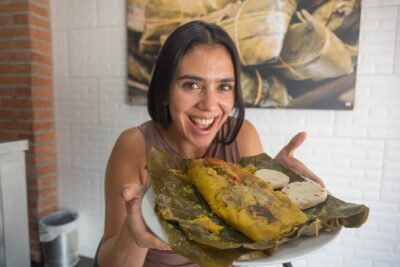
Medellin: tasting Street Food with Rooftops of El Poblado
Read our review →

Street Food Tour – Live A Unique Gastronomic Experience
Read our review →The lists this tour appears in