
Review · PERU
Lima Street Food Tour Beyond Netflix
Lima’s best food stories often begin away from polished restaurants. This 3.5-hour walking tour moves from Central Market to Chinatown, Barrios Altos, and the historic center, pairing street food with the people and events that shaped it. Guide Bruce keeps the focus on local dishes, including foods rarely seen on a standard Lima highlights tour.
I like the generous tasting lineup, from lucuma juice and seasonal fruit to ceviche, anticuchos, picarones, and Chinese-Peruvian dim sum. I also like the small maximum of 13 people, which should make it easier to ask questions and keep track of the group in busy streets. The main consideration is that this is a substantial amount of walking and eating in one afternoon, and the tour is not recommended for people with diabetes.
Key points at a glance
- Central Market sets the tone: You begin with ingredients, fruit, drinks, and local market food rather than a staged restaurant meal.
- Chinese-Peruvian cooking gets its own stop: In Chinatown, you try siu mai while learning how Chinese immigration shaped Peruvian food.
- Barrios Altos is the off-the-screen portion: This is where Bruce shares personal street food recommendations beyond the famous Netflix circuit.
- The food is included: The $50 price covers a long list of tastings, bottled water, and a certified guide.
- The route finishes near Plaza San Martín: You can continue sightseeing in central Lima or arrange an Uber from the endpoint.
- The optional cocktail costs extra: A classic Pisco Sour is available for $8, but it is not part of the base price.
Why this Lima food walk feels different
Many food tours in Lima lean heavily on famous dishes and restaurant settings. This one uses food as a way to explain neighborhoods, migration, daily shopping, and the city’s changing identity. You are not simply handed a plate and told what it is. At the Central Market, you see the ingredients first, then taste some of the food connected to that setting.
The route also gives you more than one culinary tradition. Peruvian staples appear beside Chinese-Peruvian cooking, a pairing that makes sense in Lima but may be unfamiliar if you are new to the country. That mix is one of the strongest reasons to choose this tour over a simple ceviche tasting.
Guide Bruce is named as the guide associated with the experience, and the supplied feedback points to his humor, explanations, and willingness to offer less adventurous alternatives. That last point matters. Street food can require a little courage, but you are not forced to choose the boldest option at every stop.
The tour is recommended by all of the 117 ratings supplied, with a five-star score. That is a strong signal, especially for a food walk where pacing, food choices, and guide personality all affect the day. Still, you should book it for the format itself: a walking route, a full set of tastings, and cultural explanation, not a quiet sit-down meal.
More street food walks around the world:
- Dubai: Old Town, Creek, Museums, Souks, & Street Food Tour
★ 4.8 · 10,816 reviews - Ho Chi Minh City Street Food Tour & Sightseeing By Motorbike
★ 5.0 · 9,413 reviews - Medellin: Comuna 13 Graffiti Tour, Cable Car & Street Food
★ 4.8 · 9,046 reviews
Central Market: start with ingredients and everyday Lima
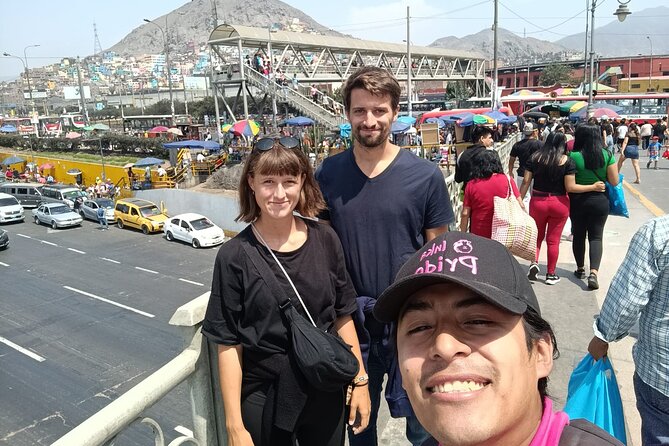
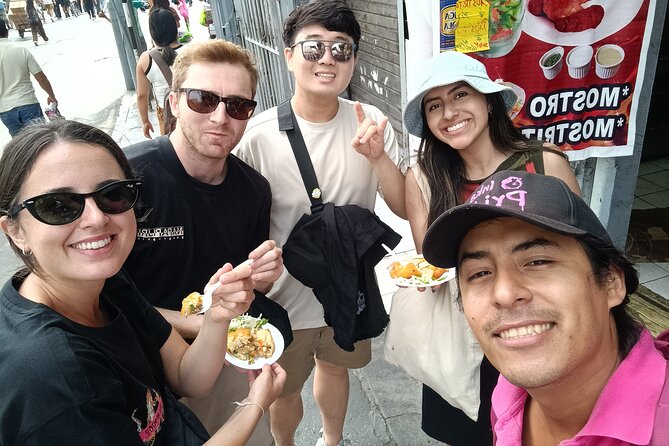
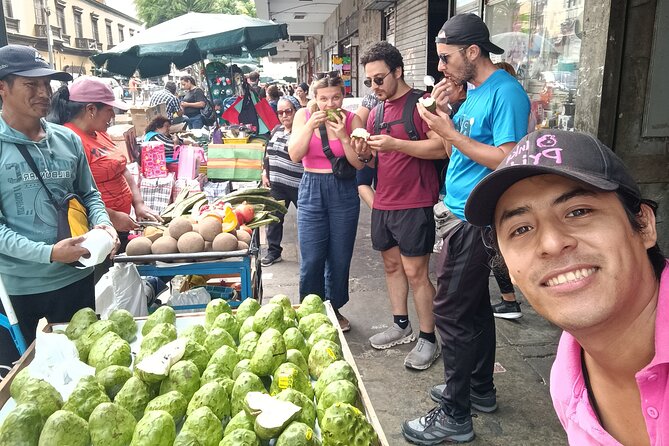
The tour begins at the Great Lima Public Library on Avenida Abancay at 1:30 pm, close to the Central Market. The first hour is built around the market and its food culture. Admission to the market is included, and the focus is on seeing ingredients, hearing explanations, trying fruit, and eating local dishes nearby.
I like this opening because it gives you useful context before the heavier tastings arrive. A market can show you what people cook with, how produce is sold, and which flavors keep appearing in local food. Here, you are set up to recognize ingredients later rather than treating every dish as an isolated sample.
Lucuma juice is one of the named tastings. Lucuma is a Peruvian fruit with a distinctive sweet flavor, and trying it as a drink gives you a quick introduction to a local ingredient that may not be familiar from menus at home. Seasonal exotic fruits are also included, so the exact fruit selection can vary.
The Central Market portion also includes choclo con queso, or corn with cheese, and papa rellena, a stuffed potato preparation. These foods help show the range of Peruvian street cooking. One is simple and snack-like, while the other is more filling and substantial.
You will also receive chicha morada, the dark purple corn drink commonly associated with Peru. It is a useful counterpoint to the fruit juice, and the tasting lineup gives you several nonalcoholic drinks before the optional cocktail at the end.
The market stop lasts about an hour. That is enough time for explanations and several bites, but you should expect a moving, public setting rather than a controlled tasting room. If crowded markets make you uncomfortable, this part may require patience. If you enjoy seeing food in its working setting, it is likely to be one of the most useful parts of the afternoon.
Chinatown: where Peruvian and Chinese food meet
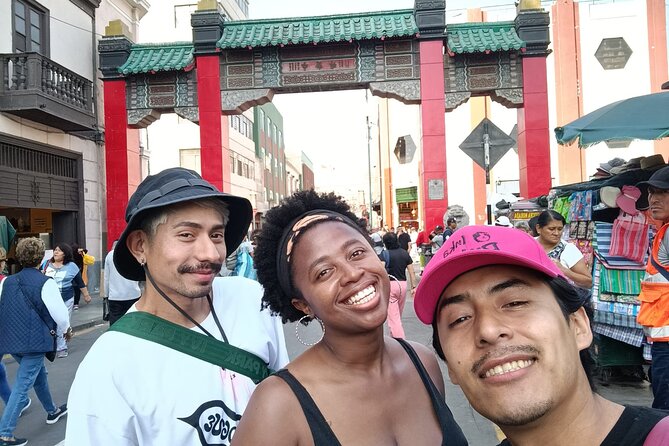
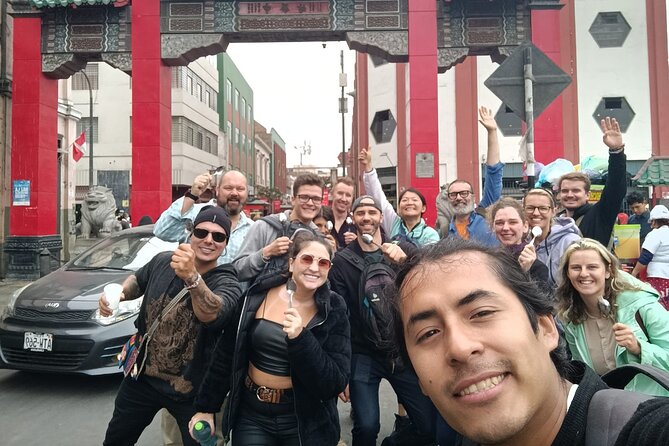
The next stop lasts about 30 minutes and focuses on Lima’s Chinatown. You try siu mai, listed here as siu mae, and learn about Chinese immigration to Peru and its effect on local cooking.
This is a valuable change of pace after the market. Lima’s food identity is not only built from Indigenous and Spanish influences. Chinese cooking became part of everyday Peruvian life, and the Chinatown stop gives you a direct way to understand that connection through a familiar dim sum item.
The included food list also names dim sum separately. You should expect Chinese-style bites as part of this section, though the exact serving details are not specified. The point is less about a large meal and more about seeing how Chinese techniques and flavors became part of Peruvian food culture.
Half an hour passes quickly, so Bruce’s explanation matters here. The route does not treat Chinatown as a quick photo stop. It gives the neighborhood a clear culinary role, and that makes the overall tour more balanced than one focused only on classic Peruvian dishes.
Because you have already started eating at the market, this stop works best if you pace yourself. The tour provides many samples over the full afternoon. You do not need to finish each bite quickly just because it is served.
Barrios Altos: the personal food recommendations
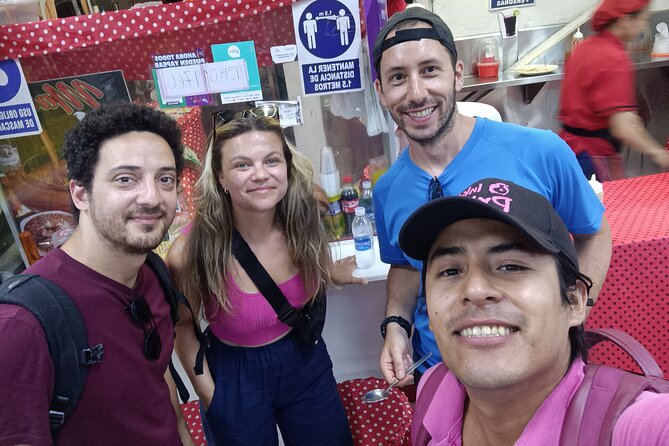
The one-hour Barrios Altos portion is described as the guide’s personal and favorite street food selection beyond Netflix. That wording tells you what kind of stop this is: less about internationally famous dishes and more about recommendations that come from local familiarity.
The included list places carapulcra, sopa seca, anticuchos, Inka Cola, and picarones within the full tasting program. You may encounter these foods during the route, with Barrios Altos likely serving as the main setting for the more personal recommendations. The exact order is not specified, so it is best to see the list as the food range you will sample rather than a fixed plate-by-plate schedule.
Carapulcra and sopa seca are especially useful together because they point to Peru’s layered food traditions. Anticuchos bring a classic street food element, while picarones provide something sweet toward the later part of the tour. Inka Cola adds another distinctly Peruvian taste to the drinks.
This is also the part of the route where you benefit most from asking questions. You can ask Bruce what he eats locally, which foods are common at different times of day, and how a dish fits into Lima’s social life. The supplied comments describe him as informative and humorous, and they also note that he suggested alternatives for people with less adventurous tastes.
That flexibility can make the difference between a good food tour and an uncomfortable one. If you are unsure about a particular texture or ingredient, say so. The tour is built around tasting, not proving your bravery.
Barrios Altos is not presented as a polished dining district. The appeal is the street food itself and the chance to see a less packaged side of central Lima. You should choose this experience because you want that directness. If you prefer air-conditioned restaurants, fixed menus, and plenty of time at a table, this is not the right format.
Same streets, a different set of bites:
- Dubai: Old Town, Souks, Street Food, Guided Tour & Abra Ride
★ 4.9 · 7,170 reviews - Naples: Street Food Walking Tour with Local Guide
★ 4.9 · 4,976 reviews - Small Group Hanoi Street Food Tour with a Real Foodie
★ 5.0 · 4,682 reviews - Rome: Street Food Tour with Local Guide
★ 4.8 · 4,077 reviews
Historic Lima and the optional Pisco Sour
The final hour takes place in the Centro Histórico de Lima and ends at San Martín Square. This gives the tour a natural finish in one of the city’s main public areas, where you can continue with a historical city tour or arrange an Uber.
A classic Pisco Sour is optional and costs $8. It is not included in the $50 tour price, so decide in advance if you want to add it. The option is useful for people who want a traditional Peruvian cocktail, while those avoiding alcohol can simply skip the extra charge.
The historic center portion helps tie the food to place. After seeing markets, Chinatown, and Barrios Altos, you finish among central Lima’s older streets and public spaces. The supplied feedback specifically credits Bruce with explaining Lima and Peru’s history and society while keeping the mood light.
That combination is worth noting. Food tours can sometimes provide a list of dishes without explaining why they matter. Here, the route gives you a basic social and historical frame, so the food is easier to remember as part of Lima rather than as a series of unrelated snacks.
The tour ends at San Martín Square, on Avenida Nicolás de Piérola, around Plaza San Martín. This is a practical endpoint if you want to keep exploring the historic center afterward. It is also useful if you need to call a ride from a central location.
What the $50 price really covers
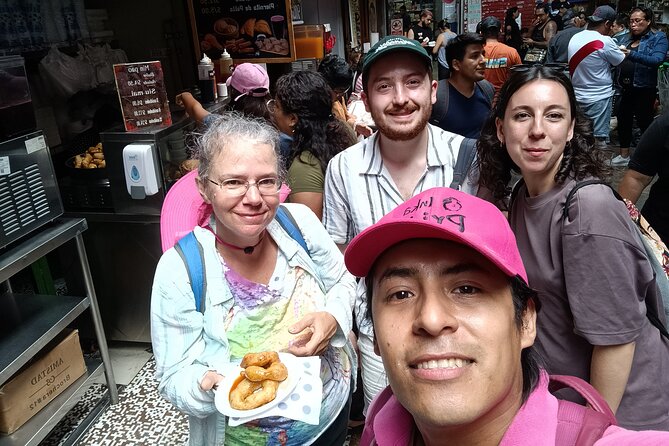
At $50 per person, this is not simply a guided walk with one snack. The price includes a certified guide, bottled water, and a broad selection of food and drinks:
- Lucuma juice and seasonal exotic fruits
- Choclo con queso and papa rellena
- Chicha morada and Inka Cola
- Carapulcra and sopa seca
- Street ceviche
- Chinese dim sum and siu mai
- Anticuchos
- Picarones
The value depends on how much of the included food you taste and how useful you find the explanations. If you paid separately for several snacks, drinks, and a guided introduction to four central Lima areas, the total could add up quickly. The small group limit also adds value, since the maximum is 13 people rather than an open-ended crowd.
The price does not include the optional Pisco Sour or transportation. Pickup or drop-off transport is available for $10 per person, so budget that separately if you want the convenience. Otherwise, you meet at the Great Lima Public Library and finish at Plaza San Martín.
I would think of the fee as covering lunch-sized grazing plus a guided cultural walk, not a conventional meal replacement. Come hungry, but do not arrive expecting to sit down for one large course. The food comes in multiple portions over several hours.
Timing, walking, and who will enjoy it
The tour lasts approximately three and a half hours and starts at 1:30 pm. That afternoon timing makes it easy to pair with morning sightseeing, but you should leave enough space before the tour for your last full meal. Eating a heavy lunch shortly before the start would make the tasting schedule harder to enjoy.
Most people can participate, according to the supplied information, and the route is near public transportation. Still, the experience involves moving through markets, Chinatown, Barrios Altos, and the historic center while eating along the way. Wear comfortable shoes and keep your schedule flexible.
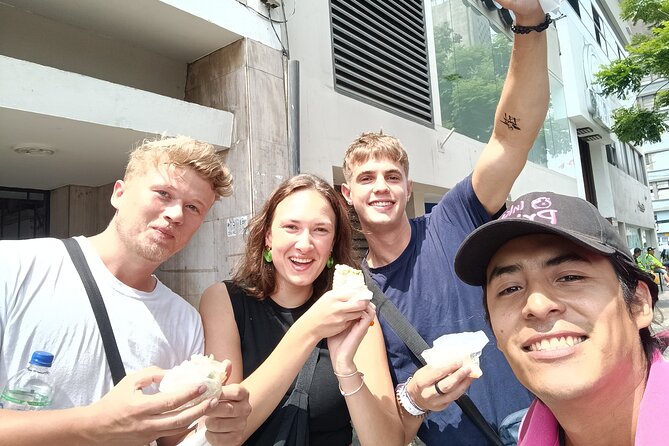
The group maximum of 13 is a useful middle ground. It is small enough for direct questions and guide interaction, while still large enough to bring a social feel. Bruce’s humor and explanations are likely to matter more in a group this size because you can hear the stories without the tour becoming completely private.
The tour is not recommended for people with diabetes. That warning matters because the food and drink list includes sweet fruit drinks, chicha morada, Inka Cola, picarones, and other varied samples. If you have dietary restrictions beyond the stated guidance, the supplied information does not confirm specific substitutions, so you should ask before booking.
This tour suits you best if you:
- Like trying several small portions instead of ordering one safe dish
- Want local food connected to history and migration
- Enjoy markets and public streets more than formal restaurants
- Are curious about both Peruvian and Chinese-Peruvian cooking
- Prefer a small group and an active afternoon
- Want to finish near central Lima sights
It may not suit you if you need a quiet meal, have difficulty with a food-heavy schedule, or want a tour limited to major landmarks.
Smart ways to get more from the afternoon
Arrive with an empty stomach, but not with unrealistic expectations about portion size. You are tasting many foods, and the goal is variety. If you know you are selective about textures or ingredients, tell Bruce early so he can point you toward alternatives.
Ask about the dishes as they arrive. The tour includes foods with names that may be new to you, and the cultural explanation is part of what you are paying for. A quick question about ingredients, migration, or local eating habits can turn a short sample into a useful lesson.
Keep some room for the later stops. The market begins the food sequence, but anticuchos, picarones, and drinks may come afterward. Pacing yourself is more important than finishing every early sample.
Bring water only if you prefer extra beyond the included bottle. A bottle is provided, along with several other drinks, so you are not left without refreshment. If you choose the Pisco Sour, remember that the $8 cost is separate.
Use the endpoint to your advantage. Plaza San Martín is a practical place to continue exploring central Lima, begin another historic city activity, or arrange a ride. The route is not a dead-end drop-off in an out-of-the-way location.
Should you book this Lima street food tour?
Book it if you want to understand Lima through ordinary food, neighborhood movement, and cultural exchange. The strongest features are the variety of included tastings, the Chinatown stop, the personal Barrios Altos recommendations, and Bruce’s balance of humor with explanation.
The $50 price is fair for the amount of food, drinks, guiding, and time included, especially with a maximum of 13 people. Add the $8 Pisco Sour only if you want the cocktail, and add $10 per person for pickup or drop-off only if that convenience matters to you.
Skip it if your priority is a formal meal, a short landmark visit, or a highly controlled tasting. For an open-minded eater with a free afternoon, this is a practical way to move beyond Lima’s most famous food headlines and taste how several cultures meet in the city.
FAQ
How long does the Lima Street Food Tour Beyond Netflix last?
The tour lasts approximately 3 hours and 30 minutes.
What time does the tour start?
The tour starts at 1:30 pm.
Where does the tour begin?
It begins at the Great Lima Public Library, Av. Abancay 4, Lima 15001, Peru.
Where does the tour end?
It ends at San Martín Square on Avenida Nicolás de Piérola, near Plaza San Martín in Lima.
Is the Pisco Sour included in the price?
No. One classic Pisco Sour is optional and costs $8.
Is transportation included?
No. Pickup or drop-off transport is available for $10 per person, but it is not included in the tour price.
How large is the group?
The tour has a maximum of 13 people.
Newest street food walks around the world
- Old Delhi Cultural, Temples, Heritage Walking Street Food Tour★ 5.0 · 57 reviews
- Old and New Delhi Street Food Sampling★ 5.0 · 3 reviews
- Old Delhi Tour by Tuk-Tuk Street Food and Shopping Experience★ 5.0 · 12 reviews
- Customized Half Day and Full Day Delhi Shopping, Street Food Tour★ 5.0 · 52 reviews
- Delhi: Street Food Crawl (2 Hours Guided Food Tasting Tour)★ 3.5 · 18 reviews
- Taste Famous & Best Street Food of Old Delhi (Jama Masjid)★ 3.0 · 2 reviews
- Spice & Stories: 3-Hour Old Delhi Heritage Food Walk Guided Tour★ 4.5 · 36 reviews
- Old Delhi Street Food and Spice Market Tour★ 5.0 · 81 reviews
Peru street food tours, side by side.
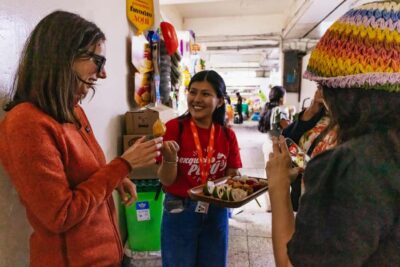
Lima: Historic Center Street Food, Market, and Eateries Tour
Read our review →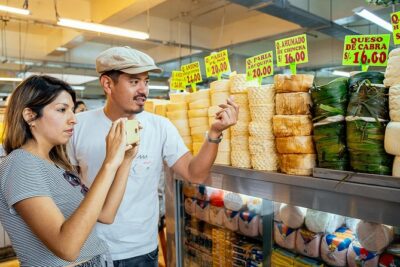
The 10 Tastings of Lima With Locals: Private Street Food Tour
Read our review →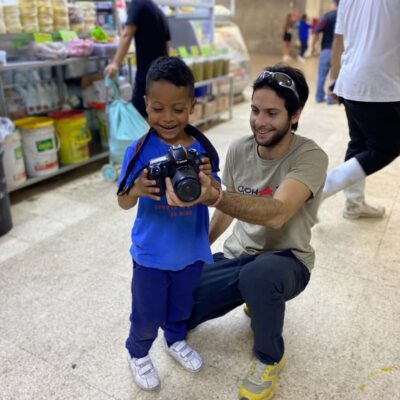
Lima Street Food: A gastronomic adventure through the city.
Read our review →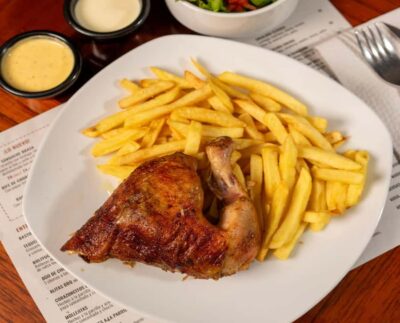
Lima: Street Food Tasting Tour with Pisco Sour Class
Read our review →The lists this tour appears in