
Review · PERU
Lima: Street Food Tasting Tour with Pisco Sour Class
Lima’s food story makes the most sense when you follow it from coast to market to plate. This six-hour tour begins at the Chorrillos fishing pier, moves through Surquillo Market and two well-known eateries, then finishes with sweets and a pisco sour lesson.
I like the private transport and hotel pickup, especially because the route reaches well beyond the usual Miraflores and Barranco circuit. I also like the range of tastes: ceviche, causa, Amazonian fruit, churros, picarones, and chicha morada all appear in one day. The main consideration is the price, $99 per person, which makes the most sense if you value a private group, a guide, transport, and many included tastings.
Key points to know before booking
- Six hours from coast to colonial center: The route links Chorrillos, Surquillo, and central Lima in one organized outing.
- A true food sampler: Expect causa limeña, a marine trio, exotic fruit, chicha morada, churros, pisco sour, and picarones.
- Two television-featured restaurants: La Huerta Chinen and Alto K Fish are included food stops.
- Private English-language guiding: Guides such as Gorki and Saul lead the experience, with pickup and drop-off included.
- History between meals: You walk past Lima’s main square, cathedral, Government Palace, San Francisco convent, colonial homes, and balconies.
- Come prepared to walk and taste: Comfortable shoes, sunscreen, and light clothing will make the day easier.
Why this tour works as a first taste of Lima
Lima can feel like several cities stitched together. The Pacific coast supplies the fish, the Andes send potatoes and chiles, and the Amazon contributes fruits that many visitors have never tried. This tour gives you a practical way to see those connections without spending your whole visit figuring out buses, taxis, and restaurant addresses.
I especially like the route because it does not treat Lima as only a colonial center or a polished restaurant district. You begin among marine products at Chorrillos, see produce at Surquillo, eat at casual local spots, and then walk through the historic core. Food is the thread holding the day together.
The private-group format also matters. You are not being moved through a large crowd with a fixed script. The guides listed for this experience include Gorki and Saul. Their roles include explaining Lima and Peru’s past, handling the city route, and guiding you through the food. Saul is specifically associated with a route that reaches beyond Miraflores and Barranco, while Gorki is noted for explaining local history in detail.
There is one catch: six hours is a long stretch for a food tour. You will be eating at several stops, walking through central Lima, and fitting in a drink lesson. If you prefer one slow restaurant meal, this will feel busy. If you want a broad introduction, the pace is useful.
More street food walks around the world:
- Dubai: Old Town, Creek, Museums, Souks, & Street Food Tour
★ 4.8 · 10,816 reviews - Ho Chi Minh City Street Food Tour & Sightseeing By Motorbike
★ 5.0 · 9,413 reviews - Medellin: Comuna 13 Graffiti Tour, Cable Car & Street Food
★ 4.8 · 9,046 reviews
Starting at Chorrillos Artisanal Fishing Pier
The opening stop puts Lima’s coastal identity first. Chorrillos Artisanal Fishing Pier is a trading point for marine products, so it provides context for the seafood that appears later in the day. Your guide explains the history of the pier before the route continues inland.
This is more than a quick photo stop. Peru’s international food reputation often centers on ceviche, and ceviche begins with the coast. Seeing a fishing pier before eating seafood gives you a clearer sense of where that part of the cuisine comes from.
The information provided does not promise a particular fish market purchase or a separate seafood tasting at the pier. Think of it as an introduction to Lima’s marine economy, followed by a more structured meal later at Alto K Fish.
The route begins with hotel pickup, and you are asked to wait in the lobby 10 minutes before the scheduled time. Since the tour covers several parts of Lima, having a private vehicle is a real advantage. One account of the experience specifically praises the private vehicle, timely hotel pickup, and safe driving through the city.
Surquillo Market and Peru’s edible map
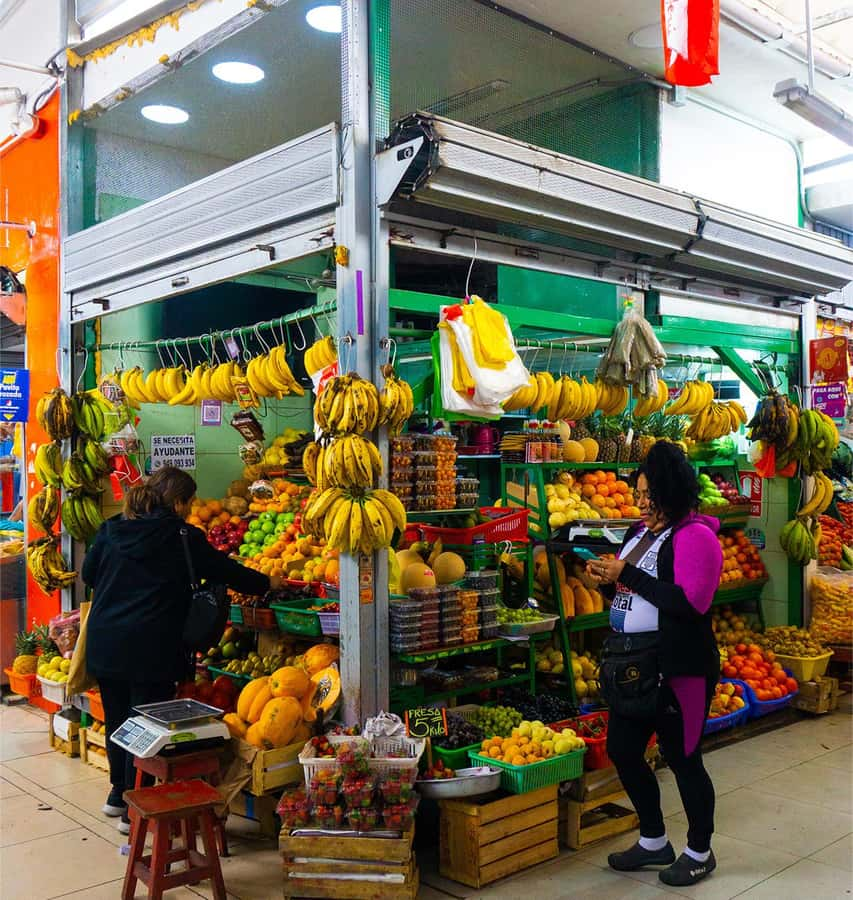
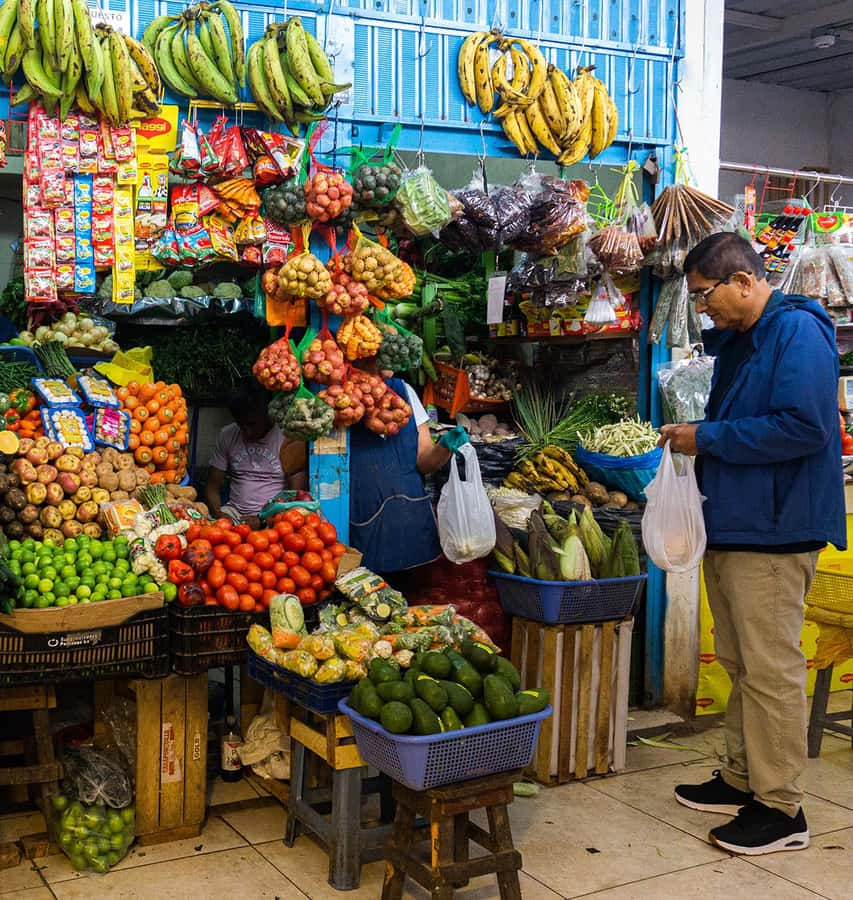
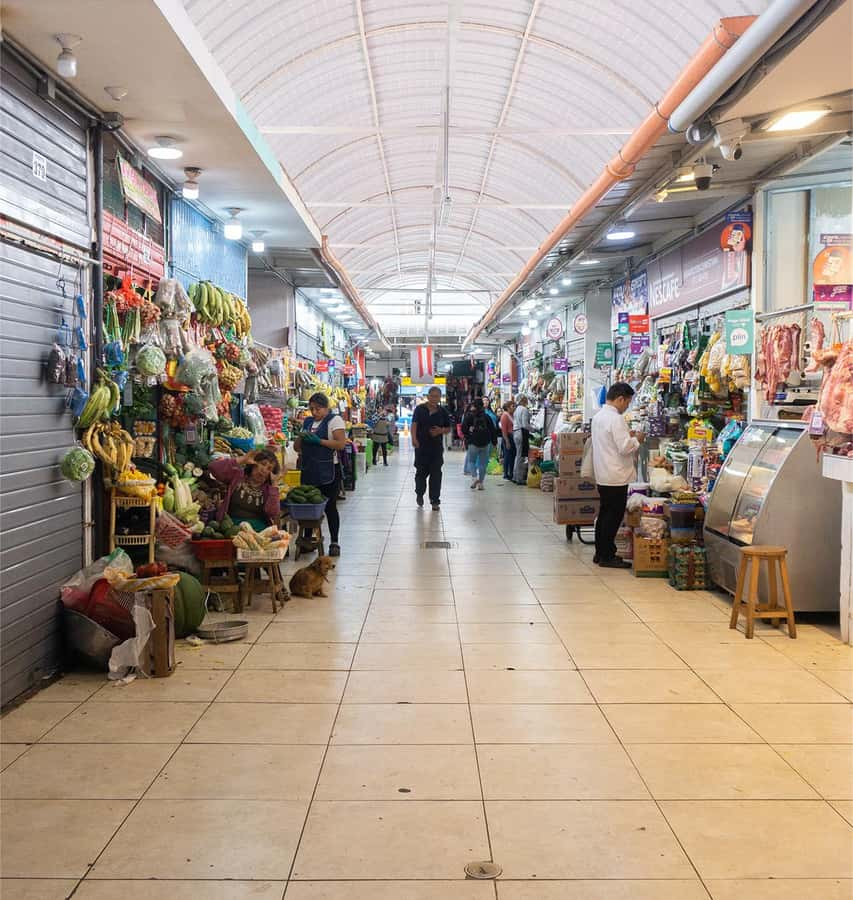
Surquillo Market is the day’s best stop for seeing how broad Peruvian cooking can be. The market sells food and spices every day, with products tied to the coast, Andes, and Amazon Rainforest.
You might see potatoes and chile peppers from high mountain areas, fresh fish and seafood from the coast, meats including alpaca and guinea pig, and unusual fruits from the Amazon. The exact stalls and displays can change, but the market’s purpose is clear: it shows Peru as a country with several food regions, not one single national flavor.
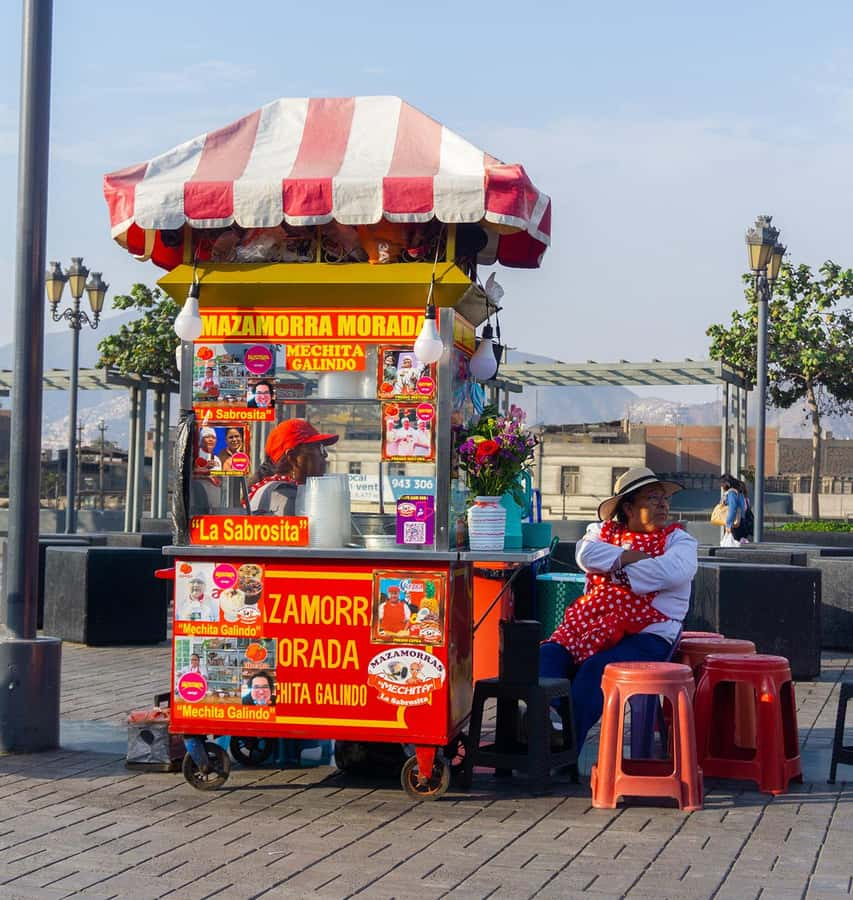
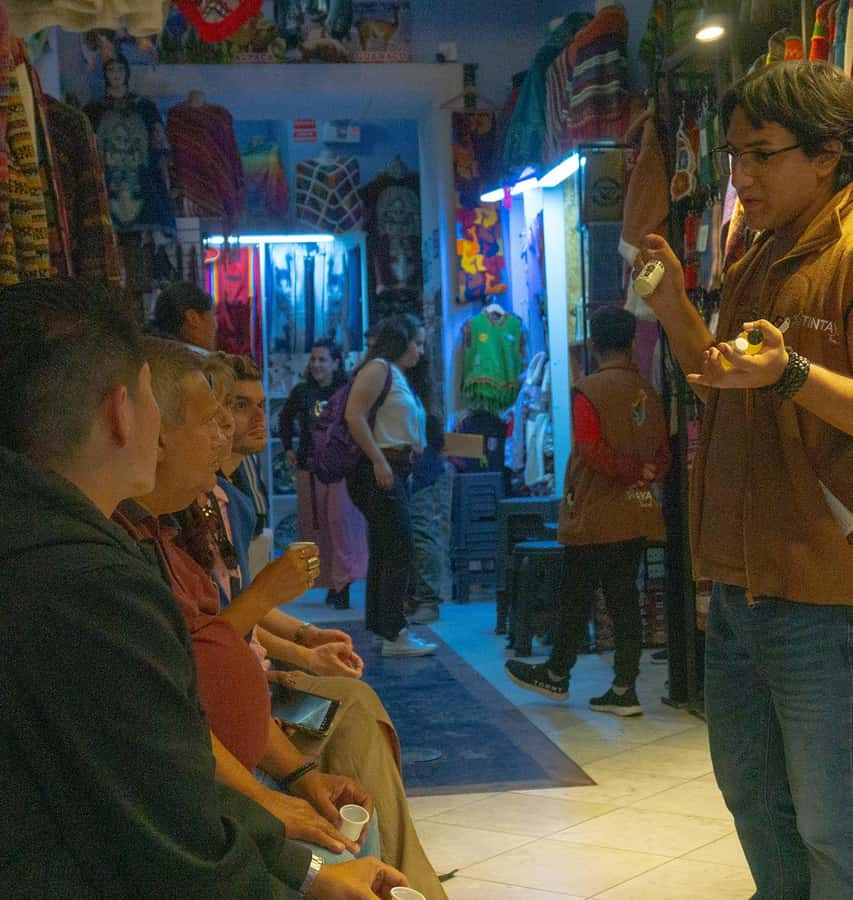
Your tasting includes cherimoya, granadilla, and tumbo. These fruits give you three different ways to think about sweetness and texture. You also try chicha morada, a purple corn drink with a deep color and a flavor that is familiar to Peruvians but new to many international visitors.
I like this stop because it is not only about eating something unusual. The guide can connect each ingredient to the area where it grows or to the way it appears in Peruvian cooking. That context is valuable when you later encounter potatoes, chiles, seafood, or fruit on restaurant menus.
Market conditions can be active, and this is one reason comfortable shoes and sensible clothing matter. You are visiting a working food market, not a quiet museum. Keep your attention on your guide and your belongings as you move through the displays.
Causa limeña at La Huerta Chinen
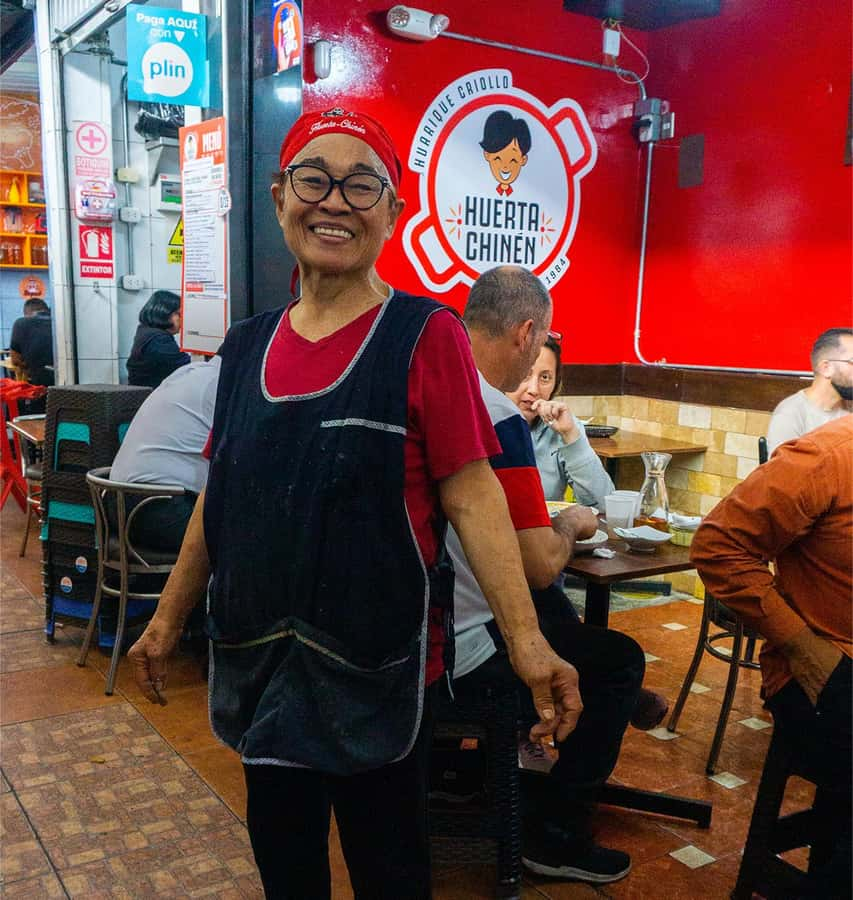
At La Huerta Chinen, the focus turns to Creole food and causa limeña. Causa is made from mashed yellow potatoes seasoned with lime and chile, then filled with chicken.
It is a good dish for understanding how Peru builds flavor from simple staples. The potato is soft and mild, while lime and chile bring brightness and heat. The chicken filling adds substance without making the dish heavy.
The stop is described as a fast-food restaurant, so do not expect a formal, extended dining room experience. That is part of the point. You are tasting a local favorite in a casual setting rather than being presented with a carefully staged fine-dining version.
For me, this is one of the more useful dishes on the route because it shows that Peruvian food is not limited to raw fish and dramatic sauces. Causa is filling, practical, and closely tied to the country’s enormous variety of potatoes.
Same streets, a different set of bites:
- Dubai: Old Town, Souks, Street Food, Guided Tour & Abra Ride
★ 4.9 · 7,170 reviews - Naples: Street Food Walking Tour with Local Guide
★ 4.9 · 4,976 reviews - Small Group Hanoi Street Food Tour with a Real Foodie
★ 5.0 · 4,682 reviews - Rome: Street Food Tour with Local Guide
★ 4.8 · 4,077 reviews
Alto K Fish and the marine trio
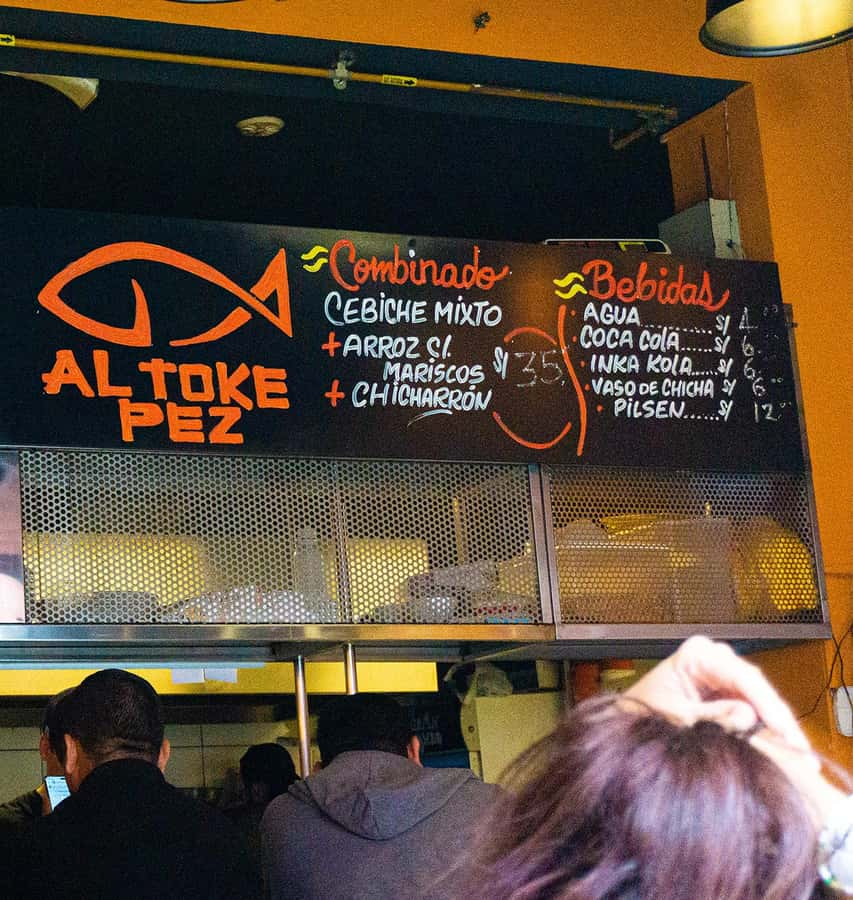
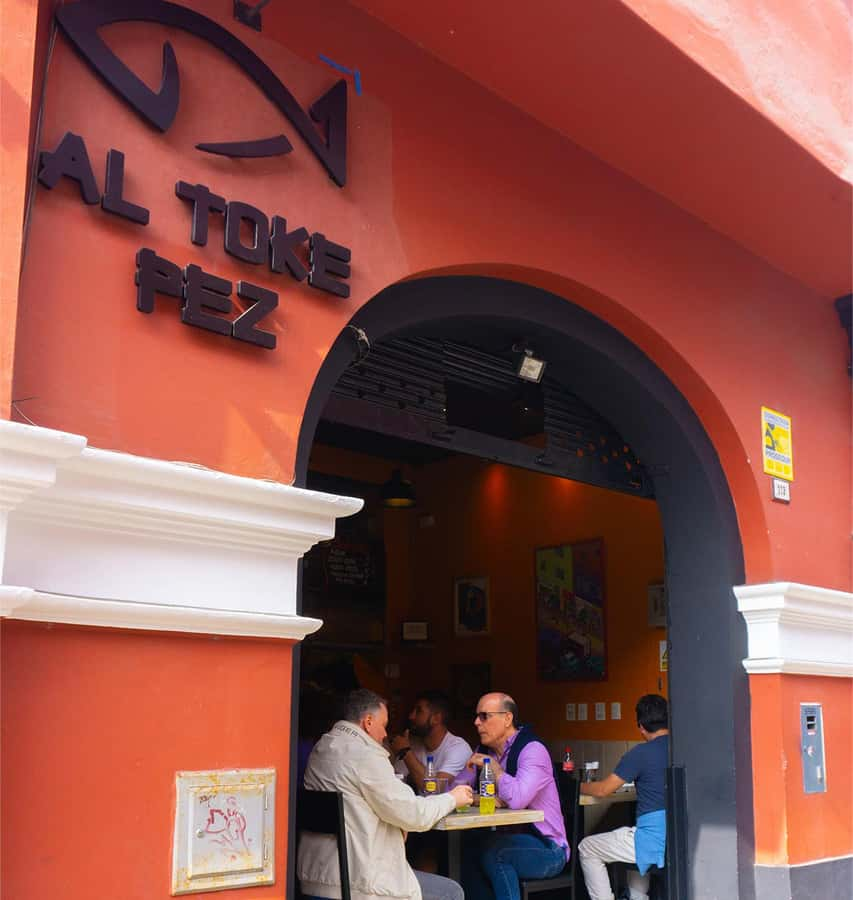
The seafood stop at Alto K Fish gives you three tastes on one plate: fish ceviche, rice with seafood, and squid pork rinds. The combination lets you compare fresh, acidic seafood with a warm rice dish and a crisp fried preparation.
Ceviche is the headline item, but the trio is more informative than ceviche alone. You get to see how seafood works in different textures and forms. The rice with seafood offers a heartier style, while the squid pork rinds bring crunch.
The exact preparation can vary, and the information does not specify which fish or seafood appears on the day. The important point is the contrast among the three dishes. If you enjoy seafood, this should be one of the strongest parts of the itinerary. If you do not eat seafood, you should ask about alternatives before booking, since the included tasting is specifically marine-focused.
Both La Huerta Chinen and Alto K Fish were featured on the program Street Food: Latin America. That detail may appeal to food television fans, but the bigger value is that the stops are casual restaurants with particular specialties rather than generic tasting counters.
Walking through central Lima after lunch
After the food stops, the tour shifts from market life to Lima’s historic center. You walk along old streets and see colonial balconies, churches, and houses. The route includes Lima’s main square, the cathedral, the Government Palace, and the convent of San Francisco.
The San Francisco Museum entry ticket is included, as is access to its catacombs. This gives the history portion a clear indoor attraction instead of leaving you with only an exterior walking tour.
The change of pace is welcome. After several tastings, walking through the center gives you time to digest, both literally and culturally. Lima’s colonial buildings also help explain why the city’s food culture developed in layers, with Indigenous, Spanish, African, Asian, and other influences shaping what is served today. The tour information does not promise a full lecture on every influence, so your guide’s explanations may vary, but the setting gives the subject a useful frame.
Central Lima can also be the most crowded and changeable part of the day. The route may be affected by public events or weather. One account of the experience included an unexpected cultural parade downtown, which shows how a city tour can pick up something extra when the streets are active. That kind of surprise cannot be scheduled, but the central route gives you a chance of seeing everyday public life rather than only prepared attractions.
Churros, pisco sour, and the sweet finish
The next food stop is Spanish-style churros filled with manjar blanco or pastry cream and finished with white sugar. They are a straightforward sweet, but the filling makes them more than a plain fried dough snack.
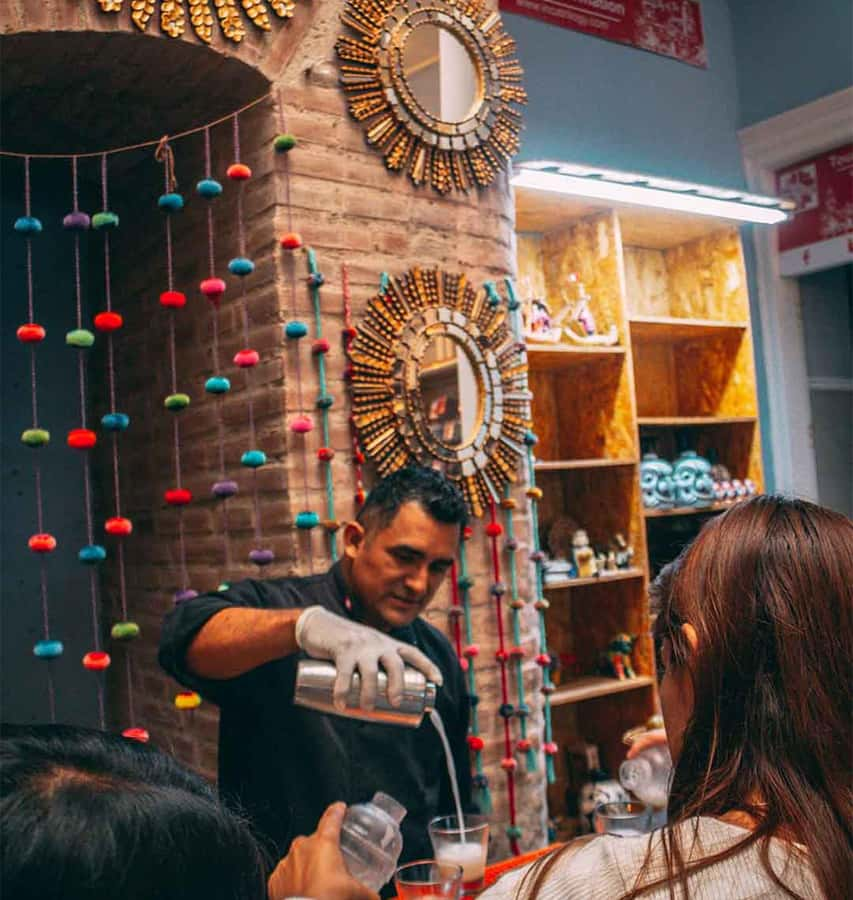
Then comes the hands-on pisco sour class at a local bar. Peru’s signature cocktail uses grape pisco, lime, syrup, egg whites, and Angostura bitters. You learn how the drink is made rather than simply receiving one at the end of the tour.
This is a strong part of the experience for anyone who wants a practical souvenir. You can remember the ingredients and method after returning home, unlike a dish that is difficult to recreate. The pisco sour also gives your guide a chance to explain a drink that is central to Peru’s food and social culture.
The tour does not state how many pisco sours you receive or how long the class lasts. You should also remember that the day includes several tastings, so pace yourself. The drink is part of a long food itinerary, not an isolated cocktail stop.
The final taste comes at Chabuca Granda Avenue, where you try picarones. These Peruvian doughnuts are made from sweet potato dough and served with honey. Their soft interior and sweet topping provide a local finish to a day that began with fish and market produce.
Picarones are especially useful as a final taste because they are recognizably related to doughnuts while still showing Peru’s own ingredients. Sweet potato changes the dough, and the honey gives it a distinct finish.
What the $99 price includes
At $99 per person, this is not a bargain-priced market walk. The price needs to be judged against what is bundled into the six hours: hotel pickup and drop-off, a private group, an English-speaking guide, transport between widely separated districts, the San Francisco Museum entry ticket, and a long list of tastings.
The included food covers fruit, chicha morada, causa, a seafood trio, churros, pisco sour, and picarones. If you bought each item separately and added private transportation and guiding, the total would likely be harder to control. More importantly, you would lose the structure linking the pier, market, restaurants, historic center, and bar.
I would consider the price fair for couples, families, or small groups that want a private day and do not want to arrange several stops themselves. It is less attractive if you are mainly looking for a single market visit or if you prefer to choose every restaurant on your own.
Private transport is one of the clearest reasons to pay more. Lima’s districts are spread out, and the route includes Chorrillos, Surquillo, and central Lima. The experience is designed to remove the friction between those places.
Who will enjoy this food tour most
I would recommend it to first-time visitors who want a broad introduction to Lima in one day. It suits people who want history and food together, rather than a tour devoted only to restaurants.
It is also a good fit for food-focused visitors who want to try items they may not recognize from a standard menu. Cherimoya, granadilla, tumbo, chicha morada, causa, picarones, and pisco sour all add variety.
Families may appreciate the private setting and the mix of sweet and savory stops, though the six-hour length and repeated eating may be tiring for younger children. The tour can also work well for anyone staying outside the central tourist districts, since pickup is included.
I would think twice if you have strict dietary restrictions, especially around seafood, dairy fillings, eggs, or alcohol. The included dishes are clearly defined, but the information does not confirm substitutions. Ask before booking if you need changes.
Wear comfortable shoes, use sunscreen, and choose comfortable clothing. The day combines walking, market visits, historic streets, restaurant stops, and transport. Bad weather can alter or cancel the tour, so keep some flexibility in your Lima schedule.
Should you book the Lima street food tour?
Book it if you want a private, well-covered introduction to Lima, with transport doing the hard work between neighborhoods. The combination of coastal products, market ingredients, casual restaurants, historic sights, sweets, and a pisco sour class gives you more range than a simple food crawl.
The strongest reasons are the private vehicle, the route beyond Miraflores and Barranco, and the guide-led explanations from people such as Gorki and Saul. The main reason to skip it is the price, especially if you prefer a slow meal or already know Lima’s food scene.
You can cancel up to 24 hours ahead for a full refund, and the reserve-now-pay-later option keeps your plans flexible. For a first visit, I would book this early in the trip. It gives you a useful map of Lima’s food culture, and you may spot dishes or markets worth returning to on your own.
FAQ
How long does the tour last?
The tour lasts six hours. Starting times depend on availability.
Is hotel pickup included?
Yes. Pickup and drop-off are included. You should wait in your hotel lobby 10 minutes before the scheduled pickup time.
Is the tour private?
Yes. The experience is offered as a private group tour.
What language does the guide speak?
The live tour guide speaks English.
What food is included?
Included tastings are exotic fruits, causa limeña, a marine trio, chicha morada, churros, pisco sour, and picarones.
What is the marine trio?
The marine trio includes fish ceviche, rice with seafood, and squid pork rinds.
Is the San Francisco Museum included?
Yes. The San Francisco Museum entry ticket is included, along with access to the convent and its catacombs as part of the visit.
Does the tour include a pisco sour class?
Yes. You visit a local bar for a lesson on making Peru’s signature pisco sour.
What should I bring?
Bring comfortable shoes, sunscreen, and comfortable clothing.
Can I cancel the booking?
You can cancel up to 24 hours in advance for a full refund. The tour may also be altered or canceled because of bad weather.
Newest street food walks around the world
- Old and New Delhi Street Food Sampling★ 5.0 · 3 reviews
- Old Delhi Cultural, Temples, Heritage Walking Street Food Tour★ 5.0 · 57 reviews
- Old Delhi Tour by Tuk-Tuk Street Food and Shopping Experience★ 5.0 · 12 reviews
- Customized Half Day and Full Day Delhi Shopping, Street Food Tour★ 5.0 · 52 reviews
- Delhi: Street Food Crawl (2 Hours Guided Food Tasting Tour)★ 3.5 · 18 reviews
- Taste Famous & Best Street Food of Old Delhi (Jama Masjid)★ 3.0 · 2 reviews
- Spice & Stories: 3-Hour Old Delhi Heritage Food Walk Guided Tour★ 4.5 · 36 reviews
- Old Delhi Street Food and Spice Market Tour★ 5.0 · 81 reviews
Peru street food tours, side by side.
Lima: Historic Center Street Food, Market, and Eateries Tour
Read our review →
The 10 Tastings of Lima With Locals: Private Street Food Tour
Read our review →
Lima Street Food: A gastronomic adventure through the city.
Read our review →
The lists this tour appears in