
Review · SINGAPORE
Street Food, Cultural & Historical Tour of 3 Ethnic Quarters
Singapore’s food story makes the most sense when you follow it through its neighborhoods. This six-hour tour links Chinatown, Little India and Kampong Glam, with market visits, hawker food, local drinks, old photographs and plenty of walking. Gerry, a Singapore-born Chinese Peranakan guide, leads the day with family roots reaching back to Fujian in 1910.
I like two things right away: the small group is limited to eight, so Gerry can answer questions and adjust the conversation, and the food is woven into the history rather than treated as a string of tastings. I also like the practical touch of using Singapore’s clean, efficient public transport between quarters.
The main consideration is stamina. You’ll walk about 6,000 steps, stand in markets, eat across several stops and spend six hours on the move. The tour also is not suitable for vegans, people with gluten intolerance, mobility impairments, or those with low fitness.
Key points to know before booking
- Three historic ethnic quarters: Visit Chinatown, Little India and Kampong Glam in one connected day.
- Gerry’s local perspective: His Chinese Peranakan background and family history add personal context to Singapore’s past.
- Food is included: Expect local meals, snacks, drinks, beer and dessert, with some food connected to Michelin-listed places.
- Markets are part of the lesson: See seafood, meat, produce, spices, textiles and clothing before tasting the finished food.
- Public transport matters: Short rides between districts make the day feel like local life, not a coach excursion.
- A full half-day commitment: Plan for walking, heat, market smells, crowded food spaces and generous portions.
Why this tour works as a first taste of Singapore
Singapore can look polished and modern at first glance. Glass towers, spotless stations and carefully planned streets tell only part of the story. This tour helps you see the immigrant communities, small traders and food traditions behind the modern city.
The three quarters were established under British colonial planning in 1822. That arrangement shaped where Chinese, Indian and Malay communities lived and worked, but the neighborhoods are not frozen museum pieces. Markets, religious buildings, restaurants, textile shops and food stalls still give them daily purpose.
Gerry uses old photographs to explain that change. You’ll hear about the hardships faced by earlier immigrants, then connect those stories to later government policies and Singapore’s changing way of life. This is useful context because it keeps the tour from becoming a simple checklist of temples, street art and snacks.
I especially like that the experience gives you access to people and places beyond grand attractions. You may meet hawkers, traders and small-business owners while moving through the markets. The focus is on working neighborhoods and family-run businesses, not just photo stops.
The tour has earned a perfect 5 rating from 23 bookings, and the strongest praise centers on Gerry’s humor, food choices, personal care and ability to make the day feel relaxed. That combination matters. Six hours of eating and history could feel heavy, but a lively guide can keep the pace friendly.
Food walks with the history told around Singapore:
- Chinatown Heritage Walk & Street Food Tasting (Small Group)
★ 5.0 · 16 reviews - Palermo: Street Food and History Walking Tour
★ 4.9 · 1,486 reviews - Walking Tour and street food Tour Palermo / History and Food
★ 5.0 · 386 reviews
Chinatown: food, faith and the old immigrant city
The Chinatown section lasts about an hour and brings together a hawker centre, a Buddhist temple and street market stalls. It is a compact introduction to the tour’s method: look, listen, taste, then connect the place to an older chapter of Singapore.
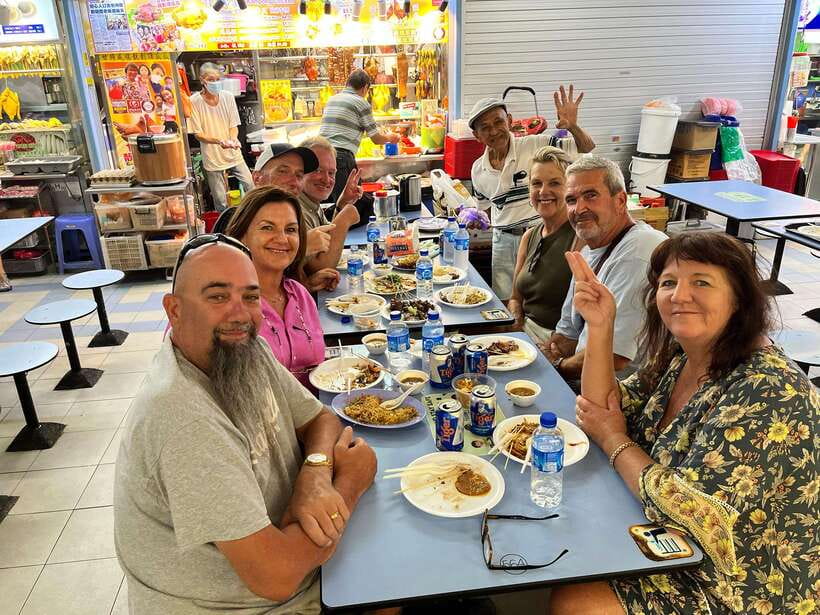
At the hawker centre, you’ll try local Chinese food and drink. Singapore’s hawker centres are UNESCO-inscribed cultural spaces, and their importance goes beyond cheap meals. They are places where cooking skills, family businesses and everyday social life meet.
The included food is one of the tour’s strongest practical advantages. You are not left to guess what to order or worry about choosing a dish you cannot identify. Gerry explains what you are eating and ties it to the district’s Chinese food culture.
The Chinatown walk also reaches into less comfortable history. Gerry discusses the old Street of the Dead, red lanterns and private chambers, and former opium dens. These subjects show the difficult conditions faced by immigrants and the social problems that grew around crowded quarters and limited opportunities.
The Buddhist temple adds another layer. You will have time to see the building as part of the neighborhood rather than treating it as an isolated attraction. The combination of worship, food and commerce helps explain why Chinatown remains a living district.
The drawback is time. One hour passes quickly, especially when food, photographs and historical stories compete for attention. You should expect an introduction rather than a detailed study of every temple, lane and market stall.
Little India: markets, spices and a generous meal
After Chinatown, the group uses public transport for about 10 minutes to reach Little India. The ride is short, but it is an important part of the design. You see how easily Singapore’s districts connect, and you travel as residents do instead of watching the city through a tour vehicle window.
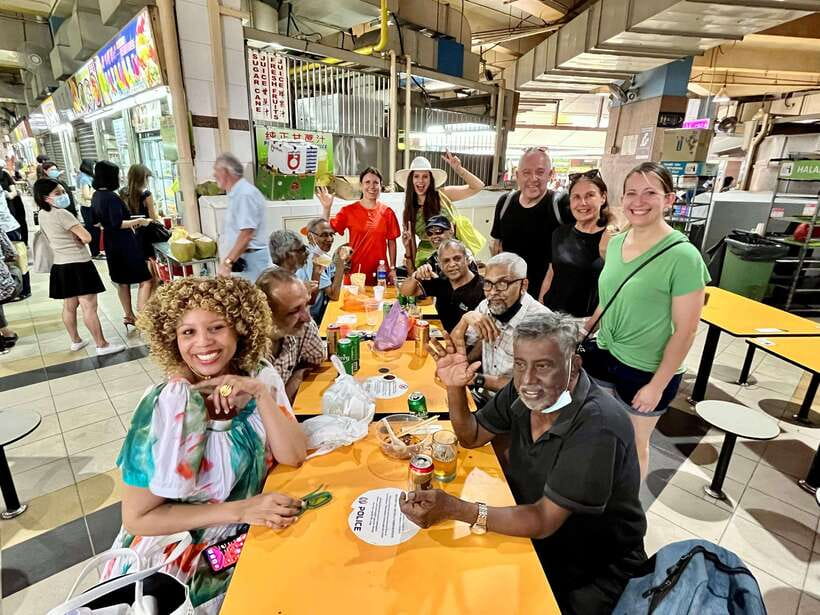
Little India brings a different set of smells, colors and working traditions. You’ll visit wet and dry produce markets with seafood, meat, fruit, vegetables and spices. These stops help you understand the food on your plate because you see the ingredients and the trade behind them.
The markets may be lively and crowded, with strong smells and wet floors in the produce areas. Wear shoes with a good grip and clothing you can walk in comfortably. This is not a polished food hall, and that is part of its value.
You’ll also see Indian clothing stalls and other local street stalls. These shops show that Little India is more than a restaurant district. It is a place where people shop for food, clothing and household needs, with traditions that continue through ordinary daily business.
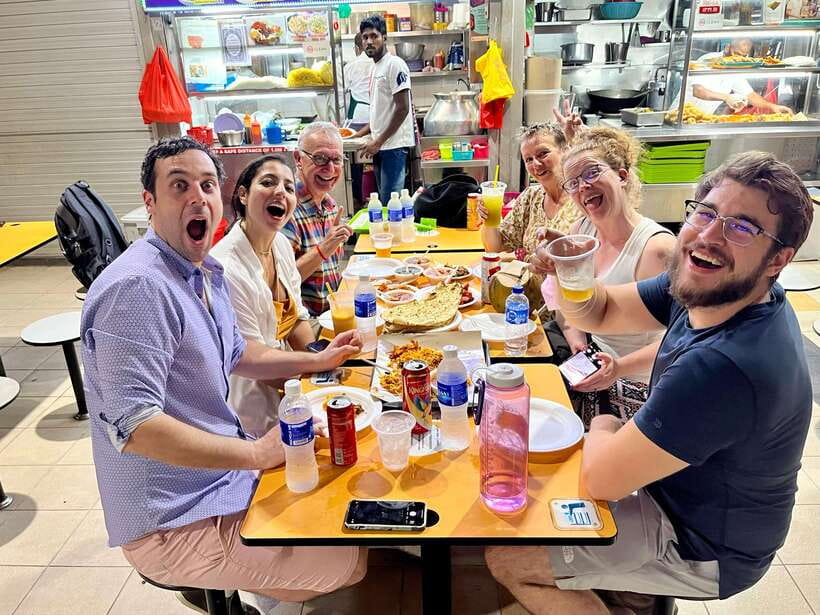
The food portion includes a family-run eatery serving local Indian and Malay food and drink. Beer, coffee, tea, regional food and local snacks are part of the day, so you should arrive hungry. One useful tip from the experience: you probably do not need a large breakfast before meeting the group.
The amount of food is generous. That is good value at $148, but it also means you may need to pace yourself. Do not rush the first tastings just because they are small. The meal develops across the day, and dessert still comes later in Kampong Glam.
Gerry’s style is a major asset here. He uses stories and pictures to explain how the neighborhood changed, and he answers questions as the group moves. Past participants have singled out his sense of humor and the way he makes the day feel like walking around Singapore with a friend.
Kampong Glam: textiles, Haji Lane and a sweet finish
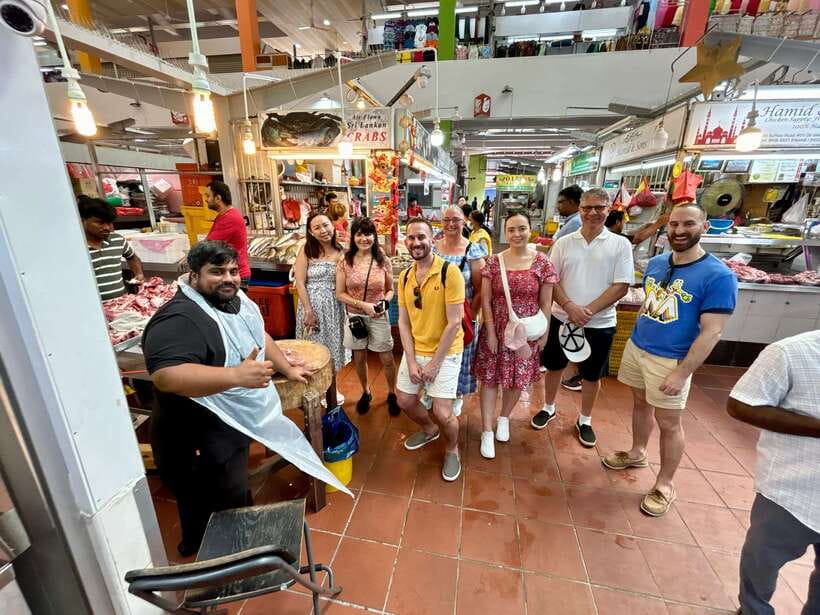
A second 10-minute public transport ride takes you to Kampong Glam, the Malay quarter. This part of the day lasts about an hour and a half, making it the longest neighborhood visit.
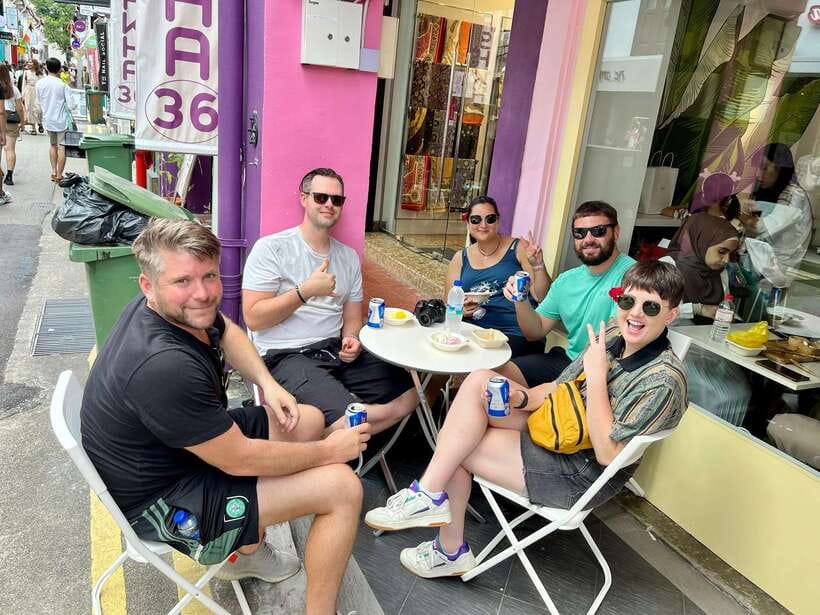
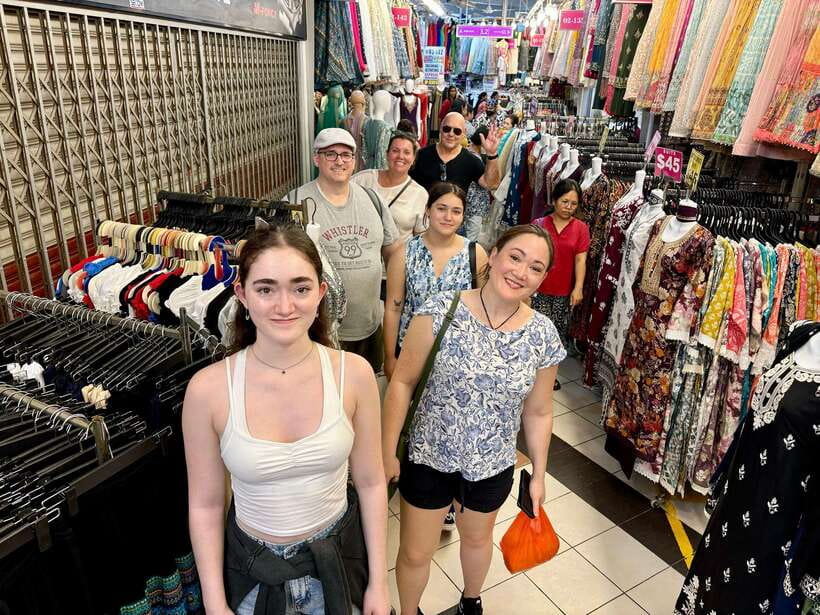
You’ll see Haji Lane, known for its colorful street art and independent shops, then walk through nearby streets with graffiti walls and textile shops on Arab Street. The area has a distinct visual character, but Gerry’s explanations keep the visit from becoming only a street-art photo opportunity.
The tour introduces Singapore’s first Sultan Mosque. This connects Kampong Glam to the Malay and Muslim communities that shaped the district. You’ll also hear about the old shophouse accommodation once used by Muslim pilgrims in the 19th century.
Dessert is served in that old shophouse setting. It is a fitting ending because the building links food, faith, travel and migration. You get a final taste while standing in a place that carried people through Singapore on a longer religious journey.
One fair criticism is that the last neighborhood may offer less savory food than the first two. The included sweet course is enjoyable, but if you prefer a full meal at every stop, manage your expectations. The day is designed as a broad food trail, not three separate restaurant meals.
Kampong Glam is also where you may feel the strongest contrast between older buildings and newer retail. That contrast is useful. Singapore’s historic quarters survive partly because they continue to change, and the tour helps you see that preservation and modern commerce share the same streets.
More street food walks around Singapore:
- Small Group: Michelin and Local Hawker Food Tour with 9 tastings
★ 5.0 · 1,890 reviews - Small Group: Singapore Street Food & Night Tour with 9 tastings
★ 5.0 · 1,240 reviews - Singapore: UNESCO Street Food & Cultural Experience
★ 5.0 · 524 reviews - Small-Group Food Tour With Hawker Center: Eat Like A Local
★ 5.0 · 420 reviews
Gerry’s storytelling and the value of local context
Gerry is the guide who gives the tour its shape. He was born in Singapore six years after independence in 1965, and his Chinese Peranakan family history reaches back to great grandparents who arrived from Fujian in 1910.
That background does not make the tour a family-history talk. Instead, it gives him a personal connection to the larger story of migration and settlement. He uses old images, local knowledge and humor to explain how Singapore moved from 19th-century immigrant hardship to the organized modern city you see now.
I value the pictures because they make historical change easier to grasp. A date or policy can feel abstract, while an old image of a street, building or market shows what has actually disappeared or survived.
Gerry also cares about small businesses. The tour directs spending toward hawkers, traders and family eateries, rather than concentrating only on major attractions. That gives you a more grounded view of the city and lets your meal support the people who keep these traditions going.
Several elements suggest strong attention to practical care. Pickup and drop-off can be arranged for some city-area hotels, and Gerry can advise on a meeting point at the first stop or a nearby MRT station. He also helps with transport between neighborhoods, which removes much of the stress of navigating an unfamiliar city.
Food, drinks and the $148 price
At $148 per person, this is not Singapore’s cheapest way to eat. You can find inexpensive hawker meals on your own. The price makes more sense when you count the six hours, the food and drink, beer, public transport tickets, guided visits and the depth of local explanation.
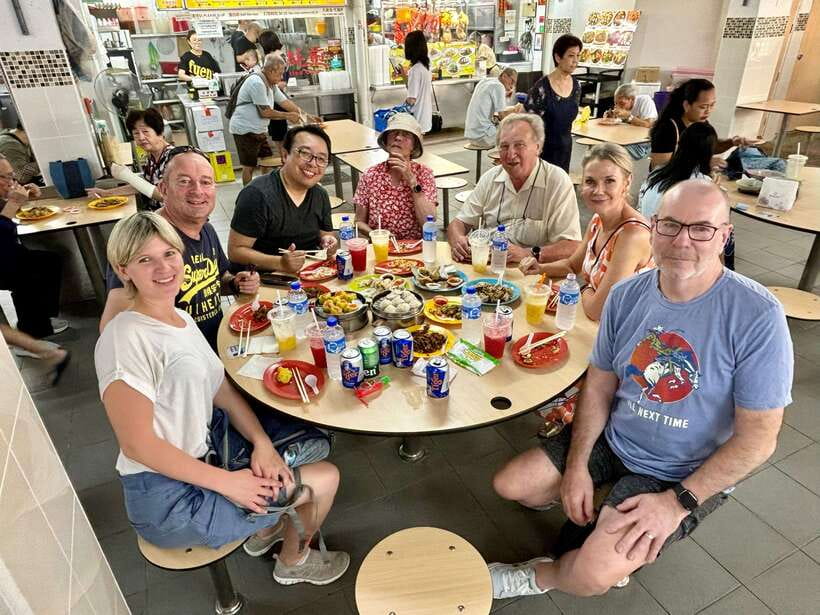
The tour includes enough food to replace breakfast and lunch for many people. You’ll sample dishes and drinks in Chinatown, Little India and Kampong Glam, with some food linked to Michelin-listed places. The exact dishes can vary, so you should think of the meal as a broad tasting rather than a fixed restaurant menu.
The drinks are part of the value. Coffee, tea, beer, welcome refreshments and other local drinks are included where listed in the schedule. If you do not drink alcohol, the food and nonalcoholic choices still make up much of the experience, but you should not expect a discount.
I would book this for the context as much as the food. If you already know Singapore’s hawker scene and feel comfortable ordering across different neighborhoods, a self-guided day will cost less. If you want someone to explain what you are seeing, choose dishes for you and keep the day organized, the price is easier to justify.
The group size also matters. With no more than eight people, you get more access to the guide than on a large coach outing. Gerry can handle questions, check that everyone is keeping up and explain unfamiliar food without turning the day into a formal lecture.
Getting ready for six hours on foot
Wear comfortable shoes and light, comfortable clothing. The tour covers about 6,000 steps, and the markets require walking and standing. Singapore’s heat and humidity can make a moderate distance feel longer, so pace yourself and take advantage of the food and drink breaks.
Leave large luggage at your hotel. Oversize bags, large luggage, baby strollers, mobility scooters, non-folding wheelchairs, walking frames and similar items are not allowed. The transport and market portions work best when you carry only what you need.
This experience is not suitable for pregnant women, people with back problems, vertigo, respiratory issues, mobility impairments or low fitness. It is also not suitable for wheelchair users, babies under one year, vegans or people with gluten intolerance.
Those food restrictions are important. The experience is built around a wide range of local dishes and drinks, so it is not a good match if you need a strictly vegan or gluten-free plan. Ask about your own needs before booking if you are unsure.
The meeting point can be City Hall MRT or Raffles City, with drop-off at the same general area. City-area hotel pickup and drop-off may be available, but it depends on location. You can also meet at the first stop in Chinatown or Little India, or at a nearby MRT station once the meeting details are confirmed.
Free cancellation is available up to 24 hours before the start, and you can reserve now and pay later. That flexibility is useful when your Singapore plans are still shifting.
Who should book this Singapore food tour?
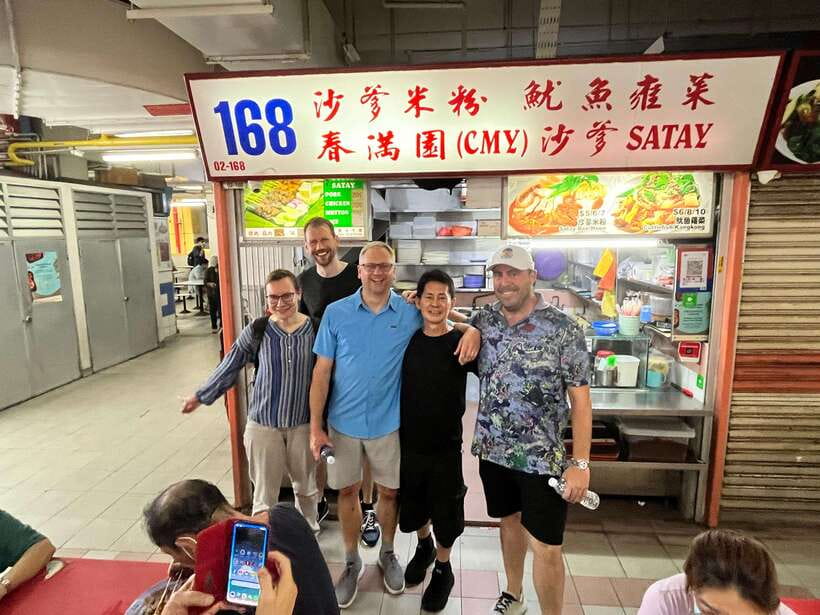
I would recommend it to first-time visitors who want a clear introduction to Singapore’s Chinese, Indian and Malay communities. It suits people who prefer stories and human contact over a long list of monuments.
It is also a good choice for food lovers who want help ordering and tasting local dishes. Families with older children can enjoy it too. A 15-year-old joined one successful outing, and the mix of food, pictures, transport and stories gives younger visitors plenty to follow.
It may be less suitable for someone who wants a slow, quiet museum day. The schedule moves between three districts, and the markets can be noisy, crowded and full of strong aromas. It is also not ideal if you want to choose every meal yourself or avoid unfamiliar ingredients.
Should you book it?
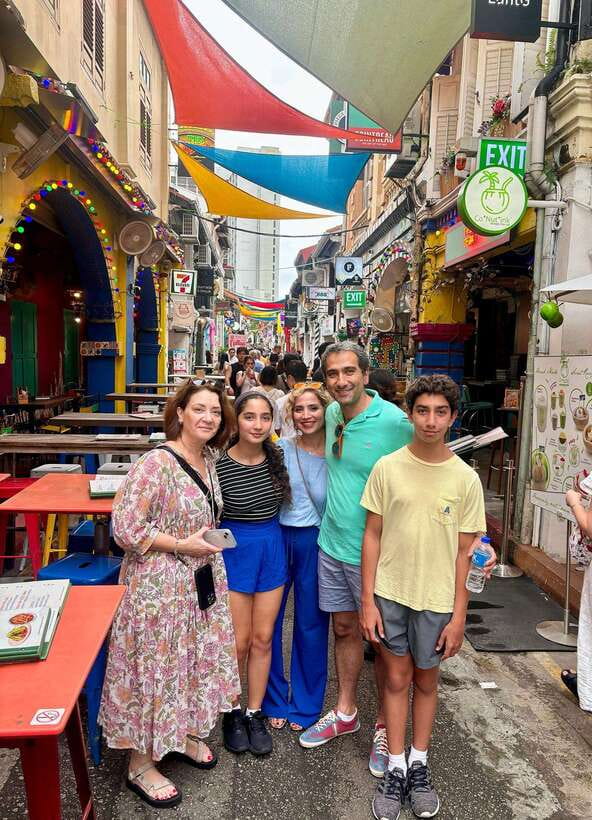
Book this tour if you want Singapore explained through food, markets, migration and local businesses. Gerry’s humor, old photographs and personal connection add something a map and restaurant list cannot provide.
Skip it if you need a fully accessible route, have serious food restrictions, or prefer a short tasting rather than a six-hour outing. For everyone else, the combination of included food, transport, three ethnic quarters and a group of no more than eight makes the $148 price reasonable, especially at the start of a Singapore visit.
FAQ
How long does the tour last?
The experience lasts six hours, including food tastings, neighborhood walks, historical explanations and public transport between the three quarters.
Which neighborhoods does the tour visit?
It visits Chinatown, Little India and Kampong Glam, Singapore’s Chinese, Indian and Malay quarters.
Is food and drink included?
Yes. Food, local drinks, beer, coffee, tea, snacks, dessert and public transport tickets are included as part of the experience. Souvenirs and personal purchases are not included.
How large is the group?
The tour is limited to eight participants and is led in English by Gerry.
Where does the tour begin and end?
The listed pickup choices are City Hall MRT and Raffles City. City-area hotel pickup and drop-off may be available depending on location. You can also meet at the first stop or a nearby MRT station after confirming details.
Is the tour suitable for people with mobility or dietary restrictions?
No. It is not suitable for wheelchair users, people with mobility impairments, people with back problems, vertigo, respiratory issues or low fitness. It is also not suitable for vegans or people with gluten intolerance.
Newest street food walks around Singapore
- Singapore: Local Street Food Tasting Tour★ 4.8 · 36 reviews
- Singapore: Lau Pa Sat Night Street Food with Marina Bay Walk★ 4.4 · 4 reviews
- Singapore Limousine Van Tour: ️ Shopping & Street Food Trail★ 5.0 · 2 reviews
- Singapore: Street Food & Ethnic Quarters Kick Scooter Tour★ 5.0 · 10 reviews
- Singapore: Chinatown Street Food Tour★ 5.0 · 3 reviews
- Singapore: Hawker Culture Food Tour and Sightseeing★ 4.8 · 23 reviews
- Singapore: Chinatown Hawker Guided 8-Dish Tasting Tour★ 4.9 · 41 reviews
- Singapore: Chinatown Hawker Food Tour with 7 Food Tastings★ 4.8 · 20 reviews
Singapore street food tours, side by side.
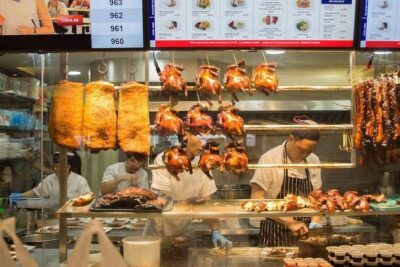
Small Group: Michelin and Local Hawker Food Tour with 9 tastings
Read our review →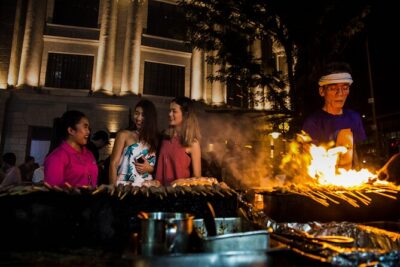
Small Group: Singapore Street Food & Night Tour with 9 tastings
Read our review →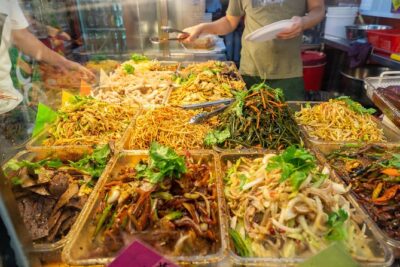
Singapore: UNESCO Street Food & Cultural Experience
Read our review →
Small-Group Food Tour With Hawker Center: Eat Like A Local
Read our review →
Singapore: Local Hawker Food Tour with Tastings
Read our review →
Singapore Street Food Tour with a Local: A Feast for Foodies 100% Personalized
Read our review →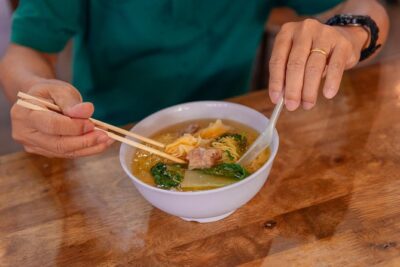
A Taste of Singapore: Hawker Center Private Customized Food Tour
Read our review →The lists this tour appears in