
Review · SINGAPORE
Singapore: UNESCO Street Food & Cultural Experience
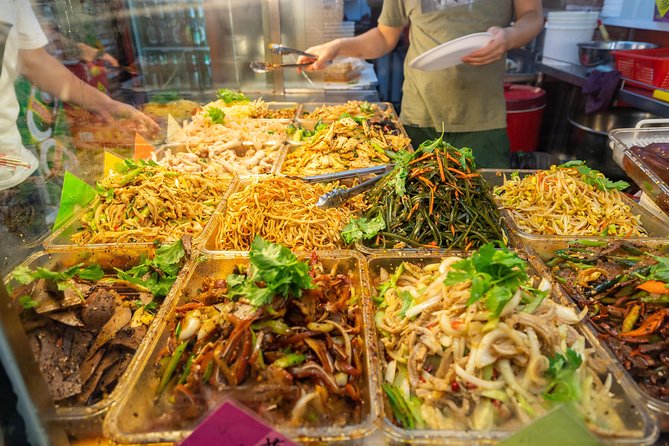
Singapore’s food culture makes the best introduction to the city. This five-and-a-half-hour tour links Chinatown, Kampong Glam, and Little India through hawker dishes, neighborhood walks, and Singapore’s MRT and bus system. Guide Gerry brings old photographs, personal stories, and a clear sense of how food connects the city’s communities.
I like two things right away: you get a useful lesson in local public transportation, and you eat enough food to replace breakfast and likely lunch. I also like the small group size, capped at eight, which makes it easier to ask questions and keep the day personal.
The main caution is food flexibility. The tour is not recommended for vegetarians, people with food allergies, or travelers with dietary restrictions, and the experience can be compromised if you cannot sample a broad range of dishes. The walking and transit also call for moderate fitness.
Key points to know before booking
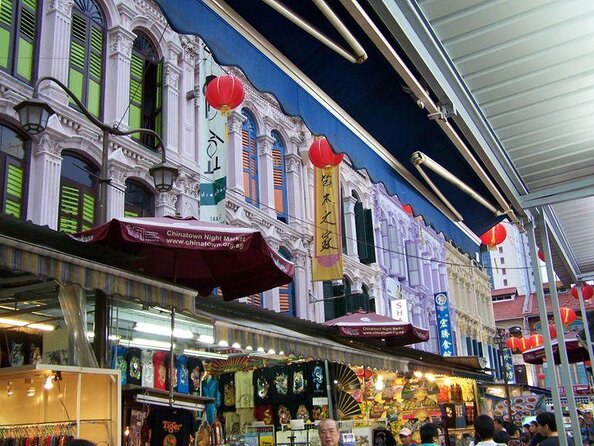
- Three neighborhoods in one morning: Chinatown, Kampong Glam, and Little India each reveal a different part of Singapore’s cultural story.
- Hawker food is the main event: Tastings draw from Chinese, Malay, Indonesian, and Indian food traditions, with generous portions at local stalls.
- Gerry is a major part of the experience: Expect history, personal stories, old photographs, and practical help with Singapore’s train and bus networks.
- Small groups keep things relaxed: The tour accepts a minimum of two people and a maximum of eight.
- Come hungry and wear sensible shoes: The day combines walking, standing, eating, and rides on public transportation.
- Hotel transport may be available: Pickup and drop-off depend on your location, so check this before assuming door-to-door service.
A food-first introduction to Singapore
At $161.62 per person, this is not a cheap way to eat in Singapore. Hawker food itself is inexpensive. The price pays for something broader: a guide, transport guidance, several tastings, drinks, neighborhood walks, and a five-and-a-half-hour orientation to a city that can feel confusing on a first visit.
That value improves if you have only a short stay. Some people book this tour during a one-and-a-half-day visit or a brief layover, using it to see three districts and learn how to get around before exploring alone.
You also receive more than a parade of dishes. Gerry uses food to explain Singapore’s Chinese, Malay, Indian, and Indonesian influences. The result is a meal with context. You learn why hawker centers matter, how neighborhoods changed, and how Singapore’s identity grew from several communities living side by side.
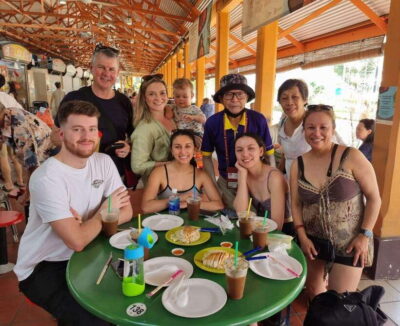
The food is served in a generous, shared style. You might taste several dishes at each food stop rather than receive one tidy plate. That is useful if you want variety, but less useful if you prefer a quick, light breakfast. One practical tip comes through clearly: skip breakfast or eat very lightly before meeting the group.
More street food walks around Singapore:
- Small Group: Michelin and Local Hawker Food Tour with 9 tastings
★ 5.0 · 1,890 reviews - Small Group: Singapore Street Food & Night Tour with 9 tastings
★ 5.0 · 1,240 reviews - Small-Group Food Tour With Hawker Center: Eat Like A Local
★ 5.0 · 420 reviews
Chinatown: where hawker culture takes center stage
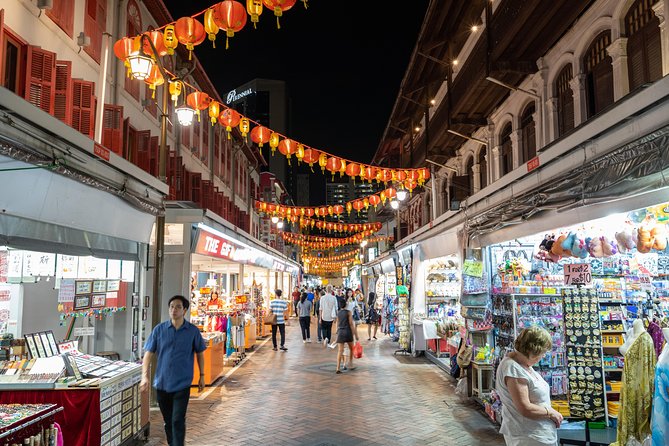
The tour begins in Chinatown, with roughly 1 hour and 10 minutes set aside for the neighborhood. This is one of the strongest parts of the morning because the area links street food, migration, religion, commerce, and daily life in a compact setting.
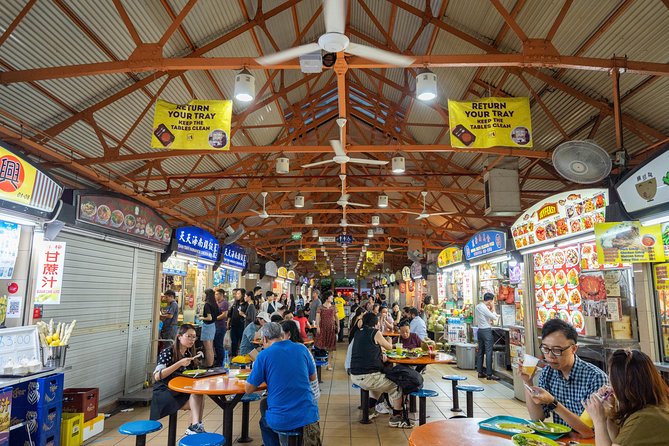
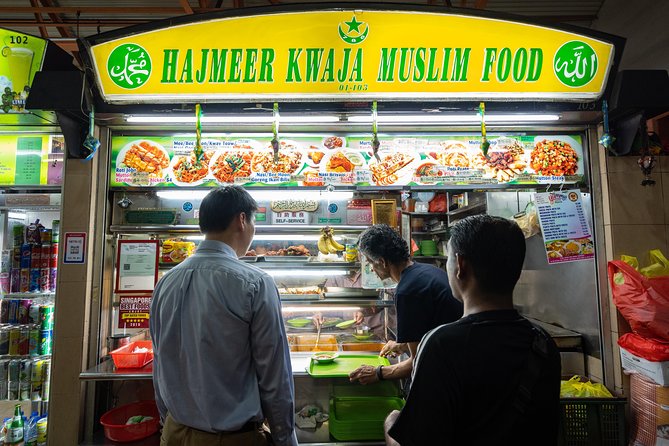
The food experience includes a UNESCO-inscribed hawker center in Chinatown. Hawker centers are not fancy restaurants. They are shared public eating halls filled with independent stalls, each focused on a small menu. Gerry handles the ordering and explains what you are eating, which matters when unfamiliar names and sauces begin arriving at the table.
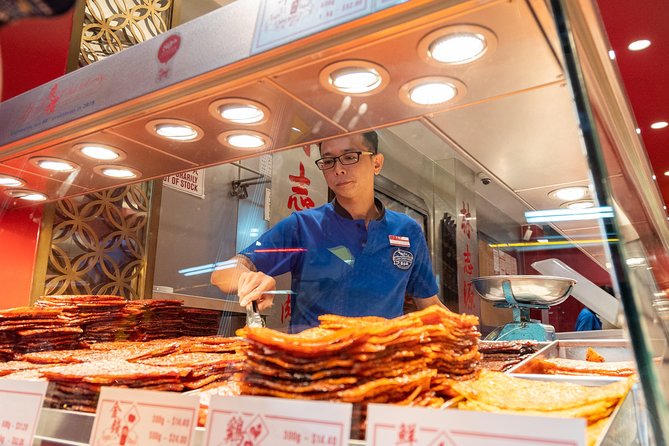
Expect food inspired by Chinese and Southeast Asian cooking. The exact dishes can vary, but the stated mix includes local favorites connected to Chinese, Malay, and Indonesian traditions. Portions are generous, so you may taste more than you can finish.
That abundance is part of the tour’s character. This is not a single signature dish followed by a short walk. It is a sampling session designed to show range. If you are curious about Singaporean food but do not know where to start, that takes pressure off you.
Chinatown also gives Gerry room to explain Singapore’s past and present. He uses historical photographs and stories to show how the neighborhood has changed. Several people who took the tour later returned to two of the food stops on their own, which is a good sign that the experience gives you practical places to revisit.
Kampong Glam: Malay and Muslim Singapore
The second neighborhood is Kampong Glam, also spelled Kampong Gelam in some tour information. Plan on about 1 hour and 10 minutes here.
This district adds a different set of cultural references to the day. The tour presents Kampong Glam as part of Singapore’s Malay and Muslim heritage, and the food helps you see how that tradition fits into the city’s larger cooking culture.
You are not simply driven from one restaurant to another. Walking through the neighborhood is part of the point. Gerry explains the area’s customs, communities, and changes while connecting them to the dishes served along the way.
This is also where the tour’s small size helps. Eight is the maximum, and the minimum booking is two people. A group of that size can gather around food, move through streets, and talk with Gerry without the awkward feel of a large coach excursion.
Kampong Glam is reached using Singapore’s public transportation system during the tour, either by MRT or bus, with guidance along the way. I consider this one of the smartest features. You do not just see a neighborhood through a vehicle window. You learn enough about the network to use it later, which can save money and time for the rest of your visit.
Little India: food, faith, and a second UNESCO food stop
Little India is the third neighborhood, with another approximate 1 hour and 10 minutes allocated to the area. It brings the Indian side of Singapore’s cultural story into the tour and gives the morning a useful contrast with Chinatown and Kampong Glam.
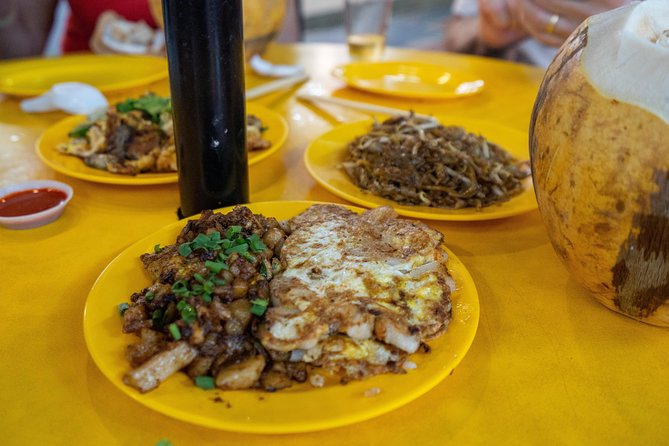
The tour includes a street food experience at a UNESCO-inscribed hawker center in Chinatown and Little India. This makes Little India more than a photo stop. Food remains central, and Gerry uses local dishes to explain the connections between Indian cooking and Singapore’s wider food culture.
You can expect another round of tastings, along with coffee or tea and other drinks included in the experience. Beer is also included, though the stated alcoholic option is beer only. Bottled water, soda, and nonalcoholic drinks are part of the package as well.
Little India can be a tiring stop if you arrive hungry, hot, and unprepared for a morning of walking. Gerry is described as balancing walking with sitting time, which helps, but this is still an active food tour rather than a seated tasting menu. Comfortable shoes and a moderate level of fitness are sensible.
The three neighborhoods work well together because each adds a new layer. Chinatown focuses strongly on Chinese heritage and hawker life. Kampong Glam broadens the picture through Malay and Muslim culture. Little India completes the trio with Indian traditions and another food-centered view of Singapore.
Same streets, a different set of bites:
- Singapore: Guided Street Food Tour at Night
★ 4.5 · 393 reviews - Singapore: Local Hawker Food Tour with Tastings
★ 4.7 · 181 reviews - Singapore Street Food Tour with a Local: A Feast for Foodies 100% Personalized
★ 5.0 · 169 reviews - A Taste of Singapore: Hawker Center Private Customized Food Tour
★ 4.5 · 106 reviews
Gerry’s guiding style and the human side of the tour
Gerry is the named guide associated with the experience, and he appears to be central to its appeal. His approach combines local history, personal memories, old photographs, food explanations, and practical city advice.
I like that he does not treat the dishes as isolated samples. He uses them to explain Singapore itself. You may hear about the island’s changes over the last century, the customs of different communities, and the effort to keep local culture alive.
His communication before the tour is also described as attentive, with help available before, during, and after the outing. That matters if you are arranging hotel pickup, meeting the group in an unfamiliar district, or trying to fit the experience into a short stopover.
Another thoughtful touch is the handling of extra food. One account describes Gerry donating uneaten portions to hawker-center cleaning workers rather than letting food go to waste. That detail fits the tour’s practical, community-minded tone.
The experience can feel social without being overly formal. You eat with a small group, ask questions as you go, and spend much of the day in conversation. If you want a quiet, self-guided morning, this is not the right format. If you want a local host to explain what you are seeing, it is a strong fit.
Transport is part of the lesson
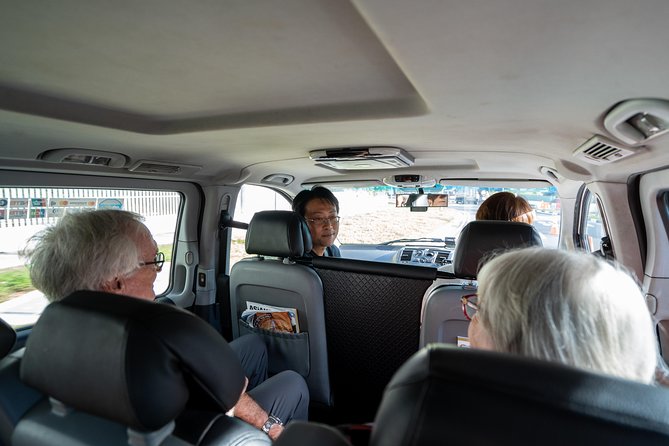
Hotel pickup and drop-off are offered, subject to location. Do not assume every hotel qualifies. Confirm the arrangement when you book.
Even if pickup is available, the tour itself uses the MRT, public buses, or both. Gerry explains how the system works, which turns a necessary transfer into useful travel training. Singapore’s transit network can carry you across the city quickly, but first-time visitors still benefit from seeing how to use it with a local guide.
Some outings end back at the meeting point, while one account describes a different drop-off destination arranged by Gerry. Do not count on a custom end point unless it is confirmed in advance. The official end point is back at the meeting point.
This transit element also affects the pace. You are not sitting in a private vehicle for five hours. You will walk to stations or stops, ride with the group, wait at times, and move through public spaces. That gives you a more useful sense of Singapore than a fully chauffeured tour, but it requires energy.
Food restrictions and who should skip it
The food is the reason to book, but it is also the main limitation. The experience is not recommended for vegetarians, people with food allergies, or those with dietary restrictions. The stated reason is simple: the tour depends on sampling a broad range of local foods, and limiting that range can reduce what you can try.
One group received adjustments for dietary needs, so it may be worth asking before booking. Still, do not assume substitutions will be available. If you have a serious allergy, the safest choice is to select a tour designed around your requirements.
The tour is also not recommended for children in prams or people using personal mobility aids or devices. Children must be accompanied by an adult. Anyone joining should be comfortable with walking, standing, public transit, and a long food-focused morning.
This is a good match for:
- First-time visitors who want a fast orientation to Singapore
- People staying only a day or two
- Food lovers who enjoy trying many shared dishes
- Couples and small groups who like conversation
- Visitors who want help using the MRT and buses
- Anyone interested in the links between food, migration, and neighborhood life
It is a weaker match for:
- Vegetarians or people with serious food allergies
- Guests seeking a luxury restaurant meal
- Anyone who dislikes group eating
- Visitors who want a private car throughout the tour
- People who need step-free access or cannot walk for extended periods
Is $161.62 a fair price?
The answer depends on how you measure value. If you compare it with the price of buying hawker dishes yourself, no. You can eat cheaply in Singapore by exploring on your own.
If you compare it with a private city orientation, several meals, public transit instruction, and a guide for more than five hours, the price is easier to justify. You receive food, bottled water, coffee or tea, soda, beer, and transportation guidance. Hotel transfers may also be included, depending on your location.
The strongest value is time. You avoid spending your first morning guessing what to order, finding the right hawker center, and working out the transit system alone. You also get three distinct neighborhoods in one outing.
For a short visit, I would consider the cost reasonable if you plan to use the tour as your first major activity. You can then return to favorite food stalls, repeat the transit routes, or explore the neighborhoods at your own pace.
Booking advice and final call
Book this tour if you want Singapore explained through food rather than just photographed from a coach. It is especially useful at the start of your trip, when Gerry’s transit tips and neighborhood guidance can improve the days that follow.
Come very hungry, wear comfortable shoes, and keep your schedule light afterward. Five and a half hours of eating, walking, talking, and public transit is a full morning.
I would not book it if your diet prevents you from sampling local dishes or if mobility limits make station transfers and walking difficult. For everyone else, the combination of Chinatown, Kampong Glam, Little India, generous tastings, and Gerry’s personal storytelling offers a practical first look at Singapore for the price.
FAQ
How long does the Singapore food and cultural tour last?
The experience lasts approximately 5 hours and 30 minutes.
What time does the tour start?
The stated start time is 9:00 am.
Which neighborhoods does the tour visit?
It visits Chinatown, Kampong Glam, and Little India.
Is hotel pickup included?
Hotel pickup and drop-off are offered depending on your location. Confirm availability for your hotel before booking.
How many people can join the tour?
A minimum of two people is required per booking, and the maximum group size is eight.
Is food included?
Yes. Food tastings are included, along with bottled water, coffee or tea, soda, and beer.
Does the tour use public transportation?
Yes. MRT travel, public buses, or both may be used, with guidance on how to use Singapore’s system.
Is the tour suitable for vegetarians?
The experience is not recommended for vegetarians because the food experience may be compromised.
Is the tour suitable for people with food allergies or dietary restrictions?
It is not recommended for people with food allergies or dietary restrictions. One group received adjustments, but you should confirm your needs before booking.
What is the cancellation policy?
You can cancel at least 24 hours before the start time for a full refund. Cancellations or changes made less than 24 hours before the start time are not accepted for a refund.
Newest street food walks around Singapore
- Singapore: Local Street Food Tasting Tour★ 4.8 · 36 reviews
- Street Food, Cultural & Historical Tour of 3 Ethnic Quarters★ 5.0 · 23 reviews
- Singapore: Lau Pa Sat Night Street Food with Marina Bay Walk★ 4.4 · 4 reviews
- Singapore Limousine Van Tour: ️ Shopping & Street Food Trail★ 5.0 · 2 reviews
- Singapore: Street Food & Ethnic Quarters Kick Scooter Tour★ 5.0 · 10 reviews
- Singapore: Chinatown Hawker Guided 8-Dish Tasting Tour★ 4.9 · 41 reviews
- Singapore: Chinatown Street Food Tour★ 5.0 · 3 reviews
- Singapore: Hawker Culture Food Tour and Sightseeing★ 4.8 · 23 reviews
Singapore street food tours, side by side.
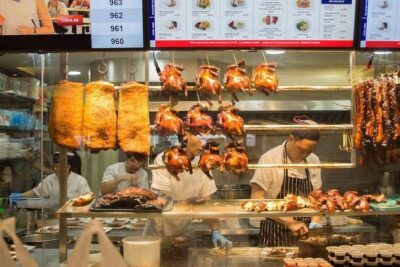
Small Group: Michelin and Local Hawker Food Tour with 9 tastings
Read our review →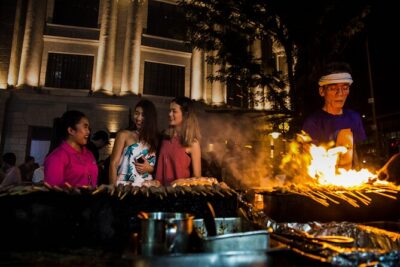
Small Group: Singapore Street Food & Night Tour with 9 tastings
Read our review →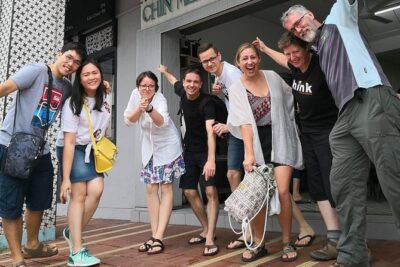
Small-Group Food Tour With Hawker Center: Eat Like A Local
Read our review →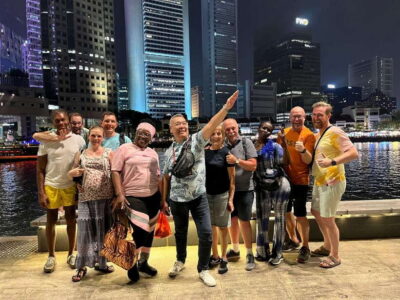
Singapore: Local Hawker Food Tour with Tastings
Read our review →
Singapore Street Food Tour with a Local: A Feast for Foodies 100% Personalized
Read our review →
A Taste of Singapore: Hawker Center Private Customized Food Tour
Read our review →
The lists this tour appears in