
Review · SINGAPORE
Singapore: Chinatown Hawker Food Tour with 7 Food Tastings
Singapore’s food culture makes the most sense one small plate at a time. This three-hour Chinatown tour takes you from a shop selling bak kwa to a traditional coffee shop, a hawker center, the Buddha Tooth Relic Temple, and Chinatown Food Street. You taste seven or more local specialties rather than simply hearing about them.
I like the way the tour joins food with place. You get kaya toast with coffee or milk tea, try chicken rice where hawker cooking matters most, and hear how Chinatown’s buildings and food traditions fit together. I also like that guides such as Tang, Jeanette, Edwin, and Angel have been praised for explaining Singaporean culture clearly. The main consideration is group size: a group of nine can mean split tables and less time for individual questions.
Key points at a glance
- Bak kwa starts the meal: Try Singapore’s salty-sweet dried pork at a specialist shop near the meeting point.
- Seven or more tastings: The route may include curry puff, kaya toast, chwee kueh, chicken rice, prata, fried noodles, dessert, and drinks.
- Food and culture share the stage: Your guide explains Chinatown’s architecture, local customs, and the reason these dishes matter.
- A real hawker center stop: You sample several foods in a covered market rather than eating in one conventional restaurant.
- The meeting point is easy to find: Look for the orange umbrella outside Chinatown MRT Exit A, near Bee Cheng Hiang.
- Bring your own tissues: Hand-cleaning supplies may not be provided, so pack paper towels or wipes.
Start with bak kwa near Chinatown MRT
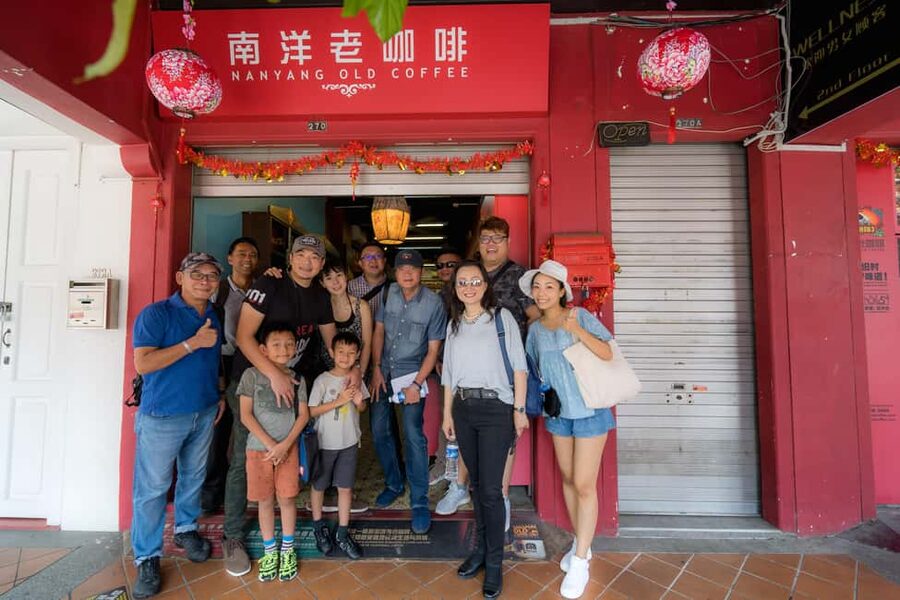
Meet your guide outside Chinatown MRT at Exit A, near Bee Cheng Hiang. Look for the orange umbrella, a useful landmark in an area where signs and foot traffic can otherwise make a first meeting confusing.
The first bite is bak kwa, one of Singapore’s best-known snacks. This thin, dried pork is salty, sweet, smoky, and chewy. It is often associated with Chinese festive traditions, but on this tour it also works as a quick introduction to the flavors you will meet throughout the morning or afternoon.
The opening stop is practical as well as tasty. You begin close to the train station, with no hotel pickup to arrange and no long transfer before the food starts. Wear comfortable shoes, since the tour involves walking between food stops and Chinatown sights.
Depending on availability, the tour may also include an oyster cake or popiah. These substitutions matter because hawker food is not a fixed restaurant menu. A stall may run out, or a particular dish may not be available that day. The guide adjusts the tasting rather than pretending every stop works exactly the same way.
More Hawker Centre Food Tours in Singapore:
- Small Group: Michelin and Local Hawker Food Tour with 9 tastings
★ 5.0 · 1,890 reviews - Small-Group Food Tour With Hawker Center: Eat Like A Local
★ 5.0 · 420 reviews - Singapore: Local Hawker Food Tour with Tastings
★ 4.7 · 181 reviews
Curry puffs and the everyday side of Singaporean food
Next comes a curry puff, a familiar local snack with a pastry shell and savory filling. It is the kind of food Singaporeans can eat as a quick bite, not a formal meal, and it helps keep the tour grounded in daily life.
The food is not limited to one culinary tradition. You will encounter Chinese, Malay, and Indian influences, along with dishes often described as part of Singapore’s wider Malaysian food culture. That mix is one reason this tour works better than a simple list of famous foods. You taste how the city’s communities have shaped one another’s cooking.
Your English-speaking guide supplies the context. Guides including Jeanette and Lee have been praised for explaining Chinatown’s past and customs in clear, vivid terms, while Peter was noted for answering questions and explaining each dish as it arrived. The quality of the experience depends heavily on that personal storytelling, so your guide matters.
Kaya toast in a traditional coffee shop
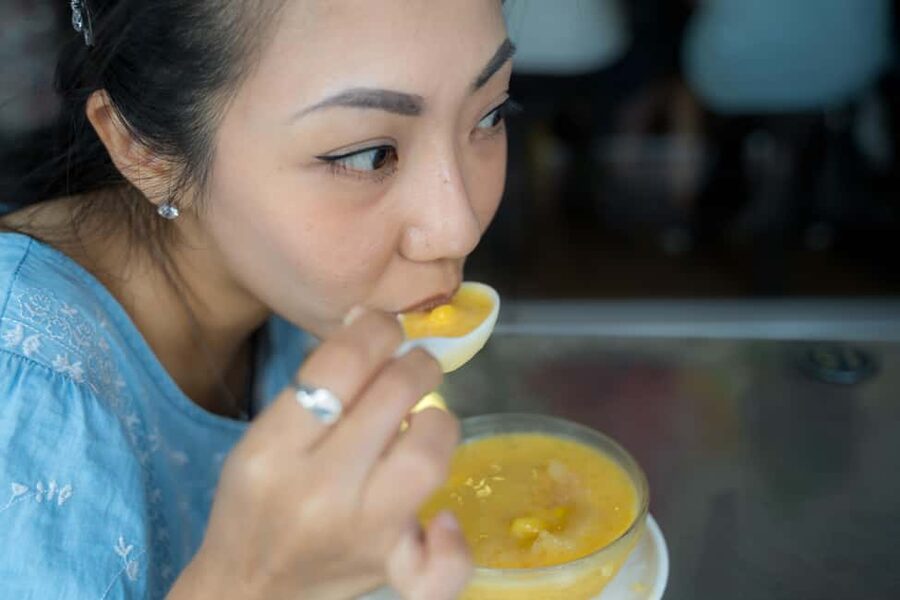
A stop at a traditional Singaporean coffee shop brings a calmer pause. You choose local milk tea or coffee, served with kaya toast. Kaya is a sweet coconut and egg spread, usually paired with crisp toast and butter.
This is a small serving, but it tells you a lot about Singapore’s food habits. The dish is inexpensive, familiar, and tied to the old coffee-shop tradition. You are not simply tasting a sweet spread. You are seeing how breakfast and snack culture developed around casual neighborhood cafés.
The coffee or tea also gives your palate a break from savory foods. If you prefer a gentler flavor, the sweet toast provides one. If you like strong coffee, the local style offers something different from a standard café drink. The tour description does not specify how each drink is prepared, so ask your guide about the order if you want more detail.
A hawker center with room for variety
The route then moves to a covered hawker center. This is one of the tour’s most useful stops because a hawker center lets you see the range of Singaporean cooking in one place. Stalls specialize in different dishes, and your guide selects several bites instead of asking you to choose blindly from a long menu.
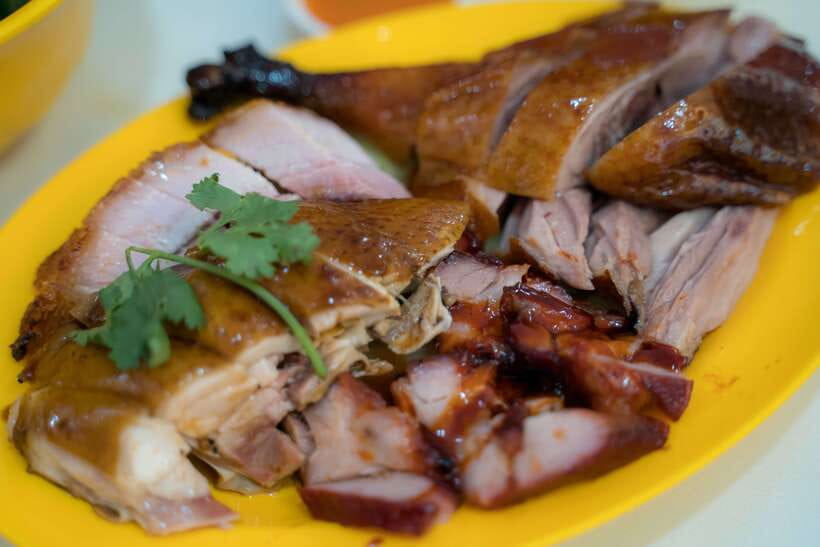
Chicken rice is a major tasting here. The dish can look plain, but its appeal lies in the balance of rice, chicken, sauce, and accompanying flavors. This is the sort of food that rewards explanation. Your guide can point out what to notice and why it has become such a common Singaporean favorite.
Chwee kueh may also appear on the food list. This steamed rice cake is topped with preserved radish and has a soft texture with a salty, savory finish. If you have only eaten Singaporean food in restaurants abroad, this is exactly the sort of local specialty you might otherwise miss.
A practical warning: large groups can make hawker-center seating awkward. One person gave the tour four stars after joining a group of nine, saying the party often had to split between tables and the guide spent time arranging food rather than sharing stories equally. If you prefer close conversation, ask about the expected group size before booking.
More Chinatown Food Tours in Singapore:
- Singapore: Chinatown Hawker Food Tasting Tour
★ 5.0 · 96 reviews - Singapore: Chinatown Hawker Guided 8-Dish Tasting Tour
★ 4.9 · 41 reviews - Chinatown Heritage Walk & Street Food Tasting (Small Group)
★ 5.0 · 16 reviews - Singapore: Chinatown Street Food Tour
★ 5.0 · 3 reviews
The Buddha Tooth Relic Temple adds a welcome pause
The Buddha Tooth Relic Temple provides a change of pace between food stops. You visit this Chinatown landmark while learning about the surrounding architecture and the area’s cultural setting.
The temple is not treated as a separate museum visit with a long formal lecture. Instead, it gives the walking route some shape. You can look up from the food stalls and see the religious and civic buildings that give Chinatown its character.
This pause is especially useful if you want more than a meal. Several guides have been praised for connecting the food to Singapore’s history and culture, and the temple helps make that connection visible. Still, the tour’s primary focus remains eating. If your main interest is an in-depth temple visit, this food tour will not replace a dedicated cultural or religious tour.
Chinatown Food Street brings the biggest range of flavors
The final food stretch takes you to Chinatown Food Street for more local dishes. Fried carrot cake is one of the better-known tastings. Despite its name, it is not a sweet cake made from orange vegetables. It is a savory dish made with rice cake, usually cooked with other ingredients and sauces.
You may also try Indian prata with curry sauce. Prata is a flatbread with a crisp and chewy texture, and the curry gives it a warm, savory finish. If prata is unavailable, thosai may be offered instead. That substitution keeps the Indian influence in the meal while allowing the guide to work with what is being served that day.
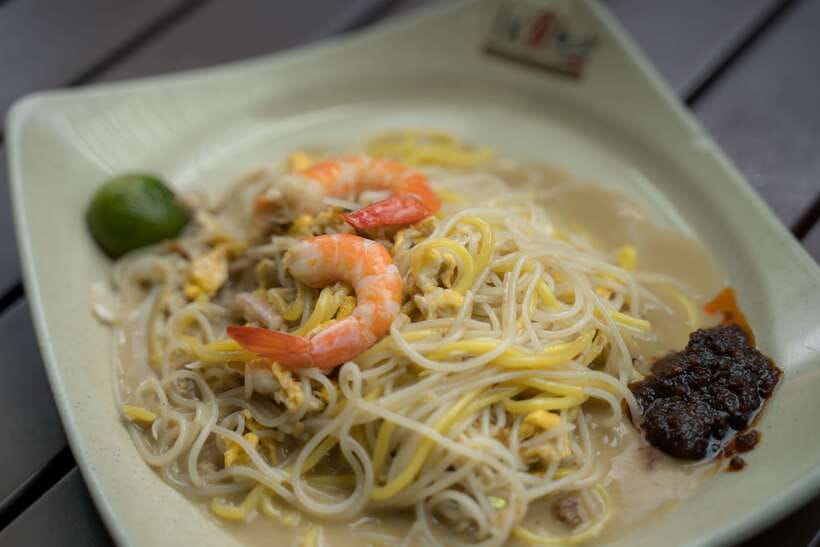
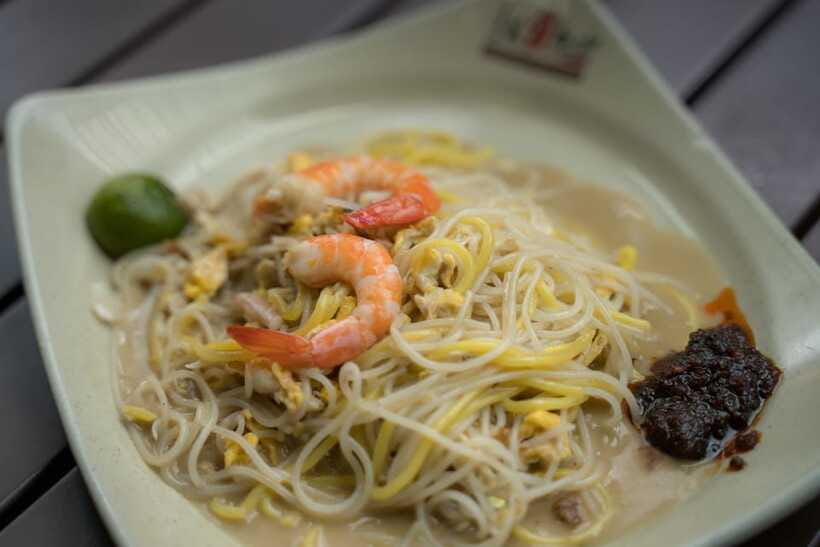
Singapore fried prawn noodles add another strong savory note. The tour includes a can of Tiger Beer with this part of the meal, which makes the final stretch feel more like a shared lunch than a sequence of isolated samples.
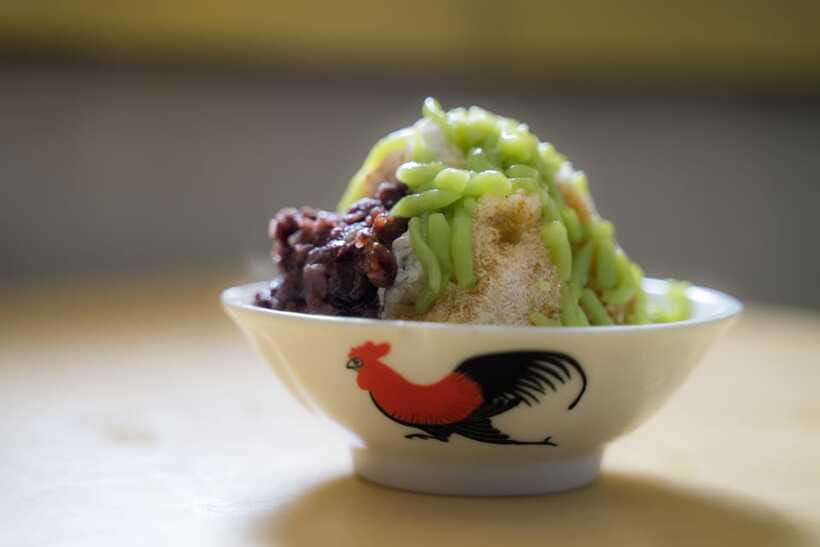
The dessert is a special surprise, with chendol or Malay bamboo cakes listed as possible choices. Chendol is generally known for its sweet, cool combination of coconut, palm sugar, and green rice-flour jelly, though the exact offering can vary. The tour may substitute Malay bamboo cakes if chendol is not available.
This flexibility is worth understanding before you book. You are paying for a guided tasting route, not a guaranteed restaurant menu. Some dishes may change with availability, but the range remains broad: dried pork, pastry, toast, rice dishes, rice cakes, flatbread, noodles, beer, and dessert.
What the three hours feel like
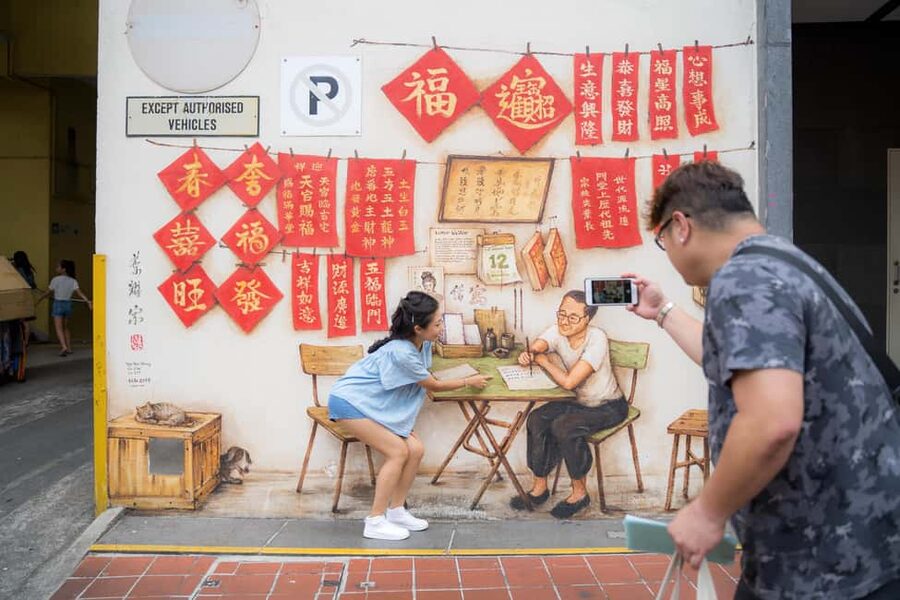
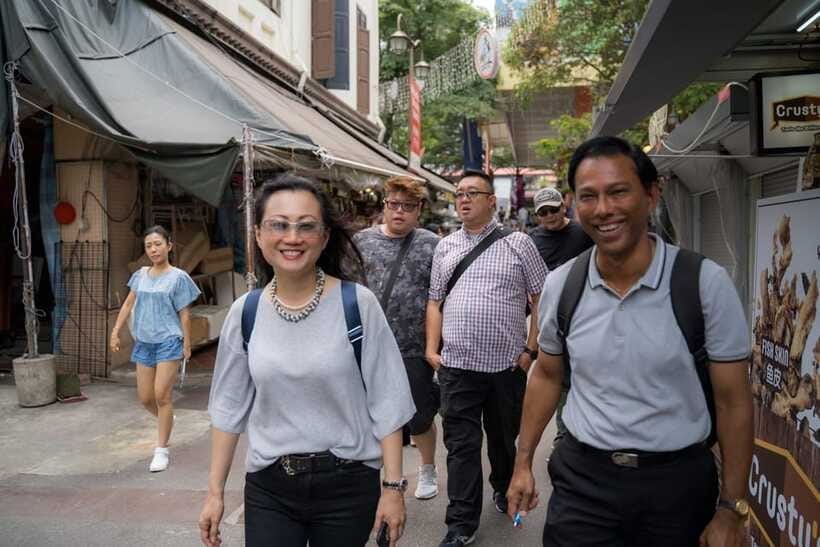
The pace is built around repeated stops rather than one long meal. You walk, taste, listen, and move on. That makes the experience a good fit if you want to orient yourself in Chinatown while eating, but it may feel busy if you prefer to sit down for a leisurely lunch.
You should arrive hungry. The food is described as seven tastings, but the full list includes more than seven possible items, along with coffee or tea and beer. The combination is substantial enough that you may not want to schedule another large meal immediately afterward.
Comfortable shoes are important. The meeting point and end point are the same, but the tour does not include hotel pickup. You need to reach Chinatown MRT on your own and return there after the final tasting.
Bring tissues or small hand wipes. One participant specifically found that towels and tissues were not available for cleaning hands. That is an easy problem to solve, and you will be glad to have them after eating several handheld or sauce-based foods.
Dietary needs should be shared in advance. The published information does not promise specific substitutions for every restriction, so contact the provider before reserving if you have allergies, religious requirements, or a strict diet.
How the guides shape the experience
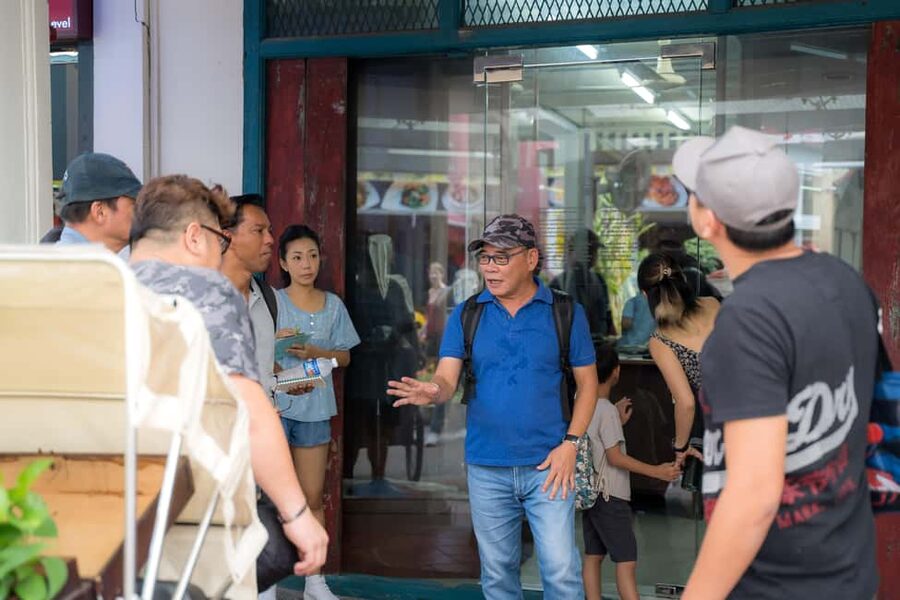
The strongest part of this tour is the human element. Jeanette was praised for combining food with history and culture. Tang was described as exceptionally informed and good company, while Edwin received praise for making the experience enjoyable and encouraging people to bring an appetite.
Angel and Lee were also singled out for explaining Chinatown and Chinese food in detail. Those comments point to a consistent strength: the guide is not just carrying food from stall to stall. You are expected to ask questions, learn what you are eating, and connect the dishes with the neighborhood around you.
That said, a guide can only do so much with a large group. At nine people, some diners may sit away from the guide while food is arranged. If you want a more personal experience, a smaller departure would be preferable, if available.
Is $88 a fair price?
At $88 per person, this is not the cheapest way to eat in Chinatown. You could buy individual hawker dishes for much less if you already know where to go and what to order.
The value comes from the guidance, variety, and structure. You receive food and drinks, an English-speaking local guide, a planned route, cultural explanations, and help choosing dishes that may not be obvious to a first-time visitor. You also avoid spending your first hour comparing menus and guessing what each stall serves.
I think the price makes the most sense for a first visit to Singapore, for people who want a strong introduction to Chinatown, or for diners who prefer a planned experience. It is less compelling for confident food explorers who enjoy researching hawker stalls and ordering independently.
The booking terms add flexibility. You can reserve now and pay later, and cancellation is available up to 24 hours in advance for a full refund. That makes it easier to place the tour early in your Singapore schedule without locking in too much risk.
Who should book this Chinatown food tour?
Book it if you want to taste a broad range of local food without spending time decoding menus. It also suits you if you enjoy hearing cultural background while walking, rather than visiting a food market with no explanation.
Families and mixed groups may find the format useful because the guide handles ordering and introduces several types of food. Still, picky eaters should check the tasting list carefully. Pork, seafood, dairy, coconut, bread, rice, spicy curry, and alcohol may all be part of the experience.
The tour is also a good first or second-day activity. You will learn dishes to look for later and get a feel for Chinatown’s layout. Since the tour ends back at the MRT meeting point, you can continue exploring on your own afterward.
Should you book it?
Book this tour if you want local food with a cultural guide, not just a meal. The strongest reasons are the range of tastings, the hawker-center setting, and the guides’ clear explanations of Chinatown and Singaporean traditions.
Skip it if you want a private, slow dining experience or if you already know Singapore’s hawker scene well. Also think twice if sharing tables in a larger group would bother you. For most first-time visitors with an appetite, $88 buys a useful introduction to Chinatown, provided you bring comfortable shoes, tissues, and an open mind about changing dishes.
FAQ
How long does the Singapore Chinatown food tour last?
The tour lasts three hours.
Where does the tour begin?
It begins outside Chinatown MRT station at Exit A, near Bee Cheng Hiang. Look for the orange umbrella.
Where does the tour end?
The tour ends back at the meeting point near Chinatown MRT.
What food and drinks are included?
The tastings may include bak kwa, oyster cake or popiah, coffee or milk tea with kaya toast, chwee kueh, chendol or Malay bamboo cakes, Indian prata with curry sauce or thosai, and Hainan chicken rice. Fried noodles and Tiger Beer are also part of the described route.
Is hotel pickup included?
No. You need to make your own way to the Chinatown MRT meeting point.
Can dietary needs be accommodated?
You should share your dietary needs in advance. Specific substitutions are not guaranteed in the available tour information.
Newest street food walks around Singapore
- Singapore: Local Street Food Tasting Tour★ 4.8 · 36 reviews
- Street Food, Cultural & Historical Tour of 3 Ethnic Quarters★ 5.0 · 23 reviews
- Singapore Limousine Van Tour: ️ Shopping & Street Food Trail★ 5.0 · 2 reviews
- Singapore: Street Food & Ethnic Quarters Kick Scooter Tour★ 5.0 · 10 reviews
- Singapore: Lau Pa Sat Night Street Food with Marina Bay Walk★ 4.4 · 4 reviews
- Singapore: Chinatown Street Food Tour★ 5.0 · 3 reviews
- Singapore: Hawker Culture Food Tour and Sightseeing★ 4.8 · 23 reviews
- Singapore: Chinatown Hawker Guided 8-Dish Tasting Tour★ 4.9 · 41 reviews
Singapore street food tours, side by side.
Small Group: Michelin and Local Hawker Food Tour with 9 tastings
Read our review →
Small Group: Singapore Street Food & Night Tour with 9 tastings
Read our review →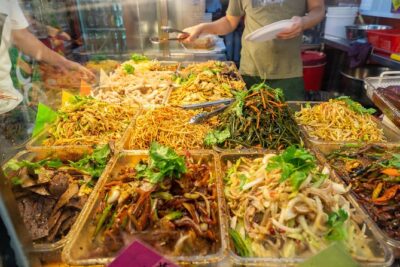
Singapore: UNESCO Street Food & Cultural Experience
Read our review →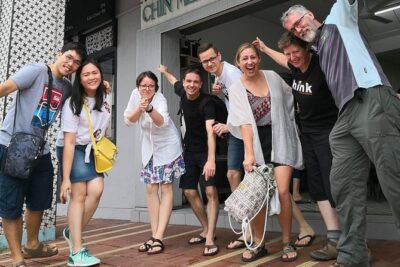
Small-Group Food Tour With Hawker Center: Eat Like A Local
Read our review →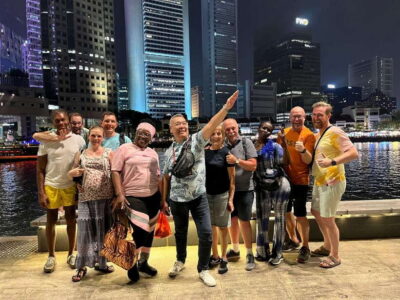
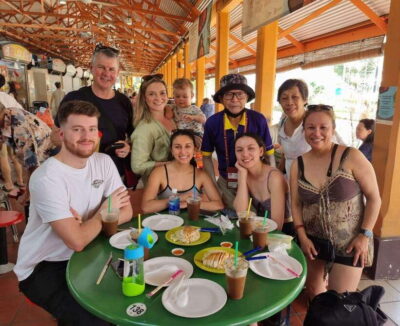
Singapore: Local Hawker Food Tour with Tastings
Read our review →
Singapore Street Food Tour with a Local: A Feast for Foodies 100% Personalized
Read our review →
A Taste of Singapore: Hawker Center Private Customized Food Tour
Read our review →The lists this tour appears in