
Review · INDIA
Kolkata Midtown Madness- A Street Food & Nightlife Tour
Kolkata Midtown Madness turns dinner into a moving city story. You start with phuchka and other chaats near New Market, ride the metro and a local bus, stop at a 200-year-old Kali temple, and finish with food and draught beer at an old-school bar. I like the way the route shows you working markets and quiet North Kolkata lanes, not just the postcard sights. I also like that the guide handles the street-food choices and public transport, so you can try more with less guesswork.
The main drawback is pace. Four hours covers a lot of ground, and you will walk, stand, ride crowded public transport, and eat several small portions. The tour suits an adventurous eater much more than someone seeking a relaxed sit-down meal. Alcohol is not included, and people with diabetes or food allergies should not book.
Key points about Kolkata Midtown Madness
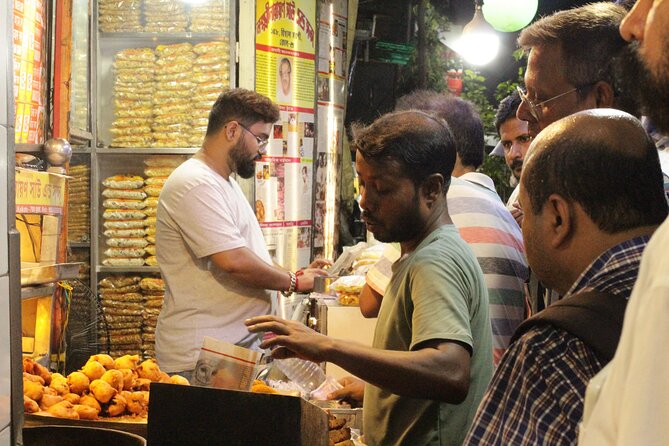
- Eight or more local dishes: Try phuchka, jhaal muri, aloo tikki chaat, dahi phuchka, kathi rolls, Bengali sweets, fritters, and prawn cutlet.
- A real public-transport route: The evening includes Kolkata’s metro and a local bus, not a private vehicle.
- A 200-year-old Kali temple: Visit a temple built by a Portuguese devotee, an unusual detail in Kolkata’s religious story.
- A small group of up to eight: The size makes it easier to ask questions and adjust food choices.
- A story-led evening: The guide presents the route as a live mystery-style tale called Midtown Madness.
- A bar finish: End at the Broadway Hotel with draught beer available for an extra charge.
Why the 5 pm start works so well
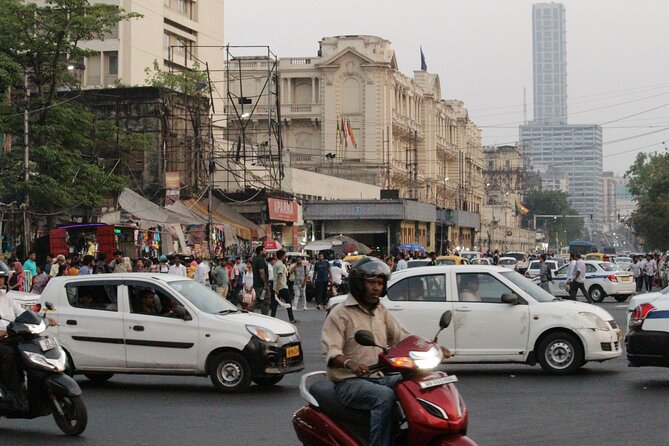
Meet outside The Oberoi Grand Hotel at 5 pm. The timing gives you a useful bridge from late afternoon into Kolkata after dark. You begin in the city center, then watch the streets change as shops, food stalls, commuters, and evening crowds take over.
The tour is built around a story called Midtown Madness. That may sound theatrical, but it gives the evening a clear shape. Each stop becomes part of a continuing tale, and the guide reads the closing section at the end. If you like tours with a little playfulness, this adds character. If you prefer a straight food crawl, the storytelling may feel like an extra layer rather than a necessity.
The group is capped at eight people. That matters on a food tour. You can hear the guide explain each dish, ask about ingredients, and stay together more easily than you would in a large group. Several guides have led this route, including Moinak, Paulami, Nandita, Mayukh, Anushtup, Rishita, Param, and Shrijit. The strongest part of the experience depends on who leads your group, but the guide role is central because the food stops are local and the transport changes are frequent.
More street food walks around India:
- Mumbai: Street Food and Night Markets Tour
★ 4.9 · 719 reviews - Old Delhi Street Food Tour
★ 5.0 · 497 reviews - Delhi: Old Delhi Street Food Tour with Rickshaw Ride
★ 4.9 · 403 reviews
New Market turns dinner into a chaat lesson
The first food stop takes place around New Market, Kolkata’s well-known shopping area. This is where the tour starts its main eating run with a series of chaat dishes, each one showing a different mix of crunch, spice, sourness, and sweetness.
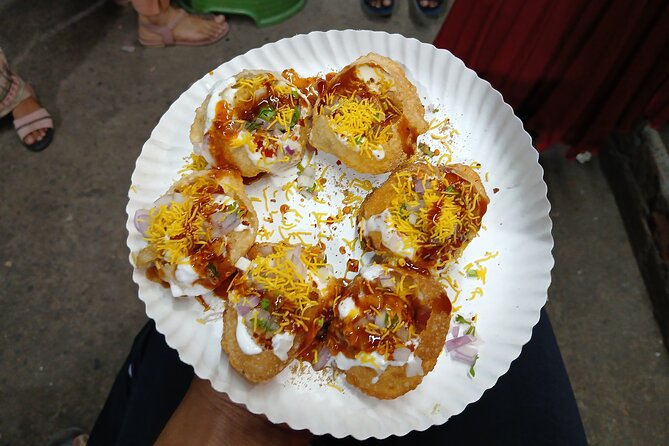
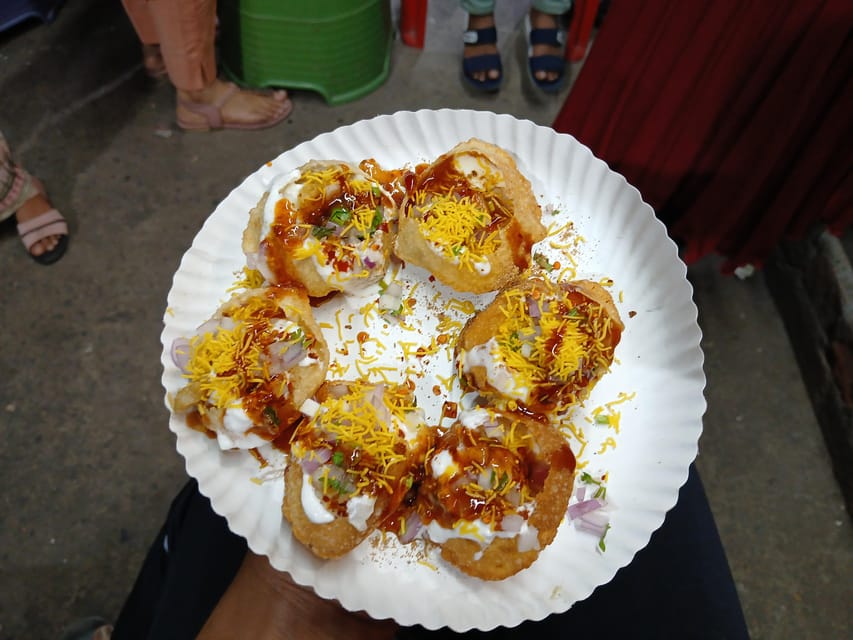
You begin with phuchka, a crisp fried shell filled with mashed potato, salt, and spices. It is small, quick to eat, and full of sharp flavor. The shell breaks as you bite it, so do not expect a neat snack. This is street food in the most direct sense, and the guide helps you understand how it is assembled and served.
Next comes jhaal muri, a lighter mixture of puffed rice, onion, cucumber, mustard sauce, chickpeas, and crunchy batter fries. It has more texture than weight, which is useful early in the tour because you still have many stops ahead. The mustard gives it a distinct Bengali edge.
Aloo tikki chaat brings a warmer, softer element. Grilled potato patties are topped with chickpeas, tamarind sauce, sweetness, and crisp batter pieces. Then comes dahi phuchka, which uses the same general shape as phuchka but adds yogurt and tamarind-based sweet sauce. The yogurt softens the heat and changes the whole character of the bite.
I appreciate this opening sequence because it does not treat street food as one single thing. You get four versions of the chaat family, each with a different balance of texture and seasoning. The portions are tasting portions, not full plates, so you can keep going.
Kathi rolls, metro tracks, and a temple with an unusual past
After the chaat stops, you try a Calcutta kathi roll, made with paratha, mutton, and salad. It is more filling than the earlier snacks and gives the meal a savory center. The supplied food plan also offers vegetarian-friendly choices, so tell the guide your preference at the start.
The route then shifts from eating to moving. You take the metro for about ten minutes toward the B B Ganguly Street and BSNL BTS area. This is one of the tour’s most useful features. Kolkata’s public transport is part of daily city life, and using it helps you cover neighborhoods that would be difficult to connect on foot in four hours.
You stop for an evening darshan at a 200-year-old Kali temple. The temple was built by a Portuguese devotee of the goddess, a detail that makes the stop more than a quick religious visit. It points to the many communities and influences that have shaped Kolkata over time.
You do not need to be religious to value this pause. It gives the evening a quiet moment between food stops and lets the guide explain a part of local belief and history. Dress comfortably and behave respectfully inside the temple. The route can be busy, so stay close to the group as you move between the station and the temple.
Bengali sweets and the old cafés of College Street
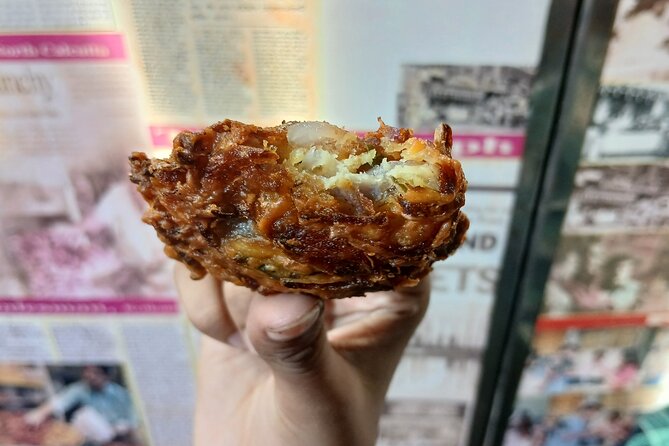
After the temple, the group visits one of Kolkata’s oldest sweet shops, operating for nearly two centuries. Bengali sweets are an important part of the city’s food culture, and this stop gives you a chance to try them in a place with a long working connection to local life.
The itinerary then moves toward College Street. You spend about twenty minutes there, including a stop at a century-old café for its famous coconut drink. The café is linked with stories of freedom fighters who used to gather there, so the drink comes with a side of social and political history.
This section is less about eating a large amount and more about setting food inside its surroundings. College Street has a strong intellectual identity, and a historic café feels different from a market stall. I like this change of mood. It keeps the tour from becoming a simple list of dishes.
The timing also means you should not expect to linger over coffee or browse at length. The group has another bus ride and more food ahead. Think of this as a short cultural stop with a drink, not a long café visit.
Same streets, a different set of bites:
- Old Delhi Street Food Tour – Explore Spices in Chandni Chowk
★ 5.0 · 334 reviews - Mumbai Street Food Tour
★ 5.0 · 269 reviews - Winner Mumbai Street Food Tour in the World Top 20 by Guardian
★ 5.0 · 216 reviews - Mumbai Street Food and Evening Bazaar Tour
★ 5.0 · 172 reviews
A bus ride to century-old fritters
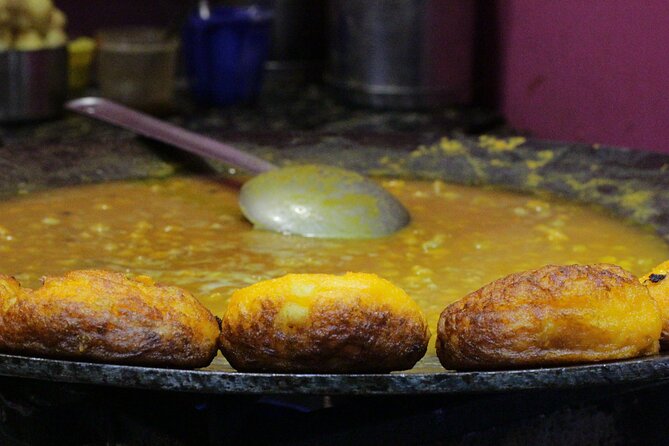
From College Street, you take a local bus for about fifteen minutes. The bus is not just a way to fill a gap between stops. It is part of the experience, and it can be crowded and hectic. Wear shoes you can walk in, keep your belongings secure, and expect to stand if seats are not available.
The destination is an old eatery known for fritters for more than a century. You try mango fritters made with green mango and a secret ingredient, along with onion fritters prepared with different grams and onions.
The mango fritter is a particularly useful reminder that Bengali snacks are not limited to potatoes, rice, and sweets. The tart fruit brings a sharp contrast to the fried coating. The onion fritters are more familiar in shape but still show how pulses and vegetables are combined for flavor and texture.
This stop is a good example of why a local guide helps. The dishes are not necessarily the foods you would spot on a standard restaurant menu, and the route depends on knowing which long-running places are worth visiting. Food safety is also a common concern on street-food tours. One participant with a planned night train reported having no stomach trouble after the experience, but that is not a guarantee for everyone. Use your own judgment, especially if you have a sensitive stomach.
Old North Kolkata and prawn cutlet in clarified butter
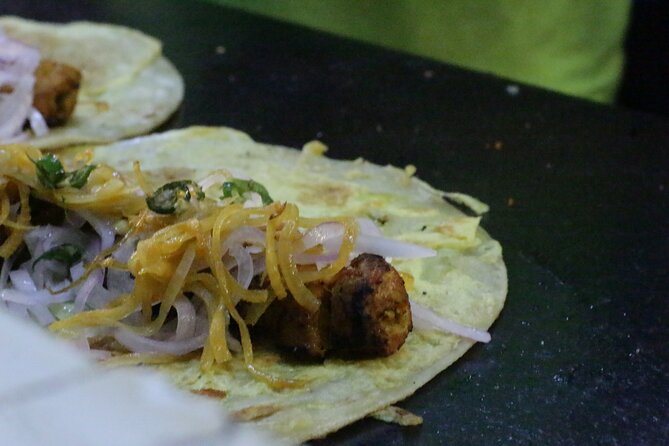
The next stretch takes you on foot through the alleyways of Old North Kolkata. The walk lasts about fifteen minutes between transport and stops, but the total amount of walking is greater across the full evening. One past participant described the tour as a lot of walking, and that is fair advice.
The destination is a place known for prawn cutlet cooked in clarified butter. This is one of the more substantial and distinctive bites on the route. The cooking method gives the cutlet a richer flavor, while the older neighborhood setting adds context that you would miss if you simply ordered the dish in a modern restaurant.
The contrast between market snacks and established eateries is one of the tour’s strengths. You move from quick chaat to old cafés, long-running fritter shops, and a classic cutlet stop. The food tells you something about Kolkata’s habits, but the route also shows how those habits fit into different districts.
The tour is not designed for people who want to avoid fried food. Phuchka shells, fritters, kathi rolls, and cutlets all bring oil and substantial seasoning. If you want to pace yourself, take small bites and tell the guide early if you need less spice or a vegetarian selection.
Ending at an old-school bar near Ganesh Chandra Avenue

The final food and nightlife stop is around Ganesh Chandra Avenue, ending at the Broadway Hotel. You take the metro for about fifteen minutes before reaching this part of the route. The evening closes in a youthful, old-school bar known for draught beer.
Alcohol is not included, so budget separately if you want a beer. The tour price covers the food, bottled water, local transport, guide, and taxes, but not personal spending or alcoholic drinks.
I like this ending because it gives the four-hour route a social finish. You are not simply dropped at the last food stall. Instead, you get a chance to sit with the group, laugh, and hear the story’s outro. The bar is also a useful fit for people who want to see a slice of Kolkata nightlife without committing to a full club evening.
If you do not drink, the final stop still works as a place to finish the group experience, but the bar’s main appeal is its draught beer. Anyone wanting a quiet final meal should know that this is a lively ending rather than a calm restaurant dinner.
What $32 gets you
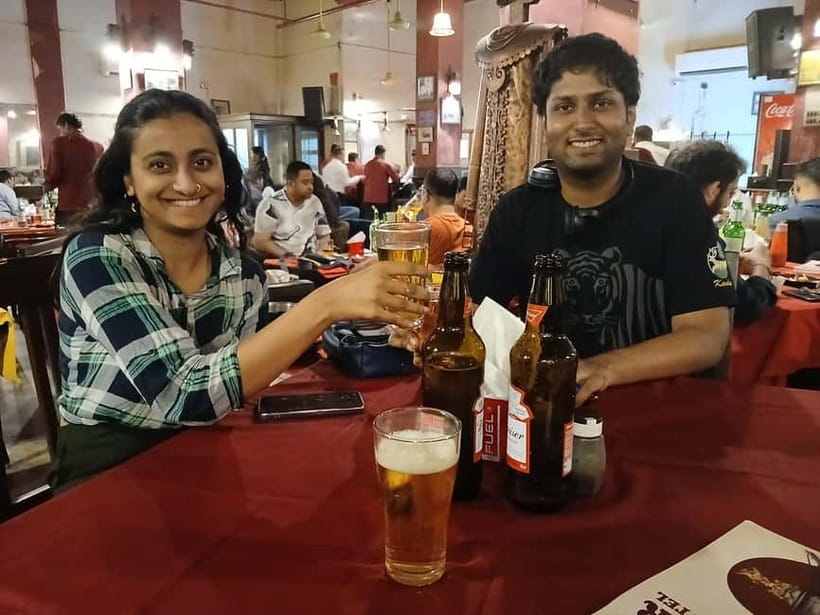
At $32 per person, the tour offers good value if you plan to eat your way through Kolkata and use public transport anyway. You receive more than eight food tastings, bottled water, metro and bus rides, a guide, temple access as part of the route, and four hours of organized travel.
The value is not only in the amount of food. A guide helps you order at places you might not identify on your own, explains unfamiliar ingredients, and handles the route across several parts of the city. You also avoid spending time working out which stop to visit next.
The portions are tasting portions, so do not book this expecting eight full meals. Most people should finish satisfied, but anyone with a large appetite may wish the servings were bigger. The food is spread across the evening, which makes the amount feel more manageable.
Free cancellation is available up to 24 hours before the start, and you can reserve while paying later. Starting times should be checked when booking. The tour runs for four hours and ends at the Broadway Hotel rather than returning to The Oberoi Grand.
Who should book this Kolkata food tour?
I would choose this tour if you want a fast introduction to Kolkata through food, neighborhoods, local transport, and evening life. It is especially useful if you have limited time and want someone else to connect the stops.
You should be comfortable with:
- Walking through busy streets and older lanes
- Riding the metro and a local bus
- Eating fried, spicy, sour, and sweet foods
- Standing during parts of the route
- Following a fixed schedule across several districts
- Paying extra if you want alcohol at the final bar
The tour is not suitable for people with diabetes, food allergies, or babies under one year old. Bring an umbrella, comfortable clothes, and toiletries. Kolkata weather can change, and the route is outdoors for much of the evening.
The food can be adapted to vegetarian preferences, but tell the guide clearly at the start. The sample menu includes mutton and prawn, so do not assume every listed item is vegetarian simply because a vegetarian option is available.
Should you book Kolkata Midtown Madness?
Book it if you want Kolkata as a lived-in city rather than a short list of major sights. The best parts are the four chaat tastings, the old food shops, the temple visit, and the metro and bus rides that connect them. The guides have earned strong praise for warmth, humor, clear explanations, and making solo participants feel comfortable.
Skip it if you dislike crowds, fried food, public transport, or a tightly timed route. You should also skip it if medical dietary needs make street food risky. For everyone else, $32 buys a well-packed evening that combines dinner, local history, neighborhood wandering, and a friendly bar finish without turning the experience into a formal restaurant crawl.
FAQ
Where does the tour start?
The tour starts outside the entrance of The Oberoi Grand Hotel in Kolkata at 5 pm.
Where does the tour end?
The tour ends at the Broadway Hotel in the Ganesh Chandra Avenue area.
How long does Kolkata Midtown Madness last?
The experience lasts four hours.
What food is included?
Food tastings include phuchka, jhaal muri, aloo tikki chaat, dahi phuchka, a Calcutta kathi roll, Bengali sweets, a coconut drink, mango and onion fritters, and prawn cutlet. Vegetarian-friendly options are available.
Is alcohol included in the price?
No. Alcoholic drinks are not included. The final bar is known for draught beer, which you pay for separately.
What languages does the guide speak?
The tour is available in English, Bengali, and Hindi.
Newest street food walks around India
- Old Delhi Cultural, Temples, Heritage Walking Street Food Tour★ 5.0 · 57 reviews
- Old and New Delhi Street Food Sampling★ 5.0 · 3 reviews
- Old Delhi Tour by Tuk-Tuk Street Food and Shopping Experience★ 5.0 · 12 reviews
- Customized Half Day and Full Day Delhi Shopping, Street Food Tour★ 5.0 · 52 reviews
- Delhi: Street Food Crawl (2 Hours Guided Food Tasting Tour)★ 3.5 · 18 reviews
- Taste Famous & Best Street Food of Old Delhi (Jama Masjid)★ 3.0 · 2 reviews
- Spice & Stories: 3-Hour Old Delhi Heritage Food Walk Guided Tour★ 4.5 · 36 reviews
- Old Delhi Street Food and Spice Market Tour★ 5.0 · 81 reviews
India street food tours, side by side.
Delhi: Old Delhi Street Food Tour with Rickshaw Ride
Read our review →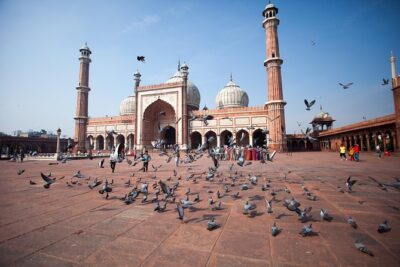
Old Delhi Street Food Tour – Explore Spices in Chandni Chowk
Read our review →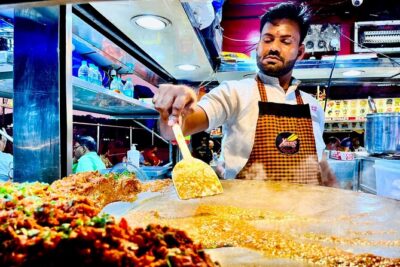
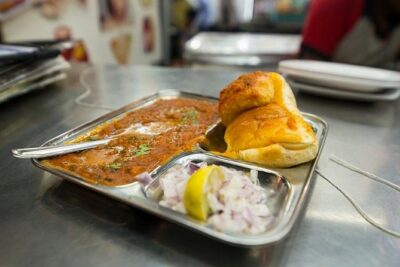
Winner Mumbai Street Food Tour in the World Top 20 by Guardian
Read our review →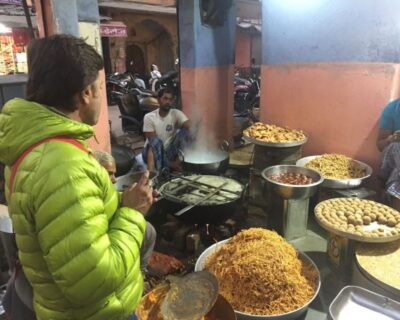
The lists this tour appears in