
Review · JAIPUR
Heritage Walk & Street Food Tasting in Jaipur
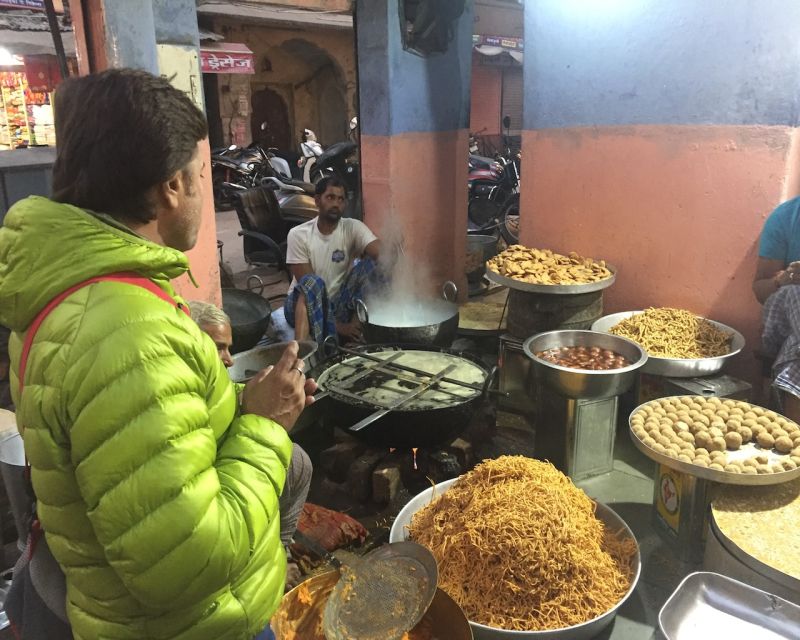
Jaipur’s best food stories are found in its side lanes, not just at restaurant tables. This three-hour walk begins at Golcha Cinema and threads through old-city markets, tea shops, artisan quarters, painted houses, and local food stops. You may taste samosa, kachori, sweets, and masala chai, then see how the city’s craftspeople work.
I like two things especially: the route connects food with Jaipur’s architecture and daily life, and the guides, including Vivek, Kumar, Raj, and Pushpendra, are praised for making solo visitors feel comfortable. The main consideration is that this is a walking tour through busy, uneven city streets, so it is not suitable for wheelchair users and may feel tiring in hot weather.
Key points at a glance
- About 15 food samples may be served: Expect several stops, with portions that can add up quickly.
- The old city beyond the main lanes: You’ll enter smaller gullies and see parts of Jaipur that are easy to miss alone.
- Food and culture share equal billing: The walk covers architecture, royal planning, religion, markets, and local trades.
- Artisan encounters add depth: Look for the metal-beater quarter and a bangle-making demonstration using sealing wax.
- Small groups keep it personal: The maximum group size is 10, with an English-speaking cultural walk guide.
- A useful first-day activity: The walk can help you get oriented before visiting major sights such as City Palace or Jantar Mantar.
Why this Jaipur walk is more than a food stop
Many food tours hand you a snack and move on. This one uses food as a way into Jaipur’s old quarters. You walk through the Pink City’s planned streets, then leave the broad routes for narrower gullies where workshops, temples, tea shops, and family-run food businesses carry on away from the main sightseeing circuit.
That mix is the main reason I find the experience appealing. You are not simply collecting dishes. You are learning why certain streets matter, how local trades fit into the city, and how food connects with religion, commerce, and family tradition.
The tour is led in English and the provider is Rajasthan Cultural Tours. Guides named in the experience feedback include Vivek, Kumar, Raj, Pushpendra, and Sam. The exact guide may vary, but the strongest pattern is clear: you should expect a guide who explains the city as you walk and adjusts the pace or food choices to the group.
The tour is advertised at $21 per person. For three hours, several food tastings, bottled water, and a guided walk through parts of Jaipur that are difficult to navigate alone, that is a fair price. The value is strongest if you want both local food and context. If you only want a large meal, you could spend less at a restaurant.
Food walks with the history told around India:
- Old Delhi Cultural, Temples, Heritage Walking Street Food Tour
★ 5.0 · 57 reviews - Jaipur: History Street Food Tour with Local Guide
★ 4.4 · 50 reviews - 14 Days Golden Triangle with Wildlife Safari & Heritage Rajasthan
★ 5.0 · 37 reviews
Starting at Golcha Cinema and entering Chaura Rasta
The meeting point is the entry gate of Golcha Cinema. From there, the route moves toward Chaura Rasta, one of the old city’s active commercial areas. The first 45 minutes combine walking, tea, street food, and an introduction to Jaipur’s layout.
This is where the guide can help you understand the city’s geometric design and the purpose of its entry gates. Jaipur is not a random maze. Its old quarters were planned with straight roads, markets, and formal divisions, and the walk explains how that order works alongside the less orderly side streets.
Tea is part of the welcome. A stop at a local tea shop gives you a simple way to watch everyday business while trying masala chai. You may also begin with savory snacks, depending on the guide and the day’s route.
Chaura Rasta is not a quiet heritage lane. Expect traffic, shopkeepers, pedestrians, and the regular movement of a working city. That is part of the point, but you should not expect a polished museum setting or a slow photographic stroll at every moment.
Badi Chaupar and the first serious tasting
The next section reaches Badi Chaupar, with another 45 minutes of walking, tea, local snacks, food tasting, and views along the way. This broad junction helps show the scale of the old city and gives you a chance to connect the street scene with Jaipur’s royal planning.
The food is likely to become more substantial here. Samosa and kachori are central examples of what you may try, along with regional sweets and other local items. The supplied details do not promise one fixed menu, so you should see the food list as a guide rather than a guaranteed sequence.
That flexibility can work in your favor. Guides have adjusted options for guests with different tastes, including visitors who dislike spice or are cautious about unfamiliar food. Still, tell your guide early about allergies, dietary limits, or medical concerns. The tour includes food at local shops, not a separate private kitchen designed around every dietary need.
Come hungry, but do not arrive starved. Several portions can become a full meal. One useful tip is to keep breakfast light, especially if you want to try many items. One past guest also found that the order of sweet and savory tastings could make a difference, since an early sugar-heavy stop may leave you less interested in later snacks.
Tripolia Bazar and Jaipur’s working traditions
The third section runs through Tripolia Bazar for another 45 minutes. Here the emphasis shifts toward guided walking and passing through market streets, with the guide pointing out buildings, shops, and details that are easy to overlook when you are focused on traffic or shopping.
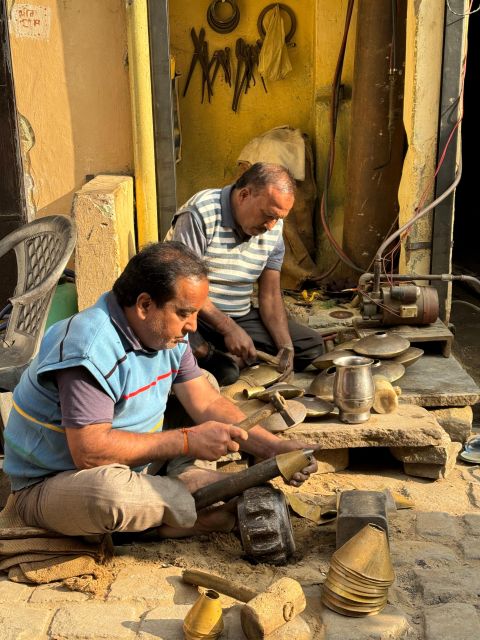
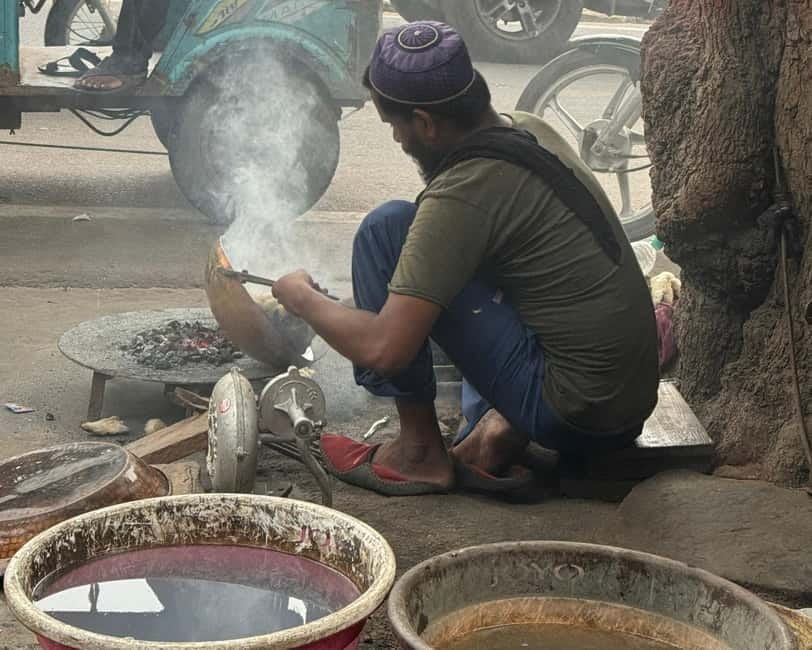
This is also where the city’s craft traditions come into clearer view. The walk can take you to a street associated with the Thatheras, a community of metal beaters. Seeing a working craft area gives you a better sense of Jaipur as a place where skilled trades are still part of daily life, not just a display arranged for visitors.
You may also meet local artisans and learn about their methods and working routines. A bangle-making demonstration using sealing wax is one of the more unusual details included in the experience. It gives the walk a hands-on visual element without turning it into a formal workshop.
You should not expect to buy a finished craft item as part of the price, and the tour is not promoted as a shopping excursion. That is a benefit if you want to avoid sales pressure. The provider specifically presents the experience as having no hidden agenda, so the focus remains on the walk, the food, and local contact.
More street food walks around India:
- Mumbai: Street Food and Night Markets Tour
★ 4.9 · 719 reviews - Old Delhi Street Food Tour
★ 5.0 · 497 reviews - Delhi: Old Delhi Street Food Tour with Rickshaw Ride
★ 4.9 · 403 reviews - Old Delhi Street Food Tour – Explore Spices in Chandni Chowk
★ 5.0 · 334 reviews
Choti Chaupar, temples, and the last food stops
The final 45-minute section reaches Choti Chaupar, ending at Chhoti Chopad. This part includes more street food, local snacks, and regional tastings. By now, you will have crossed from the main market routes into the smaller lanes and seen a less formal side of the old city.
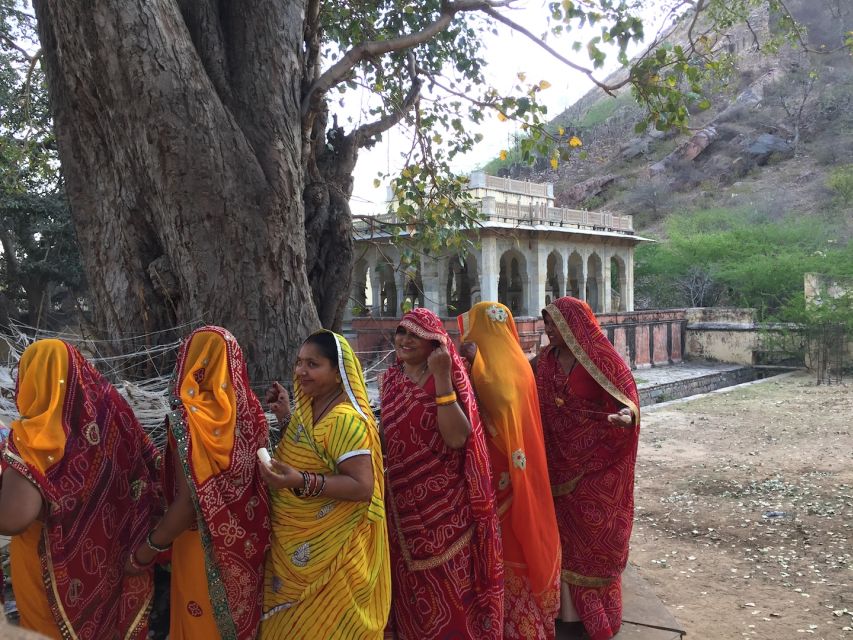
A Hindu temple is included along the way. You may also see a community well, another reminder that Jaipur’s streets were built around shared public resources as well as trade and royal authority. These stops help explain how neighborhoods functioned beyond their grand facades.
Dress modestly for the temple and follow local customs. Photography is allowed, but avoid flash inside temples. The guide can explain what is appropriate, which is useful if you are unsure when to remove shoes, where to stand, or when not to take pictures.
The finishing food stops may include famous sweets, savory snacks, and other items available that day. Some food may be eaten standing or in small local shops rather than at a table. That is part of the street-food experience, though it may not suit anyone who needs a quiet, seated meal.
What you may actually eat
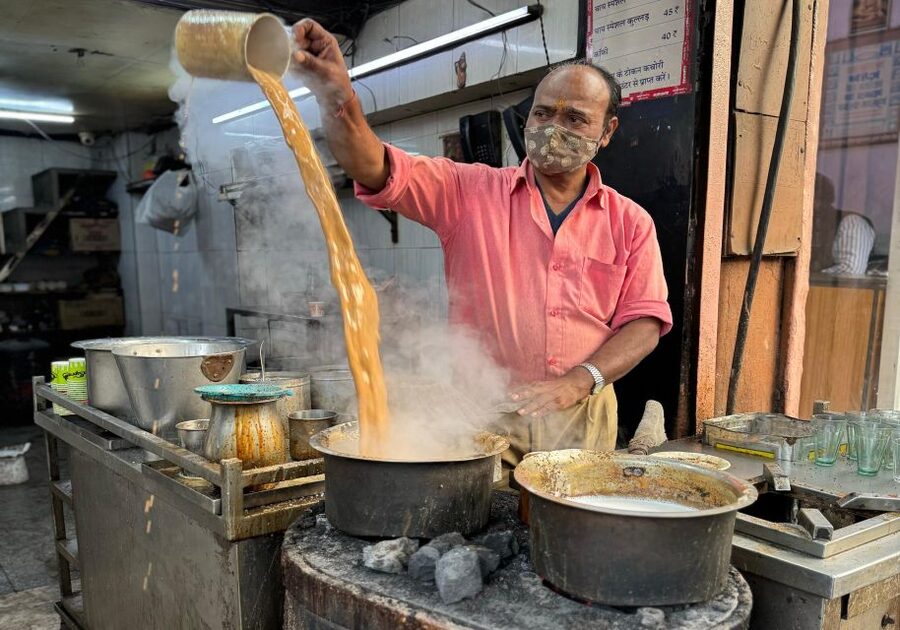
The named foods are samosa, kachori, famous sweets, and masala chai. The experience also promises more local items, and food portions can be generous. Some groups have tried around 15 different items at roughly six stops, though you should not treat that number as a fixed promise.
Kachori is particularly worth trying because it gives you a taste of Jaipur’s savory snack culture in a compact form. Sweets balance the heat and spice, while chai gives the group a pause between stops. The guide explains ingredients and preparation, and can help you choose if a dish looks unfamiliar.
Food safety is a reasonable concern in Jaipur. No tour can remove every risk, and people with serious allergies or digestive conditions should use their own judgment. The useful advantage here is local guidance: the guide chooses established shops and explains what to look for when buying street food. Several people with low spice tolerance or little experience with Indian food found the choices manageable, but you should still speak up about your limits.
Do not assume every item will be mild. Ask before tasting if you are sensitive to chili, dairy, nuts, or strong seasoning. Personal medication is listed among the recommended items to bring.
A closer look at the guiding style
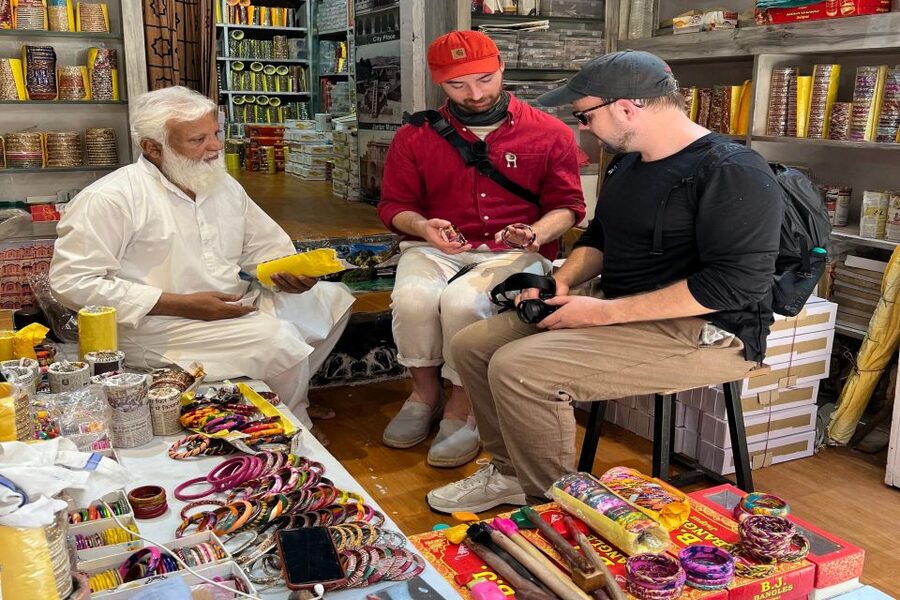
The guide can make or break a walk through Jaipur’s old city. The strongest guide names connected with this experience are Vivek, Kumar, Raj, Pushpendra, and Sam. Their reported strengths include clear explanations, patience, local contacts, and a relaxed manner.
Vivek is especially associated with helping visitors see side streets and with explaining food, architecture, and local customs. He has also been praised for helping solo women feel safe and for adjusting the route or discussion to personal interests. Kumar is noted for clear speech and strong explanations of local history and food. Raj is described as warm and enthusiastic about the neighborhood.
That does not mean every departure will feel identical. The guide may vary, and group size can change the rhythm. The limit of 10 participants is a good compromise: large enough to create conversation, small enough for questions and food stops to remain manageable.
You should also feel free to ask for a slower pace, more time for photographs, or clarification about a dish. The experience is designed as a cultural walk, not a race between snack counters.
Who will enjoy this, and who may not
I would recommend this tour to you if you want a first look at Jaipur that combines food, history, architecture, and ordinary street life. It suits solo visitors particularly well because the guide helps with navigation and social ease. It also works for couples and families who want a shared introduction before visiting the city’s major monuments.
Food lovers will get the most from it, but you do not need to be adventurous. The guide can explain what you are eating and help you avoid dishes that do not suit you. Still, anyone with strict dietary rules should confirm the available choices before booking.
The walk is less suitable if you have difficulty standing or walking for three hours. Comfortable shoes are essential, and wheelchair users cannot take part. Jaipur’s traffic, heat, uneven surfaces, and crowded lanes can be tiring, so carry water, sunscreen, and a hat.
The timing varies, with starting times shown at booking. Morning and late-afternoon departures can offer different street scenes, but the supplied details do not guarantee a particular atmosphere or food sequence. Plan your other sightseeing with some breathing room, since the walk may run at an easy pace if the group has many questions.
Price, group size, and practical value
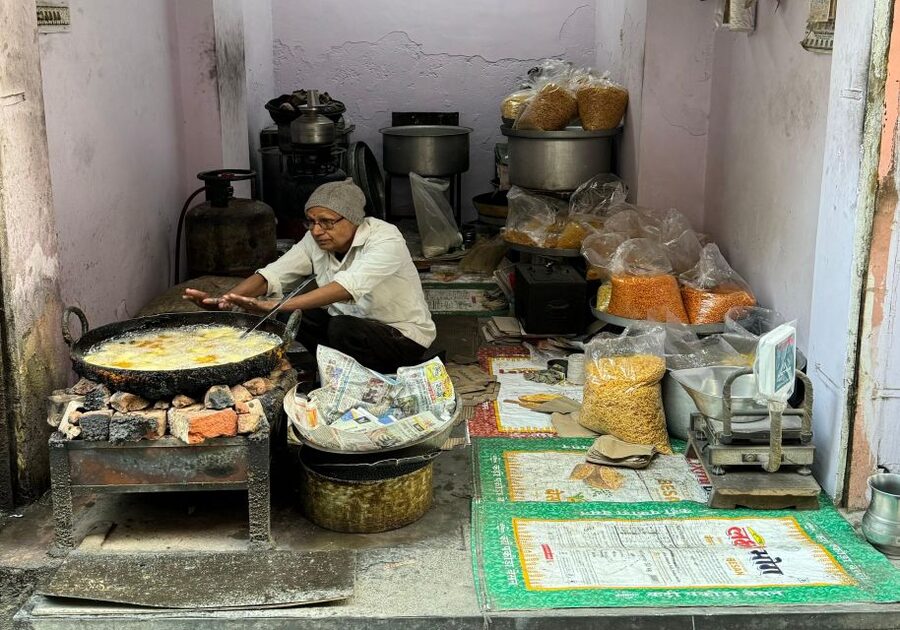
At $21, the tour is inexpensive for a three-hour guided experience with food, water, and local access. You are paying not only for snacks but also for someone to lead you through complicated old-city lanes and explain what you are seeing.
The value rises if you are new to Jaipur. A good first-day walk can show you the city’s basic layout, food customs, market districts, and social character before you tackle City Palace, Jantar Mantar, or other major sights. You may also collect practical advice about getting around and staying comfortable in the city.
The price does not include hotel pickup or drop-off, and alcoholic drinks are not included. Meet at the Golcha Cinema entry gate and arrange your own transport to and from the walk. Free cancellation up to 24 hours before the start and reserve-now, pay-later booking make it easier to fit into a changing schedule.
Should you book this Jaipur food walk?
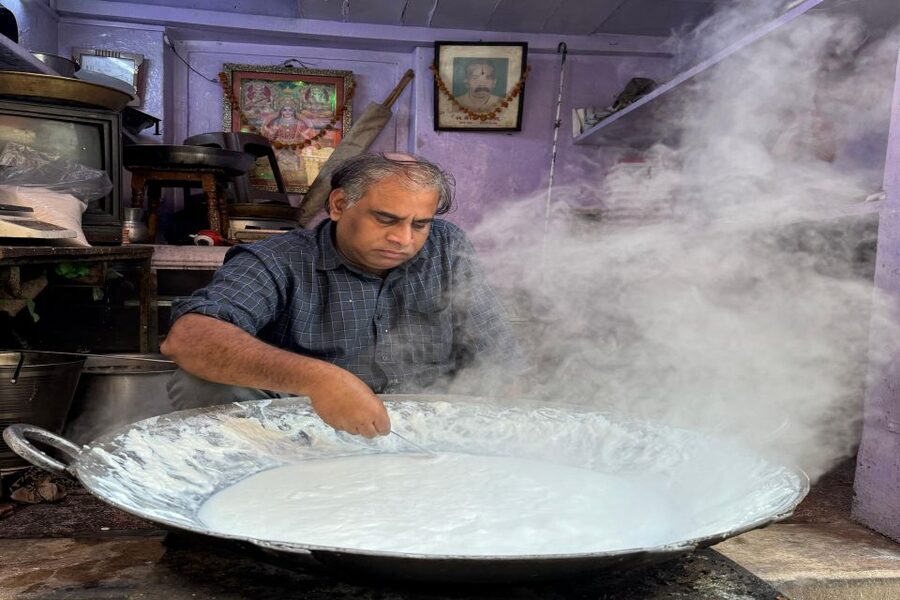
Book it if you want a small-group introduction to Jaipur through food and local streets, especially if you are visiting for the first time. The combination of samosa, kachori, sweets, chai, old-city architecture, artisan work, a temple, and a community well gives you much more than a basic snack crawl.
Skip it if you need a seated meal, dislike walking in crowded streets, or require a fully controlled menu. Also think twice if hot weather and three hours on foot would be difficult.
For most curious eaters, solo visitors, and culture-focused couples, $21 is a strong value. Arrive hungry but not empty, wear sensible shoes, dress respectfully, and tell the guide your food limits at the start. That is the best way to enjoy Jaipur’s flavors without missing the stories between each bite.
FAQ
How long does the Jaipur heritage and food walk last?
The activity lasts three hours and includes walking, food tastings, cultural explanations, and visits to several parts of the old city.
Where does the tour begin and end?
You meet at the entry gate of Golcha Cinema. The walk finishes at Chhoti Chopad, also written as Choti or Chhoti Chaupar in the route details.
What food is included?
The included tastings feature samosa, kachori, famous sweets, masala chai, and additional local items from local shops. The exact food sequence may vary.
Is the tour offered in English?
Yes. The tour has a live English-speaking guide.
How many people can join the group?
The tour is limited to 10 participants, making it a small-group experience.
What should I bring and wear?
Bring comfortable walking shoes, comfortable clothing, a passport or ID card, and any personal medication. Sunscreen, a hat, and water are useful, and modest clothing is recommended for temple visits.
Newest street food walks around India
- Old Delhi Cultural, Temples, Heritage Walking Street Food Tour★ 5.0 · 57 reviews
- Old and New Delhi Street Food Sampling★ 5.0 · 3 reviews
- Old Delhi Tour by Tuk-Tuk Street Food and Shopping Experience★ 5.0 · 12 reviews
- Customized Half Day and Full Day Delhi Shopping, Street Food Tour★ 5.0 · 52 reviews
- Delhi: Street Food Crawl (2 Hours Guided Food Tasting Tour)★ 3.5 · 18 reviews
- Old Delhi Street Food and Spice Market Tour★ 5.0 · 81 reviews
- Taste Famous & Best Street Food of Old Delhi (Jama Masjid)★ 3.0 · 2 reviews
- Spice & Stories: 3-Hour Old Delhi Heritage Food Walk Guided Tour★ 4.5 · 36 reviews
Jaipur street food tours, side by side.
Jaipur: History Street Food Tour with Local Guide
Read our review →
Jaipur : No Diet Club Amazing Street Food Tasting in Jaipur
Read our review →
Jaipur: Spice Market and Street Food Walking Tour
Read our review →
The lists this tour appears in