

Review · INDIA
Goa Street Food Crawl: Authentic Food Tasting Experience
Goa’s food story is easiest to understand one small plate at a time. This two-hour walk through Panjim takes you from the steps of Immaculate Conception Church through Portuguese-influenced lanes, old buildings, cafés, markets, and modest local eateries for six Goan tastings.
I like the mix of food and place. You are not simply seated at one restaurant, and you are not left to guess what is on your plate. I also like the guide-led explanations, especially the stories about Portuguese influence, spices, coconut, chiles, and local food customs. The main consideration is pace: two hours of walking and eating can feel full-on, especially in warm weather, so arrive hungry and wear good shoes.
Key points at a glance
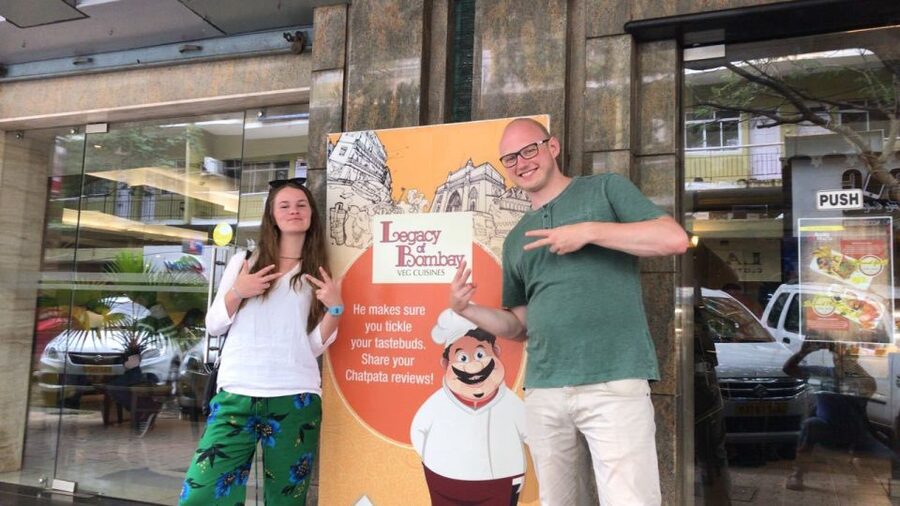
- Six tastings in two hours: Try dishes and drinks such as xacuti curry, peda, cucumber mint juice, chaat, cutlets, and other local favorites.
- Panjim on foot: Begin at Immaculate Conception Church and finish near Kala Academy, passing old streets, cafés, markets, and Portuguese-influenced buildings.
- A guide who explains the food: Shimada has earned especially strong praise for her stories, practical explanations, and easy conversation.
- Real local stops: The food is served at traditional eateries and stalls used by local people, rather than presented as a formal restaurant meal.
- Private and flexible: The experience is for a private group, with English or Hindi guidance and attention to vegetarian and non-vegetarian preferences.
- Come ready to eat: Breakfast should be light. Several tastings, a drink, and steady walking make this a proper snack-sized meal.
Starting at Immaculate Conception Church
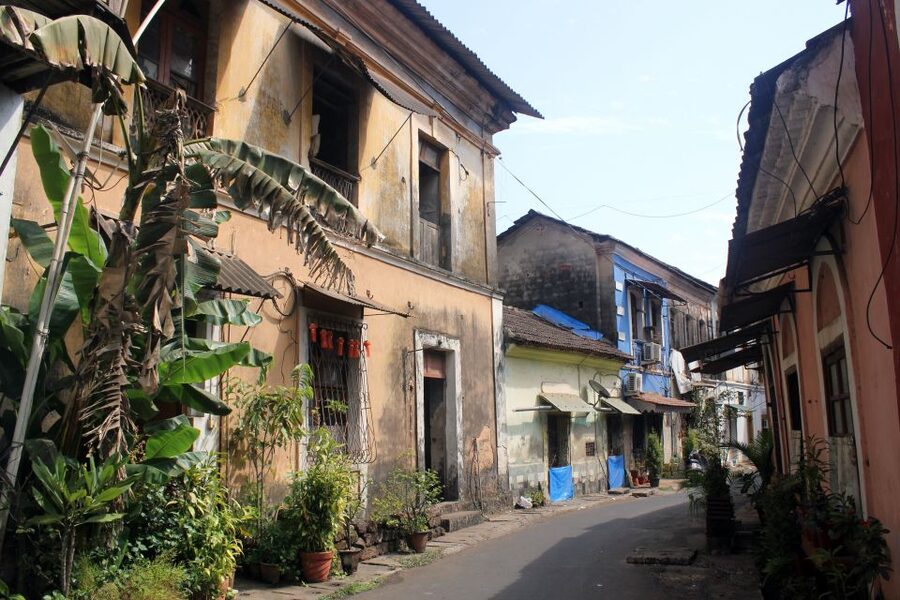
Meet your guide on the stairs of Our Lady of Immaculate Conception Church in Panjim. This is a practical meeting point because it is easy to recognize, and it places you right in the middle of the city rather than at the edge of a restaurant district.
From here, the tour moves into Panjim on foot. You will walk along stepped streets and through lanes shaped by Goa’s Portuguese past. The surroundings matter because the food is tied to this setting. Old buildings, cafés, markets, and church-centered streets give the guide plenty to point out as you move between tastings.
I would allow a few extra minutes to find the church and settle in. The walk includes moderate movement, and the tour runs in all weather, so a small umbrella or rain layer can be sensible depending on the forecast. Comfortable shoes are the one item specifically worth packing.
More street food walks around India:
- Mumbai: Street Food and Night Markets Tour
★ 4.9 · 719 reviews - Old Delhi Street Food Tour
★ 5.0 · 497 reviews - Delhi: Old Delhi Street Food Tour with Rickshaw Ride
★ 4.9 · 403 reviews
Panjim streets between the food stops
The route is not just a series of restaurant visits. The walking sections connect the food to Panjim’s daily life and give you a look at a part of Goa that can be missed when you stay only at beaches or resort restaurants.
Expect to pass Portuguese-influenced lanes, centuries-old buildings, cafés, and markets. The information provided does not promise a fixed list of streets or exact dishes at each stop, so the route may vary. That is useful to know if you want a tightly scripted sightseeing program. This is better suited to someone who enjoys a flexible walk with food along the way.
The guide fills in the gaps as you go. Shimada is the guide most often named in the feedback supplied for this experience, and her strengths are clear: she explains the origins of dishes, answers questions, and connects cooking methods with local customs. One particularly useful part of the conversation can be the way she explains spice, chile, and coconut choices, and how those ingredients affect the final taste.
You also hear about more than recipes. Past conversations have included Goan chorizo, bebinca, lobster prices, traditional eating habits, and wider food issues in India. That makes the tour feel more like a conversation about how people eat than a memorized list of dish names.
The first local restaurant stop
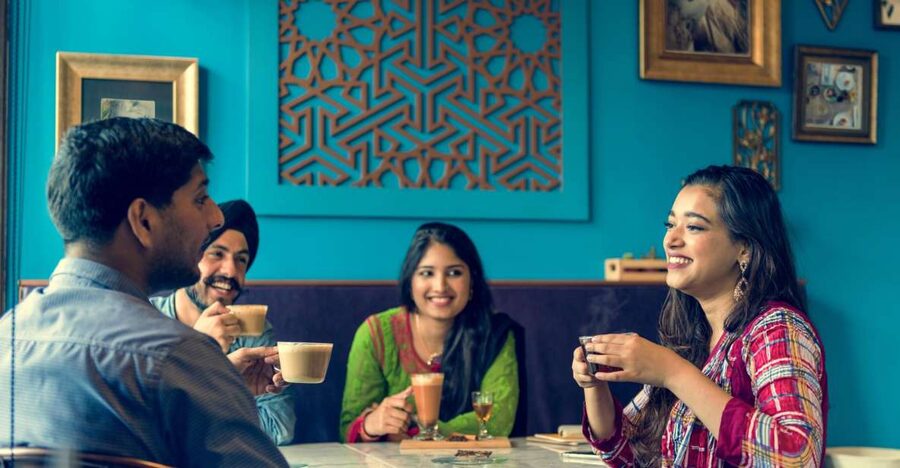
The first restaurant stop introduces the basic format. You will pause at a local eatery for street food, taste something prepared there, and then continue walking.
The exact first dish is not fixed in the information provided, so do not book expecting a guaranteed sequence. The stated selection can include chaat, cutlets, patties, dahl, banana buns, desserts, and other local favorites. Your guide explains what you are eating and may show you how it is prepared.
This is where a guide makes a real difference. Indian street food can be confusing if you do not know whether a snack is sweet, sour, spicy, crisp, soft, or meant to be eaten with a sauce. Explanations help you pay attention to the ingredients instead of simply deciding that something is hot.
The stop also keeps the meal moving. You are tasting rather than ordering a full dish, which lets you try more items in a short time. The tradeoff is that portions are designed for sampling, not for a long sit-down meal. If you are very hungry, six tastings may satisfy you, but the experience is not advertised as lunch or dinner.
The second stop, with chaat and local snacks
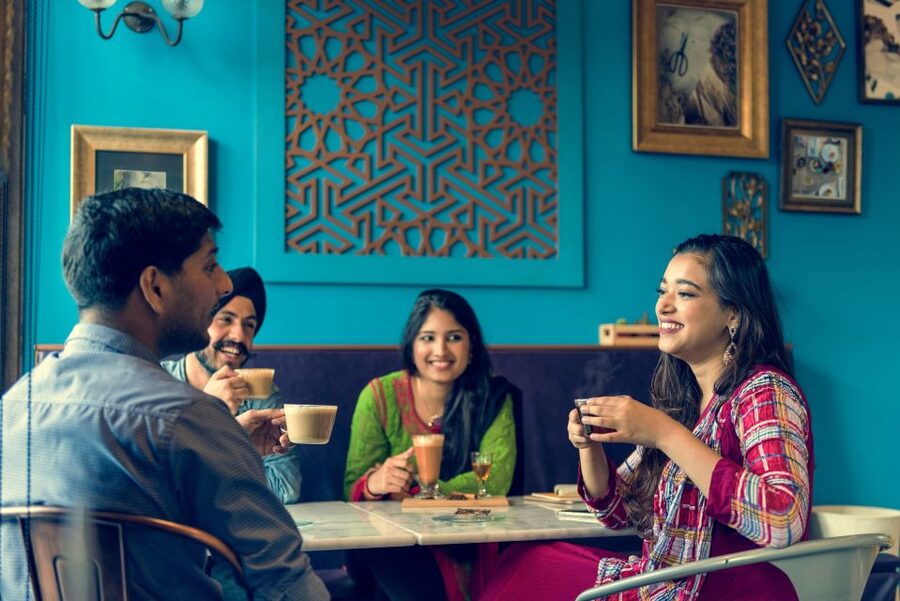
The next local restaurant visit combines another tasting with more walking and guiding. This is likely to be one of the most varied parts of the experience because chaat, cutlets, and small patties can offer different textures and flavors within just a few bites.
Chaat is especially useful for understanding how Indian snacks are built. Depending on the item served, you might find a mix of crisp, soft, sweet, sour, salty, and spicy elements. The important point is not simply to count another dish. It is to notice how several modest ingredients can create a strong flavor.
The supplied information also refers to different types of chaat and cutlets, but it does not guarantee which versions will be available on your date. I appreciate that honesty in the way the experience is presented. Local food is not always a fixed museum display, and a tasting walk can change with the partner eateries and what is being prepared.
Vegetarian and non-vegetarian preferences can be accommodated. Tell your guide clearly at the start. One private group with both preferences received adjustments from Shimada, which is a useful benefit if your party does not all eat the same way.
Same streets, a different set of bites:
- Old Delhi Street Food Tour – Explore Spices in Chandni Chowk
★ 5.0 · 334 reviews - Mumbai Street Food Tour
★ 5.0 · 269 reviews - Winner Mumbai Street Food Tour in the World Top 20 by Guardian
★ 5.0 · 216 reviews - Mumbai Street Food and Evening Bazaar Tour
★ 5.0 · 172 reviews
The third stop, where food history takes over
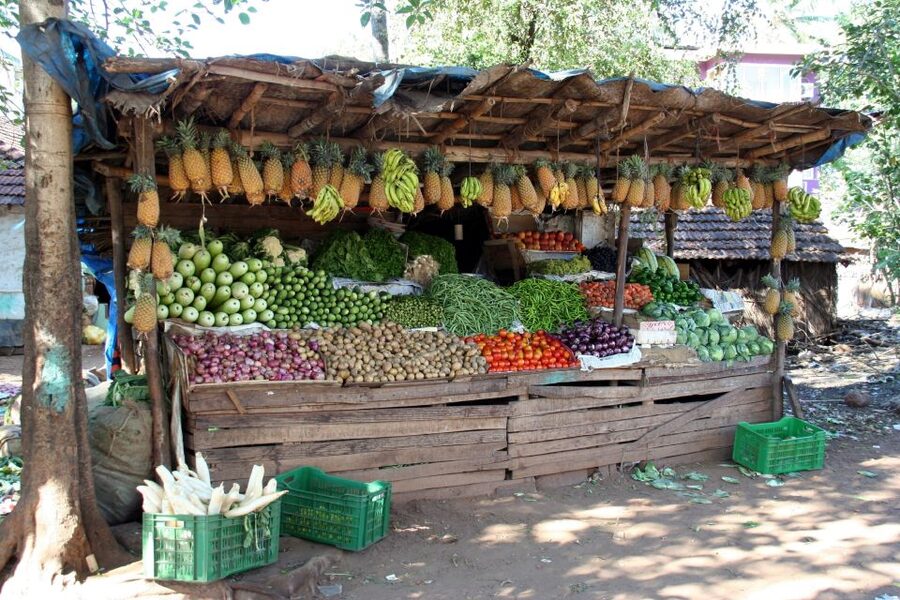
At the third local restaurant, the emphasis shifts toward guided tasting and the story behind the food. This is where the Portuguese connection becomes especially relevant.
Goa’s cooking reflects more than one tradition, and the tour uses Panjim’s buildings and streets as a backdrop for explaining that blend. You may hear how local ingredients and outside influences meet in dishes, drinks, and bakery items. The guide also discusses food preparation and the role of spices, chile, and coconut.
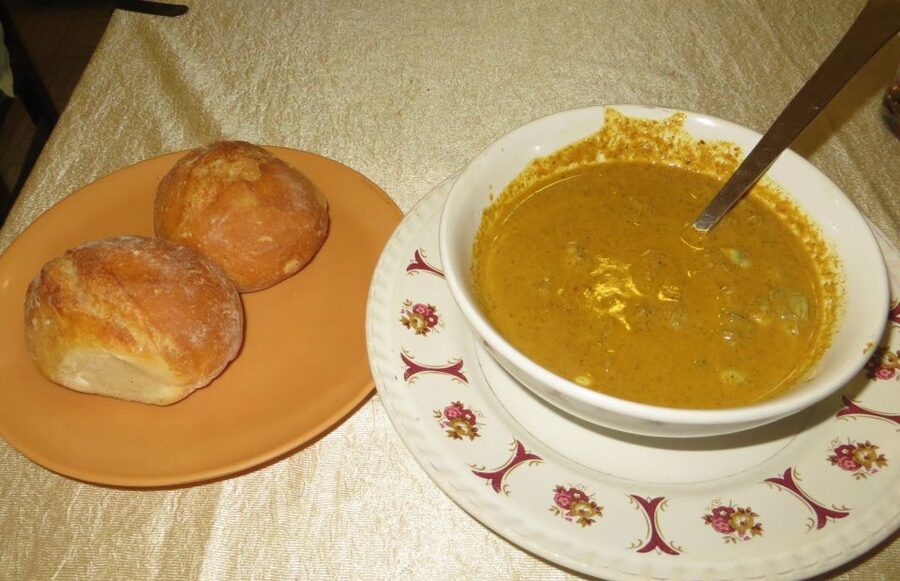
The tasting list includes xacuti curry, a dish associated with a complex spice profile, although the exact serving format is not specified. You may also encounter patties, dahl, banana bun, or another local favorite. Sweet items such as peda and Goan desserts can appear as part of the broader tasting selection.
This stop is valuable if you want context rather than just novelty. You learn what makes a dish Goan and why certain ingredients matter. It is also a good point to ask questions, since the tour is private and the guide can spend time on your interests rather than following a large group’s schedule.
Finishing near Kala Academy
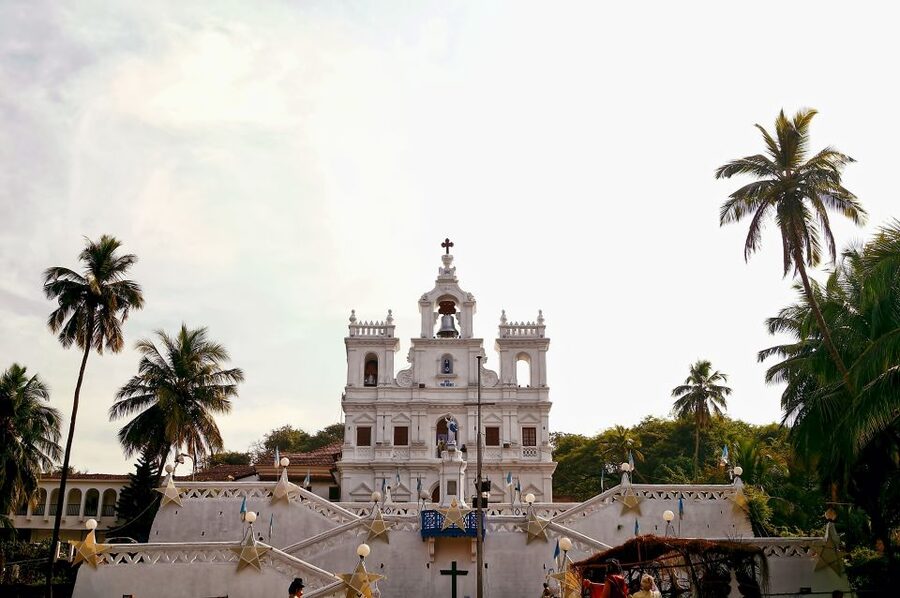
The walk finishes at Kala Academy. By this point, you will have visited several local food spots and tasted six items, including a beverage. The route gives you a useful end point in Panjim rather than returning you to the church.
That matters for planning. You should not assume hotel pickup or drop-off. You make your own way to the church and arrange your onward transport from Kala Academy. The tour lasts about two hours, but allow a little extra time if a stop is busy or the group pauses for questions.
Finishing in a different place also makes the experience practical at the start of a day in Panjim. You can continue exploring from there, though the activity itself does not include additional sightseeing or transport.
What the food selection tells you about Goa
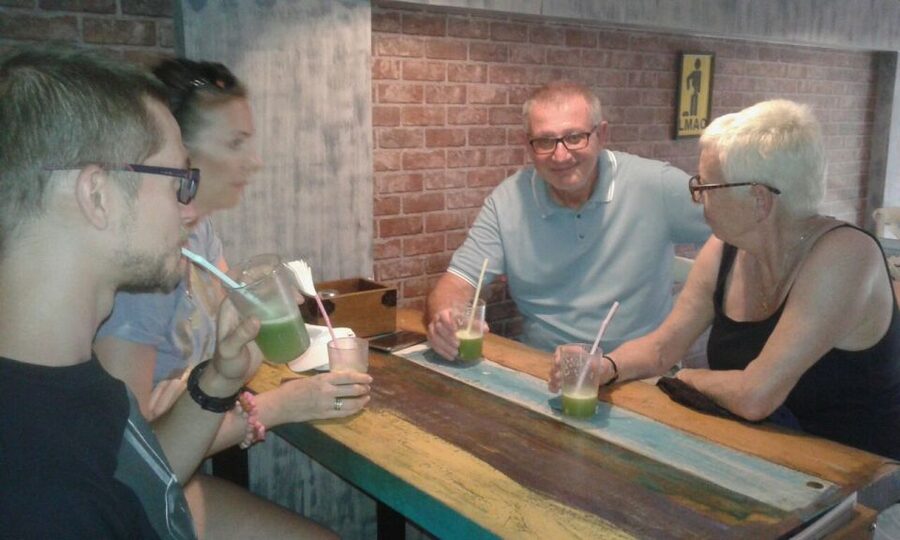
The selection is designed to give you range. Xacuti curry offers a savory, spice-led taste. Peda brings in a sweet element. Cucumber mint juice provides a cool drink, while chaat and cutlets show how snack food can combine crunch, sauces, seasoning, and filling ingredients.
The point is not to present every famous Goan dish. Six tastings cannot do that in two hours. Instead, you get a small working map of local flavors: sweet, savory, spiced, fresh, fried, and possibly bakery-based.
You may also hear about bebinca, Goan chorizo, and other foods during the conversation, even if they are not among the six guaranteed tastings. Treat those discussions as useful background, not as a promise that every mentioned item will be served.
The food is eaten at rustic eateries and stalls selected by the local partner. That gives the experience a more everyday feel than a polished tasting menu. The drawback is that rustic local stops may offer less comfort, space, or predictability than a conventional restaurant. If your priority is air conditioning and a long seated meal, this is not the right format.
Guide quality and the private-group advantage
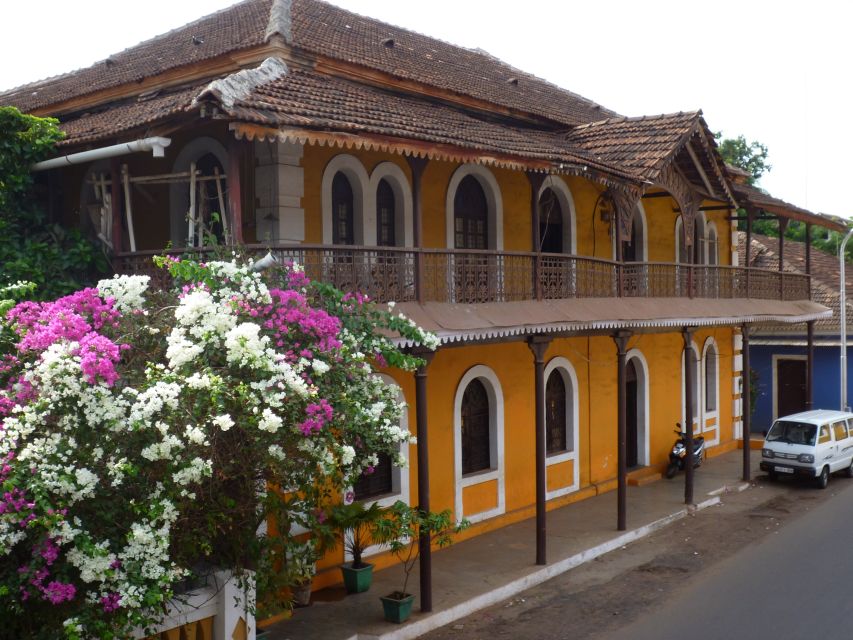
The guide is the heart of this experience. Shimada receives repeated praise for being friendly, organized, personable, and strong at explaining Goan cuisine and culture. Several accounts also single out her storytelling and the depth of conversation.
Those details matter because a food walk can easily become a string of unnamed samples. Here, the guide explains what you are eating, where food traditions come from, and how the city’s Portuguese influence shows up in both food and architecture.
The private-group format is another advantage. You can ask about vegetarian food, non-vegetarian food, preparation, local customs, or a dish you have just tasted without holding up a large group. The guide speaks English and Hindi.
A private tour does not mean you can control every dish or skip all walking. Moderate walking remains part of the design, and the tour operates in all weather. Still, the smaller format should suit couples, families, or friends who want conversation rather than a large organized group.
Is $28 a fair price?
At $28 per person, the value depends on how you normally explore food. You are paying for six tastings, a beverage, a professional guide, and a private two-hour route through Panjim. You also receive interpretation that would be difficult to reproduce on your own during a first visit.
If you simply want to eat as much as possible for the lowest price, you could spend less by visiting one local stall. That would not give you the same range, explanations, or help finding places you might otherwise overlook.
The price makes more sense if you are new to Panjim, interested in food history, or unsure how to order and identify local dishes. It can also be a good first activity because you learn what you like before choosing restaurants for later meals.
The rating supplied for the experience is 3.7 from 29 reviews, while the detailed comments provided are strongly positive about the guide, the food, and the explanations. I would read that as a reminder to keep expectations realistic: the strongest part is the human guidance and local access, not a luxury dining setting.
Who should book this Panjim food walk?
I would recommend it to you if you like trying several small portions, walking through older city streets, and asking questions as you go. It is particularly useful on a first visit to Goa, when a guide can explain dishes and point out the connection between food, culture, and Panjim’s built setting.
It also suits mixed groups. Vegetarian and non-vegetarian preferences can be discussed with the guide, and a private format makes those needs easier to manage.
You may want to skip it if you dislike walking, need a fully fixed menu, or prefer a relaxed meal at one table. The route includes moderate walking, the weather does not stop the tour, and the precise order of tastings is not guaranteed.
Arrive with an appetite. Several people specifically found that a large breakfast would have been a mistake. The food comes in tasting portions, but six stops or samples add up quickly.
Practical details before you reserve
The meeting point is the stairs of Our Lady of Immaculate Conception Church in Panjim, and the finish is at Kala Academy. Hotel pickup and drop-off are not included, so plan your own transport at both ends.
The tour lasts two hours and is available with an English or Hindi-speaking live guide. It is wheelchair accessible, though the route includes walking and stepped streets, so you should confirm that the exact path suits your mobility needs.
You can cancel up to 24 hours in advance for a full refund. You can also reserve now and pay later, which helps if your Goa schedule is still changing.
Should you book it?
Book this tour if you want a friendly guide, six local tastes, and a useful introduction to Panjim’s food culture in one compact outing. The best reason to choose it is the explanation around the food, especially when Shimada is guiding: you learn why dishes taste as they do, not just what they are called.
Skip it if you want a guaranteed menu, a long restaurant meal, or no walking. For everyone else, $28 is a fair price for a private introduction to Goan snacks, drinks, history, and everyday food stops. Keep breakfast small, wear comfortable shoes, and let the exact tasting lineup be part of the adventure.
FAQ
How long does the Goa street food crawl last?
The tour lasts two hours.
Where does the tour begin?
It begins at the stairs of Our Lady of Immaculate Conception Church in Panjim, Goa.
Where does the tour finish?
The tour finishes at Kala Academy.
How many food tastings are included?
Six food tastings are included.
Is a beverage included?
Yes, one beverage is included.
Which foods might I taste?
Possible tastings include xacuti curry, peda, cucumber mint juice, chaat, cutlets, and other Goan street foods. The exact selection is not fixed in the available details.
Is the tour suitable for vegetarians?
Vegetarian and non-vegetarian preferences can be accommodated. Tell the guide about your preference.
What languages does the guide speak?
The live guide can speak English and Hindi.
Is this a private tour?
Yes, the activity is arranged for a private group.
Is hotel pickup included?
No. You must make your own way to the church and arrange your own transport after the tour.
What should I bring?
Bring comfortable shoes and arrive with an appetite. The tour involves moderate walking and operates in all weather conditions.
Newest street food walks around India
- Old and New Delhi Street Food Sampling★ 5.0 · 3 reviews
- Old Delhi Cultural, Temples, Heritage Walking Street Food Tour★ 5.0 · 57 reviews
- Old Delhi Tour by Tuk-Tuk Street Food and Shopping Experience★ 5.0 · 12 reviews
- Customized Half Day and Full Day Delhi Shopping, Street Food Tour★ 5.0 · 52 reviews
- Delhi: Street Food Crawl (2 Hours Guided Food Tasting Tour)★ 3.5 · 18 reviews
- Taste Famous & Best Street Food of Old Delhi (Jama Masjid)★ 3.0 · 2 reviews
- Spice & Stories: 3-Hour Old Delhi Heritage Food Walk Guided Tour★ 4.5 · 36 reviews
- Old Delhi Street Food and Spice Market Tour★ 5.0 · 81 reviews
India street food tours, side by side.
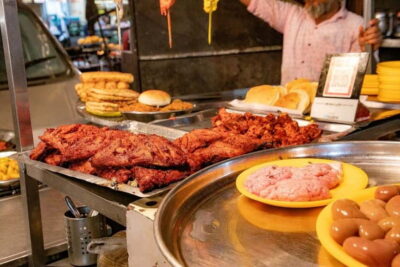
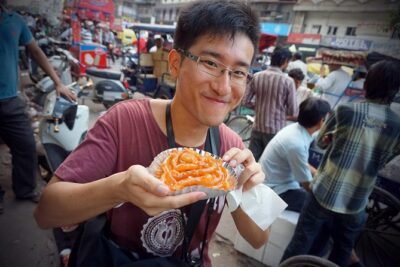
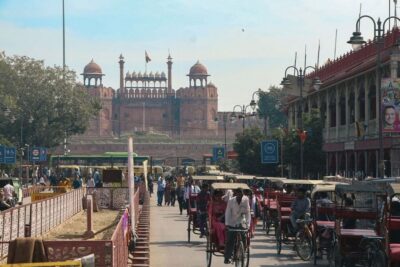
Delhi: Old Delhi Street Food Tour with Rickshaw Ride
Read our review →
Old Delhi Street Food Tour – Explore Spices in Chandni Chowk
Read our review →
Winner Mumbai Street Food Tour in the World Top 20 by Guardian
Read our review →
The lists this tour appears in