
Review · KENYA
Nairobi Food Tour – Street Food Experience Lunch
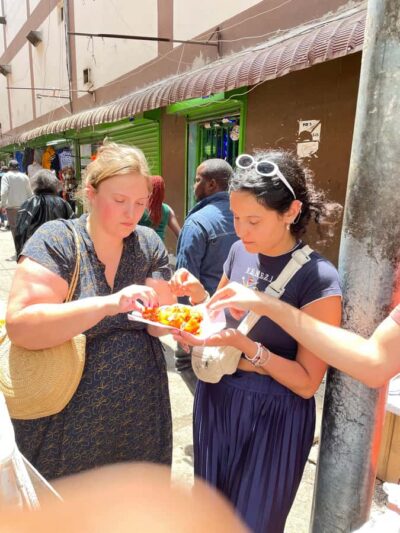
Nairobi’s best food lesson may come on a plate of nyama choma, grilled goat or chicken served with everyday staples rather than restaurant decoration. This private five-hour tour takes you to several food stops, including less familiar places, so you can taste how people in Nairobi actually eat.
I like the personal setup: your guide can focus on your private group, and hotel pickup and drop-off remove much of the city navigation. I also like the range, from ugali and mukimo to chapati, samaki, madafu, and Swahili dishes. The main consideration is price. At $163 per person, this is a costly meal, so you are paying for transport, guidance, variety, and access to local places, not just food.
Key points at a glance
- A private food route through Nairobi: Only your group takes part, with hotel pickup and drop-off in Nairobi.
- A full Kenyan meal, not just small tastes: Expect plenty of food, including nyama choma, ugali, mukimo, chapati, samaki, and more.
- Everyday local cooking: The focus is on food ordinary Kenyans eat, including simple dishes and local establishments.
- Guides who add a personal touch: Faith, Benson, and Simon are named as guides associated with especially well-received outings.
- Five hours with a flexible food focus: The experience is built around several stops rather than one formal restaurant meal.
- A tour for open-minded eaters: Some settings may be basic, and the food is authentic rather than adapted for visitors.
Nairobi on a plate, from nyama choma to samaki
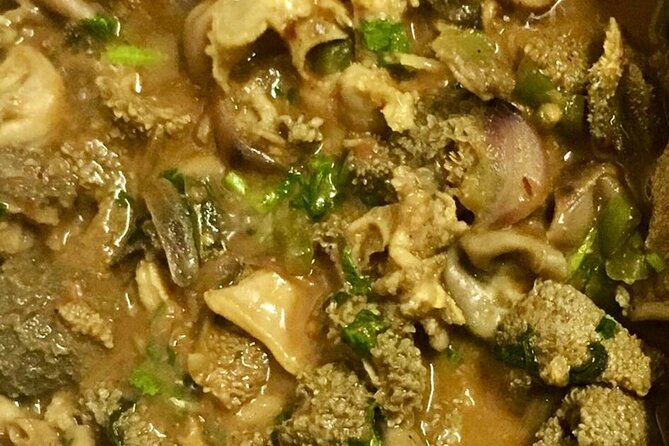
This is not a quick tasting walk with one bite at each stop. The food provided is described as a full lunch or dinner, and the portions can be generous enough that you may not want another meal later that day.
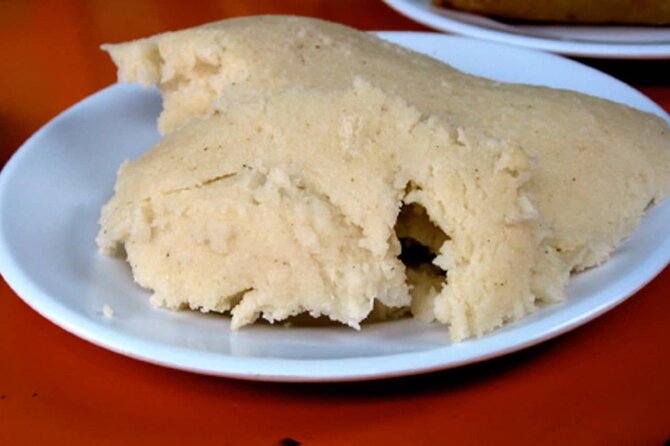
The tour introduces you to a broad set of Kenyan dishes. You may start with staples such as ugali, a firm maize meal commonly served with meat or vegetables, or mukimo, a mashed mixture made with ingredients such as potatoes, greens, and other local additions. These dishes help you understand the structure of a Kenyan meal: filling starches paired with meat, vegetables, or a savory sauce.
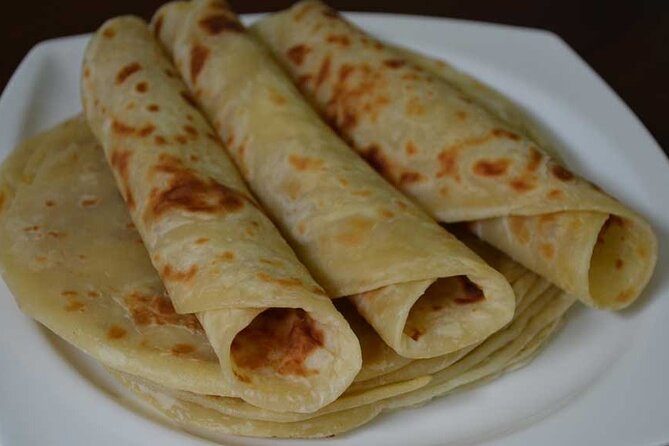
Chapati brings a different influence. This flatbread is familiar across East Africa and reflects the long exchange between Kenyan and Indian cooking. On this tour, chapati may appear alongside local dishes rather than as part of a formal Indian meal, giving you a useful sense of how outside influences have become part of everyday Kenyan food.
The centerpiece for many people will be nyama choma. This means grilled meat, often goat, though the meal can also include kuku choma, grilled chicken. You may find the meat served plainly, with its flavor coming from the grill and the quality of the cut rather than a heavy sauce.
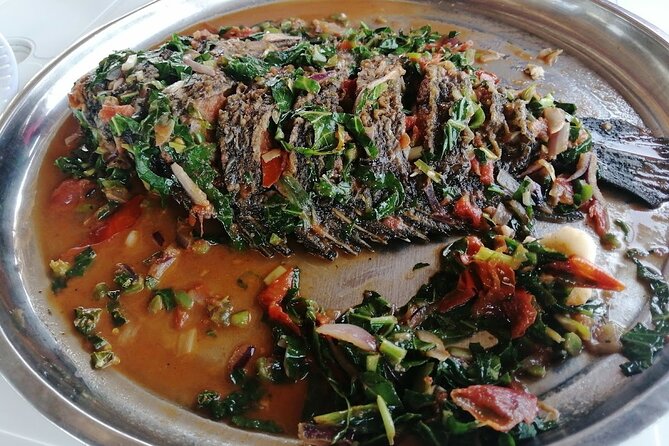
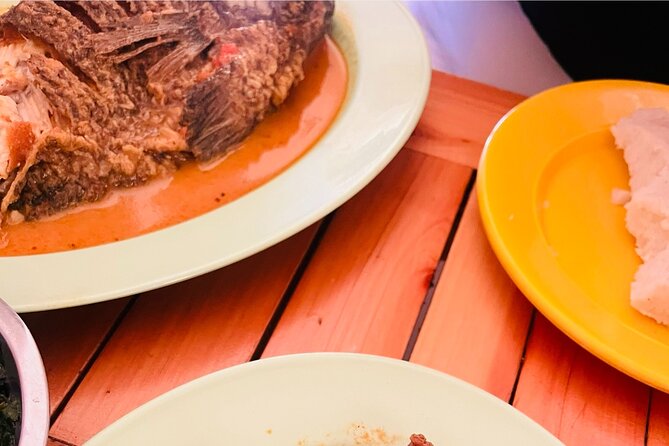
Samaki, or fish, is also included in the food selection. The exact preparation can vary, and the tour description does not promise a particular fish or cooking method. That uncertainty is part of the point: this is a route through local food rather than a fixed tasting menu.
You may also try mboga za kienyeji, meaning traditional vegetables, along with supu, or soup. Kachumbari, a fresh tomato and onion salad, offers a crisp contrast to grilled meat and dense starches. Madafu, fresh coconut water, adds a cool drink to the meal.
Lunch outings to book around the world:
- Authentic Vienna Food Tour inc. lunch, street food, 3 drinks
★ 5.0 · 749 reviews - An exclusive experience: food market, private chef and lunch!
★ 5.0 · 36 reviews - From Taormina: Syracuse Tour with lunch in Food Market
★ 4.9 · 12 reviews
What the five-hour route is designed to do
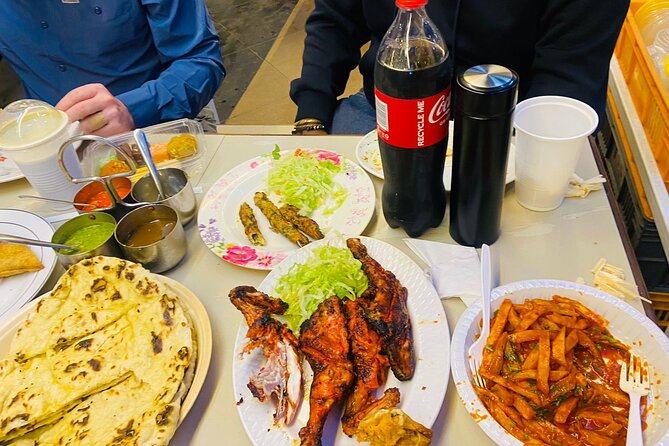
The tour is built around several food establishments. Some are well known, while others are described as off the beaten track. Since the exact order and names of the stops are not provided, you should think of the experience as a guided food route rather than a published restaurant itinerary.
That matters in Nairobi. The city has thousands of places to eat, and a first-time visitor cannot easily tell which simple-looking spot serves a dish worth trying. Your guide handles that decision and gives you a reason to leave the polished restaurant district for places where local meals are the main attraction.
At the first stops, you might get your bearings with familiar dishes such as chapati, soup, or kachumbari. These foods can be an easy introduction because they are recognizable in texture and flavor, even if the seasoning is new to you.
The route can then move toward heavier dishes. Ugali, mukimo, and grilled meat are filling, so the pacing matters. Do not arrive after a large breakfast or lunch. One particularly useful tip from the experience is to come with an empty stomach, since the portions are reported to be plentiful.
The point of moving between establishments is not only to collect dishes. You get to see how food changes from one setting to another and hear how locals eat it. The guide can explain the customs around the dishes, the ingredients, and the role food plays in daily life.
Why a private guide changes the experience
A private tour is a major part of the value here. You do not share the outing with a large mixed group, and only your own party takes part. That gives the guide more room to answer questions, adjust the pace, and pay attention to what you are willing to try.
The named guides connected with this experience include Faith, Benson, and Simon. Faith and Benson are noted for making a birthday outing feel personal, while Simon is praised for combining food with explanations of Kenyan culture and customs. Those details suggest that the strongest part of the experience may be the human connection, not simply the number of dishes.
I would use the guide as a food translator. Ask what locals normally eat with each dish, how the meal is shared, and which items are especially common in Nairobi. If you are unsure about a food, ask before ordering or tasting. A private format makes those questions easier than they would be in a large group.
The guide also helps with context that a menu cannot provide. Kachumbari may look like a simple tomato and onion salad, but learning where it fits beside grilled meat makes it more meaningful. The same is true of ugali, which can seem plain until you understand how it works with stews, vegetables, and meat.
The appeal of lesser-known Nairobi food stops
The less familiar places are likely to be the most memorable part of the day. The tour specifically includes both recognized food spots and places away from the usual visitor route. That gives you a chance to see a more ordinary side of Nairobi’s eating culture.
The tradeoff is comfort. Local food places may be basic, crowded, or less polished than a hotel dining room. The supplied experience information does not promise a particular standard of decor, seating, or service, so book this for the food and setting rather than for a refined restaurant experience.
One person found the local style uncomfortable and considered the tour too expensive compared with dinner at a top Nairobi restaurant. That criticism is worth taking seriously. If you want a quiet, controlled meal with familiar hygiene standards and a known menu, a restaurant may suit you better.
On the other hand, a restaurant does not usually give you several local stops, a private guide, city transfers, and explanations of everyday eating habits. You need to decide which part matters most. This experience is aimed at people who want to understand local food from the inside, even when the setting is plain.
Sit-down meals to book around the world:
- Naples: Street Food Experience With 6 Stops
★ 4.7 · 392 reviews - Siem Reap: Street Food Experience by Tuk-Tuk
★ 4.9 · 310 reviews - Saigon at Sunset: Ultimate Street Food Experience
★ 4.7 · 153 reviews - Sorrento: Guided Walking Tour & Street Food Experience
★ 4.6 · 152 reviews
How the dishes fit together
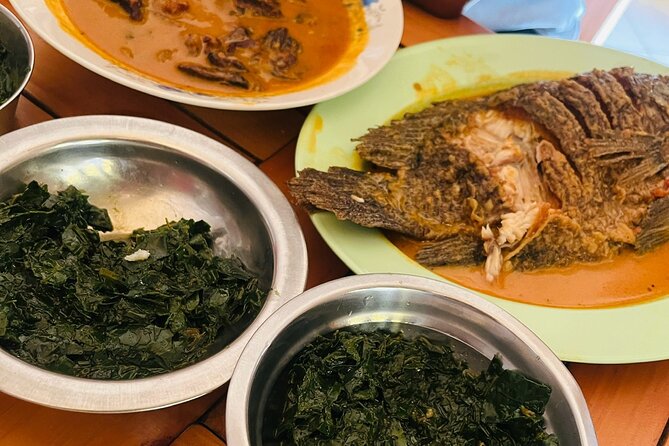
The selection covers several parts of Kenyan cooking rather than repeating one type of food.
Ugali is the sturdy base. Made from maize meal, it is filling and is often eaten with meat, vegetables, or soup. Its mild taste lets the other parts of the meal carry the seasoning.
Mukimo provides a different texture and flavor. It is a mashed dish associated with Kenyan home cooking and may contain potatoes, greens, and other ingredients. It is a useful contrast to ugali because it shows another way staple foods are prepared.
Chapati is softer and layered. You can use it to scoop food or eat it alongside meat and vegetables. Its presence also points to the Indian influence found in Kenyan cuisine.
Nyama choma and kuku choma bring the grill into focus. Goat and chicken offer different textures, and the appeal is direct: grilled meat, eaten with simple accompaniments. If meat is the main reason you are considering the tour, these are likely to be the highlight.
Kachumbari keeps the meal fresh. Tomato and onion bring acidity and crunch beside heavier foods.
Mboga za kienyeji introduces traditional vegetables, while supu adds a softer, more comforting course. Samaki gives you a fish option, and madafu provides coconut water.
The tour also promises a mix of Swahili dishes, but it does not specify every dish or preparation. That means the final meal may depend on the route, the day, and what is being served at each stop. You should see that as local variation, not a fixed restaurant menu.
Price, food quantity, and the real value
The listed price is $163 per person. That is high for a meal in Nairobi, and one piece of feedback makes the comparison directly: dinner for two at a top restaurant was considered less expensive than this tour for two people.
The price makes more sense if you value the entire five-hour service. It includes a private guide, hotel pickup and drop-off in Nairobi, a full lunch or dinner, several food establishments, and one bottled water per person. You are also paying for someone to choose places and help you navigate the city’s enormous food scene.
The amount of food is another part of the calculation. This is not a light afternoon snack. Several people found the meal plentiful, and one person said there was no need to eat again for the rest of the day. If you want only a few small tastings, the price will feel harder to justify.
Group discounts are offered, which may improve the cost for a larger private party. Still, you should check the final group price before booking. Personal expenses are not included, so budget separately for anything outside the provided meal, water, and transport.
Who should book this food tour
I would recommend it most strongly to people who:
- Want Kenyan food beyond hotel and tourist restaurants
- Enjoy trying dishes without needing every detail fixed in advance
- Prefer a private guide to a large group
- Like learning about customs along with eating
- Have enough appetite for a substantial meal
- Value hotel transportation in an unfamiliar city
It may be a poor match if you are highly sensitive to basic food settings, want a carefully controlled menu, or mainly want an inexpensive dinner. The tour is built around ordinary local food, and that can mean unfamiliar ingredients, strong flavors, and less polished surroundings.
Families and small groups may benefit from the private format, especially if members have different levels of curiosity. The guide can help explain dishes rather than rushing everyone through a preset schedule. People marking a birthday or another special day may also appreciate the personal attention associated with Faith and Benson.
Practical details before you book
Plan for about five hours. The experience can be scheduled for lunch or dinner, and hotel pickup and drop-off are included within Nairobi. The tour offers a mobile ticket, and confirmation is received when you book.
Only your group participates, which is useful if you prefer privacy or want to ask many questions. It also means the cost is tied to the size of your party, so group discounts may matter.
One bottled water per person is included. Other personal purchases and services are not included. The food list is broad, but no specific restaurant names, stop order, or exact serving sizes are promised, so do not book expecting a fixed menu.
Free cancellation is available if you cancel at least 24 hours before the start time. Cancellations or changes made less than 24 hours ahead are not refunded or accepted, and the cut-off uses Nairobi local time.
Should you book the Nairobi Food Tour?
Book it if your main goal is to taste everyday Kenyan cooking with a private guide who can explain what you are eating. The plentiful food, wide dish selection, hotel transfers, and local stops make this more than a standard restaurant meal.
Skip it if $163 feels too high for lunch or dinner, or if you want polished surroundings and a predictable menu. The best reason to choose this tour is access to local food places that can be difficult to find on your own. Arrive hungry, keep an open mind, and treat the setting as part of the lesson.
FAQ
Where does the food tour take place?
The experience takes place in Nairobi, Kenya, at multiple food establishments that include familiar spots and lesser-known local places.
How long does the tour last?
The tour lasts approximately five hours.
Is hotel pickup included?
Yes. Pickup and drop-off in Nairobi are included.
Is this a private tour?
Yes. Only your group participates in the activity.
What food is included?
The meal can include ugali, mukimo, chapati, nyama choma, kuku choma, samaki, mboga za kienyeji, kachumbari, supu, madafu, Swahili dishes, and other specified foods.
Is lunch or dinner included?
Yes. A full lunch or dinner is included.
Is bottled water provided?
Yes. One bottled water is provided per person.
Are personal expenses included?
No. Items and services of a personal nature are not included.
Are group discounts available?
Yes. Group discounts are offered.
Can I cancel for a full refund?
Yes, if you cancel at least 24 hours before the experience start time. Cancellations made less than 24 hours ahead are not refunded.
Newest street food walks around the world
- Old Delhi Cultural, Temples, Heritage Walking Street Food Tour★ 5.0 · 57 reviews
- Old and New Delhi Street Food Sampling★ 5.0 · 3 reviews
- Old Delhi Tour by Tuk-Tuk Street Food and Shopping Experience★ 5.0 · 12 reviews
- Customized Half Day and Full Day Delhi Shopping, Street Food Tour★ 5.0 · 52 reviews
- Delhi: Street Food Crawl (2 Hours Guided Food Tasting Tour)★ 3.5 · 18 reviews
- Spice & Stories: 3-Hour Old Delhi Heritage Food Walk Guided Tour★ 4.5 · 36 reviews
- Old Delhi Street Food and Spice Market Tour★ 5.0 · 81 reviews
- Taste Famous & Best Street Food of Old Delhi (Jama Masjid)★ 3.0 · 2 reviews
Kenya street food tours, side by side.



Nairobi: 1 Hour Gastronomic and Street Food tour of Nairobi
Read our review →
The lists this tour appears in