
Review · KENYA
Mombasa:Street food Experience
Mombasa’s best food lesson may happen beside a street stall, not inside a polished restaurant. This 150-minute walk through Old Town takes you from one local food stop to another, with samples of Swahili street cooking and stories about daily life along the coast.
I like the generous range of tasting stops, from beef or chicken skewers and seafood to sweet coffee and fresh sugarcane juice. I also like that guides such as Joan and Nicole explain how dishes are prepared, so you take home more than a full stomach. The main consideration is that this is a street-food walk, so seating, comfort, and guide style may vary.
Key points at a glance
- Seven types of local tastes: Try skewers, sugarcane juice, Swahili coffee, tea, potatoes, seafood, and cassava crisps.
- A compact Old Town route: The stops are close together, with walking between food areas rather than long transfers.
- Guides shape the experience: Joan has been praised for relaxed conversation and cultural insight, while Nicole has led food-focused walks with a friendly, personal feel.
- Good for curious eaters: Vegetarian, vegan, and pescatarian options can be arranged if you share dietary needs ahead of time.
- Come hungry: All food and drinks are included, and the tasting list can add up to a substantial meal.
- A real street setting: Expect local food spots rather than a formal restaurant or arranged dining room.
Why this Old Town food walk works
This experience is less about sitting down for one large meal and more about building a picture of Mombasa one bite at a time. You walk through Old Town, pause at food sellers, taste what is available, and hear how each item fits into local life.
That format matters. Food can show you how people gather, what they eat between meals, and which flavors are part of ordinary routines. The guide also gives context about local culture, history, and the lives of people in the area, rather than treating the food as a disconnected checklist.
The route is short-distance and designed to be manageable. You should still expect to be on your feet for much of the 150 minutes, but you will not be covering a large section of the city. A five-minute safety briefing starts the experience, followed by the main walking and tasting portion.
The tone can be relaxed and conversational. Joan has been described as easy to talk to, with useful commentary while walking. Nicole has also led the tour as a friendly, personal food outing. Since the host makes a big difference on any small walking tour, it is worth remembering that experiences can vary by guide and group.
Sit-down meals to book around the world:
- Naples: Street Food Experience With 6 Stops
★ 4.7 · 392 reviews - Siem Reap: Street Food Experience by Tuk-Tuk
★ 4.9 · 310 reviews - Saigon at Sunset: Ultimate Street Food Experience
★ 4.7 · 153 reviews
Starting at Treasury Square Roundabout
The meeting point is Treasury Square Roundabout. From there, the group begins with a short safety briefing before heading into the Old Town food route.
That opening is useful because the rest of the activity is informal. You are not being transported from one restaurant to another or handed a printed menu. Instead, you walk through the area and stop where the food is prepared and sold.
The route stays within Old Town and the food areas are described as a short distance apart. This keeps the focus on eating and conversation rather than sightseeing from a vehicle. You will see the setting where the food is made and sold, though the main purpose is tasting rather than a long architectural tour.
The experience is offered in English and Swahili. If you want detailed answers about ingredients or preparation, ask as you go. The food walk is built around questions, explanations, and trying things at a comfortable pace.
Mshikaki, the first serious bite
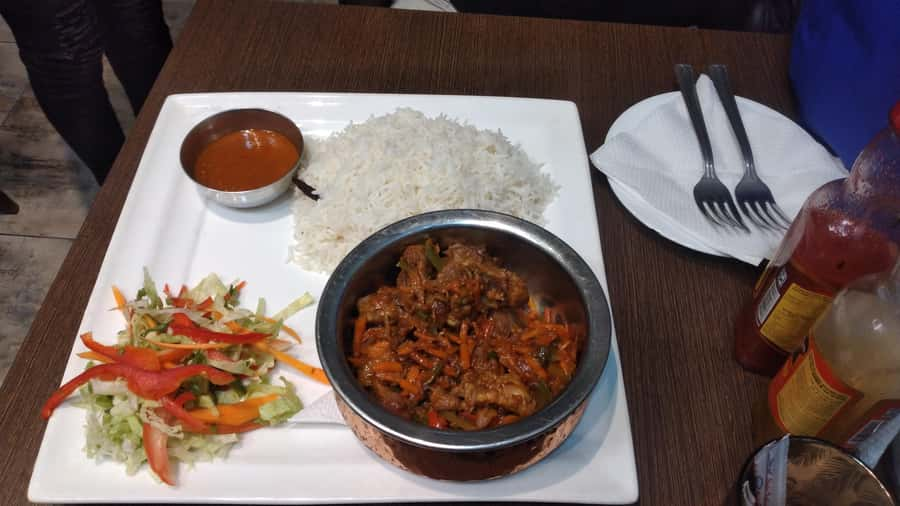
Mshikaki is served as beef or chicken skewers. It is the kind of food that makes an immediate introduction to street cooking: simple, portable, and cooked for eating on the go.
The value here is not just the skewer itself. Your guide can explain how it is prepared and help connect it to the wider food culture of the coast. If you are cautious about unfamiliar dishes, this is likely one of the easiest places to begin because the ingredients are recognizable and the portion is served in a straightforward form.
The food list depends partly on your taste and capacity. You do not have to treat every stop like a full plate, especially because the tour includes several additional foods. Take small portions when possible so you still have room for the seafood and snacks later.
Sugarcane juice and Swahili drinks
Fresh sugarcane juice, called juice ya miwa, gives the walk a different kind of taste. It is a fresh drink rather than a cooked dish, and it breaks up the heavier items on the route.
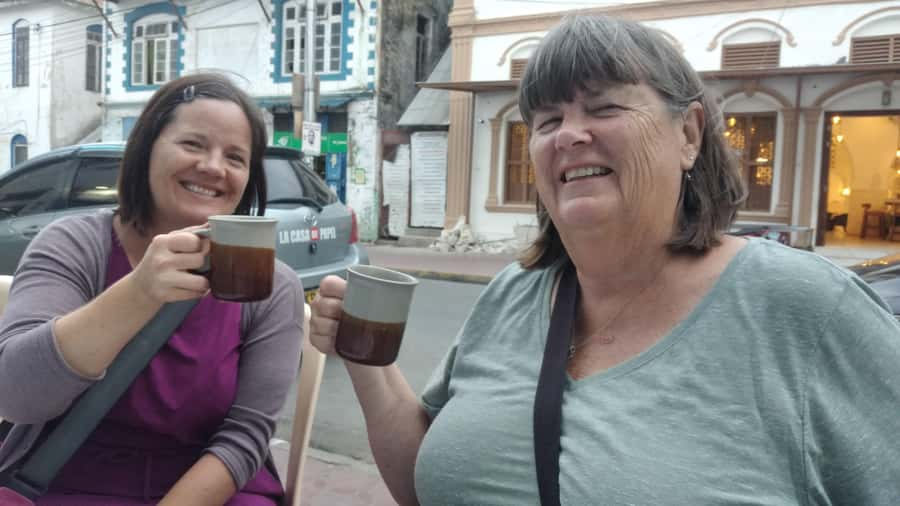
You will also sample kahawa, a sweet Swahili coffee, and chai, Swahili tea. These drinks help show how familiar ingredients can be prepared in a local style. The sweet coffee and tea may appeal to you if you enjoy strong, sweet drinks, though anyone who prefers unsweetened beverages should ask the guide what to expect.
I like this part of the route because it prevents the experience from becoming a parade of fried foods. Drinks offer a pause, a chance to talk, and a way to notice how everyday hospitality is expressed through a cup rather than a plate.
More street food walks around the world:
- Dubai: Old Town, Creek, Museums, Souks, & Street Food Tour
★ 4.8 · 10,816 reviews - Ho Chi Minh City Street Food Tour & Sightseeing By Motorbike
★ 5.0 · 9,413 reviews - Medellin: Comuna 13 Graffiti Tour, Cable Car & Street Food
★ 4.8 · 9,046 reviews - Dubai: Old Town, Souks, Street Food, Guided Tour & Abra Ride
★ 4.9 · 7,170 reviews
Viazi karai, bhajia, and the fried-food stop
The tour includes viazi karai and bhajia, both potato-based foods. These are the sort of snacks that make sense in a street setting: easy to share, satisfying, and suited to eating while walking or standing.
The exact preparation and seasoning are worth asking about. The food walk is meant to teach you how the dishes are made, not just hand you a sample and move on. If you enjoy cooking, pay attention here and take notes when the guide explains the ingredients or method.
This can also be one of the more filling parts of the experience. Potatoes, skewers, seafood, and cassava crisps together can amount to a full meal, which is why the advice to arrive with an empty stomach is practical rather than decorative.
Seafood from the coast
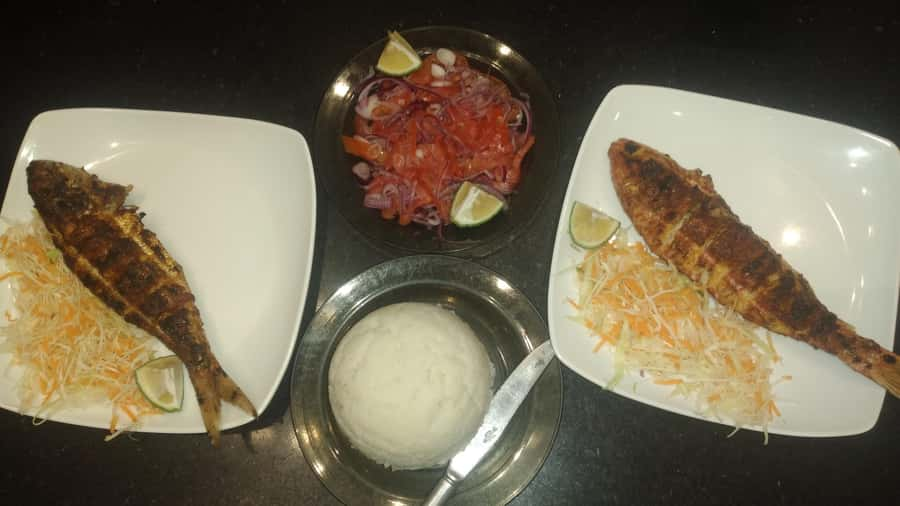
Seafood is one of the central tasting categories, with possible samples including octopus, prawns, or fish. The precise choice may depend on availability and your preferences, so do not assume that every listed item will appear in the same form on every walk.
This is where your dietary conversation matters most. If you eat seafood but not meat, the pescatarian option gives you a way to take part without feeling like an afterthought. Vegetarian and vegan choices are also available, but you should tell the guide about your needs in advance so suitable samples can be arranged.
Ask about each seafood item before tasting it if you have allergies or strong dislikes. The provider specifically requests advance notice of allergies. That is especially important on a route where food is sampled at several separate stops.
The seafood also gives the guide a chance to explain the food traditions of the coast. You are not simply tasting an isolated dish. You are learning how coastal ingredients fit into local cooking and daily life.
Kachiri and the final crunch
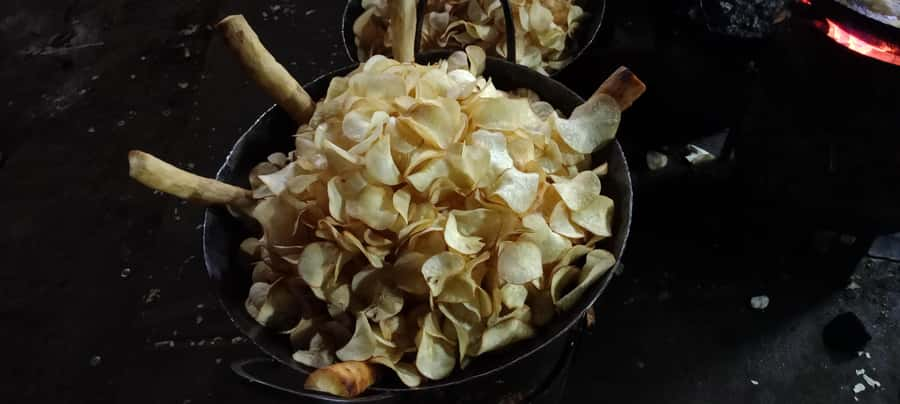
Kachiri means cassava chips or crisps. It is a lighter, crunchy item that works well toward the end of the route, particularly after the wetter or heavier foods.
Cassava is a useful reminder that the food experience is not limited to the most familiar Kenyan dishes. A simple crisp can tell you about local ingredients and the ways they are turned into snacks. If you are trying to remember favorites for later, this is an easy item to note because it is portable and simple to describe.
The entire tasting sequence is flexible enough to accommodate different appetites. You may be offered several bites at each stop rather than restaurant-sized servings, but the combined amount is intended to leave you satisfied. Several people have found the food selection generous enough to make them very full by the end.
The cultural side of the walk
The strongest part of this activity is the connection between food and conversation. The guide talks about local people, culture, and ways of life while you move through Old Town. That makes the route feel more personal than a basic food sampling session.
Joan has been praised for giving cultural information alongside the food and for creating a relaxed atmosphere. Nicole has also been associated with interesting conversations about cultural matters, with the experience feeling more like eating with a friend than attending a formal class.
I would book this tour if you want an introduction to Mombasa that is social and grounded in ordinary life. You will hear about more than ingredients, but you should not expect a long, academic history lecture or a carefully scripted culinary demonstration.
Guide style is the main variable. One published account describes a poor experience in which the guide’s responses to questions felt dismissive. That does not match the many positive comments about Joan and Nicole, but it is a fair reminder that a walking tour depends heavily on communication. If you value patient answers and a particular kind of personality, keep that in mind when deciding.
What the $37 price covers
The price is $37 per person, and all food and drinks are included. That makes the cost easier to judge than a tour where you pay for guiding first and buy every sample separately.
You are paying for a compact guided route, the food, the drinks, and the local explanation that connects the stops. If you tried to order every item independently, you might spend less on food alone, but you would not get the same route or commentary. The value is strongest for you if you want several small tastings without planning the stops yourself.
The price may feel less attractive if you only want one inexpensive meal or if you prefer choosing every dish on your own. This is a tasting tour, not a budget lunch. Its real benefit is variety and access to foods you might not confidently identify or order by yourself.
The rating is 4.7 from 14 reviews, with especially strong praise for the food selection, cultural information, and friendly guides. I would treat that as a good sign, while still allowing for differences in host personality and food availability.
Who should book this experience
This tour suits you if you:
- Want a first taste of Mombasa’s Swahili food culture.
- Enjoy trying several small portions instead of ordering one dish.
- Like walking through local areas while asking questions.
- Want an English or Swahili-speaking guide.
- Eat vegetarian, vegan, or pescatarian food and can share your needs in advance.
- Prefer informal food stalls to formal restaurant dining.
It may be less suitable if you need guaranteed seating, dislike eating outdoors or at street stalls, or want a quiet meal with no walking. The route is short, but you should still be comfortable moving from stop to stop and eating in a casual setting.
Families and cautious eaters can make it work by sharing samples and telling the guide what they do not eat. The activity is also useful for people who have just arrived in Mombasa and want a quick introduction to local flavors before exploring restaurants on their own.
Practical tips before you go
Do not eat a large meal beforehand. The tasting list includes enough items to fill you, and arriving hungry lets you try more without rushing.
Tell the provider about allergies in advance. The same applies to vegetarian, vegan, and pescatarian preferences. Options are available, but the guide needs time to plan the best samples.
Wear comfortable walking shoes and expect a casual street setting. The food areas are close, yet you will be walking and standing between stops.
Bring an open mind, but ask questions. If you are unsure about an ingredient, spice, or preparation method, the tour is the right place to ask. The food is only half the point. The explanations help you understand what you are tasting and may give you ideas to try at home.
You can cancel up to 24 hours before the activity for a full refund, and reserve now while paying later. Drop-off is not included, so plan your onward transport after the walk.
Should you book the Mombasa street food experience?
Book it if you want a friendly, food-first introduction to Old Town, especially if you like sampling many local items and hearing about the people behind them. The combination of mshikaki, seafood, sugarcane juice, Swahili coffee, tea, potatoes, and cassava crisps gives you a broad taste in only two and a half hours.
I would be most comfortable recommending it to curious eaters who can handle an informal street setting and who will share dietary needs ahead of time. The strongest reasons to go are the range of food, the included tastings, and the chance to talk with guides such as Joan or Nicole about local life.
Skip it if you want a formal restaurant meal, guaranteed menu items, or a fully predictable guide style. For everyone else, $37 is a reasonable price for a compact walking route, a substantial amount of food, and a useful first look at Mombasa through its everyday cooking.
FAQ
Where does the Mombasa street food experience start?
It starts at Treasury Square Roundabout in Mombasa.
How long does the experience last?
The activity lasts 150 minutes, or two and a half hours.
Where does the tour take place?
The walk takes place mainly in Mombasa Old Town, with short-distance walks between food areas.
What foods are included?
Possible tastings include beef or chicken mshikaki, fresh sugarcane juice, Swahili sweet coffee, Swahili tea, viazi karai or bhajia, seafood such as octopus, prawns, or fish, and cassava chips or crisps.
Are drinks included?
Yes. All food and drinks are included in the price.
Are vegetarian options available?
Yes. Vegetarian options are available.
Can vegans and pescatarians join?
Yes. Vegan and pescatarian options are available.
Should I tell the guide about allergies?
Yes. You should provide allergy information in advance so the best samples can be arranged.
What languages does the guide speak?
The live guide speaks English or Swahili.
Is transportation back included?
No. Drop-off is not included.
Can I cancel for a refund?
You can cancel up to 24 hours in advance for a full refund.
Newest street food walks around the world
- Old Delhi Cultural, Temples, Heritage Walking Street Food Tour★ 5.0 · 57 reviews
- Old and New Delhi Street Food Sampling★ 5.0 · 3 reviews
- Old Delhi Tour by Tuk-Tuk Street Food and Shopping Experience★ 5.0 · 12 reviews
- Customized Half Day and Full Day Delhi Shopping, Street Food Tour★ 5.0 · 52 reviews
- Delhi: Street Food Crawl (2 Hours Guided Food Tasting Tour)★ 3.5 · 18 reviews
- Taste Famous & Best Street Food of Old Delhi (Jama Masjid)★ 3.0 · 2 reviews
- Spice & Stories: 3-Hour Old Delhi Heritage Food Walk Guided Tour★ 4.5 · 36 reviews
- Old Delhi Street Food and Spice Market Tour★ 5.0 · 81 reviews
Kenya street food tours, side by side.
Nairobi Food Tour – Street Food Experience Lunch
Read our review →

Nairobi: 1 Hour Gastronomic and Street Food tour of Nairobi
Read our review →
The lists this tour appears in