
Review · KENYA
Swahili Street Food Tour
Mombasa’s best stories may arrive on a plate. This four-hour walk through Old Town links the outside of Fort Jesus with six local food vendors, giving you a taste of Swahili cooking while your guide explains the buildings, markets, customs, and daily life around you. I like the mix of food and place, and I like that the price includes all tastings, drinks, and transport rather than leaving you to count every snack.
The small group, capped at 10 people, should make it easier to ask questions and keep up with the guide. Hawa, also written as Havah in the tour details, is praised for explaining Mombasa’s food, architecture, and culture. The main consideration is simple: you do not go inside Fort Jesus, and the exact dishes served at each vendor are not listed in advance.
Key points about the Mombasa food tour
- Six vendors in four hours: Each breakfast, lunch, or evening departure includes tastings at six different local food sellers.
- Starts at Fort Jesus: Your guide sets the scene outside one of Mombasa’s best-known historic landmarks before the food stops begin.
- Food, drinks, and transport included: The $55 price covers the tasting program and transportation during the experience.
- Old Town is part of the lesson: You get food, Swahili history, architecture, and local customs in one outing.
- Small group format: The tour accepts a maximum of 10 people, useful in narrow streets and crowded market areas.
- Three departure choices: A breakfast, lunch, or evening slot lets you fit the tour around your Mombasa plans.
Why this tour works in Mombasa Old Town
A food tour can be a useful first look at a city, but only if it explains more than what is on the plate. Here, the food is tied to the Swahili coast and to the streets where local vendors work. You are not simply moved from restaurant to restaurant. You are shown how food fits into the culture and the old town around it.
The tour begins at Fort Jesus Museum, at P. O. Box 82412 in Mombasa. You do not enter the museum or fort on this activity. Instead, the guide gives you an overview of its history and importance before leading you toward the first food stop.
That arrangement has a clear benefit. You get useful background without spending part of a four-hour food tour inside a separate museum visit. If Fort Jesus is high on your sightseeing list, plan a separate visit before or after the tour. This experience gives you the setting, not the full admission visit.
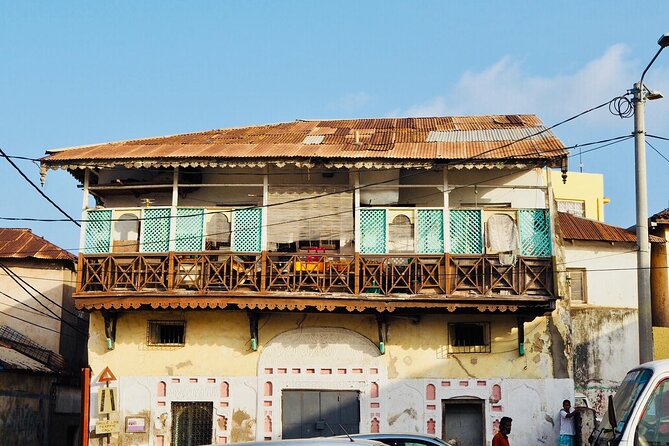
From there, the focus shifts to Old Town. The area is treated as more than a backdrop. Your guide discusses Swahili culture, architecture, history, and everyday life as you move between food sellers. That makes the tour a good fit if you want context but do not want to spend an entire day on a formal history walk.
More street food walks around the world:
- Dubai: Old Town, Creek, Museums, Souks, & Street Food Tour
★ 4.8 · 10,816 reviews - Ho Chi Minh City Street Food Tour & Sightseeing By Motorbike
★ 5.0 · 9,413 reviews - Medellin: Comuna 13 Graffiti Tour, Cable Car & Street Food
★ 4.8 · 9,046 reviews
Six vendors, six chances to taste something new
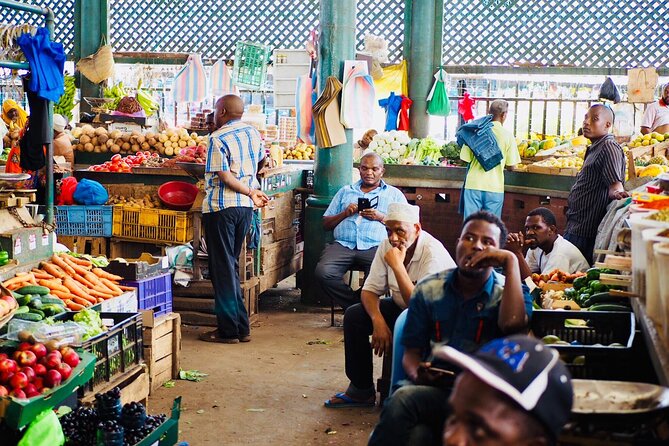
The central promise is a visit to six local vendors during your chosen time slot. The tour details do not name every dish, and that is worth keeping in mind. You should expect a selection of local delicacies, but you should not book this expecting a fixed menu with every item announced ahead of time.
That uncertainty can be part of the appeal. Street food changes with the time of day, the vendor, and what is being prepared. A breakfast outing will not feel exactly like a lunch or evening outing. You are likely to get a different view of local eating habits depending on your booking time, though the specific dishes are not guaranteed.
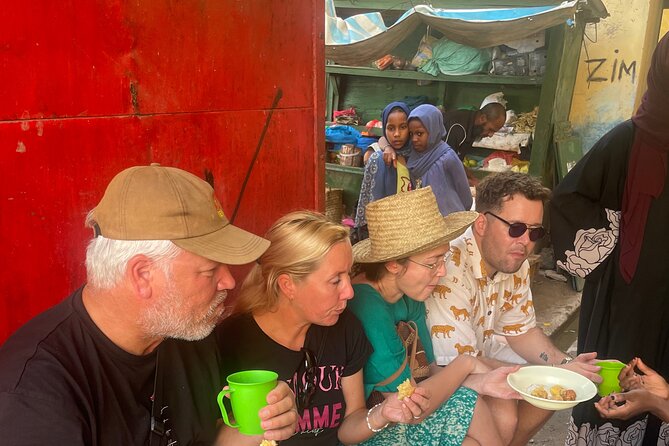
The guide acts as the link between each bite and the place around it. You can ask about ingredients, preparation, customs, and the people selling the food. The experience also includes contact with local food producers and vendors, so the tour has a more direct feel than a standard restaurant meal.
I like that the stops are spread across six sellers. One dish alone cannot explain Swahili food. Six small visits give you a broader sample and let you compare flavors, textures, and styles. They also reduce the risk of spending the whole afternoon at one table when the point is to see how food works across Old Town.
The tradeoff is that the portions and exact mix are not specified. If you need a guaranteed meal, have strict dietary requirements, or dislike surprises, ask the provider for current food details before booking. The supplied information confirms that food and drinks are included, but it does not give a vegetarian, vegan, halal, allergy, or gluten-free menu.
Choosing breakfast, lunch, or evening
You can choose among three time slots: breakfast, lunch, and evening. The choice affects the mood and likely rhythm of the food stops, even though the four-hour length remains the same.
A breakfast departure is useful if you want to begin your day in Old Town and leave the afternoon open for other sightseeing. It may also suit you if you prefer smaller tastings earlier in the day. The available information does not specify the breakfast dishes, so treat the slot as a timing choice rather than a promise of particular foods.
The lunch option is the most natural fit for many visitors. You can build the middle of your day around six tastings, with the guide’s explanations giving structure to a part of Mombasa that can otherwise feel hard to read. If you choose lunch, avoid scheduling another major activity too tightly afterward. Four hours is an approximate duration, and food stops plus local transport can take time.
An evening tour offers a different feel. Old Town becomes a setting for food and conversation rather than a daytime sightseeing stop. This could be a good choice if you have a free morning or want to end the day with local dishes. Again, the precise vendor selection is not provided, so book the evening slot for its timing and atmosphere, not for a specific supper menu.
Meeting at Fort Jesus and moving through Old Town
The meeting point is Fort Jesus Museum, and the activity ends back at that same meeting point. That is helpful if you want a clear start and finish rather than being dropped in an unfamiliar part of town.
Transportation during the tour is included. The description does not explain which sections are walked or what type of transport is used for each leg, so you should expect a combination of local movement and food stops without assuming a private vehicle for the full four hours. The guide will connect the meeting point, Old Town, and the vendors as part of the experience.
The maximum group size is 10. That is small enough for the guide to explain dishes and answer questions without turning every stop into a lecture delivered to a crowd. It also matters in an old urban district where busy public spaces can make a large group awkward.
You will be in a local community, not a controlled tasting room. That means the pace may depend on vendors, traffic, food preparation, and the normal rhythm of the area. I see that as part of the value, but it also means you should allow some flexibility in your schedule.
Same streets, a different set of bites:
- Dubai: Old Town, Souks, Street Food, Guided Tour & Abra Ride
★ 4.9 · 7,170 reviews - Naples: Street Food Walking Tour with Local Guide
★ 4.9 · 4,976 reviews - Small Group Hanoi Street Food Tour with a Real Foodie
★ 5.0 · 4,682 reviews - Rome: Street Food Tour with Local Guide
★ 4.8 · 4,077 reviews
The guide makes the difference
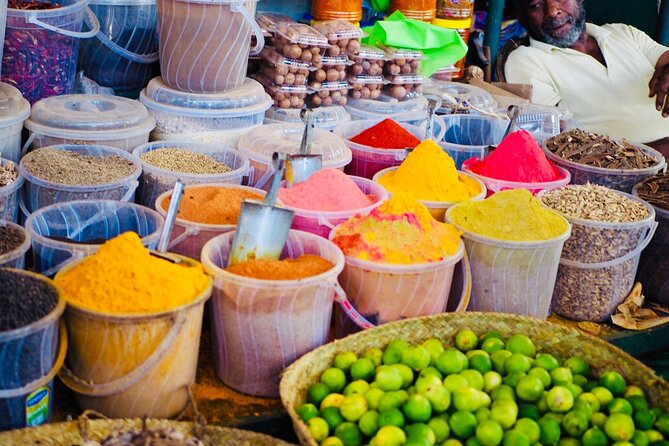
The guide’s role is broader than carrying you to food stalls. The experience calls for explanations of Swahili history, culture, architecture, and daily life, then adds the food vendors and producers along the way.
Hawa is praised in the supplied material for explaining Mombasa’s history, culture, architecture, and food. The name Havah also appears in the tour information, likely referring to the same guide, though the spelling is not consistent. If having Hawa or Havah specifically matters to you, confirm the guide’s availability when booking rather than assuming.
A good food guide should help you understand what you are eating without turning the tour into a classroom. This experience appears designed for that balance. You taste local dishes, then place them in the story of the coast and the old town.
I would use the opportunity to ask direct questions. What makes a dish Swahili? Is it commonly eaten at home or mainly sold by vendors? How does the time of day affect what people eat? The tour is built for those conversations, and a small group should make them easier.
What $55 covers, and whether it is fair
The cost is $55 per person. That is not the price of a single meal. It covers about four hours with a guide, six vendor visits, all food, drinks, and transportation during the tour.
The value depends on how you normally explore. If you would spend the afternoon buying several small dishes, paying for drinks, arranging transport, and hiring a separate guide for Old Town, the package can make financial sense. You also get the practical benefit of someone organizing the route and explaining what you are seeing.
If you only want a quick inexpensive snack, $55 will feel high. You are paying for the guided cultural component as much as for the food. The price is easier to justify if you care about the stories behind the dishes and want a structured introduction to Mombasa.
The group limit of 10 strengthens the value. This is not a huge coach excursion where food stops are rushed through in a crowd. Still, the tour does not include entry to Fort Jesus, so add a separate museum ticket if you want to visit inside.
Who should book this food experience
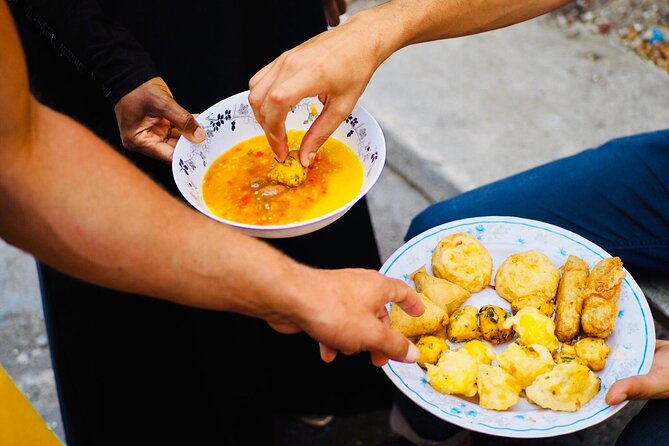
This tour suits you if you want a first taste of Mombasa without planning each food stop yourself. It is especially useful if you enjoy learning the background of a dish, asking questions, and seeing how food fits into local life.
It also works well for visitors who want both sightseeing and eating in one block of time. You get an introduction to Fort Jesus, Old Town architecture, Swahili culture, local vendors, food, drinks, and transportation in roughly four hours.
Families and mixed-age groups may find the format practical because most travelers can participate, and service animals are allowed. The tour is also near public transportation, making the meeting point easier to reach. The information does not spell out step-free access, seating at every stop, or the amount of walking, so ask ahead if those details are important for your group.
This is less suitable if you need a fixed menu, a private group, a short activity, or a full Fort Jesus visit. It may also disappoint you if you prefer polished restaurants over public food markets and local vendors. The point here is contact with the everyday food scene, not a formal dining room.
Booking, timing, and cancellation details
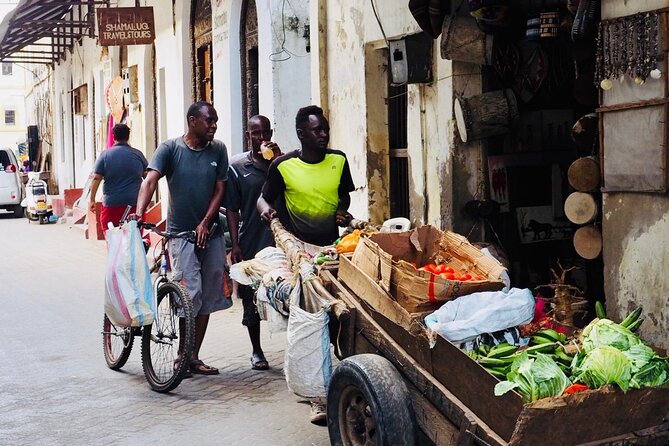
The tour uses a mobile ticket, and confirmation is provided when you book. It is booked about 30 days ahead on average, so I would reserve early if your Mombasa dates are fixed, especially if you want a particular breakfast, lunch, or evening slot.
The activity has a maximum of 10 participants. It starts and ends at Fort Jesus Museum, and the advertised duration is approximately four hours. The exact food list is not provided, so contact The AfricanFoodtrail before booking if ingredients or dietary needs will affect your decision.
Cancellation is free up to 24 hours before the start time, with a full refund. Cancellations or changes made less than 24 hours before the local start time are not accepted for a refund. That cut-off uses Mombasa local time, so check the time zone before making a last-minute change.
Should you book the Swahili Street Food Tour?
I would book this if you want Mombasa explained through both its streets and its food. The strongest reasons are the six vendor stops, the inclusion of food, drinks, and transport, and the chance to hear about Swahili culture and architecture from a local guide such as Hawa or Havah.
I would skip it if your main goal is to enter Fort Jesus, choose every dish in advance, or keep the afternoon very cheap. For most visitors who want a guided introduction to Old Town, $55 is a reasonable package price, provided you value the history and conversation as much as the tasting.
Book the time slot that fits your appetite and schedule, then allow the tour to be a little flexible. That is the best way to approach a local food walk: arrive curious, ready to taste six different stops, and prepared for Mombasa to tell its story one bite at a time.
FAQ
Where does the Swahili Street Food Tour start?
The tour starts at Fort Jesus Museum in Mombasa, Kenya.
Where does the tour end?
The activity ends back at the meeting point at Fort Jesus Museum.
How long is the tour?
The tour lasts approximately four hours.
How many food vendors will I visit?
You will visit six local vendors during your chosen breakfast, lunch, or evening slot.
Are food and drinks included?
Yes. The cost of all food and drinks during the tour is included.
Is transportation included?
Yes. Transportation during the tour is included in the price.
Does the tour enter Fort Jesus?
No. The guide gives you an overview of Fort Jesus, but the tour does not go inside.
How many people can join the tour?
The tour accepts a maximum of 10 travelers.
Can I cancel for a full refund?
Yes. You can cancel at least 24 hours before the experience start time for a full refund. Cancellations or changes made within 24 hours are not refunded or accepted.
Newest street food walks around the world
- Old Delhi Cultural, Temples, Heritage Walking Street Food Tour★ 5.0 · 57 reviews
- Old and New Delhi Street Food Sampling★ 5.0 · 3 reviews
- Old Delhi Tour by Tuk-Tuk Street Food and Shopping Experience★ 5.0 · 12 reviews
- Customized Half Day and Full Day Delhi Shopping, Street Food Tour★ 5.0 · 52 reviews
- Delhi: Street Food Crawl (2 Hours Guided Food Tasting Tour)★ 3.5 · 18 reviews
- Taste Famous & Best Street Food of Old Delhi (Jama Masjid)★ 3.0 · 2 reviews
- Spice & Stories: 3-Hour Old Delhi Heritage Food Walk Guided Tour★ 4.5 · 36 reviews
- Old Delhi Street Food and Spice Market Tour★ 5.0 · 81 reviews
Kenya street food tours, side by side.

Nairobi Food Tour – Street Food Experience Lunch
Read our review →
Nairobi: 1 Hour Gastronomic and Street Food tour of Nairobi
Read our review →
The lists this tour appears in