
Review · MARRAKECH
Marrakech street food tour with a local
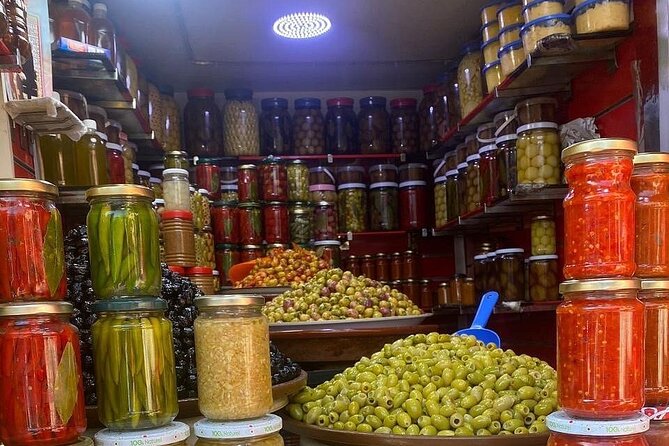
Marrakech’s best food stories are often found away from the familiar tagine and couscous. This three-hour walk leads you through Medina alleys and local eating spots for eight or nine small dishes, from Moroccan pancakes and soup to grilled meat, cactus fruit, and a strong herbal infusion.
I like the generous range of food and the chance to ask questions as you go. I also like that guides such as Ismail, Mohamed, and Lhoussaine have been praised for steering people through Jemaa el-Fnaa and into low-key places. The main consideration is that this is a casual, food-heavy walk, not a polished culinary show, and some dishes, such as sheep’s head, may test cautious eaters.
Key points to know before booking
- No tagine or couscous: The focus is on less familiar Moroccan street foods.
- Up to nine tastings: Plan to arrive hungry and pace yourself from the first stop.
- A real Medina walk: You move through Marrakech’s alleys rather than sitting in one restaurant.
- Food and drinks are included: The $40.71 price covers the listed tastings and beverages.
- Some foods are adventurous: Grilled liver, sheep’s head, herbal tea, and the advertised snail soup are not standard comfort fare for everyone.
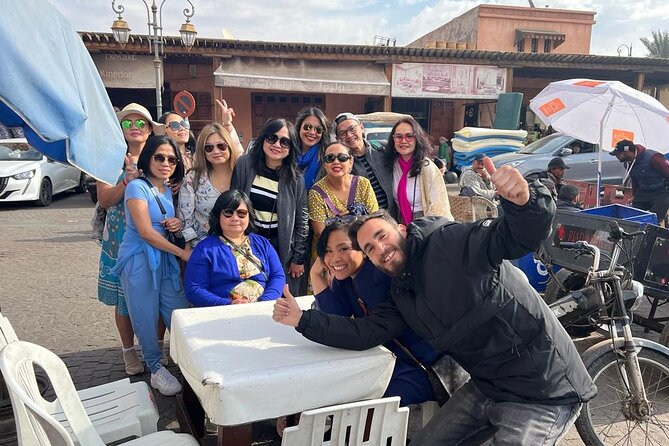
- Small enough to stay personal: The group can include up to 15 people and returns to Café de France.
Why this food walk feels different from a standard Marrakech meal
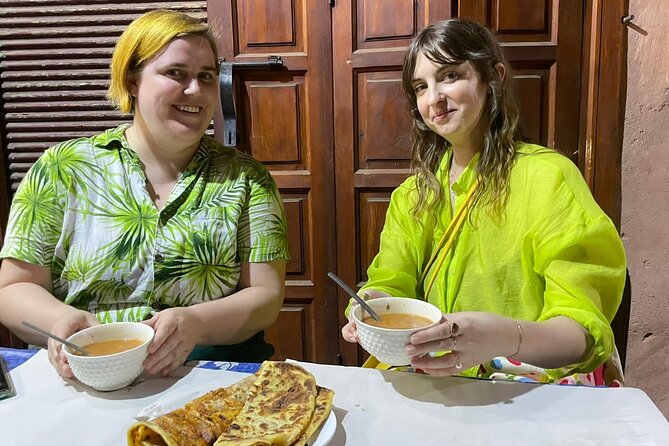
Many first meals in Morocco follow a familiar path: tagine, couscous, bread, and mint tea. Those dishes deserve their place, but they tell only part of the story. This experience is built around the food people grab in the streets, markets, small shops, and simple local eating places around the Medina.
That difference matters. You are not simply tasting a set menu. You are walking between stops, seeing the streets where daily life happens, and eating in places chosen for local use rather than a formal tourist setting. The setting can be noisy and crowded, particularly around Jemaa el-Fnaa, but that is part of the point.
The pace is casual. You will spend roughly three hours moving from one tasting to the next, with time for explanations and questions. Guides named in feedback include Ismail, Mohamed, and Lhoussaine. The guide you meet may be different, but the experience depends heavily on having someone who can explain what you are eating and help you move through the square without confusion.
This is a good fit if you want food to act as your introduction to Marrakech. It is less suitable if you prefer a quiet restaurant, a fixed meal, or a carefully staged cooking demonstration.
More street food walks around Marrakech:
- Marrakech: Street Food Tour by Night
★ 4.8 · 2,838 reviews - The Original Marrakech Street Food Tour
★ 5.0 · 248 reviews - Marrakech Street Food Tour
★ 5.0 · 220 reviews
Starting at Café de France and entering the Medina
The meeting point is Café de France at Jemaa el-Fnaa, listed at number 18 on Znikat Rahba. This is a useful place to begin because it puts you directly beside one of Marrakech’s main gathering points.
Jemaa el-Fnaa can feel like a lot at first. There are food stalls, vendors, pedestrians, and constant movement. A local guide helps you get through the opening stretch and into the side streets, where the food stops feel less exposed to the main square.
The tour ends back at the same meeting point. That makes planning easier, especially if you are staying near the square or want to continue exploring afterward. You should still allow a few extra minutes to locate Café de France, since the square has several cafés and the meeting address includes a specific number and street name.
This is a walking experience through Medina alleys. Wear shoes you can use comfortably for three hours, and keep your hands free enough to eat and walk. The tour is near public transportation, but no separate vehicle transfer is included or needed.
Msemen Amer and the first taste of Moroccan street food
One of the early tastings may be msemen Amer, a traditional Moroccan pancake that can include a filling. Msemen is a useful introduction because it shows how much Moroccan street food relies on dough, heat, and simple fillings rather than elaborate presentation.
The pancake is satisfying, so do not treat the first stop as a full portion. You have several more tastings ahead. One of the most practical tips for this tour is to pace yourself from the start. The food keeps coming, and it is easy to eat too much before reaching the more unusual dishes.
The tour’s appeal lies in these contrasts. Some stops are familiar and comforting, while others introduce flavors and ingredients you might not order alone. The guide can explain the dish as you go, which takes some of the guesswork out of trying food you have never seen before.
Harira with chebakia, a classic sweet and savory pairing
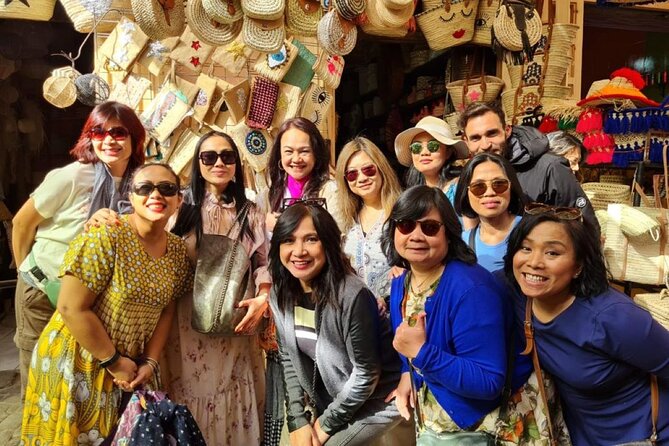
Harira is a Moroccan soup often associated with comfort and family meals. Here it is paired with chebakia, a sweet pastry. The combination gives you a clear example of how Moroccan eating balances savory and sweet flavors.
This stop is likely to be easier for cautious eaters than the later specialties. It also gives you a chance to slow down before the walk continues. The tour includes drinks, but the food is the main event, so use the soup stop as a moment to ask about ingredients and local eating habits.
Because dietary details are not specified for every dish, tell the guide about allergies or restrictions before the tour. Alternatives may be possible, but they need to be discussed in advance rather than assumed at the table.
Same streets, a different set of bites:
- Marrakech Night Street Food Tour / Taste The Real Marrakech
★ 4.9 · 200 reviews - Marrakesh: Guided Street Food Tasting by Locals
★ 4.6 · 47 reviews - Marrakech: Street Food Tour by Night
★ 4.5 · 42 reviews - Taste Marrakech Street food tour from Medina
★ 5.0 · 34 reviews
Makkla bel Kefta and sfenj in the Medina
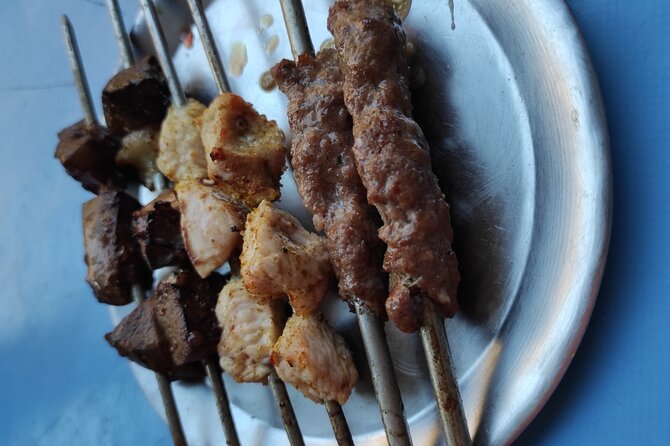
Makkla bel Kefta is presented as Marrakech’s version of chakchouka, with kefta adding a meat element to the dish. It is a useful stop for understanding how familiar North African preparations change from city to city.
Sfenj follows with something lighter in texture: a Moroccan doughnut that is airy and crisp. It is street food in the most direct sense, designed to be eaten fresh and enjoyed without ceremony.
These two tastings show why the walking format works. You are not sitting through a long meal with large servings. Instead, you get small encounters with different foods, each one tied to a particular type of shop or local stop. The drawback is that portions may not feel perfectly controlled. If a dish appeals to you, you may want more, but the schedule keeps moving.
Cactus fruit and seasonal panaché
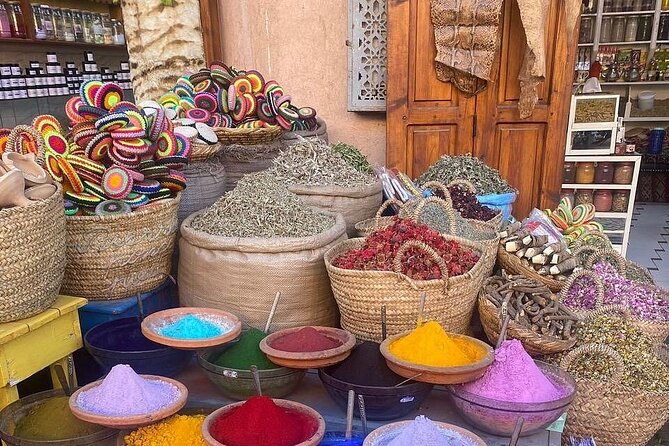
Lhnidiya, or cactus fruit, brings a fresh and slightly unusual break from soup, pastry, and meat. The fruit is seasonal, so the exact character may vary. It is also a reminder that Marrakech street food is not only grilled food and bread.
Panaché is a fruit smoothie made with seasonal produce. Together, the fruit stop and smoothie help balance the heavier parts of the route. They are especially welcome after several savory tastings.
The menu is described as including up to nine dishes, but the wording allows some variation based on preference and availability. You should think of the route as a broad tasting rather than a rigid restaurant menu. The advertised foods provide a clear idea of the range, but the exact order and selection can change.
Chwa, grilled meat, and the more adventurous choices
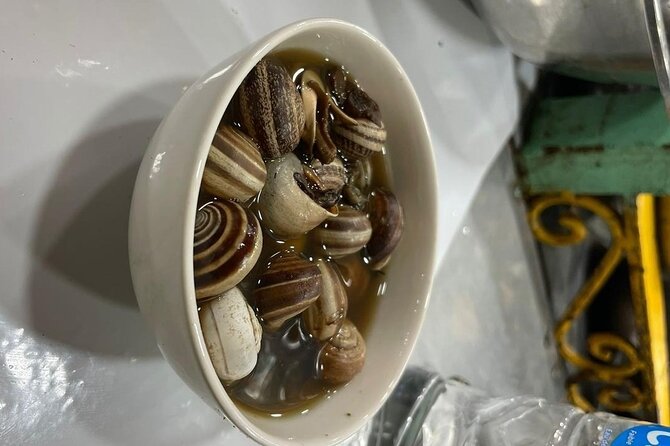
Chwa is grilled meat, with beef, turkey, and liver listed among the possible choices. This may be one of the most immediately enjoyable stops if you like smoky, savory food. It also shows how much flavor can come from simple grilling and seasoning.
The meat selection matters for people with dietary restrictions. Vegetarians will need to ask about substitutions ahead of time, since several of the named tastings contain meat. The provider says alternatives may be arranged for allergies or dietary needs, but you should not wait until the first stop to raise the subject.
Another possible tasting is rass mbekher, steamed sheep’s head seasoned with cumin. This is the point where the tour shifts from familiar street snacks to food connected with a broader nose-to-tail tradition. You do not have to pretend every dish appeals to you. The value is in understanding what is offered and deciding how adventurous you want to be.
There is a small menu detail worth clarifying before you go. The highlights mention snail soup, while the detailed tasting list names steamed sheep’s head and does not list snail soup among the nine dishes. If snail soup is important to you, ask the guide what is being served on your date.
Khoudenjal, a strong finish with a practical purpose

The final drink may be k houdenjal, described as a hot herbal infusion with eucalyptus. It is served as a refreshing and digestive drink, with a sharp herbal character that may clear your senses after the meat, pastries, and fruit.
This is not simply a sweet mint tea finale. The drink gives the route a distinct ending and reflects the way herbs are used in Moroccan food culture. If you are sensitive to strong herbal flavors, ask what is in the cup before drinking it.
The route may also include more drinks along the way. All food and drinks are included in the price, so you do not need to keep calculating the cost of every small stop. That makes the experience easier to enjoy, though you should still carry some money for purchases you make separately in the Medina.
What $40.71 buys you
At $40.71 per person, this is not the cheapest way to eat in Marrakech, but it can be good value if you use the guide well. You are paying for up to nine tastings, drinks, local direction, and the time spent connecting the food to the streets around Jemaa el-Fnaa.
The value is strongest for a first visit. You may not know which small shops to enter, what a dish is called, or how to order a portion without overbuying. A local host removes much of that uncertainty and lets you sample several foods in one outing.
The price is less compelling if you already know Marrakech’s Medina well and are comfortable finding local food on your own. It is also not the right choice if you want a large sit-down dinner. This is a tasting walk, and the portions are spread across many stops.
The group can reach 15 people. That is still small enough for a shared walking experience, though it may feel less personal at the maximum size. The strongest part of the tour is the guide’s ability to answer questions and manage the route, so a larger group could matter if you want constant one-on-one attention.
Who should book this Marrakech food tour
I would recommend it to you if you:
- Want to try Moroccan food beyond tagine and couscous
- Prefer informal local stops to a formal restaurant
- Like walking through busy city streets while eating
- Are willing to try unfamiliar ingredients
- Want a guide who can explain food, customs, and the Medina
- Have a short stay and want several local tastes in one outing
I would be more cautious if you need a quiet setting, have serious food allergies, or do not eat meat. The provider asks you to share restrictions in advance and will try to offer alternatives, but the advertised route includes kefta, grilled meat, liver, and sheep’s head.
You should also come genuinely hungry. The tour includes a lot of food in a short time, and the best way to enjoy it is to take small bites, ask questions, and avoid filling up at the first pancake or doughnut stop.
Booking details and cancellation terms
The experience lasts about three hours and uses a mobile ticket. Confirmation is provided when you book, and the activity returns to Café de France after the walk.
It is usually booked about 19 days ahead, so reserving early makes sense if your Marrakech dates are fixed. The minimum group requirement also matters. If the provider cancels because that minimum is not met, you can receive a full refund or choose another date or experience.
You can cancel for a full refund up to 24 hours before the local start time. Cancellations or changes made within 24 hours are not refunded or accepted.
Should you book it?
Book this tour if you want an easy, guided route into Marrakech’s everyday food culture and you are happy to trade polish for personality. The best features are the number of tastings, the route through lesser-known Medina corners, and the chance to ask a local guide about dishes you might otherwise pass by.
Skip it if you want a refined dinner, a fixed menu, or only familiar foods. For most curious eaters, though, $40.71 is a fair price for three hours of food, walking, and local context, especially early in a Marrakech visit. Go hungry, pace yourself, and ask ahead about the sheep’s head, snail soup, and dietary alternatives.
FAQ
How long does the Marrakech street food tour last?
The experience lasts approximately three hours.
Where does the tour begin?
You meet the guide at Café de France in Jemaa el-Fnaa, at number 18, Znikat Rahba, Marrakech 40000, Morocco.
Where does the tour end?
The activity ends back at the meeting point at Café de France.
How much does the tour cost?
The listed price is $40.71 per person.
Are food and drinks included?
Yes. All food and drinks included in the experience price.
How many dishes can I try?
You can try up to eight or nine local dishes, depending on preferences and the route.
Does the tour include tagine or couscous?
No. The tour specifically focuses on other Moroccan street foods rather than tagine and couscous.
Can dietary restrictions or allergies be accommodated?
You should tell the provider about allergies or dietary restrictions in advance. Alternative dishes may be possible.
How many people can join the tour?
The activity can have a maximum of 15 travelers.
Newest street food walks around Marrakech
- Marrakech Tasting Tour: Experience Local Street Food & Culture!★ 5.0 · 5 reviews
- Marrakech Street Food with +10Tasting & Tanjia Dinner|Guided Walk★ 5.0 · 21 reviews
- Marrakech: Street Food Tour by Night★ 4.5 · 42 reviews
- Local Hidden Spots Street Food Tour in Medina Marrakech★ 5.0 · 30 reviews
- Marrakech Street food Tours★ 4.5 · 15 reviews
- Marrakech street Food Tour Eat like Locals★ 5.0 · 4 reviews
- 3 Hours Private Tour Marrakech Night Market★ 5.0 · 2 reviews
- Taste Marrakech Street food tour from Medina★ 5.0 · 34 reviews
Marrakech street food tours, side by side.
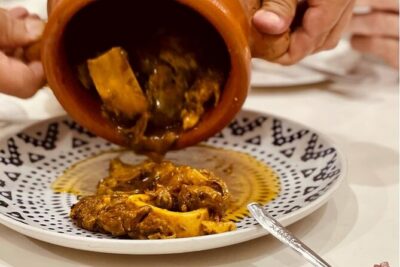
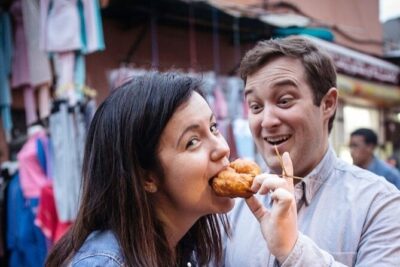
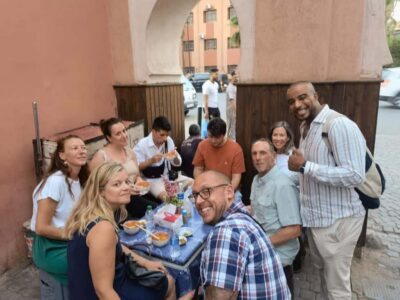
Marrakech Night Street Food Tour / Taste The Real Marrakech
Read our review →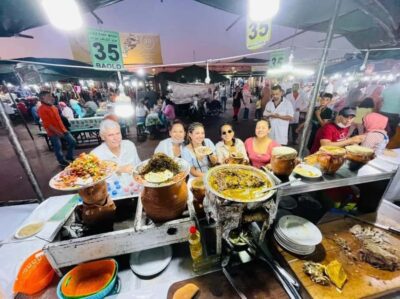
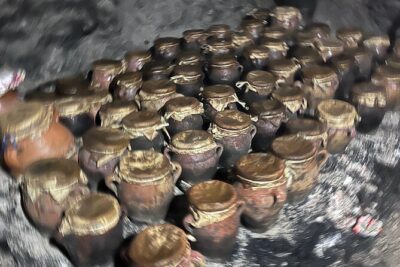
Local Hidden Spots Street Food Tour in Medina Marrakech
Read our review →
Medina Tasting Tour: Experience Local Street Food & Culture!
Read our review →
Marrakech Street Food with +10Tasting & Tanjia Dinner|Guided Walk
Read our review →The lists this tour appears in