
Review · MARRAKECH
Marrakech Night Street Food Tour / Taste The Real Marrakech
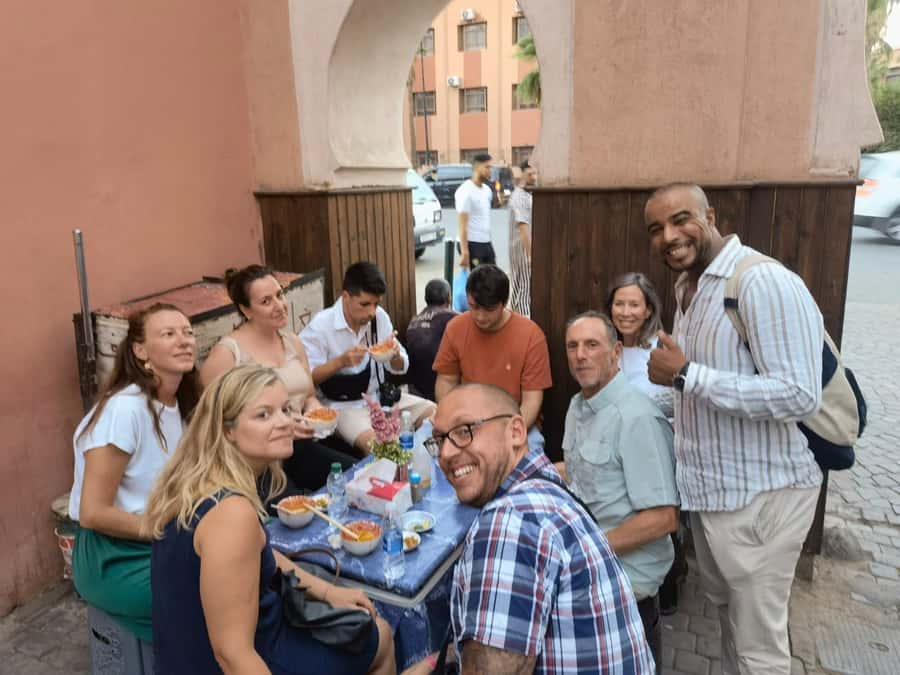
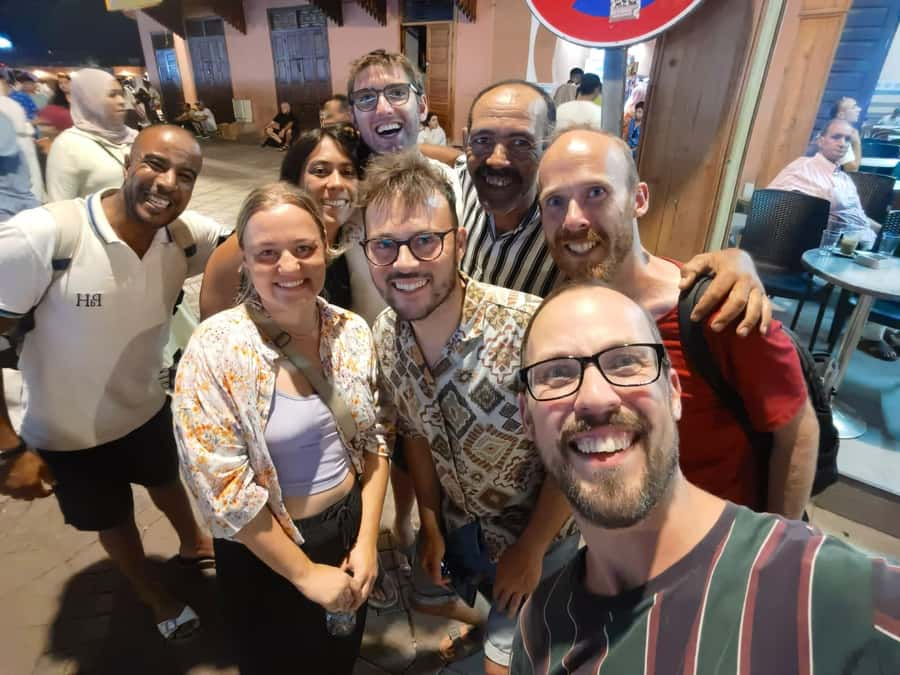
Marrakech’s best meal may be served in a place you would walk past without noticing. This four-hour evening tour moves through the Medina, Kasbah, and less touristy neighborhoods, stopping for tangia, msemen, harira, sardines, sweets, and plenty of tea. I especially like the small groups of up to 10 and the guides’ habit of explaining not just what you eat, but why it matters in Moroccan life.
I also like the serious amount of food and the chance to try dishes you may not find on a standard restaurant menu. Nour and Omar are praised for their humor and care, while guides such as Mustafa and Mohammad have prepared special tangia for the group. The catch is simple: this is not a light tasting walk. Several tours ran longer than four hours, and you may be too full for dinner the next day.
Key points at a glance
- Tangia cooked in a hammam: A slow-cooked Marrakech specialty often served as the evening’s great food moment.
- A full Moroccan food lesson: Taste pancakes, soup, stews, sardines, doughnuts, sweets, yogurt, juice, coffee, and tea.
- Small group size: The tour is limited to 10 people, making narrow Medina streets easier to manage.
- Best on your first evening: You get an early guide to local foods, neighborhoods, and dishes worth ordering later.
- Come extremely hungry: The portions are generous, and there are many stops rather than a handful of sample bites.
- Local access without a food research project: Guides lead you to family eateries and neighborhood stops that are easy to miss alone.
A night of eating through Marrakech
The tour starts in front of Café de France, an easy landmark in the city center. From there, your guide explains the route before leading you through Marrakech after dark.
This is not only a food crawl. You walk through the Medina and Kasbah, pass through narrow side streets, and visit areas where local people eat and gather. The exact route can change. A family bereavement, weather, or other last-minute problem has required the guides to adjust plans, but the experience has still included several hours of food, conversation, and local history.
That flexibility is useful in Marrakech, where small food stalls and neighborhood kitchens do not operate like a fixed museum schedule. It also means you should not expect a printed, minute-by-minute program. The strength of this tour lies in the guide’s ability to connect you with what is available that evening.
The English-speaking guides are central to the experience. Nour and Omar appear often, and they work well as a team, mixing jokes with explanations of ingredients, traditions, and daily life. Other guides, including Khawla, Mustafa, Mohammad, and Nurdin, have also led groups. Their personalities may differ, but the main idea stays the same: eat widely, ask questions, and see the city between stops.
More Evening and Night Food Tours in Marrakech:
- Marrakech: Street Food Tour by Night
★ 4.8 · 2,838 reviews - Marrakech: Street Food Tour by Night
★ 4.5 · 42 reviews - Saigon By Night and Street Food By Motorbike | Opt: Ao Dai Riders
★ 5.0 · 4,066 reviews
What you are likely to taste
The food list is long, and the phrase come hungry is not a polite suggestion. It is the main planning advice.
Your first bites may include msemen and harcha, two Moroccan pancakes with different textures and uses. Msemen is layered and chewy, while harcha is made with semolina and has a more crumbly feel. These are useful introductions because they show how simple dough becomes a central part of Moroccan breakfasts and snacks.
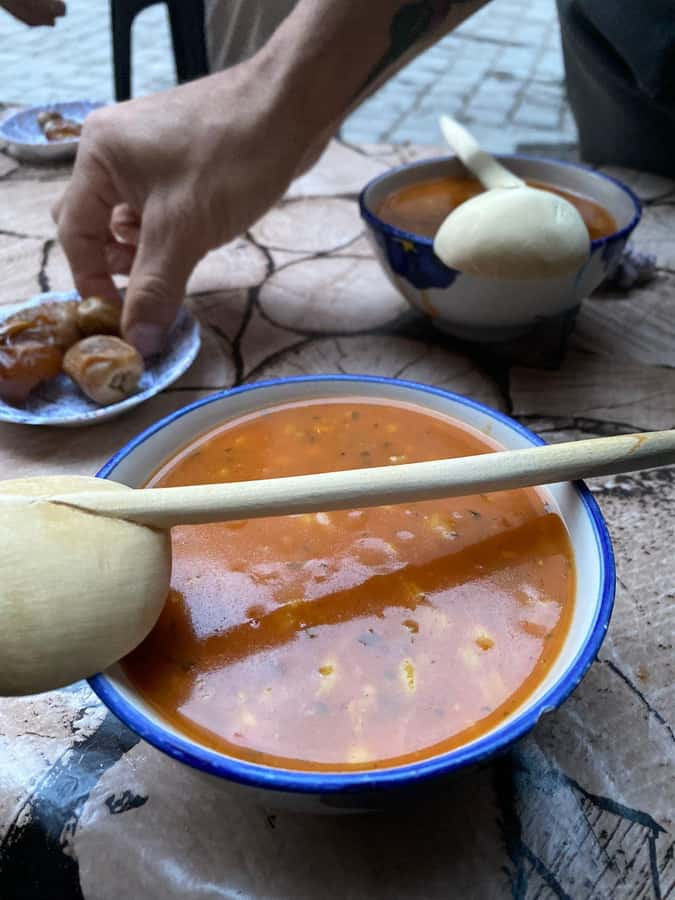
Harira follows the sweet or savory order depending on the evening. This well-known soup is vegetarian in the stated menu and is often associated with comfort and shared meals. It gives the tour a warm, filling start, especially on a cool night.
Chebakia brings a very different note. These sweet pastries are sticky, spiced, and designed for small bites, though you may already be thinking about pacing yourself by this point. Fresh fruit juice, tea, coffee, and bottled water are included, so you are not left trying to eat a large amount of food with one small drink.
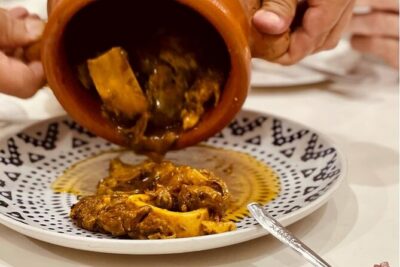
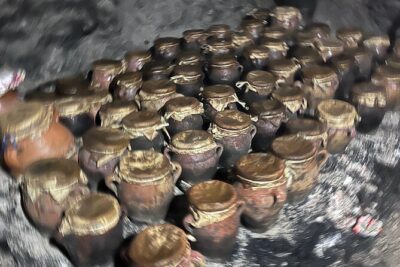
Then come the heavier dishes. Tanjia is the major specialty to watch for. This slow-cooked meat stew is closely tied to Marrakech and is prepared in a distinctive way. Several guides have arranged tangia cooked slowly in the embers of a hammam boiler room, and Mustafa and Mohammad have been praised for making versions themselves.
That detail gives the dish more meaning than simply ordering it from a menu. You get to connect the food with the working life of the city and with the traditional cooking method. One group even found that its specially prepared tangia became the food highlight of the entire trip.
The menu can also include Moroccan stews, fried sardines with eggplant, and l’bid o maticha, a Berber-style omelet with eggs and tomatoes. These dishes help you see how broad Moroccan home cooking is. It is not just couscous and tagine, the two dishes most visitors already know.
Chfnj, described as Jewish doughnuts, arrives with tea. Raib, a frozen yogurt, gives you a cool and creamy finish, while additional sweets may appear along the way. You might also encounter minced liver or other local specialties, since the exact choices depend on the evening’s food stops.
Do not expect tiny chef-style samples. Portions have repeatedly been described as substantial. Some people struggle to finish the final dishes, which is a sign of good value but also a warning for anyone with a small appetite.
Why the tangia matters
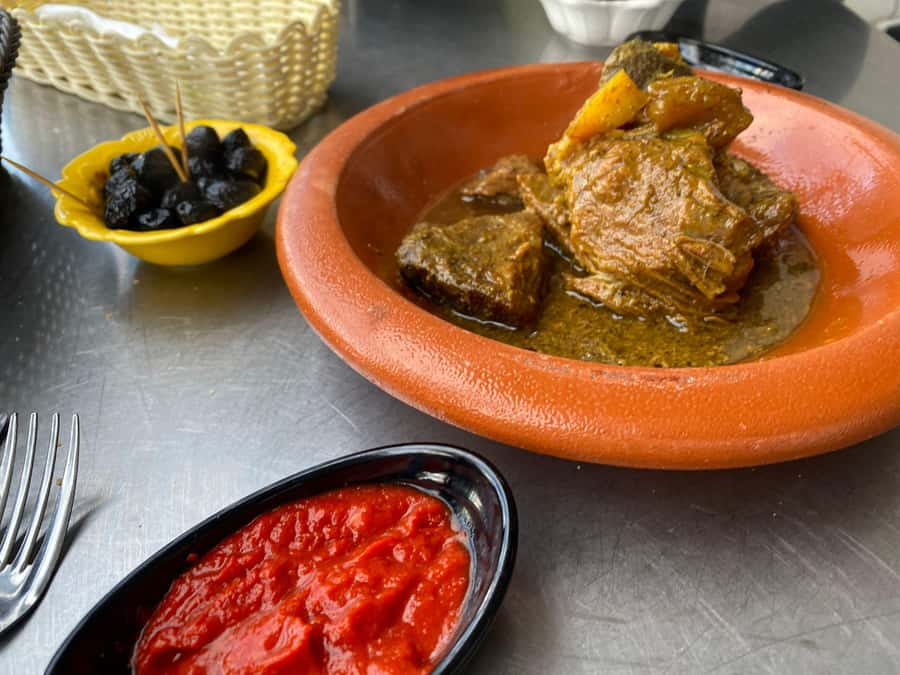
Tangia deserves its own mention because it is the dish most likely to turn this from a standard food walk into a memorable Marrakech experience.
The stew is cooked slowly, traditionally in the hot embers connected with a hammam. Seeing or hearing about that process gives you a glimpse of how food, neighborhood work, and social life overlap in the old city. This is the kind of detail a restaurant meal often skips.
The tangia also shows why a local guide earns the fee. You could order a meat stew without knowing its place in Marrakech culture. With Nour, Omar, Mustafa, Mohammad, or another guide explaining the preparation, you understand more about what is in the bowl and how it reached the table.
There is no guarantee that every group will receive the exact same preparation. The route can change, and dishes depend on the local stops used that night. Still, tangia is one of the strongest reasons to choose this tour over a simple restaurant reservation.
A walking tour with food between the lessons
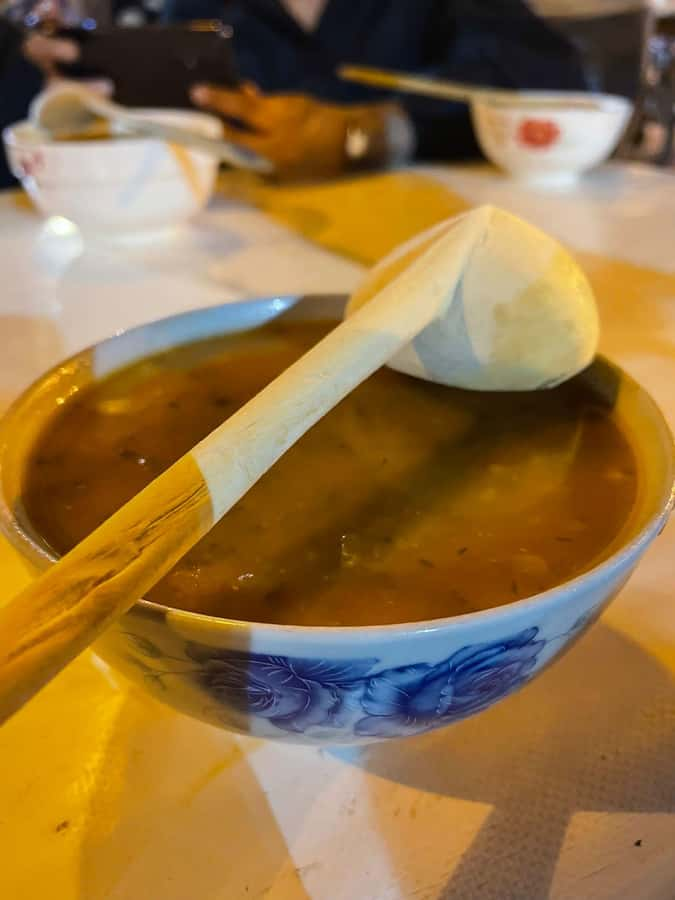
The route adds value because you are not seated in one restaurant for four hours. You move through the city, eating at different local spots and seeing parts of the Medina and Kasbah that are easy to miss on your own.
Guides also use the walks to explain Moroccan customs and history. Past groups have heard about the role of sugar in Moroccan history, door knockers, local traditions, cooking methods, and the way different cultural influences shaped the food.
This makes the experience a useful first-night choice. You learn what dishes to recognize, where locals eat, and which foods you might order later. The tour can also help you get comfortable with Marrakech’s evening streets before exploring alone.
The pace is not always gentle. Four hours of walking, standing, eating, and keeping up with a group can be tiring. One evening lasted about five hours, and another ran well beyond the advertised time because the guide wanted everyone to try everything. If you have limited mobility, contact the provider before booking even though the activity is listed as wheelchair accessible.
More street food walks around Marrakech:
- The Original Marrakech Street Food Tour
★ 5.0 · 248 reviews - Marrakech Street Food Tour
★ 5.0 · 220 reviews - Marrakech street food tour with a local
★ 5.0 · 55 reviews - Marrakesh: Guided Street Food Tasting by Locals
★ 4.6 · 47 reviews
How local are the food stops?
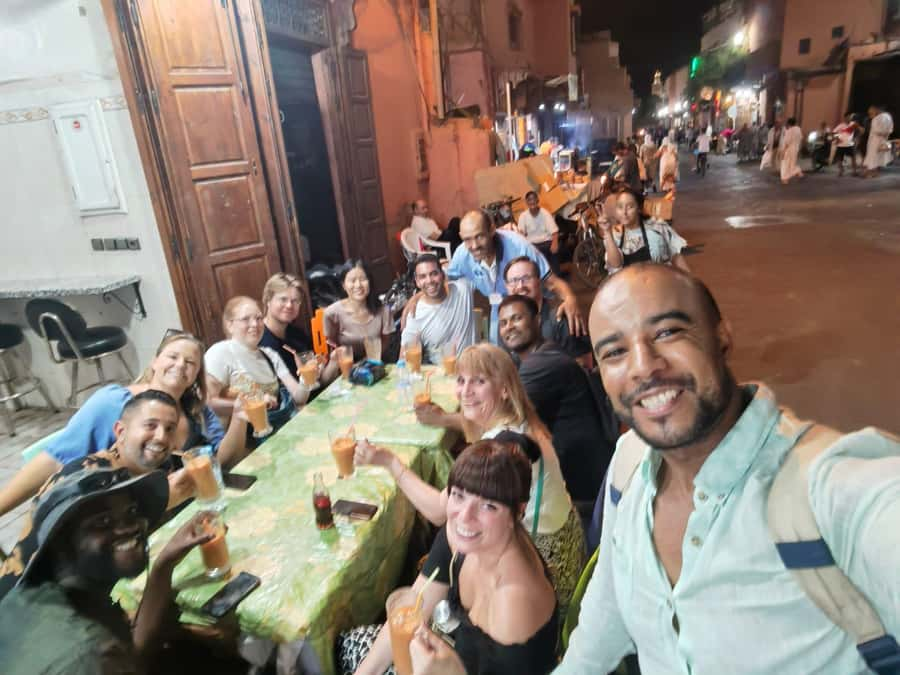
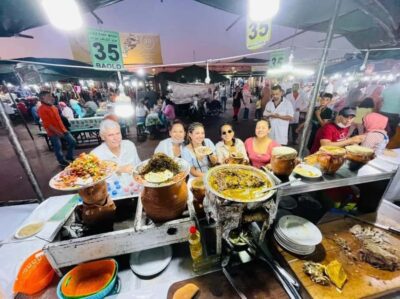
The tour aims to avoid the obvious tourist circuit. Guides lead groups to family restaurants, small neighborhood eateries, stalls, and back streets outside the main tourist center.
That does not mean every stop will be a secret or completely informal. You may eat in a modest restaurant, at a market counter, or at a food stall. The value is in having someone who knows what to order and can explain the setting.
One particularly useful feature is that you are shown places you probably would not choose alone. A doorway or small counter may look unpromising if you are unfamiliar with Marrakech. The guide bridges that gap and helps you eat with confidence.
The tradeoff is comfort. Local food stops may be basic rather than polished. You are choosing access and context over a quiet dining room, formal service, or a fixed menu. That is exactly the right choice if you want to see how people eat in everyday Marrakech, but less so if you prefer restaurant dining.
Vegetarians, vegans, and allergies
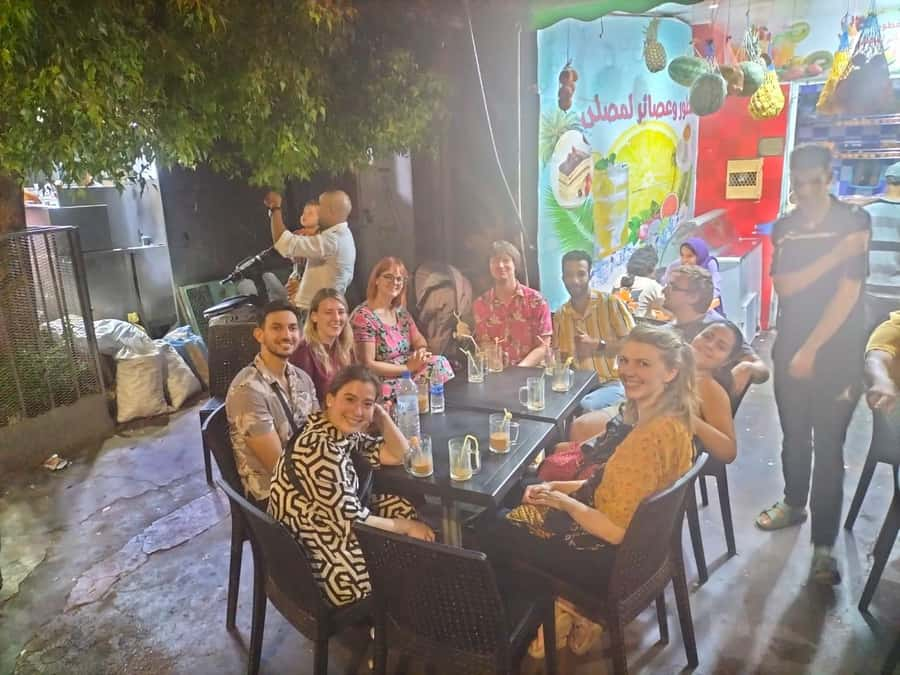
The listed menu includes vegetarian harira, pancakes, sweets, tea, juice, and several meat dishes. A vegetarian or vegan in one group received suitable options at most stops, and the guides made a clear effort to look after that person.
Still, this is a meat-heavy experience. Tangia, stews, sardines, and other savory dishes make up a large part of the food program. It is not the strongest choice for someone who wants an entirely plant-based tour.
Tell the provider about allergies in advance. The tour information says alternatives can be arranged, but you should not assume every dish can be modified on the spot. A clear message before the tour gives the guide time to plan.
Is $56 a fair price?
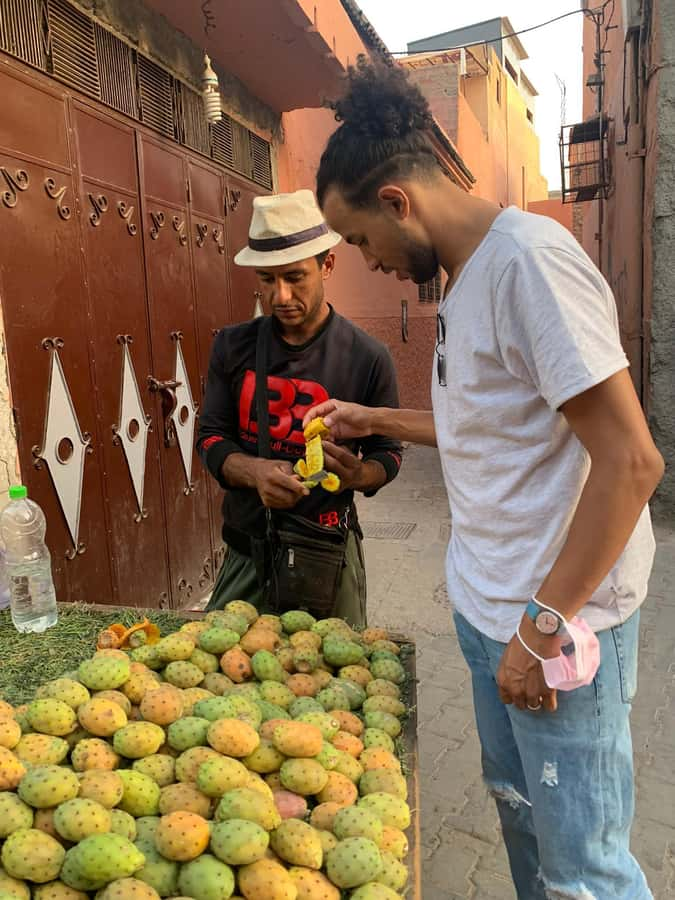
At $56 per person, this tour is not the cheapest way to grab a meal in Marrakech. It is also not priced like a simple walking tour. The fee includes all food, coffee or tea, bottled water, and a local bilingual guide.
The amount of food is the main value. You are not paying for three small samples. The route can include around 10 different foods, several full portions, drinks, sweets, and a specialty tangia. Add four or more hours of guiding and neighborhood orientation, and the price is reasonable for visitors who plan to eat their way through the city anyway.
I would not book it for a light introduction or a quick evening activity. You may leave very full, and the tour can last longer than the stated four hours. But if you would otherwise pay for dinner plus a separate Medina walk, the combined experience makes $56 look fair.
Transportation is not included. The meeting point is in front of Café de France, and the experience involves walking. The description also refers to walking and driving through different neighborhoods, so confirm how any vehicle movement is handled before you set your plans.
Free cancellation is available up to 24 hours before the activity, and you can reserve now and pay later. The tour is offered in English.
Who should book this food walk?
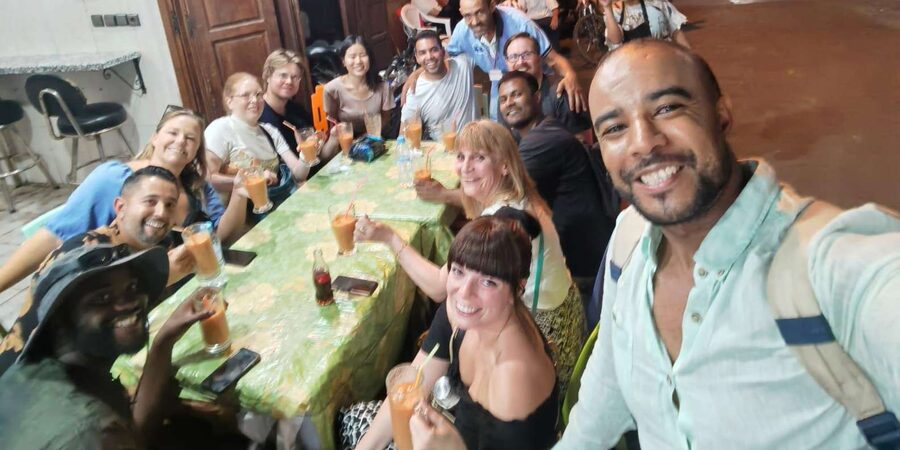
I would choose this tour for a first evening in Marrakech, especially if you want help understanding unfamiliar dishes before ordering on your own.
It suits people who:
- Like trying many foods in one sitting
- Want local history mixed with dinner
- Prefer small groups over large coach tours
- Enjoy walking through side streets and neighborhood areas
- Are happy with casual food stops
- Want generous portions for the price
I would think twice if you dislike meat, have a very small appetite, need a tightly timed evening, or want a polished restaurant meal. The tour is social and energetic, and it asks you to keep eating long after you think you have had enough.
Families, couples, solo visitors, and groups of friends can all fit the format. With a maximum of 10 people, it is easier to talk with the guide and meet people from different countries without being swallowed by a large crowd.
Practical tips for a better evening
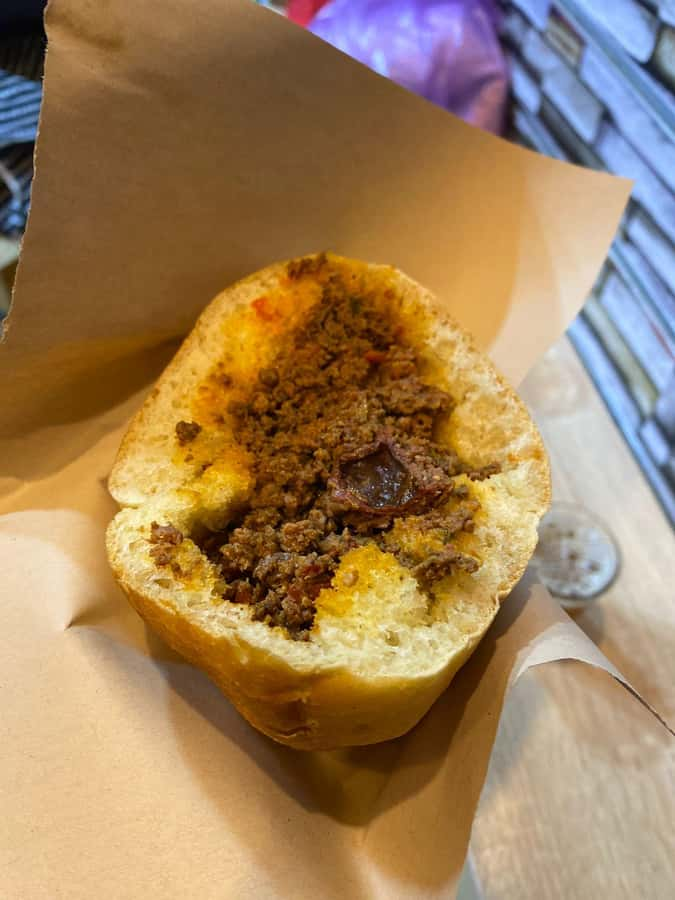
Eat lightly earlier in the day. Several people found the portions overwhelming even after following that advice. Skipping lunch may be too extreme for some, but do not arrive after a large meal.
Wear comfortable shoes. You will be walking through the Medina and Kasbah, and the tour may last longer than four hours.
Tell the provider about allergies, vegetarian preferences, or vegan needs before the start. Alternatives have been provided, but early notice is the sensible approach.
Keep your evening flexible. The stated duration is four hours, yet some groups stayed out for five hours or more. Do not schedule a hard-to-miss show or late transfer immediately afterward.
Meet clearly at Café de France. One person had trouble identifying the guide because there was no sign at the meeting point. Confirm the guide’s name and contact details before you arrive.
Carry a small amount of patience along with your appetite. Routes may change, food may be served at different times, and local stops do not always run with the precision of a restaurant reservation.
Should you book it?
Yes, if you want a generous, social introduction to Moroccan food and do not mind a long night of walking and eating. The mix of tangia, neighborhood stops, cultural explanations, and small-group guiding gives you much more than a simple dinner.
Book it early in your stay if possible. You will learn what msemen, harira, chfnj, raib, and tangia are, then have a better sense of what to seek out during the rest of your Morocco trip.
Skip it if you want a short tasting menu, a quiet dining room, or a mostly vegetarian experience. For everyone else, arrive at Café de France with an empty stomach and an open schedule. At $56, the tour earns its price through the quantity of food, the range of dishes, and the local access.
FAQ
Where does the Marrakech Night Street Food Tour meet?
Meet your guide in front of Café de France in Marrakech.
How long does the tour last?
The advertised duration is four hours. Some groups have stayed out longer, including around five hours.
What language is the tour offered in?
The live tour guide speaks English.
How many people are in the group?
The tour is a small-group experience limited to 10 participants.
Is transportation included?
Transportation is not included. The experience is primarily a walking tour, though the route description also refers to walking and driving through different neighborhoods.
What food is included?
Food and drinks listed include msemen, harcha, harira, chebakia, tangia, Moroccan stews, fried sardines with eggplant, chfnj, l’bid o maticha, raib, fresh fruit juice, sweets, coffee, tea, and bottled water.
Is tangia included?
Tangia is one of the foods included on the stated menu. The preparation and exact route can vary, and some guides prepare a special version cooked in hammam embers.
Can people with allergies join?
Yes. The provider asks you to share allergy information so alternatives can be provided.
Are vegetarian or vegan options available?
Vegetarian and vegan alternatives have been provided at several stops, but the tour also includes many meat and fish dishes. Tell the provider about your needs before the tour.
Can I cancel for a full refund?
You can cancel up to 24 hours in advance for a full refund. A reserve-now, pay-later option is also available.
Newest street food walks around Marrakech
- Marrakech Tasting Tour: Experience Local Street Food & Culture!★ 5.0 · 5 reviews
- Marrakech street food tour with a local★ 5.0 · 55 reviews
- Marrakech Street Food with +10Tasting & Tanjia Dinner|Guided Walk★ 5.0 · 21 reviews
- Marrakech: Street Food Tour by Night★ 4.5 · 42 reviews
- Local Hidden Spots Street Food Tour in Medina Marrakech★ 5.0 · 30 reviews
- Marrakech street Food Tour Eat like Locals★ 5.0 · 4 reviews
- 3 Hours Private Tour Marrakech Night Market★ 5.0 · 2 reviews
- Marrakech Street food Tours★ 4.5 · 15 reviews
Marrakech street food tours, side by side.
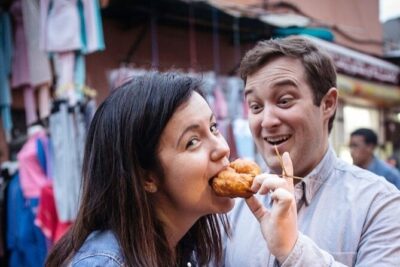
Local Hidden Spots Street Food Tour in Medina Marrakech
Read our review →
Medina Tasting Tour: Experience Local Street Food & Culture!
Read our review →
Marrakech Street Food with +10Tasting & Tanjia Dinner|Guided Walk
Read our review →The lists this tour appears in