
Review · MARRAKECH
Marrakech Tasting Tour: Experience Local Street Food & Culture!
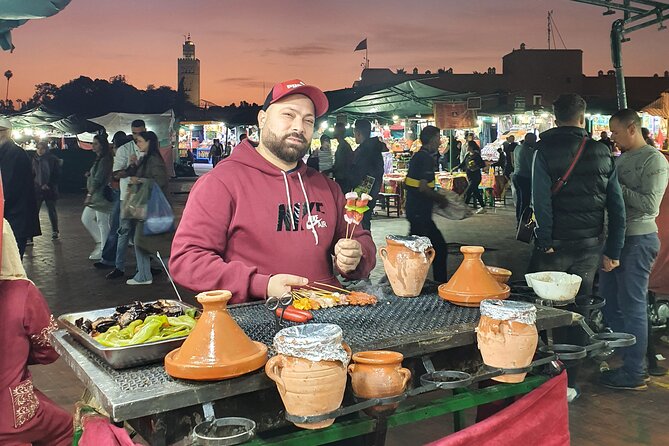
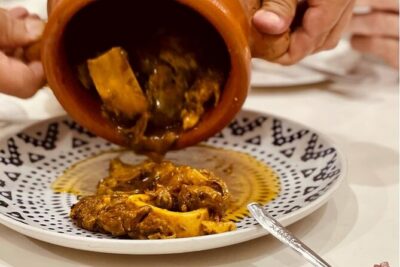
The best part of this Marrakech food tour comes late in the evening, when you visit an underground Mechoui oven and sit down to a proper plate of tanjia. That slow-cooked Marrakech specialty gives the walk a clear purpose: you are not just grazing through stalls, you are learning how local food moves from market to table.
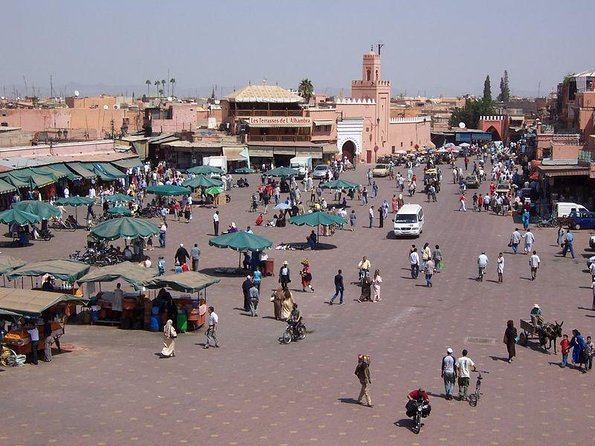
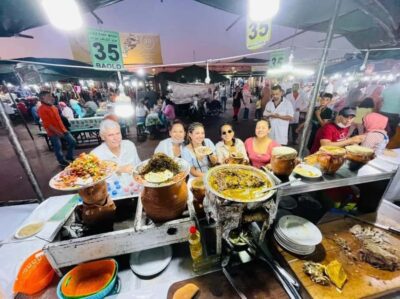
I like the mix of small bites and a full meal, especially the stop at Jemaa el-Fnaa, a UNESCO World Heritage site. I also like the way the route links food with spices, pickling, bread, cosmetics, and old market customs rather than treating the medina as one large restaurant.
The main consideration is pace. You will walk and eat for three to four hours, often in busy market streets, so comfortable shoes and an empty stomach matter. The group is capped at 12, but this is still a social outing, not a quiet private dinner.
Key points to know before you book
- The evening ends with tanjia: Expect harira soup and beef tanjia, with vegetable tajine available on request.
- Youssef has led especially well: His food and city explanations received strong praise, though the assigned guide may vary.
- You taste far more than one meal: Fruit juice, nuts, dried fruit, pastries, breads, pancakes, olives, briouate, sweets, mint tea, and more are included.
- The route covers major medina food areas: Jemaa el-Fnaa, Derb Dabachi, Souk Semmarine, and Rahba Kedima Square.
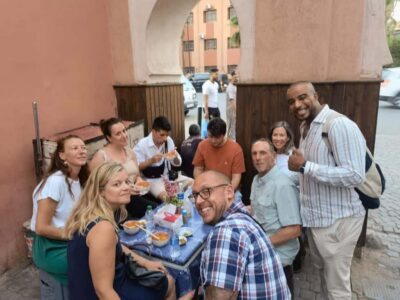
- The group stays small: A maximum of 12 people makes questions and short stops easier than on a large coach tour.
- The price is $68.12 per person: That is fair if you value a guide, many tastings, dinner, and access to places you might not find on your own.
Why the underground oven is the real highlight
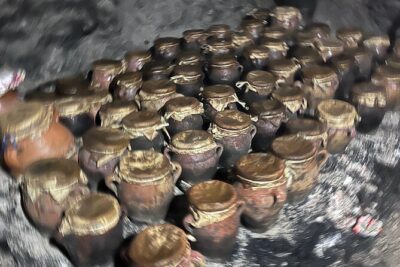
Many food walks in Marrakech can blur into a string of samples. This one has a stronger finish. At Chez Lamine Hadj Mustapha Jemaa El Fna, you visit an old underground oven before sitting down for dinner.
The meal includes harira, Morocco’s well-known soup, followed by beef tanjia, the signature Marrakech dish. Tanjia is especially tied to the city, so this is a better local choice than ending with a generic tagine served for tourists. If you do not eat beef, you can request a vegetable tajine.
The dinner is included, but bottled water is supplied only at this final stop. Bring your own water for the walk, particularly if you are visiting during a warm period. Soda and alcohol cost extra and are not part of the package.
I also appreciate that dinner is not presented as the only food. You will have already sampled several small bites, so you can compare snack food with a seated local meal. It is a useful way to understand how Moroccan eating changes from market counter to family-style dish.
More street food walks around Marrakech:
- Marrakech: Street Food Tour by Night
★ 4.8 · 2,838 reviews - The Original Marrakech Street Food Tour
★ 5.0 · 248 reviews - Marrakech Street Food Tour
★ 5.0 · 220 reviews
Starting at Jemaa el-Fnaa at 6 pm
The meeting point is near the Poste du Maroc on Rue Beni Marine, with the tour starting at 6 pm. From there, the introduction begins at Jemaa el-Fnaa, the large central square that acts as Marrakech’s best-known meeting place.
Your first tastes include fresh fruit juice, dried nuts, and an appetiser from the food stalls. This opening is practical as well as tasty. The guide can explain what you are seeing before you begin making choices on your own in the square.
Jemaa el-Fnaa can feel intense, especially at night. You may find crowds, vendors, noise, and plenty of visual distractions. That is part of the setting, but it also means you should stay close to the guide and keep your belongings secure. The tour does not offer much value if you want a calm, slow meal from the start.
The square is also a good place to begin because it gives you a quick introduction to the contrast at the heart of Marrakech: public food stalls on one side, narrow souk lanes on the other. The first section lasts about 45 minutes.
Pastries and breads along Derb Dabachi
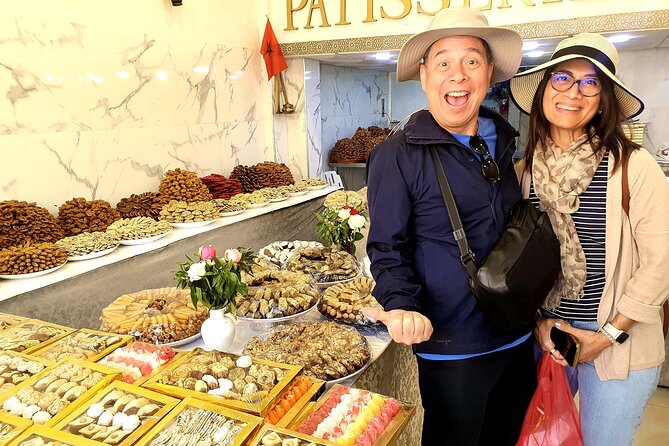
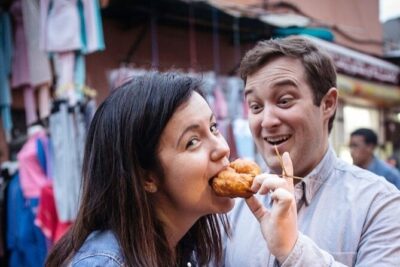
The route then moves to Derb Dabachi, one of the medina’s busy streets. This section lasts about 30 minutes and focuses on sweet and savory pastries, fresh breads, and traditional pancakes.
This is one of the more useful parts for anyone who wants to eat beyond the familiar restaurant menu. Bread and pancakes are everyday foods, not just special-occasion dishes. You get to sample them in small portions, which lets you keep room for the meal later.
The included snacks can also include a savory cheese, beef, chicken, or vegetable briouate, along with almond and honey pastry. A briouate is a filled pastry, usually folded into a neat parcel. The filling can vary, so ask the guide what you are receiving if you have dietary restrictions.
I would not expect a full lesson in baking. The value here is the range: a few bites show how Moroccan food balances crisp pastry, sweet fillings, savory meat, nuts, and honey. Since the walk continues through working market streets, you should wear shoes that can handle uneven pavement and standing.
Olives, preserved lemons, and Souk Semmarine
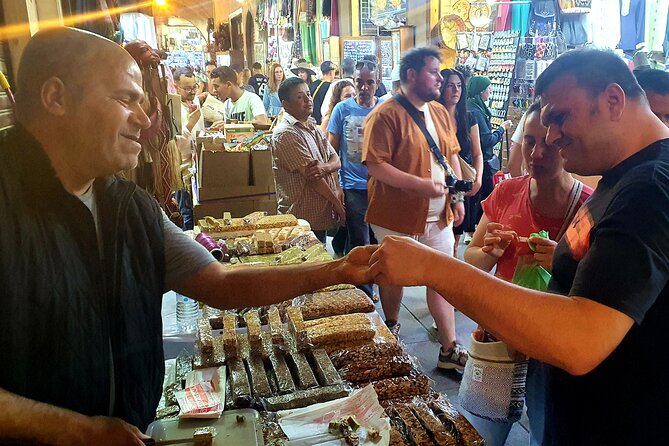
Souk Semmarine brings the tour into the market’s world of preserved foods. At the colorful olives square, you taste seasoned olives and pickled lemons, along with halwa.
This stop matters because preservation is central to Moroccan cooking. Olives and lemons add sharp, salty, and sour notes to dishes that might otherwise rely heavily on meat, bread, and slow-cooked sauces. Tasting them on their own helps you notice those flavors later at dinner.
You will also see how fresh lemons and olives are prepared for longer use. The tour does not simply point to a food and name it. It connects the ingredients to Moroccan recipes and gives you a chance to ask how they are used.
Halwa adds another change of pace. After pastries, breads, and savory bites, a sweet made for the market gives you a different sense of local snacking. Portions are likely to be small, which is welcome because this walk contains a great deal of food.
The medina is not arranged like a neat museum route. Shops and stalls can be close together, and the group may stop in places that are easy to pass without noticing. That is part of the point, but it can feel crowded or confusing if you prefer a clearly marked path.
Same streets, a different set of bites:
- Marrakech Night Street Food Tour / Taste The Real Marrakech
★ 4.9 · 200 reviews - Marrakech street food tour with a local
★ 5.0 · 55 reviews - Marrakesh: Guided Street Food Tasting by Locals
★ 4.6 · 47 reviews - Marrakech: Street Food Tour by Night
★ 4.5 · 42 reviews
Spices and natural products at Rahba Kedima Square
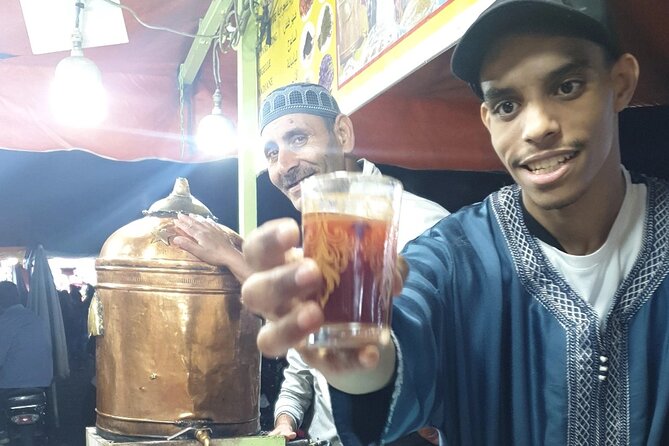
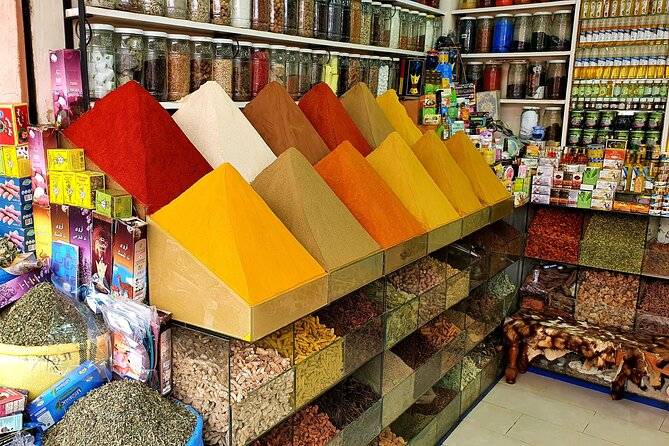
The longest stop is about an hour at Rahba Kedima Square. Here you learn about Moroccan spices, essential oils, herbal infusions, and natural products used in traditional cosmetics.
This section adds context to the food. Spices are not simply colorful piles for photographs. They help explain the flavor of soups, meat dishes, pastries, and tagines. The guide also shares easy-to-reproduce recipes, so you can take home more than a list of ingredients.
The stop includes natural products linked to traditional medicine and cosmetics. You should treat these explanations as cultural information rather than medical advice. If you are considering buying oils or herbal products, ask what they are intended for and check the price before agreeing to a purchase.
An hour is a generous amount of time for this subject. That gives the guide room to explain rather than rush through a row of stalls. It may also be the least food-focused portion of the walk, so people who want nonstop eating should know that the tour includes shopping-market culture as well as tastings.
I like this balance. Food is more meaningful when you understand the spice and market systems around it. The tour also offers access to a private terrace overlooking the spice market, which adds a different view of the medina and its trade.
What the food package actually includes
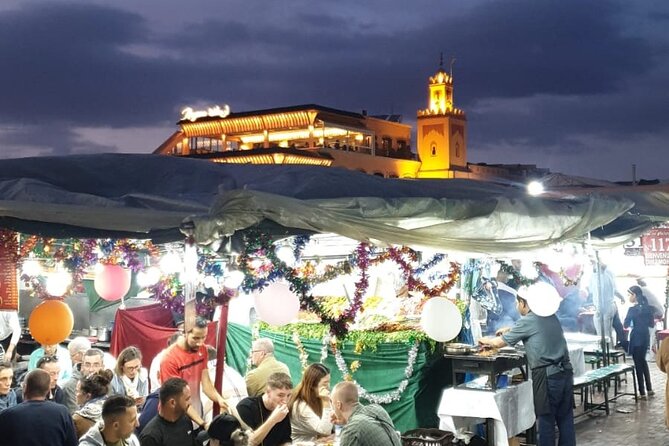
The menu is broader than the headline dinner. You receive one fresh fruit juice and two cups of Moroccan mint tea during the route. The snack selection can include:
- Nuts and naturally dried fruit
- Moroccan candy
- Olives
- Pancakes and fresh breads
- One savory briouate per person
- Almond and honey pastry
- Other small market tastings
At the final stop, dinner includes harira and either beef tanjia or vegetable tajine by request. Bottled water is included there, but not throughout the route.
This makes the $68.12 price easier to judge. You are paying for a licensed tour leader, a guided route through several parts of the medina, many tastings, two tea servings, juice, and a seated dinner. If you would otherwise buy a full meal and several snacks while also hiring a guide, the cost is reasonable.
The price is less attractive if you mainly want a cheap dinner. You can spend less at a market stall, but you would not receive the explanations, organized tasting sequence, or access to the underground oven. I would book it for the cultural guidance, not simply for the amount of food.
Group discounts are available. With a maximum of 12 people, the outing should remain manageable, though the experience will depend on the guide’s pace and how well the group keeps together.
The guide can shape the whole evening
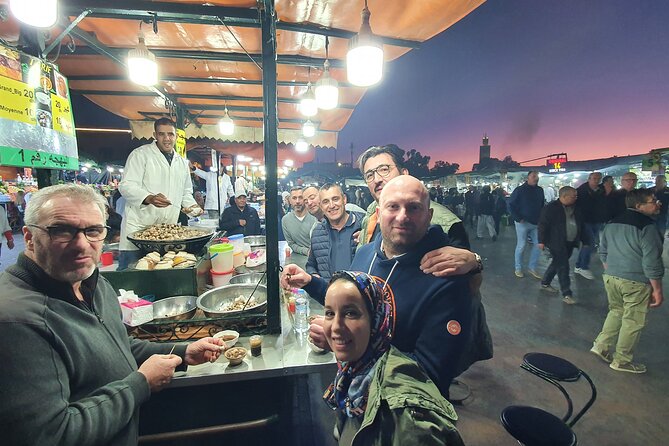
A food walk is only as good as the person explaining it. Youssef received especially strong praise for combining food lessons with stories about Marrakech and its culture. He also handled a chatty group well, while making space for people who were less talkative.
That detail matters. A strong guide should explain what you are eating, but also tell you why it belongs in the city’s daily life. Youssef’s approach appears to do that, with food, local customs, and the city’s past treated as connected subjects.
You are not guaranteed Youssef unless the provider confirms him for your date. The experience is operated by Marrakech Lifestyle and includes a licensed tour leader. If a particular guide matters to you, ask before booking.
The guide also helps with the more uncertain parts of street eating. You can ask about ingredients, portion sizes, and unfamiliar dishes before tasting. If you avoid meat, request the vegetable tajine in advance and explain any concerns clearly.
Timing, walking, and group comfort
The activity lasts roughly three to four hours. The listed stops add up to about three hours and 45 minutes, so allow the longer end of that range. The route begins at 6 pm and ends back at the meeting point.
This timing works well for people who want to see the medina after the heat of the day has eased. It also lets you experience Jemaa el-Fnaa as the food stalls become an important part of the square’s evening character.
Wear comfortable walking shoes. You will move through market lanes, stop repeatedly, stand at food counters, and eat in more than one setting. The tour is near public transportation, and most people can take part, but the information supplied does not give specific details about wheelchair access or step-free routes.
The walk is not designed for someone who needs a short, seated activity. It may also be tiring if you have already spent the day touring the medina. I would keep the afternoon light and avoid booking another demanding activity immediately afterward.
Who should book this Marrakech food walk
I would recommend it to a first-time visitor who wants a guided introduction to Moroccan food without spending a full day in a cooking class. The range is broad enough to help you identify favorite flavors before ordering at other restaurants.
It also suits curious eaters who want local specialties, not just familiar international dishes. The tanjia, preserved lemons, seasoned olives, briouate, mint tea, and market breads give you a useful starting point for eating independently in Marrakech.
Families and small groups may appreciate the capped group size and the chance to share many small tastes. The route can also work for solo participants who prefer the company and structure of a group.
I would hesitate if you dislike crowded market areas, have a very restricted diet, or want a private food experience. You should also think twice if you are looking for alcohol, soft drinks, or a quiet fine-dining meal, since none of those defines this outing.
Should you book it?
Book this tour if you want a guided food route with a real Marrakech finish, not just a collection of samples. The underground oven, tanjia dinner, spice-market stop, and Jemaa el-Fnaa opening give it more local character than a simple restaurant crawl.
The $68.12 cost is sensible for a three-to-four-hour experience that includes dinner, snacks, tea, juice, and a licensed guide. I would request the vegetable tajine ahead of time if needed, bring water for the walk, wear good shoes, and ask whether Youssef is leading if his style is important to you.
FAQ
Where does the Marrakech tasting tour start?
It starts at Poste du Maroc on Rue Beni Marine in Marrakech, near Jemaa el-Fnaa.
What time does the tour begin?
The tour starts at 6 pm.
How long does the experience last?
It lasts approximately three to four hours. The planned stops add up to about three hours and 45 minutes.
What is included in the dinner?
Dinner includes Moroccan harira soup and beef tanjia. A vegetable tajine is available on request.
What snacks and drinks are included?
Included tastings can include nuts, dried fruit, Moroccan candy, olives, pancakes, fresh breads, briouate, almond and honey pastry, and other small bites. You also receive one fresh fruit juice and two Moroccan mint teas.
Is bottled water included throughout the tour?
No. Bottled water is included during the final dinner stop only.
How large is the group?
The maximum group size is 12 people.
Can I cancel for a full refund?
Yes. You can cancel at least 24 hours before the local start time for a full refund. Cancellations or changes made less than 24 hours before the start are not refunded or accepted.
Newest street food walks around Marrakech
- Marrakech street food tour with a local★ 5.0 · 55 reviews
- Marrakech Street Food with +10Tasting & Tanjia Dinner|Guided Walk★ 5.0 · 21 reviews
- Marrakech: Street Food Tour by Night★ 4.5 · 42 reviews
- Local Hidden Spots Street Food Tour in Medina Marrakech★ 5.0 · 30 reviews
- 3 Hours Private Tour Marrakech Night Market★ 5.0 · 2 reviews
- Marrakech Street food Tours★ 4.5 · 15 reviews
- Marrakech street Food Tour Eat like Locals★ 5.0 · 4 reviews
- Taste Marrakech Street food tour from Medina★ 5.0 · 34 reviews
Marrakech street food tours, side by side.
Marrakech Night Street Food Tour / Taste The Real Marrakech
Read our review →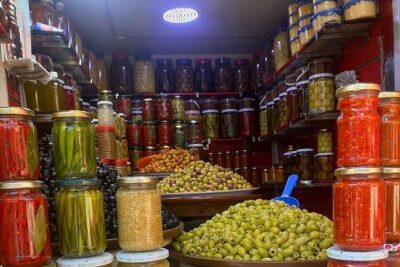
Local Hidden Spots Street Food Tour in Medina Marrakech
Read our review →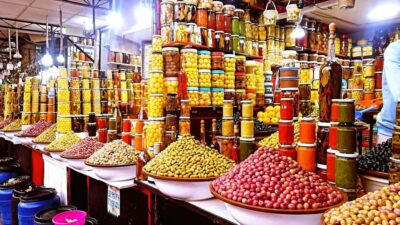
Medina Tasting Tour: Experience Local Street Food & Culture!
Read our review →The lists this tour appears in