
Review · MARRAKECH
Marrakech Street food Tours
Marrakech’s best food is often served in places that would be easy to miss. This evening walk leads you from Jemaa el-Fnaa into old restaurants, the olive market, Mashoui Alley, and small local eateries. The star bite is lamb cooked in an underground oven, but the tour also ventures into bolder territory, including organ meats, snails, sardines, and sheep’s offal.
I like the small group of no more than 10 because a guide can explain what you are eating instead of simply pointing at a plate. I also like the generous range: olives, nuts, fried potatoes, couscous, tagine, msemmen, sweets, smoothies, mint tea, and meat dishes can all appear during the walk.
The main consideration is that this is not a gentle introduction for strict vegetarians or anyone uneasy around meat markets. Sheep’s eyes, testicles, liver, and other organs may be on display, and one traveler found the food presentation difficult despite praising the guide and cultural insight.
Key points before you book
- Underground-cooked lamb: Mashoui Alley serves lamb from a traditional underground oven, and the supply may be limited by the evening.
- A real medina food route: You move through Jemaa el-Fnaa, the olive market, souks, and local restaurants rather than staying at one formal dining room.
- Guide Hamza or Hamsa: The guide is praised for food knowledge, cultural context, and finding places outside the most obvious tourist circuit.
- A serious amount of food: Portions are generous, so arrive hungry and avoid a large late lunch.
- Vegetarian option available: Meat-free food can be arranged, although the route still passes through meat stalls and displays.
- Good first-night orientation: The walk helps you learn the medina’s food districts and gives you a practical sense of where to eat later.
Why this Marrakech food walk is more than a meal
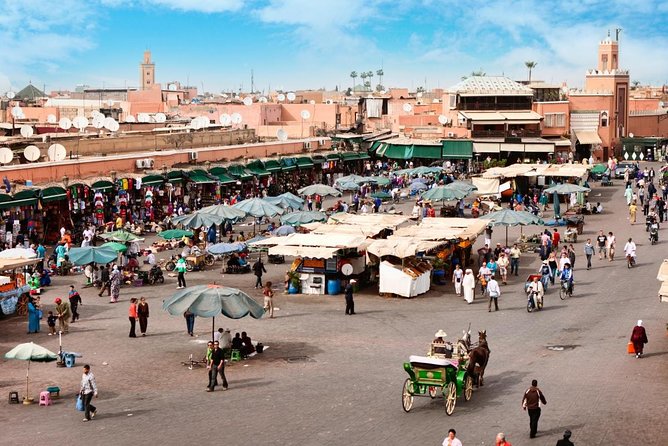
The appeal here is not simply the number of tastings. You are using food to read Marrakech. The smell of charcoal, the piles of olives, the narrow souks, and the evening movement around Jemaa el-Fnaa all become part of the meal.
I like that the tour takes place at 6:00 pm. That timing catches the city as daylight fades and food stalls become more active. One particularly memorable evening included stopping near sunset while local families were breaking their Ramadan fast. That kind of moment depends on the date and season, so it should not be treated as guaranteed, but the evening slot gives the walk a natural rhythm.
The advertised duration is about three hours and thirty minutes, while the detailed route describes roughly three hours. I would allow the full three-and-a-half-hour window. The walk ends back at the Jemaa el-Fnaa meeting point, so you do not need to arrange a ride from a distant neighborhood.
More street food walks around Marrakech:
- Marrakech: Street Food Tour by Night
★ 4.8 · 2,838 reviews - The Original Marrakech Street Food Tour
★ 5.0 · 248 reviews - Marrakech Street Food Tour
★ 5.0 · 220 reviews
Starting at Jemaa el-Fnaa and entering the medina
The meeting point is outside Argana Cafe on Jemaa el-Fnaa, Marrakech’s main square. This is a useful place to begin because it is easy to identify and puts you right at the edge of the medina.
After a short introduction, the group heads to a local restaurant that has been serving food for more than 80 years. The point is not a polished dining room or a long formal meal. It is an early taste of the everyday food culture that the guide will explain as you move through the old city.
From there, the route goes to a nearby olive market. I would pay close attention here. Morocco’s olives are not a single standard snack, and sampling several varieties lets you compare differences in size, color, seasoning, and texture. This is a small stop, but it gives you a better idea of how much Moroccan eating depends on preserved foods and simple market produce.
The route also includes nuts, fried potatoes, snails, and sweet treats. Not every tour will necessarily serve every item in exactly the same order, but you should expect a succession of small tastings rather than one fixed dinner plate.
Mashoui Alley and the underground lamb
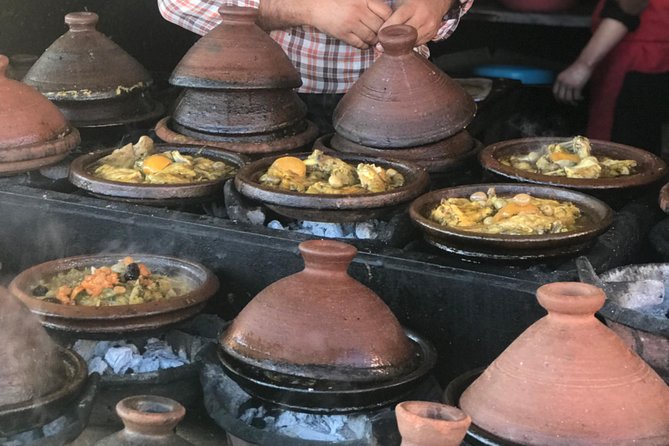
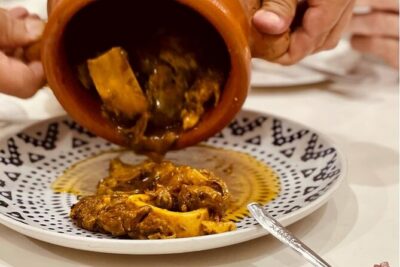
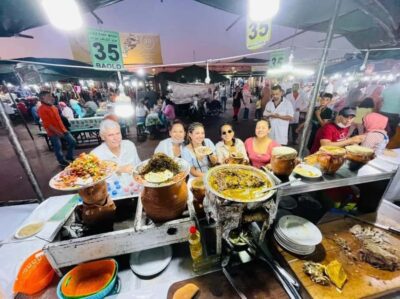
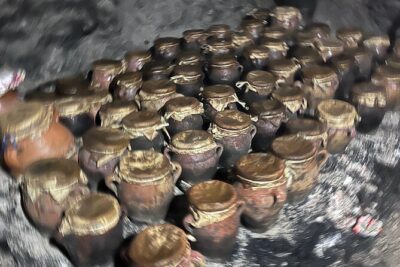
The dramatic food stop is Mashoui Alley, where lamb is cooked in an underground oven and served on the spot. This is the kind of preparation that makes a food walk worthwhile. You are not just eating lamb; you are seeing how a dish is tied to a particular street, cooking method, and daily supply.
The timing matters. The food is prepared in limited quantities, and the route description notes that the lamb can be gone after about two hours. A 6:00 pm start is designed to put you in the right part of the medina during the evening service. It is still wise not to assume that a specific cut or exact portion will always be available.
The lamb has been praised as a highlight, along with lamb shoulder, lamb liver, and sardine kefta. The meal can be especially appealing if you like strong, savory flavors and food cooked over or near charcoal. If you prefer mild dishes or do not eat meat, this stop will be less important to you, and you should tell the operator about your diet when booking.
Souks, local restaurants, and the food between courses
After Mashoui Alley, you walk through the souks. This gives your stomach a little time to catch up while the guide leads you through lanes that can be confusing on your own. I like this practical part of the tour as much as the tasting itself. A food walk that also helps you understand the medina is useful for the rest of your stay.
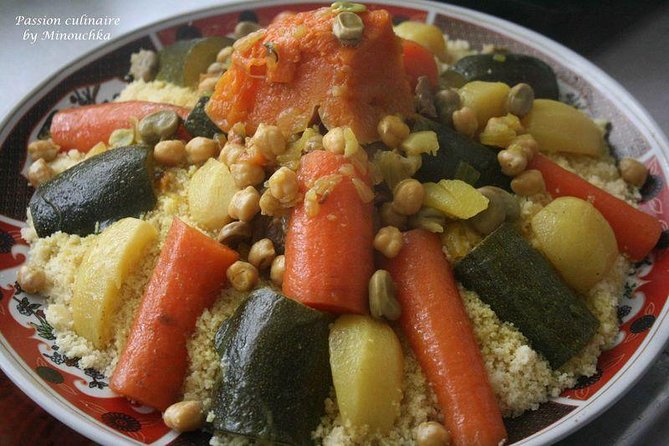
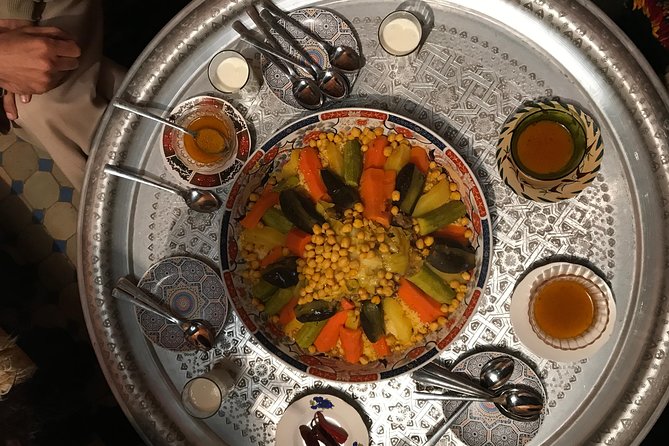
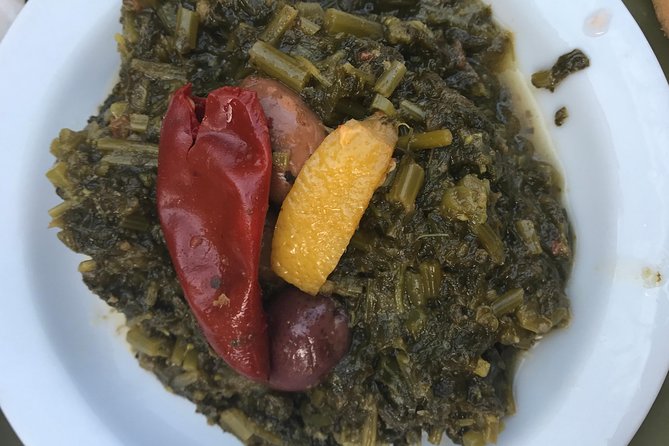
The next stop is a small restaurant popular with local diners and described as close to home cooking. This is where the tour shifts from quick market bites toward familiar Moroccan dishes. Handmade couscous, charcoal-baked tagine, argan oil, and preserved lemon may appear as part of the meal, depending on the route and availability.
The food is not limited to the famous dishes that appear on every tourist menu. Sardine kefta, organ meats, bean dishes, msemmen, and other less familiar foods are part of the experience. One guide even arranged bean dishes and pastries for a participant who particularly enjoyed beans. That detail tells you something useful about the style of the tour: the guide may respond to interests instead of treating everyone as a passive eater.
You should still keep expectations realistic. This is a moving tasting tour, not a cooking class. One participant wanted more explanation of cooking methods and the history of how dishes are served. If you want recipes, a hands-on lesson, or a detailed study of Moroccan culinary technique, you may need a separate experience.
Same streets, a different set of bites:
- Marrakech Night Street Food Tour / Taste The Real Marrakech
★ 4.9 · 200 reviews - Marrakech street food tour with a local
★ 5.0 · 55 reviews - Marrakesh: Guided Street Food Tasting by Locals
★ 4.6 · 47 reviews - Marrakech: Street Food Tour by Night
★ 4.5 · 42 reviews
The bold side of Marrakech food
This tour does not edit out the less polished parts of the food scene. The route can include sheep’s eyeballs, testicles, liver, and other organ meats, along with stalls where animals and cuts of meat are plainly visible.
For an adventurous meat eater, this is valuable context. It shows how a market uses the whole animal and how Moroccan street food extends beyond tagine and couscous. You can taste something unfamiliar in a setting where the guide explains what it is, rather than ordering blindly from a menu.
For some people, this will be the wrong fit. A vegetarian may be offered suitable food, but the route still passes through meat stalls. Anyone sensitive to animal displays should know this before paying. I would not book this as a surprise for a child or companion who dislikes that side of food culture.
The tour is open to children under 10 without a ticket, but children must be accompanied by an adult. Families have enjoyed the experience, including one with a seven-year-old, yet parents should decide if the market scenes and strong flavors suit their child.
Mint tea, sweets, smoothies, and the softer finish
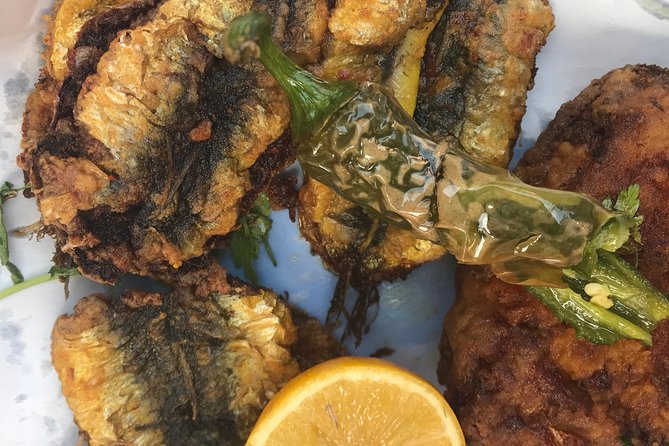
The later tastings provide a welcome change from meat and savory dishes. Expect Moroccan mint tea, fresh smoothies, honeyed pastries, freshly prepared desserts, and other sweets. These stops are useful because Moroccan food is not only about heavy stews and grilled meat.
Msemmen, a warm bread similar in spirit to a scallion pancake, has been singled out as a memorable bite. You may also encounter pastries with honey, nuts, or other sweet fillings. The exact selection can change, but the route is built to finish with lighter, sweeter flavors.
Mint tea is more than a drink to squeeze between courses. It is part of the social side of Moroccan hospitality, and taking time to drink it slows the route down after the busy market stops. If you are already full, small portions of sweets and tea still make a pleasant ending.
What the guide adds to the evening
Guide Hamza is named repeatedly in the experience details, while some references spell the name Hamsa. He is described as warm, generous, and able to connect food with Moroccan culture. His background is also unusual: one description notes an interest in Shakespeare, work connected with the Metropolitan Museum of Art, and research into religious texts.
You should not book solely for a particular guide unless the operator confirms who will lead your date. Still, the descriptions point to the kind of commentary you can expect. The guide is not simply directing you from stall to stall. You may hear about local customs, food traditions, herbal medicine, and how to avoid the most tourist-focused places.
The spice market stop is described as being more about herbal medicine than cooking spices. That is useful to know because some visitors expect a standard spice demonstration and instead get a look at another part of Moroccan market culture.
The group size matters here. With a maximum of 10 people, there is a better chance to ask questions and keep the group together in narrow lanes. It also keeps the route from feeling like a large procession through the souks.
Price, portions, and overall value
The price is $69.69 per person. That is not the cost of a simple dinner, but it includes food tastings, beverages, bottled water, a local guide, and gratuities. Since the portions are described as generous, you are paying for a guided evening meal as well as access to places you might not find alone.
I see the best value for someone visiting Marrakech early in a trip. You get an overview of the medina, a list of foods to seek out later, and practical help understanding which lanes and stalls are worth revisiting. The experience can also prevent the common mistake of eating only at restaurants aimed at visitors.
The value is weaker if you want a long, seated dinner or a lesson in cooking technique. You will be walking, stopping often, and eating in several settings. Some food is taken at street-side stalls, so the experience is more about range and access than formal service.
The tour is booked an average of 39 days in advance, which suggests you should reserve ahead if your dates are fixed. A minimum of two people is required per booking. Pickup and drop-off at your hotel are not included, but the start and finish are both at Jemaa el-Fnaa, near public transportation.
Who should book this food tour?
I would choose this experience if you want to sample local food without spending your first evening guessing which stall is safe, interesting, or genuinely local. It also suits families with older children who are open to unfamiliar foods, couples who want a guided night in the souks, and curious eaters who enjoy offal and market cooking.
Vegetarians can request a meat-free option, but I would contact the operator before booking and be clear about your needs. The route itself remains meat-centered, and the market displays may be uncomfortable.
I would skip it if you dislike walking, prefer quiet restaurants, need a tightly controlled menu, or are disturbed by seeing whole animals and organ meats. The tour is friendly and flexible in spirit, but it does not hide the raw side of Marrakech’s food culture.
My verdict on the Marrakech Street Food Tour
I would book this for the first or second evening of a Marrakech stay, especially if food is one of your main reasons for visiting. The underground lamb, sardine kefta, olives, couscous, msemmen, sweets, and mint tea give you a broad taste of the city, while the guide helps you find your way through the souks.
The $69.69 price makes sense if you value a full meal, drinks, and cultural guidance in a small group. Go hungry, wear comfortable shoes, and prepare for meat displays as well as delicious food. If that sounds like part of the adventure, this is a strong introduction to Marrakech’s edible side.
FAQ
Where does the Marrakech Street Food Tour start?
It starts at Jemaa el-Fnaa in Marrakech, outside Argana Cafe.
What time does the tour begin?
The tour starts at 6:00 pm.
How long does the experience last?
The advertised duration is approximately three hours and thirty minutes. The detailed route describes about three hours, so you should allow the longer time window.
Where does the tour finish?
The tour ends back at the meeting point at Jemaa el-Fnaa.
Is hotel pickup included?
No. Hotel pickup and drop-off are not included.
What food is included?
Food can include olives, nuts, fried potatoes, snails, lamb, sardine kefta, organ meats, couscous, tagine, msemmen, pastries, desserts, and other Moroccan specialties. Mint tea, smoothies, beverages, and bottled water are also included.
Is a vegetarian option available?
Yes. A vegetarian meal option is available, although the route still passes through meat markets and displays.
Are children allowed to join?
Yes. Children under 10 may join without a ticket, but they must be accompanied by an adult.
How many people can join the tour?
The maximum group size is 10 people. A minimum of two people is required per booking.
Can I cancel for a full refund?
Yes, if you cancel at least 24 hours before the experience start time. Cancellations made less than 24 hours before the start time are not refunded, and changes within that period are not accepted.
Newest street food walks around Marrakech
- Marrakech Tasting Tour: Experience Local Street Food & Culture!★ 5.0 · 5 reviews
- Marrakech street food tour with a local★ 5.0 · 55 reviews
- Marrakech Street Food with +10Tasting & Tanjia Dinner|Guided Walk★ 5.0 · 21 reviews
- Marrakech: Street Food Tour by Night★ 4.5 · 42 reviews
- Local Hidden Spots Street Food Tour in Medina Marrakech★ 5.0 · 30 reviews
- 3 Hours Private Tour Marrakech Night Market★ 5.0 · 2 reviews
- Marrakech street Food Tour Eat like Locals★ 5.0 · 4 reviews
- Taste Marrakech Street food tour from Medina★ 5.0 · 34 reviews
Marrakech street food tours, side by side.
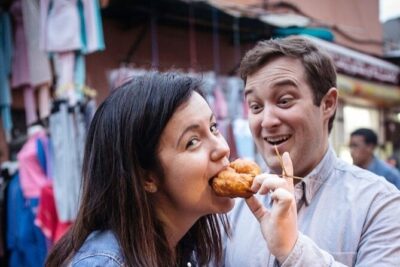
Marrakech Night Street Food Tour / Taste The Real Marrakech
Read our review →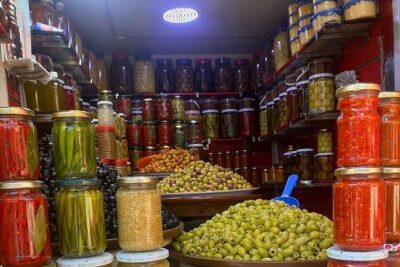
Local Hidden Spots Street Food Tour in Medina Marrakech
Read our review →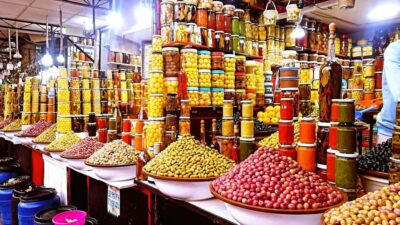
Medina Tasting Tour: Experience Local Street Food & Culture!
Read our review →The lists this tour appears in