
Review · NEPAL
Walking Street Food Tour and 2 UNESCO Sightseeing in Kathmandu
Kathmandu packs a lot into this six-hour outing: a hilltop Buddhist stupa, a crowded market lane, local snacks, and the old royal center. The best part is the pairing of Swayambhunath Temple and Kathmandu Durbar Square with a food walk through Asan, so you see major sights without spending a full day on formal sightseeing.
I like the chance to try several Nepalese foods in one sitting, especially momo, bara, yomari, lassi, and samosa. I also like the private format, since your group can move at its own pace and ask direct questions. The main caution is cost: at $65 per person, the value depends on how much food, transport, and guide time you want, and UNESCO entrance fees are listed separately.
Key points to know before booking
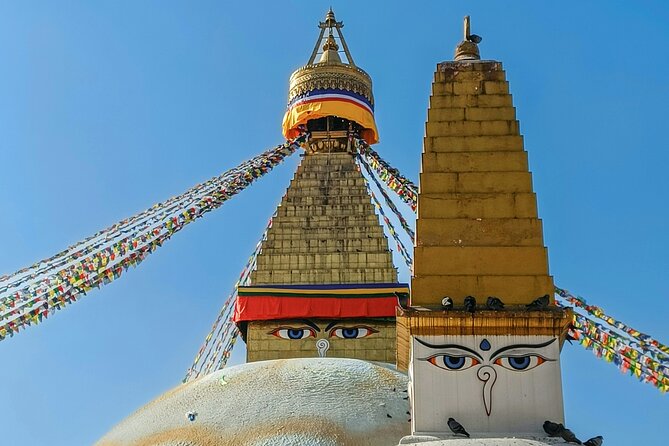
- Swayambhunath comes first at 10 a.m.: Expect a hilltop stupa and broad views across the Kathmandu Valley.
- Asan is the food stop: You can sample momo, bara, yomari, lassi, samosa, fresh juices, masala tea, and other local drinks.
- Kathmandu Durbar Square is more than one building: The old royal center contains a group of temples and carved heritage structures.
- The tour is private: Only your group participates, which is useful for questions, dietary requests, and pacing.
- Food needs can be discussed: Vegetarian, vegan, and allergen adjustments are offered.
- Budget for entrance fees: UNESCO site fees are not included, despite admission being shown in the stop details, so confirm the exact arrangement before you go.
A quick route through Kathmandu’s sacred and royal center
This is a smart choice if your time in Kathmandu is tight. In roughly six hours, you move from a Buddhist hilltop shrine to a traditional market and then into the old royal quarter. You are not simply checking off monuments. The route gives you three different ways to read the city: religion, food, and public life.
The morning begins at 10 a.m. The advertised meeting point is on Narsingh Chowk Marg in Kathmandu, with pickup offered and private transportation included. The activity ends back at the meeting point, so you should not plan a distant hotel drop-off unless the operator confirms it.
The tour is led by a professional tour leader. Shova is one guide associated with this experience, and her warm handling of the food and cultural portions was singled out in the available feedback. Since guide assignments can change, treat her name as a useful detail, not a guarantee.
More street food walks around the world:
- Dubai: Old Town, Creek, Museums, Souks, & Street Food Tour
★ 4.8 · 10,816 reviews - Ho Chi Minh City Street Food Tour & Sightseeing By Motorbike
★ 5.0 · 9,413 reviews - Medellin: Comuna 13 Graffiti Tour, Cable Car & Street Food
★ 4.8 · 9,046 reviews
Swayambhunath Temple, Kathmandu’s hilltop opening act
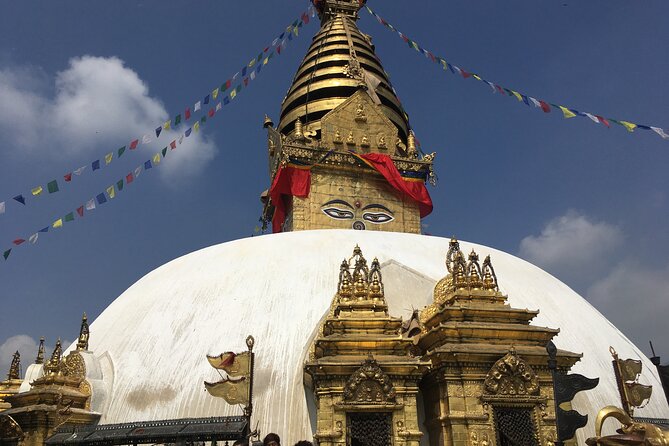
Your first stop is Swayambhunath Temple, often called the Monkey Temple. The site is described as a fifth-century white stupa on a hill above the city. That combination gives you an immediate sense of Kathmandu’s setting: an old religious center looking out over a broad urban valley.
You have about two hours here. That is enough time to take in the stupa, walk around the site, hear about Nepal’s religious traditions, and pause for the view. The tour description places strong emphasis on Buddhism, Hinduism, and the way different faiths shape Kathmandu, so this is where the wider cultural context begins.
The hilltop setting is a real advantage. You get an aerial look at the Kathmandu Valley before entering the tighter streets below. For a first morning stop, it helps you understand the city’s scale and layout.
The practical drawback is the climb and uneven walking that can come with a hilltop temple visit. The supplied information says most people can participate, but it does not promise step-free access. Wear shoes you can walk in and allow extra care on slopes or older surfaces.
The name Monkey Temple also tells you to expect animals around the complex. The information provided does not promise a particular encounter, so think of the nickname as part of the site’s identity rather than a scheduled activity.
Asan Market, where lunch becomes part of the sightseeing
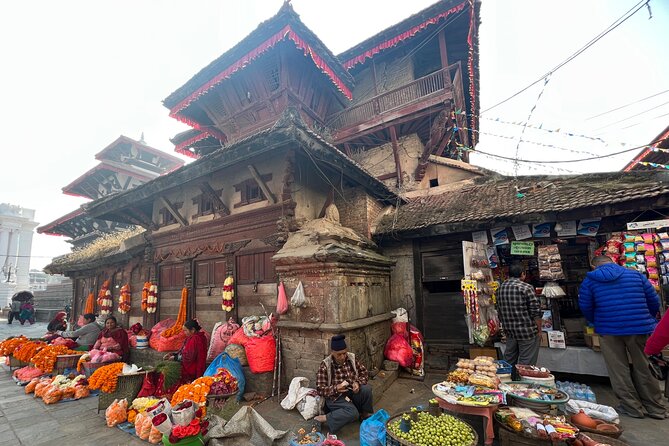
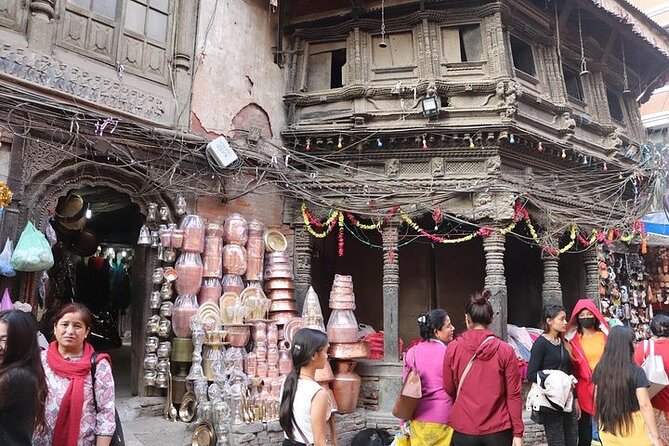
After Swayambhunath, the tour moves into Asan, described as the heart of the city. This is the section that gives the day its strongest local flavor. Instead of sitting down for one standard meal, you stroll through market streets while trying several familiar Nepalese and South Asian foods.
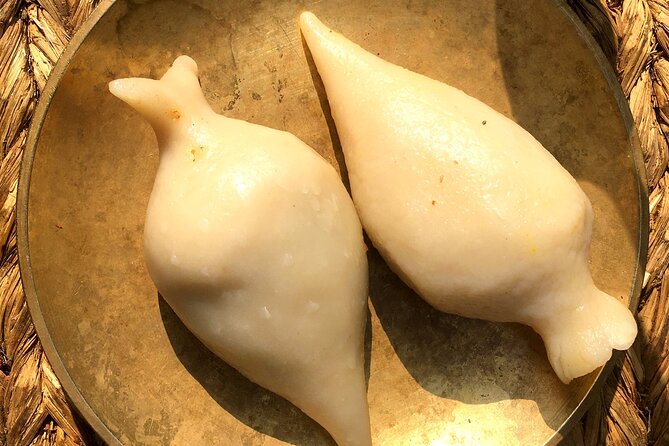
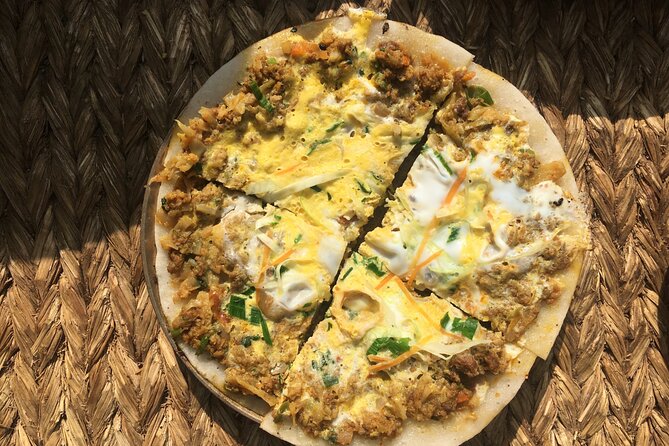
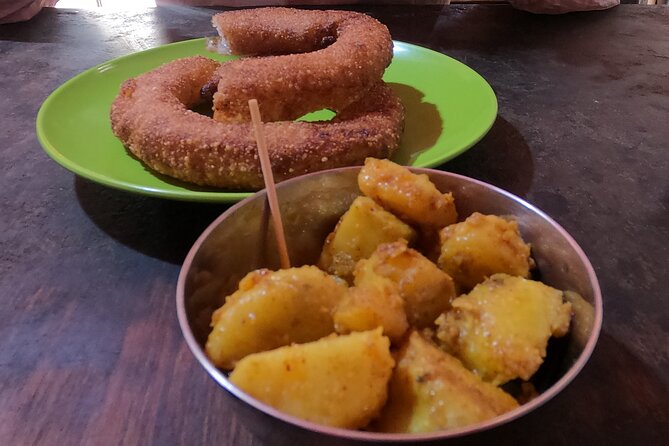
The food list includes momo, bara, yomari, lassi, and samosa. Momo are filled dumplings and one of Nepal’s best-known snacks. Bara is a savory lentil-based item. Yomari is a traditional sweet rice-flour dumpling. Lassi is a yogurt drink, while samosa offers a crisp, spiced contrast.
You also receive fresh juices, masala tea, soft drinks, and bottled water as part of the included refreshments. Lunch is included, but the exact number of portions and serving style is not specified. That matters if you are booking mainly for food. You should expect a tasting-focused lunch rather than assume a large restaurant meal.
The two hours in Asan are useful because eating is not separated from the city. You see the market, follow the guide through local streets, and learn how food fits into daily life. The route is described as taking you off the main sightseeing track, though the market itself is busy by nature.
This is also the best part of the tour for people with dietary limits. Vegetarian, vegan, and allergen requests can be adjusted. Still, tell the operator clearly before the day begins. The information confirms that adjustments are available, but it does not list separate kitchens, certified allergen controls, or a fixed substitute menu.
If you are cautious about street food, the guide becomes especially important. Ask what each dish contains before tasting it, particularly when dealing with allergies. Bottled water is included, which is a practical touch, but you should still explain any medical dietary needs in advance.
Kathmandu Durbar Square, the day’s biggest history stop
The final two-hour section takes you to Kathmandu Durbar Square, the old royal palace area in the center of the city. This is not a single monument that you view and leave. It is a collection of temples, palace buildings, courtyards, and carved details spread through a historic urban space.
The square is valuable because it connects architecture with ordinary city life. You can see heritage buildings while also watching local activity continue around them. The tour description points to finely carved temples and the square’s place in the heart of Kathmandu, making this a strong final stop after the market.
Allow time to look up and down. Nepalese wood carving rewards close attention, and the details can be easy to miss if you rush from one structure to the next. Your guide’s explanations should help you understand what you are seeing rather than leaving you with a string of names and dates.
The main issue here is ticket confusion. The individual stop details say an admission ticket is included, while the general inclusions clearly say UNESCO entrance fees are not included. Because Kathmandu Durbar Square is a UNESCO site, you should ask the operator exactly which tickets are covered and which must be paid locally.
That question is worth asking before you book, not at the gate. The $65 price includes lunch, drinks, guide service, and private transportation, but an extra site fee changes the total cost. The description does not provide the fee amount.
Same streets, a different set of bites:
- Dubai: Old Town, Souks, Street Food, Guided Tour & Abra Ride
★ 4.9 · 7,170 reviews - Naples: Street Food Walking Tour with Local Guide
★ 4.9 · 4,976 reviews - Small Group Hanoi Street Food Tour with a Real Foodie
★ 5.0 · 4,682 reviews - Rome: Street Food Tour with Local Guide
★ 4.8 · 4,077 reviews
What the $65 price really buys you
At $65 per person, this is not the cheapest way to see Kathmandu. It is also not simply a food walk. The price covers a private six-hour experience with transportation, a guide, lunch, and several drinks, while combining two major cultural sites with market tastings.
The private format is the strongest value point. You are not joining a large group, and only your own party participates. That can make a difference in Asan, where a guide who can keep your group together and explain unfamiliar foods is useful. It also gives you more room to ask about religion, architecture, and Nepalese customs.
Private transport adds value if you want to avoid arranging separate rides between the hilltop temple, market, and square. The exact vehicle type is not stated, so do not book this expecting a particular class of car. The important point is that transport between the stops is included.
For a solo visitor, couple, or small private group, the price may feel reasonable because you are buying time and coordination. For a larger group, compare the per-person total with arranging a guide and taxis independently. The tour becomes less compelling if you only want one major monument or prefer to eat at a single restaurant.
Also remember the excluded items. Alcoholic drinks, souvenirs, personal purchases, and UNESCO entrance fees are not included. The included soft drinks, juices, lassi, tea, and bottled water help control small costs, but they do not cover shopping or alcoholic beverages.
Timing, meeting point, and walking demands
The scheduled start is 10 a.m., and the tour lasts about six hours. The listed operating hours run from 10 a.m. to 6 p.m. every day, which gives you a clear daytime window for the activity.
The stated starting point is Narsingh Chowk Marg, Kathmandu 44600. Pickup is offered, but the supplied details do not specify the pickup zone or whether every hotel is covered. Confirm your pickup location before the day of the tour. If you are meeting at the listed point, arrive early enough to avoid losing time from the first two-hour stop.
The route combines private transportation with walking through a hilltop religious site, market streets, and a large heritage square. The information says most people can participate and notes nearby public transportation. It does not provide a detailed accessibility plan, so ask directly about stairs, uneven ground, and vehicle access if those points matter to you.
The six-hour schedule is full but logical. Two hours at each stop gives the day an easy rhythm, though the food section may feel short if you want to browse every market lane. The reverse is also true: people who prefer a fast overview may find two hours at Swayambhunath or Durbar Square longer than necessary.
Who will get the most from this experience
I would recommend this tour to a first-time visitor with limited time in Kathmandu who wants both major sights and local food. It is especially useful if you would rather have one person handle the route, transport, explanations, and tastings.
It suits people who like to ask questions and try several small dishes. The private format should make it easier to discuss vegan, vegetarian, or allergen needs before eating. It also works well for families or mixed-interest groups, since the day combines views, architecture, market life, and lunch.
You may want another plan if your priority is a long food crawl, serious photography, extensive shopping, or a quiet private visit to each monument. Six hours gives you a good first look, not a slow study of Kathmandu.
You should also think about the physical side. The hilltop start and market walking require reasonable mobility, and the provided details do not promise step-free access. If you need specific assistance, confirm it before paying.
How to make the day run better
Ask these questions before departure:
- Which UNESCO entrance fees are included, and which are paid separately?
- Is pickup available from your exact accommodation?
- Can the guide provide a fully vegan or allergen-aware food plan?
- Will Shova be leading your group, or will another guide be assigned?
- What does lunch include beyond the listed tastings?
Eat lightly before the tour so you have room for the food stop, but do not assume the tasting menu alone will suit every appetite. Since lunch and drinks are included, you can treat Asan as the main meal portion of the day.
Bring water, comfortable walking shoes, and a little flexibility. The route crosses three very different parts of Kathmandu, and the market portion may not move at the same pace as the temple visits.
Cancellation is free if you cancel at least 24 hours before the start time. Changes or cancellations inside that window are not accepted for a refund. Confirmation is sent within 48 hours, subject to availability.
Should you book this Kathmandu food and culture tour?
Book it if you have one day or less in Kathmandu and want a practical overview rather than a single-site visit. The combination of Swayambhunath, Asan Market, and Kathmandu Durbar Square gives you a useful first taste of the city, while private transport and a guide keep the schedule manageable.
The strongest reasons to choose it are the food and culture pairing, the private format, and the chance to adjust tastings for dietary needs. The main reasons to hesitate are the $65 price, the limited six-hour window, and uncertainty over UNESCO entrance fees.
Before booking, confirm those fees and your pickup details. If the final cost still fits your budget, this is a well-shaped introduction to Kathmandu: a hilltop stupa, a market meal, and an old royal square, all in one day.
FAQ
How long does the Kathmandu food and sightseeing tour last?
The tour lasts approximately six hours, with about two hours scheduled at each of the three stops.
What time does the tour start?
The tour starts at 10 a.m. Its listed operating hours are 10 a.m. to 6 p.m., Monday through Sunday.
Where does the tour start?
The stated meeting point is Narsingh Chowk Marg, Kathmandu 44600, Nepal. Pickup is also offered, but you should confirm whether your accommodation is within the pickup area.
Which places does the tour visit?
The route includes Swayambhunath Temple, Asan Market, and Kathmandu Durbar Square.
Is food included?
Yes. Lunch is included, along with listed refreshments such as fresh juices, lassi, masala tea, soft drinks, and bottled water.
What food can I try during the tour?
The food examples include momo, bara, yomari, lassi, and samosa. The exact serving quantities are not specified.
Can the tour accommodate dietary restrictions?
The experience can be adjusted for vegan, vegetarian, and allergen requirements. Tell the operator about your needs before the tour.
Are entrance fees included?
UNESCO entrance fees are listed as not included. The stop details also refer to admission being included, so confirm the exact ticket arrangement with the operator before the tour.
Is this a private tour?
Yes. Only your group participates, and private transportation and guide service are included.
Newest street food walks around the world
- Old Delhi Cultural, Temples, Heritage Walking Street Food Tour★ 5.0 · 57 reviews
- Old and New Delhi Street Food Sampling★ 5.0 · 3 reviews
- Old Delhi Tour by Tuk-Tuk Street Food and Shopping Experience★ 5.0 · 12 reviews
- Customized Half Day and Full Day Delhi Shopping, Street Food Tour★ 5.0 · 52 reviews
- Delhi: Street Food Crawl (2 Hours Guided Food Tasting Tour)★ 3.5 · 18 reviews
- Taste Famous & Best Street Food of Old Delhi (Jama Masjid)★ 3.0 · 2 reviews
- Spice & Stories: 3-Hour Old Delhi Heritage Food Walk Guided Tour★ 4.5 · 36 reviews
- Old Delhi Street Food and Spice Market Tour★ 5.0 · 81 reviews