
Review · ROME
Testaccio Experience: Street Food, Market and Traditions
Testaccio is where Rome eats without putting on a show. This 3.5-hour walk skips the usual pizza, gelato, and tourist menu for maritozzo, tripe, supplì, and Roman pasta, served through family-run stalls, bakeries, delis, and food counters. I like the market setting and the strict focus on Lazio food and drink. I also like the small group, capped at 10, which gives guides such as Marica and Manuela room to explain the dishes and daily life.
The main drawback is that this is a true street-food outing, not a restaurant crawl. Seats are not guaranteed, much of the food is eaten standing or while walking, and the menu is not suited to vegans, picky eaters, or people avoiding gluten, lactose, nuts, or carbohydrates.
Key points to know before you book
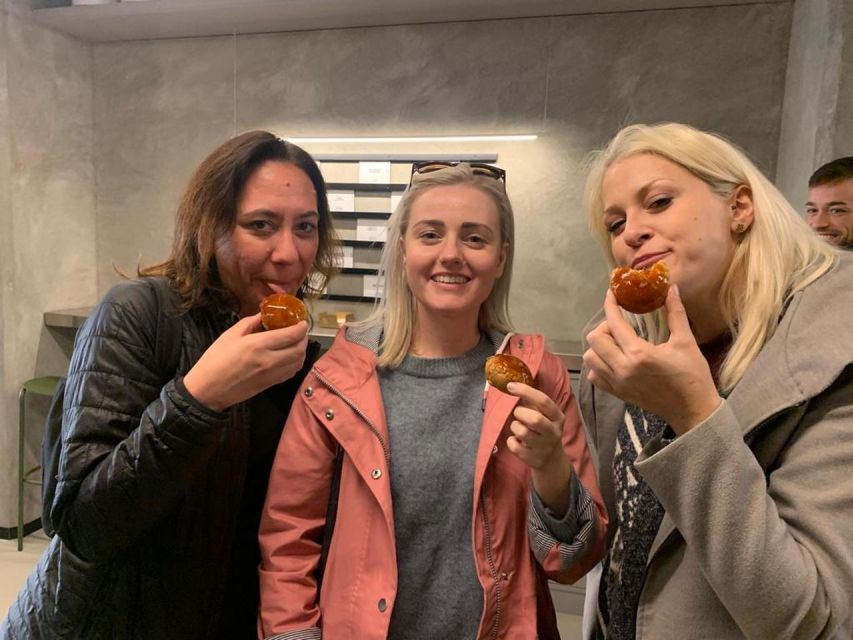
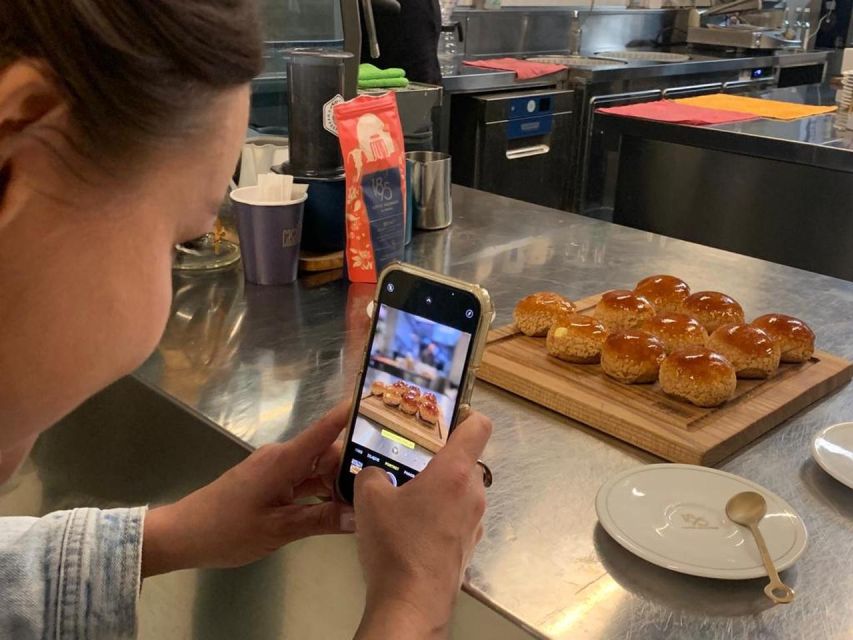
- You start with maritozzo: A Roman sweet breakfast pastry sets the tone at a specialist café near Trastevere station.
- Testaccio Market is the heart of the outing: You spend about an hour seeing where local people shop and tasting foods that rarely appear on standard Roman menus.
- Expect more than eight Lazio recipes: Samples include polpetta di lesso, Roman tripe, regional cheeses, fried supplì, Roman pasta, and a seasonal dessert.
- Wine appears at three food stops: Regional wine is served with explanations about the cheeses and local food customs.
- The group stays small: With no more than 10 people and an English-speaking guide, questions and conversation are easier.
- Bring water and comfortable shoes: Bottled water is not included, and the route involves walking, standing, and moving between food stops.
Why Testaccio is the right place for a food walk

Rome has no shortage of famous dishes, but the famous dishes can become a narrow view of Roman cooking. Testaccio gives you something closer to the everyday table: market stalls, neighborhood vendors, working food counters, old recipes, and dishes that may surprise you.
The area is especially useful for a food tour because food and local life sit close together. You are not only being handed samples. You are seeing a market, meeting vendors, hearing about Roman habits, and learning how food fits into the neighborhood.
I like the decision to keep the food strictly from Rome and the Lazio region. That means no generic Italian tasting menu built around familiar imports. You will not be served parmigiano, mozzarella, cannoli, pizza, or spritz simply because those items are easy for visitors to recognize. Instead, the guide introduces food with a more local accent.
That focus can be a strength or a challenge. If you want to tick off Rome’s most famous international dishes, this is not the right pick. If you want to understand why Roman food is more than pasta and pizza, it is a smart choice.
More street food walks around Rome:
- Rome: Street Food Tour with Local Guide
★ 4.8 · 4,077 reviews - Rome: Trastevere & Campo de Fiori Street Food Walking Tour
★ 4.9 · 2,768 reviews - Rome Street Food Tour with Local Guide
★ 5.0 · 2,361 reviews
Starting with maritozzo near Trastevere station
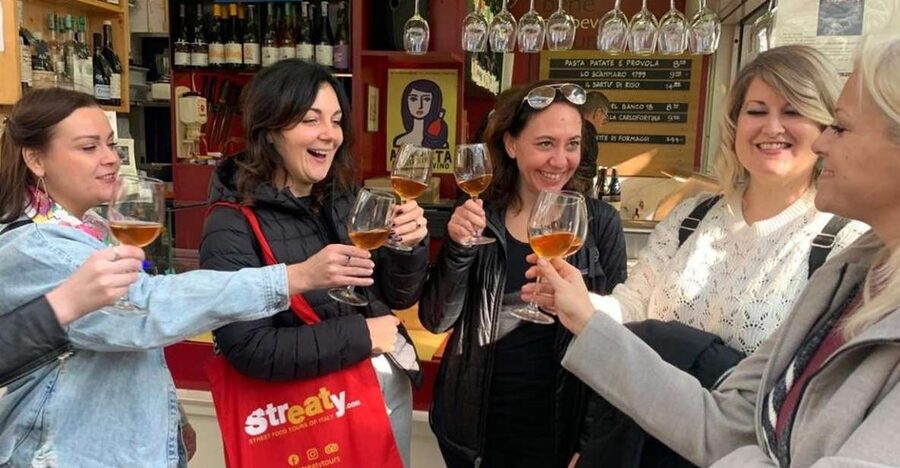
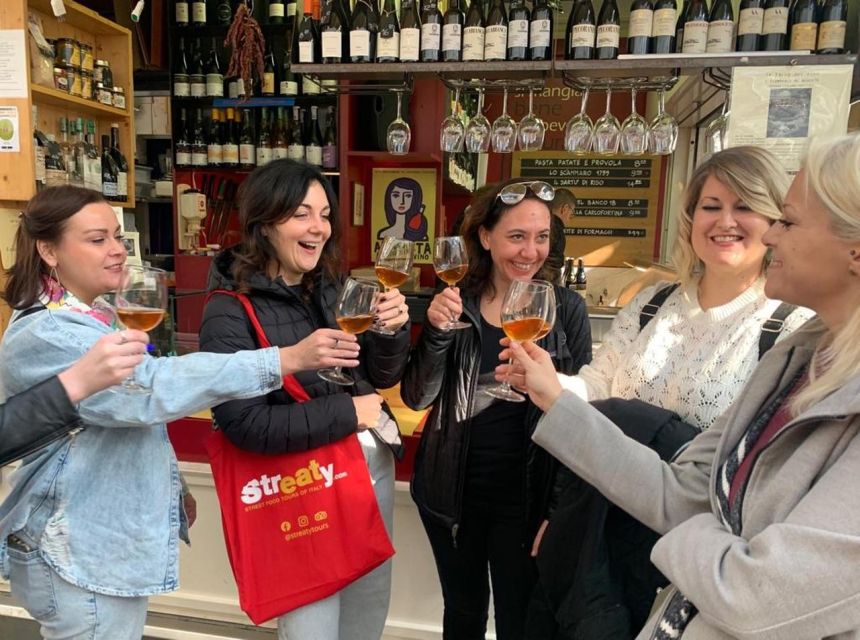
The meeting point is Piazza Flavio Biondo, 7, near Trastevere train station. Look for a guide carrying a red bag with the Streaty logo. The tour begins with a Roman maritozzo, a sweet bun traditionally associated with the city.
This opening stop does useful work. You get a small breakfast-style bite before the savory tastings begin, and you have time to meet the guide and the rest of the group. The guide also uses this first café stop to explain how the food walk will work and to get to know the people in the group.
A past start-time mix-up was reported between 10:00 and 10:30, though the guide was present at the expected time. I would check your final booking details carefully and arrive early. That is especially sensible when the first tasting begins right at the meeting point.
The walk from the opening stop toward Testaccio helps spread out the eating. It is not described as strenuous, but you should still wear shoes suited to several hours on Roman streets and market floors. The activity is not recommended for people with back problems, mobility impairments, or wheelchair users.
Inside Testaccio Market: one hour of local food culture
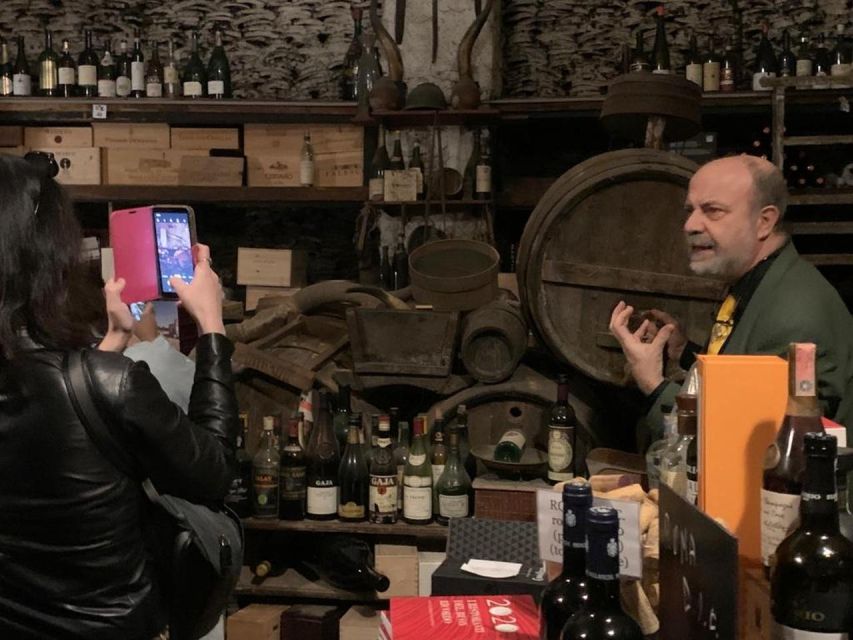
The main stop is the New Testaccio Market, where the food becomes more savory and the pace becomes more varied. The itinerary allows about an hour for the market visit, with separate time for an initial tasting and a short look at the archaeological area.
That mix matters. You are not simply moving from counter to counter while the guide names ingredients. You have time to look at the market itself, see the stalls, and understand the setting in which the food is bought and sold.
The market visit also gives the guide a natural place to discuss Testaccio traditions, Roman daily routines, and local football passion. These details are valuable because food makes more sense when you know who eats it, when they eat it, and why particular dishes remain part of neighborhood life.
Expect small bites rather than a single formal plate at this stage. The food is served from stalls, delis, bakeries, and other casual counters. Some samples are eaten on the go, so do not expect a reserved table at every stop.
The savory samples: tripe, polpetta di lesso, and supplì
The menu is designed to take you beyond familiar Roman staples. One unusual bite is polpetta di lesso, a meatball made from boiled meat. It is the sort of dish that shows how Roman cooking has long valued thrift, leftovers, and strong home-style flavor.
Roman tripe is another important stop. This is not a safe choice for someone who wants only mild, recognizable foods, but it is exactly the kind of traditional preparation that makes the walk different from a standard city food tasting.
The fried supplì bring a more immediately friendly moment. These rice croquettes are crunchy on the outside and are served as a classic Roman street-food bite. The contrast works well: one tasting introduces a less familiar offal dish, while another gives you a hot, crisp snack that is easier to love at first bite.
Regional cheeses come with wine at one of the tasting stops. The host explains the story behind each cheese, while the guide adds context about food customs and the region. Since wine is served at three different food stops, the drink is not an afterthought. It helps connect the ingredients and gives the meal a more complete shape.
Extra food and drinks are not included, so stick to the planned tastings unless you are ready to pay separately. You should also carry your own refillable bottle. Water can be bought along the route, but it is not supplied as part of the experience.
Same streets, a different set of bites:
- Rome: Trastevere Street Food Walking Tour with Local Expert
★ 4.8 · 1,784 reviews - Roman Food Tour with Visit to the Trionfale Food Market
★ 5.0 · 471 reviews - Trastevere & Campo de’ Fiori Street Food Tour, Eat Like a Local
★ 5.0 · 207 reviews - Hidden Rome: Small Group E-Bike Tour with Street Food Stops
★ 5.0 · 169 reviews
Roman pasta in the belly of Testaccio
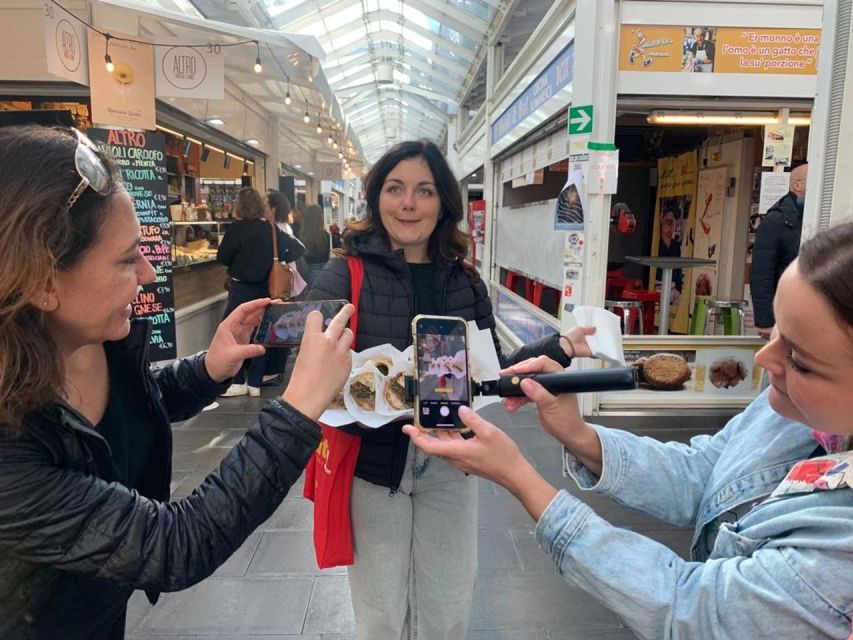
The sit-down lunch is the central meal of the experience. You are taken to a local place for traditional Roman pasta, described as a secret stop tucked into Testaccio. The meal is intended to be filling, not just a token sample.
This is where the experience shifts from market grazing to a proper pause. A seated meal gives you a chance to rest, eat at a normal pace, and ask more questions. Still, do not expect a polished restaurant tour. The food venues are stalls, delis, bakeries, fast-food counters, and casual food spots rather than conventional restaurants.
The phrase traditional Roman pasta covers an important part of the local menu, but the precise pasta dish can vary. Seasonal and supplier changes are possible, so you should not book this expecting one specific recipe unless the operator confirms it before departure.
The meal also explains why the tour warns against a low-carb diet. Even before the pasta, you will have eaten bread, fried food, cheese, and a sweet pastry. This is a generous food walk, not a light sampling session.
A seasonal dessert to finish
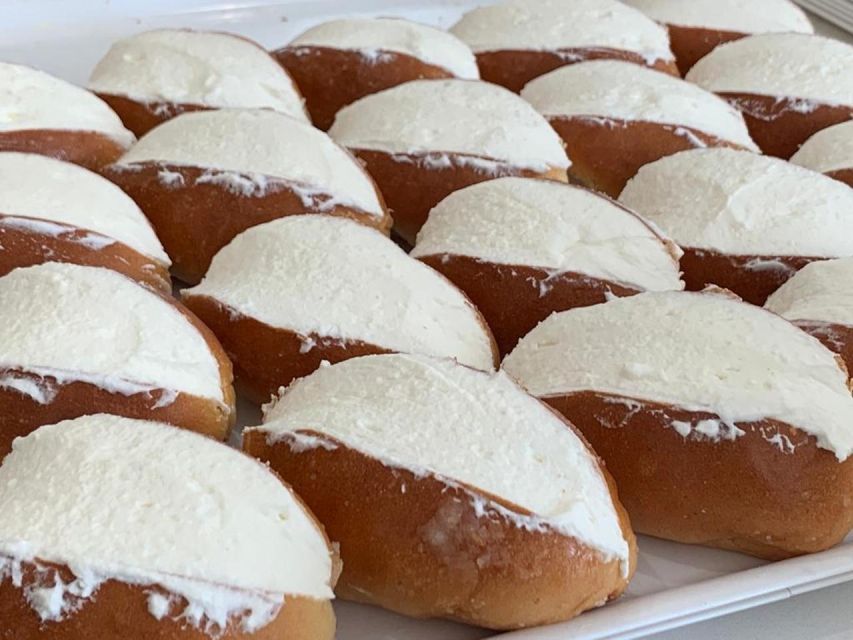
The final tasting is a seasonal dessert, served after the savory food and pasta. A changing sweet gives the guide room to use what is best at the time of year, though the exact dessert is not specified.
This ending is practical as well as pleasant. You have already tasted the Roman breakfast pastry at the start, so finishing with another sweet does not feel like repeating the same course. It gives the meal a clear beginning and end.
The route finishes at Piazza Vittorio Bottego, 00154 Roma RM, according to the detailed schedule. The meeting information also says the activity ends back at the meeting point, so I would confirm the final location before booking onward transport. The supplied details are not fully consistent on this point.
What the small group changes
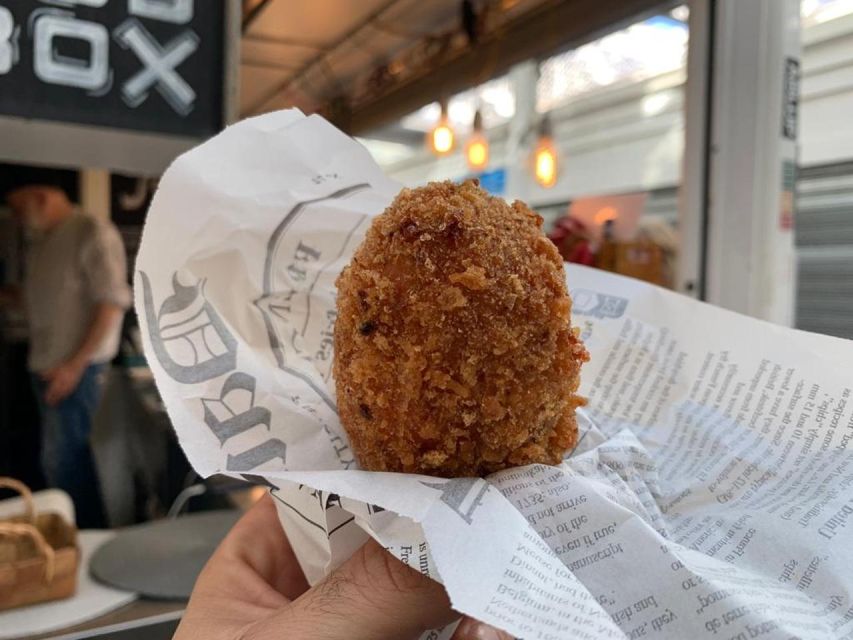
The group limit is 10 people. That is a useful size for a market, where a larger crowd can block counters, lose sight of the guide, or make conversation awkward.
A small group also helps with the personal side of the outing. Marica is noted for explaining her background and setting a comfortable pace. Manuela is described as making a strong effort to help people understand Roman culture and history. Those details matter because the guide is doing more than delivering food. The guide is the link between the stall, the recipe, and the neighborhood.
One particularly kind moment involved Manuela and her companion returning for people who had lost a mobile phone in a taxi before arriving. You should not expect a guide to solve personal problems, of course, but it gives a sense of the care built into the meeting and hosting style.
The English-language format keeps the tour accessible to English speakers, and the small group makes it easier to ask about unfamiliar ingredients. If you are shy about trying tripe or a regional cheese, a good guide can explain what you are eating before you take the first bite.
Price, timing, and what the $100.82 covers
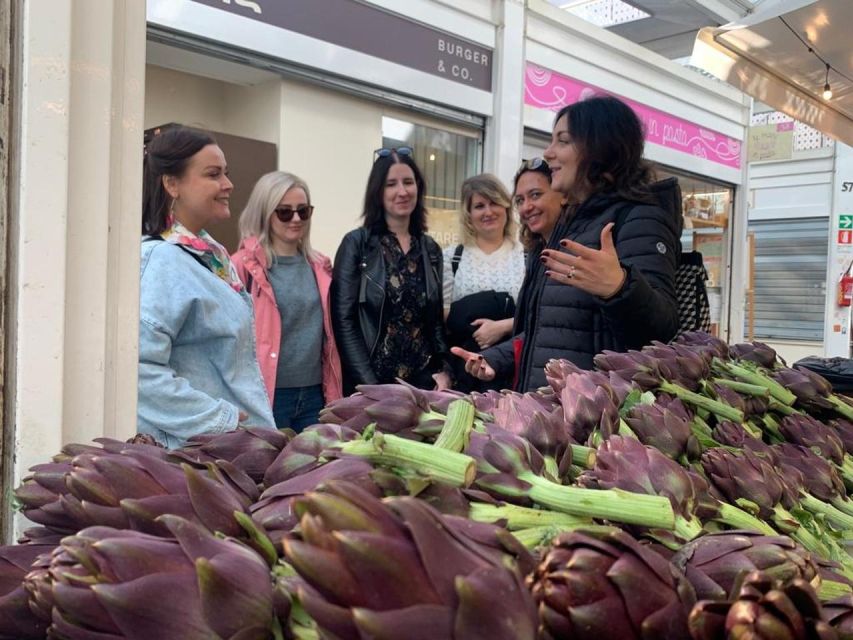
The price is $100.82 per person. That is not a cheap lunch, but the value depends on how you use the experience.
You are paying for 3.5 hours with a local guide, a Roman breakfast, market tastings, cheese, wine at several stops, a full pasta lunch, and dessert. You are also paying for access to a planned route through Testaccio and for the interpretation that connects the dishes to local life.
If you visited the market alone, you could spend less. You would also need to choose the stalls, order enough food, understand the regional specialties, and build your own route. For someone who enjoys independent food shopping, the extra cost may not be necessary.
For a first visit to Rome, I think the price makes more sense if you want a full meal and a neighborhood introduction in one booking. The food is not limited to one plate, and the small group keeps the experience more personal than a large bus-style outing.
The tour runs for 3.5 hours, with starting times shown during the booking process. Free cancellation is available up to 24 hours before the activity for a full refund, and you can reserve now and pay later. Those terms help if your Rome schedule is still moving, though you should still check the exact time and meeting instructions before setting out.
Who should book this Testaccio experience
I would choose this walk if you want:
- Roman food that goes beyond pizza, gelato, and pasta
- A market setting rather than a formal restaurant meal
- A small English-speaking group
- Local stories about daily life, traditions, and football
- A substantial food experience that can replace lunch
- A guide-led introduction to dishes you might not order alone
You should think twice if you are vegetarian, pescatarian, vegan, gluten-free, lactose-intolerant, or allergic to nuts. Vegetarians and pescatarians are asked to notify the operator in advance, but the experience is specifically not suitable for vegans and is not recommended for several dietary restrictions.
This is also a poor fit if you need guaranteed seating, have difficulty walking or standing, or dislike trying unfamiliar foods. The food is served mostly on the go, with only a couple of comfortable indoor seated tastings.
Should you book it?
Book this experience if you want to eat Rome as a neighborhood eats it, not as a checklist of famous dishes. The strongest parts are the Testaccio Market setting, the unusual recipes, the three regional wine stops, the full pasta lunch, and the personal attention possible in a group of 10.
Skip it if you want a relaxed restaurant meal, a predictable menu, or a tour built around pizza and gelato. For everyone else, this is a well-planned way to spend a half day in Testaccio, especially if you arrive hungry, bring water, wear good shoes, and keep an open mind about tripe and other traditional foods.
FAQ
Where does the Testaccio food experience start?
Meet your guide at Piazza Flavio Biondo, 7, near Trastevere train station. The guide will carry a red bag with the Streaty logo.
How long does the experience last?
The activity lasts 3.5 hours. Starting times depend on availability when you book.
What food and drinks are included?
Included tastings are a Roman maritozzo, street-food bites at Testaccio Market, regional cheese, wine at three food stops, a sit-down Roman pasta meal, and a seasonal dessert.
Is bottled water included?
No. Bottled water is not included, but you can buy it at shops along the route. Bringing your own bottle is recommended.
Can vegetarians or pescatarians join?
They may be able to join, but you must inform the operator before the tour. The experience is not suitable for vegans.
Is the tour accessible for wheelchair users?
No. The activity is not suitable for wheelchair users or people with mobility impairments, and it is also not recommended for people with back problems.
Newest street food walks around Rome
- Eat & Walk : Street Food in the Center & Trastevere★ 4.9 · 6 reviews
- Rome: Vegan Street Food Tour with Local Guide★ 5.0 · 37 reviews
- Rome: Vatican Street Food and Wine Tour with Farmers Market★ 5.0 · 37 reviews
- Rome: Trastevere Quarter Street Food Tour with Sightseeing★ 4.9 · 21 reviews
- Rome Street Food: Small Group Tour in the Historic Centre★ 4.8 · 9 reviews
- Rome: Jewish Quarter and Campo de’ Fiori Street Food Tour★ 4.8 · 36 reviews
- Rome: Monti Street Food Tour★ 4.5 · 14 reviews
- Rome Street Food: Delights at Campo dei Fiori & Ghetto Area★ 5.0 · 34 reviews
Rome street food tours, side by side.

Rome: Trastevere & Campo de Fiori Street Food Walking Tour
Read our review →
Rome: Trastevere Street Food Walking Tour with Local Expert
Read our review →
Roman Food Tour with Visit to the Trionfale Food Market
Read our review →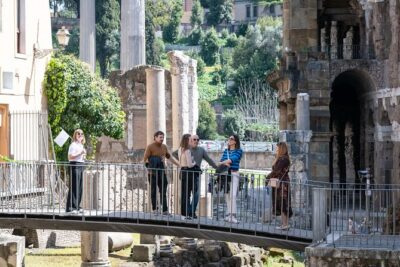
Trastevere & Campo de’ Fiori Street Food Tour, Eat Like a Local
Read our review →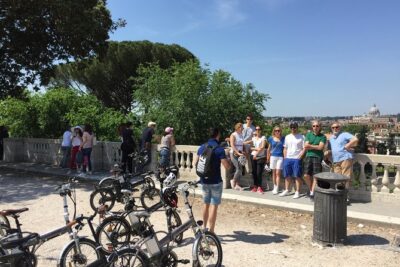
Hidden Rome: Small Group E-Bike Tour with Street Food Stops
Read our review →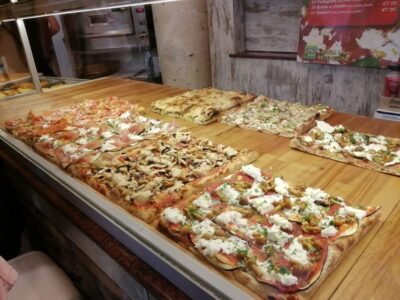
Rome: Trastevere and Jewish Ghetto Street Food Walking Tour
Read our review →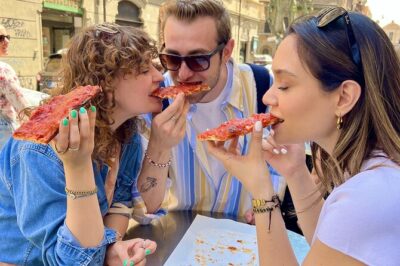
The lists this tour appears in