
Review · ATHENS
Street Food Tour – Sample the Food the Locals Love
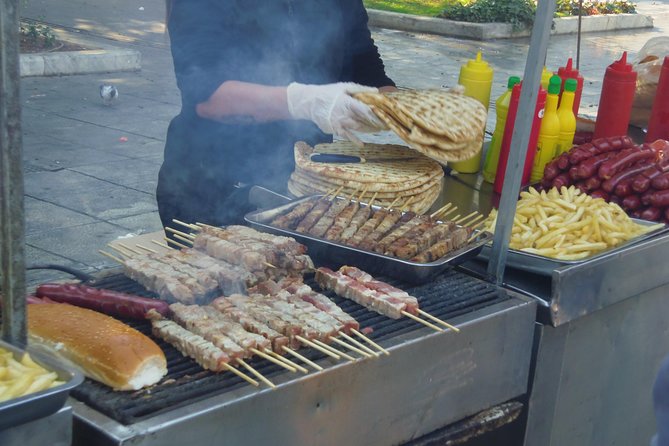
Athens serves up its best food in ordinary places: a sesame bread ring from an old bakery, pie from a pastry shop, olives at the public market, and souvlaki eaten the way locals eat it. This 2.5-hour private walking tour links those stops through Monastiraki, Psirri, and the old commercial center.
I like the way the tour mixes food with the city’s Roman, medieval, and Ottoman layers. I also like the flexible feel of a private outing, with guides such as Helen, Eleni, Helini, and Dionysius offering local context rather than simply pointing out dishes. The main drawback is price: at $71.04 per person, the food alone may not justify the cost if you already feel comfortable finding Greek street food on your own.
Key points at a glance
- Start with Greek breakfast: Coffee and a sesame-covered koulouri set the tone at Monastiraki.
- Eat through several Athens neighborhoods: The route connects Monastiraki, Psirri, Varvakios Market, and the Roman Agora.
- Expect a full meal, not just samples: The included food can cover coffee, bread, pie, dessert, and souvlaki or soup.
- See where locals shop: Varvakios Central Municipal Market brings olives, herbs, honey, fruit, and vegetables into the tour.
- Private attention matters: Only your group participates, so you can ask questions and set the pace within the scheduled route.
- Wear good walking shoes: The route includes about two and a half hours on foot through central Athens.
What this Athens street food tour is really about
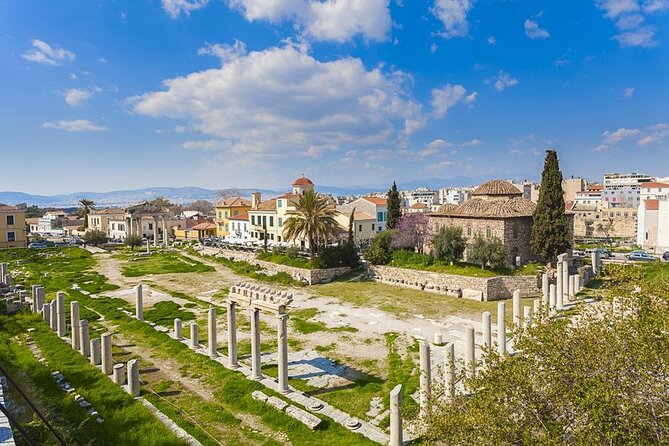
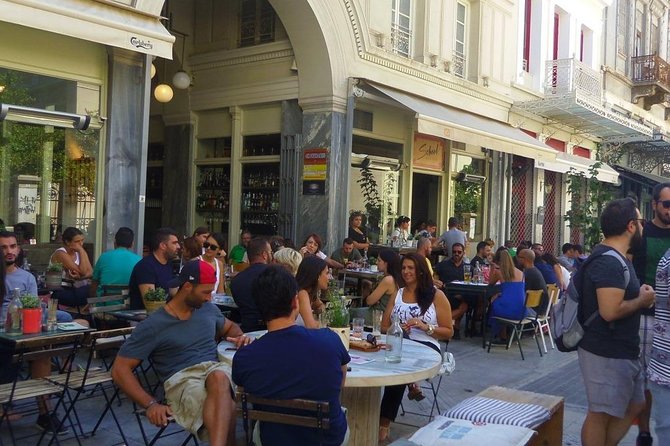
This is not a restaurant crawl built around famous dining rooms. It is a guided walk through central Athens, using everyday food to explain how the city eats. You move from a square to bakeries, the public market, pastry shops, and a local eatery.
The food is familiar Greek fare, but the point is the setting and the guidance. You are not simply handed a plate of souvlaki. You learn why koulouri is such a common morning food, how Greeks use coffee as a social ritual, and where the city’s older commercial districts fit into modern Athens.
The tour is listed at 2 hours and 30 minutes, though the stop descriptions add up to about two hours. Plan on roughly the advertised duration, with some variation depending on walking speed, conversation, and how long each food stop takes.
More street food walks around Athens:
- Athens: Street Food Tasting Tour
★ 4.9 · 3,343 reviews - Athens: Food Market Visit and Cooking Class with Wine
★ 4.9 · 1,087 reviews - Athens Street Food Walk
★ 5.0 · 385 reviews
Meeting at Monastiraki Square
You meet at the Holy Church of the Virgin Mary Pantanassa, also described as the small medieval church in the middle of Monastiraki Square. Look for the church and its tower bell. This is a busy part of Athens, so identifying the meeting point before you arrive will save time.
Monastiraki is a useful starting place because several periods of the city meet here. Your guide introduces the Roman, medieval, and Ottoman past of the area, then connects that past with daily life in present-day Athens. You also pass through the Athens Flea Market on the way toward Psirri.
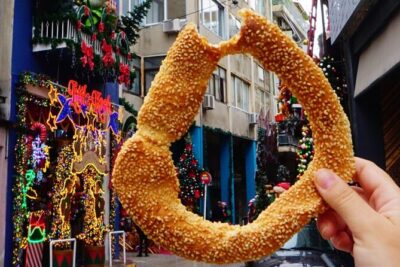
The tour begins with Greek coffee and koulouri. Greek coffee is strong and roasted, and coffee drinking in Greece is as much about sitting and talking as it is about caffeine. Koulouri is a round, sesame-covered bread that works as a simple Greek breakfast.
If you have a sweet tooth, loukoumades may appear early or later in the route. These small fried doughnuts come with honey and cinnamon. The food is modest, but that is part of the appeal. You are tasting the sort of things people grab during an ordinary day, not a special-occasion menu.
Psirri and the old bakery stop
From Monastiraki, the walk heads into Psirri. The district was once associated with working-class trades and a red-light past. It is now one of central Athens’s more alternative neighborhoods, with cafés, shops, and places to eat.
The food stop here centers on koulouri from one of Athens’s old bakeries. The bakery is also described as a source for many street sellers around the city, which gives the stop a little more meaning than simply buying bread from the nearest shop.
You should expect this portion to be more about local routine than culinary surprise. Koulouri is plain food, though the crisp sesame coating and fresh texture make it satisfying when it has just come from the bakery. If you want a grand tasting menu, this will feel basic. If you want to understand what a quick Greek breakfast looks like, it fits the tour well.
The walk through Psirri also gives your guide room to explain how a former working district changed over time. Dionysius, Helen, Eleni, and Helini are among the guides associated with past tours, and the strongest part of the experience is often the conversation about the neighborhoods between food stops.
Varvakios Market: olives, herbs, and everyday Athens
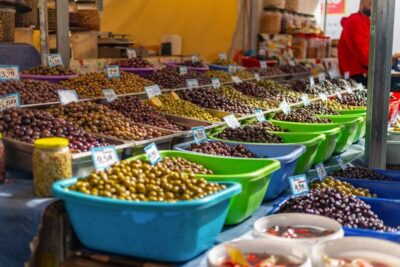
The route continues to Varvakios Central Municipal Market, the public market of Athens. This is where the tour shifts from prepared food to ingredients. You browse stalls with olives, Greek herbs, honey, fresh fruit, and vegetables.
Kalamata olives are included in the tasting. They are a useful introduction to one of Greece’s best-known foods, but the value here is seeing them in a market setting rather than tasting them in isolation. You can connect the olives with the wider range of ingredients used in Greek homes and tavernas.
The market can be a strong stop for curious eaters because it shows how central Athens shops for food. It also breaks up the sweetness and bread-heavy parts of the early tour. If you are sensitive to crowded indoor markets, the atmosphere may feel intense, and you should stay close to your guide.
This is one place where the private format helps. With only your group participating, you can ask about herbs, honey, olives, or produce without trying to catch a guide’s words across a large crowd. Still, one traveler found the lack of earphones made the guide difficult to hear in a group of five. The operator’s response was that the experience is designed for small private groups, but you should speak up if market noise makes conversation hard.
Same streets, a different set of bites:
- Athens: Greek Street Food Tour
★ 4.8 · 246 reviews - Athens Street Food Tour: Explore City’s Iconic Eateries
★ 5.0 · 155 reviews - Classic Athens Food Tour with Local Drink & Market Visit
★ 5.0 · 34 reviews - Athens by E-Bike: Monuments, Food & Transfers (Cruise Tour)
★ 5.0 · 26 reviews
Greek pies in the commercial center
The old commercial center brings a major food stop: Greek pie filled with ingredients such as feta and spinach. The tour uses an old and well-known pastry shop, and vegetarian and vegan choices are available according to the tour details.
Greek pies are practical street food. They are portable, filling, and built around crisp pastry with savory fillings. A feta and spinach pie gives you a clear taste of the salty, creamy, and herbal side of Greek cooking.
This stop also shows why the tour may work well on your first day in Athens. You are not forced to choose from a menu while jet-lagged or unfamiliar with the city. Your guide handles the choices and explains what you are eating.
At the same time, food preferences matter. The included menu lists coffee, koulouri, loukoumades, Greek pie or souvlaki, and soup or souvlaki. The exact order and selection can vary, so tell your guide about dietary needs at the start. Additional food and drinks are not included.
Finishing with souvlaki, soup, and loukoumades
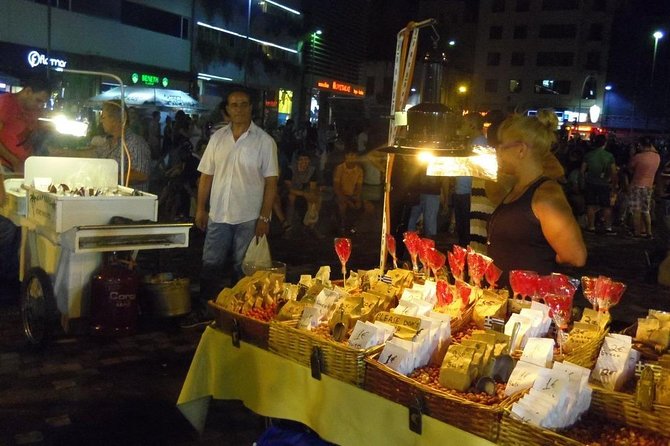
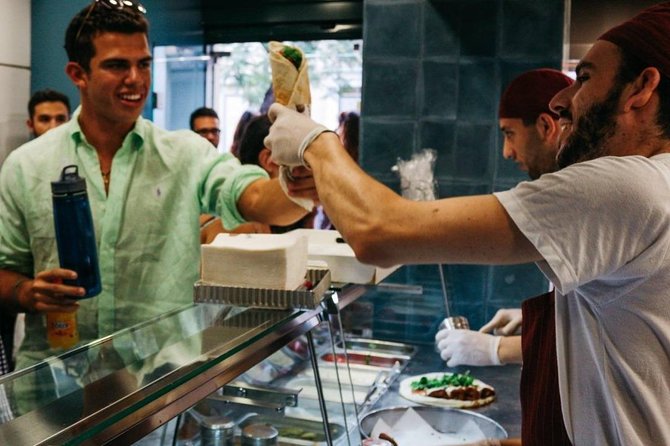
The final food portion is the most substantial. You may have soup or souvlaki at an eatery favored by locals. The sample menu describes souvlaki or gyros in wrapped pita with meat, tzatziki, tomato, and onion.
For many people, this is the moment the tour becomes a proper meal rather than a series of bites. Souvlaki is familiar to many visitors, but eating it at a local spot and learning how the ingredients fit together gives it more context.
Loukoumades may also be served as dessert, topped with honey and cinnamon. These fried Greek doughnuts are linked with food traditions reaching back to antiquity, though the modern experience is wonderfully simple: hot dough, sweet honey, and spice.
The tour ends at the Roman Agora after passing back through Monastiraki Square. The Roman Agora was the city’s Roman market and has continued to serve as a market area since the middle of the 19th century, according to the tour information. The ending is useful because you finish near major central Athens sights instead of being dropped far from the route.
The private format and the guides
This is a private activity, meaning only your group participates. It may be a group of two, a family, or a small party, rather than a large scheduled crowd. Some bookings end up with just two people and one guide, which makes it easier to ask questions and adjust the conversation.
The guide is an important part of the value. Helen has been praised for combining food with local history, while Eleni has been described as interesting and pleasant company. Dionysius has led tours focused on Athens and ancient sites. The names may vary by date, so do not book expecting one specific guide unless the operator confirms it.
The best guides on this route do more than name the food. They explain the neighborhoods, answer questions about ancient Athens, and help you understand how locals order and eat. One drawback is that the private setup does not automatically guarantee a perfect experience. If the guide speaks while you are in a noisy market, ask for repetition or move closer.
Is $71.04 a fair price?
At $71.04 per person, this is not the cheapest way to eat koulouri, olives, pie, and souvlaki in Athens. You could find many of these foods yourself for less, especially if you already know where to go and feel comfortable ordering in busy local shops.
The price covers more than the food. It also buys a private English-language guide, a planned route through several central neighborhoods, and help choosing places that may be easy to miss. For a first evening, that can be worthwhile. You can arrive tired, follow the guide, eat several local specialties, and get your bearings without planning dinner.
Value depends on how much you enjoy explanation and company. If you want a food lesson tied to Athens’s streets and history, the price is easier to defend. If you mainly want a cheap meal or expect unusual dishes at every stop, you may find it expensive.
Group discounts are available, which may improve the cost for a larger private party. Tips are not included, and extra food or drinks cost more.
Who should book this food walk?
I would point this tour toward first-time Athens visitors, food-focused couples, and small groups that want an easy introduction to Greek eating habits. It also makes sense for your first night, when you may not want to choose a restaurant after a long flight.
You should also like walking and conversation. The route covers central streets, a flea market, a public market, and historic areas. Wear comfortable clothes and shoes, and dress for the weather because the tour operates in all conditions.
This is a good fit if you want:
- A private guide instead of a large group
- A mix of food and local history
- Traditional Greek staples rather than formal dining
- Vegetarian or vegan pie options
- A planned introduction to Monastiraki, Psirri, and the market area
I would hesitate if you are looking for a high-end culinary experience, rare regional dishes, or a tour built around substantial restaurant meals. I would also think twice if you dislike walking or already know Athens’s street food well.
Practical details before you go
The tour is offered in English and includes a mobile ticket. Confirmation is received at booking, and the experience operates in all weather, so bring suitable clothing. The route is near public transportation, and most people can participate. Service animals are allowed.
The starting point is the Holy Church of the Virgin Mary Pantanassa at Monastiraki Square. The activity ends back at the meeting point, although the route also finishes near the Roman Agora. Check the exact end instructions when you book.
Cancellation is free up to 24 hours before the start time for a full refund. Cancellations or changes made less than 24 hours before the start are not accepted for a refund.
Most important, arrive hungry. The food adds up: coffee, koulouri, olives, pie, loukoumades, and soup or souvlaki can amount to much more than a few tastes. One practical tip is to avoid eating a full meal beforehand. You will also walk a good deal, so comfortable shoes matter more than stylish ones.
Should you book the Athens street food tour?
Book it if you want a guided introduction to Athens through ordinary food, markets, and older central neighborhoods. The strongest reasons are the private format, the mix of food and local context, and the chance to try several staples without working out the route yourself.
Skip it if your main goal is low-cost eating or if you already know where to find excellent souvlaki and Greek pastry. At $71.04, the real purchase is the guide and the structure, not just the food. For a first evening or a small group that values local explanation, that can be a smart use of time and money.
FAQ
Where does the Athens street food tour begin?
It begins at the Holy Church of the Virgin Mary Pantanassa in Monastiraki Square, Athens. The guide waits in front of the small medieval church with the tower bell.
Where does the tour end?
The activity ends back at the meeting point. The route finishes at the Roman Agora before heading back through Monastiraki Square.
How long does the tour last?
The advertised duration is approximately 2 hours and 30 minutes. The listed stops cover Monastiraki, Psirri, Varvakios Central Municipal Market, and the Roman Agora.
What food is included?
Included tastings are coffee, koulouri with sesame seeds, loukoumades with honey and cinnamon, Greek pie or souvlaki, and soup or souvlaki. The menu also includes Greek olives at the public market.
Is the tour private?
Yes. Only your group participates in the activity. It is conducted as a private walking tour with an English-speaking local guide.
Is the tour offered in English?
Yes. The experience is offered in English.
Are vegetarian or vegan options available?
The Greek pie stop has choices for vegetarians and vegans. Tell your guide about your dietary needs at the beginning of the tour.
What should I wear?
Wear comfortable clothes and walking shoes. The tour operates in all weather, so dress appropriately for the conditions.
Can I cancel for a full refund?
Yes. You can cancel at least 24 hours before the experience starts for a full refund. Cancellations or changes made less than 24 hours before the start time are not accepted for a refund.
Newest street food walks around Athens
- Classic Athens Food Tour with Local Drink & Market Visit★ 5.0 · 34 reviews
- Piraeus Street Food Walking Tour★ 5.0 · 20 reviews
- Athens Street Food Markets and Hidden Gems Experience★ 5.0 · 18 reviews
- Fun Athens Street Food Tour with Local Guide Marina★ 5.0 · 2 reviews
- Explore Athens Street Art & Street Food Extravaganza★ 5.0 · 18 reviews
- Street food tasting in the locals favorite hidden places★ 5.0 · 15 reviews
- Evening Athenian Street Food Tour: An Essential Guide to Athens★ 3.5 · 3 reviews
- Athens by E-Bike: Monuments, Food & Transfers (Cruise Tour)★ 5.0 · 26 reviews
Athens street food tours, side by side.

Athens: Food Market Visit and Cooking Class with Wine
Read our review →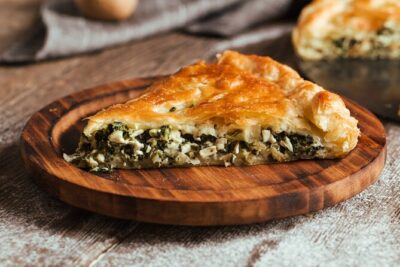
Athens Street Food Tour: Explore City’s Iconic Eateries
Read our review →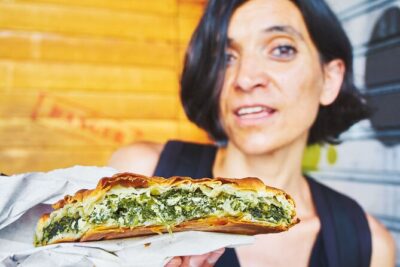
Classic Athens Food Tour with Local Drink & Market Visit
Read our review →
Explore Athens Street Art & Street Food Extravaganza
Read our review →The lists this tour appears in