Review · HO CHI MINH CITY
Saigon Street Food & Hidden Alleys by Scooter – 7/9/12 Tastings
The best part of this Saigon tour is not one particular dish. It is the way a scooter carries you between ordinary places that are hard to reach by car: an old apartment block, a flower market, narrow Chinatown lanes, and quiet French-era streets. You get street food and city life in one ride, with a local guide explaining what you are seeing.
I like the small private-group format, since your guide can adjust the pace and answer questions. I also like the careful drivers. Families with children as young as 12 reported feeling safe, and guides such as Corn, Vy, Levi, Vinh, and Jason earned praise for being friendly and attentive.
The main consideration is that this is still a scooter tour in a busy city. You ride as a passenger, but traffic, heat, and short walks between stops are part of the experience. Pickup problems have happened, too, so confirm your hotel details and meeting time before setting off.
Key points to know before booking

- Seven, nine, or twelve tastings: The title offers several tasting levels, but the exact number and dishes may depend on the package you choose.
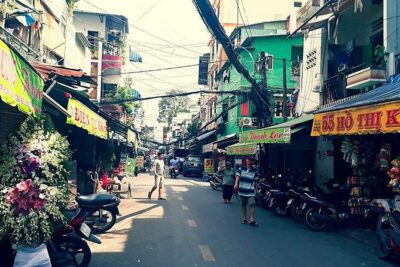
- A real look at daily Saigon: The route includes a 1960s apartment block, Hồ Thị Kỷ Flower Market, Chinatown lanes, and District 3.
- Scooter transport saves time: You can reach narrow streets and local neighborhoods that are awkward for buses and cars.
- Local English-speaking guides: Corn, Vy, Levi, Vinh, Jason, and other guides have led tours, with individual guide quality naturally varying.
- Food comes with context: Dishes are linked to family recipes, local customs, and Saigon’s Chinese-Vietnamese neighborhoods.
- Good value at $25: Food, hotel pickup and drop-off, a private group, guide, and scooter accident insurance are included.
Why the scooter is the real attraction
Ho Chi Minh City makes more sense from the back of a scooter. You pass quickly from grand streets near the Opera House into cramped lanes, market roads, and residential corners that a standard sightseeing bus cannot reach.
You do not drive yourself. An English-speaking guide meets you, gives a safety briefing, and takes you on the back of a scooter. Other guides may ride with your group, depending on the size of your party. The tour is described as a private activity, so only your group participates.
That arrangement makes the four-hour route feel more personal than a large food walk. You can ask why a neighborhood looks the way it does, which dish is usually eaten at a certain time, or where the local Chinese influence comes from. Guides are often local university students studying tourism and practicing English, which gives the outing a relaxed, conversational feel.
The ride itself is not just transport between meals. Traffic becomes part of the show. You see scooters carrying flowers, families moving through side streets, shopfronts opening onto the pavement, and the constant flow that defines Saigon. If you are nervous at first, tell your guide. Several guides have been praised for driving carefully and checking that everyone is comfortable.
More Food Tours by Motorbike or Scooter in Ho Chi Minh City
- Ho Chi Minh City Street Food Tour & Sightseeing By Motorbike
★ 5.0 · 9,413 reviews - Saigon By Night and Street Food By Motorbike | Opt: Ao Dai Riders
★ 5.0 · 4,066 reviews - Private Street Food Tour by Motorbike/Car with Local Students
★ 5.0 · 3,950 reviews
Starting near the Saigon Opera House

The usual start is near the Ho Chi Minh Municipal Theater, also called the Saigon Opera House, or at your central hotel if pickup is arranged. The opening 20 minutes are used for pickup, introductions, and the safety briefing.
This is a sensible beginning. You have time to meet your guide, settle onto the scooter, and ask basic questions before entering heavier traffic. Free pickup and drop-off at central hotels are included, although the exact timing depends on your location.
The tour is not designed as an opera house visit. The theater is a meeting point and a useful landmark in District 1. From there, the route moves into less familiar parts of the city.
Nguyễn Thiện Thuật and the city behind the shopfronts
The first major stop is the Nguyễn Thiện Thuật apartment complex, a 1960s local living block. You climb up for views and observe the everyday life of a residential building rather than a polished attraction.
This stop gives the food tour some needed depth. Saigon is often presented through cafes, markets, colonial buildings, and scooter traffic. Here, you see how people live in a dense urban neighborhood, with homes and small businesses packed into an older structure.
The visit lasts about 30 minutes. Long-time family vendors provide classic Vietnamese snacks, so the first food stop also connects eating with place. The exact snacks are not specified, and that is worth noting if you need to plan around particular ingredients.
I like this stop because it slows the tour down. You are not simply collecting dishes. You are seeing a residential corner and tasting food sold by families who have worked there for years. The drawback is practical: stairs and a short walk are involved, so this may be less comfortable for anyone with limited mobility.
Hồ Thị Kỷ Flower Market brings color and Cambodian food
Hồ Thị Kỷ Flower Market is one of the most distinctive stops on the route. It is known for flower shops, strong scents, narrow market lanes, and Cambodian street food stalls. The tour allows about 30 minutes to walk through the market and try one or two tastings.
This is a good example of how the experience goes beyond a standard restaurant crawl. Flowers arrive and move through the market, while food vendors serve the local community. The Cambodian influence adds another layer to Saigon’s food culture, especially in District 10.
You will want to keep your attention on both sides of the lane. The market is a place to observe as much as eat. Your guide can point out local details and explain how the area fits into the city.
The market can feel crowded and active, and the route is not a quiet stroll. Wear comfortable shoes and expect to stand while eating. If you prefer a carefully paced restaurant meal, this may feel rushed. If you like markets with a strong local character, it is one of the tour’s most memorable settings.
More Hidden Food Spots in Vietnam
- Saigon’s Hidden Flavors – Private Street Food Walk with Local Students
★ 5.0 · 301 reviews - Hidden Gems Private Street Food by scooters with girl drivers.
★ 5.0 · 201 reviews - Discover Ho Chi Minh City’s Street Food & Hidden Life by Bicycle
★ 5.0 · 5 reviews - Saigon Street Food & Hidden Gems Tour: Live Like a Local
★ 5.0 · 4 reviews
Eating in Chinatown with stories attached
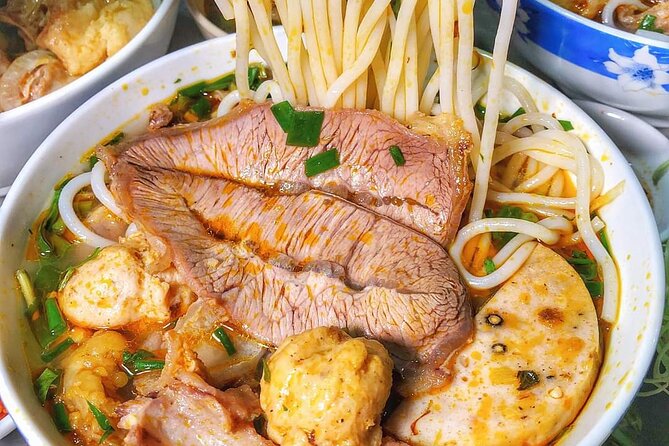
After the flower market, the route moves toward District 5 and Chợ Lớn, Ho Chi Minh City’s Chinatown. Here, the focus shifts to food prepared by third-generation local chefs and vendors.
The value of a guide becomes clear at this point. A dish on its own may be delicious, but the story behind it helps you understand why it belongs in this neighborhood. Your guide explains the recipes, local customs, and Chinese-Vietnamese influences that shaped the area.
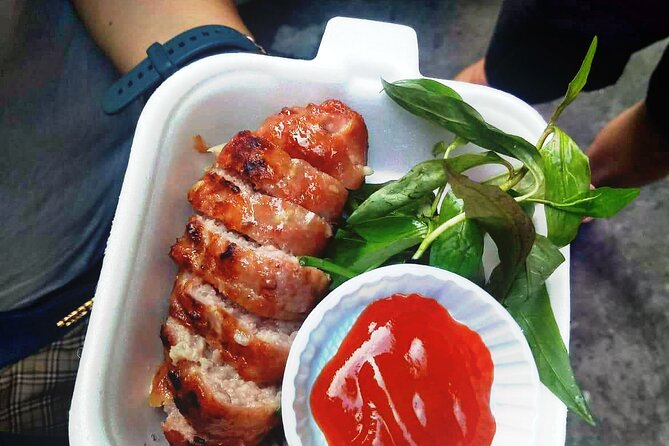
The tour description promises either seven, nine, or twelve tastings, depending on the selected option. It does not provide a fixed dish-by-dish menu, so you should ask at booking if you have strong preferences or dietary restrictions. You are specifically asked to report food allergies in advance.
The portions are intended as tastings, but you should still arrive hungry. The food is spread across several stops, so pacing matters. Do not fill up at the first snack stall. The strength of the tour is variety, not one large meal.
Chinatown’s narrow lanes and Phố Tàu Sài Gòn
The Chinatown portion includes Phố Tàu Sài Gòn, or Chợ Lớn in District 5, along with nearby alleys and local markets. You ride through energetic traffic before getting off to explore on foot and taste more food.
This area gives the tour its strongest sense of place. The lanes reveal a side of Saigon that is easy to miss if you stay around District 1. Your guide shares stories about the neighborhood’s traditions and the mix of influences that shaped it.
I like the balance here. You do not remain on the scooter for four hours, and you do not spend the entire time walking. The scooter handles the long connections, while your feet handle the alleys, market corners, and food stops.
The traffic can be intense. Your driver is responsible for the scooter, but you still need to follow instructions, hold on securely, and stay alert when getting on or off. The included scooter accident insurance is listed at up to $5,000, which offers some reassurance, but it does not remove the need for sensible caution.
District 10 adds more than food
District 10 receives its own part of the route, with more alleys, local stories, and food connected to Chinatown. This is where the experience feels least like a checklist of famous sights.
You might see ordinary homes, small businesses, food preparation, and neighborhood activity that does not appear in a typical city tour. The guide’s role matters here because the setting may not explain itself. A good guide helps you notice the details without turning the walk into a lecture.
Several guides have been praised for being easy to talk to and for checking that everything is going well. Vy, for example, has been noted for explaining both the dishes and the areas visited. Levi has been praised for clear communication and for making sure the group was comfortable.
The slight risk is guide consistency. The company uses several guides, including local university students, and the quality can depend on who leads your group. The most useful approach is to tell your guide what interests you at the beginning. If you want more food detail, ask for it. If you want neighborhood history, say so.
A quieter finish through District 3
After the main food stops, the route heads through District 3. The pace becomes calmer as you ride along tree-lined boulevards and past French-era villas.
This final section is a smart choice. After crowded markets, narrow lanes, and multiple tastings, you get a more peaceful view of the city. District 3 shows that Saigon is not only traffic and food stalls. It also has leafy streets, older villas, and quieter residential areas.
The ride lasts about 30 minutes, followed by around 10 minutes for the return to your hotel or starting point. You finish with a broader sense of how the districts fit together, rather than ending at the last plate.
What the $25 price really includes
At $25 per person, this is strong value if you want transport, food, and neighborhood sightseeing in one outing. The price includes the dishes mentioned for your selected option, a personal English-speaking guide, central hotel pickup and drop-off, and scooter accident insurance up to $5,000.
There is no extra charge for a private tour or group pricing according to the provided details. That matters for families or friends who want the flexibility of a private outing without paying a separate private-tour supplement.
Tips and personal expenses are not included. You may also want to budget for drinks or anything you choose to buy during the stops.
The value depends on your priorities. A dedicated food tour might offer more detailed culinary instruction, while a dedicated city tour might spend longer at each historical site. This experience combines both, with the scooter ride tying the route together.
Who will enjoy this most
I would choose this tour if you want to see parts of Ho Chi Minh City that are difficult to reach on foot and prefer local food stalls to formal restaurants. It suits first-time visitors who want a quick orientation, as well as returning visitors looking for neighborhoods beyond District 1.
Families can also consider it. Children aged 12 and 14 have taken the tour, and the careful drivers helped make the ride comfortable. Still, every family should decide how each child handles traffic, heat, scooter movement, and unfamiliar food.
It is less suitable if you dislike motorcycles, have difficulty climbing stairs, or need a fixed menu for dietary reasons. The route includes walking, market conditions, and foods that may not be familiar. Tell the company about allergies before the tour.
The experience is also weather-dependent. If poor weather forces cancellation, you are offered another date or a full refund.
Practical advice for a smoother ride
Arrive hungry, but not starved. There are many tastings, and you will enjoy the range more if you leave room for later stops.
Wear light clothing and comfortable shoes. You will ride, walk through markets, climb at the apartment stop, and stand while eating. Secure loose belongings before getting on the scooter.
Use the pickup time as a firm appointment. One booking had a pickup delay of about 90 minutes, caused by a company error. That appears to be an exception, but it is still wise to confirm the time and hotel address in advance.
Ask about the chosen tasting level. The experience is sold with seven, nine, or twelve tastings, and the exact food selection is not fully set out in the available information. If you have allergies, vegetarian requirements, or foods you cannot eat, give that information before arrival.
The cancellation rule is simple: cancel at least 24 hours before the local start time for a full refund. Cancellations or changes within 24 hours are not refunded or accepted.
Should you book this scooter food tour?
Book it if you want a generous mix of food, neighborhoods, and local conversation for a modest price. The strongest parts are the scooter access, the Chinatown and flower market route, and the guides who make the stops feel personal. Corn, Vy, Levi, Vinh, Jason, and other guides have been praised for friendliness, safety, and clear explanations.
Skip it if you want a quiet meal, a guaranteed dish list, or a slow historical tour with long visits at major monuments. You are signing up for traffic, short walks, market noise, and a guide-led route that may vary in tone.
For most curious first-time visitors, I would book it early in a Ho Chi Minh City stay. You will learn the city’s basic geography, find foods you might not order alone, and finish with useful recommendations for the rest of your time in Saigon.
FAQ
How long does the scooter food tour last?
The tour lasts approximately four hours, including pickup, tastings, neighborhood visits, and the return to your hotel or starting point.
What are the tasting options?
The experience is offered with seven, nine, or twelve tastings. The exact dishes depend on the option selected.
Is hotel pickup included?
Yes. Free pickup and drop-off are offered at central hotels.
Is this a private tour?
Yes. Only your group participates in the activity.
Do I drive the scooter?
No. You ride as a passenger with a guide.
Is the tour suitable for children?
Most people can participate, and children aged 12 and 14 have taken the tour. Families should still consider each child’s comfort with scooters, traffic, walking, and unfamiliar foods.
Where does the tour visit?
The route includes the Saigon Opera House area, Nguyễn Thiện Thuật apartment buildings, Hồ Thị Kỷ Flower Market, District 10, Chinatown in District 5, District 3, and District 1.
Are food allergies accommodated?
You should provide information about food allergies before the tour. The available details do not guarantee a specific menu or particular dietary substitutions.
Is insurance included?
Yes. Scooter accident insurance of up to $5,000 is included.
What happens if the weather is poor?
If the tour is canceled because of poor weather, you will be offered another date or a full refund.
More Hidden Food Spots in Ho Chi Minh City
- Ho Chi Minh City: Hidden Gems Street Food Walking Tour
★ 5.0 · 3 reviews - Hanoi: Street Food Tour with Train Street & Hidden Alleyways
★ 5.0 · 2,831 reviews - Mexico City: Hidden Markets, Street Food & Salsa-Making Tour
★ 5.0 · 310 reviews - Amman Walking Tour: Hidden Gems, Culture & Street Food
★ 5.0 · 241 reviews
Newest street food walks around Ho Chi Minh City
- Vespa Saigon By Night Street Food Tour★ 5.0 · 22 reviews
- HCM City Local Street Food by scooter/ Aodai Rider Saigon tour★ 5.0 · 39 reviews
- Private Street Food Tour by Scooter in Ho Chi Minh City★ 5.0 · 24 reviews
- Small-group Street Food Lover by Motorbike (04 hours)★ 5.0 · 86 reviews
- Ho Chi Minh City Sightseeing & Street Food Tasting Experience★ 5.0 · 40 reviews
- Ho Chi Minh City’s most delicious street food tour by motorbike★ 5.0 · 39 reviews
- Saigon: City Unseen Highlights 2h Tour | Opt: Ao Dai Riders★ 5.0 · 69 reviews
- Saigon Homies – Street Food Tour By Motorbike/Car/Walking★ 5.0 · 3 reviews
Ho Chi Minh City street food tours, side by side.
Ho Chi Minh City Street Food Tour & Sightseeing By Motorbike
Read our review →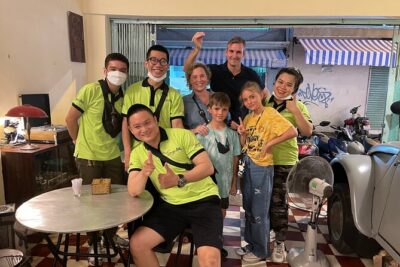
Saigon By Night and Street Food By Motorbike | Opt: Ao Dai Riders
Read our review →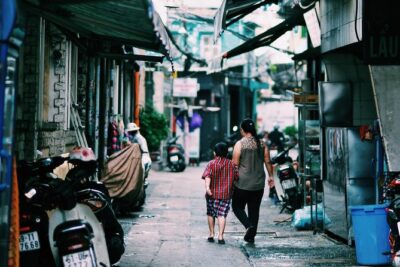
Private Street Food Tour by Motorbike/Car with Local Students
Read our review →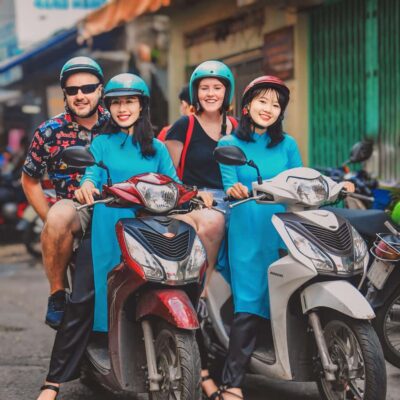
Saigon: Street Food Tasting & Sightseeing Tour by Motorbike
Read our review →
Private Street Food Evening Walking Tour in Ho Chi Minh City
Read our review →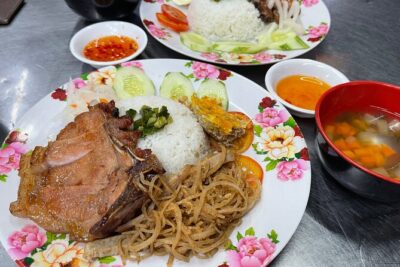
Top Notch Street Food Motorbike Tour In Ho Chi Minh City
Read our review →Super Niche Walking Street Food Tour in Ho Chi Minh City
Read our review →