
Review · MAURITIUS
Mauritius: Port Louis Street Food City Tour
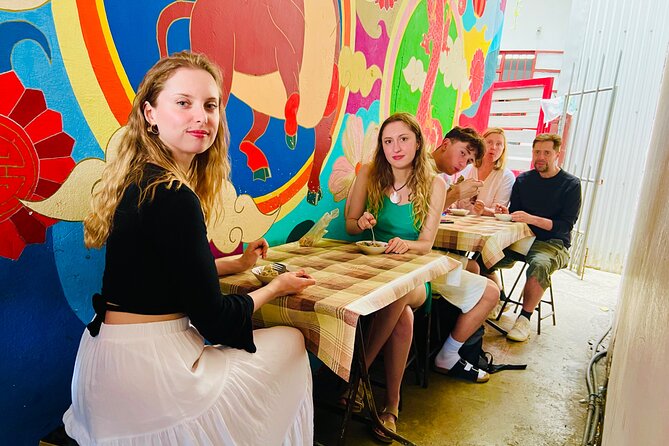
Port Louis reveals itself through food: split-pea chili bites at the market, Hakka Chinese treats in Chinatown, and old streets where Indian, Chinese, African, Creole, and Islamic influences meet. I like that this walk connects about eight tastings with real city sights, rather than treating lunch as a separate stop. I also like the small maximum of 10 people, which gives the guide room to adjust the pace and explain what you are eating.
The main drawback is that this is a walking tour through an active city, not a polished food hall visit. Expect busy streets, a lively market, modest shops, and a fairly full meal over three to four hours. If you prefer a quiet sightseeing tour or need hotel pickup, this may not be the right fit.
Key points at a glance
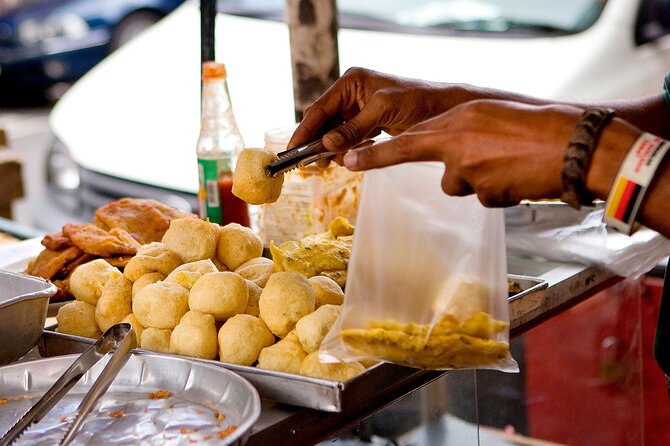
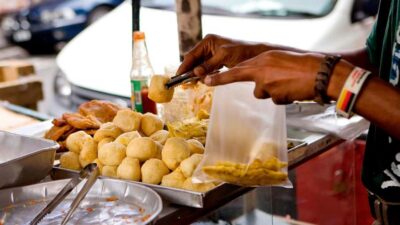
- Taste gato pima at Central Market: These fried split-pea bites combine spring onions and green chilies for a sharp, punchy snack.
- Try roughly eight dishes: The food is shaped by Mauritius’s Indian, Chinese, African, and Creole connections.
- See five distinct Port Louis sights: Aapravasi Ghat, Jummah Mosque, Chinatown, Central Market, and Company Garden each add a different layer to the walk.
- Keep the group small: A maximum of 10 people makes questions and food adjustments easier.
- Start at 10:00 am: The tour begins at IBL House near the Caudan Waterfront and ends back at the same meeting point.
- Allow room for a full lunch: Snacks, tastings, lunch, and bottled water are included, so you probably will not want a large breakfast.
Why this Port Louis food walk works
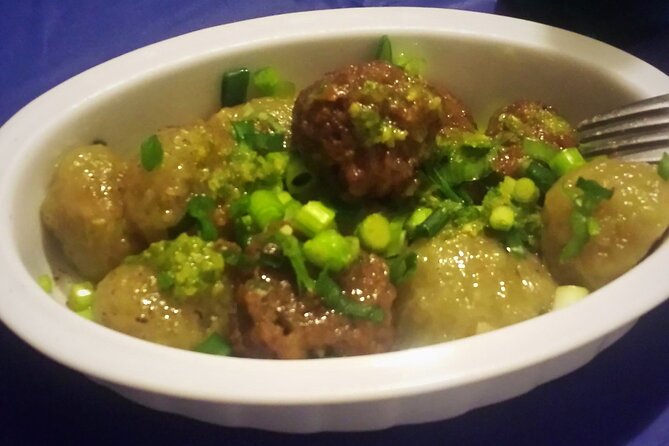
Many city food tours rush from one bite to the next. This one gives Port Louis some breathing room. You begin near the Caudan Waterfront, then walk into the older center, where food stalls, religious buildings, market lanes, and aging shopfronts sit close together.
That matters because Mauritian food makes more sense when you see the city around it. Indian influence appears in the ingredients and snacks. Chinese traditions are especially visible in Chinatown. African and Creole threads are part of the island’s wider food culture. You do not just receive a plate and a name. You get a sense of how Port Louis became a meeting place for people and cuisines.
The format is also practical. The walk lasts about three to four hours, begins at 10:00 am, and returns to its starting point. That makes it a useful first Port Louis activity, especially if you want an introduction before exploring independently.
The tour costs $49.40 per person. For that price, you receive a local guide, bottled water, snacks, lunch, food tastings, and admission to the listed sights. The value is strongest if you want both a meal and an organized introduction to the city. It is less compelling if your main goal is simply to eat cheaply, since Port Louis food stalls can be inexpensive when visited on your own.
More street food walks around the world:
- Dubai: Old Town, Creek, Museums, Souks, & Street Food Tour
★ 4.8 · 10,816 reviews - Ho Chi Minh City Street Food Tour & Sightseeing By Motorbike
★ 5.0 · 9,413 reviews - Medellin: Comuna 13 Graffiti Tour, Cable Car & Street Food
★ 4.8 · 9,046 reviews
Starting at Aapravasi Ghat
Aapravasi Ghat gives the food walk a serious opening. This small World Heritage Site marks the beginning of a major indentured labor migration. Between 1834 and 1920, almost half a million indentured laborers arrived from India through Mauritius, many to work on sugar plantations. Others were sent onward to Réunion, Australia, southern and eastern Africa, or the Caribbean.
You spend about 30 minutes here, with admission included. The site helps explain why Indian culture has such a strong place in Mauritius, including its food, languages, religion, and family traditions.
The physical area is only 1,640 square meters, so this is not a long museum visit. Its value comes from the historical context, not from a large collection or an extended indoor program. I appreciate its place at the beginning because it gives the rest of the walk more meaning. When you later taste Indian-influenced snacks, you have already seen one of the routes by which people and culture arrived on the island.
A brief look at Jummah Mosque
The walk continues to Jummah Mosque, dating from the 1850s. The building brings together Indian, Creole, and Islamic design, a useful reminder that Port Louis cannot be sorted into neat cultural boxes.
The stop lasts about 10 minutes, so think of it as a short architectural and cultural pause rather than a full visit. The mosque also contains the remains of Jamal Shah, a religious figure from Kutch, India, in a marble tomb beside the building.
This stop adds variety to the tour. You move from migration history to a living religious site, then onward to food and trade. The short timing keeps the walk moving, though anyone wanting an extended architectural visit may find it brief.
Chinatown through old shopfronts
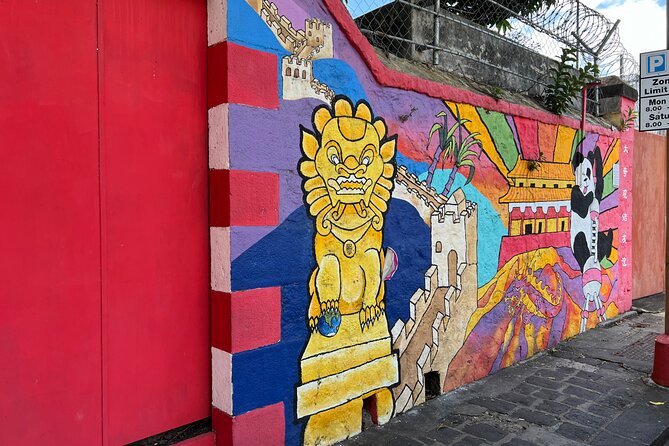
Chinatown receives the longest sightseeing portion, at about one hour. This is where the food story becomes especially clear. Port Louis’s Chinese community has long been tied to trade, and some family businesses have operated for generations.
The area includes very small, dark retail shops and older buildings that have not been replaced by modern structures. That gives the district a worn, old-fashioned feel. It is not a carefully restored historic quarter, and some visitors may find the streets untidy or uneven in character. That is also part of what makes the area useful to see. You are looking at a working commercial district, not a decorative reconstruction.
The Chinese food tastings here draw from Hakka traditions. The tour includes about eight dishes overall, though the supplied details do not name every item. You should expect variety rather than a single large restaurant meal. This is a good arrangement for curious eaters because you can sample several flavors and see where they fit within the city’s Chinese and Mauritian food traditions.
A guide can also make a difference here. Dourvesh is one guide associated with this experience, and the walk is designed to adapt to the group’s interests. That flexibility is helpful in Chinatown, where a small shop, a food counter, or a passing detail can prompt a question and change the pace.
Same streets, a different set of bites:
- Dubai: Old Town, Souks, Street Food, Guided Tour & Abra Ride
★ 4.9 · 7,170 reviews - Naples: Street Food Walking Tour with Local Guide
★ 4.9 · 4,976 reviews - Small Group Hanoi Street Food Tour with a Real Foodie
★ 5.0 · 4,682 reviews - Rome: Street Food Tour with Local Guide
★ 4.8 · 4,077 reviews
Eating your way through Central Market
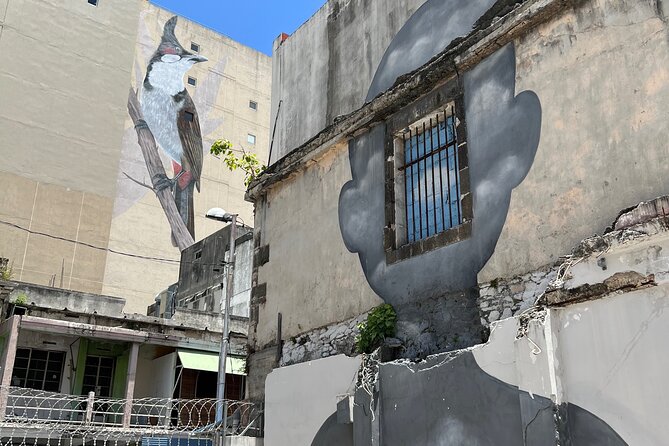
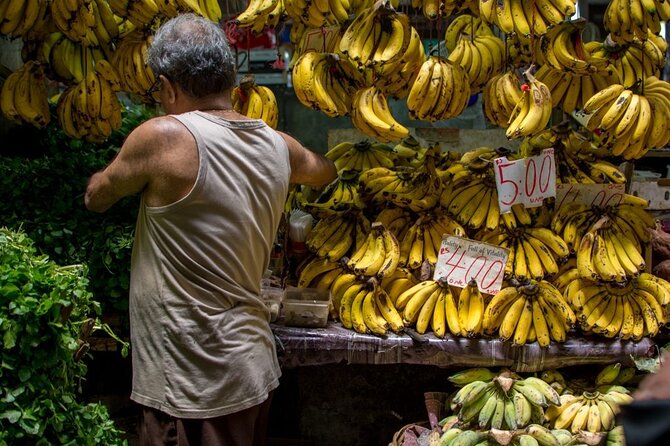
Central Market is the food heart of the tour. You spend about 30 minutes here among fruit, herbs, spices, potions, and prepared snacks. It is a working market, so expect activity, noise, and plenty to look at.
The signature bite described for the tour is gato pima, a fried chili snack made from soaked split peas, spring onions, and green chilies. The texture is crisp outside and soft inside, while the chili gives it a lively kick. The name is often translated as chili cake, but the small snack is closer to a fried split-pea fritter.
This is exactly the kind of food that benefits from a guide. You learn what to look for, how the snack is made, and how it fits into everyday Mauritian eating. You also avoid the uncertainty of pointing at something unfamiliar and hoping for the best.
The market stop is short, so you will not have unlimited time to browse. If you want to buy spices or other food items, ask the guide about timing. The priority here is tasting and orientation, not a long shopping session.
Because lunch and tastings are included, come hungry but not starved. The food is spread across the walk, and the total amount can be substantial. The experience is better when you can sample comfortably rather than rush through each dish.
Company Garden and its banyan trees
Les Jardins de la Compagnie offers a welcome change from the market and narrow streets. You spend about 20 minutes among large banyan trees, statues, benches, and fountains.
The garden began as a vegetable patch for the French East India Company. Today it includes statues by local sculptor Prosper d’Épinay and a tribute to the much-loved musician Ti Frère. The enormous hanging banyan roots are the visual highlight, and they give you a shady place to pause after several food stops.
The garden is described as appealing during the day, but it is best avoided at night because of reported drug activity and sex work. That warning does not affect this daytime tour, but it is useful if you plan to return alone later.
This stop also helps balance the experience. You are not spending three hours only in shops and food stalls. The garden adds colonial-era context, local art, and a little quiet before the walk returns to IBL House.
What the food program means for you
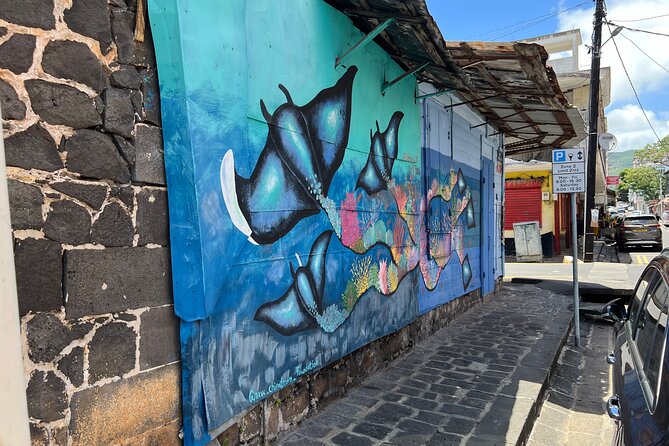
The tour includes snacks, lunch, bottled water, and food tastings. That sounds simple, but it changes how you should plan your day. You are not paying $49.40 just for a guide and a few samples. You are also covering a substantial amount of food and several hours of local orientation.
The number of dishes is about eight, which is enough to show range without turning every stop into a full meal. The food reflects Mauritius’s mixed cultural background, with Indian, Chinese, African, and Creole influences appearing across the experience.
The exact menu can vary, and the available details do not promise a full list in advance. If you have strong dietary restrictions, ask before booking. The information confirms that food is included, but it does not specify vegetarian, vegan, allergy, or gluten-free arrangements.
You should also tell the guide what interests you. The experience has room to adapt, and the small group makes that more realistic than on a large coach excursion. If you are especially interested in market food, architecture, migration history, or Chinatown, say so early.
Group size, pace, and practical comfort
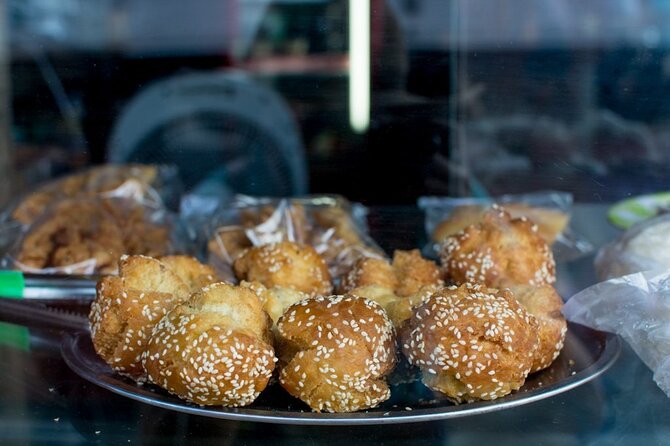
The maximum group size is 10 people. That is one of the strongest practical features. A guide can answer questions without stopping a crowd, and the group can fit more easily into small food shops and market spaces.
You walk for three to four hours, with several stops. The time is not all continuous walking, but you should still be comfortable on your feet. The tour uses public city streets and market areas, so conditions will be more urban and less controlled than on a museum tour.
The experience is near public transportation, but hotel pickup and drop-off are not included. You need to make your own way to IBL House at the Caudan Waterfront and return there at the end. A mobile ticket is provided, and confirmation is received at booking.
Most people can participate according to the supplied tour information. Still, the details do not give specific guidance about wheelchair access, food allergies, or mobility support. Contact the provider, Beyond Sea, if any of those points matter to you.
The cancellation terms are straightforward. You can receive a full refund if you cancel at least 24 hours before the 10:00 am start time. Changes or cancellations inside that window are not accepted for a refund. Poor weather or failure to meet the minimum group size can lead to a different date, another experience, or a full refund.
Who should book this experience
I would choose this walk if you want a first look at Port Louis that combines eating with context. It suits people who like markets, local snacks, old commercial districts, and short historical stops.
It is also a good choice for visitors who might otherwise pass through Port Louis without knowing where to begin. The route gives you a framework for returning on your own, particularly around Central Market, Chinatown, and Company Garden.
Families and small groups may appreciate the 10-person limit, though the busy streets and food-focused format may not hold every young child’s attention. People who enjoy trying many small portions will get more from it than anyone seeking one long, leisurely restaurant lunch.
I would hesitate only if you need a fully accessible route, dislike spicy food, want hotel transportation, or prefer a quiet sightseeing experience. Those points are not fully addressed in the available information, so ask before committing.
Should you book the Port Louis street food tour?
Book it if you want to understand Port Louis through its food, migration story, markets, and Chinese quarter in one compact morning. The best reasons are the small group, included lunch and tastings, and the mix of sights that you might not connect on your own.
The $49.40 price is fair when you count the food, guide, bottled water, admissions, and three to four hours of planning you do not have to handle. It is not the cheapest way to eat in Mauritius, but it offers far more than a snack crawl.
Skip it if you are looking for a polished culinary class or a private car tour. Choose it for a direct, city-based introduction with plenty of tasting and a bit of grit. If Dourvesh is leading your departure, expect a guide who can adjust the conversation and pace to the group’s interests.
FAQ
Where does the Port Louis street food tour begin?
The tour begins at IBL House in Port Louis, near the Caudan Waterfront.
What time does the tour start?
The start time is 10:00 am.
How long does the experience last?
The tour lasts approximately three to four hours.
Where does the tour finish?
The activity ends back at the meeting point at IBL House.
How many people can join the tour?
The maximum group size is 10 people.
What food is included?
Snacks, lunch, food tastings, and bottled water are included.
How many dishes will I taste?
The tour includes about eight different dishes.
Which places are visited?
The route includes Aapravasi Ghat, Jummah Mosque, Port Louis Chinatown, Central Market, and Les Jardins de la Compagnie.
Is hotel pickup included?
No. Hotel pickup and drop-off are not included.
Can I cancel for a refund?
Yes. You can cancel for a full refund at least 24 hours before the experience start time. Cancellations or changes made less than 24 hours in advance are not refunded.
Newest street food walks around the world
- Old Delhi Cultural, Temples, Heritage Walking Street Food Tour★ 5.0 · 57 reviews
- Old and New Delhi Street Food Sampling★ 5.0 · 3 reviews
- Old Delhi Tour by Tuk-Tuk Street Food and Shopping Experience★ 5.0 · 12 reviews
- Customized Half Day and Full Day Delhi Shopping, Street Food Tour★ 5.0 · 52 reviews
- Delhi: Street Food Crawl (2 Hours Guided Food Tasting Tour)★ 3.5 · 18 reviews
- Taste Famous & Best Street Food of Old Delhi (Jama Masjid)★ 3.0 · 2 reviews
- Spice & Stories: 3-Hour Old Delhi Heritage Food Walk Guided Tour★ 4.5 · 36 reviews
- Old Delhi Street Food and Spice Market Tour★ 5.0 · 81 reviews
Mauritius street food tours, side by side.

Mauritius: Snorkeling with Turtles & Port Louis Street Food
Read our review →
The lists this tour appears in