
Review · MEXICO CITY
El Centro Street Food Walking Tour
Mexico City’s historic center is best understood with your feet moving and your appetite switched on. This tour starts with chapulines, Oaxaca cheese, and mezcal at Mercado de San Juan, then threads through street stalls, grand buildings, old ruins, and postcard-worthy squares. It is a food walk with a strong history lesson attached.
I like the wide range of tastes, from grasshoppers and smoky mezcal to tamales and Mexican sweets. I also like the small group limit of 15, which should make it easier to hear guides such as Luis and Paola and ask questions. The main consideration is pace: three to four hours on city streets, with many stops but no entry into several major museums.
Key points to know
- Chapulines and mezcal at Mercado de San Juan: A good first test of Mexico City’s bold food culture.
- Street cooking in Barrio Chino: Watch a local señora prepare tlacoyos and gorditas at a classic food stand.
- History between bites: Bellas Artes, the House of Tiles, Palacio Postal, the Zócalo, and Templo Mayor shape the route.
- A rooftop finish: End with a view across from Templo Mayor rather than inside the archaeological museum.
- Guides make the difference: Luis and Paola are named as especially friendly, creative, and well prepared.
- Plan for a walking tour, not a museum tour: Several sights are viewed from outside, though you can enter the cathedral.
A food walk with Mexico City’s history underfoot
At $95.64 per person, this is not the cheapest way to eat in Centro. You are paying for a guided route, several food experiences, local context, and the convenience of having someone connect the dots between places that can feel scattered on a first visit.
The value depends on what you want. If you are happy ordering from stalls on your own, you can spend much less. If you want help identifying foods, finding vendors, understanding the buildings, and getting your bearings in the historic center, the price becomes easier to justify.
The tour is offered in English and lasts about three to four hours. It begins at Plaza de San Juan and finishes elsewhere, at a rooftop near Templo Mayor. That one-way design is useful because you see a large part of Centro without retracing your steps. It also means you should not plan to return to the starting point immediately after the final view.
The group maximum is 15 people. That is large enough to give the walk some energy, but small enough for a guide to manage food stops and questions without turning the outing into a moving crowd.
More street food walks around Mexico:
- Cancun Taco Tour, Local Beer and Night Market with Transportation
★ 5.0 · 816 reviews - Cancun Street Food Tour with Food Stalls, Local Market and Murals
★ 5.0 · 723 reviews - Mexican Cooking Class with Food Market Visit in Mexico City
★ 5.0 · 506 reviews
Mercado de San Juan starts with the boldest flavors
Mercado de San Juan sets the tone. This is not a cautious introduction built around familiar tacos only. The opening sampler includes chapulines, Oaxaca cheese, and mezcal, giving you three very different ways into Mexican food culture.
Chapulines, or grasshoppers, bring a crisp, salty bite. They are the sort of food that can make you pause before trying it, then wonder why you waited. Oaxaca cheese offers a softer, creamier contrast, while mezcal adds smoke and weight to the tasting.
I like this opening because it makes the market more than a quick photo stop. You get a reason to pay attention to products, textures, and regional habits. The scheduled visit is about 30 minutes, long enough for a first taste and a short look around, though not enough for a full market study.
If you are nervous about unusual food, tell the guide early. The tour’s tone is playful rather than stern, and Luis is described as friendly and able to handle questions. Still, chapulines and mezcal are part of the character of the experience, so this is a better match for curious eaters than for anyone seeking only familiar dishes.
Barrio Chino brings the cooking close
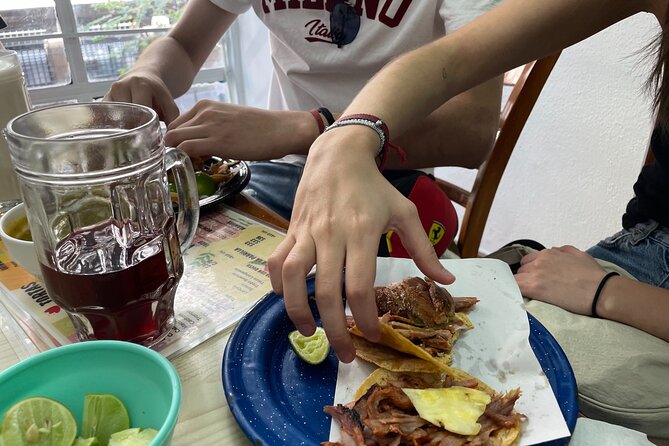
The second food stop moves into Mexico City’s Barrio Chino. Here, the focus shifts from market sampling to food made in front of you. A local señora prepares tlacoyos and gorditas at a traditional puesto, or street stand.
This is one of the most useful parts of the walk because you can watch the preparation rather than simply receive a finished tasting. Tlacoyos and gorditas are filling masa-based foods, and their appeal comes from the hands-on cooking as much as the ingredients.
The stop lasts about 30 minutes. That gives the guide time to explain what you are eating and gives the cook room to prepare the food. It also helps spread the meal across the route instead of placing every taste at the beginning.
The food is prepared by a local vendor, so this portion has a more direct street-food feel than a restaurant tasting. You should expect a working city food stand, not a polished dining room. That is precisely the point, but it may matter if you prefer quiet seating and a fixed menu.
Alameda Central adds tamales among the trees
After the first food stops, the route reaches Alameda Central for tamales. The stop is shorter, about 15 minutes, and takes place in or around the park’s green setting.
This pause changes the rhythm. You are no longer standing in a market or beside a cooking stand. You can take in one of Mexico City’s best-known public spaces while trying a food that is familiar to many people in Mexico and often made in many regional styles.
The shorter timing means this is more of a tasting than a full meal. You should pace yourself at Mercado de San Juan and Barrio Chino, but you should also avoid arriving hungry enough to rush the earlier stops. The tour is built around several modest servings rather than one large lunch.
Same streets, a different set of bites:
- Merida Street Food Walking Tour
★ 5.0 · 417 reviews - Street Food Tour with Friends
★ 5.0 · 326 reviews - Mexico City: Hidden Markets, Street Food & Salsa-Making Tour
★ 5.0 · 310 reviews - Mexico City Street Food: A Beginner’s Guide
★ 5.0 · 197 reviews
Bellas Artes gives the route its grand backdrop
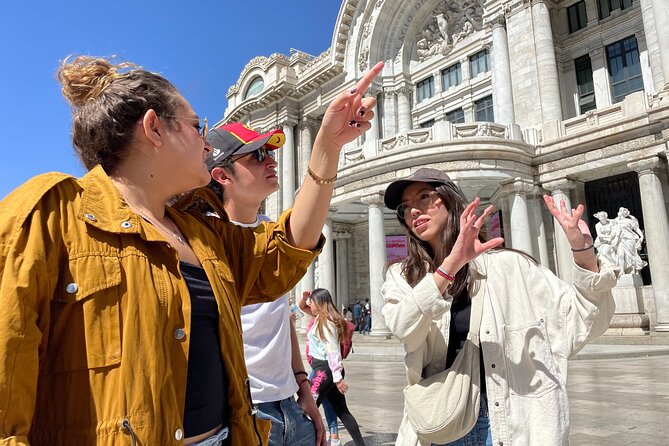
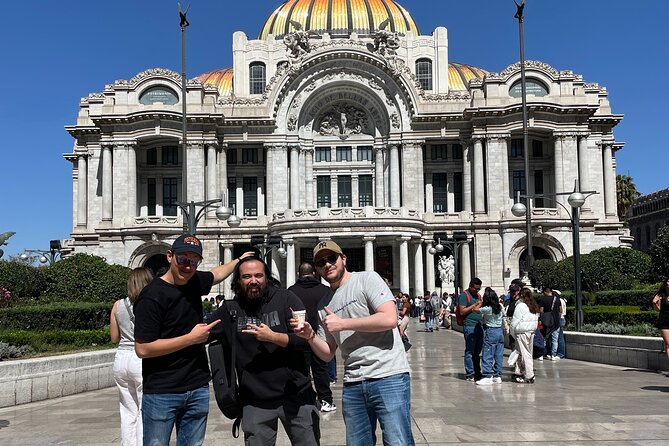
Palacio de Bellas Artes serves as the formal starting point for the history side of the walk, even though the meeting point is Plaza de San Juan. The guide provides an overview, covers practical information, and explains the route before discussing the palace and Mexico City’s past.
The visit is about 15 minutes. You do not enter the palace as part of this stop, and admission is not included. That distinction matters. Bellas Artes deserves much more time if you want to see its interior, murals, and exhibitions, so consider returning independently if it interests you.
As a short orientation, though, the stop works well. It places the food you have eaten within the city’s larger story and gives you a visual landmark that is hard to miss. I would not book this tour as your only Bellas Artes visit. I would use it as an introduction.
The House of Tiles reveals a compact piece of Centro
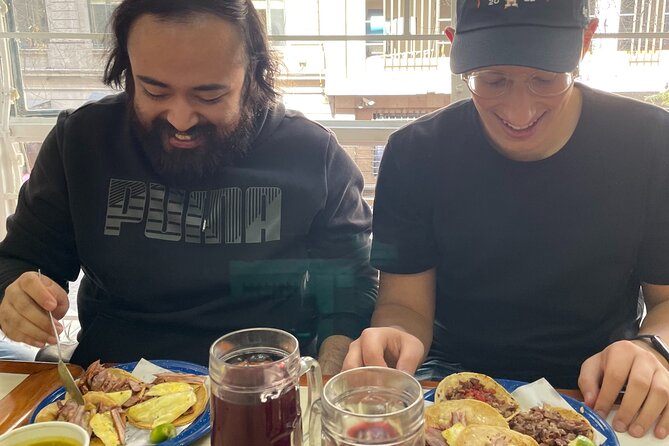
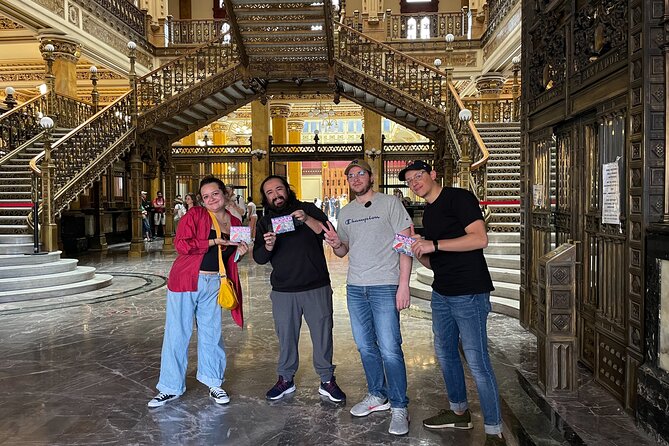
The route then reaches Sanborns de los Azulejos, better known as the House of Tiles. Its tiled exterior is one of the most recognizable sights in the center, and the guide takes you inside to see a mural.
This is a good example of the tour’s style. You are not spending an hour in a museum. Instead, you get a short look at a building that many people might photograph from the sidewalk without learning why it matters.
The scheduled time is 15 minutes, and there is no admission charge for this stop. The visit is brief, so keep your expectations in proportion. It is a focused architectural and artistic pause, not a full guided tour of the building.
Palacio Postal supplies a surprise and a change of mood
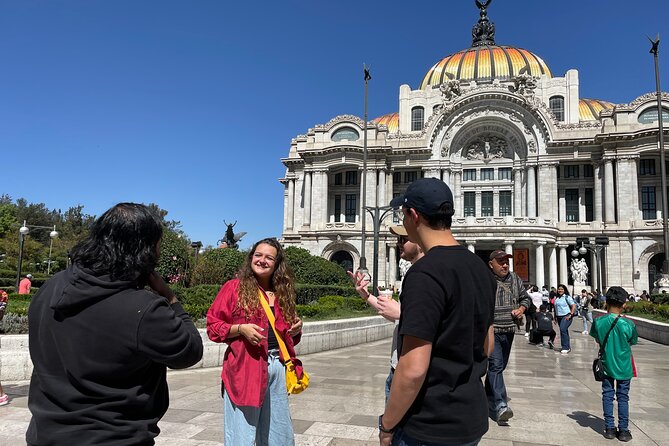
The Palacio Postal receives about 30 minutes, making it one of the longer non-food stops. The building is presented as one of the city’s most beautiful, and a special treat is planned here.
The exact treat is not specified in the tour information, so you should think of it as a small surprise rather than a promised dish you can plan around. The building itself is the main reason to pay attention. Its interior offers a sharp change from the market and street stands, with grand public architecture replacing open-air cooking.
This stop also shows why the route is more than a standard taco crawl. You move between ordinary food scenes and formal civic buildings, seeing how Mexico City’s daily life and monumental center sit side by side.
Streets around MUNAL and the route toward the Zócalo
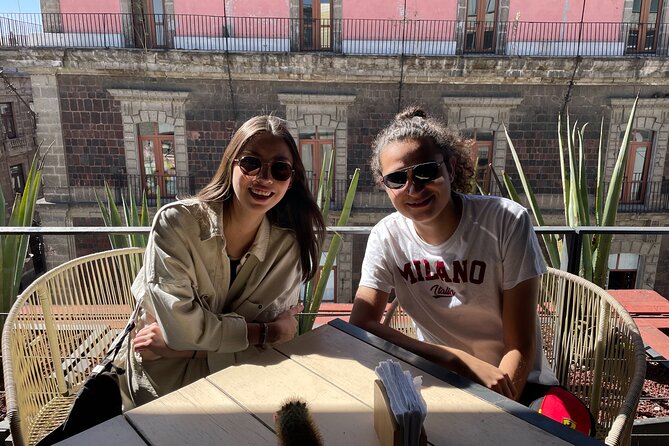
Near the Museo Nacional de Arte, the guide discusses the surrounding architecture and points out the range of museums in Mexico City. You do not enter MUNAL, and the stop lasts about 10 minutes.
That limitation is worth noting. If you want extended museum time, save MUNAL for another visit. The value here is orientation. You learn where the museum district fits into the city center, and the guide can help you decide which places deserve a longer visit later.
The route also includes a street-food search focused on sweets. Depending on what is available that day, you might find churros, gorditas de nata, or merengues. The language around this stop is intentionally open, so do not treat one particular dessert as guaranteed.
That flexibility is normal for street food. The point is to follow the smells and see what is being sold, rather than visit a fixed dessert counter with a locked menu. It is a pleasant way to finish the eating side of the tour, especially after savory foods.
The Zócalo turns food time into city time
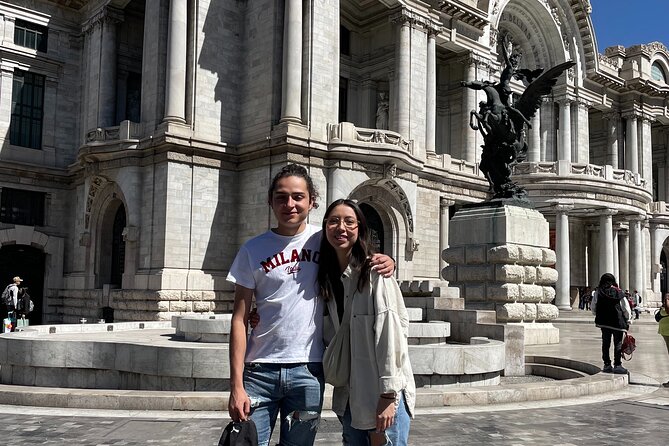
At the Zócalo, the focus shifts away from eating. You explore the square, its buildings, and the stories connected to Mexico City’s past and present.
This is one of the places where a guide adds real value. The Zócalo can feel so large and visually busy that first-time visitors may see it as a grand open space without understanding how much of the city’s story meets there. A guide helps you notice the surrounding architecture and gives the square a clearer human scale.
There is no tasting at this stop. That is a good thing. After several food portions, a walking and storytelling break keeps the tour from becoming an endurance contest.
The cathedral offers a brief chance to step inside
The Catedral de Nuestra Señora de Guadalupe receives about 15 minutes. You can enter and look at the interior, architecture, and religious setting.
The visit is not presented as a full cathedral tour, so use the time to take in the main visual details rather than expect a long explanation of every chapel or artwork. The cathedral is a useful counterpoint to the markets and food stands, showing another side of the city center.
Because the stop is short, you may want to return later if sacred architecture is a major interest. Still, the chance to step inside is more satisfying than viewing the building only from the street.
Templo Mayor and the rooftop finish
The final stop is a rooftop across from Museo del Templo Mayor. From there, you can look over the city and reflect on the mix of archaeological remains, historic buildings, and modern life around you.
The museum itself is not included. The guide passes by the archaeological site rather than attempting to cover it in a few minutes. I agree with that choice. Templo Mayor is important enough to deserve its own visit, and a rushed museum walk would only skim the surface.
The rooftop visit lasts about 15 minutes. It is a short closing view, not a long restaurant meal or a full evening on a terrace. The exact end point is described as a different location from the start, so check the final meeting details before booking your next activity.
The guides are part of the value
Luis appears repeatedly in the tour’s praise, with specific attention to his friendly manner, broad answers, creativity, and ability to explain both food and city life. Paola is also singled out for planning the route well, knowing the food vendors, and offering useful stories along the way.
You should not assume that Luis or Paola will lead every departure, but their strengths show what to look for in this experience: a guide who can move between food, Spanish vocabulary, architecture, and history without making the day feel like a lecture.
One especially useful detail is the chance to practice Spanish. You are not simply eating food chosen for you. You are moving through places where language, ordering, preparation, and local habits all meet. Even a few words can make the market and puesto stops feel more personal.
Who should book this walk?
I would choose this tour for a first or early visit to Mexico City, especially if you want a quick orientation to Centro and prefer to learn by eating. It suits people who like variety, walking, historic buildings, and the occasional food challenge.
It is also a good fit if you want a guide to handle the route and vendor interactions. The small group cap helps, and the English format removes the pressure of having to understand every exchange on your own.
I would hesitate if your main goal is a long museum visit, a sit-down meal, or a taco-only tour. The food includes chapulines, cheese, mezcal, tlacoyos, gorditas, tamales, and possible sweets, but the experience is broader than tacos. Several major sights are viewed briefly or from outside.
The price is easiest to defend when you value the combination. You are buying a half-day introduction to central Mexico City, not just a plate of food. If you book, leave room in your schedule afterward for a longer visit to Bellas Artes, MUNAL, or Templo Mayor.
Practical details before you book
The tour costs $95.64 per person and is often booked around 50 days ahead, so popular dates may disappear early. It accepts mobile tickets, is offered in English, allows service animals, and is near public transportation.
Most people can participate, but remember that this is a walking route lasting three to four hours. Wear comfortable shoes and arrive ready for several food portions rather than one meal. The tour can be canceled for a full refund up to 24 hours before the start time. Changes or cancellations inside that window are not refunded.
Should you book the El Centro Street Food Walking Tour?
Book it if you want Mexico City in concentrated form: unusual foods at Mercado de San Juan, handmade street fare, tamales, sweets, grand buildings, the Zócalo, a cathedral, and a rooftop view near Templo Mayor. The strongest reason to go is the balance between eating and understanding where you are.
Skip it if you want deep time inside museums or a cheaper self-guided food crawl. For everyone else, especially first-time visitors who want a friendly English-speaking guide and a broad introduction to Centro, this is a well-shaped half-day choice.
FAQ
How long does the El Centro Street Food Walking Tour last?
The tour lasts approximately three to four hours.
Where does the tour begin?
It begins at Plaza de San Juan in Colonia Centro, Mexico City.
Where does the tour end?
It ends at a different location from the starting point, at a rooftop located across from the Templo Mayor area.
Is the tour offered in English?
Yes. The tour is offered in English.
What foods might I try?
The experience includes chapulines, Oaxaca cheese, mezcal, tlacoyos, gorditas, tamales, and possible Mexican sweets such as churros, gorditas de nata, or merengues.
Are museum admissions included?
The route passes Bellas Artes, MUNAL, and the Templo Mayor area, but it does not include entry to Bellas Artes, MUNAL, or the Museo del Templo Mayor. You can enter the cathedral during the cathedral stop.
Newest street food walks around Mexico
- Private Street Food & Mural Art Tour in Mexico City★ 3.5 · 3 reviews
- Mexico City Street Food Tour Adventure★ 5.0 · 12 reviews
- Night Street Food & Bike Tour / Small Groups /All Inclusive★ 5.0 · 25 reviews
- Mexico Off the Beaten Track: Street Food & Bikes — All Inclusive★ 5.0 · 14 reviews
- Private Half-Day Traditional Markets Street Food Tour in Mexico City★ 3.0 · 2 reviews
- Private Street Food Tour Merida – Best Rated★ 3.0 · 6 reviews
- Street Food Bike Ride/Roma-Condesa/All-Inclusive 3.5 hours★ 5.0 · 9 reviews
- Private Street Food Tour + Historic Tour Merida – Best Rated★ 5.0 · 10 reviews
Mexico City street food tours, side by side.

Mexican Cooking Class with Food Market Visit in Mexico City
Read our review →
Mexico City: Hidden Markets, Street Food & Salsa-Making Tour
Read our review →
Mexico City Vegan & Vegetarian Street Food Adventure
Read our review →
Street Food Bike Tour / Mexico is not only Tacos / All Inclusive
Read our review →
Night Street Food & Bike Tour / Small Groups /All Inclusive
Read our review →
The lists this tour appears in