
Review · SOUTH AFRICA
Cape Town: Local street food tour
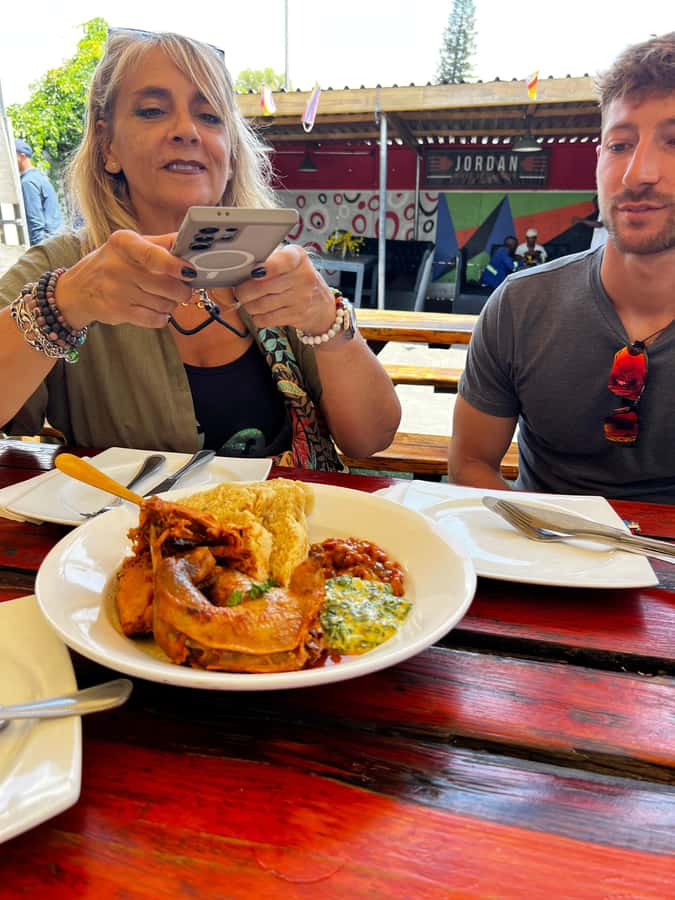
Langa’s food tells its story one bite at a time. This three-hour walk begins at Guga S’thebe Cultural Centre and combines local street food with stories about township life, culture, and the future. I like the chance to meet people where they live, and I like that the food is not reduced to a single signature dish. You may taste bunny chow, boerewors, vetkoek, samosas, pap, chakalaka, biltong, and ginger beer.
The main consideration is pace and comfort. This is a walking tour through a township, not a polished restaurant crawl, and some stops are informal. The experience is also priced at $87 per person, so you should want the history and personal contact as much as the food itself.
Key things to know before booking
- Langa-born guides: Mzukisi grew up in Langa, while Thando and uThando are praised for engaging storytelling and a strong connection to the area.
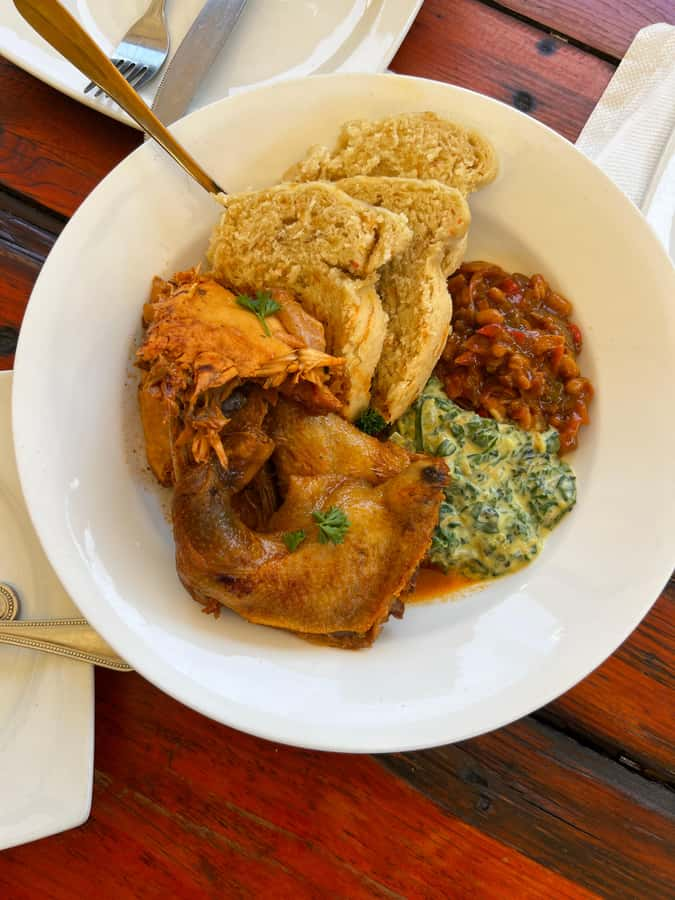
- Eight possible tastes: Expect a broad sample of South African food, from curry-filled bread and grilled sausage to maize porridge and dried meat.
- Guga S’thebe start and finish: The tour begins and ends at the same cultural centre, making the meeting point easy to identify.
- A food tour with context: The 105-minute guided walk is followed by about 70 minutes of food tasting, so this is not simply a series of quick snacks.
- English-language guiding: The tour is conducted in English and includes a qualified guide, food samples, and a bottle of water.
- A short but full afternoon: Three hours gives you a useful introduction to Langa without taking an entire day from your Cape Town plans.
Why Langa is the right setting for a food tour
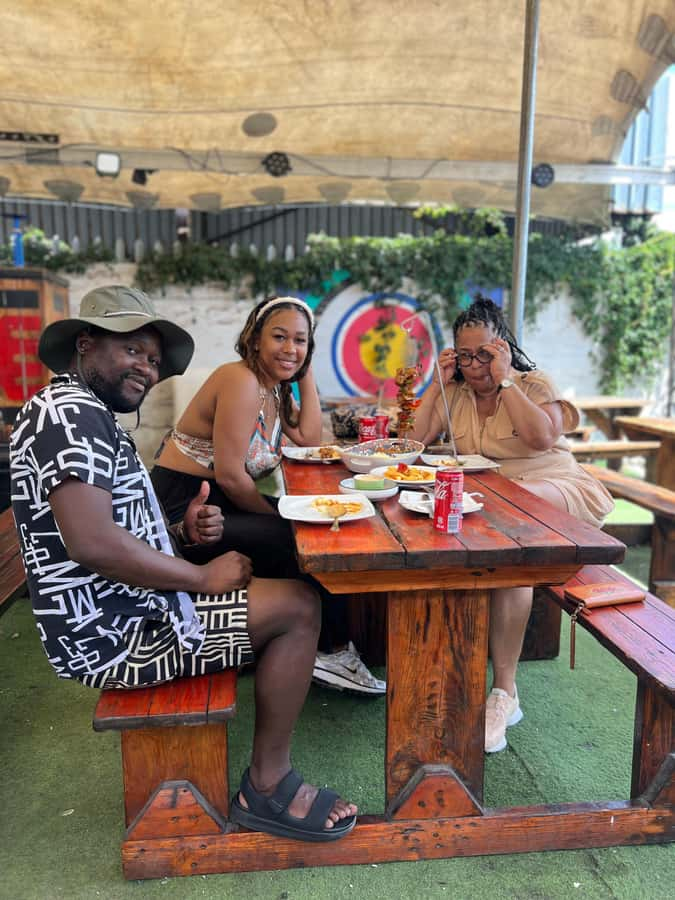
Langa is not merely a backdrop for this experience. The point is to connect what you eat with the people, customs, and past that shaped the township.
Your guide explains the area as you walk, including its history and changing future. That matters because township food can be misunderstood when it is presented without context. Pap and chakalaka, for example, are not just a plate of starch and spicy vegetables. They reflect the everyday cooking of many South African homes, where filling food and bold seasoning matter.
The human side is just as important. You are encouraged to meet local people and hear directly about the community. The guides bring different strengths. Mzukisi is Langa-born and bred, while Thando and uThando have been praised for warmth, ambition, and engaging conversation. If you want a guide who can connect food to personal experience, this is one of the tour’s strongest features.
I also like the fact that the tour does not treat the township as a sightseeing display. Food stops create a reason to talk, listen, and spend time in the area. You are not just passing through with a camera. You are learning how people eat and how food helps bring people together.
More street food walks around the world:
- Dubai: Old Town, Creek, Museums, Souks, & Street Food Tour
★ 4.8 · 10,816 reviews - Ho Chi Minh City Street Food Tour & Sightseeing By Motorbike
★ 5.0 · 9,413 reviews - Medellin: Comuna 13 Graffiti Tour, Cable Car & Street Food
★ 4.8 · 9,046 reviews
Starting at Guga S’thebe Cultural Centre
The meeting point is Guga S’thebe Cultural Centre, where the tour begins and ends. This gives the outing a clear shape and removes the need to find several different food stops on your own.
The centre is also a fitting place to start because the tour is about more than eating. You begin with a cultural orientation before moving into the streets of Langa. Your guide sets the tone, explains what you will see, and introduces the local setting.
This is a good moment to ask questions. If you are curious about township traditions, daily life, food preparation, or Langa’s past, speak up early. The guide’s personal knowledge is a major part of the value, and you will get more from the walk if you treat it as a conversation rather than a lecture.
Guga S’thebe is also where you return after the food tasting. That simple arrangement helps you plan the rest of your day. The tour lasts three hours, but exact starting times depend on availability when you book.
The 105-minute walk through Langa
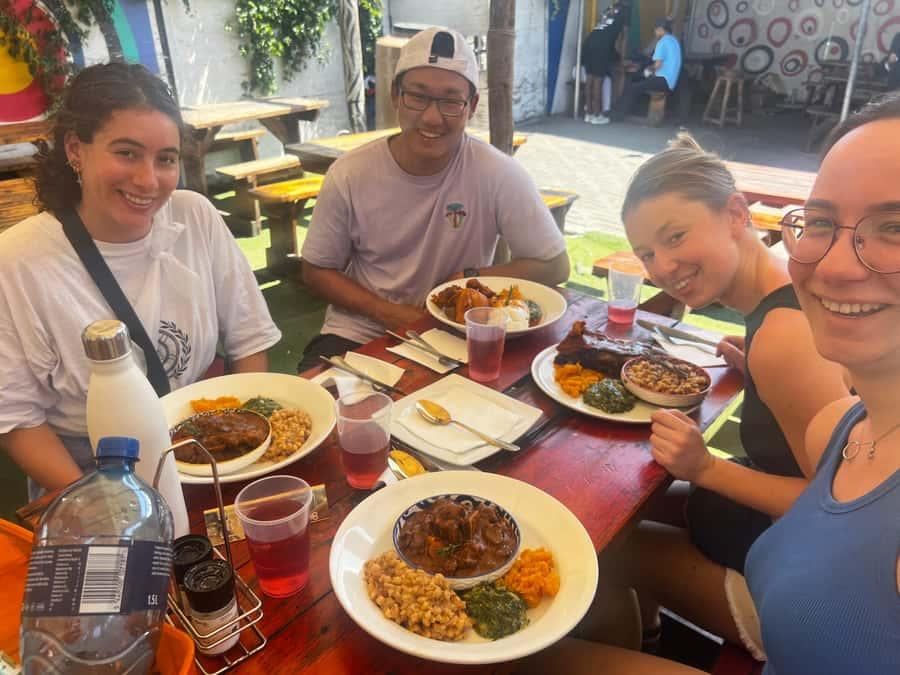
The guided portion lasts about 105 minutes. That is long enough to give the neighbourhood some attention without turning the outing into an exhausting full-day program.
You can expect the walk to focus on Langa’s people, history, culture, and future. The guide provides the connecting thread as you move from one part of the experience to the next. Instead of hearing disconnected facts, you get a picture of how food and community fit together.
The walking section is especially useful for first-time visitors to Cape Town who want to understand more than the city centre and waterfront. Langa adds a different perspective, and the guide helps you approach it with respect.
There is a practical point here: wear comfortable shoes and allow yourself time to walk at a steady pace. The supplied information does not give a precise route, distance, or accessibility details, so you should not assume that every surface or stop will suit everyone. If you have mobility concerns, ask before booking.
The personal quality of the guiding is central. One guide, Mzukisi, is described as Langa-born and bred, which gives his explanation a strong local connection. Thando is praised for enthusiastic storytelling, and uThando for being engaging and ambitious. Your actual guide may vary, so check the booking details if a particular person matters to you.
Bunny chow, a meal in a loaf of bread
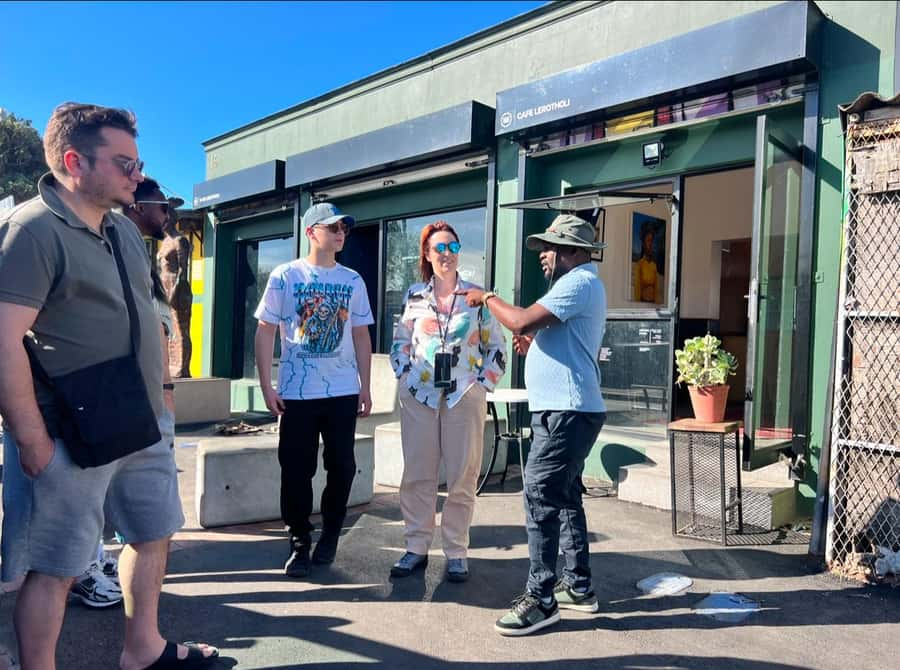
Bunny chow is one of the most memorable foods on the tasting list. A hollowed-out loaf is filled with spicy curry, which may be made with lamb, chicken, or vegetables.
It is an excellent food-tour dish because it carries several influences at once. The curry filling connects to South Africa’s Indian cooking traditions, while the bread makes the dish portable and practical. You get heat, sauce, and soft bread in one compact meal.
This is filling food, not a dainty sample. If you are tasting several dishes afterward, pace yourself. You may also want to ask which filling is being served, especially if you prefer meat or vegetables.
Same streets, a different set of bites:
- Dubai: Old Town, Souks, Street Food, Guided Tour & Abra Ride
★ 4.9 · 7,170 reviews - Naples: Street Food Walking Tour with Local Guide
★ 4.9 · 4,976 reviews - Small Group Hanoi Street Food Tour with a Real Foodie
★ 5.0 · 4,682 reviews - Rome: Street Food Tour with Local Guide
★ 4.8 · 4,077 reviews
Boerewors rolls and the street braai
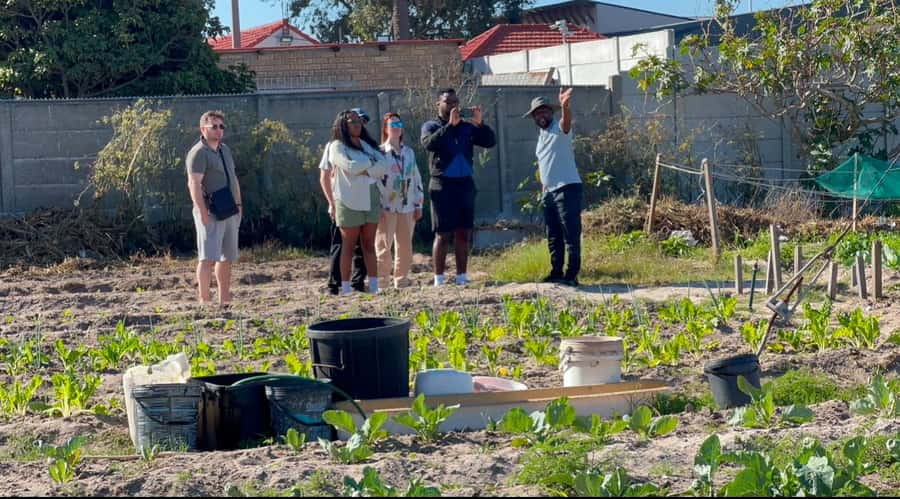
A boerewors roll is a simple South African favorite: grilled boerewors sausage in a soft roll, usually with chutney or tomato sauce. The sausage is hearty and seasoned, and the roll makes it easy to eat while walking or standing.
The street braai adds a social element. Chicken, lamb, and beef may be grilled over open flames, creating a shared cooking space rather than a formal meal. A braai is about food, but also about company and conversation. That makes it one of the best ways to understand the communal side of South African eating.
You should not expect the pace or presentation of a restaurant. The appeal is the informal setting and the chance to see how grilled food fits into local social life. If you prefer a quiet, seated meal with a fixed menu, this part may feel rough around the edges.
Vetkoek, samosas, and small bites
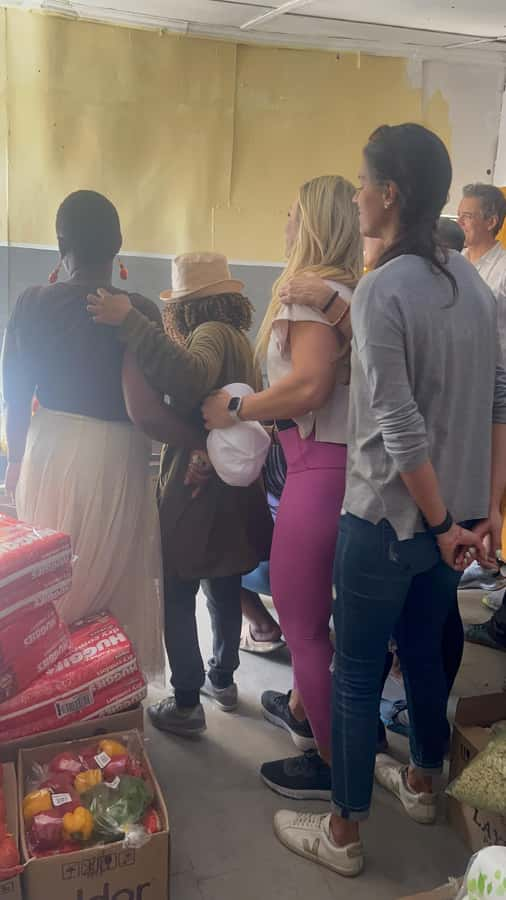
Vetkoek is fried dough that can be filled with minced meat or served with jam. It is comforting, rich, and more substantial than its simple appearance suggests.
Samosas add a crisp pastry texture and strong seasoning. Fillings may include spiced potatoes, peas, or meat. They are familiar to many visitors, but the value here is tasting them as part of a broader South African food tradition rather than treating them as a generic snack.
These smaller items help vary the tour. After the bread and sausage of bunny chow and boerewors, the samosas and vetkoek give you different textures and flavors. They also make the food tasting feel generous, though the exact portions and dishes can vary.
If you have dietary restrictions, ask ahead of time. The available information does not promise vegetarian, vegan, halal, or allergy-specific substitutions. The menu includes meat, vegetables, maize, fried dough, and curry, but no special dietary arrangements are stated.
Pap and chakalaka: everyday South African comfort food
Pap is a maize porridge, often served with chakalaka, a spicy vegetable relish. Together, they make a filling combination with a mild base and a more forceful, seasoned topping.
This pairing may be less familiar to visitors than bunny chow, which is exactly why it deserves attention. Pap is practical and satisfying, while chakalaka brings heat and vegetables. The dish shows how a few basic ingredients can become a complete and flavorful meal.
I would take time with this course rather than rushing to the more famous foods. The best food tours help you understand what people eat regularly, not only what photographs well. Pap and chakalaka provide that everyday connection.
Ginger beer and biltong
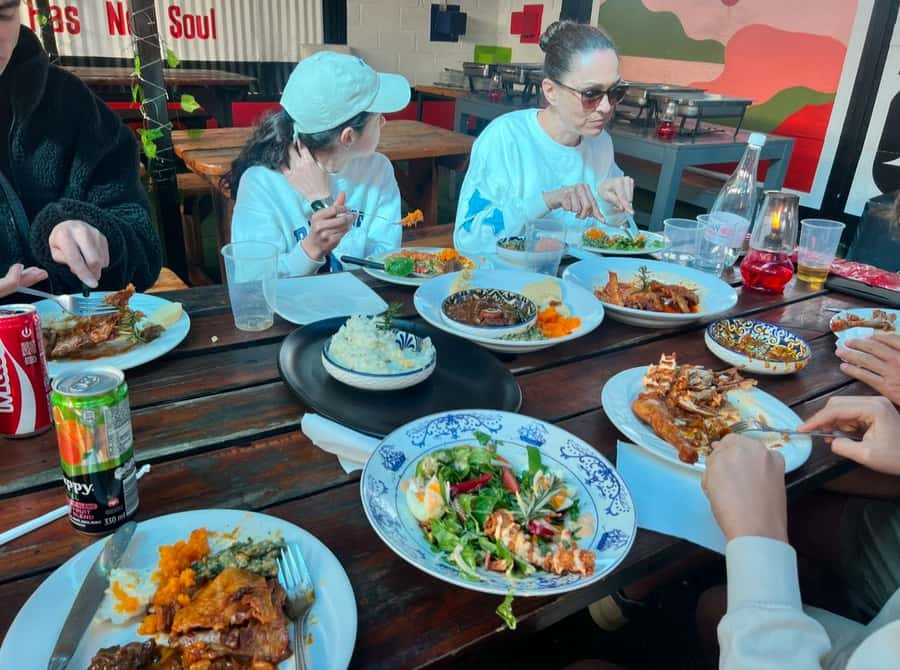
The food is balanced with drinks and snacks. Freshly pressed ginger beer juice is sweet and refreshing, with a ginger bite that helps after spicy dishes. It is a useful pause during the walk and a good contrast to grilled meat and fried dough.
Biltong is dried, cured meat served in different flavors, including spicy and sweet. It is a classic South African snack, but it can be unfamiliar if you have never tried dried meat prepared this way.
These two items give the tasting a different rhythm. Ginger beer offers sweetness and liquid refreshment, while biltong is concentrated, chewy, and savory. The bottle of water included with the tour is welcome, especially during a three-hour outing.
What the $87 price includes
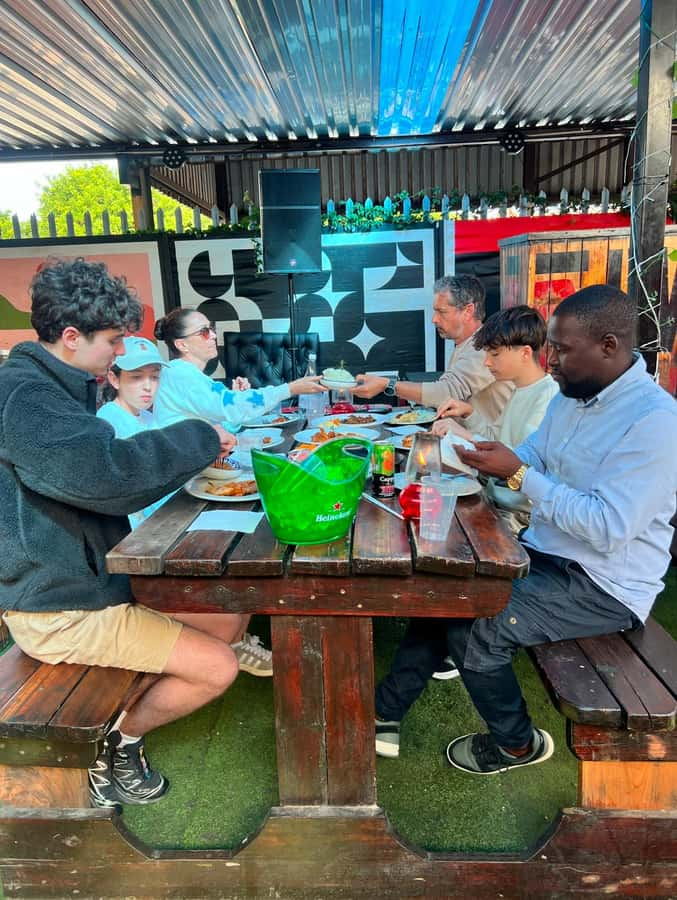
At $87 per person, this is not the cheapest way to grab street food in Cape Town. You are paying for more than the dishes. The price includes a qualified English-speaking guide, the food tastings, and a bottle of water.
The real question is how much you value the guided access and local explanation. If you only want to eat bunny chow or a boerewors roll, you could likely spend less elsewhere. If you want to understand Langa, meet local people, and have someone explain the setting as you go, the cost is easier to justify.
The 105-minute walk and roughly 70 minutes of tasting also make this a substantial three-hour activity. It is not a quick stop squeezed between attractions. You are giving a good part of an afternoon to the experience, so book it when you have time to listen and linger.
Tipping is not included, and you are asked not to forget to tip the guide. Bring that extra cost into your planning. A tip is especially appropriate when the guide provides personal stories, answers questions, and helps you feel comfortable in an unfamiliar setting.
Safety, comfort, and the right expectations
The strongest practical message from the experience is that a local guide makes the walk feel manageable. Direct feedback describes guides as warm, informative, and reassuring, with the area explained in a way that helps visitors feel at ease.
Still, you should keep normal city awareness. Stay with the guide, listen to instructions, and avoid treating the township as a place for careless photography. Ask before taking pictures of people. Respectful behavior is part of getting the most from the visit.
The tour is conducted in English. The information provided does not specify group size, vehicle transport, restroom access, or a detailed accessibility plan. If any of those points affect your decision, ask the provider before reserving.
The cancellation policy is flexible: you can cancel up to 24 hours in advance for a full refund. You can also reserve now and pay later, which is useful if your Cape Town schedule is still shifting.
Who will enjoy this three-hour Langa experience
I would recommend this tour to you if you want food with a human story attached. It suits first-time visitors who want a clearer understanding of township life and people who prefer conversation over a checklist of attractions.
It is also a good fit for curious eaters. The menu covers several parts of South African cooking, including Indian-influenced curry, grilled meat, maize-based food, fried dough, dried meat, and sweet ginger beer.
Couples and small groups can use the three hours well, especially if they want something more personal than a standard city tour. The named guides receive especially strong praise for making the experience engaging, so the quality of the conversation is likely to be one of your best reasons to book.
I would hesitate if you want a formal culinary class, a luxury dining experience, or a guaranteed fixed menu. The exact food stops are not listed as a rigid sequence, and the setting is informal. You should come ready for a local walking experience, not a restaurant tasting menu.
Should you book the Langa street food tour?
Book it if you want to taste a wide range of South African food while learning about Langa from a local guide. The combination of personal storytelling, community contact, and generous food variety is the strongest reason to choose it.
The guides are the heart of the experience. Mzukisi’s connection to Langa, along with the praised guiding of Thando and uThando, gives the tour more weight than a simple food outing. You also return to Guga S’thebe, receive water and food samples, and have the option to cancel up to 24 hours ahead.
At $87, the tour makes sense when the history and conversation matter as much as the meal. If that sounds like your kind of afternoon, it is a worthwhile way to meet Langa through its food.
FAQ
Where does the Langa street food tour start?
The tour starts at Guga S’thebe Cultural Centre in Langa, South Africa.
Where does the tour finish?
The tour returns to Guga S’thebe Cultural Centre after the guided walk and food tasting.
How long does the experience last?
The full experience lasts three hours. The guided tour takes about 105 minutes, followed by approximately 70 minutes of food tasting.
What food might I taste?
Possible tastings include bunny chow, boerewors rolls, vetkoek, samosas, pap and chakalaka, street braai meats, ginger beer juice, and biltong.
Is a tour guide included?
Yes. A qualified, live English-speaking guide is included.
Is food included in the price?
Yes. Meals and food samples are included, along with a bottle of water.
How much does the tour cost?
The price is $87 per person.
Can I cancel the booking?
Yes. You can cancel up to 24 hours in advance for a full refund. You can also reserve now and pay later.
Newest street food walks around the world
- Old Delhi Cultural, Temples, Heritage Walking Street Food Tour★ 5.0 · 57 reviews
- Old and New Delhi Street Food Sampling★ 5.0 · 3 reviews
- Old Delhi Tour by Tuk-Tuk Street Food and Shopping Experience★ 5.0 · 12 reviews
- Customized Half Day and Full Day Delhi Shopping, Street Food Tour★ 5.0 · 52 reviews
- Delhi: Street Food Crawl (2 Hours Guided Food Tasting Tour)★ 3.5 · 18 reviews
- Taste Famous & Best Street Food of Old Delhi (Jama Masjid)★ 3.0 · 2 reviews
- Spice & Stories: 3-Hour Old Delhi Heritage Food Walk Guided Tour★ 4.5 · 36 reviews
- Old Delhi Street Food and Spice Market Tour★ 5.0 · 81 reviews