
Review · SERBIA
Belgrade: Street Food and Drinks Tour with 20+Tastings
Belgrade’s food story is best understood one bite at a time. This 20-plus tasting tour moves from bakeries and markets to local food shops, showing how Austrian, Turkish, Hungarian, and Bulgarian influences found a home in Serbian cooking. You may taste burek, cured meat, village cheese, čvarci, goulash, honey, sweets, and fruit brandy in a single morning or afternoon.
I like the small group of no more than 10 because it should make conversation with the guide easier, and I like that the tour reaches off-the-beaten-path spots decorated with street art rather than sticking only to famous sights. Guides Yair and Davor are praised for adding personal stories and food history. The main drawback is simple: with this many tastings and several drinks, you should arrive hungry and expect a substantial food outing, not a light snack walk.
Key points to know before booking
- More than 20 tastings: Expect a broad sample of Serbian and Balkan food, from savory pastries and sausages to truffle spread, fish, fruit, and sweets.
- Two frequently named guides: Yair is warm and accommodating, while Davor brings a strong interest in the historical links between Serbian and neighboring cuisines.
- Rakia is part of the experience: Fruit brandy gives you a direct introduction to one of Serbia’s best-known drinks.
- Central but not predictable: The route includes food stands, bakeries, markets, and less familiar areas near central Belgrade.
- A serious amount of food: Several people found the portions copious, so skip a full meal beforehand.
- Useful follow-up advice: The tour ends near Belgrade’s pedestrian zone with a list of local restaurants for later meals.
Why this Belgrade food tour works so well
Food tours are often most useful at the start of a city visit, and this one fits that role nicely. You are not simply handed a plate and told its name. The guide connects each food to Serbia’s position between Central Europe and the Balkans, explaining how outside powers and neighboring cultures shaped the local table.
That context matters because Serbian cuisine is not one narrow style. A flaky pastry can point toward Ottoman or Balkan cooking, while other dishes show Austrian, Hungarian, or Bulgarian influence. The result is a table that feels familiar in places, then takes an unexpected turn with sour cream-like kajmak, smoky meat, sharp cheese, or fruit brandy.
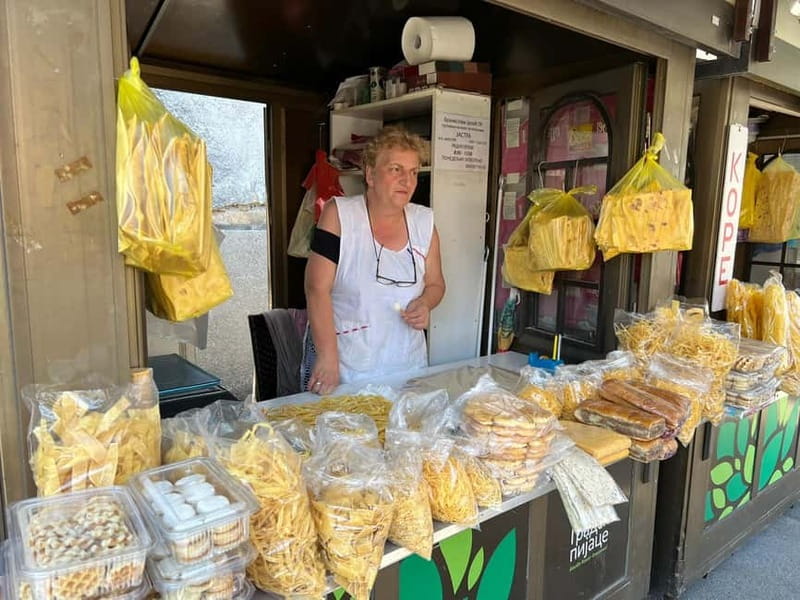
I also like the way the route combines eating with a walk through Belgrade. The food stops are tied to ordinary city life, including bakeries, markets, shops, and stands. You get a feel for where people buy and eat food, not just a staged tasting menu prepared for visitors.
The tour is conducted in English and lasts about three and a half hours. With a maximum of 10 people, it is small enough for questions and conversation, but still social. If you are traveling alone, this format gives you company without the crowd of a large coach group.
More Street Food and Drinks Crawls in the world:
- Hungry Osaka Street Food Tour:15 Tastings & 3 Drinks with a Local
★ 5.0 · 1,727 reviews - Florence: Street Food Tour with Wine & Local Guide
★ 4.9 · 1,443 reviews - Naples: Guided Street Food Tour with Spritz
★ 4.9 · 1,212 reviews
Meeting at Hotel Moskva in central Belgrade
The starting point is the entrance of Hotel Moskva, a well-known central meeting spot. From there, you follow the guide into the food life of Belgrade’s center.
The location is practical for a first-day activity. The tour finishes in Belgrade Old Town, close to the pedestrian zone, so you can continue sightseeing or use the restaurant suggestions for dinner. You are not left at an isolated suburban stop with a long ride back.
The exact order of tastings can vary, so think of the experience as a guided food route rather than a fixed restaurant meal. That is part of its appeal. You move between different types of places and get a wider look at the city’s eating habits.
Wear comfortable shoes and leave room in your schedule. The route involves walking between food stops, and the quantity of food means you may not want another major plan immediately afterward.
Starting with Serbian pastries and bakery culture
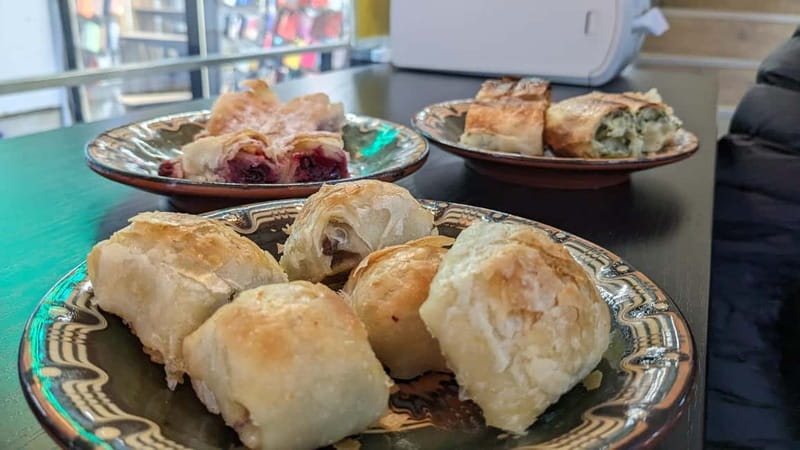
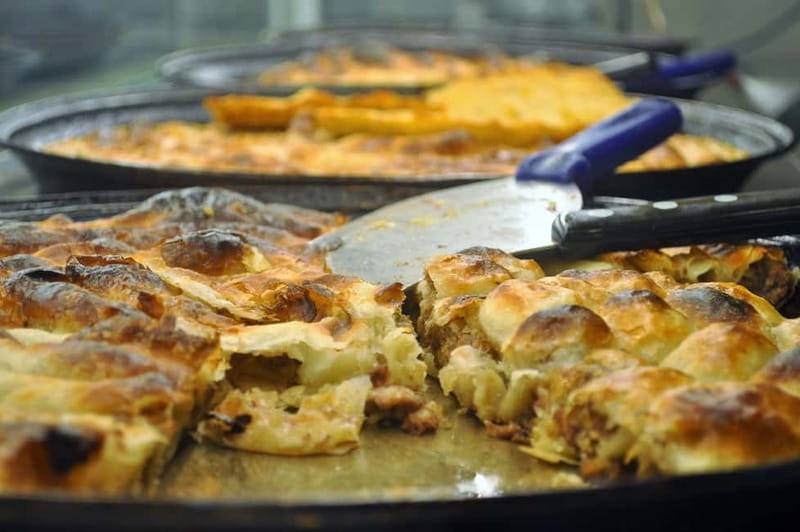
Pastries are likely to be among the first foods that help you understand Belgrade’s regional connections. Burek is a key example, with layers of pastry wrapped around a savory filling. One especially praised version was cherry burek, a useful reminder that this food does not have to be limited to meat or cheese.
You may also encounter other traditional pastries as the route moves through bakeries and food shops. These stops are valuable because they show how everyday Serbian food differs from the polished dishes found in a formal restaurant.
The pastry portion is also a good lesson in texture. Expect crisp edges, soft centers, and fillings that can be rich. If you normally eat lightly in the morning, this is a reason to avoid a full breakfast before the tour.
The guides do not treat the food as a checklist. Yair is described as warm and flexible, with alternatives available for disliked foods or allergies during the tour. You should still make your dietary needs clear to the guide at the start, since the tasting list is broad and includes meat, dairy, gluten, fish, and alcohol.
Cured meats, čvarci, cheese, and kajmak
The savory middle of the tour introduces the foods many people associate with Serbian hospitality. Expect cured meats, sausages, village cheeses, and čvarci, crisp pork rind made from rendered pork. These are hearty foods, often served in a way that encourages sharing.
Kajmak is another important taste. It is a creamy dairy spread with a fuller flavor than ordinary butter or cream cheese, and it appears in several Serbian dishes. The combination of bread, meat, cheese, and kajmak can be filling well before the tour reaches its final stops.
This part of the tour gives you a useful comparison between restaurant cooking and food meant for homes, markets, or casual gatherings. You can ask the guide how an item is normally eaten and where its regional connections lie.
Davor is especially noted for explaining those links. If he leads your group, expect the food conversation to stretch into the connections among Serbia and other Balkan countries. His interest in history adds another layer, helping you understand why similar foods appear under different names across the region.
More street food walks around the world:
- Dubai: Old Town, Creek, Museums, Souks, & Street Food Tour
★ 4.8 · 10,816 reviews - Ho Chi Minh City Street Food Tour & Sightseeing By Motorbike
★ 5.0 · 9,413 reviews - Medellin: Comuna 13 Graffiti Tour, Cable Car & Street Food
★ 4.8 · 9,046 reviews - Dubai: Old Town, Souks, Street Food, Guided Tour & Abra Ride
★ 4.9 · 7,170 reviews
Rakia, the fruit brandy that shapes the conversation

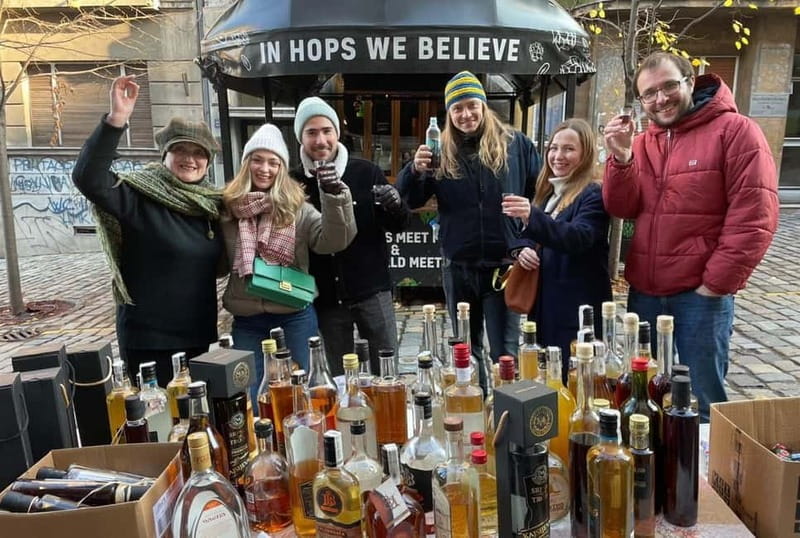
Rakia is not just a drink to tick off a list. Fruit brandy has a strong place in Serbian social life, and tasting it with an English-speaking local guide gives you a chance to understand how it fits into meals and hospitality.
The tour includes rakia along with other drinks. The tasting can be a memorable part of the experience, but it also deserves a practical warning. Rakia can be strong, and it arrives alongside a large amount of food. Pace yourself and treat the drink as a sample rather than something to rush through.
Because alcohol is included, this tour may not suit someone avoiding spirits. The information provided does not give a nonalcoholic replacement for every drink, so ask the guide about alternatives if that matters to you.
The inclusion of rakia adds something a standard food walk may miss. You are not only tasting ingredients; you are learning about a Serbian custom that visitors are likely to encounter elsewhere, from restaurants to family-style gatherings.
Goulash, fish, honey, fruit, and sweets
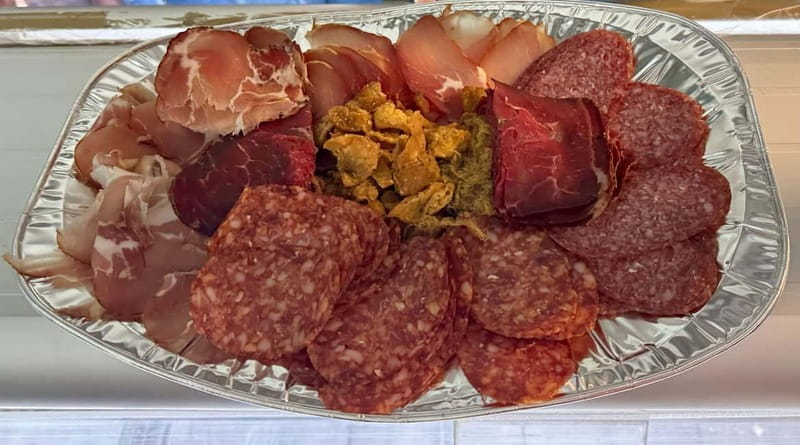
The food variety is the strongest reason to book this tour. After pastries and savory plates, the route broadens into goulash with a Serbian twist, fish, fresh fruit, honey products, truffle spread, and sweets.
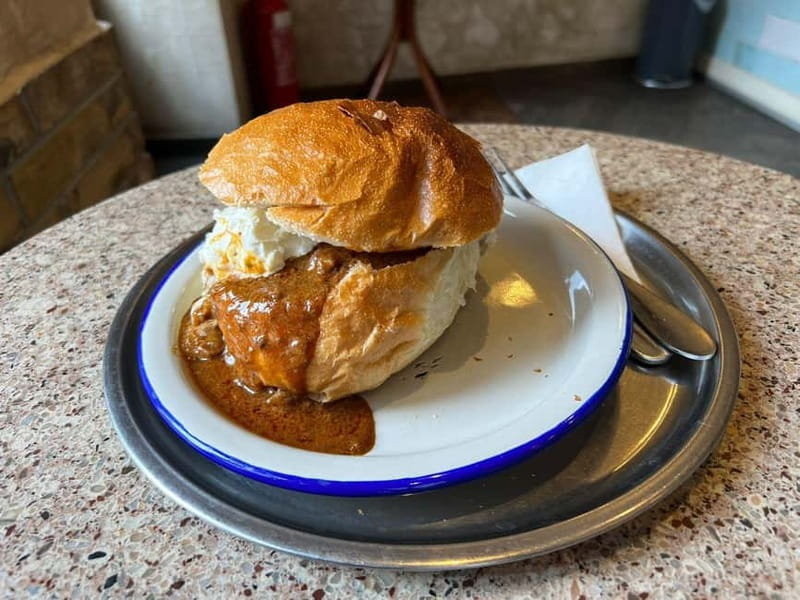
Goulash is a useful example of how dishes change as they cross borders. Rather than presenting it as a single fixed national recipe, the guide can explain how Central European and Balkan influences overlap. The version served here may include kidneys, based on one detailed account, so ask before tasting if you are cautious about ingredients.
Honey products and fresh fruit provide a welcome change from the heavier meats and dairy. Sweets round out the route, giving you a sense of how local flavors appear outside the savory meal.
The truffle spread is one of the less expected items on the list. It shows that the tasting is not limited to the most familiar Serbian dishes. You may find some foods instantly appealing and others more challenging, which is exactly why a guided sample works better than ordering an entire portion in a restaurant.
Fish adds another shift in flavor and texture. Since the exact fish dish is not specified, I would think of it as part of the wider food story rather than a reason to book the tour on its own.
What the guides add beyond the food
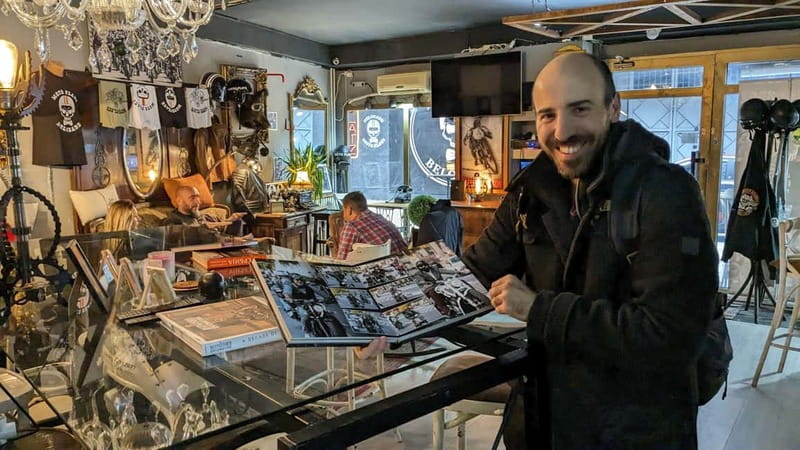
The food is the reason you book, but the guide can determine how much you take away. Yair is repeatedly described as friendly, warm, detailed, and accommodating. He also adds personal anecdotes, which can make the route feel more like a conversation than a lecture.
Davor brings a different strength. His interest in the historical background of the food helps explain the relationships between Serbia and surrounding countries. That is useful when you are trying to understand why a dish feels Turkish in one element, Hungarian in another, and distinctly Serbian in the way it is served.
Guide assignments may vary, so you cannot choose between Yair and Davor from the information provided. Both names are associated with strong experiences, and the common thread is an emphasis on stories as well as tasting.
The guides also appear to handle food preferences with care. Alternatives were provided for allergies and dislikes in at least one experience, and the overall format allows you to ask questions before trying something. Still, this is not a custom dietary tour, so anyone with a serious allergy should discuss it with the guide clearly.
Is $69 a fair price for three and a half hours?
At $69 per person, the tour offers food, drinks, a guide, and three and a half hours of city walking. The value depends on how much you would otherwise spend sampling these items separately, but 20-plus tastings can add up quickly if ordered one by one.
The bigger value is variety. A restaurant meal might give you one main dish and perhaps a drink. This tour lets you sample pastries, meats, cheese, pork rind, rakia, sausages, goulash, fish, honey, fruit, sweets, and more without committing to full portions of each.
You are also paying for interpretation. The guide explains where foods come from, how regional influences overlap, and how the dishes fit into Serbian life. That makes the experience more useful than a simple list of snacks.
It is not the right choice if you want a quiet sit-down meal or a cheap lunch. It is a good buy if you want a broad introduction to Belgrade’s food culture and plan to use the restaurant list afterward.
Who should book this experience?
I would recommend it most strongly for first-time visitors to Belgrade, especially if the tour falls early in your stay. You will learn which foods to look for later and finish with restaurant suggestions near the pedestrian zone.
It also suits curious eaters who enjoy trying unfamiliar ingredients. The list includes pork, dairy, fish, alcohol, fruit, sweets, and strong flavors, so an open mind helps.
Families with older children may enjoy the variety, although the information does not specify a child price or minimum age. People bringing parents or older relatives can also find the format appealing because it combines food, stories, and a manageable small group rather than a long formal sightseeing program.
I would hesitate to recommend it to anyone who has strict dietary limits unless the guide confirms suitable alternatives in advance. I would also skip it if you are looking for a short, low-food activity. Three and a half hours and 20-plus tastings is a full outing.
Practical details that affect your day
The tour costs $69 per person, includes the guide, food, and drinks, and operates in a small group of up to 10. English is the stated tour language.
You can cancel up to 24 hours before the activity for a full refund, and the reserve-now, pay-later option gives you some flexibility while setting your plans. Starting times vary, so check availability for the date you want.
The most useful preparation is simple:
- Arrive hungry, but not uncomfortable.
- Expect several savory foods as well as sweets.
- Remember that rakia is included.
- Tell the guide about allergies or strong dislikes at the beginning.
- Wear shoes suitable for walking through central Belgrade.
- Keep your evening open enough to use the restaurant suggestions later.
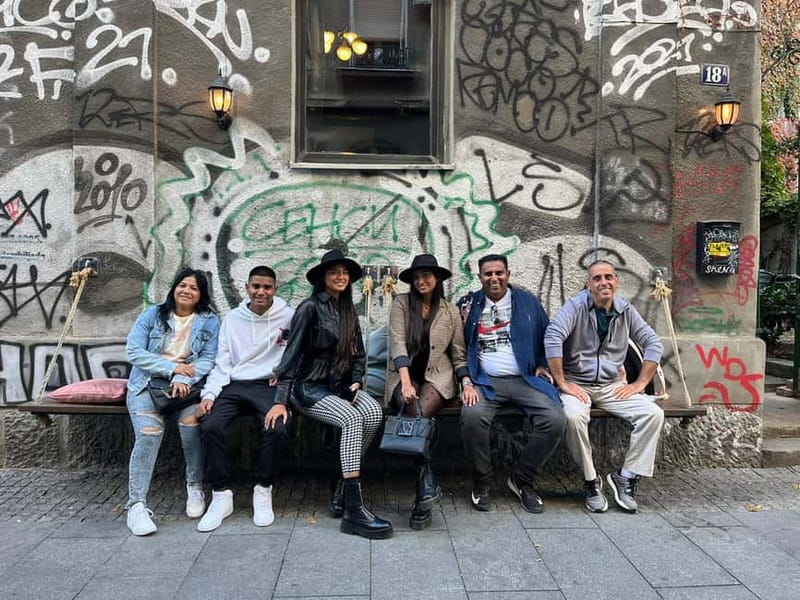
One more point: this is not only a food stop list. The route includes street art and less familiar parts of central Belgrade, which gives the experience a modest sightseeing element without pretending to replace a full city tour.
Should you book the Belgrade food tour?
Book it if you want a generous first taste of Serbian cuisine, prefer small groups, and enjoy learning the story behind what you eat. The combination of 20-plus tastings, rakia, local markets, bakeries, street art, and guide-led context gives you a useful introduction to Belgrade in one afternoon or morning.
Skip it if you need a tightly controlled diet, dislike walking between stops, or want a single relaxed restaurant meal. For most curious eaters, though, the $69 price is reasonable for the volume of food and the chance to learn what to order during the rest of your stay.
FAQ
Where does the Belgrade food tour meet?
Meet your guide at the entrance of Hotel Moskva in Belgrade.
How long does the tour last?
The tour lasts 3.5 hours.
How many people are in the group?
The group is limited to 10 participants.
What language is the tour offered in?
The live tour guide and activity language are English.
How many tastings are included?
The experience includes more than 20 food and drink tastings.
Is rakia included?
Yes. Rakia, a Serbian fruit brandy, is included among the drinks.
What types of food can I expect?
The tastings may include pastries, cured meats, čvarci, sausages, village cheeses, truffle spread, goulash, honey products, fresh fruit, fish, and sweets.
Does the tour include a restaurant list?
Yes. At the end of the tour, you receive a list of local restaurants for further eating in Belgrade.
Can I cancel the booking?
You can cancel up to 24 hours in advance for a full refund. The activity also offers a reserve-now, pay-later option.
Newest street food walks around the world
- Old Delhi Cultural, Temples, Heritage Walking Street Food Tour★ 5.0 · 57 reviews
- Old and New Delhi Street Food Sampling★ 5.0 · 3 reviews
- Old Delhi Tour by Tuk-Tuk Street Food and Shopping Experience★ 5.0 · 12 reviews
- Customized Half Day and Full Day Delhi Shopping, Street Food Tour★ 5.0 · 52 reviews
- Delhi: Street Food Crawl (2 Hours Guided Food Tasting Tour)★ 3.5 · 18 reviews
- Taste Famous & Best Street Food of Old Delhi (Jama Masjid)★ 3.0 · 2 reviews
- Spice & Stories: 3-Hour Old Delhi Heritage Food Walk Guided Tour★ 4.5 · 36 reviews
- Old Delhi Street Food and Spice Market Tour★ 5.0 · 81 reviews