Review · AGRA
Agra: Street Food Walking Tour, Spice Market, & Tuk-tuk Ride
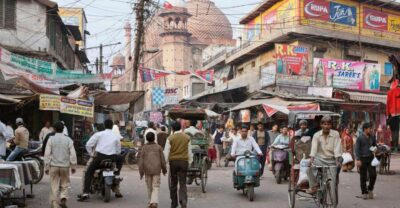
Old Agra comes alive in its narrow lanes, where a tuk-tuk squeezes through traffic, spice sellers work beside old shops, and a quick walk can bring you from a mosque to a Shiva temple. This tour gives you a look at the city beyond the Taj Mahal, with food, faith, shopping, and street life packed into a few hours.
I especially like the small local food stops, which can include samosa, dosa, aloo tikki, pani tikki, sweets, chai, and seasonal gajar ka halwa. I also like having a guide such as Farman or Amir to lead you through the market maze and handle the traffic. The main caution is that this is a walking and tasting tour, not a full dinner for everyone, and some craft-shop stops may include a sales pitch.
Key points at a glance
- Old Agra away from the Taj Mahal: Walk through Kinari Bazaar, Rawatpara, and Seth Gali, where daily shopping takes center stage.
- Two important religious sites: Visit Jama Masjid and Mankameshwar Temple, with time to learn about their design, customs, and place in Agra life.
- Food with local flavor: Try snacks such as samosa, dosa or chole bhature, aloo tikki, pani tikki, sweets, and masala tea in a clay cup.
- A tuk-tuk is part of the experience: Hotel pickup and drop-off save you from arranging transport through Agra’s crowded roads.
- Guides make the difference: Farman and Amir receive repeated praise for their English, care with solo visitors, and ability to explain local customs.
- Good value at $14: The price is modest for private transport, a guide, and food if you choose the food-included option, but check exactly what your package covers.
Why this is a smart companion to the Taj Mahal
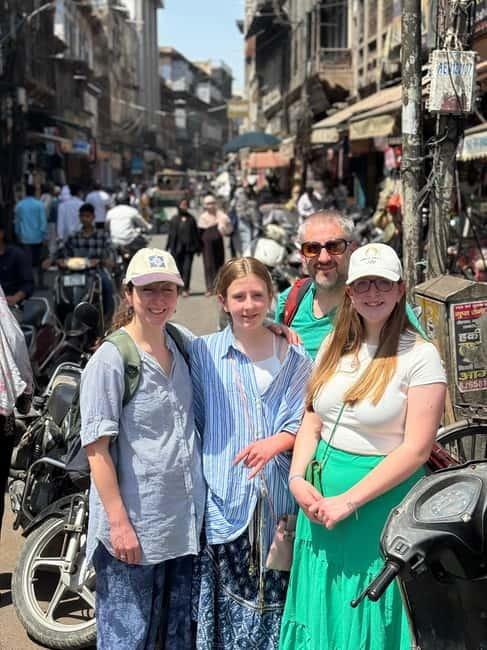
Many Agra visits are built around the Taj Mahal, Agra Fort, and a hotel near the tourist zone. Those sights matter, but they do not show you much of the city where Agra residents shop, worship, eat, and work.
This tour shifts the focus to Old Agra. You pass through lanes that can feel confusing to navigate alone, with jewelry, cloth, sweets, spices, religious buildings, and small workshops close together. The setting is busy and sometimes rough around the edges. That is part of the point.
I would place this tour on your first afternoon or evening in Agra. It helps you get your bearings, gives you a taste of local food, and leaves the major monuments as a separate part of your visit. The suggested winter start is between 2 p.m. and 4 p.m. In summer, it is between 4 p.m. and 6 p.m., when the later light and cooler air can make the walk more pleasant.
The total visit takes about two to three hours. Expect roughly 90 minutes of walking, with the rest divided between tuk-tuk transfers, stops, and food or craft visits.
More Food Market Tours in India
- Old Delhi Street Food and Spice Market Tour
★ 5.0 · 81 reviews - Delhi: Old Delhi’s Street Food, Temples & Spice Market Tour
★ 5.0 · 30 reviews - Agra: Sadar Bazar Food Market Night Walking Tour by Tuk-Tuk
★ 4.9 · 25 reviews
Riding into Old Agra by tuk-tuk
Pickup is available from a hotel, railway station, or another agreed location in Agra. The first transfer is listed as about 15 minutes, followed by a similar ride back at the end.
The tuk-tuk is not just a practical taxi here. It puts you close to the sounds and movement of the city. Traffic can feel startling if you are not used to it, but the drivers used for the tour are described as careful and accustomed to carrying visitors. Your guide should help you cross roads and stay together in the busiest lanes.
This arrangement is especially useful for solo visitors and anyone staying outside the old center. You avoid trying to find the right market entrance or explaining a destination to a driver who may not know the exact lane. Pickup and drop-off also make the experience easier after eating, when you may prefer not to arrange another ride.
The tuk-tuk is compact. If you are traveling with a large amount of luggage, confirm the pickup details in advance. Comfortable shoes and loose clothing are the sensible choices, since the walking sections use uneven, crowded streets.
Jama Masjid and Mughal Agra
The first major stop is Jama Masjid, one of India’s largest mosques and an important example of Mughal design. You get time for a visit, photographs, and an explanation of the building and its place in Agra.
This stop gives useful context before the food and market sections. Agra is not only a monument city. Its religious buildings, old streets, and trading areas developed together, and the mosque helps explain the long connection between faith, royal power, and urban life.
Dress for the stop rather than treating it as a quick photo opportunity. Your shoulders and knees should be covered. The tour information does not promise a special monument entry arrangement, and entrance tickets to monuments are not included, so ask your guide what areas are open during your visit and if any charge applies.
The mosque can be busy, especially around prayer times. That adds to the sense of a working religious place, but it also means the pace may change. Keep your voice low and follow your guide’s instructions about footwear, photography, and where to walk.
Mankameshwar Temple and local faith
A short walk takes you to Shri Mankameshwar Mandir, an old Hindu temple dedicated to Lord Shiva. It offers a sharp change from the mosque, not only in religious tradition but also in atmosphere, color, ritual, and the way worshippers move through the space.
The temple is one of the tour’s most useful stops because it places local faith in the middle of ordinary city life. You are not being driven from one isolated attraction to another. The route connects religious buildings with shops, lanes, and food stalls.
Modest clothing matters here too. Cover your shoulders and knees, and be prepared to remove shoes if required. The guide can explain the customs and help you avoid an awkward mistake.
The temple stop is listed at about 30 minutes, as is the mosque. That is enough for a guided introduction, but not a long study of every architectural detail. If you want extended time at either religious site, ask at the start so you understand how the walking route will be adjusted.
More Food Tours by Tuk-Tuk in India
- Delhi: Old Delhi Street Food Tour with Rickshaw Ride
★ 4.9 · 403 reviews - Delhi: Old Delhi City Tour with Tuk-Tuk Ride & Street Food
★ 4.8 · 88 reviews - Delhi: Old Delhi City Tour with Tuk Tuk Ride & Street Food
★ 4.9 · 46 reviews - Agra: Street Food Tour with Spice Market on Tuk-Tuk Ride
★ 4.7 · 23 reviews
Rawatpara, where Agra smells like spice
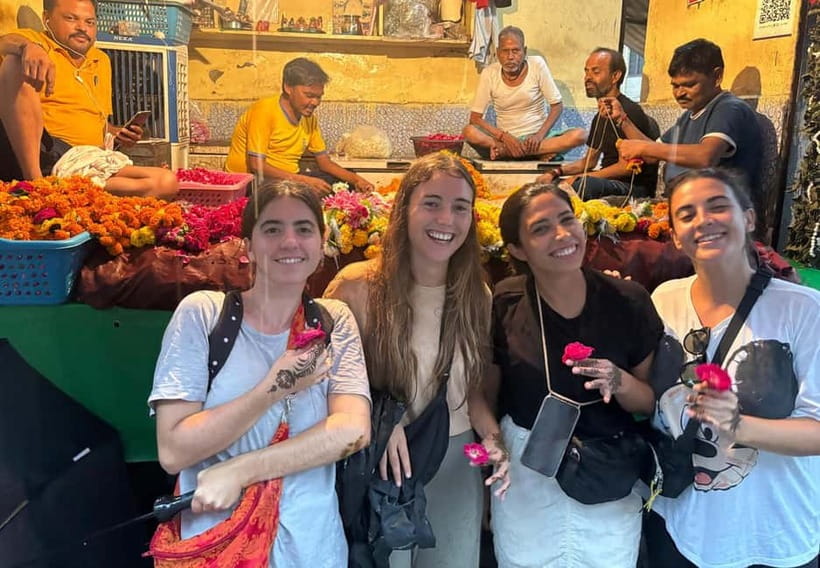
Rawatpara, also called Rawat Para Road, is the spice-market portion of the walk. This is one of the most sensory sections of the experience. Bags and displays of spices bring strong color and scent, while shopkeepers carry on with the work of supplying local kitchens.
I like this stop because it gives food context. Tasting a samosa is one thing. Seeing the market world behind the ingredients helps you understand why Indian food has such a wide range of heat, fragrance, and texture.
The market is a shopping area, not a staged food exhibit. Lanes can be tight, traffic may pass close by, and the ground can be uneven. Stay near the guide, especially when the group moves between stalls.
You may have a chance to buy tea or spices. Several visitors have used the tour to purchase small food gifts and souvenirs, but shopping is optional. The price does not include drinks, so bring some money if you want to buy tea, bottled drinks, spices, or other items.
Seth Gali and the food stops
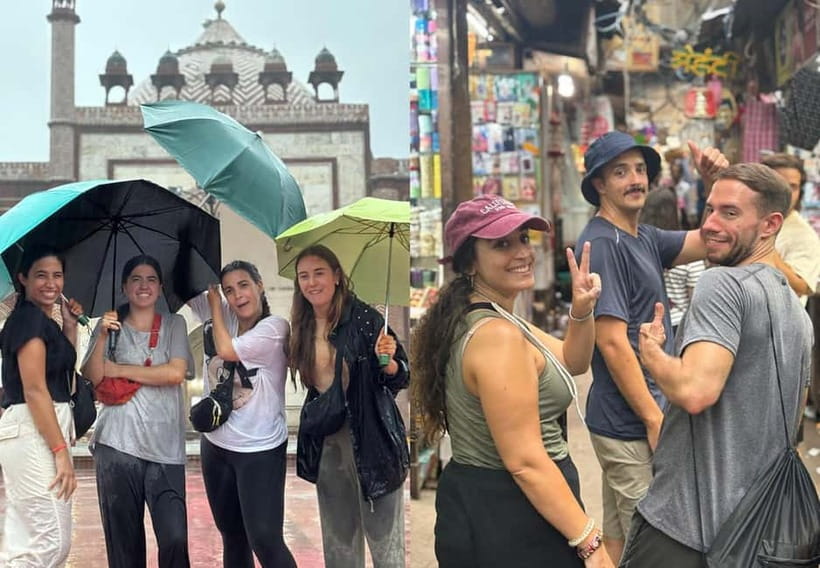
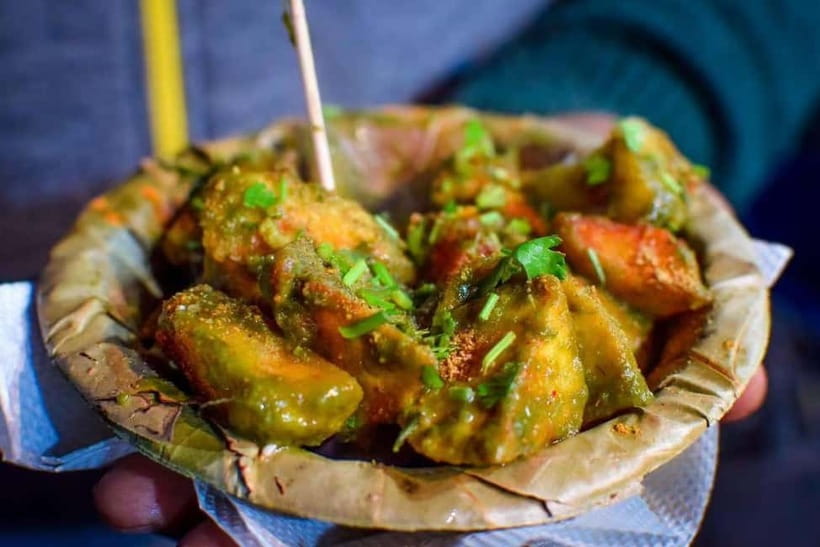
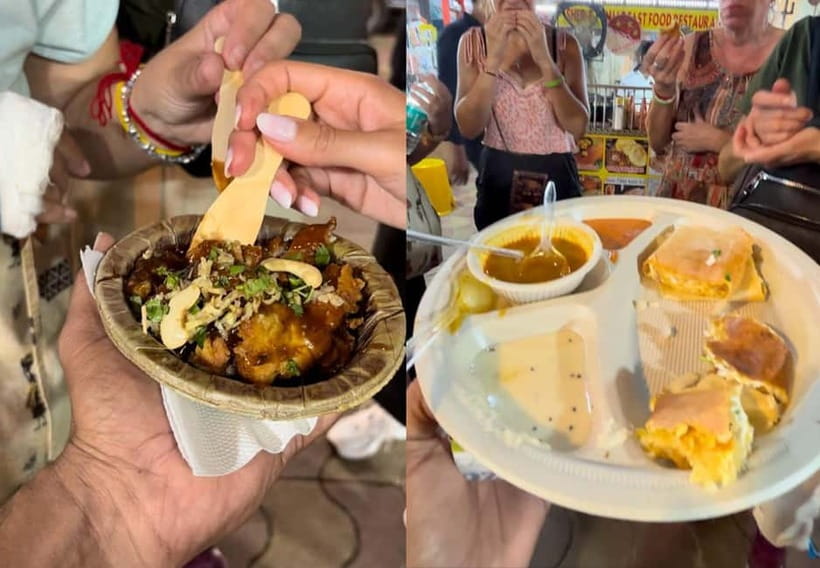
Seth Gali is where the tasting becomes the main event. Depending on the package and what is available that day, you might try samosa, dosa, chole bhature, aloo tikki, pani tikki, sweets, and masala tea served in a clay cup.
The food is served in small portions across several stops, so you can sample different flavors instead of committing to one large dish. For many people, it can add up to a light meal or even enough food for an evening, but that is not guaranteed. One useful point from the experience details is that the tour is sometimes better understood as a street-snack walk rather than a formal dinner.
Agra has its own sweet traditions, and the seasonal element is worth noting. Gajar ka halwa, a warm carrot dessert, is available in winter and may not appear at other times of year. Sheermal, barfi, chom chom, and other sweets can also enter the route depending on your guide and the shops open that day.
Tell the guide about dietary preferences before the tasting begins. One visitor chose vegetarian food and had a full selection of enjoyable samples. The supplied information does not promise a set menu, so do not expect every named dish on every departure.
Food safety is a fair concern when you eat from stalls. This route is intended to use places selected by the local guide, and some visitors specifically valued being shown where to eat. Still, your own tolerance matters. If you are cautious, start with small portions, avoid anything you do not want, and carry water. Drinks are not included, so plan to buy your own.
Kinari Bazaar and the temptation to shop
Kinari Bazaar is a lively market for jewelry, textiles, embroidery, and handicrafts. It is a strong finish because the market gives you time to browse after the guided sightseeing and food stops.
The lanes are packed with merchandise and local shoppers. You may see colorful fabrics, traditional jewelry, decorations, and handmade goods. The guide can explain what you are looking at and help with basic shopping questions. One guide even helped a visitor find sunglasses, while others helped people choose tea, spices, and gifts.
There is also a practical warning. The route can include a workshop or craft shop, such as rug weaving, marble work, embroidery, or jewelry. These visits may be interesting, but they can also turn into a sales presentation. You are not required to buy anything. Set that expectation clearly, and do not feel obliged to purchase simply because the guide introduced you.
The experience details say the tour includes handicraft exposure, so a craft stop is not an unexpected addition. If you want only food and religious sites, tell the guide early. If you are interested in Indian craft, this section may be a useful chance to ask questions and see how products are presented.
The guides: Farman and Amir
The guide is the most important part of this tour. Farman and Amir are the names most often associated with it, and both are described as friendly, clear in English, and attentive in the streets.
Farman is particularly suited to visitors who want a calm escort through the old lanes. He has helped solo women feel comfortable, adjusted timing when a visitor needed to see the Taj Mahal at sunset, and offered explanations about architecture, food, and local customs.
Amir is a good fit if you want conversation and a flexible pace. He has been praised for taking photographs and videos, answering questions, and making the experience enjoyable for families. Spanish-language guiding is also available, according to the activity details.
Do not expect every tour to follow the exact same sequence. Food stalls open and close, seasonal sweets change, religious sites have their own schedules, and traffic can alter the timing. A good guide should adjust the route while keeping the main sights and food focus intact.
What the $14 price really buys you
At $14 per person, this is an inexpensive way to see parts of Agra that are awkward to reach alone. The strongest value comes from combining a private local guide with tuk-tuk transport and a route through several old-city areas.
The food-included option adds snacks and sweets, but check the exact package before booking. Some people may find the cheaper option without included food more flexible, since they can buy what they want as they go. That can also make sense if you have a large appetite or specific dietary needs.
Monument entrance fees are not included. Drinks are also extra. The low price should therefore be viewed as payment for the guide, transport, route, and orientation, not as an all-inclusive meal or sightseeing pass.
For a short visit to Agra, the value is strong. You get a guided look at the city for less than the cost of many private transfers, and the tour fills the gap between major monument visits. The only real question is how much time you want to spend shopping and eating compared with seeing additional formal sights.
Timing, clothing, and comfort
Wear shoes that can handle about 90 minutes of walking. Comfortable clothes matter because the streets can be crowded, and you may need to move quickly around traffic or stop in tight spaces.
Cover your knees and shoulders for the mosque and temple. This is both respectful and practical, since you will not want to arrange a last-minute cover-up in a busy market.
The route is not suitable for pregnant women or people with pre-existing medical conditions, according to the activity information. The combination of walking, traffic, uneven lanes, and tuk-tuk travel requires a reasonable level of comfort with urban movement.
Free cancellation is available up to 24 hours before the experience, and you can reserve now and pay later. Starting times depend on availability, so confirm the pickup hour carefully, especially if you have a Taj Mahal visit, train, or airport transfer on the same day.
Should you book this Agra food walk?
I would book it if you want to see the city behind the Taj Mahal, enjoy small portions of local food, and prefer having someone lead you through the old lanes. It is also a good choice for solo visitors, first-time visitors to India, and anyone who wants a short evening activity with transport included.
I would skip it if you want a polished restaurant meal, a long museum visit, or a strict schedule with no shopping stops. The food is informal, the streets can feel intense, and craft shops may ask you to buy something.
For most visitors, this works best as a companion to the Taj Mahal rather than a replacement for Agra’s major monuments. Choose the food-included option if you want to sample several dishes without deciding where to stop. Choose the cheaper option if you prefer control over what you eat and buy.
FAQ
How long does the Agra street food tour take?
The experience lasts about two to three hours. The walking portion is roughly 90 minutes, with the remaining time used for tuk-tuk transfers, sightseeing, food stops, and market visits.
Where does pickup take place?
Pickup is available from hotels, railway stations, or another agreed location in Agra. Drop-off is provided at your original departure point.
Which foods might I try?
Possible tastings include samosa, dosa, chole bhature, aloo tikki, pani tikki, sweets, and masala tea in a clay cup. Seasonal items such as gajar ka halwa may be available in winter.
Are food and drinks included?
Street food snacks and sweets are included only if you select the food-included option. Drinks are not included.
Are monument entrance tickets included?
No. Monument entrance tickets are not included in the activity price.
What should I wear?
Wear comfortable clothing that covers your knees and shoulders because the route includes a mosque and a temple. Comfortable walking shoes are also recommended.
Which languages are available for the guided tour?
The listed guide languages are English and Spanish. Guides associated with the experience include Farman and Amir.
Newest street food walks around India
- Old Delhi Cultural, Temples, Heritage Walking Street Food Tour★ 5.0 · 57 reviews
- Old and New Delhi Street Food Sampling★ 5.0 · 3 reviews
- Old Delhi Tour by Tuk-Tuk Street Food and Shopping Experience★ 5.0 · 12 reviews
- Customized Half Day and Full Day Delhi Shopping, Street Food Tour★ 5.0 · 52 reviews
- Delhi: Street Food Crawl (2 Hours Guided Food Tasting Tour)★ 3.5 · 18 reviews
- Taste Famous & Best Street Food of Old Delhi (Jama Masjid)★ 3.0 · 2 reviews
- Spice & Stories: 3-Hour Old Delhi Heritage Food Walk Guided Tour★ 4.5 · 36 reviews
- Old Delhi Street Food and Spice Market Tour★ 5.0 · 81 reviews
Agra street food tours, side by side.
Agra: Sadar Bazar Food Market Night Walking Tour by Tuk-Tuk
Read our review →
Agra: Street Food Tour with Spice Market on Tuk-Tuk Ride
Read our review →
Agra : Best Evening Street Food & Local Bazar Tour in Agra.
Read our review →