
Review · ROME
Rome Street Food: Delights at Campo dei Fiori & Ghetto Area
Rome’s best street food often arrives in small, humble bites, and this tour puts those bites alongside some of the city’s most interesting streets. In 2.5 hours, you move from Campo de’ Fiori to the Jewish Ghetto and finish among the ruins of Largo Argentina, eating as you go.
I like the mix of Roman staples and neighborhood history, especially the crisp supplì, the famous Jewish-style fried artichoke, and the stop at a bakery with a long local tradition. I also like that the food is substantial enough to replace lunch, with small tastes of wine and beer included.
The main thing to consider is dietary flexibility. A vegetarian option is possible only if requested ahead of time, while vegan, gluten-free, and dairy-free versions are not available. You’ll also be on your feet over cobbles, with no guaranteed seating.
Key points at a glance
- Five food stops in 2.5 hours: Expect pizza, cured meats, supplì, fried artichoke, and gelato.
- Two historic neighborhoods: The route links Campo de’ Fiori with Rome’s old Jewish Quarter.
- A useful lunch replacement: Portions are generous enough to keep you satisfied until evening.
- Food with context: Your English-speaking guide explains Roman eating customs, ingredients, and local history.
- Limited drinks included: You receive one sample of wine and one sample of beer, but other drinks cost extra.
- Best for flexible eaters: Vegetarian food can be arranged in advance, but several other dietary needs cannot be met.
Starting under Giordano Bruno in Campo de’ Fiori
Meet your guide beneath the statue of Giordano Bruno, in the middle of Campo de’ Fiori. This is an easy landmark to spot, though the square can be crowded and noisy, so give yourself a few extra minutes.
The tour begins in one of central Rome’s most recognizable public spaces. Campo de’ Fiori is known for its market, food shops, and open-air character. Morning departures offer a closer look at the market, including tastes of olive oil, truffles, and balsamic vinegar. If you choose an afternoon departure, the market may already be gone. The square can be cleared and cleaned surprisingly fast, but you should not book an afternoon time expecting a full market visit.
That difference matters. The morning option is better if you enjoy ingredients and food shopping. The afternoon route still includes the area’s bakeries and shops, but the market portion may be absent.
More street food walks around Rome:
- Rome: Street Food Tour with Local Guide
★ 4.8 · 4,077 reviews - Rome: Trastevere & Campo de Fiori Street Food Walking Tour
★ 4.9 · 2,768 reviews - Rome Street Food Tour with Local Guide
★ 5.0 · 2,361 reviews
Pizza, cured meats, and the Roman way to begin a meal
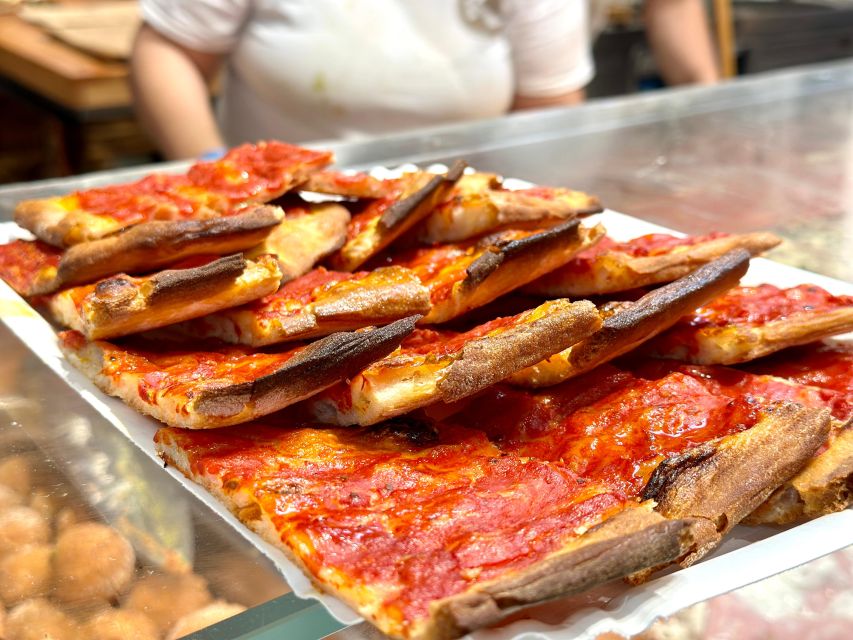
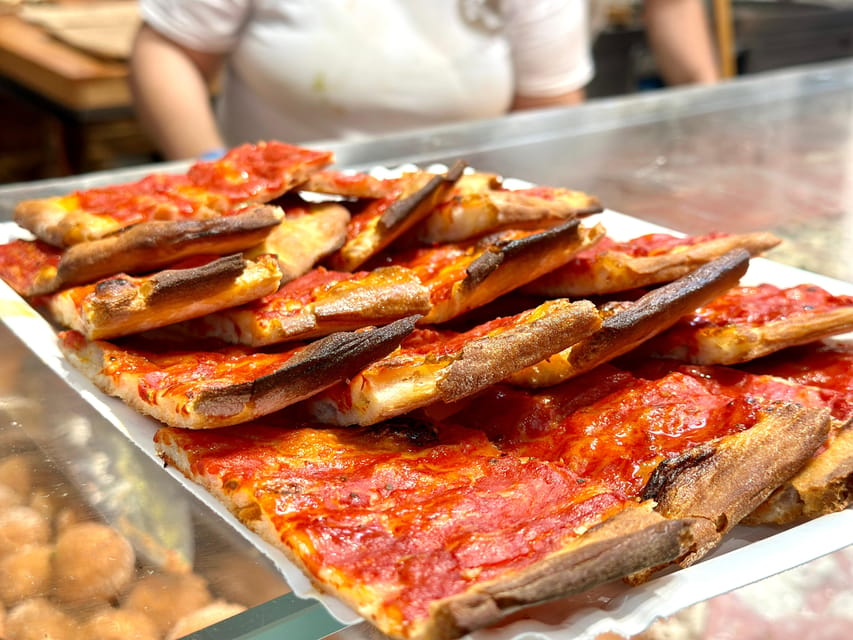
One of the first tastings is fresh pizza from an historic bakery. Roman pizza can be quite different from the thick, soft slices familiar elsewhere. Here, you get a chance to focus on the baked crust, toppings, and everyday role of pizza in Rome rather than treating it as a formal meal.
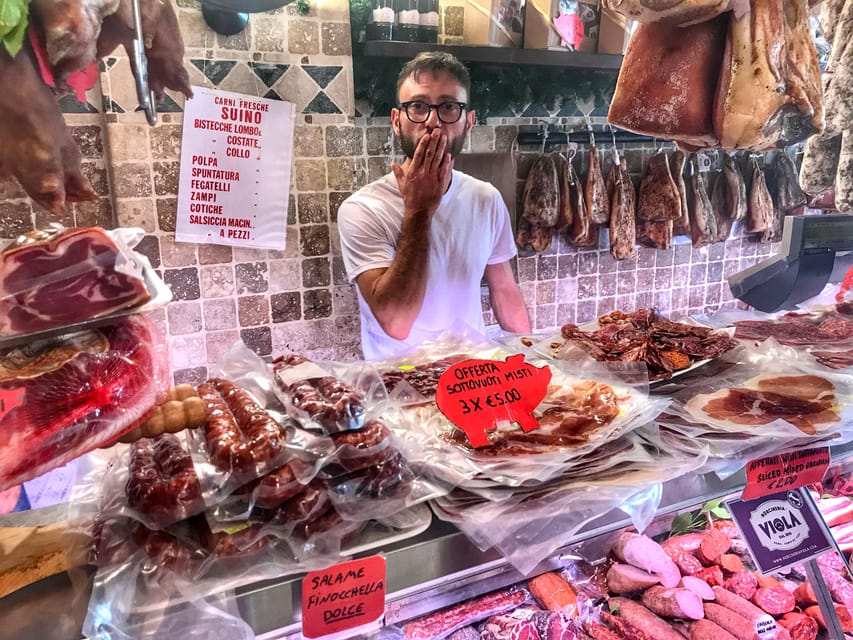
You’ll also sample an assortment of artisanal cured meats from a local shop operating since 1890. That detail gives the stop some sense of place. This is not simply a plate assembled for a tour. You are visiting a shop with a long connection to the neighborhood and tasting foods that fit naturally into Roman eating habits.
A small sip of wine accompanies part of the experience. You also receive a sample of beer during the tour, but drinks beyond those tastings are not included. If you need regular water or another drink while walking, budget for it separately.
The food adds up quickly. Several people have found the portions generous enough to cover lunch, which makes the $41 price look strong compared with a restaurant meal plus a separate sightseeing experience. You are paying for food, a guide, and a route through central Rome, not just for a few decorative samples.
Via del Biscione and an easy-to-miss passage
After Campo de’ Fiori, the route turns toward Via del Biscione. This short walking section takes about 10 minutes, but it helps connect the food stops with the older fabric of the city.
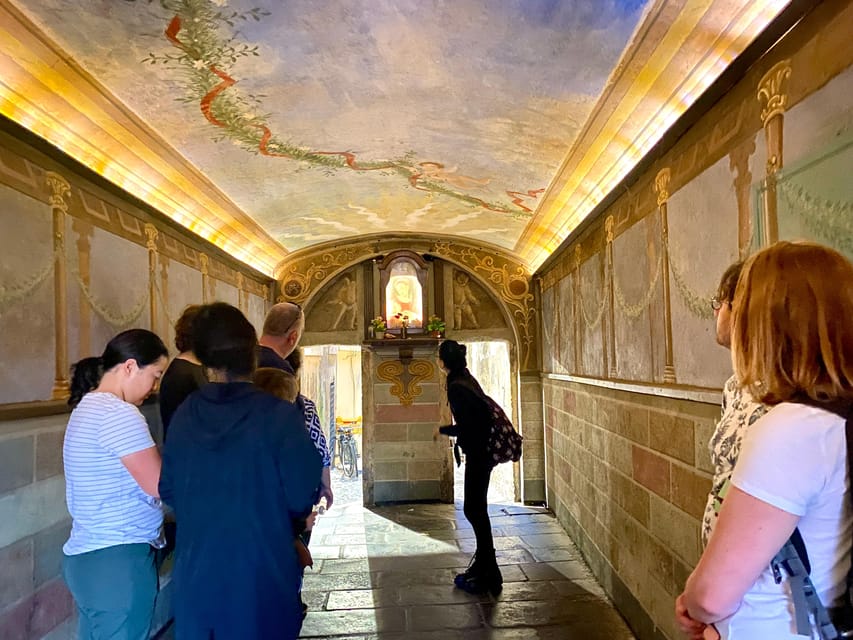
You’ll pass an old passageway decorated with frescoes and a shrine. It is the sort of detail that is easy to walk past when you are heading toward a major monument. Your guide points out the feature and explains its place in the neighborhood, giving you a better sense of how Rome’s history appears in small corners as well as famous ruins.
The route is generally flat, which helps, but the cobblestones still matter. Wear shoes with good grip and avoid assuming that a flat route is effortless. You will be standing and walking for most of the experience, and seats are not guaranteed.
Via dei Chiavari and the essential supplì
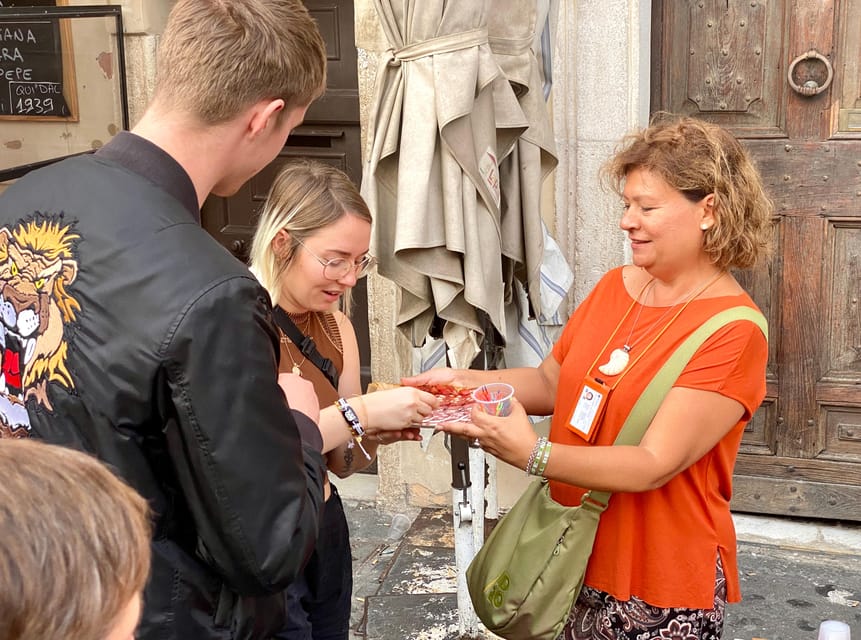
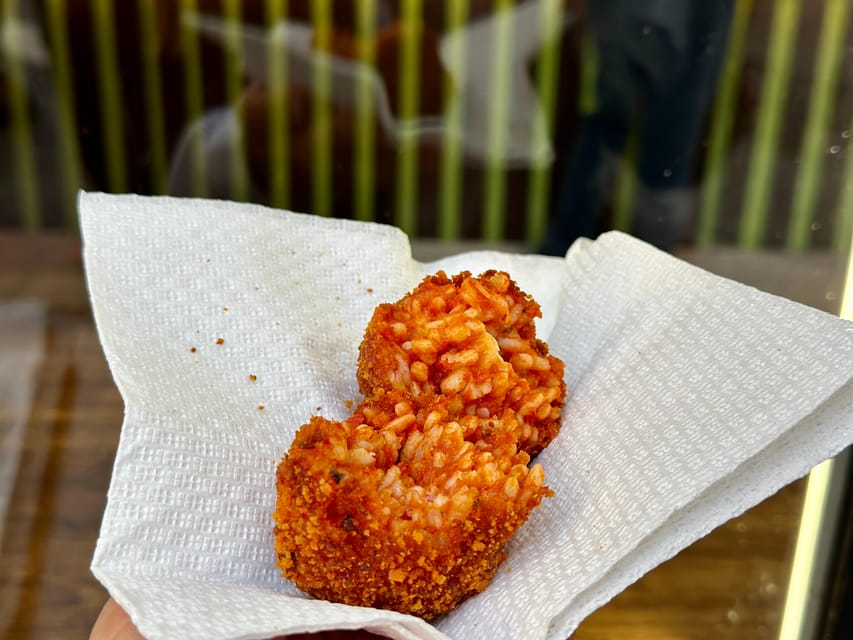
Via dei Chiavari brings you to another food stop, with about 30 minutes set aside for tasting. This is where you try supplì, one of Rome’s classic street foods.
A supplì is a deep-fried rice ball, usually with a crisp shell and a hot, soft center. It is simple food, but it tells you plenty about Roman dining. It is portable, filling, and designed to be eaten without ceremony. Take care with the first bite, since the inside can be hot.
The guide explains the food as you eat it, rather than saving all the history for a long lecture. That approach works well here. You learn what the dish is, how it fits into local life, and what makes it different from other fried snacks in Italy.
This is also where the tour’s pacing makes sense. You are not stopping for a full meal at each address. Instead, you try enough to understand each specialty, then walk off part of it before the next taste. By the end, though, you should expect to feel well fed.
Same streets, a different set of bites:
- Rome: Trastevere Street Food Walking Tour with Local Expert
★ 4.8 · 1,784 reviews - Roman Food Tour with Visit to the Trionfale Food Market
★ 5.0 · 471 reviews - Trastevere & Campo de’ Fiori Street Food Tour, Eat Like a Local
★ 5.0 · 207 reviews - Hidden Rome: Small Group E-Bike Tour with Street Food Stops
★ 5.0 · 169 reviews
Entering Rome’s Jewish Ghetto
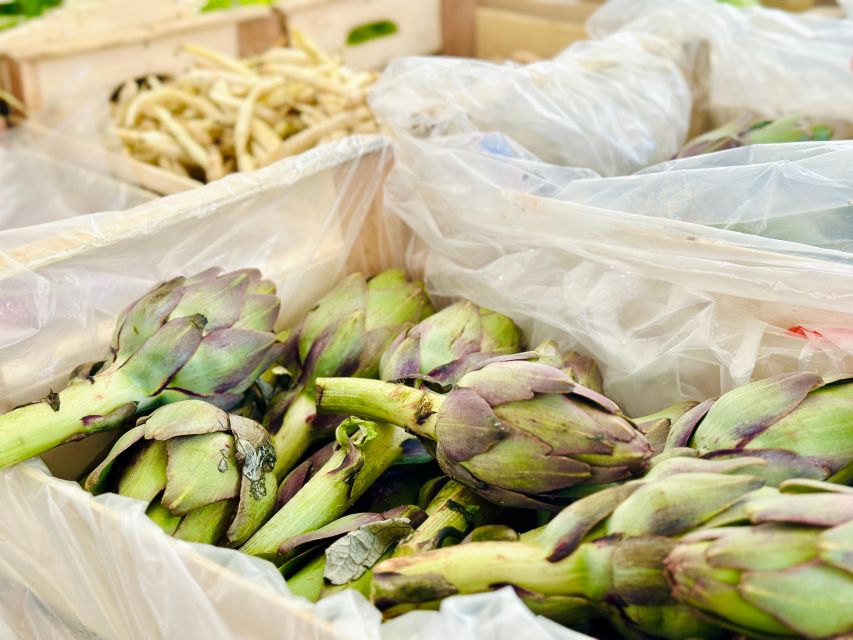
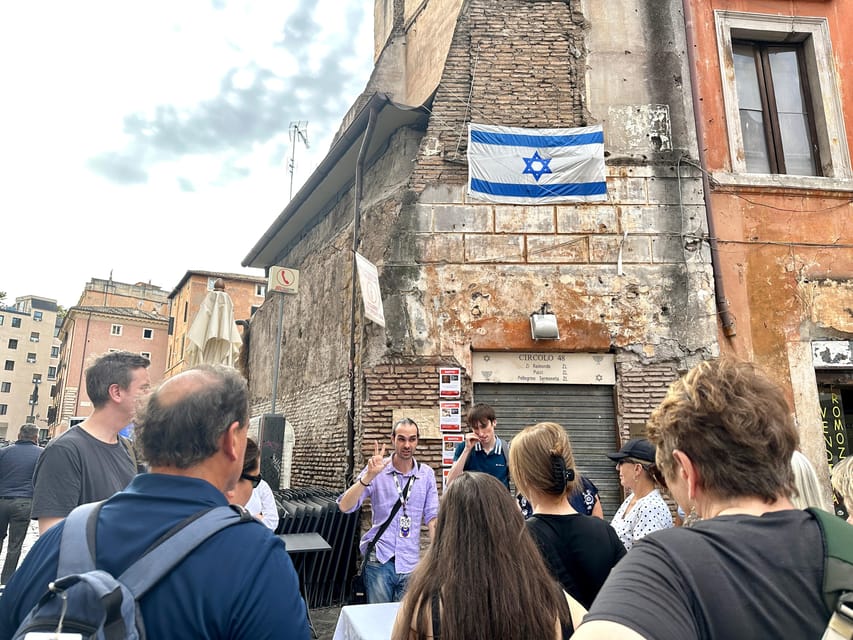
The route continues into Rome’s Jewish Ghetto, one of the oldest Jewish quarters in the Western world. This part of the tour adds a stronger historical layer to the food.
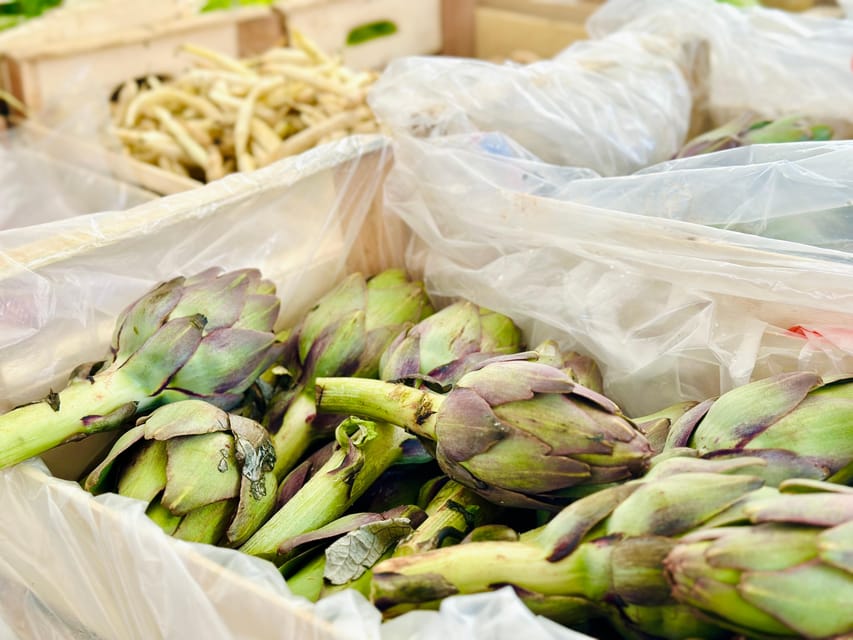
The area is not only a backdrop for eating. Your guide discusses the culinary traditions of Rome’s Jewish community and explains why certain dishes became closely linked with the neighborhood. The main food stop here is the famous fried artichoke, known for its crisp texture and distinctive flavor.
The artichoke is a useful example of how local food reflects community identity. It is not a generic fried vegetable. The preparation, place, and tradition are part of what you are tasting. If you have never ordered it on your own, this stop gives you a straightforward way to try it.
Keep your expectations measured about the number of food stops in the Ghetto itself. The route includes sightseeing and food here, but not every tasting takes place in this neighborhood. If your main goal is a long Jewish culinary tour, this is not that. It is a broader Roman street food walk with the Ghetto as one important section.
The streets also add visual interest, with old buildings, narrow lanes, and historic details to notice between tastings. Your guide may point out places you would likely miss while following a standard map.
Largo Argentina and gelato among ancient ruins
The final stretch leads to Largo di Torre Argentina, also called the Area Sacra di Largo Argentina. The square contains ancient ruins and is one of the most striking settings on the route.
Here, the food portion ends with gelato. It is a sensible finish after fried food, pizza, and cured meats, and it gives you a sweet pause before the tour ends. The final stop lasts about 20 minutes and combines dessert, sightseeing, and a walk through the archaeological area.
Largo Argentina is also a practical place to finish. You are still in central Rome, close to other major sights and useful walking routes. The tour does not return to Campo de’ Fiori, so plan your next stop from the end point rather than the meeting point.
The guides make the difference
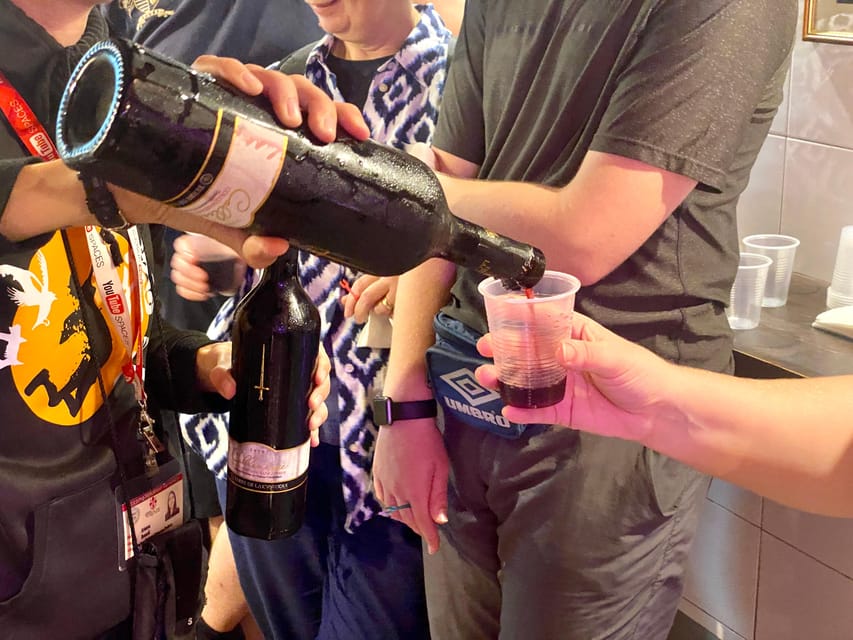
This experience depends heavily on the person leading it. The guide is not only handing over food. You are also relying on that person to explain the neighborhoods, keep the group moving, and make sense of unfamiliar dishes.
Guides named in the tour feedback include Francesca, Ramona, Barbara, Mattia, Arianna, and Adrianne. Francesca was praised for explaining both food and city history clearly, while Ramona was noted for her strong knowledge of the Jewish Ghetto and for waiting when a delayed train caused a late arrival. Barbara brought a friendly, cheerful manner, and Mattia was especially good at linking the dishes to Rome’s past.
That range of names suggests that the tone may vary by departure, but the repeated strength is clear: guides are expected to be friendly, flexible, and well informed about food and place. Some have also adjusted the route for heat by using shaded streets where possible.
The tour is conducted in English. Children can take part in the questions and explanations, but the walking and standing may be tiring for anyone who needs regular rest.
Is $41 good value?
At $41 per person, this is a reasonable price for central Rome if you want both lunch-sized tastings and a guided walk. Five food stops, a wine sample, a beer sample, and a local guide give you more than a short tasting session.
The strongest value comes from the quantity. Pizza, cured meats, supplì, artichoke, and gelato form a substantial meal. You may not need lunch afterward, though you should not treat the tour as an unlimited food event. Drinks beyond the included samples are extra, and the exact balance of tastings can depend on the departure time and available shops.
You are also paying for orientation. Campo de’ Fiori, Via del Biscione, Via dei Chiavari, the Jewish Ghetto, and Largo Argentina are all easy to reach independently, but a guide helps you connect them into one coherent walk. The food gives the route purpose, while the stories keep it from feeling like a simple list of snack stops.
Compared with a tour costing twice as much, this option offers particularly good value for a visitor who wants a filling introduction to Roman food without spending an entire evening at a sit-down table.
Who should book this walk?
I would choose this tour if you want a practical first taste of Rome. It suits someone who likes to walk, enjoys trying familiar and unfamiliar foods, and wants a guide to explain what makes Roman cooking different.
It is also a good fit for couples, families with older children, and solo visitors who would like company during their first look at these neighborhoods. The format makes it easy to ask questions about where to eat later, what foods to order, and how Italian dining customs work.
You should think twice if you need a wheelchair-accessible route, cannot stand for long periods, or have strict dietary requirements. The tour is not suitable for wheelchair users, vegans, people with gluten intolerance, or people who need dairy-free food. Vegetarian food can be provided only when requested in advance. If you have a nut allergy, cross contamination is possible.
Summer heat is another consideration. The walking pace is manageable, but you will be outside and on your feet. A morning departure may be more comfortable, and it also gives you the best chance of seeing Campo de’ Fiori’s food market.
Practical details before you go
The tour lasts 2.5 hours and includes five food stops. It begins at Campo de’ Fiori and finishes at Area Sacra di Largo Argentina, so do not plan on ending where you started.
Meet beneath Giordano Bruno’s statue. Wear comfortable shoes for cobbled streets, and avoid arriving hungry enough to rush the first tasting. The food is served over time, and portions can add up.
Free cancellation is available up to 24 hours before the start time, and you can reserve now while paying later. Pets are not allowed.
Should you book it?
Book this tour if you want Roman food in a compact format, with enough history to explain why the dishes matter. The combination of pizza, cured meats, supplì, Jewish-style fried artichoke, and gelato gives you a solid introduction, while the route takes you through three very different central Rome settings.
Skip it if your priority is a specialist Jewish food tour, a seated meal, or a fully adaptable menu. For most flexible eaters who want a filling afternoon or morning with a friendly English-speaking guide, $41 is a fair price and the route makes good use of your time.
FAQ
How long does the Rome street food tour last?
The tour lasts 2.5 hours.
Where does the tour begin?
It begins in Campo de’ Fiori, under the statue of Giordano Bruno in the center of the square.
Where does the tour finish?
The tour ends at Area Sacra di Largo Argentina, also known as Largo di Torre Argentina.
What food is included?
The tastings include Roman pizza, artisanal cured meats, supplì, fried artichoke, and gelato. Morning tours may also include olive oil, truffles, and balsamic vinegar at the market.
Are drinks included?
The tour includes one sample of beer and one sample of wine. Other drinks are not included.
Is the tour conducted in English?
Yes. The tour includes a live English-speaking guide.
Can vegetarians join the tour?
Yes, a vegetarian option can be provided if you request it in advance.
Can vegans or people with gluten intolerance join?
The tour is not suitable for vegans or people with gluten intolerance. Vegan, gluten-free, and dairy-free options are not available.
Is the tour suitable for wheelchair users?
No. The tour is not suitable for wheelchair users or people with limited walking or standing capacity.
Is the Campo de’ Fiori market included on every departure?
The market is associated with the morning tour. On afternoon departures, the market may already have closed and the square may have been cleared.
Newest street food walks around Rome
- Testaccio Experience: Street Food, Market and Traditions★ 5.0 · 4 reviews
- Eat & Walk : Street Food in the Center & Trastevere★ 4.9 · 6 reviews
- Rome: Vegan Street Food Tour with Local Guide★ 5.0 · 37 reviews
- Rome: Trastevere Quarter Street Food Tour with Sightseeing★ 4.9 · 21 reviews
- Rome: Vatican Street Food and Wine Tour with Farmers Market★ 5.0 · 37 reviews
- Rome Street Food: Small Group Tour in the Historic Centre★ 4.8 · 9 reviews
- Rome: Jewish Quarter and Campo de’ Fiori Street Food Tour★ 4.8 · 36 reviews
- Rome: Monti Street Food Tour★ 4.5 · 14 reviews
Rome street food tours, side by side.

Rome: Trastevere & Campo de Fiori Street Food Walking Tour
Read our review →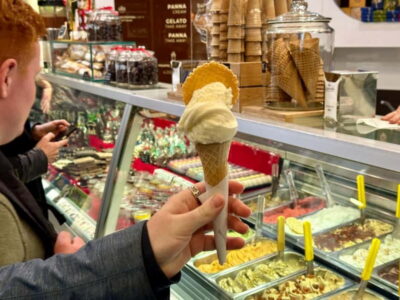
Rome: Trastevere Street Food Walking Tour with Local Expert
Read our review →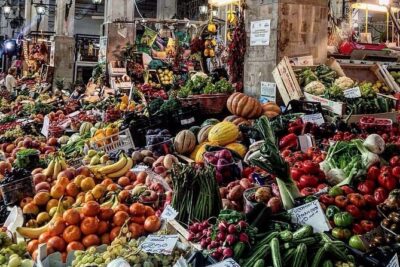
Roman Food Tour with Visit to the Trionfale Food Market
Read our review →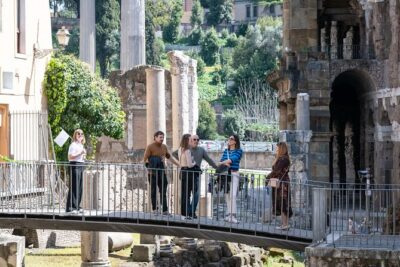
Trastevere & Campo de’ Fiori Street Food Tour, Eat Like a Local
Read our review →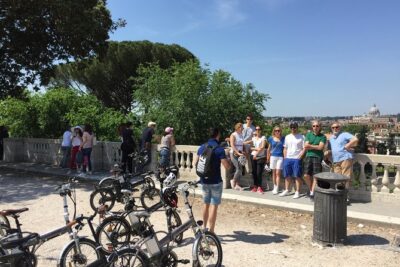
Hidden Rome: Small Group E-Bike Tour with Street Food Stops
Read our review →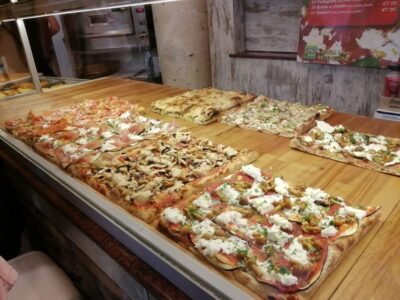
Rome: Trastevere and Jewish Ghetto Street Food Walking Tour
Read our review →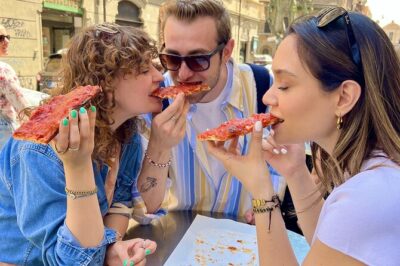
The lists this tour appears in