
Review · PORT LOUIS
Port Louis: Street Food & City Tour
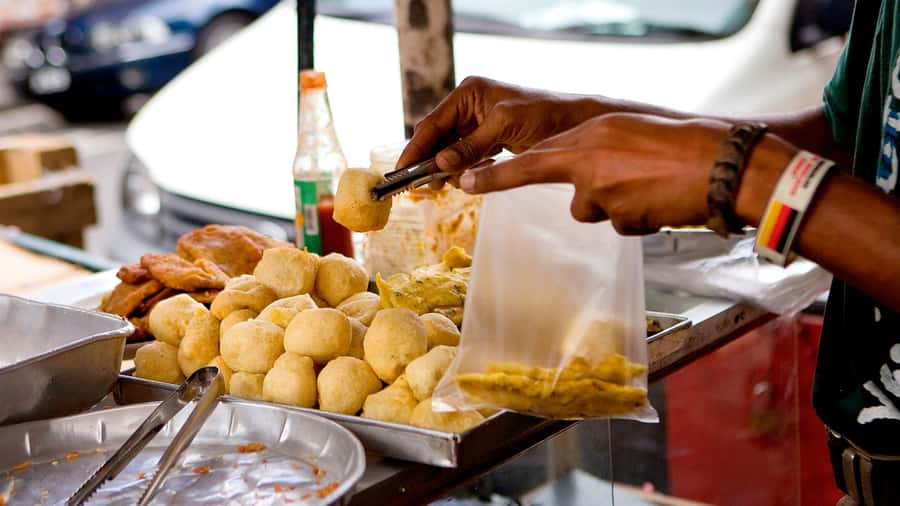
Port Louis makes its best first impression through food. This walking tour links the city’s Indian, Chinese, African, and French influences with stops for gato pima, tropical fruit, drinks, and other local bites. You also visit a history museum, Chinatown, Central Market, Company Garden, old buildings, temples, and street art.
I like the way the tour joins food with history, rather than treating the market as a quick photo stop. I also like the small-group setup, limited to 10 people, and the care shown by guides such as Dourvesh, who sets an easy pace and answers questions. The main drawback is physical: you may walk more than 5 kilometers in strong sun, and the advertised six to eight tastings can leave you too full for lunch.
Key points to know before booking
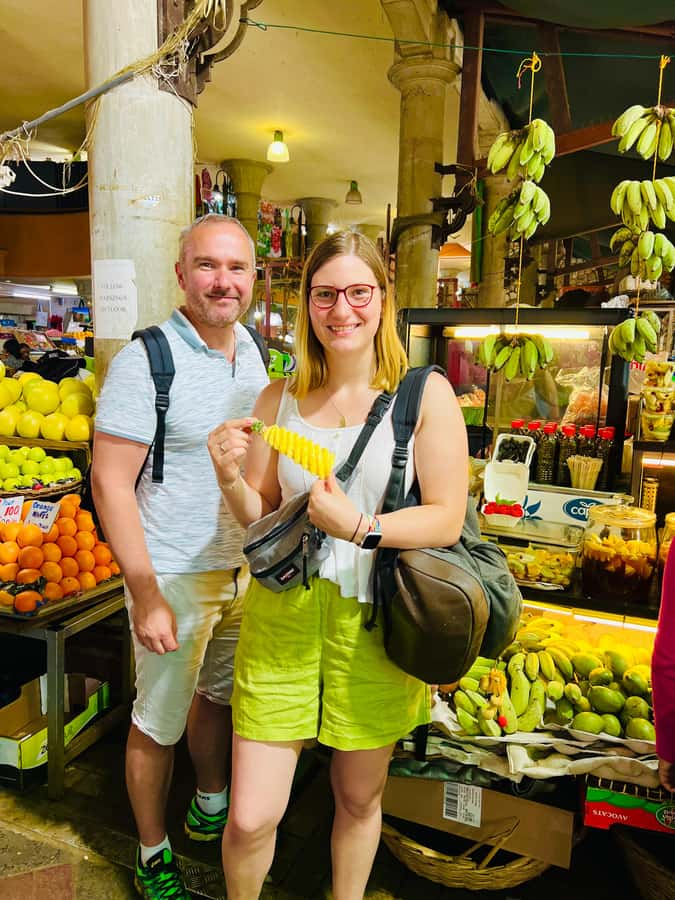
- Six to eight main tastings: Expect savoury snacks, sweets, tropical fruit, and a milkshake or juice, with some tours stretching beyond the stated tasting count.
- A history lesson with your lunch: The museum visit and street commentary explain how different communities shaped Mauritian food and society.
- A real Port Louis walk: The route passes Chinatown, Central Market, Company Garden, old streets, temples, and street art.
- Small group, live guide: Groups are capped at 10, with English and French available.
- Come hungry, but not starving: A light breakfast is smarter than arriving after a large meal.
- Prepare for heat and rain: Wear comfortable shoes and bring sun protection, water is included, but an umbrella or rain gear is sensible.
Why food is the best way into Port Louis
Mauritius is not a place with one tidy national cuisine. Its food reflects the people who came to the island, settled there, worked there, and built communities there. Indian, Chinese, African, and French influences meet in snacks that are quick, cheap, and part of daily life.
That makes this more useful than a simple list of food stalls. Your guide explains how these traditions connect with Mauritian history, then points out what you are eating and where it fits into local life. You are not just handed a fried snack and sent on your way.
The experience begins at the Caudan Waterfront, in front of Le Casino opposite Café LUX. Look for the guide wearing a black hat. The waterfront is an easy meeting point, but hotel pickup is not included, so you need to arrange your own way there.
Guides have a major effect on this tour. Dourvesh is the name that comes up repeatedly in the supplied feedback, praised for his relaxed manner, clear explanations, local knowledge, and thoughtful handling of different diets. Other guide names appear with slightly different spellings, so do not worry if the person leading your group is not Dourvesh. The important point is that this is built around a live guide rather than an audio track or fixed tasting sheet.
More street food walks around the world:
- Dubai: Old Town, Creek, Museums, Souks, & Street Food Tour
★ 4.8 · 10,816 reviews - Ho Chi Minh City Street Food Tour & Sightseeing By Motorbike
★ 5.0 · 9,413 reviews - Medellin: Comuna 13 Graffiti Tour, Cable Car & Street Food
★ 4.8 · 9,046 reviews
The museum gives the snacks a bigger story
One of the smartest choices in the route is the early stop at a historical museum. The Aapravasi Ghat Centre is specifically mentioned in the tour feedback as a valuable part of the visit, while the main description simply calls it a historical museum. Either way, this stop gives you a starting point for understanding the people and cultures that shaped Mauritius.
The tour uses this history to explain the food. That matters because Mauritian street food can seem like a collection of unrelated fried snacks if you do not know the background. After the museum, the dishes have a clearer connection to migration, trade, religion, and community life.
This is not a museum-heavy tour. You continue on foot through Port Louis, with the guide adding historical details along the way. The balance works well for people who want context but do not want to spend half a day indoors.
Chinatown brings Hakka flavours into the route
The walk continues through the gates of Port Louis Chinatown. Here, you look for food influenced by Hakka Chinese cooking, along with old streets and small food businesses that are easy to miss if you simply follow the main road.
Chinatown is one of the route’s strongest food sections because the guide can point you toward places you might pass without noticing. One stop is specifically remembered as a favourite by a local participant, which tells you this is not only a sightseeing route designed for outsiders.
Expect the city to feel active and crowded in places. Port Louis is a working capital, not a preserved open-air museum. Cars, pedestrians, market shoppers, shopfronts, and street vendors are part of the scene. That can make the walk less polished, but it also gives you a better sense of ordinary city life.
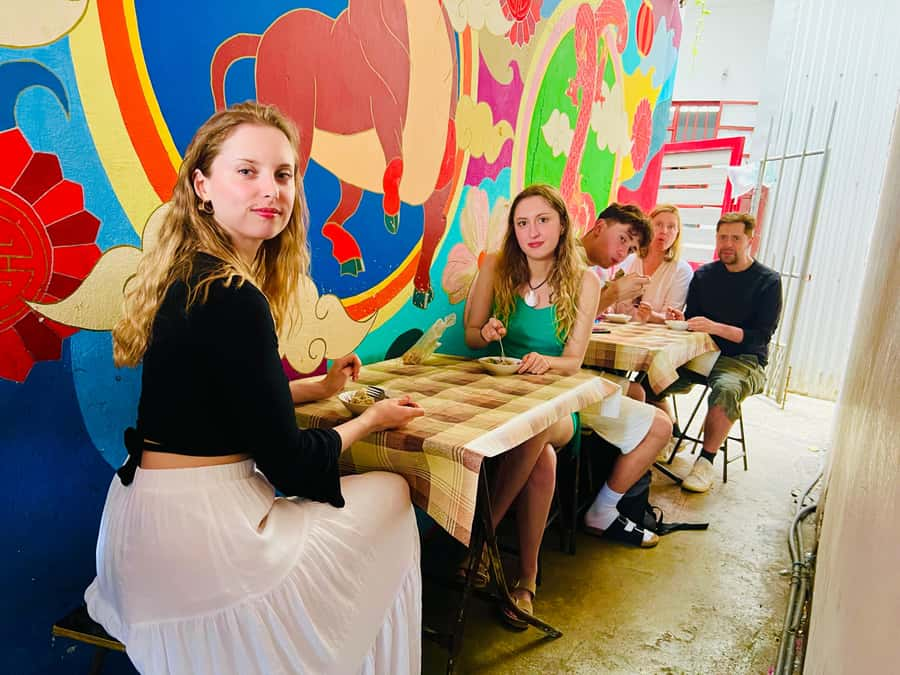
Street art adds another layer. The route includes murals and unexpected pieces tucked into the city, and several stops may be in back streets rather than on the standard sightseeing path. Keep your camera ready, but stay with the group when the streets get busy.
Central Market is the eating heart of the walk
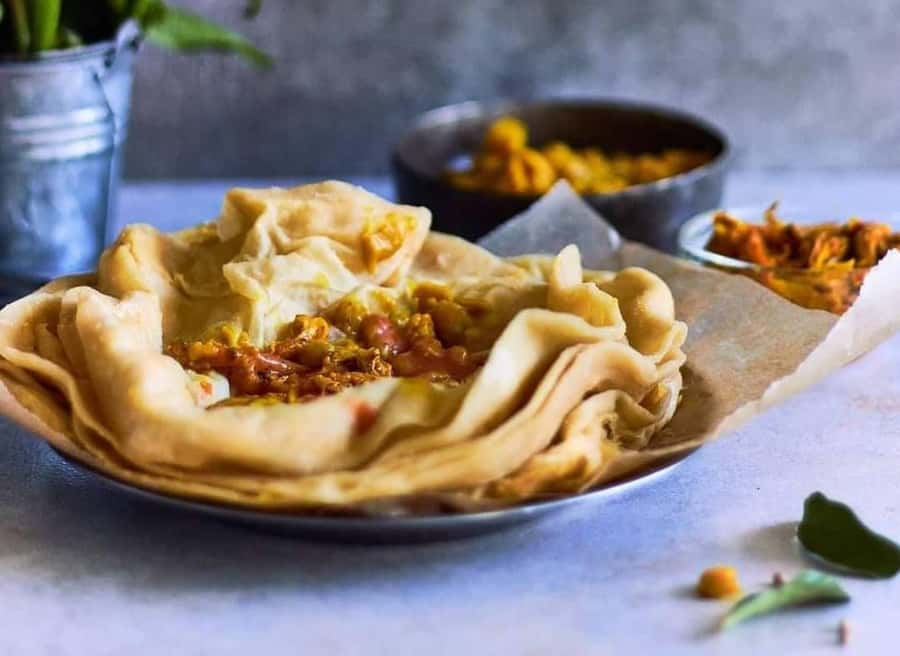
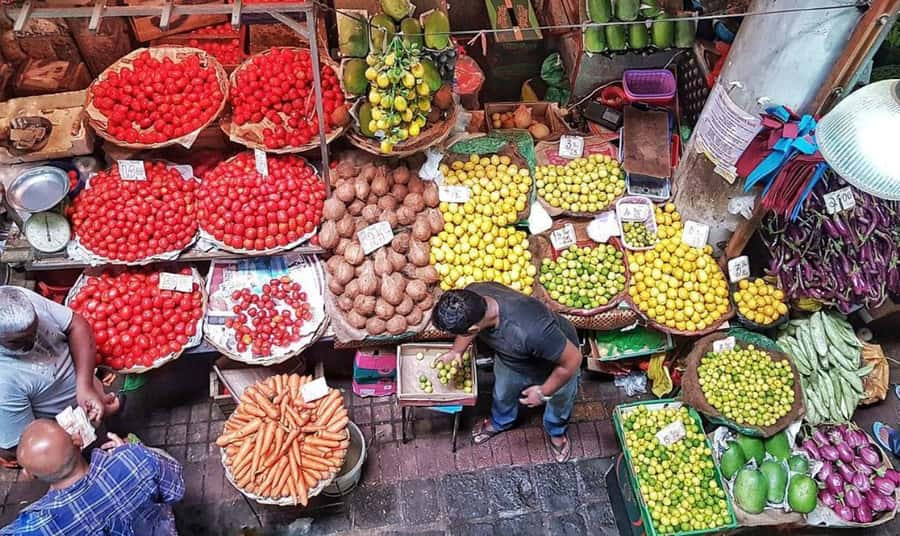
Central Market is where the food focus really takes over. You see produce, prepared food, and small stalls serving snacks that are made for quick eating. The market is one of the best places in Port Louis to watch local food culture at close range.
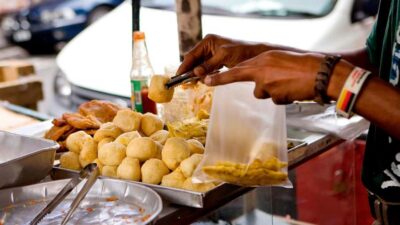
A key tasting is gato pima, a fried chili bite made with soaked split peas, spring onions, and green chilies. It is small, crisp, and packed with flavour. The chili level may vary, so ask the guide before taking a large bite if you are sensitive to heat.
The tour also includes seasonal tropical fruit, sometimes with an optional fruit sauce. This is a useful change of pace after fried food and spice. The fruit tasting is not just filler. It shows another side of Mauritian eating, especially in a market where freshness matters.
The official description promises about six to eight different dishes, but some detailed accounts describe eight or nine dishes, or more than 15 individual foods, sweets, and drinks. The difference likely comes from how each tasting is counted. You should expect a generous series of small portions rather than exactly six plates.
One practical warning: do not eat a big breakfast before you go. A light meal two or three hours earlier is a better plan. The first food stop may not come immediately because the museum and city walk happen first, but once the tastings begin, they keep coming. You may leave full enough to skip lunch.
Same streets, a different set of bites:
- Dubai: Old Town, Souks, Street Food, Guided Tour & Abra Ride
★ 4.9 · 7,170 reviews - Naples: Street Food Walking Tour with Local Guide
★ 4.9 · 4,976 reviews - Small Group Hanoi Street Food Tour with a Real Foodie
★ 5.0 · 4,682 reviews - Rome: Street Food Tour with Local Guide
★ 4.8 · 4,077 reviews
Company Garden and old streets slow the pace
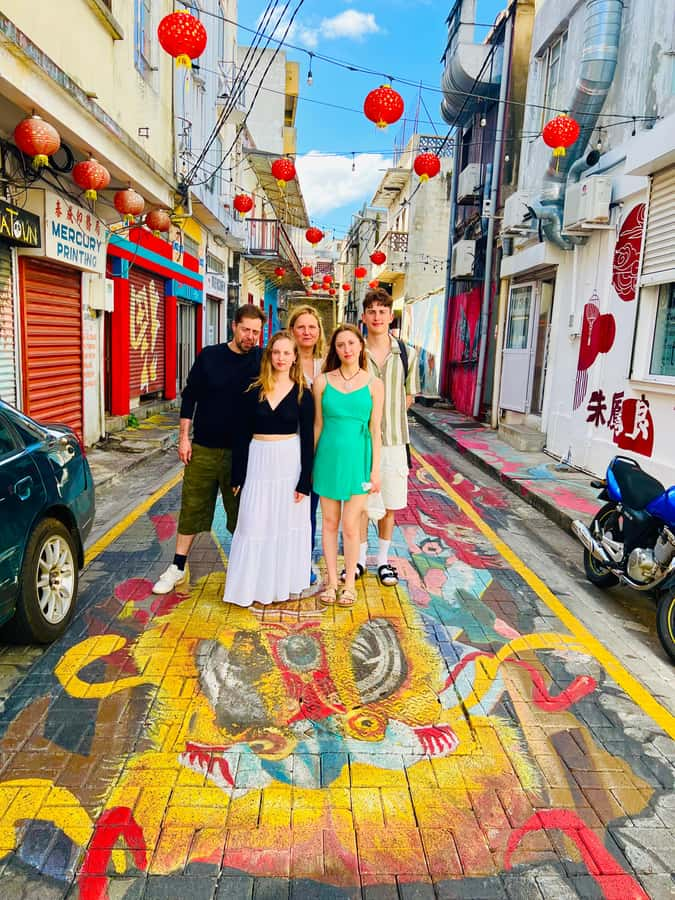
The route is not all market counters. You also walk through Company Garden and pass old buildings, temples, and trees with hanging roots. These sections provide breathing room between tastings and show a quieter side of central Port Louis.
The garden stop also helps break up the city’s hard surfaces. After hot pavement, traffic, and market crowds, trees and open paths are welcome. The guide may use the setting to explain more about the city and its plants, though the exact commentary can vary.
The old buildings are best understood as part of the walking story rather than as major standalone attractions. You are seeing several pieces of Port Louis in one continuous route. That makes the tour useful early in your stay, since it helps you get your bearings and identify places you may want to revisit.
Some stops include temples and the French side of the city, along with the waterfront and other historic structures. The appeal is variety. In a few hours, you move between food stalls, markets, gardens, religious sites, street art, and colonial-era streets.
What the walking is really like
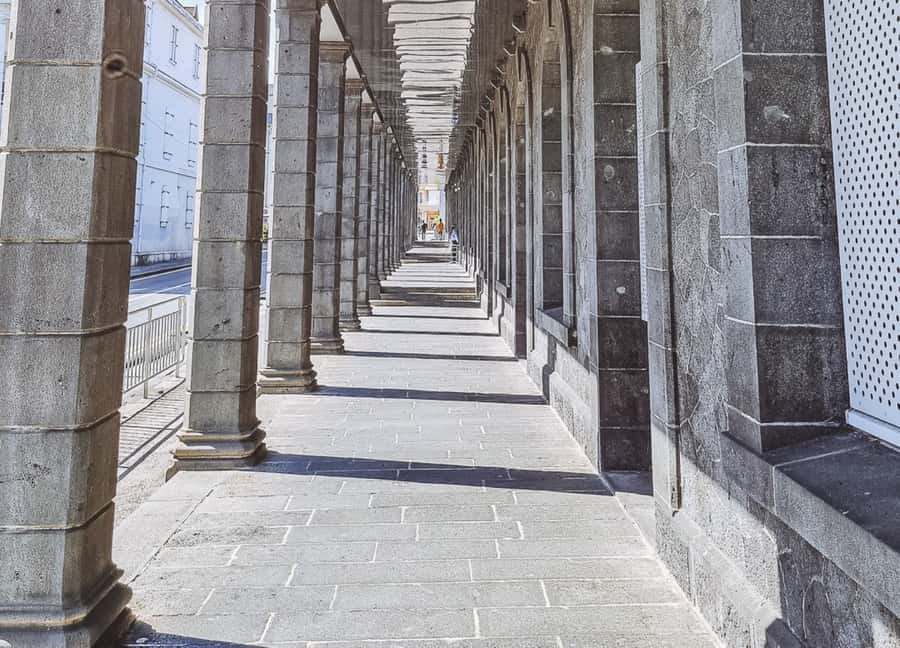
The stated duration is 210 minutes, or three and a half hours. In practice, some groups have taken just over four hours, especially when the guide spends extra time answering questions or the group moves slowly between food stops.
Several detailed accounts put the distance at more than 5 kilometers. That is not an extreme hike, but it is a lot of standing and walking in a warm city, often on hard surfaces. Comfortable shoes matter more than stylish ones.
Bring sunscreen, a sun hat, comfortable clothes, and a bottle of water. One bottle of water is included, along with a milkshake or juice, but you should not depend on one bottle to cover a long, hot walk. An umbrella and rain gear are also sensible because weather can change, and one group completed the walk during torrential rain.
The heat can be intense. One vegan participant specifically appreciated having a parasol, and that is a useful tip for anyone who struggles with direct sun. Plan your clothing accordingly, and do not treat this as a cool indoor food crawl.
Vegetarian and vegan visitors need to speak up
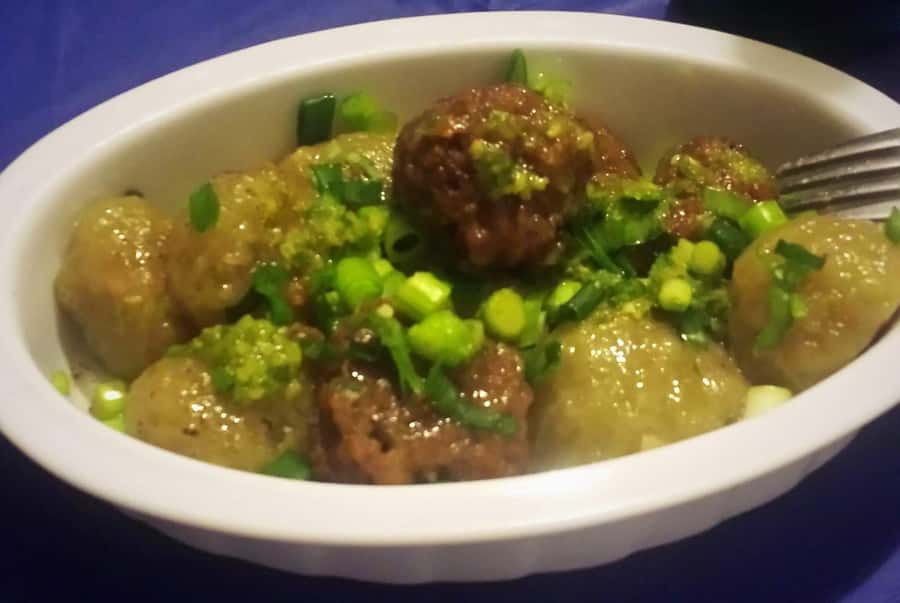
The food is influenced by several cultures, so there is a good chance of finding meat-free choices. Vegetarian and vegan needs were accommodated well in some groups, particularly when the guide knew in advance.
Still, you should explain your diet before the tour begins. At least one vegetarian participant found that a stop simply removed the meat or fish without offering a proper substitute. That is the main food-related caution in an otherwise varied tasting experience.
If you avoid a particular ingredient, ask what is in each dish before tasting it. The guide can help, but the route is built around local stalls, not a restaurant kitchen with a full dietary menu. Flexibility helps.
Does the $42 price offer good value?
At $42 per person, the tour sits in a reasonable range for a 210-minute guided food walk, especially because the price includes all tastings, tropical fruit, a milkshake or juice, and bottled water. You are also paying for a guide, a museum visit, and a route that covers several parts of Port Louis.
The value is strongest if you would otherwise spend time guessing where to eat. The guide takes you to small food stops, explains what to order, and keeps the group moving. You also avoid paying separately for each snack, which makes budgeting easier.
The price is less compelling if your main goal is a long, detailed museum visit or a complete tour of every major Port Louis sight. Food stops shape the route, so the city sightseeing is broad rather than exhaustive. You see many districts and landmarks, but you do not linger at each one.
For most visitors, I would treat this as an introductory city experience rather than a final word on Port Louis. It shows you enough to return independently, try more food, and explore at your own pace.
Who will enjoy this Port Louis experience?
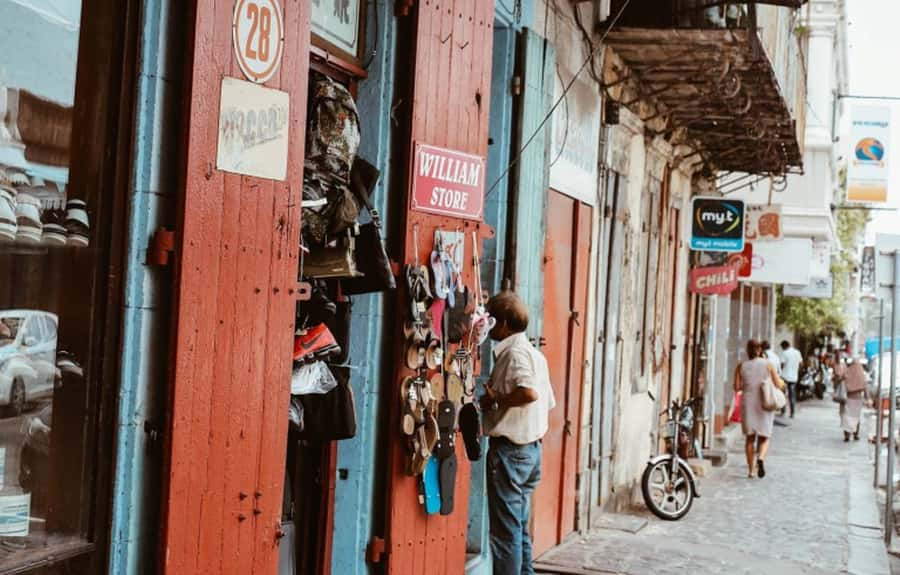
This tour suits you if you like learning through eating and prefer a city walk with a clear purpose. It works especially well as one of your first activities in Mauritius because you get a quick orientation to the capital, its food, and its different cultural influences.
It is also a good match for curious eaters who would hesitate to approach unfamiliar stalls alone. The guide removes much of the guesswork and explains what you are trying.
Families can enjoy it if everyone is comfortable walking for several hours and eating small portions. The same goes for older visitors, provided they can manage the distance, heat, and uneven urban walking. The group pace is described as relaxed, but the tour is still active.
This is not ideal for someone who wants air conditioning, private transport, or a slow restaurant lunch. It is also not the best choice if you dislike fried food, spice, crowds, or eating several items close together.
Booking details that matter
The meeting point is in front of Le Casino at the Caudan Waterfront, opposite Café LUX in Port Louis. Hotel pickup and drop-off are not included.
The group is limited to 10 participants, with a live guide speaking English or French. The tour operates at different starting times, so you need to check availability for your date.
You can cancel up to 24 hours in advance for a full refund. A reserve-now, pay-later option is also available, which helps if your Mauritius plans are still moving around.
Should you book it?
I would book this if you want one well-packed introduction to Port Louis, especially early in your stay. The strongest reasons are the mix of local food and city history, the small group, and the chance to visit food stops you might not find by yourself.
Go prepared. Eat lightly beforehand, wear serious walking shoes, protect yourself from the sun, and tell the guide about dietary needs before the first tasting. If you do that, the $42 price offers a lot: food, a drink, a museum visit, market time, Chinatown, gardens, street art, and a useful first look at the capital.
Skip it only if you want a short, seated tasting or a full museum-and-monument tour. For an active introduction to Mauritius through its food, this is a strong choice.
FAQ
Where does the Port Louis food tour start?
It starts in front of Le Casino at the Caudan Waterfront, opposite Café LUX in Port Louis. The guide wears a black hat.
How long does the tour last?
The stated duration is 210 minutes, or about three and a half hours. Some groups have taken just over four hours.
How many foods will I taste?
The tour includes approximately six to eight food tastings, plus fresh tropical fruit and a milkshake or juice. Depending on how individual bites are counted, you may try more items.
Is food and drink included in the price?
Yes. The price includes all food tastings, tropical fruit, a milkshake or juice, and one bottle of water.
What places does the tour visit?
The route includes a historical museum, Chinatown, Central Market, Company Garden, old buildings, street art, temples, and streets around Port Louis. It begins and ends at Le Casino.
Is hotel pickup included?
No. You need to make your own way to the meeting point at the Caudan Waterfront.
What languages are available?
The live guides operate in English and French.
What should I bring?
Bring comfortable shoes, a sun hat, sunscreen, comfortable clothing, and rain protection such as an umbrella or rain gear. You may also want extra water for the walk.
Newest street food walks around the world
- Old Delhi Cultural, Temples, Heritage Walking Street Food Tour★ 5.0 · 57 reviews
- Old and New Delhi Street Food Sampling★ 5.0 · 3 reviews
- Old Delhi Tour by Tuk-Tuk Street Food and Shopping Experience★ 5.0 · 12 reviews
- Customized Half Day and Full Day Delhi Shopping, Street Food Tour★ 5.0 · 52 reviews
- Delhi: Street Food Crawl (2 Hours Guided Food Tasting Tour)★ 3.5 · 18 reviews
- Taste Famous & Best Street Food of Old Delhi (Jama Masjid)★ 3.0 · 2 reviews
- Spice & Stories: 3-Hour Old Delhi Heritage Food Walk Guided Tour★ 4.5 · 36 reviews
- Old Delhi Street Food and Spice Market Tour★ 5.0 · 81 reviews
Port Louis street food tours, side by side.

Mauritius: Snorkeling with Turtles & Port Louis Street Food
Read our review →
Port Louis: Private Guided Tour and Street Food Tasting
Read our review →
The lists this tour appears in