
Review · MALAYSIA
Penang Island: Street Food Walking Tour
Penang’s best food lesson starts at a market, not a restaurant. This 210-minute walk moves from Chowrasta Market to family-run stalls, with stops for nutmeg pickles, durian dodol, local coffee, asam laksa, and Nyonya sweets. It also ties each bite to the Malay, Chinese, Indian, and Peranakan communities that shaped George Town.
I like the small group of no more than nine, which makes a market visit less awkward and gives you room to ask questions. I also like the focus on old family methods, especially the popiah maker whose family has worked by hand for 50 years. The main drawback is that this is a walking tour in a busy historic district, and the food may not suit people with restricted diets or limited mobility.
Key points at a glance
- Chowrasta Market since the 1890s: Begin where George Town’s food trade brought Malay, Chinese, and Indian communities together.
- Nutmeg and durian in unusual forms: Taste sharp nutmeg jeruk and sticky durian dodol, two classic Penang flavors.
- A 50-year popiah tradition: Watch handmade popiah skins made by a family that has kept the craft alive across generations.
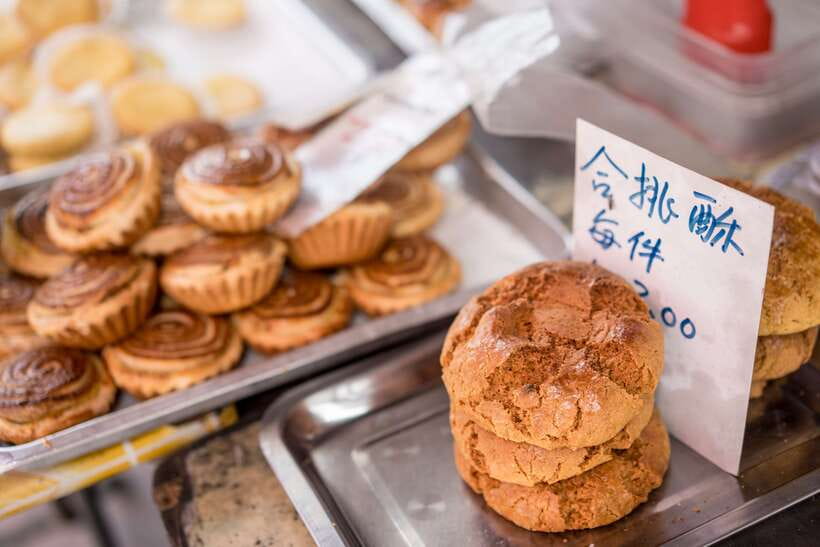
- Nyonya food at Moh Teng Pheow: Learn how Chinese and Malay customs meet in kuey, the cakes, puddings, dumplings, and pastries of the Peranakan kitchen.
- Asam laksa with a Penang accent: Try the sweet, sour, and savory balance that sets Penang’s version apart from Kuala Lumpur’s.
- George Town between bites: Pass Harmony Street, street art, iron-rod sculptures, and the town’s oldest fire station.
Starting at Chowrasta Market in the 1890s
The tour opens at Chowrasta Market, the oldest market in Penang. That matters because this is not just a convenient place to buy snacks. It gives you a starting point for understanding how George Town’s food culture grew through trade and daily contact among Malay, Chinese, and Indian communities.
You will see the market’s morning activity and hear vendors speaking a mix of Hokkien, Malay, and Tamil. Families have run businesses here for decades, so the market works as both a food stop and a lesson in continuity.
I like beginning here because it puts the dishes in context before you start tasting. You are not simply handed a plate and told that it is traditional. You get a sense of the people, languages, and commerce that helped shape Penang’s cooking.
The market can also be the least relaxed part of the walk. Morning trading brings noise and movement, and you should be ready to stay close to your guide. Comfortable shoes are important, and an umbrella is sensible in Penang’s changeable weather.
More street food walks around Malaysia:
- Kuala Lumpur: Sambal Street Food Tour with 15+ Tastings
★ 4.9 · 1,657 reviews - The 10 Tastings of Kuala Lumpur With Locals: Private Street Food Tour
★ 5.0 · 249 reviews - Kuala Lumpur Local Street Food Private Walking Tour by Night
★ 4.5 · 224 reviews
Kopitiam coffee with a local twist
One early introduction is to kopitiam culture, Penang’s coffee shop tradition. The drink to watch for is Ngor Ka Sai, a local coffee mixed with Milo.
It sounds like an odd combination, but that is part of the fun. Penang food often rewards curiosity, and this drink gives you a small example of how local tastes do not always fit neat categories. You get the strength of coffee with Milo’s chocolate sweetness.
The tour includes selected food and drinks, but extra drinks are not included. If you usually need more water or coffee than one tasting provides, bring some with you and budget for additional purchases.
Nutmeg jeruk wakes up the palate
Penang is known for nutmeg products, and the tour uses jeruk, or pickled nutmeg, as one of its signature tastes. Expect a sharp, sour, sweet flavor that quickly gets your attention.
This is a useful early tasting because it wakes up your palate before the heavier dishes arrive. It also shows how local producers turn a familiar fruit into something with a very different texture and flavor.
I would not choose this stop for a timid eater who wants only mild, familiar food. The point is the punch. If you enjoy pickles, sour fruit, and unusual snacks, it should be one of the more memorable small bites of the walk.
Durian dodol and the king of fruits
Durian often divides people. Its strong aroma can be challenging, but durian dodol offers a more approachable way to meet the flavor.
Dodol is a sticky, sweet confection, and the durian version gives you the fruit’s character in a dense traditional sweet. The texture is part of the experience. It is chewy and adhesive rather than crisp or creamy, so take a small bite and give it time.
This stop is valuable even if you are unsure about fresh durian. You get a controlled taste instead of facing a whole fruit. If you already enjoy durian, the dodol lets you see how Malay food traditions use it in confectionery.
Same streets, a different set of bites:
- Eat Like a Local: Kuala Lumpur Hawker Center and Street Food Tour by Night
★ 5.0 · 198 reviews - Kuala Lumpur: Local Street Food Night Tour
★ 4.5 · 162 reviews - Kuala Lumpur: Nightlife Street Food Tour with 6 Tastings
★ 4.6 · 73 reviews - Authentic Malaysian Street Food Tour With 15+ Tastings Near KLCC
★ 5.0 · 68 reviews
Watching a 50-year popiah craft
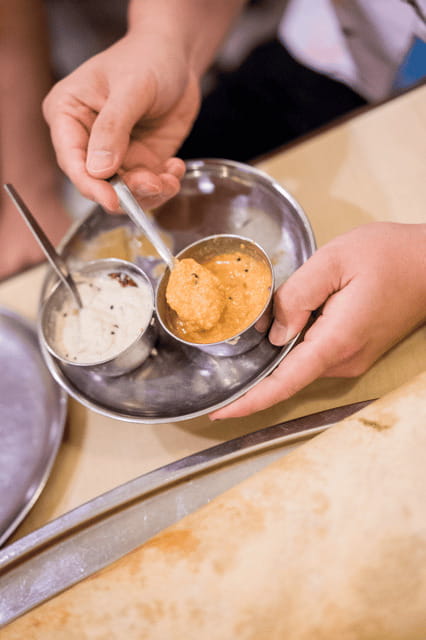
The handmade popiah demonstration is one of the strongest reasons to book this particular walk. You will watch a master make popiah skins using a family method that has been practiced for 50 years.
That is more than a quick cooking show. Thin wrappers are easy to take for granted when they arrive ready-made on a plate. Seeing the work involved helps you understand why handmade food can carry such value, especially when fewer people learn the old techniques.
The demonstration also gives the tour a welcome change of pace. You are not eating at every stop. You are watching, asking questions, and seeing how a basic part of a dish is produced.
The supplied details do not name the guide or the popiah maker, so do not book expecting a particular personality. What you can count on is an English-speaking licensed guide and a family tradition that reaches back half a century.
Moh Teng Pheow and the Nyonya table
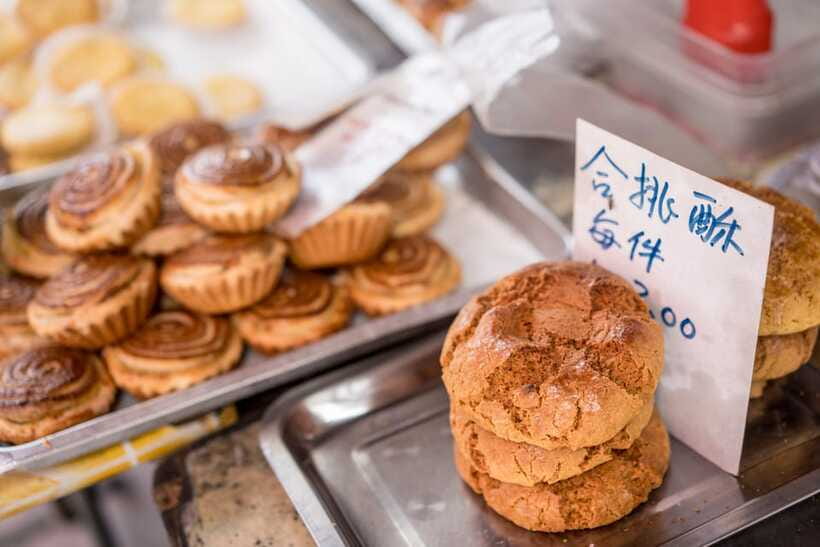
At Moh Teng Pheow Nyonya Koay, a Michelin-listed cafe, the tour turns to Peranakan Nyonya culture. This is where the food becomes a lesson in identity as much as flavor.
Baba and Nyonya communities grew from Chinese and Malay cultural fusion. Their food includes many forms of kuey, a broad family of cakes, dumplings, puddings, and pastries.
This stop is useful because it expands your idea of Malaysian food beyond noodles, rice dishes, and hawker favorites. Nyonya cooking also shows how family recipes can preserve a community’s blended cultural background.
You will taste recipes described as unchanged since 1933. That does not mean every dish will suit every palate. Nyonya sweets and snacks can use unfamiliar textures and levels of sweetness, but the variety is exactly what makes the stop worthwhile.
If you have a serious allergy or dietary restriction, ask about ingredients before eating. The experience includes food at selected stalls, but no dietary menu is provided in the tour details.
Penang asam laksa versus Kuala Lumpur’s version
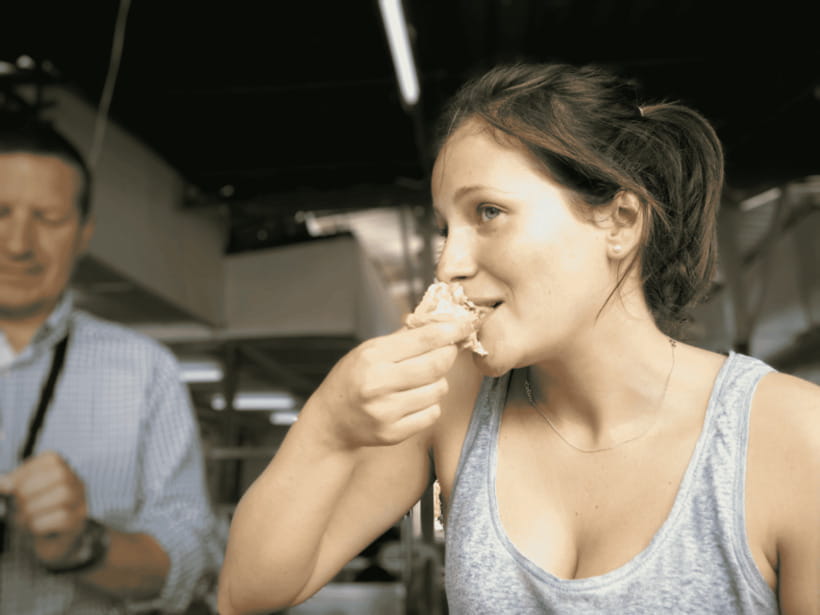
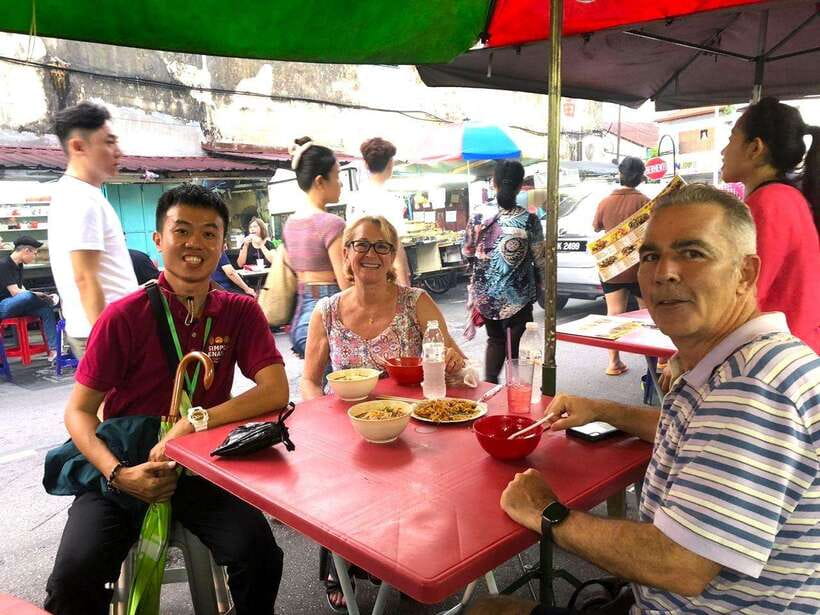
As you walk through George Town’s Heritage Zone, you will taste Penang asam laksa. The tour highlights its balance of sweet, sour, and savory flavors and points out that it differs from Kuala Lumpur’s version.
That comparison is helpful if you have already eaten laksa elsewhere in Malaysia. The same broad dish name can cover very different broths, seasonings, and regional habits. Here, the lesson is not simply that Penang has a famous bowl. It is that regional food names often hide major differences.
Asam laksa is not the safest choice for someone who wants a gentle, plain meal. Its appeal comes from the interplay of strong flavors. I would keep an open mind and let your guide explain what gives the Penang version its character.
Food portions are adjusted to the group’s appetite. That is a good approach for a tasting walk, since you want enough room to try several dishes rather than fill up at the first stop.
Harmony Street, murals, and a town made for walking
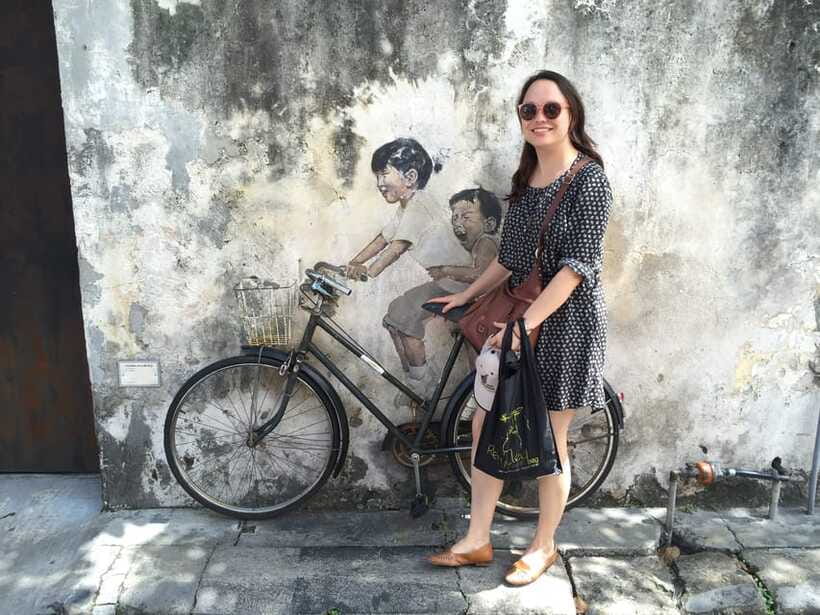
Between food stops, the route passes temples, mosques, and churches on Harmony Street. These places reflect the peaceful coexistence of religious communities that helped make Penang’s food culture possible.
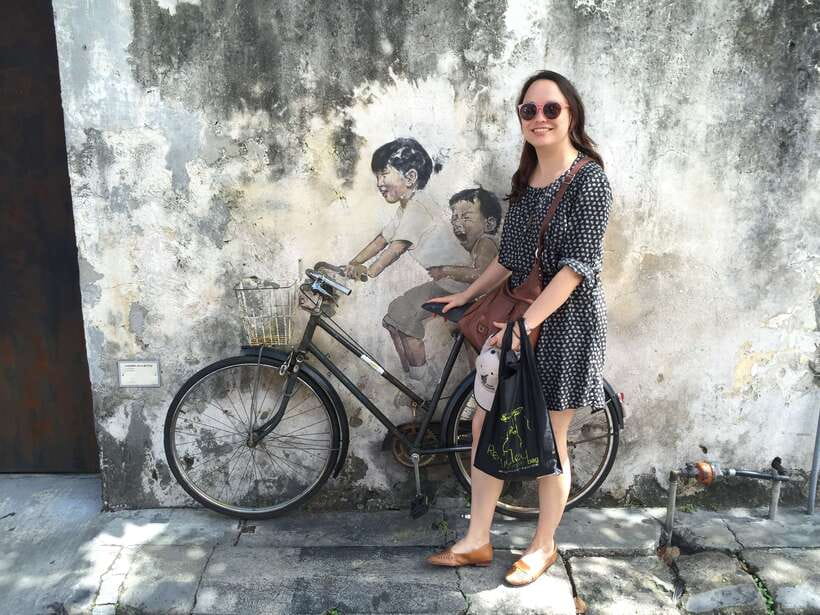
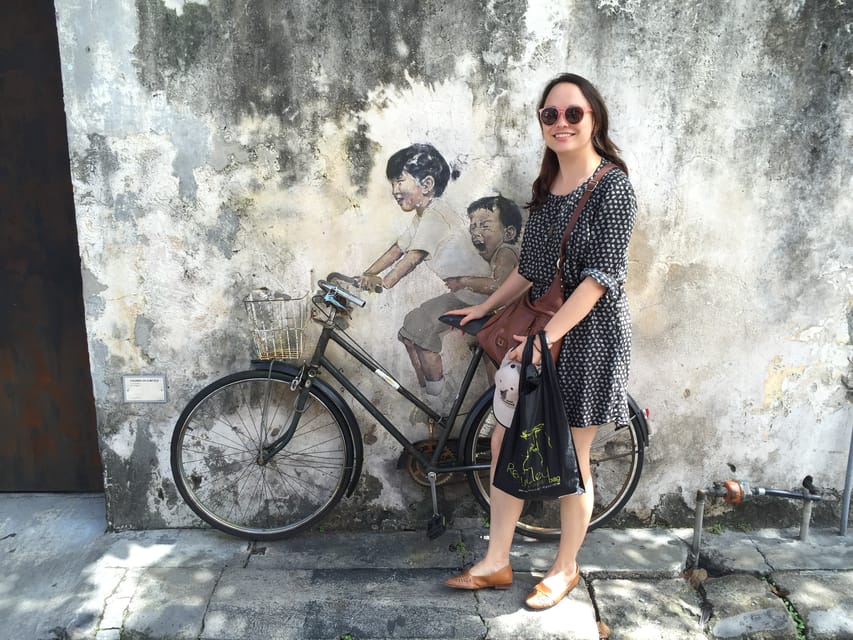
You will also pass Ernest Zacharevic’s well-known street art murals and iron-rod sculptures by local artists. These sights add visual variety between tastings and help you connect the food walk with George Town’s wider Heritage Zone.
The route includes the oldest fire station in town as well. It is a small detail, but these passing landmarks keep the walk from feeling like a series of disconnected snack stops.
Do not expect a guided museum tour of every building. The main subject is food, with culture and architecture woven into the walk. If you want a long, detailed art tour, this is not the right format. If you like learning a little as you move from one bite to the next, it works well.
What the $75 price buys you
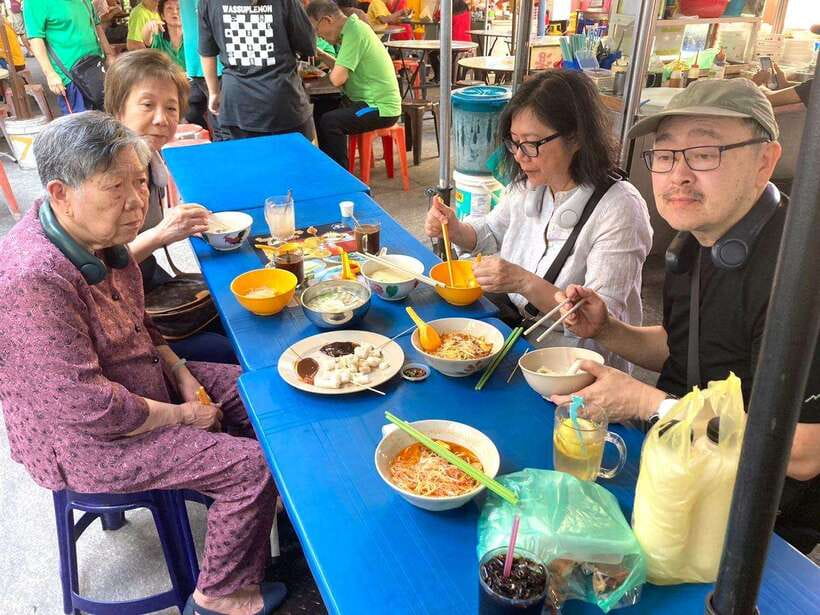
At $75 per person, this is not the cheapest way to eat in Penang. You can spend far less at individual hawker stalls, especially if you already know where to go and what to order.
The value is in the access and explanation. The price includes a licensed local guide, selected food and drinks, cultural background, a small group, and introductions to family-run places. You are paying for a structured route and for someone to connect the dishes with the people who make them.
The small group matters here. With no more than nine participants, a guide can keep the group together in the market and explain unfamiliar foods without needing a loud presentation. The tour also gauges the group’s appetite, which helps reduce waste and leaves space for more tastings.
I would consider the price fair for a first visit to George Town, particularly if you have only one morning or afternoon for food. It is less compelling if you are an experienced Penang eater who already knows Chowrasta Market, local kopitiams, Nyonya cafes, and the best asam laksa stalls.
The rating is based on only three reviews, so treat the perfect score as encouraging rather than final proof. The strongest praise focuses on trying traditional cuisine, the friendly guide, the range of street foods and traditional dishes, and the small-group format.
Timing, clothing, and practical limits
The experience lasts 210 minutes, or three and a half hours. That is long enough for several tastings and cultural stops without taking your entire day.
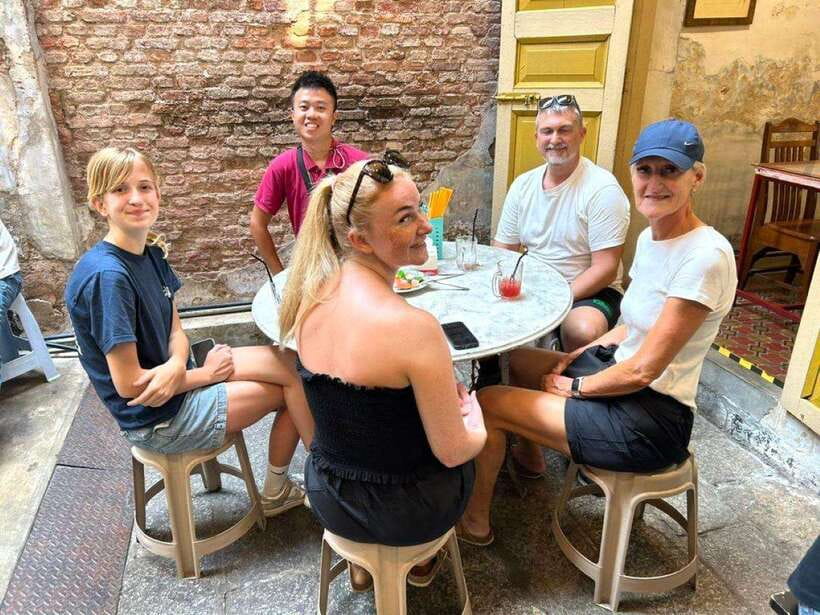
Arrive 15 minutes early at the meeting point. The guide will wear either a white polo shirt marked Simply Enak or a white batik shirt, making them easier to spot.
Wear breathable clothing and comfortable shoes. Bring water and an umbrella. Large bags and luggage are not allowed, so leave suitcases at your hotel or another suitable place before meeting the group.
The activity is listed as wheelchair accessible, but it is also marked as unsuitable for people with mobility impairments. Those statements do not fully agree, so contact the provider before booking if you need specific assistance or use a wheelchair. The route’s walking demands and market conditions may affect your comfort.
The tour is conducted in English, and all guides are licensed. That means the guide is officially qualified to share Malaysia’s story, not simply someone who likes food and knows a few stalls.
Who will enjoy this food walk most
I would recommend it to first-time visitors who want a clear introduction to George Town’s food culture without spending days researching stalls. It also suits people who care about food traditions, family businesses, and the stories behind ordinary-looking snacks.
It is a good match for small-group travelers who prefer conversation over a large crowd. The German guest review specifically praised the friendly guide, the range of traditional dishes, and the small group, which aligns with the tour’s main strengths.
You should think twice if you dislike sour flavors, strong durian aromas, sticky sweets, or foods with unfamiliar textures. You should also skip it if you have a cold, as the activity is not suitable for people who are unwell.
Free cancellation is available up to 24 hours before the activity, and you can reserve now and pay later. Those options help if your George Town plans are still shifting, but they do not change the need to check dietary and mobility concerns before reserving.
Should you book Penang’s street food walk?
Book this tour if you want more than a list of things to eat. The best parts are the 1890s market setting, the 50-year popiah tradition, the Nyonya stop at Moh Teng Pheow, and the way the guide links food to George Town’s mixed communities.
Skip it if your main goal is the lowest possible food bill, if you want a private tour, or if you already know Penang’s classic dishes well. For a first visit, though, $75 buys a useful introduction to the city’s food customs, with enough history and human detail to make each bite easier to remember.
FAQ
How long does the Penang street food tour last?
The tour lasts 210 minutes, or three and a half hours.
What language is the tour conducted in?
The live tour guide speaks English.
How many people are in the group?
The group is limited to nine participants.
Where does the tour begin?
The tour starts at Chowrasta Market in George Town.
What food and drinks are included?
Selected family-run stalls provide food and drinks, including local coffee, nutmeg pickles, durian dodol, asam laksa, and Nyonya kuey. Extra drinks beyond those shared are not included.
What should I bring?
Bring comfortable shoes, an umbrella, water, and breathable clothing.
Can I bring luggage?
No. Luggage and large bags are not allowed on the activity.
What is the cancellation policy?
You can cancel up to 24 hours in advance for a full refund. You can also reserve your place and pay later.
Newest street food walks around Malaysia
- Yummy Yummy Street Food Tasting + Night City Tour(Private Guided)★ 5.0 · 8 reviews
- 3-Hour Private Street Food Walking Tour in Kuala Lumpur★ 4.5 · 6 reviews
- Private Kuala Lumpur Night Market And Food Tour★ 5.0 · 13 reviews
- Authentic Malaysian Street Food Tour With 15+ Tastings Near KLCC★ 5.0 · 68 reviews
- Private Tour : “Lepak-Lepak” at Local Night Market & Mamak Stall★ 4.5 · 4 reviews
- Kuala Lumpur’s Nightlife Secrets and Street Food★ 5.0 · 18 reviews
- Back of the Bike Street Food Experience – Real Penang!★ 5.0 · 27 reviews
- Private Half Day Penang Tasty Local Street Food Tour★ 4.1 · 48 reviews
Malaysia street food tours, side by side.
Kuala Lumpur: Sambal Street Food Tour with 15+ Tastings
Read our review →
The 10 Tastings of Kuala Lumpur With Locals: Private Street Food Tour
Read our review →
Kuala Lumpur Local Street Food Private Walking Tour by Night
Read our review →
Eat Like a Local: Kuala Lumpur Hawker Center and Street Food Tour by Night
Read our review →
Authentic Malaysian Street Food Tour With 15+ Tastings Near KLCC
Read our review →
Private Half Day Penang Tasty Local Street Food Tour
Read our review →
Back of the Bike Street Food Experience – Real Penang!
Read our review →
Penang: Trishaw Ride and Hawker Center Food Tour
Read our review →The lists this tour appears in