
Review · MANILA
Manila: Street Food and Drinks Walking Tour with Tastings
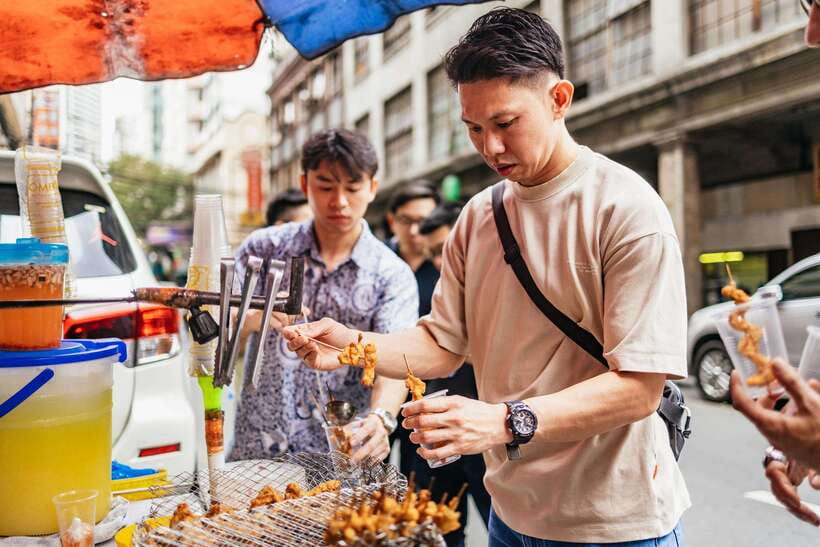
Manila’s best food lessons may happen beside a busy street stall, not in a polished restaurant. This two-hour walk through Binondo and nearby neighborhoods takes you to local vendors for six to ten Filipino tastings, from crisp kwek kwek and sweet turon to pancit, grilled squid, and halo-halo.
I like the way the tour pairs food with local transport, including a jeepney or the famously nicknamed Lamborghini tricycle. I also like the personal touch of guides such as Mari, Tess, Jessie, and Chai, who explain the dishes, answer questions, and help you handle crowded streets. The main drawback is that the tasting leans heavily toward meat and seafood, so it is a poor match for vegetarians, vegans, and anyone with a very cautious appetite.
Key points to know before you book
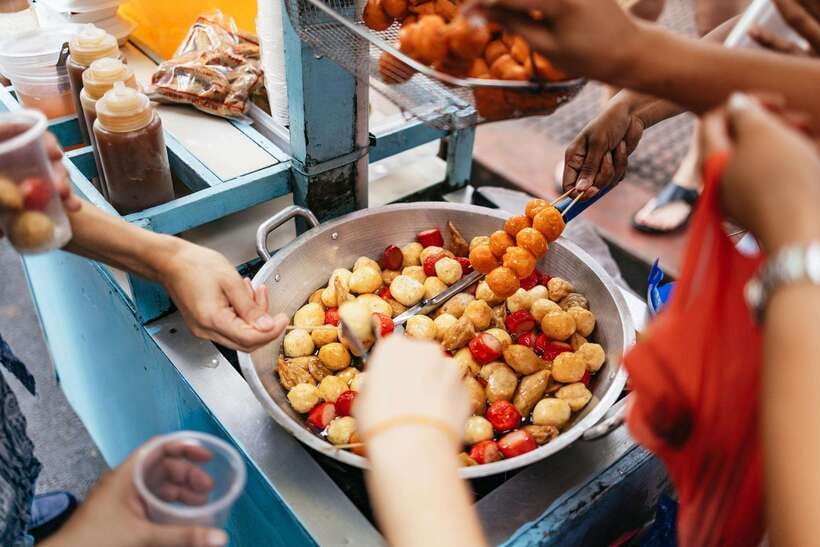
- Six to ten tastings in two hours: Expect a full meal’s worth of Filipino snacks, noodles, soup, grilled food, drinks, and dessert.
- Binondo street life: You walk through local market areas and side streets rather than staying in a tourist restaurant.
- A guide makes the difference: Mari is often named as the guide, with Tess, Jessie, Chai, and others also leading tours.
- Local transport included: The route may include a jeepney ride or a tricycle ride, depending on the day.
- Small group format: The group is limited to about 10 to 12 people, giving you room to ask questions.
- Come hungry and wear good shoes: The food is generous, and the tour runs rain or shine.
Starting at Grand Cafe 1919 in Binondo
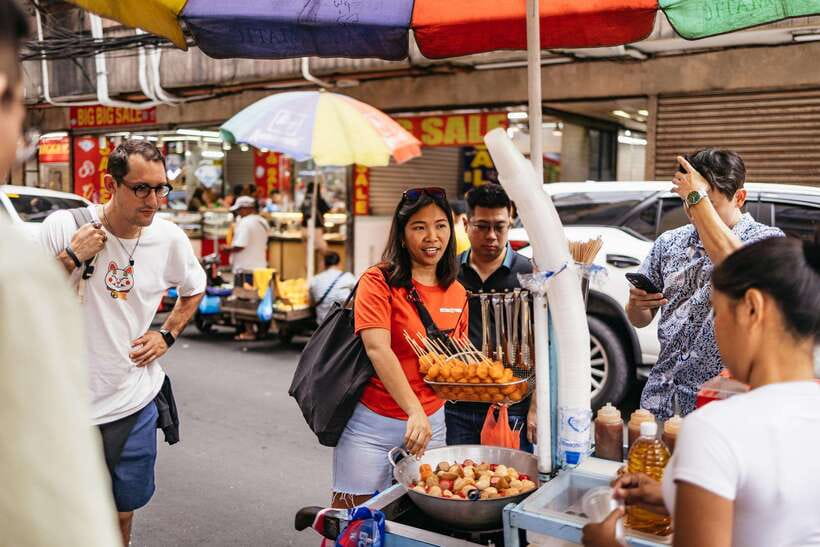
The tour meets at Grand Cafe 1919 in Binondo, Juan Luna Street, Manila. This is a useful starting point because you can meet your guide, use the facilities, and have a drink before setting off.
Binondo gives the walk a strong sense of place. You are not simply sampling Filipino food from a fixed menu. You are moving through an old Manila district, passing open market areas, narrow streets, food stalls, and crowded pedestrian lanes. The setting is part of the meal.
The exact route and dishes can change with availability. That matters on a street food tour. A vendor may be closed, a dish may sell out, or the guide may choose a better option nearby. You should think of the promised food list as a guide to the range of tastings, not a rigid restaurant menu.
The tour is offered in English, with local guides who also speak Tagalog. That language connection helps when ordering, chatting with vendors, and explaining names that do not translate neatly into English.
More Street Food and Drinks Crawls in the Philippines:
- Manila Street Food and Drinks with Tuktuk Experience
★ 5.0 · 4 reviews - Hungry Osaka Street Food Tour:15 Tastings & 3 Drinks with a Local
★ 5.0 · 1,727 reviews - Florence: Street Food Tour with Wine & Local Guide
★ 4.9 · 1,443 reviews
Filipino snacks from banana cue to kwek kwek
The first part of the walk focuses on familiar Filipino street snacks and fried treats. Banana cue is banana coated with caramelized brown sugar, while turon is a sweet fried banana roll. Kamote fries bring sweet potato into the mix.
These are easy places to start if you are new to Filipino street food. They are sweet, crisp, filling, and less intimidating than some of the more adventurous choices later in the walk. I would pay attention to the contrast between the soft fruit and the browned sugar coating, since these simple snacks show how much Filipino street food relies on texture.
Kwek kwek is another likely highlight. These small orange-colored battered eggs are fried and served with dipping sauce. They are fun to eat and photogenic, but the batter and sauce do much of the work, so you do not need to approach them as a challenge food.
Other possible stops include siomai, lumpia, puto bumbong, and fried banana. Puto bumbong is especially associated with Filipino festive food, though availability can vary. The guide can tell you what the item is, how it is normally eaten, and why it matters locally.
The useful part here is not just the number of snacks. Your guide helps turn unfamiliar food into something you can place in context. If you are shy about ordering at a street stall on your own, having someone point out a good starting dish removes much of the guesswork.
Savory stops with pancit, palabok, and soup
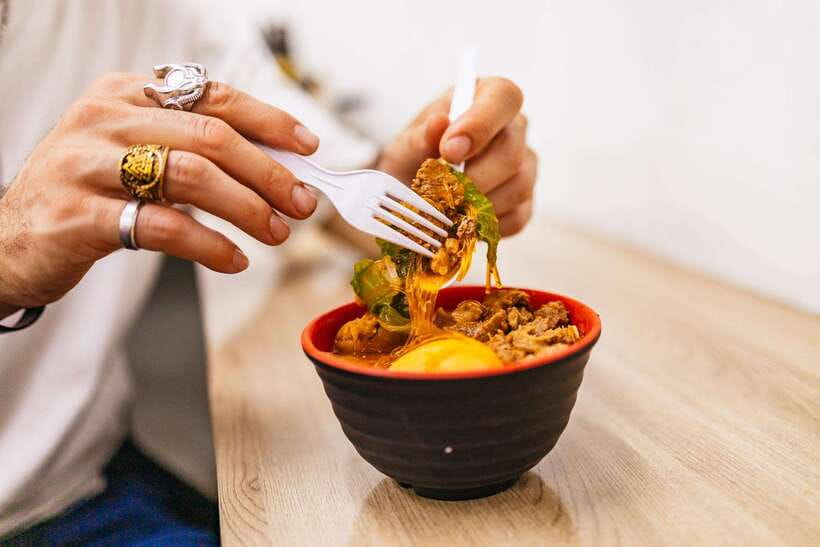
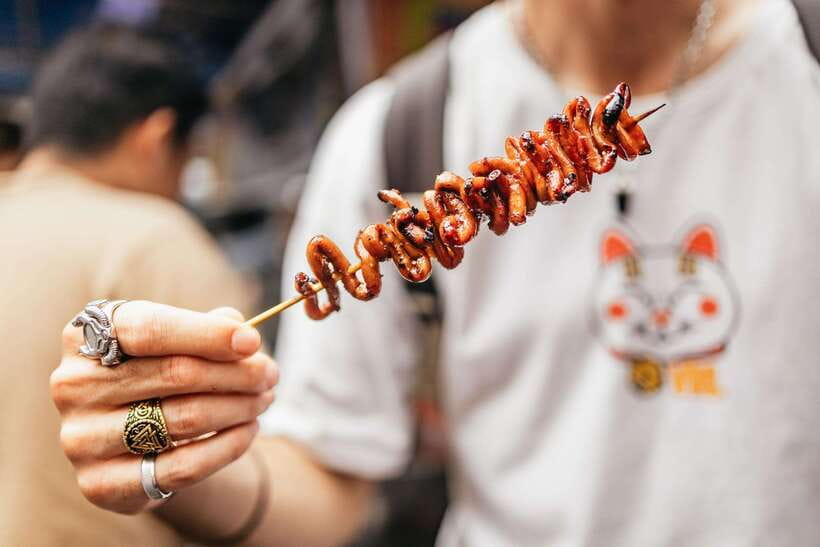
The tour then moves into more substantial food. You might try sotanghon soup, palabok, Filipino pancit, siomai, grilled squid, pork on a stick, fried calamari, or chicken intestine. The food list changes, but the overall pattern is clear: expect a broad sample of Filipino flavors rather than one large sit-down dish.
Pancit gives you a look at the noodle dishes that are central to Filipino home cooking and celebrations. Palabok is usually marked by its sauce and toppings, making it a useful comparison with other noodle dishes on the route. Sotanghon soup provides a warm, softer change after several fried items.
Grilled squid and other skewered foods add a smoky note. They are also a reminder that street food in Manila is not only about fried snacks. Depending on the stalls open that day, you may get seafood, pork, or organ meats.
This is where the tour may test your preferences. The experience is not suitable for vegetarians or vegans because several of the included dishes cannot be replaced. Pregnant women are also listed among those for whom the tour is not suitable. If you have allergies or dietary limits beyond those categories, ask before booking rather than assuming the guide can alter every stop.
The portions are generous for a two-hour activity. I would not eat a full breakfast beforehand. You may want a light meal, especially if you plan to sample each item rather than take only a bite.
Balut and the value of having a guide
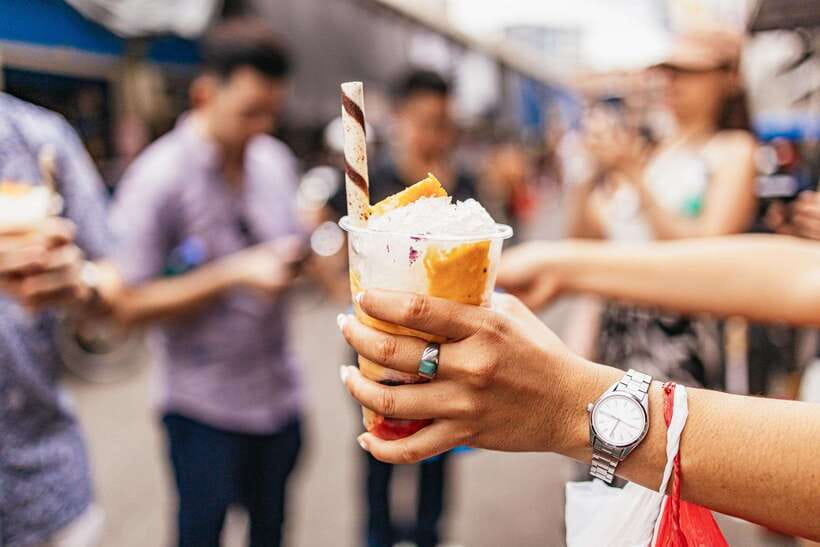
Balut may be available, but it is not listed as a guaranteed tasting. This duck embryo egg is one of the Philippines’ most famous challenge foods, and it can be difficult even for adventurous eaters.
A guide helps here in two ways. First, you get a clear explanation of what you are eating and how locals season it. Second, you can decide for yourself without feeling that you must prove anything. You can try it, take a smaller taste, or pass. The tour works best when curiosity leads the way, not pressure.
The same applies to chicken intestine and other less familiar dishes. The experience gives you a supported introduction to food you might not order alone. That does not make every dish universally appealing, but it does make the choice easier and more informed.
The tour is also useful if you have already eaten Filipino food at home. You may recognize pancit, lumpia, or siomai, yet still enjoy seeing how local stalls prepare and serve them. One guide, Gordon, had grown up with Filipino cuisine and still enjoyed the vendors, neighborhood, and different versions of familiar dishes.
More street food walks around the Philippines:
- Manila Food Tour: Introduction to Philippine Street Food
★ 5.0 · 417 reviews - Manila: Guided Night Market Experience
★ 5.0 · 54 reviews - Makati Street Food Experience end with a Rooftop Bar
★ 5.0 · 33 reviews - Manila Street food and Night Market Tour
★ 4.7 · 21 reviews
Walking through the local side streets
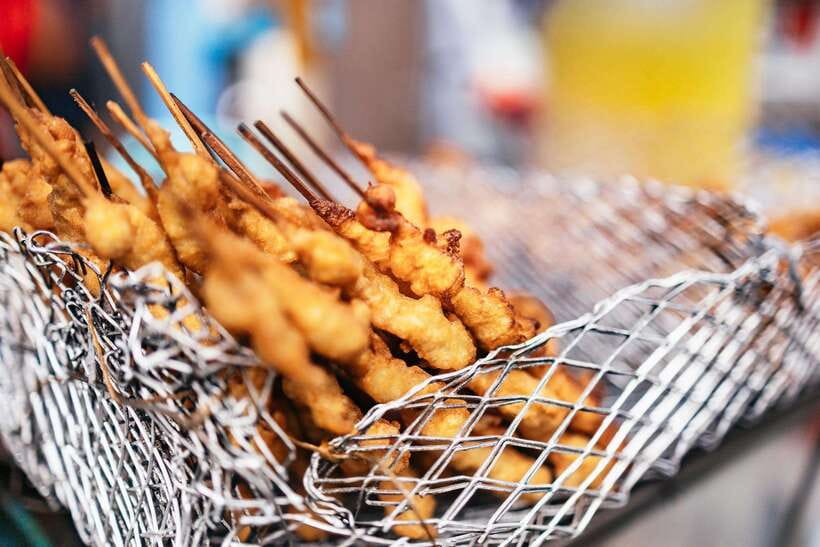
The walking is not just a way to burn off the food. It gives you a look at how people shop, eat, and move through this part of Manila. You pass through both open areas and tight, crowded sections of Chinatown and nearby neighborhoods.
The pace appears to be moderate rather than a forced march. There is time to talk, hear about the area, and stop for food. Still, you should expect uneven city walking, street crossings, heat, and crowded passages. Comfortable shoes are essential.
Some days will be harder than others. A major celebration, such as Chinese New Year, can make Binondo especially crowded and slow to cross. That festive atmosphere can add to the experience, but it also means you may spend more time keeping together and less time moving smoothly.
Small groups help. The group limit is described as 10 to 12 people, with some activity details specifying 10. That is small enough for the guide to keep an eye on everyone, answer questions, and make ordering manageable. Mari has been praised for keeping people together in crowded streets and even helping solo visitors with photos and navigation.
Jeepney or tricycle: a useful local extra
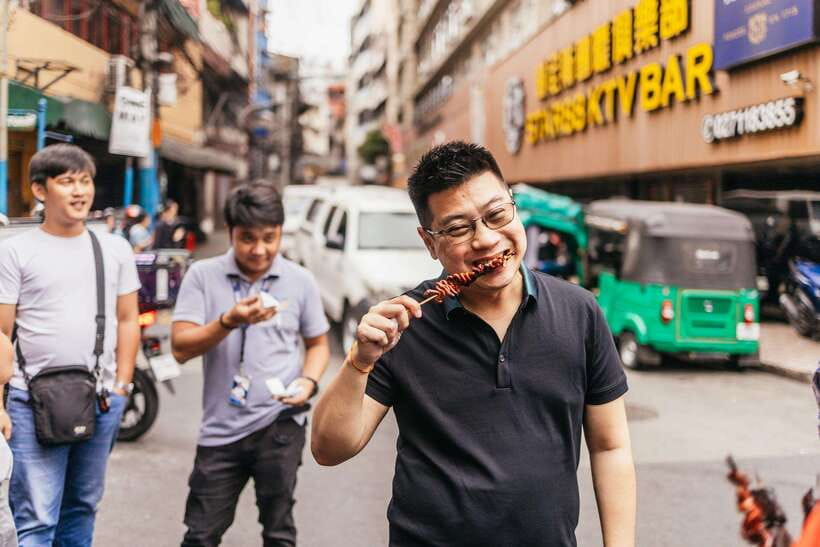
Transportation is one of the tour’s nicest additions. Depending on the route and conditions, you may ride a jeepney or a tricycle. Some descriptions call the tricycle a Lamborghini tricycle, a playful name for a local ride rather than a luxury vehicle.
A jeepney ride can be tricky to arrange on your own, especially if you do not know the route, fare, or boarding routine. Joining one during a guided walk lets you experience an everyday form of transport without having to solve every detail yourself.
The tricycle ride is often used toward the end of the tour, sometimes taking you back toward the cafe. It is a short but memorable change of pace after walking through markets and side streets.
The transportation is not guaranteed in one fixed form. One tour participant specifically noted that a jeepney ride did not happen on that day. Book this for the food and neighborhood access first, and treat the vehicle ride as an added benefit.
Finishing with halo-halo and a drink
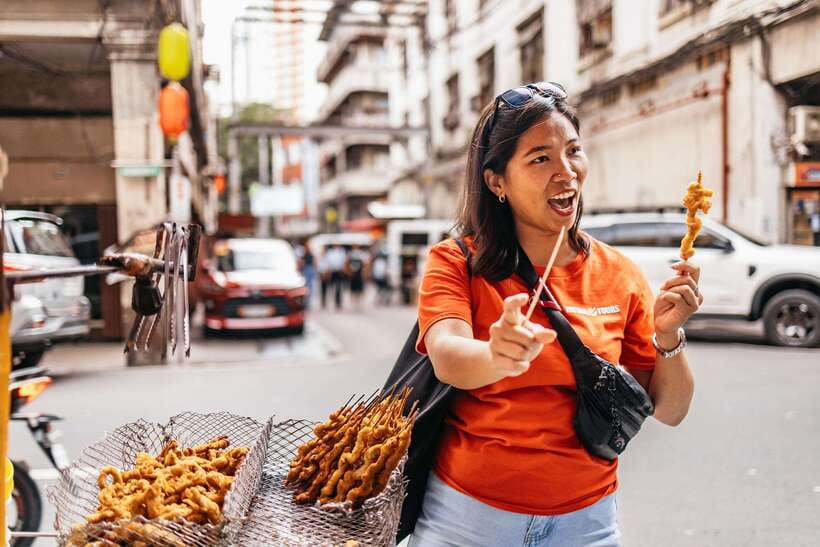
A Filipino food walk needs a sweet finish, and halo-halo fills that role. This cold dessert combines several ingredients, colors, and textures, making it a fitting contrast to the fried and savory food earlier in the route.
You may also receive water, refreshing juice, buko juice, or another local drink. Drinks matter in Manila’s heat, especially when you are walking between stops. One guide was praised for pacing refreshments well during the walk, which is practical rather than decorative.
Do not expect a tiny dessert sample after a light tasting. By the time halo-halo arrives, you may already feel full. Save room if you can, but do not force yourself to finish every item. The guide can explain the dessert and help you decide how much to try.
Ending near the meeting point, sometimes with a tricycle ride back to the cafe, makes the tour easy to fit into a day of sightseeing. You can continue exploring Binondo afterward or use the starting point as a reliable place to regroup.
What the $68 price really covers
At $68 per person, this is not the cheapest way to eat in Manila. You could buy individual street snacks for far less. The value comes from the number of stops, the guide, the local transport, and the access to stalls you may not find easily on your own.
You are paying for a structured route through a busy area, help with unfamiliar food, cultural explanation, and a meal-sized set of tastings. If you tried to recreate the same experience alone, the food would cost less, but you would need to identify vendors, navigate crowded streets, understand what to order, and decide which dishes are worth your time.
The price makes the most sense for a first visit, a short stay, or a solo traveler who wants company and practical help. It is less compelling if you already know Binondo well, speak Tagalog, and feel comfortable ordering from local stalls.
The food is also generous enough that the tour can replace lunch for many people. That improves the value, though it also means you should not schedule a large meal immediately afterward.
Guides who make the food easier to understand
Mari receives the strongest praise, with repeated comments about her energy, warmth, humor, history explanations, and care in crowded streets. She is also described as someone who takes photos and helps solo visitors feel included.
Other guides named in the feedback include Tess, Jessie, Chai, and Maria. The tone may vary by guide, but the tour depends heavily on the person leading it. A good guide does more than point at food. They explain the area, introduce the stalls, pace the tastings, and help you ask questions.
I like that the format encourages conversation. You are not listening to a long lecture while walking. You can ask about ingredients, customs, local life, and the neighborhood as questions come up.
The experience is limited to English, though the guides also speak Tagalog. If you want a formal food history lecture, this may feel informal. If you prefer a friendly walk with stories, tastings, and plenty of questions, that style should suit you.
Who should book this food walk
I would recommend it to first-time visitors who want a direct introduction to Filipino food. It is also a good choice for adventurous eaters, solo visitors, couples, and anyone nervous about trying street food without help.
Families can bring children aged three to seven with guidance. The city streets, heat, crowds, and strong flavors may be tiring for young children, so adults should be ready to manage the pace and food choices.
You should skip it if you are vegetarian or vegan, since several dishes cannot be eaten on those diets. It is also not suitable for wheelchair users, pregnant women, or people who need a fully controlled food environment.
Wear comfortable shoes, bring questions, and plan for rain or shine. The tour is a walking activity, and the meeting point is also the pickup point. Book at least 24 hours before the start time, and check the available departure time when you reserve.
One practical note deserves attention: the supplied location information says Nueva Vizcaya, while the meeting point and the actual route details place the experience in Manila’s Binondo area. Confirm the city, meeting point, and pickup instructions on your booking confirmation before setting out.
Should you book it?
Book this tour if you want Filipino food, local streets, and everyday transport in one compact experience. The strongest reason to go is not any single snack. It is the combination of a generous tasting route and a guide who can make an unfamiliar part of Manila easier to navigate.
The $68 cost is fair if you value guidance and access more than bargain eating. Come hungry, expect meat and seafood, and stay open to dishes such as kwek kwek, grilled intestine, balut if available, and halo-halo.
Skip it if you need vegetarian food, dislike crowded walking routes, or prefer to choose every dish yourself. For everyone else, this is a practical way to get a first taste of Manila beyond hotel restaurants and familiar tourist stops.
FAQ
Where does the Manila street food tour meet?
The meeting point is Grand Cafe 1919 in Binondo, on Juan Luna in Manila.
How long does the tour last?
The tour lasts two hours. Check the available start times when booking.
How many people are in the group?
The tour is a small-group experience limited to about 10 to 12 participants. Some activity details specify a maximum of 10.
What food is included?
The listed tastings include banana cue, kamote fries, turon, kwek kwek, siomai, sotanghon soup, palabok, Filipino pancit, grilled squid, mango with shrimp paste, halo-halo, and drinks such as water or refreshing juice. The exact selection depends on what is available.
Is transportation included?
The experience includes a local transportation element, described as a jeepney ride or a tricycle ride. The exact vehicle is not guaranteed on every tour.
Is the tour suitable for vegetarians or vegans?
No. The tour is not suitable for vegetarians or vegans because several included dishes cannot be eaten on those diets.
What should I bring?
Bring comfortable shoes. The tour is a walking experience and takes place rain or shine.
Can children join?
Children aged three to seven may join with guidance. Adults should be prepared to supervise them during the walking and food stops.
Newest street food walks around the Philippines
- Makati Street Food Experience end with a Rooftop Bar★ 5.0 · 33 reviews
- Manila Night Market and Food tour experience with Local guide★ 5.0 · 2 reviews
- Manila Night Market Experience with Local Guide★ 5.0 · 10 reviews
- Makati Street Food tour Experience★ 5.0 · 16 reviews
- Manila Street Food and Drinks with Tuktuk Experience★ 5.0 · 4 reviews
- Makati: Street Food Experience with a Local Guide★ 4.6 · 14 reviews
- Makati Street food walking tour with Dinner★ 5.0 · 3 reviews
- Makati Street food Tour, End with a Rooftop City View★ 4.7 · 9 reviews
Manila street food tours, side by side.
Manila Food Tour: Introduction to Philippine Street Food
Read our review →
⭐ Manila Street Food Tour in the Downtown, Eat and Drink⭐
Read our review →
Makati: Street Food Experience with a Local Guide
Read our review →
Manila Street Food and Drinks with Tuktuk Experience
Read our review →The lists this tour appears in