

Review · BOLIVIA
La Paz: Street Food Walking Tour
La Paz serves up its city story one bite at a time. This four-hour walk links Lanza Market, Murillo Square, Rodriguez Market, and the Witches Market, with traditional food along the way and a final stop near San Francisco Church. It is a useful choice if you want your first look at central La Paz to include both history and lunch-sized tastings.
I like the route for two clear reasons: the food is tied to ordinary city markets, not just a restaurant menu, and the English-speaking guides can add local context as you walk. I also like the chance to hear about La Paz from guides such as Erwin, Christian, and Chris, who have been praised for their warmth and personal help.
The serious drawback is reliability. Two recent bookings reported that the guide did not arrive, with one customer also reporting a duplicate charge. Confirm the meeting details shortly before you go, and keep cancellation and refund information handy.
Key points to know before you book
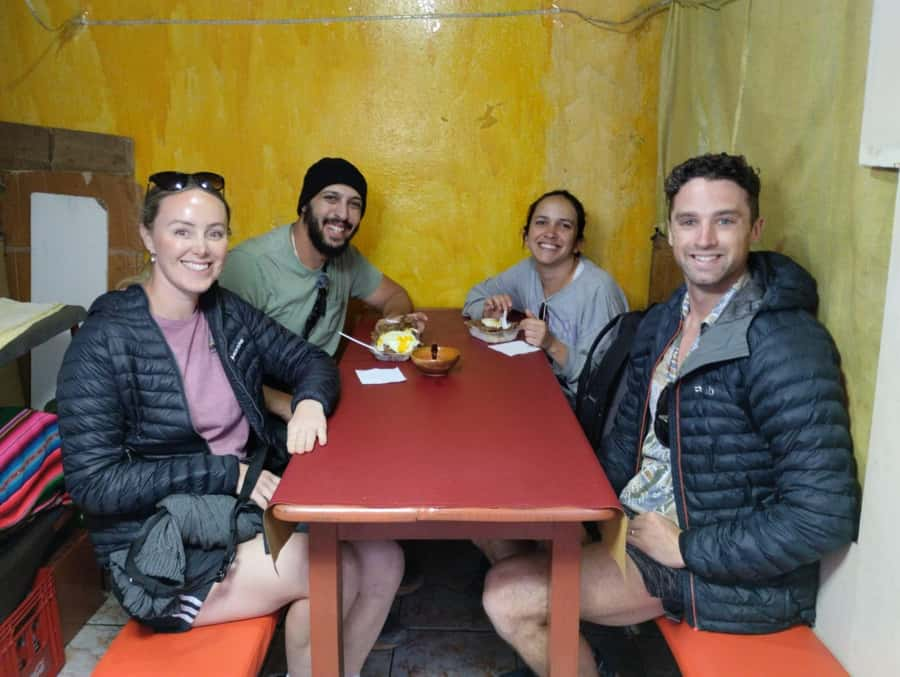
- Meet the green umbrella at 2 p.m.: The meeting point is Riosinho Square, near Jaen Street.
- Four hours on foot: Expect a central La Paz route with several food stops and market visits.
- Several tastings are included: The price covers the guide and the different food and drink samples.
- The tour is for carnivorous eaters: The description says it is available only to people who eat meat.
- Guides can shape the experience: Erwin, Christian, and Chris have received especially warm personal praise.
- Booking reliability needs care: Recent no-show and double-charge complaints are too serious to ignore.
A street-food introduction to La Paz
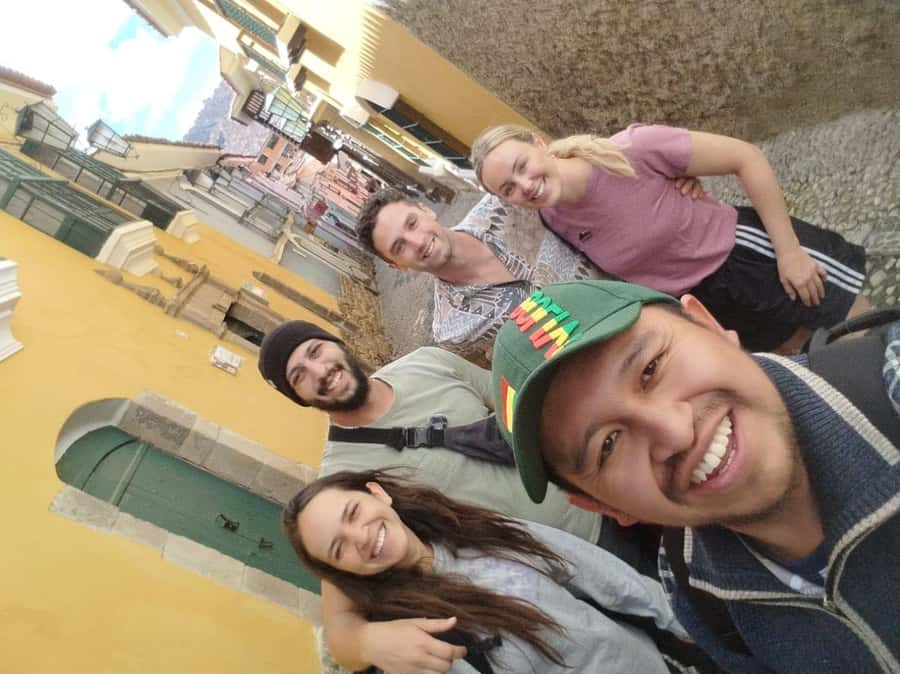
At $19 per person, this is priced as an inexpensive way to combine a walking tour, a city orientation, and several tastings. You are not paying for a long sit-down meal. You are paying for a guide-led route through central La Paz, with small portions that show how local food fits into daily life.
That distinction matters. If you want a polished culinary class or a carefully designed restaurant crawl, this will feel basic. If you want to walk through working markets, try several traditional flavors, and learn where you are as you move between stops, the price looks fair.
The tour lasts about four hours and begins at 2 p.m. in English. That gives you enough time to see several parts of the center without rushing from one tasting to the next. Still, you should expect a real walking outing. Bring comfortable shoes, water, sunscreen, sunglasses, and a camera.
La Paz weather can change quickly. The instructions specifically suggest layers, a jacket or pullover, an umbrella, and clothes for warmer conditions. That is sensible advice for an afternoon outside. A small snack is also recommended, though the included tastings should provide food along the route.
More street food walks around the world:
- Dubai: Old Town, Creek, Museums, Souks, & Street Food Tour
★ 4.8 · 10,816 reviews - Ho Chi Minh City Street Food Tour & Sightseeing By Motorbike
★ 5.0 · 9,413 reviews - Medellin: Comuna 13 Graffiti Tour, Cable Car & Street Food
★ 4.8 · 9,046 reviews
Finding the green umbrella at Riosinho Square
The meeting point is Riosinho Square, close to Jaen Street, one of the city’s best-known colonial streets. Look for the guide with the green umbrella, an important detail that could save you from wandering around a busy central area looking for the group.
Jaen Street gives the outing a good opening setting. You begin near historic buildings and quickly move into the wider center, so the first part of the walk helps connect old La Paz with the markets and streets where people shop and eat today.
The meeting time is 2 p.m. for the English tour. Arrive early enough to find Riosinho Square without pressure. The details do not specify group size, hotel pickup, or private transport, so plan on meeting the guide there and walking for the duration.
One practical concern deserves plain treatment. Some bookings have resulted in the guide not appearing, and one customer reported being charged twice. That is not a minor inconvenience when you have only a few days in La Paz. Before setting out, check your booking confirmation and make sure you know the provider’s contact and refund process.
Lanza Market and your first Bolivian drink
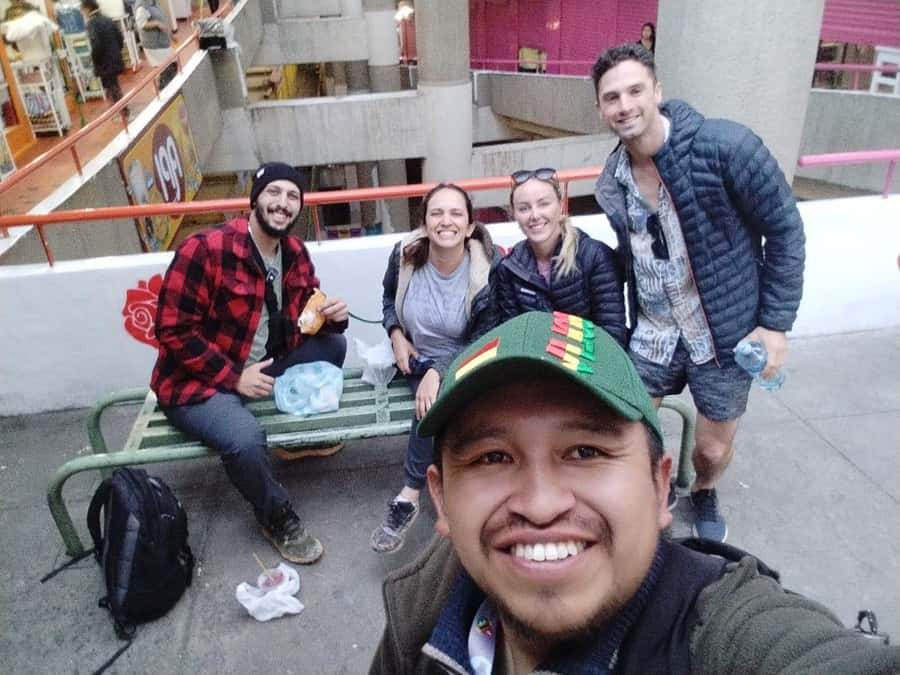
The first major stop is Lanza Market, one of the best places on this route to see the everyday side of central La Paz. Instead of beginning with a formal explanation in a museum, you start among food sellers and market activity.
Here you taste a traditional Bolivian drink. The exact drink is not named, so you should not book this expecting a particular beverage. The value is in trying something local with an explanation of what it is and how it fits into the city’s food culture.
Market visits can be sensory and crowded, and they are not designed like a restaurant. You may find narrow passages, quick service, and unfamiliar ingredients around you. That is part of the appeal, but it also means you should stay close to the guide and keep your belongings secure.
The first tasting also gives you a chance to see how the tour works. You are not simply handed food and sent along. The guide is meant to connect what you taste with La Paz’s history and daily routines. Guides praised in personal feedback, including Erwin and Chris, were especially good at explaining customs and food etiquette.
Murillo Square and the city’s main sights
From Lanza Market, the group continues to Murillo Square, the city’s main square. This is the historical pause in the walk, giving you time to look beyond food and understand the central setting of La Paz.
The tour promises information about the city’s history as you walk. The exact length of the explanation at Murillo Square is not given, so think of it as part of a moving city tour rather than a dedicated historical lecture.
I like this pairing of market and square. Food alone can become a string of samples without context. A public square alone can feel like a quick photo stop. Together, they give you a better sense of how La Paz’s civic center and commercial streets sit alongside one another.
Keep your expectations practical. This is not advertised as a specialist architecture tour, and the itinerary does not list entry to museums or historic buildings. You will see the main central sights from the walking route while the guide explains the city around you.
Same streets, a different set of bites:
- Dubai: Old Town, Souks, Street Food, Guided Tour & Abra Ride
★ 4.9 · 7,170 reviews - Naples: Street Food Walking Tour with Local Guide
★ 4.9 · 4,976 reviews - Small Group Hanoi Street Food Tour with a Real Foodie
★ 5.0 · 4,682 reviews - Rome: Street Food Tour with Local Guide
★ 4.8 · 4,077 reviews
San Pedro and a more complicated side of La Paz
The next point is San Pedro, described as a particular and famous prison. You should understand the wording carefully. The route says you will visit San Pedro, but it does not promise an interior prison tour or entry inside the facility.
The stop is paired with another typical Bolivian dish. That makes it one of the more unusual parts of the route, since the guide uses a place associated with La Paz’s difficult and distinctive urban story as a backdrop for discussing local food and life.
This is also where a thoughtful guide matters most. The subject may be handled in different ways, and you should listen for context rather than treating the prison as a novelty. The tour description calls it particular, but provides no further detail about access or what you will see.
One customer credited guide Christian with being especially patient during the walk after altitude sickness became a problem. He helped find medicine at a pharmacy, according to that account. Do not treat that as a promised medical service, but it is a reminder to tell your guide early if the altitude is affecting you. Take the walk at a manageable pace and carry water.
Rodriguez Market, fruit, and the daily shopping route
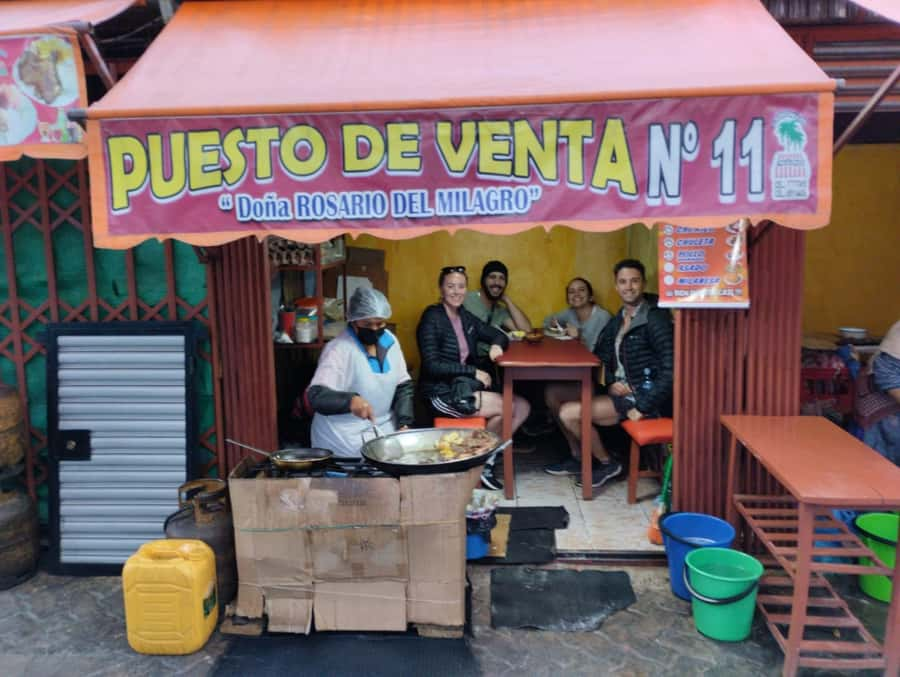
After San Pedro, the walk continues to Rodriguez Market, described as a popular market for vegetables and fruit. This changes the focus from prepared food to the ingredients that feed the city.
It is a useful stop for anyone curious about more than the finished dishes. You may see the produce side of La Paz’s food system and get a sense of how local shopping works. The information does not list a specific fruit tasting here, so the market’s main value is the setting and the guide’s explanation.
The route is also becoming a substantial afternoon on foot. Four hours can pass quickly when stops are spread across central La Paz, but it can feel long if you are adjusting to altitude or wearing poor shoes. Comfortable footwear is essential, and a light snack may help if you are not used to the tasting schedule.
There is no stated transport between markets, so assume you will walk. That is good for seeing more of the city, but less suitable if you need a low-effort outing.
The Witches Market and another local bite
The Witches Market is one of La Paz’s most recognizable stops. The name refers to the market’s unusual goods and spiritual traditions, and it gives the guide another chance to explain a side of local culture that you would likely miss on a standard restaurant visit.
The tour includes another tasty food stop here. Again, the exact dish is not specified. That uncertainty can be a benefit if you enjoy surprises, but it makes the experience harder to assess if you have strict dietary needs or want to plan around a particular dish.
The market can also be a place where you want to look carefully and ask questions. A guide can help explain what you are seeing without turning local beliefs into a cheap joke. The tour’s strongest personal feedback came from guides who explained not only food but also customs and table manners, so ask questions as you go.
The tour is specifically described as suitable only for carnivorous people. If you are vegetarian, vegan, pescatarian, or simply avoid meat, this is not presented as a flexible food experience. There is no stated vegetarian alternative.
San Francisco Church and the final tasting
The final stop is San Francisco Church, one of the main landmarks in central La Paz. The tour closes here with another Bolivian food tasting, giving the afternoon a clear endpoint rather than leaving you to find your way back from a market.
The description does not say that church entry is included, so do not assume you will go inside. The church is the ending landmark and meeting area for the final food stop, not necessarily a guided interior visit.
Ending at San Francisco Church is practical. It leaves you in a central part of La Paz, close to other city sights and streets you can explore later. You can also use the guide’s final explanations to decide where to go for dinner or what foods to seek out on your own.
By this point, you will have tried several flavors rather than one large meal. Some people will appreciate the variety. Others may find the portions too small, which is why bringing a snack is sensible even though tastings are included.
What the guide can add to the food
The food matters, but the guide may be the deciding factor. The best personal feedback names Erwin, Christian, and Chris, with praise for explaining city life, traditions, food customs, and history.
One guide was praised for adapting to a participant with altitude sickness. Another was praised for taking two women around the city while making them feel comfortable and secure. Those details suggest the human side of the tour can be strong when the assigned guide is attentive.
You should not assume you will receive one particular guide, since the booking details do not guarantee a name. If choosing a guide matters to you, ask the provider before booking. The guide’s personality and care will shape how much you gain from the markets, because the itinerary itself is fairly straightforward.
The mixed operational record is the counterweight. Several experiences appear to have gone well, but two recent bookings reported no guide and one reported a duplicate charge. I would not ignore those complaints simply because the food and guiding can be excellent. Confirm everything, keep proof of payment, and know how to request a refund.
Who will enjoy this four-hour walk
This tour suits you best if you:
- Eat meat and want to try several local foods.
- Prefer markets and streets to a formal dining room.
- Want a broad first look at central La Paz.
- Enjoy learning about food customs and city history from a guide.
- Can walk for four hours and cope with changing weather.
- Are comfortable with a route that does not name every dish in advance.
It is a weaker match if you need vegetarian food, dislike open markets, want a fixed menu, or have difficulty walking at altitude. It is also not the right pick if a no-show would seriously disrupt a tight schedule unless the provider confirms the booking close to departure.
At $19, the value is good when the tour operates as planned. The included tastings, English guide, and city route give you more than a simple food purchase. The price does not erase the need to check reliability.
Should you book the La Paz Street Food Walking Tour?
Book it if your priority is an affordable, meat-focused introduction to La Paz through markets, landmarks, and small traditional tastings. The route has a useful shape, and guides such as Erwin, Christian, and Chris have shown how much warmth and local explanation can add.
I would book only after confirming the 2 p.m. meeting, the green umbrella at Riosinho Square, and the reservation with RealTours Bolivia. If you are on a tight schedule, keep a backup plan for the afternoon. The food and route deserve consideration, but the recent no-show and double-charge reports make careful confirmation essential.
FAQ
Where does the tour meet?
The tour meets at Riosinho Square, close to Jaen Street in La Paz.
What time does the English tour begin?
The English tour begins at 2 p.m.
How long does the tour last?
The tour lasts approximately four hours.
What language is the tour offered in?
The live tour guide operates in English.
What food and drinks are included?
The price includes different Bolivian tastings. The route mentions a traditional drink at Lanza Market and food tastings at several later stops, but it does not name every item in advance.
Is the tour suitable for vegetarians?
The description says the tour is available only for carnivorous people. No vegetarian alternative is listed.
What should I bring?
Bring comfortable walking shoes, water, sunscreen, sunglasses, a camera, and layers for changing weather. Suggested clothing includes a jacket, pullover, or umbrella, along with an outfit for warmer conditions. Snacks are also recommended.
Is cancellation available?
You can cancel up to 24 hours in advance for a full refund. The booking option also allows you to reserve now and pay later.
Newest street food walks around the world
- Old Delhi Cultural, Temples, Heritage Walking Street Food Tour★ 5.0 · 57 reviews
- Old and New Delhi Street Food Sampling★ 5.0 · 3 reviews
- Old Delhi Tour by Tuk-Tuk Street Food and Shopping Experience★ 5.0 · 12 reviews
- Customized Half Day and Full Day Delhi Shopping, Street Food Tour★ 5.0 · 52 reviews
- Delhi: Street Food Crawl (2 Hours Guided Food Tasting Tour)★ 3.5 · 18 reviews
- Taste Famous & Best Street Food of Old Delhi (Jama Masjid)★ 3.0 · 2 reviews
- Spice & Stories: 3-Hour Old Delhi Heritage Food Walk Guided Tour★ 4.5 · 36 reviews
- Old Delhi Street Food and Spice Market Tour★ 5.0 · 81 reviews