
Review · MALAYSIA
George Town: Heritage Walking Tour with Street Food Tasting
George Town’s best introduction may be the one that moves between a colonial clock tower, Taoist incense, Hindu temple color, Islamic architecture, and a plate of local food. This four-hour walk brings those pieces together without a bus or a padded sightseeing script. You start at Whiteaways Arcade and finish with a better sense of how Penang’s cultures share the same streets.
I like the small group of eight and the way the route links major sights with everyday food traditions. I also like the guides’ personal touch: Erina has helped visitors try nutmeg drink and sardine samosas, while Pooi Ling has led a well-paced mix of food, culture, and history.
The main thing to consider is the walking. George Town can be hot, and this tour is not suited to wheelchair users, people with mobility impairments, or children under six. You will need covered shoulders and knees for religious sites, plus comfortable shoes and water.
Key points to know before you book
- Four hours on foot: Expect a steady walking tour through central George Town, with stops for landmarks, temples, architecture, and food.
- A compact group: The tour is limited to eight participants, which gives you a better chance to ask questions and keep pace with the guide.
- Food with cultural context: Street-food sampling is included, with local specialties and drinks such as nutmeg drink and sardine samosas possible along the way.
- A cross-section of Penang: The route may include Anglican, Taoist, Hindu, and Islamic places of worship.
- English-speaking guides: The tour is conducted in English by a certified guide. Erina and Pooi Ling have led particularly personal and well-paced outings.
- Prepare for heat and religious sites: Bring sunscreen, a hat, an umbrella, water, and tissues or hand sanitizer. Dress modestly.
Why this four-hour walk works for a first look at George Town
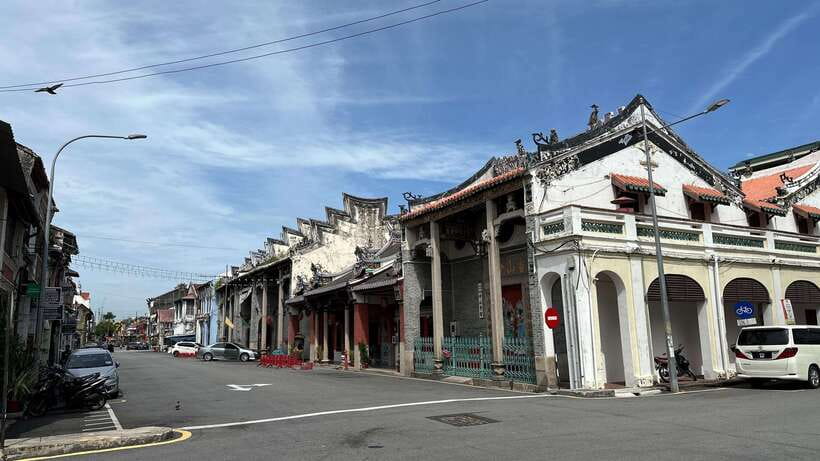
George Town is easy to admire in pieces. One block gives you colonial facades, another brings temple smoke and carved doors, and the next offers a food stall serving something you may not recognize. The strength of this tour is its order. You are not simply ticking off buildings. You are seeing how the city’s British, Chinese, Indian, and Muslim influences sit close together.
The meeting point is at Whiteaways Arcade, between JAJUJE Coffee and Saigon Bowl Cafe. That detail matters because the exact spot can be easier to miss than a major monument. I would arrive early, check the cafe landmarks, and have water ready before the walking begins.
The group size is limited to eight. That is a useful middle ground: small enough for conversation, but not necessarily a private tour. One booking became a private experience, but you should treat that as a possibility rather than a promise. A small group also helps at food stops, where a large crowd can make ordering and listening awkward.
The guide leads in English and is included in the price. The strongest part of the experience is likely to be the explanation between stops. George Town’s buildings are attractive on their own, but the reasons behind their religious and colonial details are what make the walk worthwhile.
Food walks with the history told around Malaysia:
- Palermo: Street Food and History Walking Tour
★ 4.9 · 1,486 reviews - Walking Tour and street food Tour Palermo / History and Food
★ 5.0 · 386 reviews - Discover Palermo in 3 hours. Art, history, markets and street food
★ 5.0 · 352 reviews
The Queen Victoria Memorial Clock Tower and Esplanade
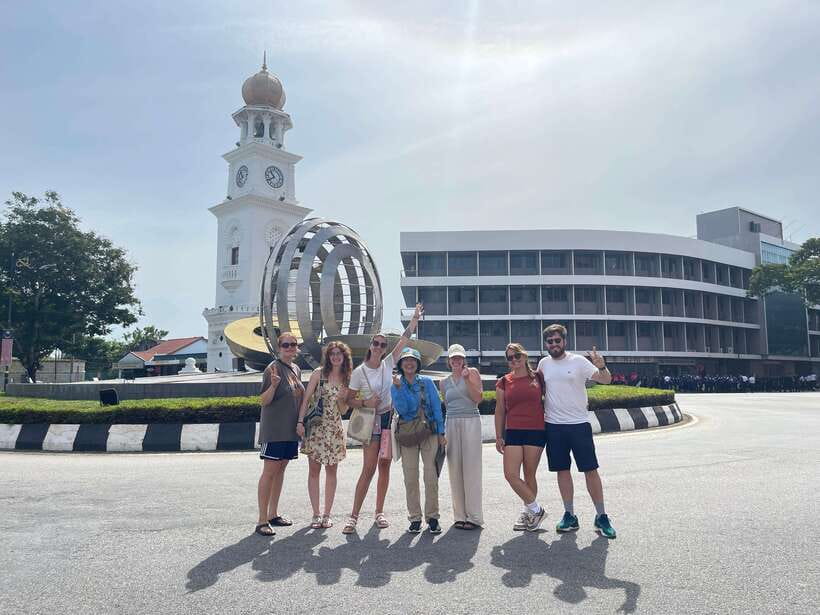
The Queen Victoria Memorial Clock Tower gives the route an immediate colonial marker. It is a useful place to consider George Town’s position under British influence and to see how civic buildings once expressed imperial power. You get more from the stop if you look beyond the tower itself and notice how it relates to the open space and older structures around it.
The Esplanade adds breathing room to the walk. After moving through streets and built-up lanes, the open waterfront area gives you a different view of George Town’s setting. The tour includes its historical importance as well as its views, so this is not just a quick photo stop.
I like the pairing of these two places. The clock tower shows formal civic George Town, while the Esplanade gives you space to understand the city’s public face. The drawback is that neither stop is likely to satisfy someone looking for a long museum visit. This is a walking overview, not a detailed architectural study.
St. George’s Church and George Town’s colonial layer
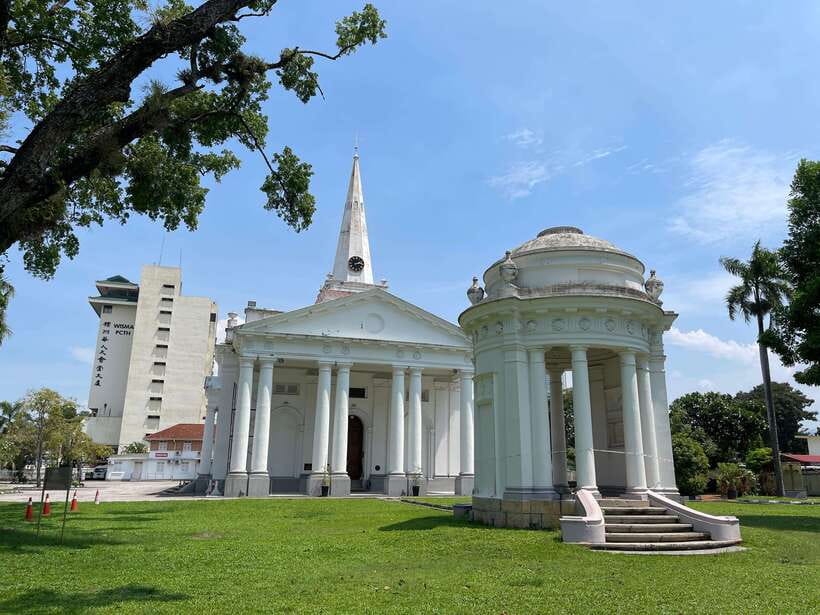
St. George’s Church is identified as the oldest Anglican church in Southeast Asia. That makes it more than another old building on a route packed with old buildings. Its presence helps explain the British chapter of Penang’s past and adds a different religious tradition to a tour that later visits Taoist, Hindu, and Islamic sites.
The value here comes from comparison. You are not seeing the church in isolation. It appears as one part of a city where different communities built places of worship near one another. A good guide can help you read those buildings as evidence of George Town’s social mix rather than as disconnected attractions.
Dress with care. The tour may visit religious sites if time permits, and the stated requirement is that your knees and shoulders be covered. That is good practice for the church and especially important for the temples and mosque later in the route.
The Goddess of Mercy Temple and living religious practice
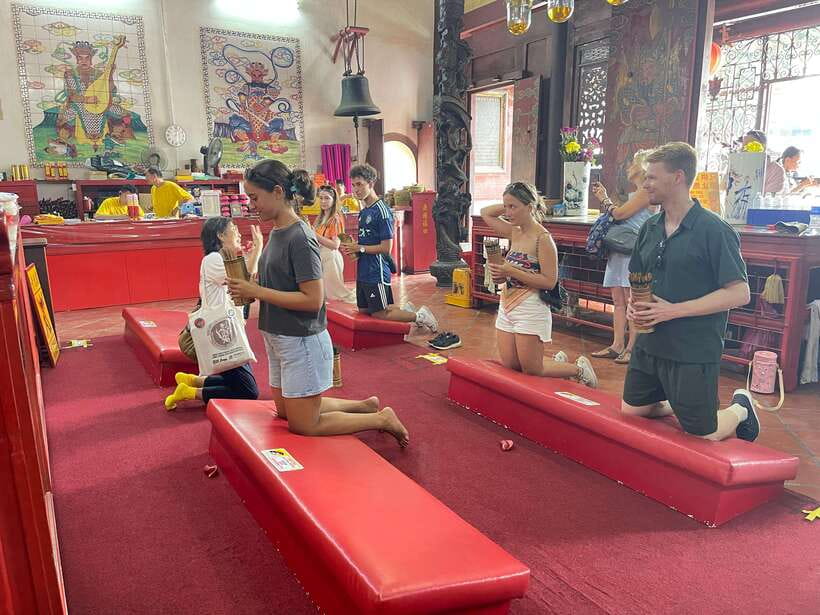
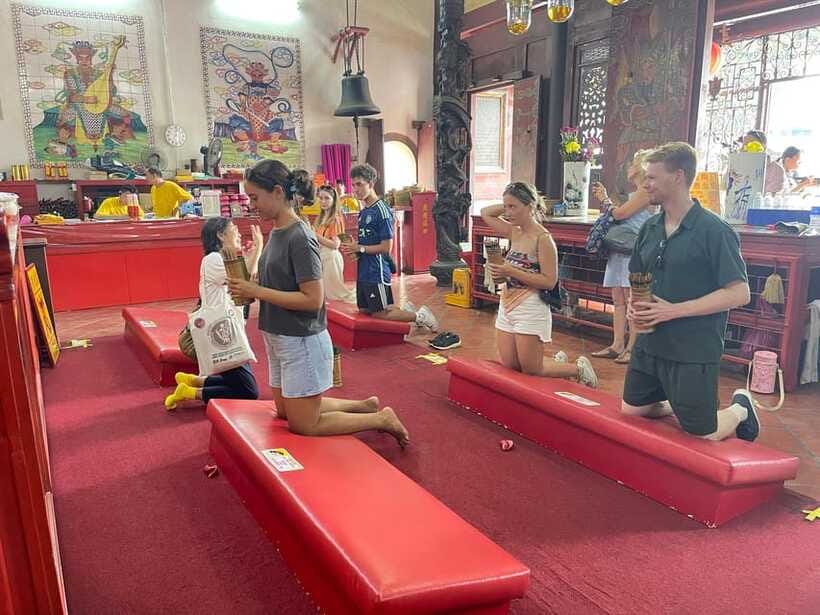
The Goddess of Mercy Temple brings the walk into a more active religious setting. It is described as a lively place for Taoist devotees, which means you should expect a site used for worship, not a monument arranged only for sightseeing.
That distinction matters. Keep your voice down, follow the guide’s instructions, and avoid treating ritual activity as a photo backdrop. Flash photography is not allowed on the tour, so bring a camera only if you can use it respectfully and without flash.
One especially appealing detail is that the experience can include a religious ritual. The exact ritual is not guaranteed, but the possibility gives the visit more depth than simply looking at the roofline and decorations. You may learn how the place functions for worshippers, which is often more useful than memorizing dates.
The temple can also be a change of pace. Colonial landmarks ask you to look at architecture and public history. Here, you are asked to notice faith in daily use. That contrast is one reason the route feels broader than a standard city walk.
More street food walks around Malaysia:
- Kuala Lumpur: Sambal Street Food Tour with 15+ Tastings
★ 4.9 · 1,657 reviews - The 10 Tastings of Kuala Lumpur With Locals: Private Street Food Tour
★ 5.0 · 249 reviews - Kuala Lumpur Local Street Food Private Walking Tour by Night
★ 4.5 · 224 reviews - Eat Like a Local: Kuala Lumpur Hawker Center and Street Food Tour by Night
★ 5.0 · 198 reviews
Sri Mahamariamman Temple and Masjid Kapitan Keling
The Sri Mahamariamman Temple adds Hindu heritage to the sequence. Along with the church and Taoist temple, it helps you see how many traditions have shaped George Town. The tour does not present the city as one single culture with a few decorative additions. It connects several communities through places that still carry religious meaning.
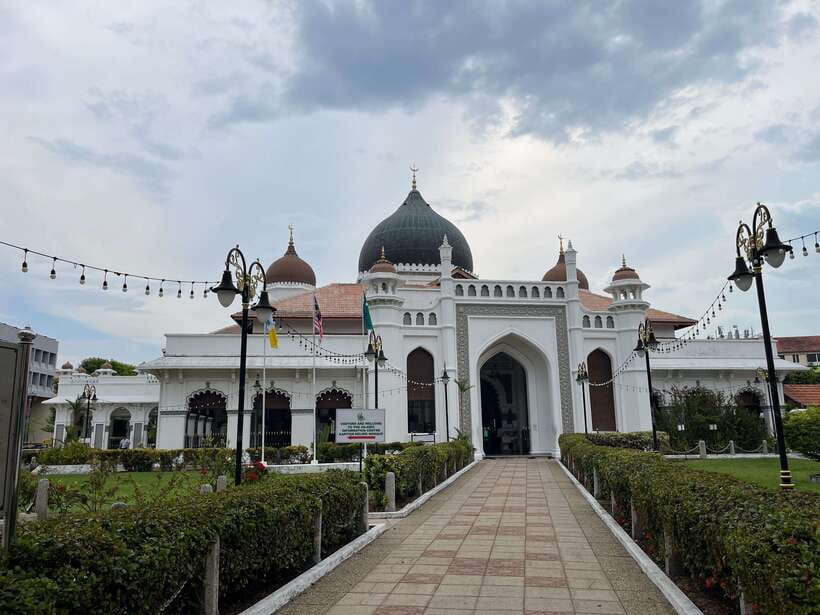
Masjid Kapitan Keling then brings the route to one of Penang’s major Islamic landmarks. Together, these stops give the walk a clear theme: George Town’s identity comes from proximity and exchange. The buildings are not merely a checklist of sacred places. They show how different traditions have left a visible mark on the same urban center.
You should keep your clothing modest throughout the tour rather than trying to adjust at each stop. Covered shoulders and knees are required if religious sites are visited. This is also a practical choice in the sun, though you will still want sunscreen and a hat.
The exact order and time spent at each place can change if the guide adjusts the pace. That flexibility is useful for a small group, but it means you should not expect a minute-by-minute schedule. If one site matters especially to you, mention it early to the guide.
Armenian Street, shophouses, and street art
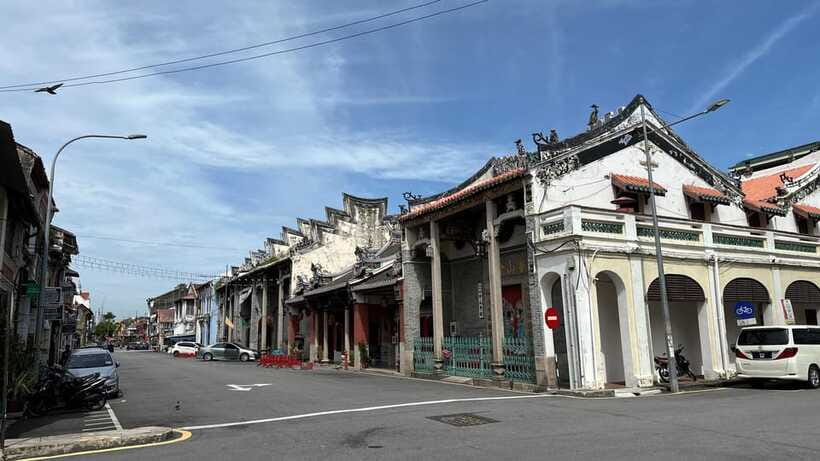
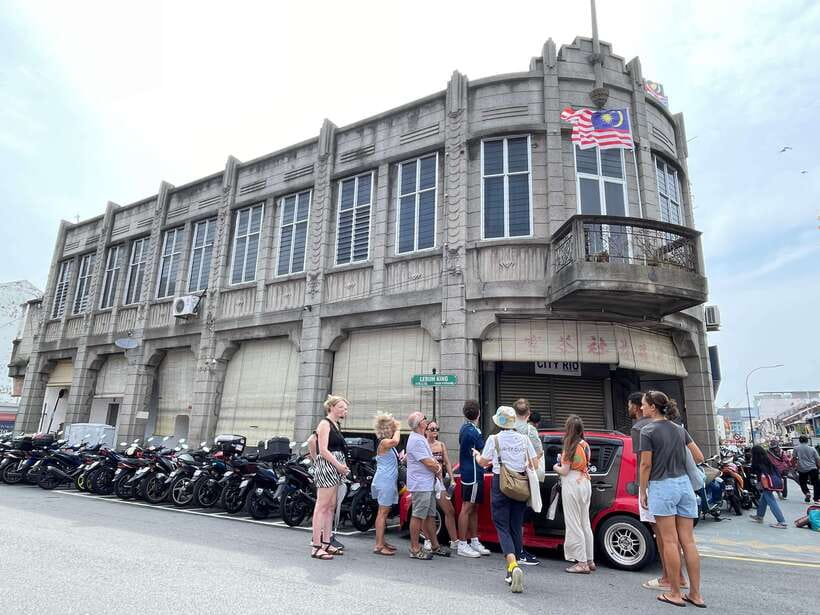
Lebuh Armenian is one of the walk’s most characterful stretches. Its shophouses, street art, and active street life give you a strong sense of George Town at street level. This is where the tour moves away from grand civic and religious buildings and into the textures of ordinary urban life.
Look up as you walk. Shophouse fronts can reward attention to shutters, signs, balconies, and changing uses. The street art adds a modern layer, but the older buildings provide the setting. The result is a place where heritage is not locked behind a gate. It is part of the route people use for business, worship, eating, and getting around.
I would not expect a long, quiet art walk here. The area has a lively feel, and a four-hour tour has several other stops to cover. Still, Armenian Street is important because it connects the formal history of George Town with the city you see today.
This is also a good moment to ask the guide practical questions about local food or neighborhoods. The guides are encouraged to explain the stories behind Penang’s cuisine, and the setting makes those explanations easier to understand.
What you actually get to taste
Street-food sampling is included, but the exact dishes are not fixed in the information provided. That is worth noting. You are paying for guided tasting and cultural explanation, not a guaranteed menu of named dishes.
The most useful food detail comes from Erina’s tour. She introduced nutmeg drink and sardine samosas, including options for a vegetarian member of a family group. Those examples show the kind of experience you may get: familiar food is mixed with less obvious local choices, and the guide can help you try something you might otherwise pass by.
The food is valuable because Penang cuisine is part of the city’s cultural story. A dish can show trading links, community traditions, local ingredients, or habits passed through generations. You will not simply be handed a snack and sent on your way. The tour is designed to explain why the food matters.
If you have dietary needs, tell the guide at the start. Vegetarian choices have been accommodated, but the supplied information does not promise a full range of dietary options. I would not assume that every allergy, religious restriction, or preference can be handled without advance notice.
Drinks can be part of the tasting too. Nutmeg drink was a particular favorite on one outing, and it offers a change from the usual tea or fruit drink routine. Bring water anyway. Tasting stops do not replace hydration, especially in Penang’s heat.
Pace, comfort, and who should take this tour
The walk is described as well paced, with the guide adapting to the group. That is important for a four-hour route. You need enough time to listen and look around, but not so much that the day becomes slow and tiring.
Comfortable shoes are essential. Add sunscreen, a hat, an umbrella, water, and hand sanitizer or tissues. The umbrella is useful for both sun and rain, and the tissues are practical around food stops and public spaces.
This tour suits an adult or older child who enjoys walking, food, architecture, and cultural explanation. Children under six cannot join. It is not suitable for wheelchair users or people with mobility impairments, so anyone who needs step-free access or frequent assistance should choose a different way to see George Town.
Smoking is not allowed, and alcoholic drinks are not allowed in the vehicle. The food-in-vehicle rule is also listed, though this is primarily a walking experience. Flash photography is prohibited, so plan to take photos in natural light and give worshippers space.
Is $60 good value for four hours?
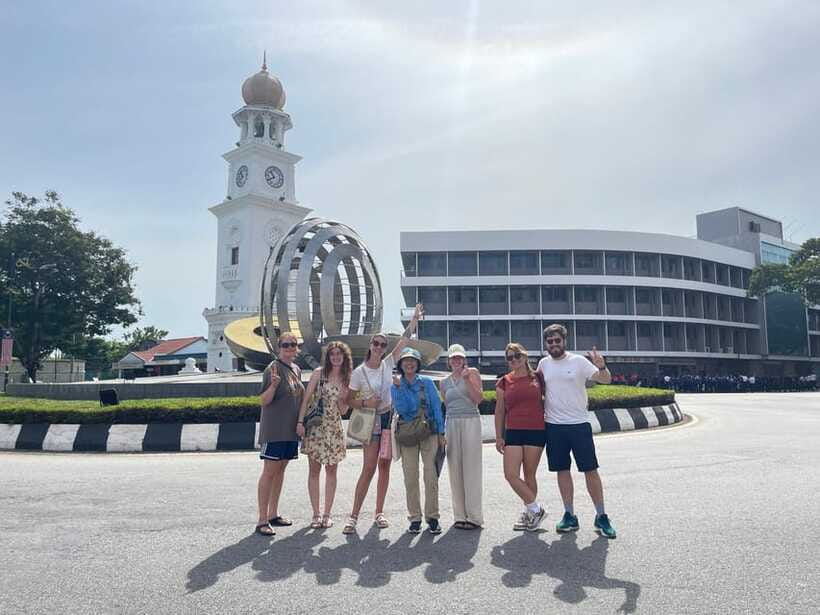
At $60 per person, the price is reasonable if you want a structured introduction rather than a self-guided stroll. You are paying for four hours with a certified English-speaking guide, a small group capped at eight, and street-food samples.
The value is strongest for first-time visitors who want context. You could walk past the clock tower, church, temples, mosque, and Armenian Street on your own, but you would miss the connections between them. Food costs alone are unlikely to justify the price. The guide’s interpretation and route planning are the real purchase.
It is less compelling if you already know George Town well or prefer to wander without a schedule. You may also find it expensive if your main goal is simply to photograph landmarks. For most people, though, the combination of food, religious sites, and colonial architecture makes the four-hour format useful.
Free cancellation up to 24 hours before the start gives you some flexibility, and you can reserve now and pay later. Those policies help if your Penang plans are still shifting, but they should not be the main reason to book.
Should you book the George Town heritage walk?
I would book this tour if you want a clear first-day introduction to George Town, especially if food and cultural context matter as much as buildings. The route gives you several major landmarks, a good range of religious traditions, Armenian Street, and guided tastings in one half-day.
Book it with realistic expectations. This is a walking overview, not a private architectural seminar or a dedicated food tour with a fixed tasting menu. Come ready for heat, modest clothing rules, and a steady route.
The strongest reason to choose it is the guide. Erina’s attention to vegetarian needs and unusual tastes such as nutmeg drink and sardine samosas suggests the right kind of personal approach. Pooi Ling’s reported mix of culture, food, and history also fits the tour’s purpose. If you want to understand George Town by walking, eating, and comparing its many traditions, this is a sound choice.
FAQ
Where does the tour meet?
Meet at Whiteaways Arcade, between JAJUJE Coffee and Saigon Bowl Cafe.
How long does the tour last?
The walking tour lasts four hours.
What language is the tour conducted in?
The tour is conducted in English.
How many people are in the group?
The group is limited to eight participants.
What is included in the price?
A certified tourist guide and street-food sampling are included.
Is hotel pickup and drop-off included?
No. Hotel pickup and drop-off are not included.
What landmarks does the route include?
The route includes the Queen Victoria Memorial Clock Tower, the Esplanade, St. George’s Church, the Goddess of Mercy Temple, Sri Mahamariamman Temple, Masjid Kapitan Keling, and Lebuh Armenian.
Do I need to dress in a certain way?
Yes. You should cover your knees and shoulders because the tour may visit religious sites.
Is the tour suitable for wheelchair users?
No. The tour is not suitable for wheelchair users or people with mobility impairments.
Can I cancel for a full refund?
Yes. You can cancel up to 24 hours in advance for a full refund.
Newest street food walks around Malaysia
- Yummy Yummy Street Food Tasting + Night City Tour(Private Guided)★ 5.0 · 8 reviews
- 3-Hour Private Street Food Walking Tour in Kuala Lumpur★ 4.5 · 6 reviews
- Private Kuala Lumpur Night Market And Food Tour★ 5.0 · 13 reviews
- Private Tour : “Lepak-Lepak” at Local Night Market & Mamak Stall★ 4.5 · 4 reviews
- Kuala Lumpur’s Nightlife Secrets and Street Food★ 5.0 · 18 reviews
- Authentic Malaysian Street Food Tour With 15+ Tastings Near KLCC★ 5.0 · 68 reviews
- Back of the Bike Street Food Experience – Real Penang!★ 5.0 · 27 reviews
- Private Half Day Penang Tasty Local Street Food Tour★ 4.1 · 48 reviews
Malaysia street food tours, side by side.
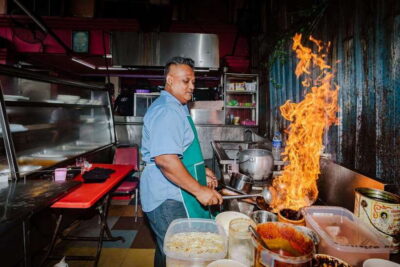
Kuala Lumpur: Sambal Street Food Tour with 15+ Tastings
Read our review →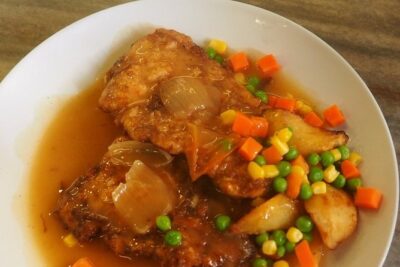
The 10 Tastings of Kuala Lumpur With Locals: Private Street Food Tour
Read our review →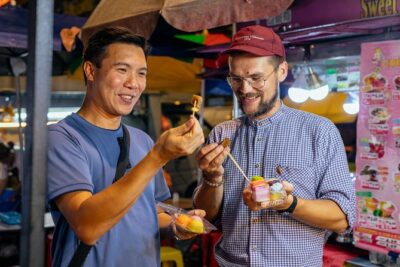
Kuala Lumpur Local Street Food Private Walking Tour by Night
Read our review →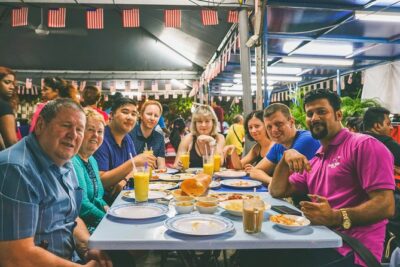
Eat Like a Local: Kuala Lumpur Hawker Center and Street Food Tour by Night
Read our review →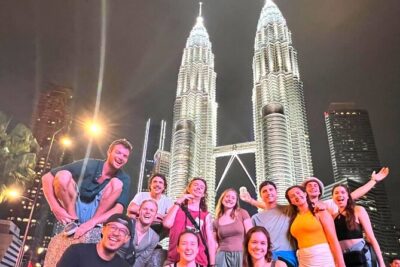
Authentic Malaysian Street Food Tour With 15+ Tastings Near KLCC
Read our review →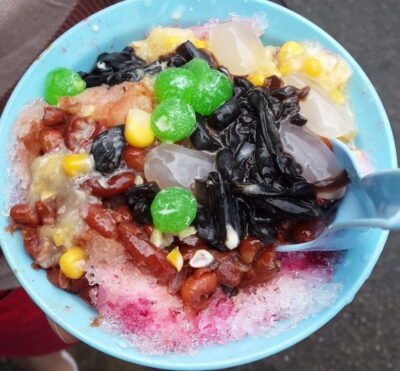
Private Half Day Penang Tasty Local Street Food Tour
Read our review →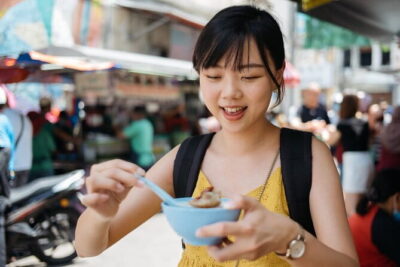
Back of the Bike Street Food Experience – Real Penang!
Read our review →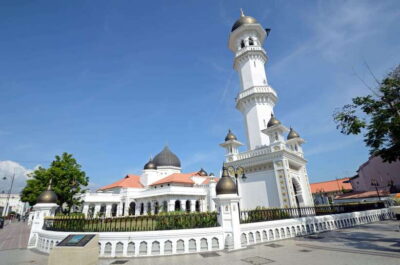
Penang: Trishaw Ride and Hawker Center Food Tour
Read our review →The lists this tour appears in