
Review · YOGYAKARTA
Yogyakarta: Night Walking and Street Food Tasting Tour
Yogyakarta gets more interesting after sunset, when a becak ride carries you through the city and food stalls replace the daytime sightseeing crowds. This three-hour outing mixes a walking tour, local landmarks, small bites, drinks, and a stop at Alun-Alun Kidul, so it feels like a first look at everyday Jogja rather than a simple meal crawl.
I like two things in particular. First, the food is part of a wider story: charcoal coffee, satay, soup, pancakes, gudeg, sweets, and tea can lead into talk about local customs. Second, the small group, limited to six people, gives guides such as Imam, Yuni, Kin, and Arief room to answer questions and adjust spice levels.
The main consideration is that the exact food stops can vary, and the tour is not a sit-down dinner at one carefully chosen restaurant. You should also expect walking, street conditions, and the possibility of rain. Meet at Tugu, and arrange your own way back afterward.
Key points at a glance
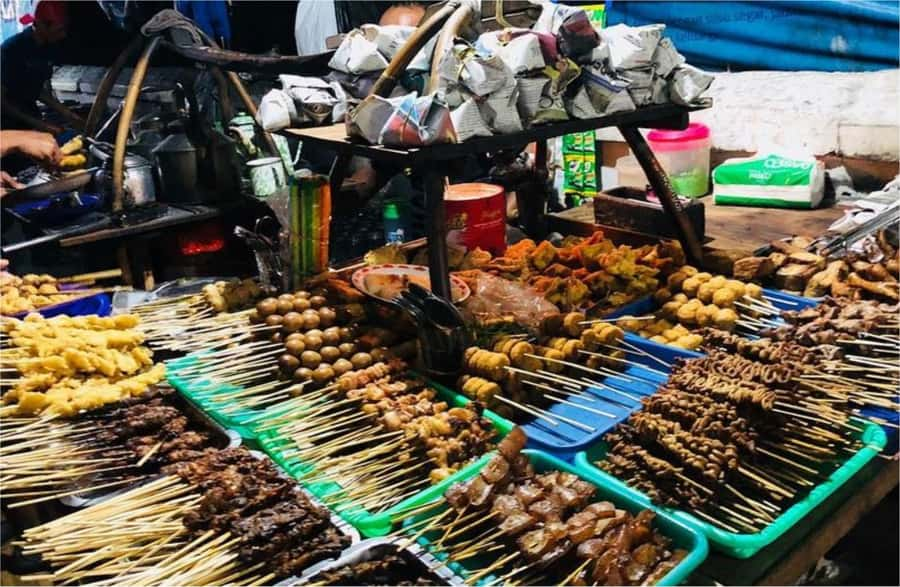
- Charcoal coffee and local bites: The tasting can include unusual drinks, satay, gudeg, sweets, tea, soup, pancakes, and other Indonesian food.
- A proper introduction to Jogja: Guides explain the city, food customs, local history, and daily life rather than simply naming each dish.
- Becak travel at night: The three-wheeled ride adds a distinctly Yogyakarta touch and gives your feet a break between stops.
- Alun-Alun Kidul after dark: Expect traditional games, fairground rides, and the famous illuminated cars around the square.
- Useful first-night timing: The route helps you get oriented in central Yogyakarta before exploring farther afield.
- Small-group attention: With no more than six participants, you can ask questions and request help with spice levels.
Why this night tour works as a first evening in Yogyakarta
Yogyakarta, often shortened to Jogja, is a city where food, old royal traditions, student life, and street culture sit close together. A daytime monument tour can show you important buildings, but it may not explain what people eat after work or how locals spend an evening in the city center.
This tour fills that gap. You walk through central Yogyakarta, ride in a becak, stop for food and drinks, and see the city lit up at night. The route is not just a list of dishes. Guides explain local customs and connect the food to the place around you.
I especially like the timing for a first night. You get a practical sense of the center, learn which foods you want to try again, and pick up ideas for the rest of your stay. One guide, Yuni, was praised for combining food stops with an orientation to the main sights. That is useful when the city still feels unfamiliar.
The tour has a 4.9 rating from 31 reviews, with repeated praise for the guides and the mix of food, history, and fun. That pattern matters more than a high score alone. The strongest part of the experience is clearly the human side: Imam, Ipung, Kin, Febrian, Arief, Yuni, Behr, and Bhre are among the guides named by past participants, and several were singled out for warmth, energy, and useful local explanations.
More street food walks around Indonesia:
- Bali: Authentic Culinary Street Food Experience Tour
★ 4.7 · 99 reviews - Jakarta: Private Guided Sightseeing & Street Food Night Tour
★ 4.8 · 99 reviews - Ubud Traditional Night Market Food Tour-All Inclusive
★ 4.4 · 95 reviews
Meeting at Tugu and starting on foot
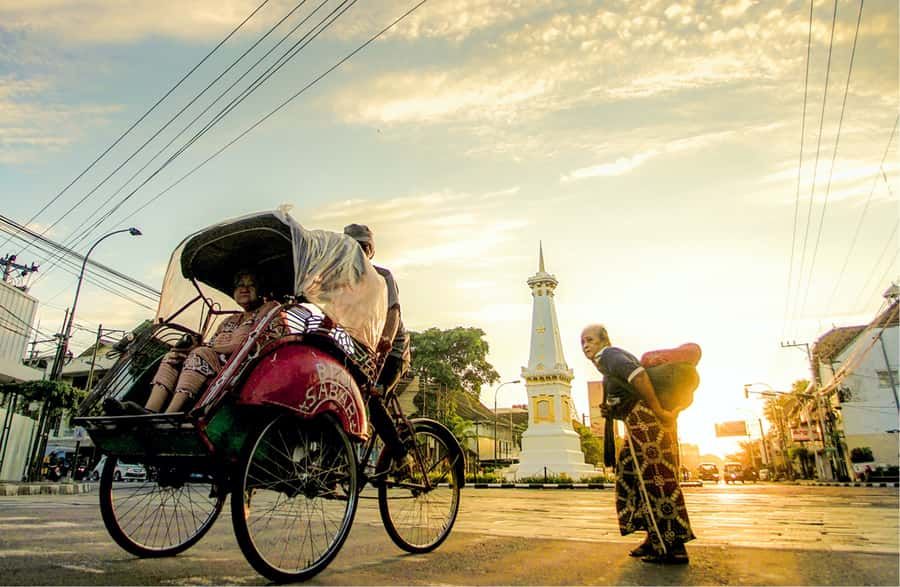
The meeting point is Tugu, the white monument at the intersection of Jalan Jenderal Sudirman in Gowongan, Jetis. It is a practical central meeting place, but you should check the exact location before setting out because this is a street intersection, not a hotel lobby or enclosed attraction.
The evening begins as a walking tour. That matters because you can notice details at street level that pass quickly from a vehicle: food carts, shopfronts, public spaces, traffic, and the changing rhythm of the city after dark.
Your guide leads the way and provides context about Yogyakarta and Central Java. Several guides have explained the city’s history alongside its food culture, which makes the walk feel more useful than a series of unconnected snack stops.
English is the stated tour language. The available feedback suggests that communication is good enough for explanations and questions, although one person noted that the guides’ English is not perfect. I would not treat that as a serious concern, but travelers who want highly polished academic commentary should keep expectations realistic. The tour’s strength is friendly, practical conversation.
Street food with room for surprises
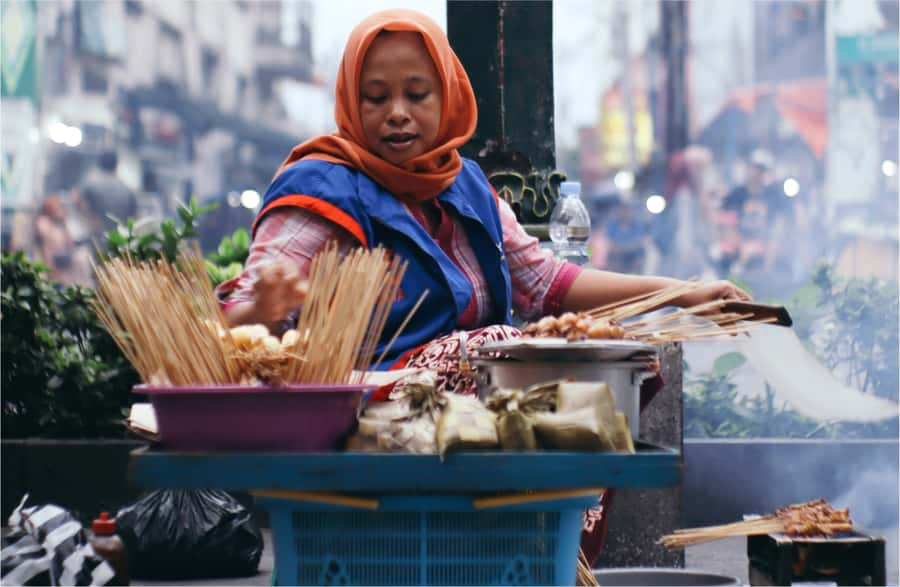
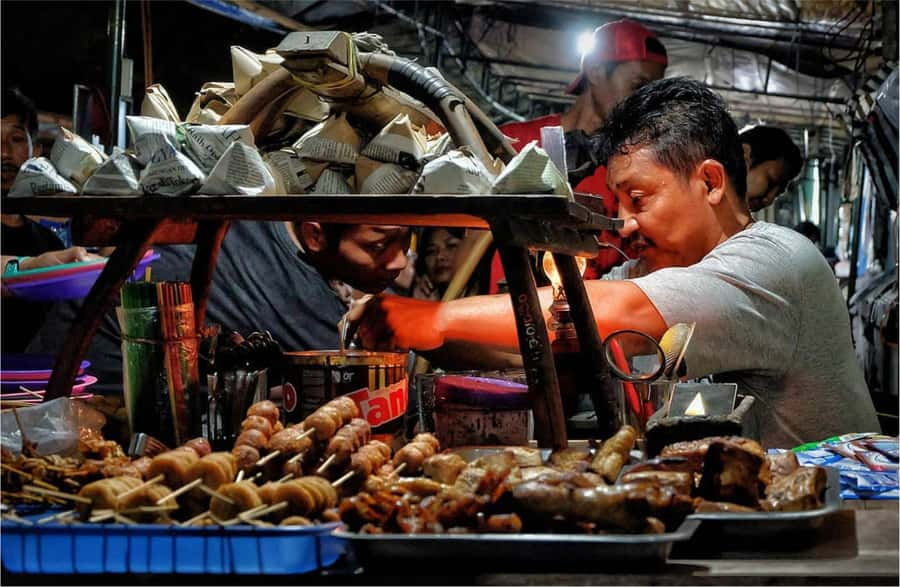
Come hungry. The experience includes food tasting, and the route is designed to give you several chances to sample local dishes rather than one small token snack.
The precise menu is not fixed in the description, and that is part of the street-food format. Depending on the evening, you might try different kinds of satay, soup, pancakes, fried foods, local sweets, tea, coffee, gudeg, or durian. Gudeg is one of Yogyakarta’s best-known foods, and trying it in the city gives you a useful reference point for later meals.
The coffee stop can be particularly memorable. Several people enjoyed charcoal coffee, a local preparation that adds a smoky visual and sensory element to the drink. The tour may also include other unusual coffee stops, so tell your guide what you are curious about.
You may be offered foods you would not order on your own. That is where a guided tasting earns its price. You can ask what something is, how it is normally eaten, and how spicy it should be before committing to a full portion.
Spice is worth discussing early. Guides can try to adjust the heat if you speak up, but the tour is built around local food, not a sanitized international menu. If you have allergies, dietary restrictions, or strong dislikes, explain them before the tasting begins. The supplied information does not promise special dietary arrangements, so do not assume every stop can accommodate every need.
The street-food setting also means that comfort will vary. You may eat at stalls, small local businesses, or a warung rather than at a polished restaurant. That can be the point, but it also means seating, cleanliness, and pace may not match a formal dining experience.
What the guides add to the evening
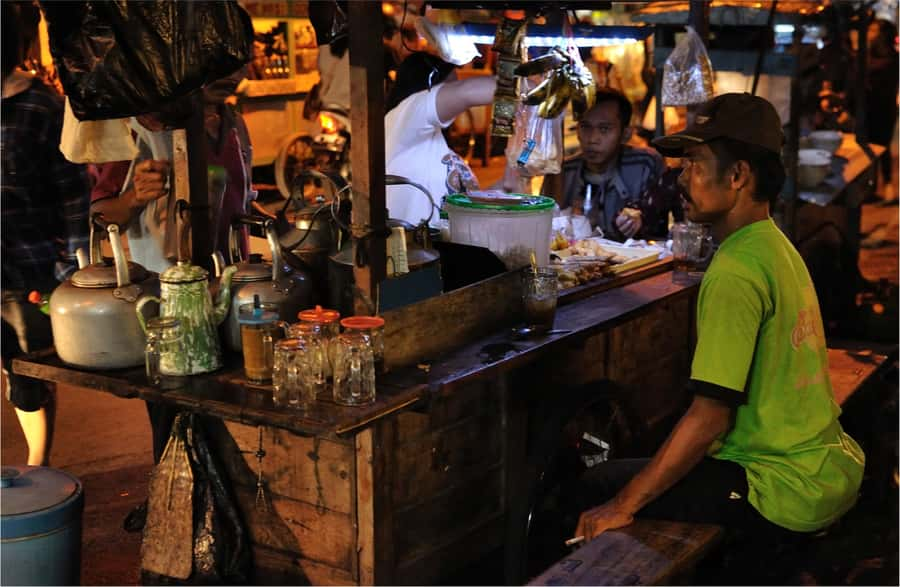
A food tour depends heavily on its guide. Here, the repeated praise goes to the guides’ stories, enthusiasm, and ability to connect food with local life.
Imam is described as someone who shares interesting stories throughout the walking route. Ipung is praised for putting effort into creating an authentic Yogyakarta experience, including charcoal coffee, street food, and a meal at a local warung. Kin helped explain both local cuisine and city history, and a small group allowed more personal questions.
Yuni appears in several strong accounts. He is described as punctual, energetic, and good at explaining the history of food in Yogyakarta. That combination is valuable because food vocabulary alone will not tell you why a dish matters.
Arief is also noted for choosing good food locations and explaining the city’s past. Febrian helped connect Jogja’s history with its food culture. Bhre guided a tasting that included charcoal tamarind coffee, satay, sweets, teas, and gudeg.
The guide names may change according to the date and group. That is normal for a small-group operation. What you can reasonably expect is an English-speaking local guide who leads the walk, handles the stops, and adds background about food and culture.
One guide also introduced a local rite of passage involving sacred trees. Another evening included a blindfolded attempt to cross the large square at Alun-Alun Kidul. These details show that the tour is not rigidly limited to eating. The guide may invite you into local games or customs that give the night a playful edge.
Same streets, a different set of bites:
- Denpasar: Night Street Food Walking Tour
★ 4.5 · 60 reviews - Night Walking Tour-Malioboro street food with guide at Yogyakarta
★ 5.0 · 53 reviews - Bali Food Tour: Savor Street Food and Night Market Adventures
★ 5.0 · 46 reviews - Bali Street Food Tour
★ 5.0 · 44 reviews
Riding a becak through Yogyakarta
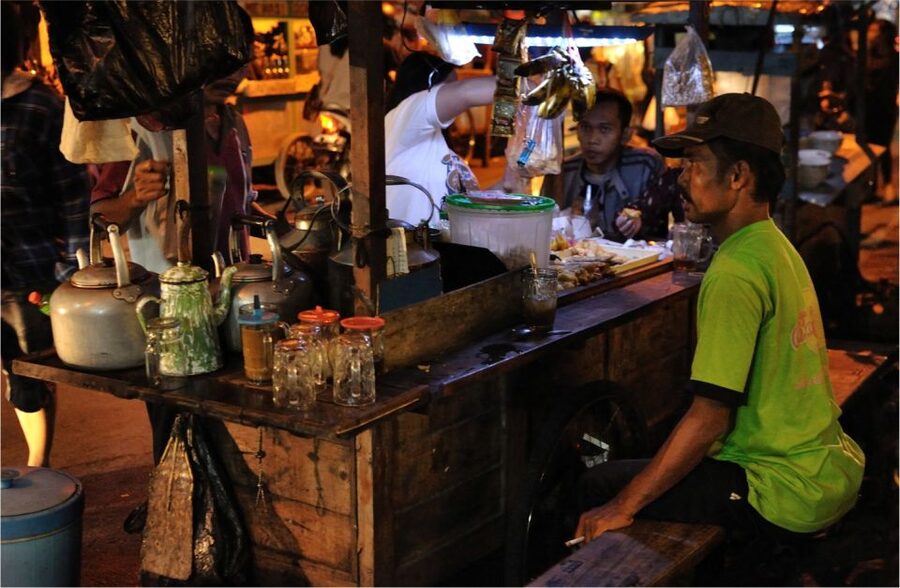
The included becak ride is one of the clearest reasons to choose this activity over a standard food walk. A becak is a small cycle rickshaw with a passenger seat at the front. You sit low to the road as the driver moves through the city streets.
The ride is short enough to fit into the three-hour schedule, but it changes the pace. After walking and tasting, you can sit back and watch Yogyakarta pass by. At night, lights, traffic, signs, and public spaces take on a different look from the front of the becak.
A becak is also part of the city’s transport culture, not just a tourist prop. Using one gives you a direct experience of a familiar local vehicle, although you should remember that traffic can be busy and the ride may feel exposed compared with a car.
One useful practical note comes from the tour experience itself: make sure you know where the becak is taking you before it sets off. The route is guide-led, but a quick explanation of the next stop will make the ride easier to follow.
A separate account mentions riding a delman as well as a becak. Do not count on a horse-drawn carriage being included, since the stated inclusion is the becak ride only.
Alun-Alun Kidul after dark
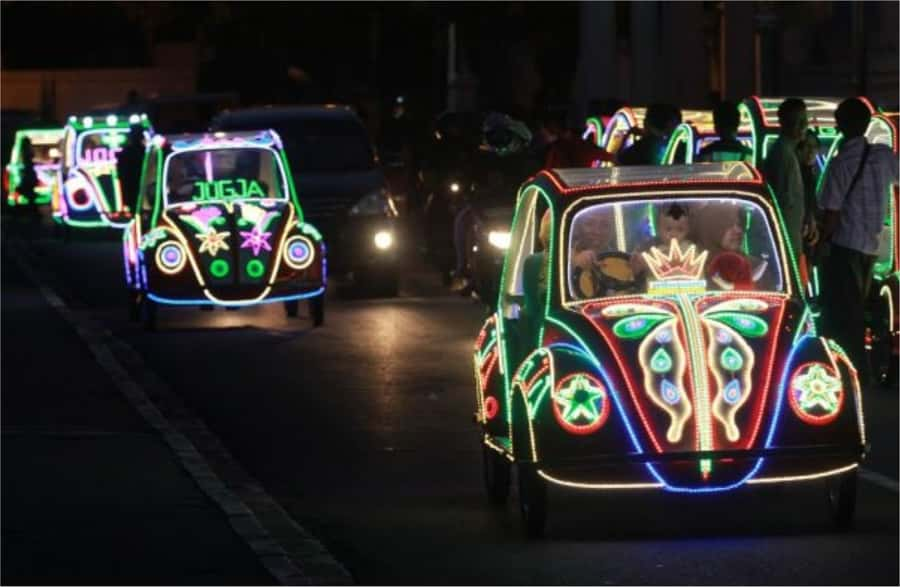
The evening ends around Alun-Alun Kidul, the southern square associated with the Yogyakarta palace area. At night, it becomes a social space with traditional games, fairground rides, and brightly decorated cars.
The illuminated cars are a fun contrast to the food and history earlier in the evening. They are covered in colorful lights and drive around the square, creating one of the city’s more playful nighttime scenes. You may also try the traditional game of walking across the square blindfolded toward the sacred trees, an activity that appears in the evening’s cultural elements.
This is not a quiet historical monument visit. Alun-Alun Kidul is lively, informal, and made for people watching. I like that the tour includes this side of Yogyakarta, since a city is more than its formal landmarks.
The square can also be busy and noisy. If you prefer an orderly sightseeing route with long explanations at each stop, this section may feel loose. If you enjoy local recreation and a bit of silliness, it is likely to be one of the most memorable parts.
Is $48 good value for three hours?
At $48 per person, this is not the cheapest way to buy a few street snacks in Yogyakarta. You could spend less by visiting food stalls on your own.
The comparison changes when you include what is covered: an English-speaking guide, food tasting, entrance fees, the walking route, and the becak ride. You are paying for interpretation and convenience as much as for the food itself.
I see the strongest value in the guide’s role. Without help, you might recognize satay or gudeg but miss the explanations about customs, preparation, and local life. You might also hesitate at a stall because you do not know what to order or how much to try.
The small group helps justify the cost. With a maximum of six people, the guide can respond to questions and manage different spice preferences more easily than on a large coach tour. One evening had only two participants, allowing a very personal route and plenty of individual advice.
The food itself is not a blank check for dinner. The tour promises tasting and says you will not go hungry, but the exact number of dishes and portion sizes can vary. I would book it for cultural orientation and guided sampling, not solely as the cheapest way to eat.
Guide tips are not included. Hotel pickup and drop-off are also not included, so factor in your transport to Tugu and your journey afterward.
Who should book this experience?
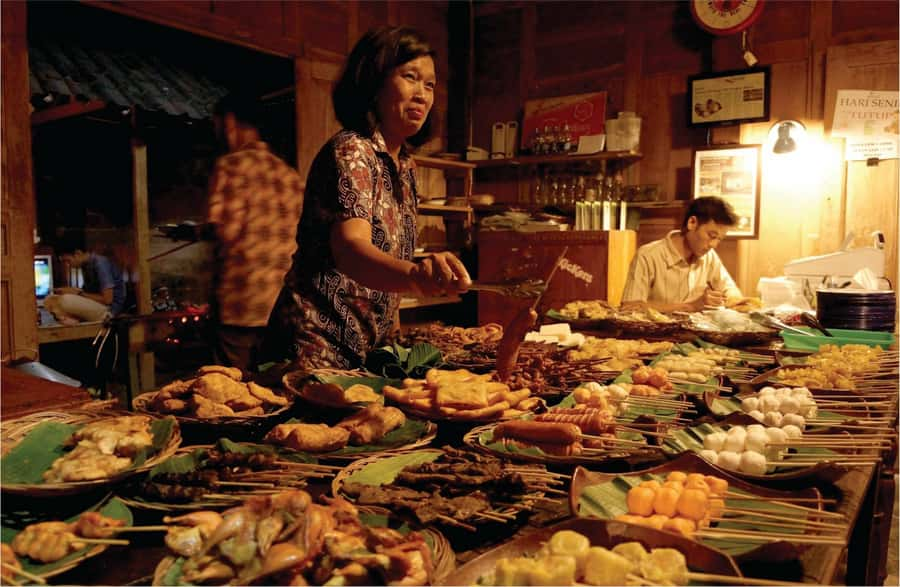
I would choose this tour if you are arriving in Yogyakarta and want a friendly introduction to the center, local food, and nighttime customs. It suits people who prefer trying several small portions to committing to one restaurant meal.
It is also a good fit if you are nervous about street food. You can ask the guide what each item is and get help navigating unfamiliar choices. Curious eaters will get the most from the variety, especially if charcoal coffee, durian, gudeg, and different satay styles are new to you.
The experience also suits solo visitors and couples who like small groups. A maximum of six people leaves more room for conversation than a large organized outing.
I would be more cautious if you need a fully fixed menu, dislike walking, cannot tolerate street conditions, or want a quiet evening. The tour is active and flexible. Rain is also possible, and one guide continued the experience in heavy rain, but you should still bring suitable clothing and shoes.
The start time can vary, so check availability when booking. Free cancellation is available up to 24 hours before the activity for a full refund, and you can reserve now and pay later.
My verdict on the Yogyakarta night food tour
Book it early in your stay if you want food, orientation, and local stories in one evening. The best reasons to go are the becak ride, the small-group format, the chance to sample more than one kind of Indonesian food, and the guides’ ability to explain what you are seeing.
I would not book it only for a guaranteed list of dishes, because the stops can change. I would book it for the chance to taste widely, ask questions, see Alun-Alun Kidul after dark, and begin understanding how Yogyakarta works beyond its daytime sights.
For $48, the value is strongest when you use the guide well. Ask about dishes, customs, spice, and places to eat later. Arrive hungry, meet at Tugu, and expect a sociable evening rather than a formal dinner.
FAQ
How long does the Yogyakarta night food tour last?
The tour lasts approximately three hours.
Where does the tour meet?
Meet at Tugu, the monument at the intersection of Jalan Jenderal Sudirman, Gowongan, Jetis, Yogyakarta.
Is hotel pickup included?
No. Hotel pickup and drop-off are not included.
Is the becak ride included?
Yes. The becak ride is included in the activity.
What language does the guide speak?
The tour is conducted in English by a live local guide.
How many people can join the tour?
It is a small-group experience limited to six participants.
What food and drinks might I taste?
The tasting can include street snacks, satay, soup, pancakes, sweets, tea, gudeg, charcoal coffee, and other local foods. The exact stops can vary.
Can I cancel for a full refund?
Yes. You can cancel up to 24 hours in advance for a full refund.
Newest street food walks around Indonesia
- Bali Street Food Tour: Savor Authentic Flavors & Night Market★ 5.0 · 2 reviews
- Experience Jakarta Street Food Scene with MRT Transportation★ 5.0 · 17 reviews
- Bali Street Food Tour★ 5.0 · 44 reviews
- Street Food Tasting by Walking★ 5.0 · 2 reviews
- Night Street Food and Cultural Walking Tour★ 4.3 · 3 reviews
- Jakarta: Street Food Tour with a Local Guide★ 4.4 · 14 reviews
- Bali: Penglipuran Village, Waterfall, and Night Market Tour★ 4.2 · 4 reviews
- Bali – Ubud Night Market Food Tour★ 3.8 · 14 reviews
Yogyakarta street food tours, side by side.

Night Walking Tour-Malioboro street food with guide at Yogyakarta
Read our review →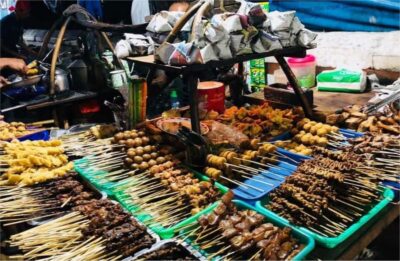
Yogyakarta: 3-Hour Night Walking with Street Food Tasting
Read our review →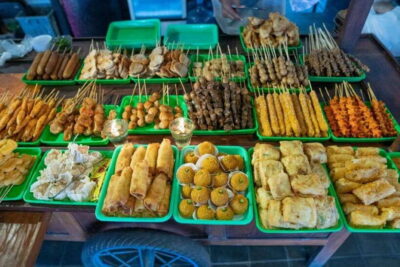
The lists this tour appears in