
Review · MALTA
Valletta: Street Food and Culture Walking Tour
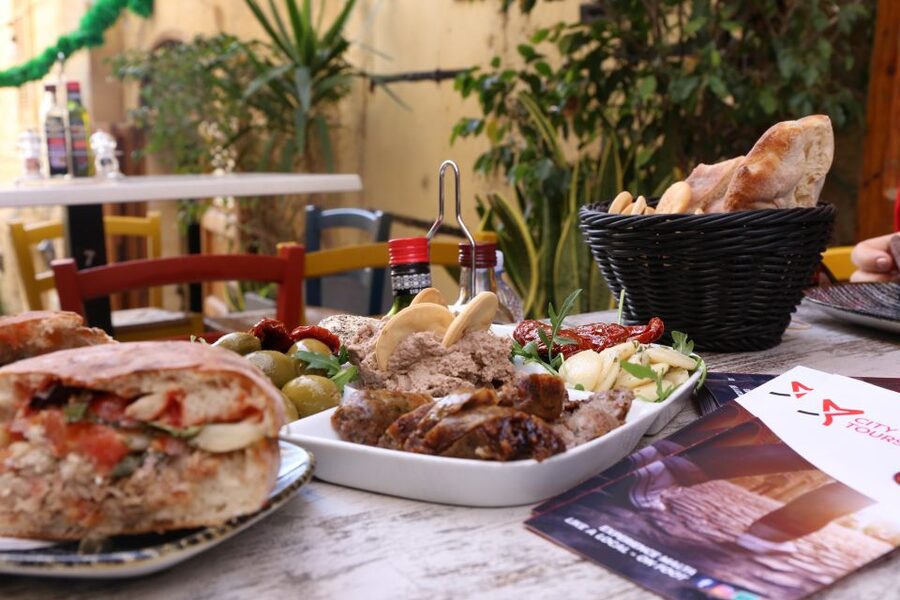
Valletta’s best introduction may come one bite at a time. This three-hour walk links the city’s main sights with Maltese staples such as pastizzi, ftira, rabbit, Kinnie, and Cisk lager, so you get a first look at both the streets and the table.
I like the generous food portions and the way guides connect dishes to Malta’s past and daily life. I also like the easy city-center route, which lets you see landmarks, side streets, bars, and useful places to eat later. The main catch is that this is a walking tour with food you need to be able to handle: it is not suitable for wheelchair users, people with mobility impairments, vegans, or people with gluten intolerance.
Key points to know before booking
- Meet by the New Parliament Building: Find the Red City Walking Tours umbrella just past Valletta’s City Gate.
- Expect more than snacks: Tastings can include several small bites, drinks, coffee, sweets, and a filling meal stop.
- Maltese classics lead the way: Pastizzi, ftira, rabbit, Kinnie, and Cisk are central to the experience.
- The guide shapes the tour: Nadine, Angele, Ernest, Maribella, Charlotte, and other English-speaking guides are praised for humor, clear explanations, and personal stories.
- Start hungry: Several people found the portions generous, so breakfast beforehand is a poor strategy.
- Best for a first Valletta morning: You get an overview of the city and food suggestions you can use for the rest of your stay.
Starting at Valletta’s City Gate
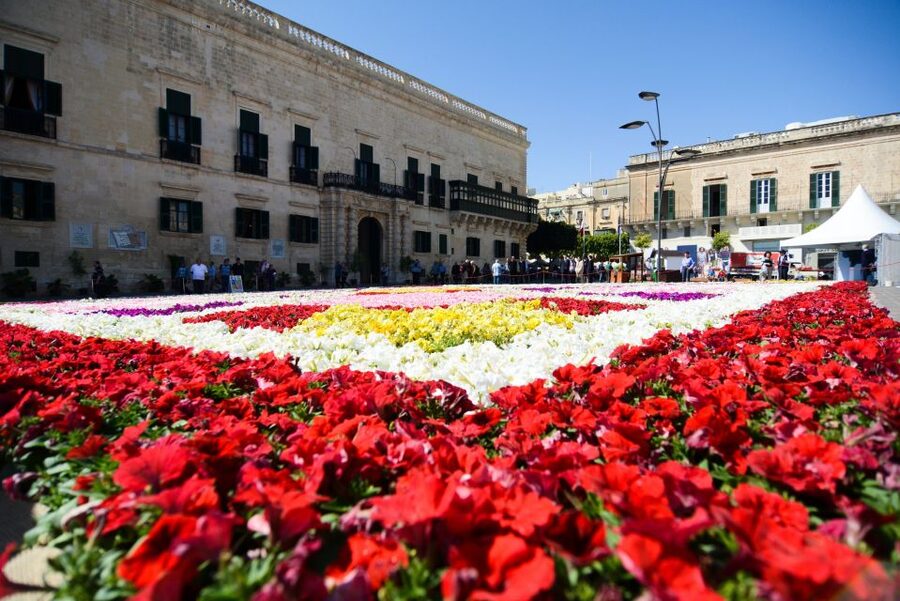
The meeting point is easy to place once you know what to look for. Go through Valletta’s City Gate and meet in front of the New Parliament Building, under the Red City Walking Tours umbrella. If you arrive by taxi, the closest drop-off is near Triton’s Fountain, a few meters from the City Gate.
The tour is scheduled to begin at 9:20 am, so arrive before then. This matters because a food walk loses its rhythm when the group is waiting for late arrivals. You want the full three hours, especially since the route combines food stops with a proper introduction to Valletta.
The opening talk sets the scene for the city. You can expect an overview of Valletta’s landmarks and Malta’s wider story before the food begins. The best guides keep this part moving, giving you useful facts without turning the morning into a classroom lecture.
Guides such as Angele, Nadine, Ernest, Maribella, and Charlotte have been singled out for a good mix of facts, jokes, and personal Maltese stories. That variety matters. A food tour can become a list of dishes, while a city tour can become a list of dates. Here, the goal is to show how the two fit together.
More street food walks around the world:
- Dubai: Old Town, Creek, Museums, Souks, & Street Food Tour
★ 4.8 · 10,816 reviews - Ho Chi Minh City Street Food Tour & Sightseeing By Motorbike
★ 5.0 · 9,413 reviews - Medellin: Comuna 13 Graffiti Tour, Cable Car & Street Food
★ 4.8 · 9,046 reviews
Pastizzi and the Maltese snack table
Pastizzi is one of the essential Maltese bites, and it gives you a quick introduction to the country’s everyday food culture. You’ll taste a traditional pastry rather than a polished restaurant dish, which is exactly the point of a street food walk.
The tour also includes traditional sweets and other small snacks. The portions are meant to let you try several things, although the overall amount can add up quickly. I would treat this as breakfast and lunch combined, not as a few nibbles before a separate meal.
The food is served at various stops rather than from one single tasting counter. That keeps the walk connected to the city. You move through typical bars and side streets, seeing where these foods fit into ordinary Valletta life.
The precise order can vary, and the experience is not presented as a fixed restaurant menu. That is useful if you want local context, but less useful if you need exact dishes confirmed in advance. If you have allergies or strict dietary needs, check carefully before booking. The tour is specifically not suitable for vegans or people with gluten intolerance.
Ftira, coffee, and a taste of daily Valletta
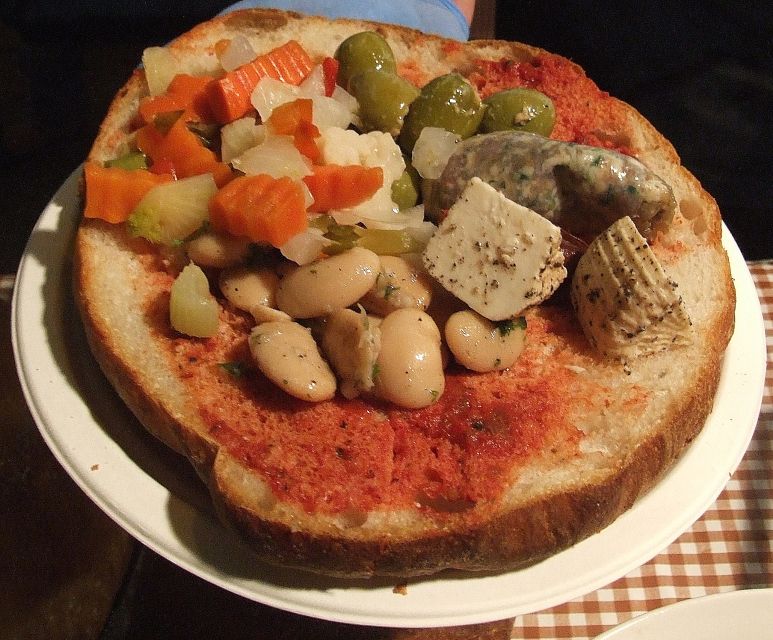
Ftira gives the tour another look at Maltese food beyond pastry. It is one of the local specialties included along the route, and it helps explain why the country’s food feels shaped by both island habits and outside influences.
One tasting has been described as a tuna sandwich, and it became a favorite stop for at least one participant who planned to return to the café afterward. That detail says something useful about the tour: you are not simply eating samples prepared for tourists. You may find ordinary places that are worth revisiting on your own.
Coffee is also included among the tastings, along with sweets and other traditional bites. The food is served in enough variety to give you a working list of things to try later. I would keep your phone ready for notes, because the guide may point out restaurants and cafés that are easy to miss when you are exploring alone.
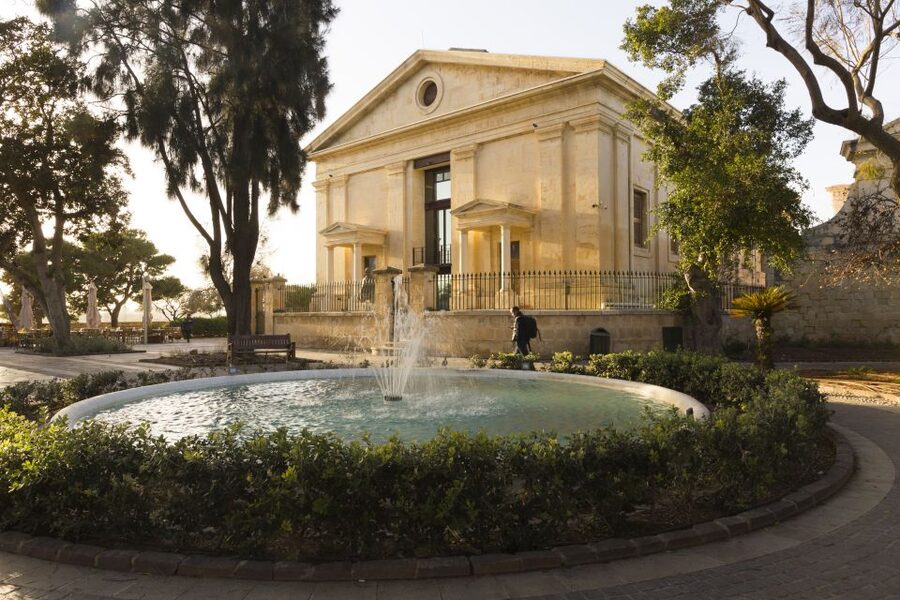
The city itself provides the backdrop. Valletta is compact, so a three-hour walk can cover a satisfying amount of the center without requiring transport. You will see major landmarks while also turning into narrower streets and stopping at places that do not usually appear in a standard sightseeing checklist.
Kinnie and Cisk, Malta in two glasses
The drink portion adds a useful contrast. Kinnie is Malta’s distinctive soft drink, while Cisk is the local lager. Trying both helps you understand what people order when they want something familiar and local rather than an imported brand.
Kinnie is especially useful for first-time visitors because it is hard to compare with a generic cola or lemonade. It gives the tasting a clear sense of place. Cisk provides the beer option, though the tour is not suitable for anyone who wants to avoid alcohol entirely unless the guide can confirm an alternative.
The drinks are included at various stops, so you are not expected to purchase each one separately. Extra food and drinks beyond what the guide provides are not included. That is worth remembering if you are a heavy snacker or plan to linger at a bar after the official tour.
Same streets, a different set of bites:
- Dubai: Old Town, Souks, Street Food, Guided Tour & Abra Ride
★ 4.9 · 7,170 reviews - Naples: Street Food Walking Tour with Local Guide
★ 4.9 · 4,976 reviews - Small Group Hanoi Street Food Tour with a Real Foodie
★ 5.0 · 4,682 reviews - Rome: Street Food Tour with Local Guide
★ 4.8 · 4,077 reviews
Rabbit, Malta’s national dish
Rabbit is the most substantial and distinctive food on the route. It is described as Malta’s national dish, and it gives the tour more depth than a pastry-and-drink crawl. You get to try a food with a clear place in Maltese tradition rather than just a popular convenience snack.
The rabbit comes toward a later food stop and has been praised as well cooked. For many people, this is the dish that makes the tour feel like a real introduction to Maltese cuisine. It is also the point where you should think about personal taste. If rabbit is not for you, ask the guide what alternatives may be possible before booking, since the listed tour is built around local specialties and does not promise substitutions.
The value here is not only the serving itself. A good guide can explain why the dish matters, how it fits into Maltese eating habits, and how food reflects the island’s past. Ernest, Maribella, Charlotte, and Nadine have all been praised for tying food to stories about Malta and Valletta.
How the walking route feels
The route covers the city center, major sights, side streets, and local bars. It is not a bus tour, so you see Valletta at street level and pause in places where a vehicle could never stop.
That also means you need comfortable clothes and sensible footwear. The activity notes specifically advise comfortable clothing, and the tour is not suitable for people with mobility impairments or wheelchair users. The practical issue is not just distance. A food walk requires standing, moving between stops, and keeping up with the group.
Three hours is a sensible length. It gives the guide enough time to explain Valletta while leaving room for several food stops. On warm days, the duration is long enough to feel satisfying but not so long that the walking becomes the whole story.
Group size can affect the feel of the experience. One participant described a group of 12 as ideal, suggesting that the tour can remain personal without becoming a private walk. The listing does not promise a fixed group size, so do not book on the assumption that every departure will be limited to 12 people.
The guides make the difference
The food is important, but the guide determines how much you take away. The strongest departures seem to depend on guides who can move between history, practical advice, and humor without overloading you.
Nadine is praised for friendly, clear guidance and good movement through the city. Angele is described as warm, helpful, funny, and full of information. Ernest is repeatedly praised for linking Maltese history with the dishes being served.
Maribella and Marissa are also noted for personal stories and a strong sense of connection to Malta. Charlotte brings family stories and a clear feel for Maltese habits. These details matter because they turn a sequence of tastings into a conversation about how people live and eat.
Guide assignments can change, so you cannot count on one particular person unless the operator confirms it. What you can reasonably expect is an English-language licensed guide who leads the walk and explains the food and sights.
Is the $65 price fair?
At $65 per person, this tour is not the cheapest way to eat in Valletta. You could buy a pastizzi, a drink, and a simple meal for less if you planned the stops yourself.
But the comparison is not quite fair. The price includes a licensed guide, several food and drink stops, a city walk, historical context, and the convenience of knowing what to order. The tastings have also been described as generous. One tasting breakdown included several snacks, coffee, and a lunch-sized stop, which makes the total feel closer to a combined breakfast, lunch, and guided tour.
I see the best value for a first visit. You are paying to get your bearings, learn the names of local foods, and find places you may want to revisit. If you already know Valletta well and mainly want a cheap meal, this is less compelling.
The reserve-now, pay-later option gives you flexibility, and cancellation is free up to 24 hours before the start for a full refund. Those terms reduce the risk of booking ahead, though you should still check the available start time when choosing your date.
Who should book this food walk?
I would recommend it to first-time visitors who want a practical introduction to Valletta. It works especially well near the beginning of a Malta trip, since the guide can suggest places to eat and sights to return to later.
It also suits anyone who prefers local dishes explained in context. You will not just hear a food name and swallow a sample. The guide connects the snack, drink, or meal with Malta’s culture and the streets around you.
Families can bring children under six free of charge, but food is included only for paying participants. The tour can accommodate a maximum of two young children and one stroller free of charge across the tour, not per booking, and this needs to be arranged by email.
I would skip it if you need a wheelchair-accessible route, avoid gluten, eat vegan, or dislike walking between food stops. I would also avoid eating a full breakfast first. The portions can be substantial, and you want room for the rabbit, ftira, pastries, sweets, and drinks.
Should you book Valletta Street Food and Culture Walking Tour?
Book it if you want one efficient morning that combines sightseeing with a proper introduction to Maltese food. The strongest reasons are the range of tastings, the local drinks, the central walking route, and guides who bring personal stories and humor to the history.
Do not book it as a luxury food tour or a private restaurant crawl. It is a lively group walk, and the menu is built around traditional Maltese foods rather than dietary flexibility.
For most first-time visitors, the $65 makes sense because you leave with more than a full stomach. You also leave knowing what pastizzi, ftira, Kinnie, Cisk, and rabbit are, where to look for them, and which parts of Valletta deserve a second visit.
FAQ
Where does the Valletta food tour meet?
Meet at the entrance to Valletta, in front of the New Parliament Building, just past the City Gate. Look for the Red City Walking Tours umbrella.
What time should I arrive?
You should be at the meeting point by 9:20 am so the tour can begin on time.
How long does the tour last?
The walking tour lasts three hours.
What language is the tour in?
The tour is conducted in English by a live tour guide.
What foods can I expect to taste?
The tour includes Maltese specialties such as pastizzi, ftira, traditional sweets, rabbit, and other street food. The exact order and selection may vary.
Which drinks are included?
Included drinks can include Kinnie, Malta’s local soda, and Cisk lager. Coffee is also included among the tastings.
Is transport included?
No. Transport to and from the meeting point is not included.
Are extra food and drinks included?
No. Only the food and beverages provided at the arranged stops are included.
Can children under six join?
Children under six can join free of charge, but food is included only for paying participants. A maximum of two children and one stroller can be accommodated free of charge across the tour, and this must be arranged by email.
Is the tour suitable for vegans or people with gluten intolerance?
No. The activity is listed as unsuitable for vegans and people with gluten intolerance. It is also not suitable for wheelchair users or people with mobility impairments.
Newest street food walks around the world
- Old Delhi Cultural, Temples, Heritage Walking Street Food Tour★ 5.0 · 57 reviews
- Old and New Delhi Street Food Sampling★ 5.0 · 3 reviews
- Old Delhi Tour by Tuk-Tuk Street Food and Shopping Experience★ 5.0 · 12 reviews
- Customized Half Day and Full Day Delhi Shopping, Street Food Tour★ 5.0 · 52 reviews
- Delhi: Street Food Crawl (2 Hours Guided Food Tasting Tour)★ 3.5 · 18 reviews
- Taste Famous & Best Street Food of Old Delhi (Jama Masjid)★ 3.0 · 2 reviews
- Spice & Stories: 3-Hour Old Delhi Heritage Food Walk Guided Tour★ 4.5 · 36 reviews
- Old Delhi Street Food and Spice Market Tour★ 5.0 · 81 reviews