Review · NEW DELHI
Old Delhi Street Food Tour With Spice Market On Tuk Tuk
Old Delhi reveals itself through food first: a hot jalebi pulled from the oil, a crisp kachori with potato curry, cool dahi bhalla, and sweets dressed with saffron, pistachio, and almonds. This tour puts those tastes into a seven-hour route through Chandni Chowk, with tuk-tuk pickup and a bicycle rickshaw ride included. I like the mix of famous food stalls and ordinary market streets, and I like that the private format lets guides such as Shweta, Rajender, and Sunil adjust the pace and spice level. The main drawback is the long, food-heavy schedule, which may feel like too much if you prefer a short tasting walk or have a sensitive stomach.
I also like the practical setup: food, bottled water, tea, coffee, sweets, nonalcoholic drinks, and snacks are included, so you are not counting small payments at every stop. The spice market gives the day a useful finish, though the added emporium visit may feel more commercial than the street-food portion.
Key points at a glance
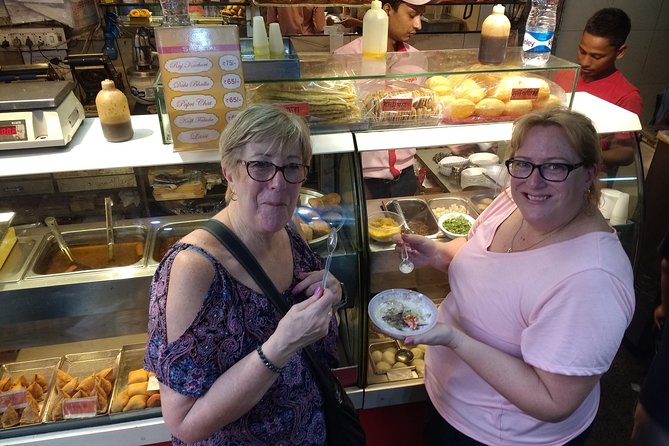
- Jalebi Wala and Old Delhi classics: Try hot jalebi, paratha, kachori, aloo tikki, dahi bhalla, samosa, rabdi, gulab jamun, and sweetened milk.
- A bicycle rickshaw through Chandni Chowk: Use one of Old Delhi’s colorful local vehicles before continuing on foot.
- Private, adjustable touring: Only your group participates, and guides have adapted the route for different timing, comfort, and spice preferences.
- Food and drinks are covered: The price includes all-you-can-eat food, nonalcoholic drinks, bottled water, tea, coffee, and snacks.
- Spice shopping at the end: Visit the world-famous spice market, then stop at an emporium featuring Indian woodcarving, paintings, sculpture, and other arts.
- A full-day commitment: The experience lasts about seven hours and begins and ends in central Delhi, with tuk-tuk transport provided.
Starting with a tuk-tuk and bicycle rickshaw
The tour begins with pickup from a central Delhi hotel by tuk-tuk. That matters in Delhi, where getting to Old Delhi can be more work than the food itself. Instead of arranging a separate taxi and finding the meeting point near Chandni Chowk, you begin with transport built into the experience.
The tuk-tuk is part of the fun, but it is not the main ride for the whole day. In Old Delhi, you switch to a bicycle rickshaw. This gives you a slower look at the streets and lets you reach areas where a larger vehicle would be awkward. The supplied route description also refers to passing colleges and universities before the food walk begins, giving the day a short local-culture introduction rather than sending you straight to the first snack.
Expect the ride to be part sightseeing and part transport. Old Delhi is busy, close-packed, and full of movement. A bicycle rickshaw lets you watch the street at eye level, but it does not give you much control over the pace or route. If you want a quiet, polished ride, this is not that. If you want a practical way to see the area without walking every block, it works well.
The activity is private, so your group does not have to match the pace of strangers. That is useful if you want more time at one stall, need to cut the route short for a flight, or want the food made less spicy. One account describes exactly that sort of adjustment, with the guide changing the plan to suit a departure schedule and offering mild food that could be made hotter.
More Food Market Tours in India
- Old Delhi Street Food and Spice Market Tour
★ 5.0 · 81 reviews - Delhi: Old Delhi’s Street Food, Temples & Spice Market Tour
★ 5.0 · 30 reviews - Old Delhi Street Food and Spice Market Tour
★ 5.0 · 12 reviews
Chandni Chowk and the first bites
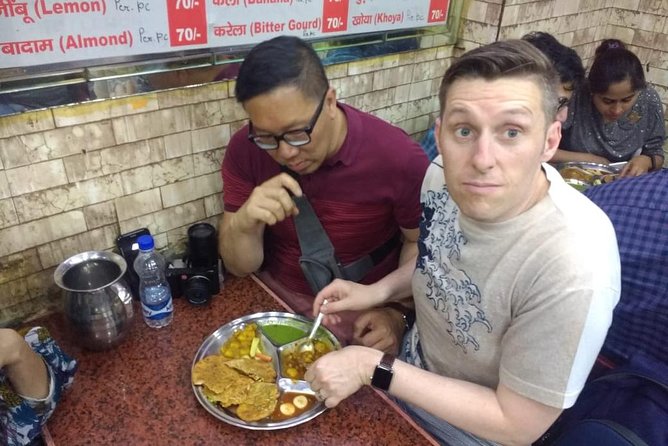
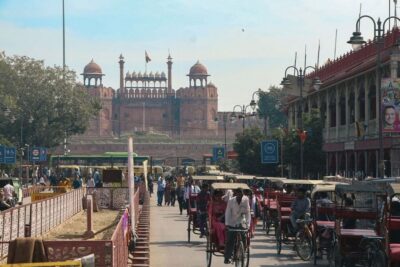
The walking portion begins around Chandni Chowk, near a mosque, following the route chosen by your guide. This is where the tour becomes less about checking off dishes and more about understanding how Old Delhi eats. The lanes are crowded with shoppers, vendors, rickshaws, signs, and cooking smells. You will need to stay close to your guide and watch your footing.
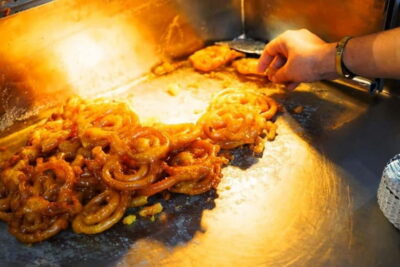
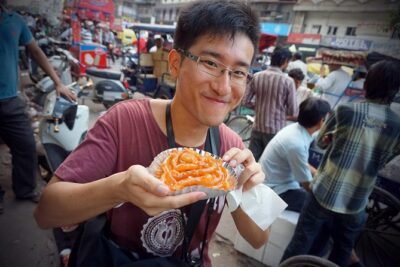
Your first major stop is the Old Famous Jalebi Wala. Jalebi is made from batter piped into hot oil, then soaked in syrup. It is crisp at the edges, soft inside, and very sweet. Eating it hot is the point. This is not a refined dessert served on a small plate. It is a sticky, immediate street snack, best approached with a napkin in hand.
Next comes Paranthe Wali Gali, a lane known for stuffed parathas. These deep-fried breads are a north Indian staple, and the lane has several shops devoted to them. The attraction here is not only the food. It is the sense of a narrow food street where one dish has shaped the identity of the entire lane.
Paratha can be filling, especially early in a seven-hour food tour. I would treat the first portion as a tasting, even though the tour includes all-you-can-eat food. You will have many more stops ahead, and saving room is a practical move. Ask your guide about the available fillings and portion sizes before ordering more than you can manage.
Kachori, potato dishes, and cooling yogurt
JB Kachori Wala, also called Jung Bahadur Kachori Wala, is known for kachori with aloo ki subzi. Kachori is a fried savory pastry, while aloo ki subzi is a potato preparation served with it. The combination gives you crunch, spice, and a soft potato dish in the same bite.
This stop shows why a guide helps. The food names can blur together when you are reading menus in unfamiliar streets, and a local guide can explain what you are tasting and how the pieces fit together. You can also signal if you want a gentler spice level. The tour is not presented as a fixed test of endurance. The guide can adjust the heat.
Natraj Dahi Bhalla is another important stop. The shop dates to 1940 and serves two main dishes: dahi bhalla and aloo tikki. Dahi bhalla uses yogurt to soften a savory snack, while aloo tikki is a fried potato dumpling with different flavors. After fried paratha and kachori, the cool yogurt is a welcome change.
I like this section of the route because the dishes are not all variations on the same idea. You move from syrupy jalebi to fried bread, then to kachori and potato curry, and finally to yogurt-based food. That variety helps you understand Delhi street food as a range of textures and temperatures, not one long sequence of spicy snacks.
Still, the pace can be demanding. You are walking through crowded lanes while eating several fried foods. Wear smart casual clothing that you can move in, and use the bottled water included in the tour. Most people can participate, but anyone with strict dietary needs should clarify them before booking because the supplied details do not promise vegetarian substitutions, allergy handling, or a special diet plan.
Sweets at Kedarnath Premchand Halwai and Kanwarji’s
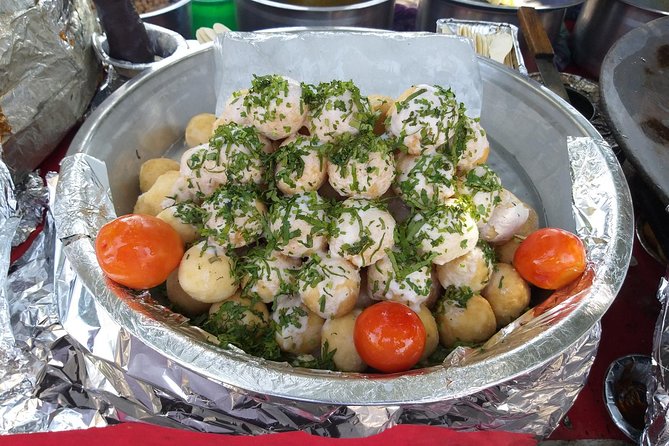
Kedarnath Premchand Halwai is a sweet shop known for Indian sweets finished with saffron, pistachio, and almonds. This is a good point to slow down and pay attention to the difference between sweets. Indian desserts are not all simply sugary. Some are milk-based, some are syrup-soaked, and some rely on nuts, spices, or reduced milk for flavor.
Kanwarji’s adds another layer of Old Delhi food tradition. The shop traces its beginnings to the eighteenth century in Chandni Chowk. That long-running presence gives the stop a sense of continuity, though the value for you will depend on how interested you are in sweets and old food businesses.
Later, the route includes samosa, rabdi, gulab jamun, and flavored milk. Samosa gives you another savory fried snack. Rabdi is a thickened milk dessert, while gulab jamun is a soft sweet soaked in syrup. The combination of rabdi, gulab jamun, and sweetened milk can be very rich, so take small servings when possible.
The stated price of $51 per person covers food and nonalcoholic drinks, including sweets, coffee, tea, bottled water, and snacks. That is a useful value if you plan to sample widely. You are paying not only for the food but also for private guiding, hotel transport, the bicycle rickshaw ride, and the time saved finding reputable stalls.
The value is less clear if you eat very little or mainly want to visit the spice market. This is a food-first outing, not a general Old Delhi sightseeing tour with a few samples. The more dishes you try, the more the included-food structure works in your favor.
More Food Tours by Tuk-Tuk in India
- Delhi: Old Delhi Street Food Tour with Rickshaw Ride
★ 4.9 · 403 reviews - Delhi: Old Delhi City Tour with Tuk-Tuk Ride & Street Food
★ 4.8 · 88 reviews - Delhi: Old Delhi City Tour with Tuk Tuk Ride & Street Food
★ 4.9 · 46 reviews - Delhi: Explore Old Delhi on Tuk Tuk with Shopping and Street Food
★ 5.0 · 13 reviews
The spice market as a useful final stop
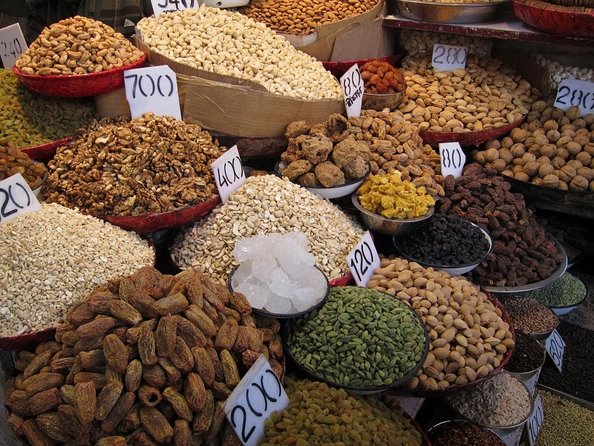
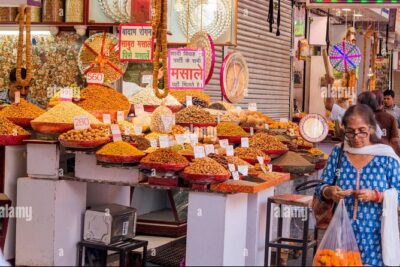
After the food walk, the route continues to the famous spice market. This changes the mood of the day. Instead of eating at small stalls, you can look for spices to take home and see another side of Delhi’s trade culture.
The market is especially useful because it gives the tour a clear souvenir stop. A packet of spices is easier to use and carry than many food gifts, though the tour details do not specify which spices are available, their prices, or whether the guide handles purchases. Ask about packing and customs rules before buying large quantities.
The spice market comes after a large amount of food, so it is also a chance to walk without having another required dish immediately in front of you. You can focus on smells, colors, and shopping rather than trying to eat more. The route may include a local train in some arrangements, according to one reported customized itinerary, but the standard transport details specifically promise tuk-tuk pickup and drop-off plus a bicycle rickshaw ride. Treat any additional train ride as something to confirm in advance, not as a guaranteed feature.
The emporium and the final ride back
On the way back to your hotel, the tour stops at an emporium. This gives you an opportunity to see Indian woodcarving, paintings, sculpture, and other arts. It can be useful if you want to compare handmade goods or look for a larger souvenir after the spice market.
This is also the part most likely to divide opinions. The street-food lanes feel direct and local. An emporium is a more organized retail setting, and you may not want shopping added after a long food walk. Since the details describe it as an opportunity to see a range of Indian arts, not a required purchase stop, you can treat it as an optional browse. Confirm with your guide how long you will spend there.
The day ends back at the starting point, with drop-off at a central Delhi hotel by tuk-tuk. The total duration is about seven hours, though the exact timing can shift because this is a private activity. One account describes a 4:30 p.m. start, but you should confirm your own pickup time when booking rather than assume every departure follows that schedule.
How the guides shape the day
The guide is important here because the experience moves through food stalls, narrow lanes, transport changes, and a market. Shweta is specifically praised for making the route fun. Rajender is described as offering food choices while walking through the market streets. Sunil is noted for explaining the area and checking on comfort.
Those details point to the kind of help you need most: clear explanations, attention to pace, and a willingness to adjust the food. The tour includes an English-speaking guide, but the supplied information does not promise a particular guide for every departure. If you want Shweta, Rajender, or Sunil, ask whether that person is available before booking.
The private format is a real advantage. You can say no to a dish, ask for a smaller portion, request less spice, or spend longer at a shop without holding up a large group. It also helps if your day changes. One itinerary was shortened for a flight, which shows why a private arrangement can be more useful than a fixed group schedule.
You should still tell the guide about allergies, food restrictions, and your comfort with spice at the start. The tour includes food and drinks, but the supplied details do not describe allergen controls or special menus.
Who gets the best value from this Old Delhi tour
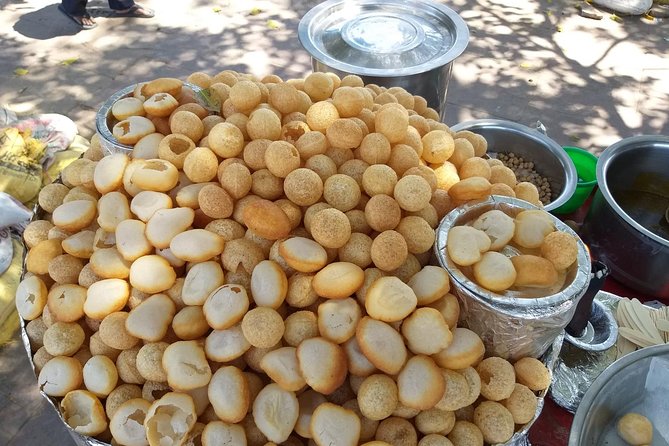
I would recommend this experience to you if food is a main reason you visit Delhi and you want help choosing established stalls. It suits first-time visitors who want Old Delhi transport arranged for them, as well as repeat visitors who want to focus on local snacks rather than major monuments.
It is also a good fit if you enjoy tasting many small dishes and prefer a private guide. The included food makes the $51 price easier to justify, especially when you add the hotel pickup, drop-off, bicycle rickshaw ride, bottled water, and spice-market visit.
You may want a shorter activity if you are not comfortable with fried foods, sweets, crowded lanes, or seven hours of walking and eating. You may also prefer another tour if your main goal is architecture, museums, or Delhi’s major landmarks. This route gives you local food and market life first.
The activity is listed for most participants and is near public transportation, but no detailed accessibility information is provided. If you need a particular vehicle setup or have mobility concerns, ask before booking. Smart casual dress is requested.
Should you book it?
Book this Old Delhi food tour if you want a full, private introduction to Chandni Chowk and would make a point of trying jalebi, paratha, kachori, aloo tikki, dahi bhalla, samosa, rabdi, and gulab jamun anyway. The strongest reasons to choose it are the flexible guides, included food, tuk-tuk logistics, bicycle rickshaw ride, and spice-market finish.
Skip it if you want a short tasting session, dislike sweets and fried snacks, or would rather spend seven hours on monuments and museums. For the right eater, $51 is a fair package because the transport, guiding, and food are bundled together. Free cancellation is available when you cancel at least 24 hours before the start time. Inside that window, the amount paid is not refunded.
FAQ
How long does the Old Delhi food tour last?
The tour lasts approximately seven hours.
What food is included?
The food includes local dishes and snacks such as aloo tikki, samosa, gulab jamun, jalebi, paratha, kachori, aloo ki subzi, dahi bhalla, rabdi, and flavored milk.
Are drinks included in the price?
Yes. Bottled water, coffee, tea, and nonalcoholic drinks are included.
Is hotel pickup provided?
Yes. Pickup and drop-off are provided by tuk-tuk from central Delhi hotels.
Does the tour include a rickshaw ride?
Yes. A bicycle rickshaw ride through Old Delhi is included.
Is this a private tour?
Yes. Only your group participates in the activity.
Which markets and shops does the tour visit?
The route includes Chandni Chowk, Jalebi Wala, Paranthe Wali Gali, JB Kachori Wala, Kedarnath Premchand Halwai, Kanwarji’s, Natraj Dahi Bhalla, the spice market, and an Indian arts emporium.
Is the tour suitable for most people?
The activity states that most participants can take part. It requests smart casual dress and provides no detailed accessibility information.
What is the cancellation policy?
You receive a full refund if you cancel at least 24 hours before the experience start time. Cancellations or changes made within 24 hours are not refunded or accepted.
More Old Quarter and Medina Food Walks in New Delhi
- Old Delhi Street Food Tour
★ 5.0 · 497 reviews - Old Delhi Street Food Tour – Explore Spices in Chandni Chowk
★ 5.0 · 334 reviews - Old Delhi Cultural, Temples, Heritage Walking Street Food Tour
★ 5.0 · 57 reviews - Old Delhi: Guided Street Food Tour w/ Private Transportation
★ 5.0 · 49 reviews
More Food Tours by Tuk-Tuk in New Delhi
- Old Delhi Tour by Tuk-Tuk Street Food and Shopping Experience
★ 5.0 · 12 reviews - Old Delhi Famous Private Street Food & Tuk-Tuk Tour
★ 5.0 · 2 reviews
Newest street food walks around New Delhi
- Old Delhi Cultural, Temples, Heritage Walking Street Food Tour★ 5.0 · 57 reviews
- Old and New Delhi Street Food Sampling★ 5.0 · 3 reviews
- Old Delhi Tour by Tuk-Tuk Street Food and Shopping Experience★ 5.0 · 12 reviews
- Customized Half Day and Full Day Delhi Shopping, Street Food Tour★ 5.0 · 52 reviews
- Delhi: Street Food Crawl (2 Hours Guided Food Tasting Tour)★ 3.5 · 18 reviews
- Taste Famous & Best Street Food of Old Delhi (Jama Masjid)★ 3.0 · 2 reviews
- Spice & Stories: 3-Hour Old Delhi Heritage Food Walk Guided Tour★ 4.5 · 36 reviews
- Old Delhi Street Food and Spice Market Tour★ 5.0 · 81 reviews
New Delhi street food tours, side by side.
Delhi: Old Delhi Street Food Tour with Rickshaw Ride
Read our review →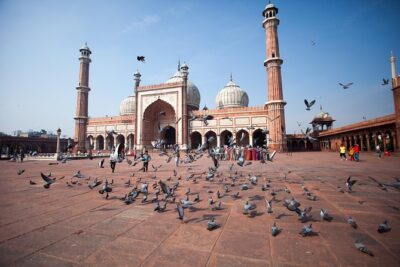
Old Delhi Street Food Tour – Explore Spices in Chandni Chowk
Read our review →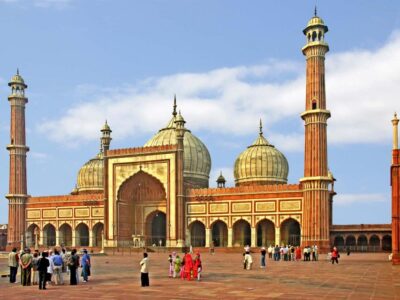
Delhi: Old Delhi City Tour with Tuk-Tuk Ride & Street Food
Read our review →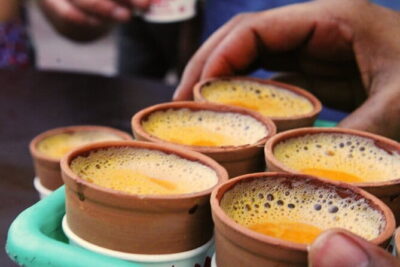
Old Delhi Cultural, Temples, Heritage Walking Street Food Tour
Read our review →
Customized Half Day and Full Day Delhi Shopping, Street Food Tour
Read our review →