
Review · JORDAN
Amman Walking Tour: Hidden Gems, Culture & Street Food
Amman reveals itself best through its contrasts: a national mosque, hillside art spaces, crowded downtown shops, local sweets, and Roman stonework can all fit into one afternoon. This tour gives you that broad introduction while keeping the focus on ordinary city life, not just famous monuments.
I like the way food and culture are mixed together, so you learn what people eat as well as how they live. I also like the chance to see Amman with Hussein, whose warm, conversational style and strong knowledge of Jordan have made him the main guide for many departures. The main consideration is the walking: hills, stairs, and city streets make this a poor choice for anyone with limited mobility, and the 6:00 PM departure skips the mosque.
Key points
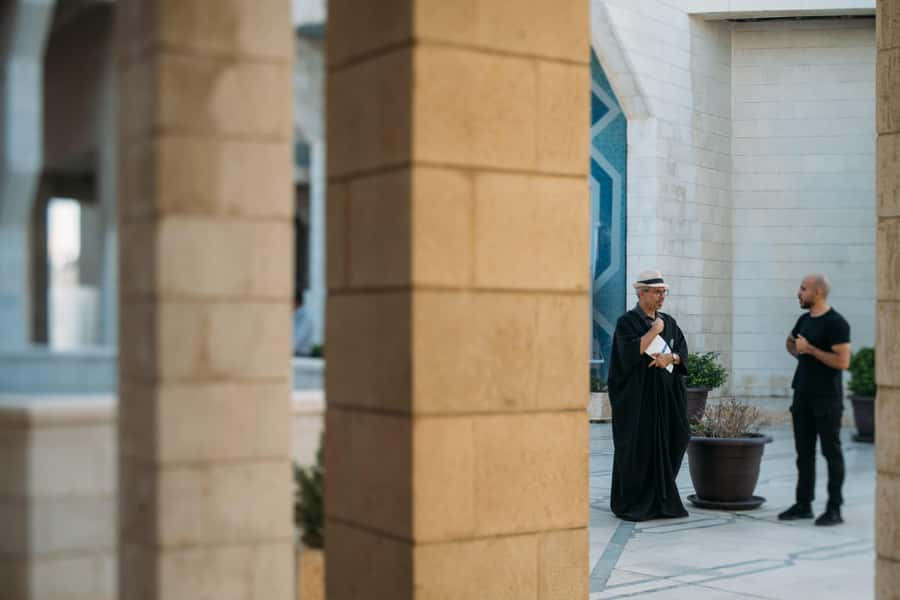
- King Abdullah I Mosque: Visit Jordan’s national mosque, with modest dress and removable shoes recommended.
- Jebel Al-Weibdeh art: See a more creative side of Amman beyond the usual ancient sites.
- Downtown food stops: Try local treats such as falafel, hummus, fatteh, kunafa, tea, and coffee.
- Roman Theatre: Finish among major Roman remains in the heart of old Amman.
- Small-group feel: Departures can be intimate, and solo guests may receive a more personal route.
- Useful first-day overview: Pick up food suggestions, shopping ideas, and practical advice for the rest of your stay.
Why this tour is a smart first look at Amman
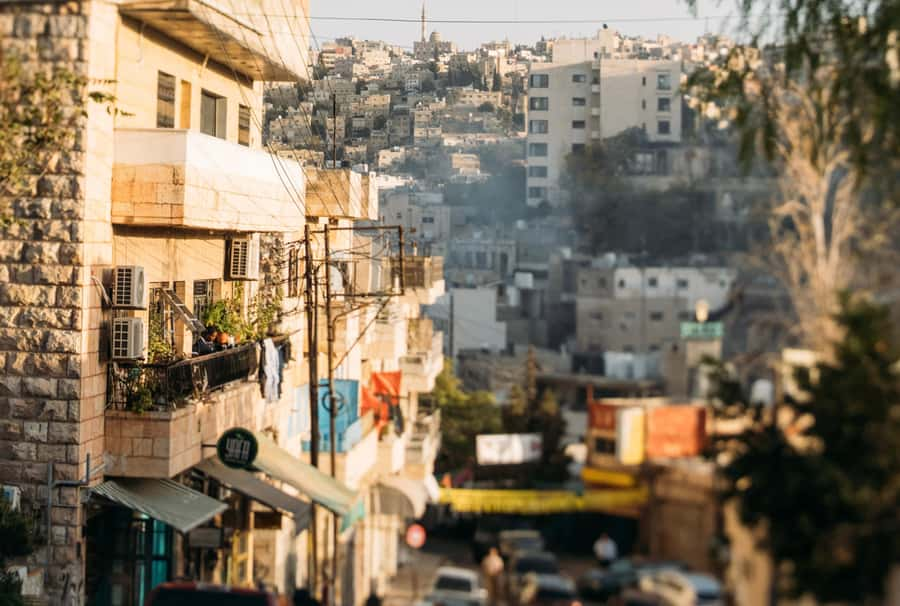
Amman is not a city you understand from a car window. Its neighborhoods rise and fall over hills, and its character changes quickly from polished modern districts to old shops, cafés, market lanes, and ancient ruins.
This 3 to 4 hour walk gives you a useful first frame for the city. You see the modern meeting point at Abdali Mall, visit an important religious site, walk through Jebel Al-Weibdeh, eat in downtown, and finish with Roman remains. That is a lot of ground in a short time, but the mix is the point.
Hussein is the guide most closely associated with this experience. His approach, based on the information available, is conversational rather than lecture-heavy. He explains Jordanian history, Islamic culture, daily customs, and local food while leaving room for questions. Rafat has also led departures, so the exact tone may vary by date.
I would book this near the start of a Jordan trip. It helps you place Amman’s neighborhoods on a mental map, and the food recommendations can guide your meals later. It also gives you a chance to ask practical questions about Jordan before heading to Petra, the Dead Sea, or other parts of the country.
More Hidden Food Spots in the world:
- Hanoi: Street Food Tour with Train Street & Hidden Alleyways
★ 5.0 · 2,831 reviews - Mexico City: Hidden Markets, Street Food & Salsa-Making Tour
★ 5.0 · 310 reviews - Saigon’s Hidden Flavors – Private Street Food Walk with Local Students
★ 5.0 · 301 reviews
Meeting at Abdali Mall and getting oriented
The tour begins in front of Gate 1 at Abdali Mall. This is a clear and modern meeting point, useful if you are staying in the newer part of Amman or arriving from a hotel with optional pickup.
The mall itself provides a sharp contrast with the older parts of the city that follow. You begin in a modern commercial setting, then move toward religious, artistic, market, and archaeological sights. That shift helps explain Amman better than a tour focused on one district alone.
Hotel pickup and drop-off are available only if you select that option. If you meet at the mall, allow enough time to find Gate 1. The experience is priced at $66 per person, which is fair if you value a guide, food orientation, and a broad introduction in one half-day. It is less attractive if you only want monument entry, since admission tickets are not included.
The tour includes a guide, bottled water, and coffee. Food is part of the experience according to the route and the many food stops described, but the supplied details do not promise a fixed number of tastings or a set menu. If you have allergies or dietary limits, ask before booking.
King Abdullah I Mosque and Jordanian religious life
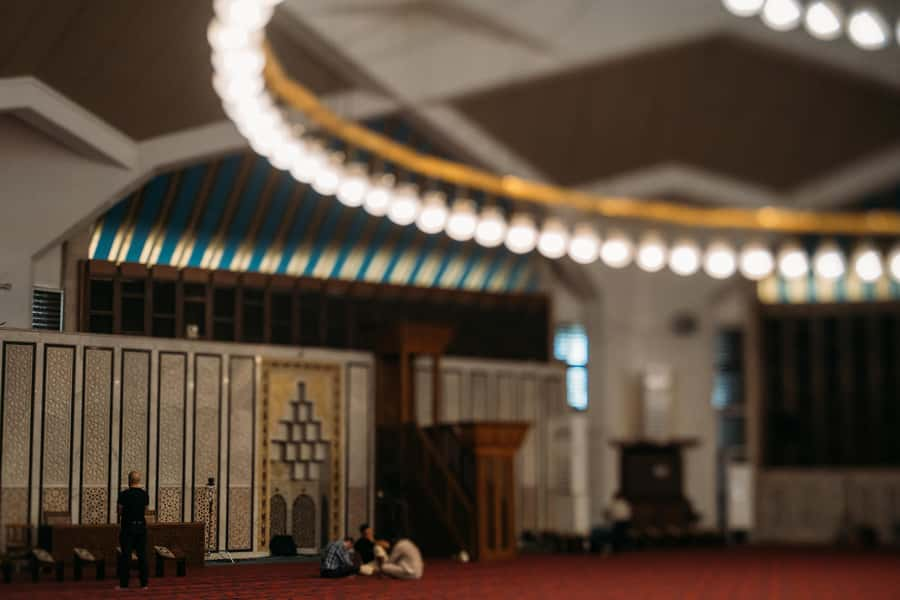
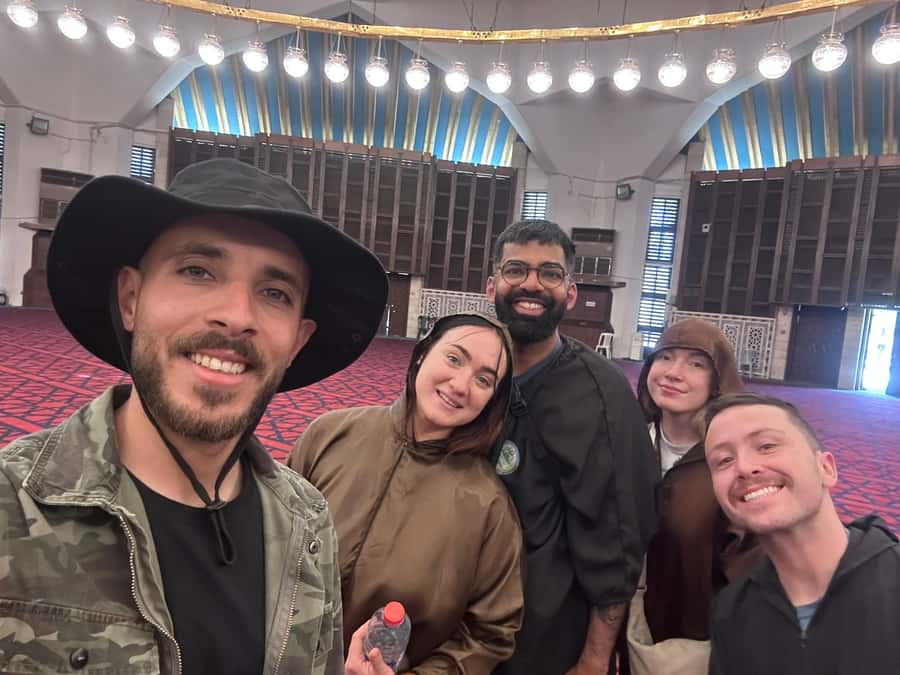
The first major stop is King Abdullah I Mosque, Jordan’s national mosque. Its blue dome and prominent position make it an important part of Amman’s modern identity, but the value of the visit is not only visual.
A guide can help you understand the place within Jordanian public life and explain customs that may otherwise feel unfamiliar. This is one of the better stops for asking respectful questions about Islam, prayer, dress, and local traditions. Hussein has been praised for explaining religion and culture clearly and patiently, which matters when you are trying to understand rather than simply take photographs.
Dress modestly and wear shoes that come off easily. Coverings are provided if needed, according to one detailed account of the visit. The supplied information says there is a small entrance fee in some circumstances, so bring some cash for possible admission.
Timing matters. The mosque is closed for the 6:00 PM tour, so that departure does not include the visit. If the mosque is important to you, choose an earlier start and confirm the available time when booking. This is one of the tour’s clearest limitations, but it is easy to avoid with the right departure.
Jebel Al-Weibdeh and Amman’s art side
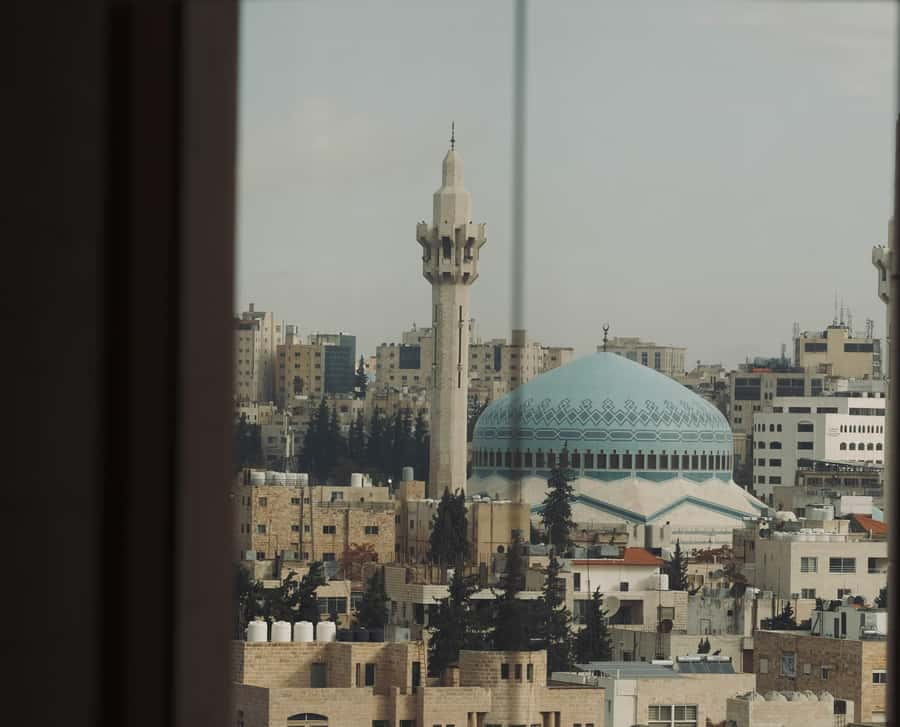
Jebel Al-Weibdeh adds a welcome change of pace. Instead of moving only between major historic sights, you see an area tied to Jordan’s art scene and modern cultural life.
The stop may include galleries, art-filled streets, or a scenic photo point. Exact locations can vary, and the itinerary lists a secret stop plus a photo stop rather than naming every place in advance. That uncertainty is part of the appeal if you enjoy local discoveries, though it can be less satisfying if you want a tightly specified list of attractions.
This area also shows why a walking guide is useful. Amman is spread across hills, and the important details are often in the spaces between headline sights. A guide can point out places you would likely pass without noticing and explain how contemporary Amman fits alongside older customs.
You should expect walking on uneven streets and some uphill sections. Comfortable shoes are essential. A sun hat and water will help in warm weather, and bottled water is included. The route is not designed for people with mobility impairments, pregnant women, or people over 80, according to the stated suitability guidance.
More street food walks around the world:
- Dubai: Old Town, Creek, Museums, Souks, & Street Food Tour
★ 4.8 · 10,816 reviews - Ho Chi Minh City Street Food Tour & Sightseeing By Motorbike
★ 5.0 · 9,413 reviews - Medellin: Comuna 13 Graffiti Tour, Cable Car & Street Food
★ 4.8 · 9,046 reviews - Dubai: Old Town, Souks, Street Food, Guided Tour & Abra Ride
★ 4.9 · 7,170 reviews
Downtown markets, cafés, and local food
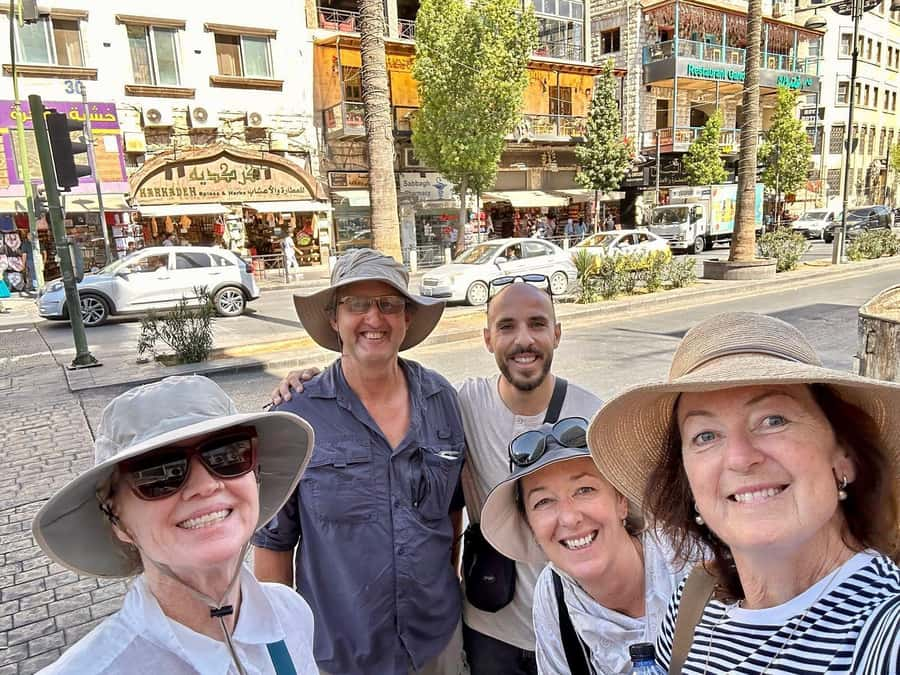
The downtown portion is where the tour becomes most personal. You walk through lively markets, shops, cafés, and local food stops rather than simply looking at buildings from the outside.
The food can include familiar Jordanian favorites such as falafel, hummus, fatteh, kunafa, tea, coffee, and other sweets. Kunafa, with its cheese, pastry, and syrup, is an especially useful introduction to the country’s dessert culture. The exact food selection is not fixed in the supplied information, so think of this as guided tasting and food advice rather than a formal food tour with a guaranteed menu.
I like this part because food gives you an easy way into a new culture. You can ask what people eat for breakfast, how sweets are shared, and which places are worth returning to. Several detailed experiences also describe visits to spice shops and local stores, along with time for souvenirs. Those extras may depend on the group, timing, and guide.
Downtown is also where you will notice the practical challenge of the tour. Market streets can be crowded, noisy, and uneven. The pace may feel quick if you want to stop at every shop, and a 3 to 4 hour schedule cannot cover all of Amman. Tell Hussein what interests you most. Previous departures have included adjustments for food, shopping, art, or extra questions, especially when the group was very small.
The Roman Theatre and Amman’s ancient past
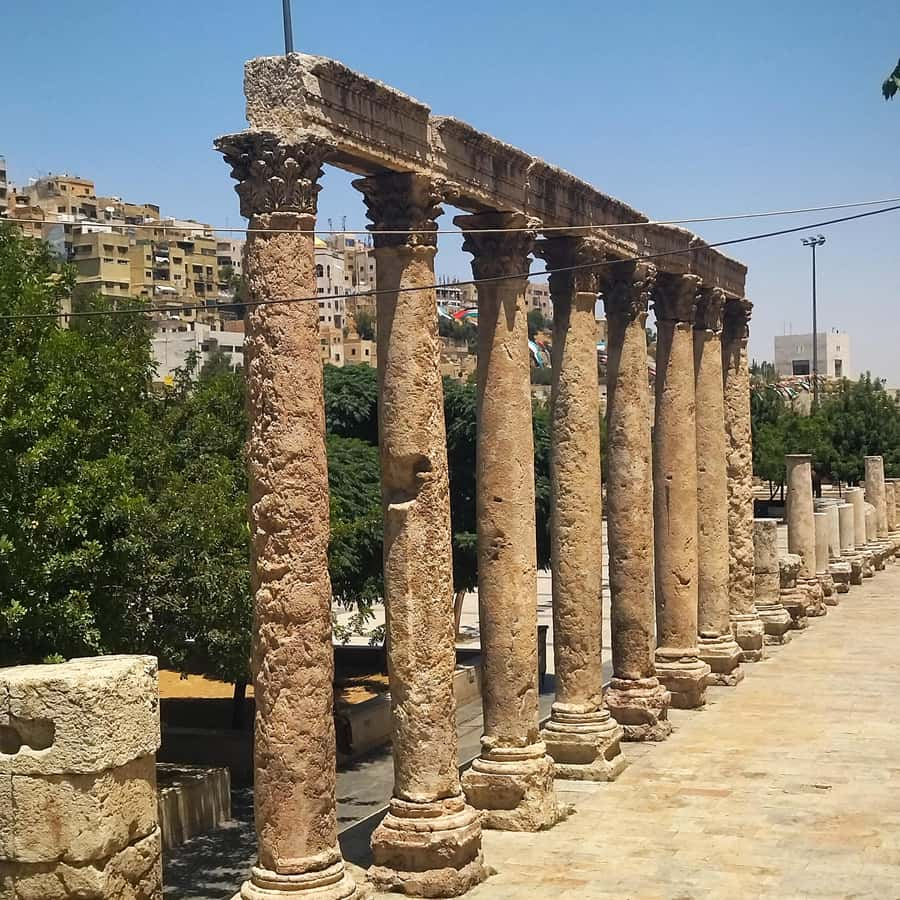
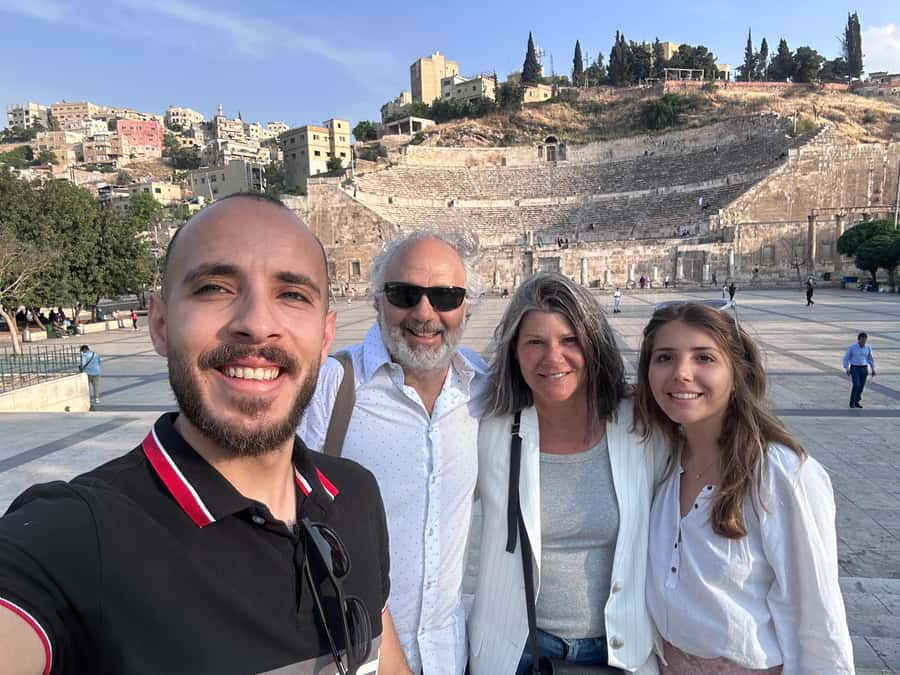
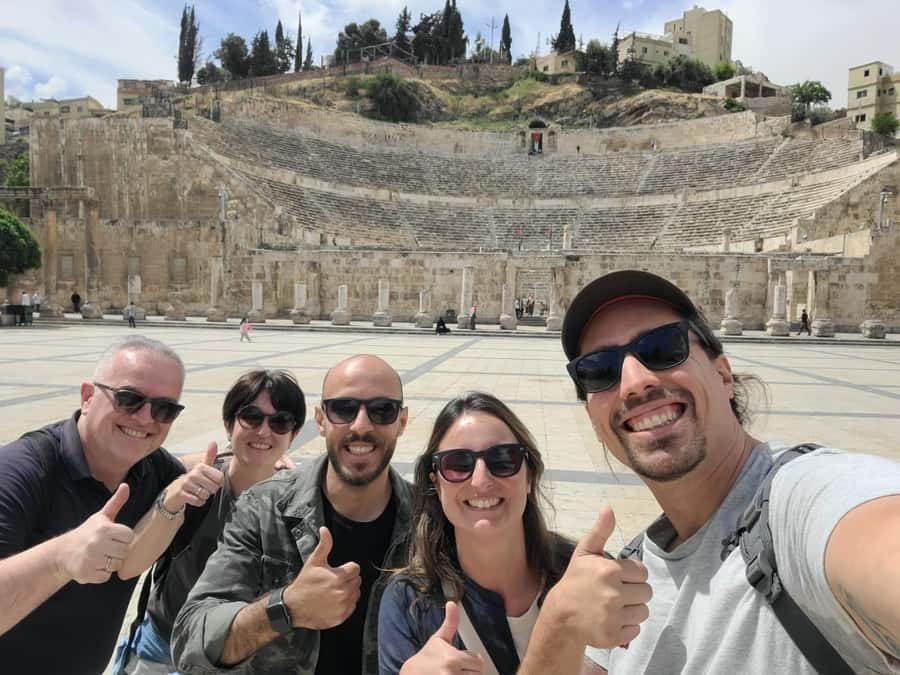
The Roman Theatre provides the tour’s strongest link to antiquity. Set in central Amman, it is a major Roman monument and an easy place to see how the modern city has grown around older layers.
The guided visit helps you understand the theatre as more than a photo stop. You can hear about its place in Amman’s past, then compare the stone monument with the markets and cafés just outside. That contrast is one of the pleasures of the route.
Entry tickets are not included, so budget for admission if your visit goes inside the site. The itinerary identifies the Roman Theatre as a guided walk and photo stop, but the amount of time inside can vary. If you want a slow climb through the theatre or a longer look at nearby archaeological areas, ask how much time is planned.
One useful tip comes from the tour pattern itself: the city walk may show you the main heritage area without allowing a full independent visit to every monument. If the Roman Theatre or Citadel is a priority, plan extra time before or after the tour. Some departures have included a Citadel visit through a premium option, but the base experience described here does not clearly include it.
How the guide shapes the experience
The strongest reason to book is the guide. Hussein is repeatedly described as friendly, funny, easy to talk with, and deeply proud of Jordan. Those qualities matter in Amman because the tour covers religion, politics, history, food, and everyday life in a short period.
He appears comfortable with both solo guests and groups. Solo departures have sometimes become highly personal, with the route adjusted to suit interests. Small groups can also feel almost private, while larger groups depend more on the guide’s ability to keep everyone involved.
That personal style is a benefit, but it comes with a small tradeoff. You may not receive an identical route every time. A guide who adapts to the group may spend longer at a food shop, art stop, or conversation and less time at another sight. Tell him your priorities early: mosque, food, shopping, photography, history, or local life.
The language options are Arabic and English. The English feedback is consistently described as clear and easy to follow, which is important when the subjects become detailed or sensitive.
What $66 gets you
At $66 per person, this is not the cheapest way to walk around Amman. You can visit many downtown areas independently, and public transport or taxis may cost less than a guided outing.
The value comes from combining several kinds of help:
- A local guide who explains context instead of only naming buildings
- A planned route through modern, religious, artistic, market, and ancient areas
- Food suggestions and tastings
- Bottled water and coffee
- A meeting point that is easy to identify
- Optional hotel pickup and drop-off
- The chance to ask questions about the rest of your Jordan itinerary
The price makes the most sense for a first visit, a short stay, or an overnight layover. It is also useful for solo visitors who would rather have a local companion in the markets and older parts of town. If you are already comfortable exploring Amman and mainly want entry to monuments, you may find the cost harder to justify.
Tickets are not included, so add those costs when comparing options. Hotel transfer also depends on the package you choose. Free cancellation up to 24 hours before the start and reserve-now-pay-later booking make the financial decision less risky, but the main value still depends on how much you want conversation and local direction.
Who should book this Amman walk
I would choose this tour if you want to see several sides of Amman without spending a full day on a formal sightseeing program. It suits first-time visitors, solo travelers, couples, and anyone with only a few hours in the capital.
It is especially good for you if:
- You want food recommendations as well as historic sights.
- You like asking questions and talking with a local guide.
- You want a gentle introduction to Jordanian culture and Islamic traditions.
- You prefer a flexible route over a rigid checklist.
- You are staying in Amman before visiting Petra or the Dead Sea.
- You want help finding shops, cafés, sweets, and markets you might miss alone.
I would hesitate if you need a completely flat route, a wheelchair-friendly experience, or a fixed timetable at every monument. I would also avoid the 6:00 PM departure if the mosque is essential to your plans.
Bring your passport or ID card, comfortable shoes, and a sun hat. Drones are not allowed. Since food stops are part of the appeal, carry any medication or allergy information you need, and tell the guide about restrictions at the start.
Should you book it?
Book this Amman walking tour if you want a friendly local introduction rather than a simple list of monuments. The best parts are the mix of mosque, art, markets, street food, and Roman remains, plus Hussein’s ability to connect those places to daily Jordanian life.
The $66 price is reasonable for a short first-day orientation, especially with optional hotel transfer and a small-group feel. Just remember that entry fees are extra, the exact food stops can vary, and the 6:00 PM tour misses the mosque. Choose an earlier time, wear good shoes, and let the guide know what you care about most. That is how to get the most from this compact but wide-ranging look at Amman.
FAQ
Where does the Amman walking tour begin?
The meeting point is in front of Gate 1 at Abdali Mall in Amman. Hotel pickup and drop-off are available if you select that option.
How long does the tour last?
The tour lasts 3 to 4 hours. Starting times vary, so check availability when booking.
Which languages does the guide speak?
The live tour is available in Arabic and English.
Does the tour visit King Abdullah I Mosque?
Yes, the itinerary includes a guided visit to King Abdullah I Mosque. The mosque is closed during the 6:00 PM tour, so that departure does not include the visit.
Are entry tickets included?
No. Entry tickets are not included in the tour price.
What should I bring?
Bring your passport or ID card, comfortable shoes, and a sun hat. Drones are not allowed. Modest clothing and shoes that are easy to remove are recommended for the mosque.
Newest street food walks around the world
- Old Delhi Cultural, Temples, Heritage Walking Street Food Tour★ 5.0 · 57 reviews
- Old and New Delhi Street Food Sampling★ 5.0 · 3 reviews
- Old Delhi Tour by Tuk-Tuk Street Food and Shopping Experience★ 5.0 · 12 reviews
- Customized Half Day and Full Day Delhi Shopping, Street Food Tour★ 5.0 · 52 reviews
- Delhi: Street Food Crawl (2 Hours Guided Food Tasting Tour)★ 3.5 · 18 reviews
- Taste Famous & Best Street Food of Old Delhi (Jama Masjid)★ 3.0 · 2 reviews
- Spice & Stories: 3-Hour Old Delhi Heritage Food Walk Guided Tour★ 4.5 · 36 reviews
- Old Delhi Street Food and Spice Market Tour★ 5.0 · 81 reviews