
Review · USA
Japanese Street Food Class in Beech Grove
Japanese Street Food Class in Beech Grove turns a familiar meal into a hands-on lesson. In about two and a half hours, you cook yakisoba, okonomiyaki, and takoyaki, then finish with a rice cooker cake covered in matcha green tea glaze. Mori sensei also serves miso soup, adding a welcome extra to the meal.
I like the private format, since Mori sensei can keep the pace personal and make the kitchen feel relaxed. I also like the practical recipe guide, plus the advice on where to find ingredients and what to use when a specialty item is hard to locate.
The main consideration is simple: this is a cooking class, not a restaurant meal or a broad sightseeing tour. You need to be ready to cook, follow instructions, and tell the instructor about food restrictions or allergies before class begins.
Key points to know before booking
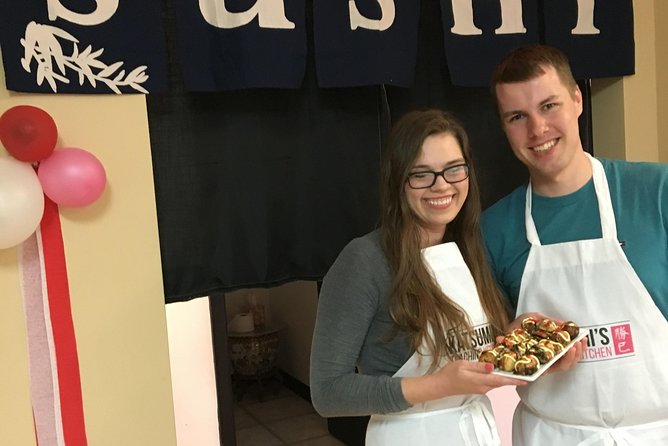
- Three Japanese street foods: Prepare yakisoba, okonomiyaki, and takoyaki during the main cooking session.
- A sweet finish: Make rice cooker cake with a lightly sweet matcha green tea glaze.
- Mori sensei leads the class: Expect a friendly, lighthearted teaching style with background on ingredients and dishes.
- Private experience: Only your group participates, allowing for a more personal pace.
- Useful take-home guidance: Recipes, ingredient sources, and substitutions help you repeat the dishes at home.
- Beech Grove location: Meet at 222 Main St at 3:00 pm, with the class ending at the same place.
What happens inside the Beech Grove kitchen
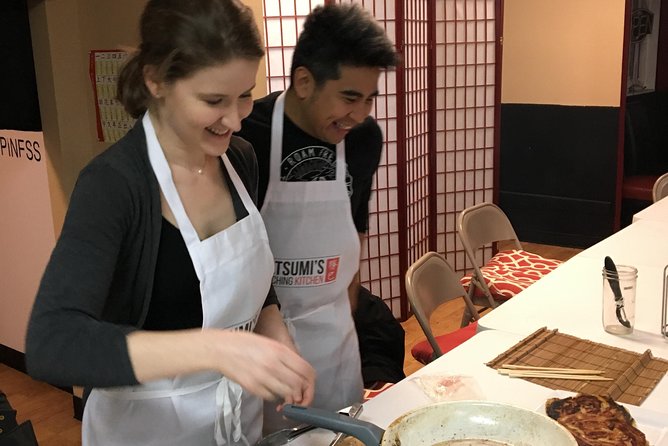
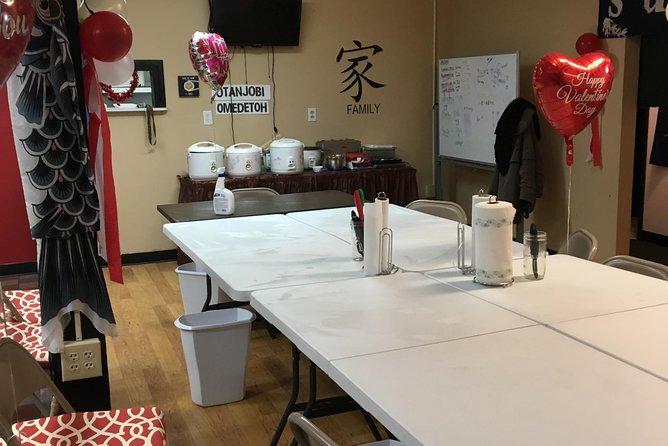
You meet at 222 Main St in Beech Grove, Indiana, at 3:00 pm. The activity lasts about two hours and 30 minutes, and it ends where it begins. Since the class is private, only your group takes part, which matters if you prefer direct instruction over a large public workshop.
You do not need to bring anything extra. After putting on an apron and washing your hands, you get started. That opening is basic but useful: you can arrive without a special kit, and the class moves quickly into the food rather than spending much time on formal introductions.
Mori sensei teaches while you cook. The class is not only about following a recipe line by line. You also hear where each dish comes from and learn about the ingredients used in it. That context gives the food a clearer place in Japanese everyday cooking, especially since these dishes are often associated with casual meals and street-food stalls.
The teaching style appears relaxed and good-humored. That can make a difference if you are not comfortable in the kitchen. The class is better suited to participation than passive watching, so expect to chop, mix, cook, and assemble rather than simply sit at a demonstration.
More street food walks around the USA:
- Charleston Upper King Street Food Tour
★ 4.5 · 200 reviews - Portland Food Carts, Pods & Patios Tour
★ 5.0 · 166 reviews - Mexican Street Food: Tijuana Day Trip from San Diego
★ 4.5 · 158 reviews
Yakisoba brings a quick, savory start
Yakisoba is one of the class’s three main dishes. It is a useful first recipe because it is familiar in form, adaptable at home, and closely tied to casual Japanese eating. You learn to make it as part of the cooking session, while Mori sensei explains the ingredients and the dish’s background.
For you, the value is practical. Yakisoba can become an easy weeknight meal once you know what to look for in the ingredients. The class also covers where to find those ingredients and what substitutions can work, which is important if you shop in an area without a large Japanese grocery store.
The available details do not specify every ingredient or cooking step, so you should not expect a fixed promise about the exact version prepared on your date. What is clear is that the recipe is taught as something you can recreate at home, not as a one-time dish that only works in the teaching kitchen.
Okonomiyaki shows a different side of street food
Next comes okonomiyaki, a savory Japanese dish often associated with casual cooking and flexible ingredients. In this class, you learn how to prepare it while hearing about its origins and the role its ingredients play.
This is a good place to pay attention to Mori sensei’s substitution advice. The dish is useful for home cooks because the recipe guide gives you a reference after the class, while the ingredient discussion helps you adapt to what is available locally.
The class format lets you see how a dish comes together rather than receiving a finished plate with no explanation. That makes it a better choice for someone who wants skills, not just lunch. Still, the private setting does not automatically mean every participant gets unlimited one-on-one time. Your group shares the instruction, even if the group is only your own party.
Takoyaki makes the class more hands-on
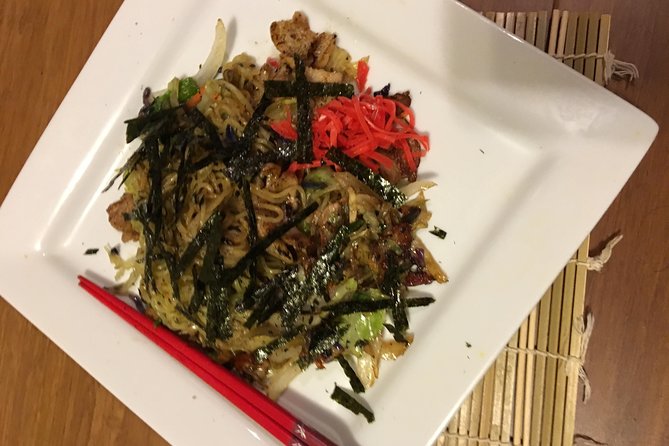
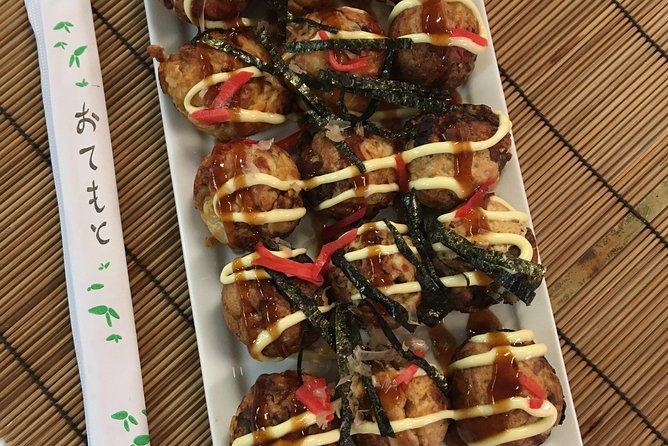
Takoyaki completes the trio of savory dishes. It is one of the more distinctive foods on the menu and gives the class a strong street-food identity. You learn to prepare it alongside yakisoba and okonomiyaki, with the history and ingredients explained as you go.
This part may require the most attention because the dish is prepared in a particular form rather than simply stirred together in a pan. The supplied details do not promise a specific skill level or cooking result, so beginners should approach it as a guided lesson rather than expect perfect shapes on the first attempt.
That is also part of the appeal. You get to try a dish that many home cooks might not attempt without instruction. If you enjoy food classes where the process matters as much as the final plate, takoyaki is likely to be one of the more memorable parts.
Same streets, a different set of bites:
- New York City Food Cart Walking Tour
★ 5.0 · 68 reviews - No Diet Club – Best street food tour in Brooklyn ! (NYC)
★ 4.9 · 39 reviews - No Diet Club – Best street food tour in San Francisco !
★ 5.0 · 38 reviews - Denver Downtown 16th Street Food Tour
★ 5.0 · 29 reviews
Rice cooker cake and matcha glaze close the meal
Dessert is a rice cooker cake with matcha green tea glaze. The cake is described as sponge-cake-like, with a texture and flavor intended to make it more special than an ordinary quick cake. The glaze is simple to prepare and not too sweet.
The rice cooker method is the useful hook here. It gives you another home-cooking idea that does not depend on a conventional oven, at least in the way the class presents it. You should keep in mind that the exact equipment and process at home may differ, but the recipe guide gives you a starting point after class.
Matcha adds a mild bitter tea note and keeps the dessert from becoming overly sugary. If you already enjoy green tea flavors, this should be an appealing finish. If you prefer very sweet desserts, the restrained glaze may feel understated, but that is part of the recipe’s character.
The dessert also helps balance the savory menu. Three street-food dishes can make for a filling session, and a lighter glaze keeps the final course from becoming heavy.
Miso soup is an appreciated extra
Miso soup is not listed among the four main dishes you prepare, but Mori sensei has served it during the experience. This is a useful bonus because it rounds out the meal and gives you another familiar Japanese flavor alongside the street-food dishes.
Do not book this class on the assumption that miso soup is guaranteed as a formal cooking lesson. The confirmed teaching menu is yakisoba, okonomiyaki, takoyaki, and rice cooker cake. Think of the soup as an extra that may accompany the meal rather than a fifth recipe promised in the program.
Why the private format matters
A private class changes the feel of the experience. You are not placed with unrelated participants, and the only people taking part are your own group. That makes this a natural choice for couples, families, or friends who want to cook together without a large class around them.
Mori sensei’s lighthearted approach is another advantage. A cooking class can become tense when people worry about making mistakes, but a relaxed instructor helps you focus on the process. The available feedback describes her as funny and good at making people comfortable, which fits the needs of beginners especially well.
The tradeoff is that private does not mean completely customized. The menu is set around four dishes, and the class takes roughly 150 minutes. You can expect personal attention within that plan, but not necessarily a custom menu or a separate lesson on every Japanese dish you request.
Recipes and ingredient advice make the value last
The strongest practical feature is the recipe guide. Without written instructions, a cooking class can become a pleasant afternoon followed by a vague memory of what you did. With recipes in hand, you have a better chance of making the food again.
The ingredient guidance adds another layer of value. Japanese recipes can call for items that are unfamiliar or difficult to find, and simply naming those items does not solve the problem. Learning where to shop and what substitutions to consider helps you take the food into your own kitchen.
This matters when you judge the cost, even though no price is provided here. You are paying for a private lesson, a prepared meal, instruction on four dishes, background on the food, and material to use later. The value is strongest if you actually cook at home afterward. If you only want to eat Japanese food without participating, a restaurant would be a more direct choice.
Who will enjoy this class most
I would recommend this experience to anyone who likes food with a story and wants to learn by doing. It suits couples looking for a shared activity, families who can work comfortably around a cooking lesson, and home cooks who want new ideas for casual Japanese meals.
It is also a good fit if you are curious about Japanese food but do not know where to begin. The menu offers several different styles in one session: noodles, savory batter-based dishes, bite-sized street food, and dessert. You receive a broad introduction without signing up for several separate classes.
People with food restrictions or allergies can still consider booking, but you must tell the instructor before the class begins. Do not wait until you arrive. The menu contains several dishes, and advance notice gives the kitchen a chance to address your needs.
This may be less suitable if you want a fast, polished meal with no work involved. You also may not enjoy it if you prefer a large social class with strangers. The private format is quiet and personal, not a group party.
Timing, location, and practical details
The class begins at 3:00 pm and ends at the same meeting point. Since the address is in Beech Grove, Indiana, you should plan your route to 222 Main St rather than assume the activity begins in central Indianapolis.
The activity is offered in English and uses a mobile ticket. Public transportation is nearby, and service animals are allowed. No extra equipment or supplies are listed as necessary, so you can arrive ready to put on an apron and wash your hands.
The experience requires good weather and a minimum number of participants. If poor weather causes a cancellation, you are offered another date or a full refund. If the minimum number is not met, you are offered another date or experience, or a full refund.
You can cancel for a full refund up to 24 hours before the start time. Changes or cancellations made less than 24 hours before 3:00 pm are not accepted for a refund, so keep the local cut-off time in mind.
Should you book the Beech Grove cooking class?
Book it if you want more than a meal. The combination of Mori sensei’s relaxed instruction, three savory street foods, rice cooker cake, ingredient advice, and take-home recipes gives you something useful to carry beyond the afternoon.
I would especially choose it for a private date activity or a small group that enjoys cooking together. The main reasons to hesitate are the fixed menu, the need to participate, and the possibility that weather or minimum attendance could affect the booking.
If you want a practical introduction to Japanese home cooking with a personal teacher, this is a strong choice. If you only want to sample Japanese dishes without touching a cutting board, choose a restaurant instead.
FAQ
Where does the Japanese Street Food Class take place?
The class starts and ends at 222 Main St, Beech Grove, Indiana 46107, USA.
What time does the class begin?
The class starts at 3:00 pm.
How long does the experience last?
The class lasts approximately two hours and 30 minutes.
What food will I learn to make?
You will learn to make yakisoba, okonomiyaki, and takoyaki. Dessert is a rice cooker cake with matcha green tea glaze.
Is the class private?
Yes. Only your group participates in this private activity.
Is anything provided for the class?
You do not need to bring anything extra. You will put on an apron, wash your hands, and begin the class.
What should I do about food allergies or restrictions?
Tell the instructor about all food restrictions and particular allergies before the class begins.
Newest street food walks around the USA
- Little Havana Street Food Tour with Enthusiastic Guide★ 4.0 · 21 reviews
- Taste of Little Havana: Miami Cuban Food & Culture Tour★ 5.0 · 3 reviews
- Key West Street Food Private Local Guided Tour★ 3.5 · 2 reviews
- Denver Downtown 16th Street Food Tour★ 5.0 · 29 reviews
- Austin Street Art and Street Food Tour with Local Guide★ 5.0 · 4 reviews
- Seattle: Street Food Guided Walking Tour of South Lake Union★ 5.0 · 5 reviews
- Portland: Food Carts, Pods, & Patios Tour★ 4.8 · 17 reviews
- Portland: Food Carts of the Eastside Bike Tour★ 4.9 · 16 reviews
USA street food tours, side by side.

Mexican Street Food: Tijuana Day Trip from San Diego
Read our review →
No Diet Club – Best street food tour in Brooklyn ! (NYC)
Read our review →
No Diet Club – Best street food tour in San Francisco !
Read our review →
Little Havana Street Food Tour with Enthusiastic Guide
Read our review →The lists this tour appears in