
Review · ROMANIA
Bucharest Panoramic City Tour & Street Food
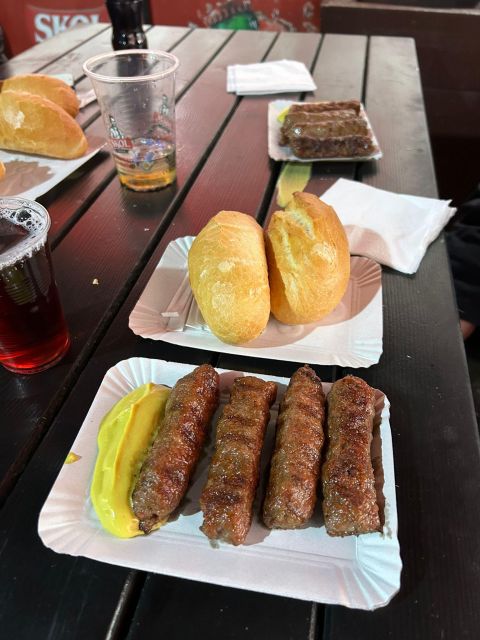
Bucharest reveals itself through sharp contrasts: grand French-style palaces along Calea Victoriei, vast communist boulevards, neighborhood markets, and the former private home of dictator Nicolae Ceaușescu. This tour gives you that broad picture without making you piece the city together from scattered metro rides and long walks. Obor Market is the most distinctive stop, where the tour adds coffee, pastries, and the chance to try mici, Romania’s famous grilled meat rolls.
I like the private format, since your guide can adjust the route and pace for your group. I also like the practical transport: a sedan for one to three people, or a spacious air-conditioned van for four to eight. The main consideration is that food, drinks, and attraction entrances cost extra, so the $150 price per person is paying mainly for a private guide, vehicle, hotel pickup, and a focused introduction to Bucharest.
Key points at a glance
- Obor Market gives the tour its local flavor, with mici, fresh produce, cheese, salami, and everyday Bucharest life.
- Calea Victoriei connects several eras, from museum houses and palaces to the Romanian Athenaeum.
- The communist story feels more personal in Primăverii, where Ceaușescu’s former private villa helps explain the divide between ordinary residents and the ruling elite.
- Private transport saves your legs, especially when combining central Bucharest with northern neighborhoods.
- Guides can shape the day, with Vlad, Petre, and Andrei among the guides associated with recent departures.
- The tour works best as a first-day orientation, not as a substitute for entering every major attraction.
Four hours across Bucharest’s sharp contrasts

This is a city orientation with a strong food stop, rather than a museum-heavy walking tour. You are collected from your hotel or apartment at about 10 a.m., then travel between major sights by car or van while your English-speaking guide explains the city’s past, legends, and daily life.
Bucharest is often called Little Paris because of its interwar architecture and French influence. That nickname is useful, but incomplete. The city also carries the marks of communist planning, the 1989 revolution, rapid modern change, and ordinary market life. The route gives you a quick way to see these layers side by side.
The private setup matters here. You are not being moved through the city as part of a large crowd, and the guide can respond to your interests. If you want more time for photos, a question answered in greater detail, or a small adjustment to the route, this format offers room for it. The tour is still only four hours, so flexibility does not mean unlimited time at each stop.
More street food walks around the world:
- Dubai: Old Town, Creek, Museums, Souks, & Street Food Tour
★ 4.8 · 10,816 reviews - Ho Chi Minh City Street Food Tour & Sightseeing By Motorbike
★ 5.0 · 9,413 reviews - Medellin: Comuna 13 Graffiti Tour, Cable Car & Street Food
★ 4.8 · 9,046 reviews
Coffee, pastries, and an easy start at 10 a.m.
The morning begins with pickup at your hotel or apartment. That is a useful feature in Bucharest, where the main sights spread across a large area and a first-time visitor may not yet know which neighborhoods connect easily.
Early in the route, you are served freshly roasted gourmet coffee with local pastries. This is a pleasant way to begin because it introduces a small piece of Romanian food culture before the larger market stop. Food and drinks are not included in the listed price, so confirm how these purchases are handled and budget separately.
The vehicle makes the opening part of the day comfortable. Groups of one to three use a sedan, while groups of four to eight travel in a spacious, air-conditioned van. A clean, well-managed van was a notable part of one recent outing, and that matters during a summer visit when crossing Bucharest in a comfortable vehicle is easier than walking between far-flung districts.
Calea Victoriei and the old Little Paris
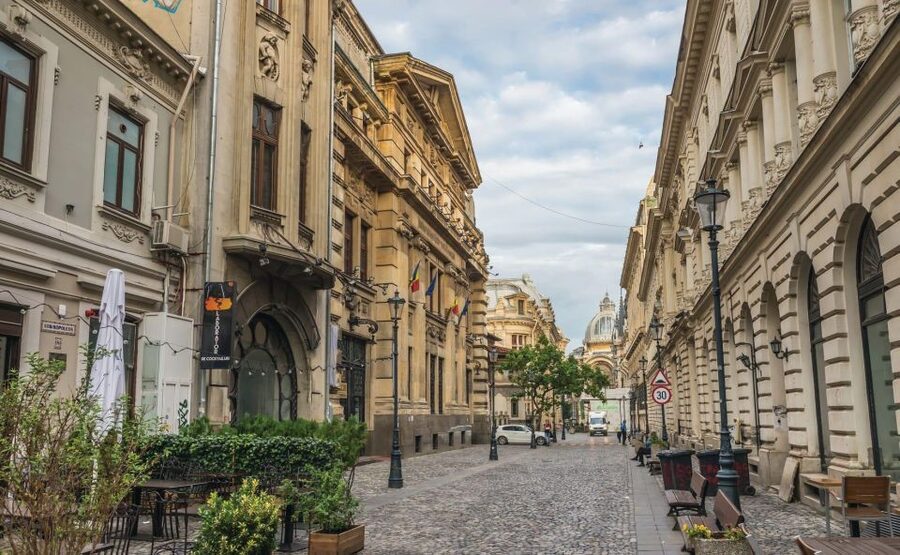
Calea Victoriei is one of the best places to begin understanding Bucharest’s older face. The street is lined with museum houses, palaces, and important public buildings, giving you a visual sense of the city’s interwar ambitions.
Your guide can explain how Bucharest earned its Little Paris reputation, while pointing out the details that make the comparison understandable: formal façades, grand residences, and a taste for European style. You should expect sightseeing and photo stops rather than a long, continuous walk along every block.
This part of the route is especially useful if you have limited time in the capital. You get the broad architectural picture quickly, then can return later to any building that catches your eye. The tradeoff is that the tour does not include entry to the museums or palaces. Entrance fees are separate, and the four-hour schedule is designed more for seeing and understanding than for extended indoor visits.
Parliament Palace and the scale of communist Bucharest
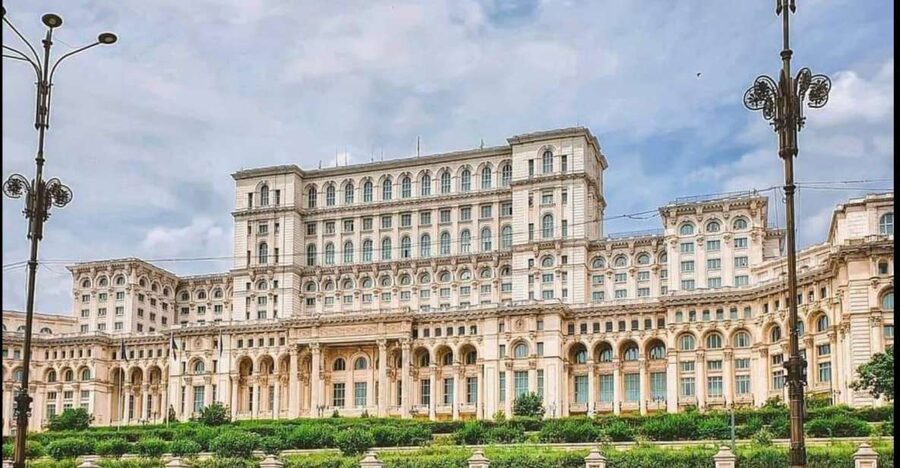
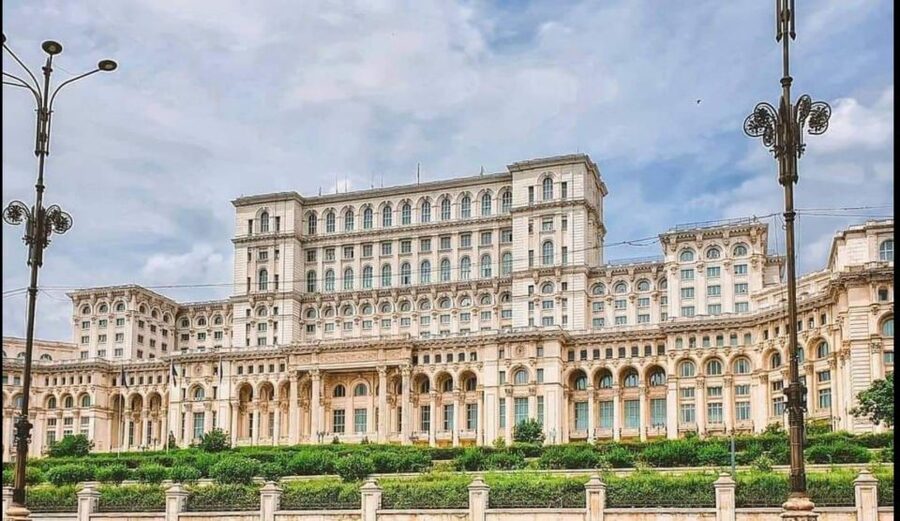
The Parliament Palace is one of the tour’s major visual anchors. It is the second-largest administrative building in the world, and its size helps explain the scale of Nicolae Ceaușescu’s redevelopment plans.
You will have an opportunity to admire and photograph the exterior, while your guide places the building in the wider story of communist Bucharest. The sight is not subtle. Its huge proportions and commanding position make it a strong contrast to the more refined buildings along Calea Victoriei.
The tour also takes in the Army House and the CEC Palace. These stops add variety: one reflects the power of the state and military institutions, while the other contributes to the city’s older architectural character. Exact time for each stop can depend on traffic, group interests, and the guide’s judgment, so think of this as a moving city tour with selected pauses, not a fixed museum timetable.
If you want to visit Parliament Palace inside, you will need to arrange and pay for admission separately. The tour information does not include entrance tickets, so ask about timing before booking any additional visit.
Same streets, a different set of bites:
- Dubai: Old Town, Souks, Street Food, Guided Tour & Abra Ride
★ 4.9 · 7,170 reviews - Naples: Street Food Walking Tour with Local Guide
★ 4.9 · 4,976 reviews - Small Group Hanoi Street Food Tour with a Real Foodie
★ 5.0 · 4,682 reviews - Rome: Street Food Tour with Local Guide
★ 4.8 · 4,077 reviews
Unirii Boulevard and Alba Iulia Square
Unirii Boulevard is presented as Bucharest’s communist Champs-Élysées, a useful comparison for understanding its broad scale and formal layout. The boulevard leads toward the central areas shaped by communist planning, with wide roads and large open spaces replacing the intimate street pattern found elsewhere.
Alba Iulia Square continues the story. Here, the value is less about one single landmark and more about seeing how urban space was reshaped for display, movement, and state power. From the vehicle, you can take in the proportions without spending much energy walking long distances in the middle of the day.
I find this section valuable because it prevents the tour from becoming only a pretty-architecture outing. Bucharest’s appeal lies partly in the friction between elegant old buildings and imposing communist projects. You see both within a short span, and the guide helps connect the physical city to the people who lived through those changes.
Obor Market, mici, and ordinary Bucharest life
Obor is the most grounded stop on the route. It is described as Bucharest’s largest outdoor and indoor market, and it gives you a break from formal monuments and government buildings.
The tour includes a chance to taste mici, Romania’s well-known grilled meat rolls. They are a simple local specialty, but they are exactly the kind of food that can make a city tour feel connected to everyday life. The market also offers fresh fruit, salami, and cheese, and you may have time to browse or buy inexpensive food for later.
This is not a polished food hall designed mainly for sightseers. It is a working market, which means the experience can feel more direct and less staged. That also means conditions may be lively and practical rather than quiet or carefully arranged. Comfortable shoes help, and loose, comfortable clothing is sensible.
Food is not included in the tour price, despite the planned tasting stops, so keep some extra money available. The market can also be a good place to shop for small picnic supplies, although the schedule may limit how long you can browse. If you want a full market visit, tell your guide early in the day.
Primăverii and Ceaușescu’s private villa
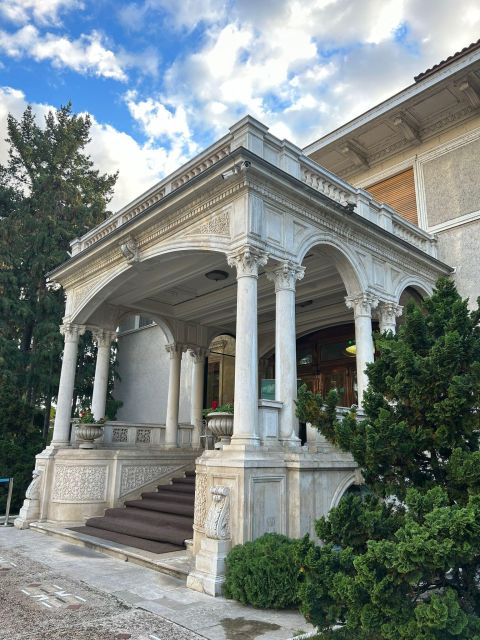
The route then moves to Primăverii, one of Bucharest’s most revealing neighborhoods for understanding the communist period. This is where Nicolae Ceaușescu had his private house, giving the political story a more personal setting.
A former dictator’s residence can easily become a sensational stop. Its real value is more practical: it helps you think about the contrast between the official image of equality and the private privileges enjoyed by the ruling family. Your guide can connect the villa to the wider story of life in communist neighborhoods and the sharp differences between public and private worlds.
The tour does not include entrance fees, so you should not assume that a villa visit inside is part of the package. The route specifically includes the Primăverii area and Ceaușescu’s house as a point of interest. If entering the residence is important to you, ask in advance about current access and ticket arrangements.
This neighborhood also helps balance the grand scale of Parliament Palace. One shows state power through monumental construction; the other points toward the enclosed, privileged life of the leadership. Together, they make the communist section more understandable than a list of dates alone.
Triumph Arch and the Village Museum
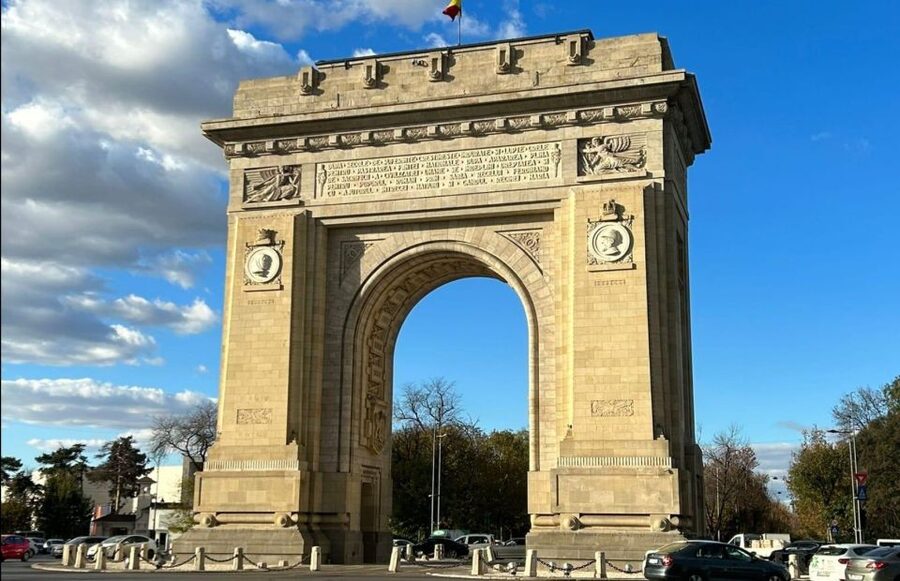
The Triumph Arch adds another well-known Bucharest landmark and gives you a chance to photograph one of the city’s most recognizable monuments. It also reinforces the French connection suggested by the Little Paris nickname, though the city’s identity is broader than that label.
The nearby Village Museum offers a different view of Romania. Instead of looking at the capital through palaces and boulevards, you get a window onto traditional rural buildings and regional life. This is an important change of pace after the city’s monumental center and communist districts.
The schedule is compact, so treat the Village Museum as a selected stop rather than assuming you will have time for every path and building. Admission is not included. If you care most about the museum’s interiors and full grounds, you may prefer to return separately with more time. If you want a quick introduction and photographs, the tour provides a useful first look.
The Romanian Athenaeum closes the route
The final planned stop is the Romanian Athenaeum, home of the Romanian Philharmonic Orchestra. It is a fitting end because it brings you back to Bucharest’s cultural and architectural side after the market and communist neighborhoods.
The Athenaeum also rounds out the city’s story. In a single morning, you have seen state power, local commerce, residential privilege, traditional rural architecture, and formal European-style culture. That range is the main reason to choose this route over a tour focused only on central monuments.
Again, entrance is not included. You can admire and photograph the building from outside, while a separate visit would be needed if you want to see the interior or attend a performance.
What the private vehicle changes
The vehicle is more than a convenience. Bucharest’s sights are spread across central, southern, northern, and park-side areas, and the route includes both major monuments and neighborhoods. A private car or van lets you cover more ground in four hours without making the day feel like a race between metro stations.
For one to three people, transportation is by sedan. Four to eight people use a van, which is the better choice for a family or small group carrying shopping bags from Obor. Air conditioning is another practical advantage in warm weather.
The group size is capped at eight, but a private booking means the vehicle is reserved for your party. Guides named for recent departures include Vlad, Petre, and Andrei. Vlad is associated with a smooth van outing and flexible handling of group needs, while Petre is described as especially engaging and responsive to feedback. Andrei led a route that included Revolution Square, Parliament Palace, central Bucharest, Obor, Primăverii, the Triumph Arch, and the Village Museum.
Guide quality can shape this tour because much of the value comes through explanation rather than admission to interiors. When booking, it is reasonable to ask who is scheduled to lead your group and whether any special interests can be accommodated.
Is $150 per person a fair price?
At $150 per person, this is not the cheapest way to see Bucharest. The price makes more sense for a small private group that values hotel pickup, private transport, an English-speaking guide, water, Wi-Fi, and a route covering several widely separated parts of the city.
For one person or a couple, the per-person cost is harder to justify if you are happy using public transport and exploring at your own pace. For four to eight people, the private van spreads the cost across the group and becomes more competitive, especially if you would otherwise need several taxis and a separate guide.
Remember that entrances, food, and drinks are not included. Coffee, pastries, mici, and market purchases are extra, as are any indoor visits. The tour provides orientation and transport, not an all-inclusive day of admissions and meals.
The four-hour length is another value question. It is long enough to see the city’s main contrasts without using your whole day, but too short for a thorough interior visit at every major attraction. I would choose it early in a Bucharest stay, then decide which places deserve a return visit.
Who should book this Bucharest tour?
I would recommend it to first-time visitors who want a clear overview without spending the day navigating an unfamiliar capital. It also suits families, older visitors, small groups, and anyone who prefers vehicle-based sightseeing to long walks.
The route is useful for travelers with a short stay because it covers old architecture, communist planning, a local market, Ceaușescu’s former neighborhood, traditional Romanian buildings, and a major concert hall in one outing. Food-minded visitors will appreciate the Obor stop, though it is a market tasting rather than a full food tour.
I would be more cautious if you want long museum visits, a slow architectural walk, or a deep focus on one period of Romanian history. The tour moves across many subjects, and its strength is range. Wheelchair users should note that the experience is listed as unsuitable for wheelchair users.
Free cancellation is available up to 24 hours before departure, and you can reserve while paying later. Those policies offer some planning flexibility, but the main decision is simpler: do you want a private overview with transport, or would you rather trade comfort and context for a cheaper, slower independent day?
Should you book it?
Book this tour if you want to understand Bucharest’s contrasts quickly and comfortably, especially during a first visit. The strongest reasons are the private vehicle, the market stop at Obor, the look at Primăverii and Ceaușescu’s former home, and the chance to see far more than the central old town.
The $150 price is easiest to defend for a group of four to eight sharing a van, or for visitors who place a high value on personal guiding and hotel pickup. If you mainly want entrance visits or a long food experience, choose another plan or use this tour as an orientation before exploring independently.
FAQ
How long does the Bucharest Panoramic City Tour last?
The stated duration is four hours, with the full route described as approximately four to five hours. Pickup is scheduled around 10 a.m., depending on availability.
Is hotel pickup and drop-off included?
Yes. Pickup and drop-off from your hotel or apartment are included in the tour.
What type of vehicle is used?
Groups of one to three people travel by sedan. Groups of four to eight people travel by a spacious, air-conditioned van.
Is food included in the price?
No. Food and drinks are not included. The route includes opportunities for coffee, local pastries, and mici at Obor Market, but you pay for these separately.
Are entrance tickets included?
No. Entrance fees are not included. This applies to attractions such as Parliament Palace, the Village Museum, or other sites where you choose to go inside.
Is the tour suitable for wheelchair users?
No. The activity is listed as unsuitable for wheelchair users.
Newest street food walks around the world
- Old Delhi Cultural, Temples, Heritage Walking Street Food Tour★ 5.0 · 57 reviews
- Old and New Delhi Street Food Sampling★ 5.0 · 3 reviews
- Old Delhi Tour by Tuk-Tuk Street Food and Shopping Experience★ 5.0 · 12 reviews
- Customized Half Day and Full Day Delhi Shopping, Street Food Tour★ 5.0 · 52 reviews
- Delhi: Street Food Crawl (2 Hours Guided Food Tasting Tour)★ 3.5 · 18 reviews
- Taste Famous & Best Street Food of Old Delhi (Jama Masjid)★ 3.0 · 2 reviews
- Spice & Stories: 3-Hour Old Delhi Heritage Food Walk Guided Tour★ 4.5 · 36 reviews
- Old Delhi Street Food and Spice Market Tour★ 5.0 · 81 reviews